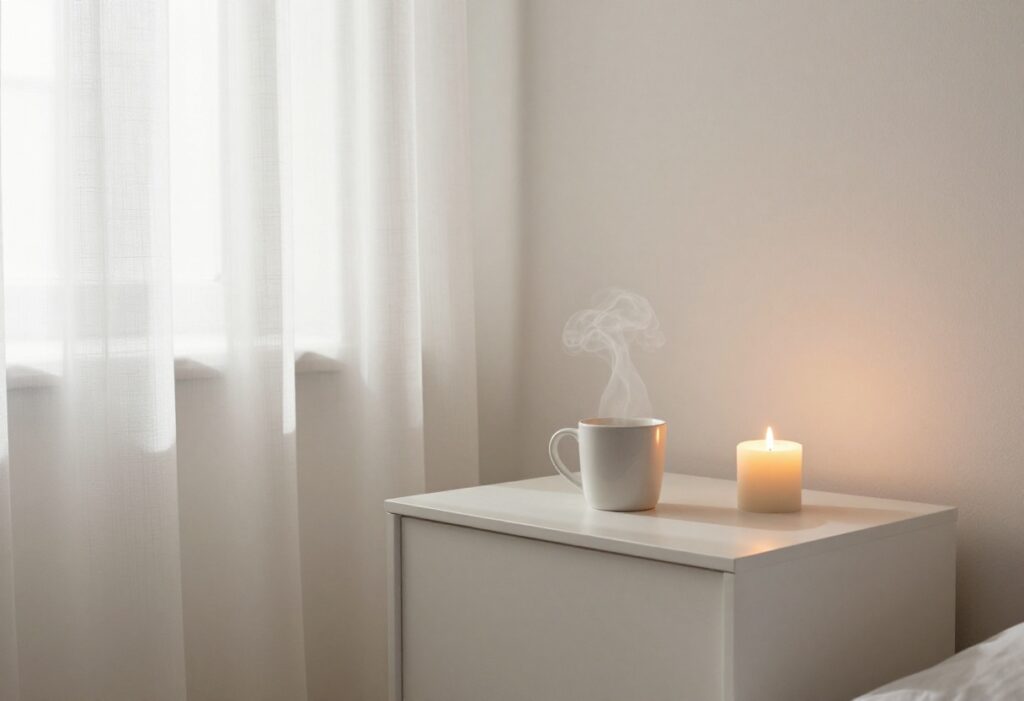
Rest shouldn't feel like something you have to earn. Yet many of us skip downtime because we think we should be productive instead.
These 15 self-care ideas are designed to help you truly recharge without the guilt. From a digital detox morning to a solo date outing, each activity gives you permission to pause.
Pick one that feels right today. No guilt, no pressure—just rest that actually restores you.
1. The Digital Detox Morning

Notifications are designed to pull you in. That ping, buzz, or flash triggers a tiny hit of dopamine, keeping you hooked and mentally scattered. A digital detox morning cuts that loop entirely.
By removing your phone from the equation, you give your brain a chance to wake up slowly, on its own terms.
The goal isn't to be productive or to fill every minute. It's to let yourself exist without the pressure of responding, scrolling, or checking. You might feel a little restless at first—that's normal.
Stick with it. The quiet will start to feel like a relief.
How To Actually Do It
Before bed, turn off all notifications except maybe calls from a few key people. In the morning, leave your phone in another room or in a drawer. Set a time—maybe 9 or 10 AM—when you'll allow yourself to check it.
Until then, the phone is off limits.
What To Do Instead
Make a cup of tea or coffee and sip it slowly, without multitasking. Stretch for a few minutes, even if it's just reaching for the ceiling. Read a few pages of a book or magazine.
Sit by a window and watch the light change. The point is to do one thing at a time, without a screen.
Why It Helps With Guilt
When you're not constantly comparing your morning to someone else's highlight reel, it's easier to feel okay about resting. A digital detox morning gives you permission to be exactly where you are, without the quiet hum of FOMO.
2. The Unhurried Bath Ritual
A bath can be more than just a quick wash. When you treat it as a ritual, it becomes a powerful way to slow down and reset. The key is to remove all sense of rush and let the warmth and quiet do their work.
Start by setting the mood. Light a few candles, add Epsom salts or a bath bomb, and put on a playlist of calm instrumental music. The goal isn't to multitask—no phone, no book, no podcast.
Just you and the water. Set a timer for 30 minutes so you don't worry about losing track of time. Let your mind drift.
If guilt creeps in, remind yourself that rest is productive, too.
Set The Scene
Dim the lights, scatter a few candles around the tub, and add a handful of Epsom salts or a bath bomb. Choose a scent that feels calming—lavender, chamomile, or eucalyptus work well. Keep a glass of water nearby to stay hydrated.
Unplug Completely
Leave your phone in another room. This is not the time for scrolling or catching up on messages. The whole point is to disconnect from the outside world and reconnect with yourself.
Let Your Mind Wander
Don't try to meditate or force your thoughts. Just let them come and go. Focus on the sensation of the warm water, the flicker of candlelight, or the music.
If you start feeling guilty, take a deep breath and remind yourself that this is exactly what you need.
3. The Creative Play Hour

When was the last time you made something just for fun? Not to post, not to sell, not to impress anyone—just because it felt good. That's the whole point of this hour.
You get to be a kid again, messing around with colors, words, or sounds without any pressure to be good at it.
Set a timer for sixty minutes and pick a creative outlet that feels like play. Maybe it's a coloring book with markers, a blank journal where you scribble whatever comes to mind, or a dusty ukulele you haven't touched in years. The rule: no judging, no comparing, no finishing for the sake of finishing.
You're here to enjoy the process, not to produce a masterpiece.
Why Process Over Product Matters
When you focus on the outcome, creativity becomes work. But when you let yourself explore without expectations, your brain shifts into a relaxed, flow state. That's where the real restoration happens.
You're not trying to be good—you're just being.
Easy Ideas To Get Started
Grab a cheap watercolor set and paint abstract shapes. Pull up a guided doodle video on YouTube. Write a haiku about your morning coffee.
Play three chords on repeat. The activity doesn't matter—what matters is that you're doing it for the joy of it.
Let Go Of The Result
If you catch yourself thinking "This looks terrible" or "I should do this better, " take a breath and remind yourself: this hour is for play, not perfection. You can throw away the page, delete the file, or never show anyone. The only person you're answerable to is you.
4. The Nature Reset Walk
Nature has a way of quieting the mind without asking for anything in return. A slow, aimless walk in a park or green space lets you step away from obligations and just be. Leave your headphones behind and let your senses guide you.
This isn't a power walk or a fitness routine. It's a gentle invitation to notice the world around you—the rustle of leaves, the warmth of sunlight, the scent of damp earth. There's no destination, no timeline.
Just you and the outdoors, moving at your own pace.
Leave Your To-do List Behind
The point is to wander without purpose. Don't plan a route or set a step goal. Let your feet take you wherever feels right—down a winding path, past a pond, or under a canopy of trees.
This is about movement as meditation, not achievement.
Engage All Your Senses
Notice the crunch of gravel underfoot, the distant call of a bird, the way the breeze feels on your skin. Pause to smell flowers or run your fingers along tree bark. Each sensory detail anchors you in the present moment, pushing guilt and worry aside.
Let Your Mind Wander Too
Without headphones or podcasts, your thoughts have room to drift. It's okay if your mind jumps from one thing to another. This unstructured mental space is where clarity and calm often sneak in.
You might find solutions to problems you weren't even actively thinking about.
5. The Nourishing Meal Prep
Cooking can feel like a chore when you're racing against the clock. But when you slow down and do it for yourself, it becomes something else entirely: a quiet, satisfying ritual. This idea is about making a simple meal from scratch using whole ingredients, with no rush and no pressure.
Choose a recipe that feels comforting—maybe a hearty soup, a pasta dish, or a grain bowl. Focus on the sensory steps: the smell of onions hitting hot oil, the sound of a knife on a cutting board, the taste of a fresh herb. Let the process be the point, not just the finished plate.
You might even discover that cooking this way leaves you feeling more energized than exhausted.
Pick Your Dish
Go for something you already love or have been wanting to try. Keep it simple—no complicated techniques or hard-to-find ingredients. Think roasted vegetables with quinoa, a simple stir-fry, or a classic tomato sauce from scratch.
Set The Mood
Put on some music or a podcast you enjoy. Pour a glass of water or tea. Clear your counter so you have room to move.
This is your time, so make the space feel inviting.
Savor Each Step
Notice the colors, textures, and aromas as you prep. Taste as you go. Don't multitask—just cook.
When you're done, sit down and eat without distractions. Let yourself enjoy what you made.
6. The Nap Sanctuary

A nap can feel like a luxury, but it's actually one of the most effective ways to reset your energy. The trick is to create an environment that signals your brain it's time to rest—without the guilt of "wasting" daylight. By intentionally setting up a cozy, distraction-free space, you can nap without worry and wake up feeling refreshed, not groggy.
Set The Scene
Start by making your space as dark as possible. Blackout curtains or a sleep mask block light, which helps your brain produce melatonin. A cool room temperature—around 65°F—also promotes deeper rest.
Add a soft blanket and a comfortable pillow to make the space inviting.
Time It Right
Set an alarm for 20 minutes. That's the sweet spot for a power nap that boosts alertness without leaving you groggy. If you have a bit more time, 90 minutes allows for a full sleep cycle, but for a quick recharge, stick to 20.
Let Go Of The Guilt
Remind yourself that napping is a form of self-care, not laziness. Your body needs rest to function well. By dedicating this time to a short nap, you're actually investing in your productivity and mood for the rest of the day.
7. The Gratitude Pause
Gratitude has a funny way of shifting your perspective in just a few minutes. When you're feeling drained or guilty about taking time for yourself, focusing on what's already good can quiet that inner critic. This isn't about toxic positivity—it's about giving your brain a break from the "not enough" loop.
Set a timer for 10 minutes and grab a notebook or even a scrap of paper. Write down three things you're genuinely grateful for today—they can be as small as the taste of your morning coffee or as big as a supportive friend. Then read each one out loud, slowly.
Saying them reinforces the positive emotions and makes them feel more real. You might notice your shoulders drop or your breath deepen. That's the guilt starting to loosen its grip.
Why It Works
Gratitude activates the brain's reward system, releasing dopamine and serotonin. This natural mood boost helps counter the stress and guilt that often accompany rest. By making it a deliberate pause, you're training your mind to notice the good instead of dwelling on what you "should" be doing.
Make It Your Own
If writing feels like a chore, try recording a voice memo on your phone or texting a friend. You can also pair this with a cup of tea or a cozy blanket to turn it into a mini ritual. The key is consistency—even one minute of genuine gratitude can reset your mindset.
8. The Gentle Movement Session
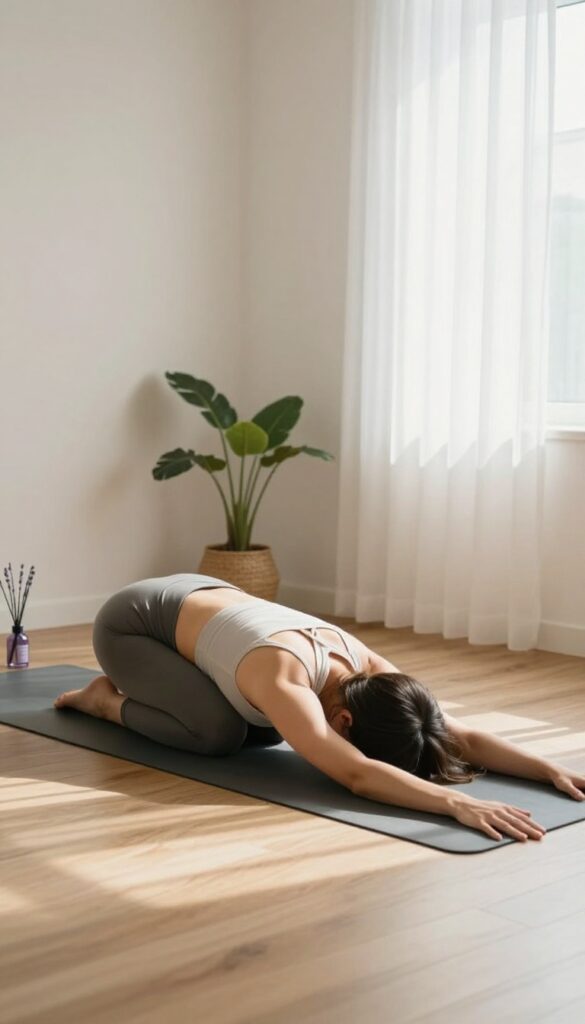
Movement doesn't have to mean a sweaty workout. A gentle session focused on releasing tension can be just as restorative as lying still. The goal here is to listen to your body, not push it.
Roll out your mat for a slow yoga flow or a simple stretching routine. Let go of any fitness goals and focus on how each movement feels. Follow your body's cues—if something feels tight, breathe into it; if it feels like too much, ease off.
This is about unwinding, not earning.
Why Gentle Movement Works
When you're stressed, your body holds tension in muscles and joints. Gentle movement helps release that tension without triggering a stress response. It also signals to your nervous system that you're safe, promoting relaxation.
How To Make It A Ritual
Set the mood with soft lighting, calming music, or a diffuser with lavender oil. Start with a few minutes of deep breathing, then move through poses like child's pose, cat-cow, and forward folds. End with savasana or a few minutes of stillness.
No Equipment? No Problem
You don't need a yoga mat or fancy gear. A carpet or towel works fine. Even a few stretches in bed before getting up can count.
The key is intention—choose to move gently for yourself, not for anyone else.
9. The Solo Date Outing
Taking yourself out on a date might feel awkward at first, but it's one of the most liberating forms of self-care. Without the pressure to entertain or compromise, you get to do exactly what you want, at your own pace. A solo outing is a chance to reconnect with your own company and enjoy the world on your terms.
The key is to treat it like a real date—plan it, dress comfortably but nicely, and savor every moment. Leave your phone in your bag and let your mind wander. You might discover a new favorite spot or simply enjoy the quiet pleasure of being alone in public.
Choose Your Adventure
Pick a place that feels special to you—a cozy café with good coffee, a museum you've been meaning to visit, or a bookstore where you can lose track of time. The goal is to immerse yourself in the experience, not just pass time.
Order Something Just For You
Treat yourself to a drink or snack you genuinely enjoy. Maybe a fancy latte or a pastry you've been craving. Savor it slowly, without rushing.
This small act of indulgence reinforces that you deserve this moment.
Embrace The Solitude
It's normal to feel a little self-conscious at first. But notice how freeing it is to not have to make conversation or check your phone. Let your thoughts flow, observe your surroundings, and enjoy the simple pleasure of being present.
10. The Declutter Corner
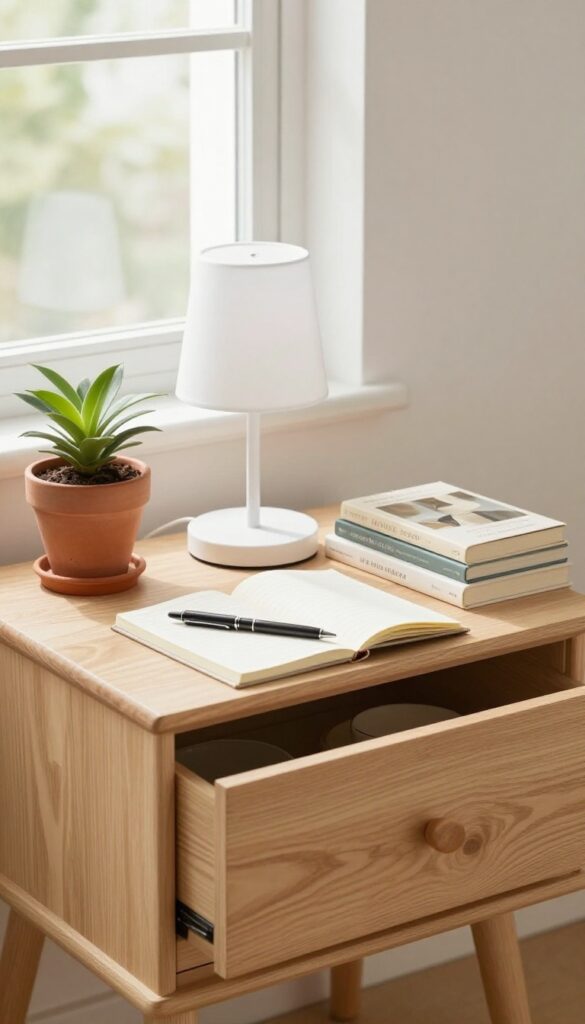
You don't need to Marie Kondo your entire home to feel the mental benefits of tidying. The Declutter Corner is about choosing one tiny zone—a single drawer, a shelf, or even just your nightstand—and giving it a quick refresh. There's no pressure to finish or to tackle the whole room.
The goal is the process, not the outcome. Organizing a small space can feel meditative, like a gentle reset for your mind.
Why Small Spaces Work Best
A small, contained area is manageable and low-stakes. You can complete it in 10-15 minutes, which is enough to feel a sense of accomplishment without draining your energy. The visual order in that one spot can bring a surprising amount of calm.
How To Make It Meditative
Put on some soft music or a podcast you enjoy. Focus on the tactile sensations—the weight of objects, the smoothness of surfaces. Let your mind wander as you sort and arrange.
This isn't about perfection; it's about enjoying the rhythm of the task.
What To Declutter
Pick a junk drawer, a makeup bag, a bookshelf shelf, or the top of your dresser. Even a single kitchen cabinet shelf works. The key is to choose something that won't overwhelm you.
If you finish and want to do more, you can always move to another small spot.
11. The Music Immersion
Sometimes the most restorative thing you can do is just listen. Music has a direct line to your emotions, and when you give it your full attention, it can shift your mood in minutes. This isn't about background noise while you scroll—it's about letting the sound wash over you.
Create a playlist of songs that soothe or uplift you. Lie down with headphones and listen without multitasking. Close your eyes and let the music take you somewhere else for a while.
Craft Your Perfect Soundtrack
Spend 10 minutes curating a playlist that matches your mood—whether that's calming instrumentals, nostalgic favorites, or energizing beats. Think of it as a sonic hug tailored just for you.
Set The Scene
Find a comfortable spot where you won't be interrupted. Dim the lights, grab a blanket, and put on your best pair of headphones. The goal is to minimize distractions so you can sink into the experience.
Let Your Mind Wander
As you listen, allow your thoughts to drift. Notice the instruments, the lyrics, the emotions that come up. There's no right or wrong way to feel—just let the music guide you.
12. The Reading Nook Escape
There's a reason reading is a classic rest activity—it pulls you into another world and lets your brain take a break from your own. The key is to set it up as an experience, not a chore.
Transform a corner of your home into a cozy reading sanctuary. Grab a blanket, prop up some pillows, and make sure the lighting is warm and gentle. Choose a book you genuinely want to read, not one you feel you should finish.
Set a timer for 30 minutes and let yourself get lost in the story. No highlighting, no note-taking, just pure pleasure reading.
Setting The Scene
Find a quiet spot with minimal distractions. Add soft lighting—a lamp with a warm bulb or even a string of fairy lights. Pile on cushions and a throw blanket to make it inviting.
Picking The Right Book
This is not the time for dense non-fiction or work-related material. Grab a novel, a collection of short stories, or even a magazine. The goal is enjoyment, not learning.
Making It A Ritual
Brew a cup of tea or coffee before you settle in. Put your phone on silent and leave it in another room. The small rituals signal to your brain that it's time to unwind.
13. The Breathwork Break
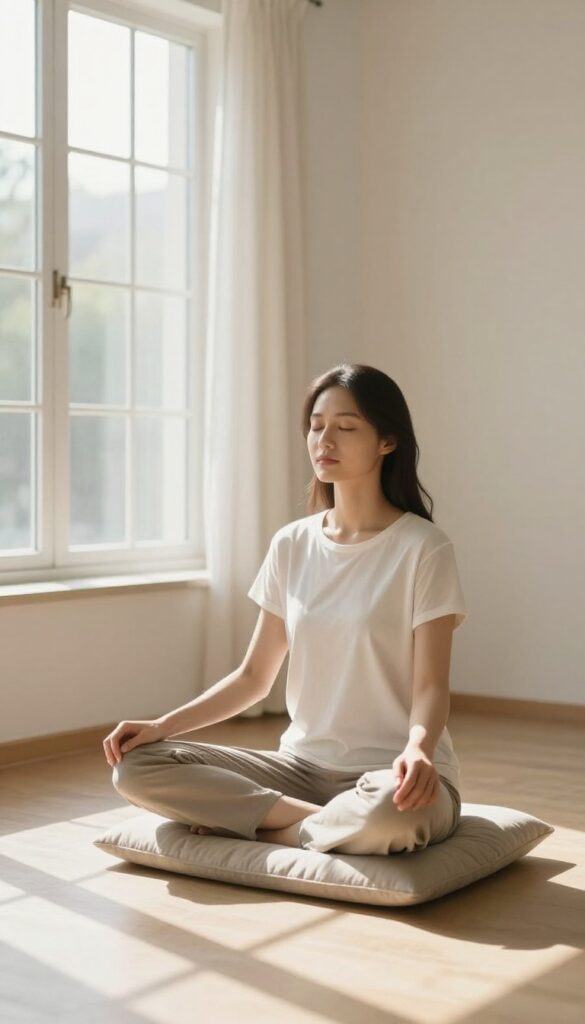
Your breath is always with you, making this one of the most portable self-care tools. A few minutes of intentional breathing can shift your nervous system from fight-or-flight to rest-and-digest. It's quick, free, and surprisingly powerful.
Breathwork doesn't require any special equipment or a quiet room—though both help. The goal is simple: focus on your inhales and exhales to anchor yourself in the present moment. Even five minutes can lower your heart rate and quiet mental chatter.
Try Box Breathing
Inhale for four counts, hold for four, exhale for four, hold for four. Repeat for a few rounds. It's used by Navy SEALs and first responders to stay calm under pressure—perfect for when your mind is racing.
Or The 4-7-8 Method
Inhale through your nose for four counts, hold for seven, exhale through your mouth for eight. This pattern activates the parasympathetic nervous system, helping you feel more relaxed after just a few cycles.
Make It A Ritual
Set a timer for five minutes, sit comfortably, and close your eyes. If your mind wanders, gently bring it back to your breath. No judgment, just practice.
Over time, this mini-break becomes a reliable reset button.
14. The Lazy Afternoon Movie
Sometimes the best kind of rest is the kind where you don't move from the couch. Watching a movie you've already seen can feel like a warm hug for your brain—no surprises, no emotional labor, just comfort. This isn't about catching up on Oscar nominees or finally watching that documentary everyone's been talking about.
It's about picking something familiar that lets your mind settle into a cozy, predictable groove.
Pick a comfort movie or a show you've seen before. Let yourself get lost in the story without checking your to-do list. The goal isn't to be productive—it's to let your brain take a break from decision-making and problem-solving.
Familiar stories are like mental comfort food.
Why Familiar Stories Work
Rewatching something you love triggers the same feel-good memories without the mental effort of following a new plot. It's like visiting an old friend—you know what to expect, and that's exactly the point.
Set The Scene
Dim the lights, grab a cozy blanket, and make your favorite snack. Turn your phone on silent and put it face-down. This small ritual signals to your brain that it's time to truly relax, not just zone out while scrolling.
No Guilt Allowed
You might feel a twinge of 'I should be doing something else. ' Remind yourself that rest is productive. This movie break is recharging your mental battery so you can show up better later. Enjoy every minute of it.
15. The Early Bedtime Ritual

Sleep is the foundation of good health, yet it's often the first thing we sacrifice. Going to bed early can feel like a luxury, but it's actually one of the most powerful acts of self-care you can give yourself. This ritual isn't about forcing sleep—it's about creating a calm transition that tells your brain it's safe to rest.
An early bedtime doesn't mean you have to be asleep by 8 PM. It means giving yourself permission to wind down an hour earlier than usual. Use that time to disconnect from screens, sip something warm, and do a relaxing activity.
The goal is to prioritize sleep as the ultimate act of self-care, not as a chore.
Set The Scene
Dim the lights, put on cozy pajamas, and make your bedroom a sanctuary. A few drops of lavender oil on your pillow or a white noise machine can signal your body it's time to slow down.
Choose A Wind-down Activity
Avoid screens for at least 30 minutes before bed. Instead, try reading a physical book, journaling, gentle stretching, or listening to a calming podcast. Keep it low-effort and enjoyable.
Sip Something Soothing
A warm cup of chamomile tea, golden milk, or even plain hot water with lemon can be a comforting ritual. Avoid caffeine and alcohol, which can disrupt sleep quality.
FAQ
How do I stop feeling guilty when taking a self-care day?
Remind yourself that rest is productive. It recharges your energy, improves focus, and prevents burnout. Start with short guilt-free breaks and gradually extend them.
What if I don't have a full day for self-care?
Even 30 minutes can make a difference. Pick one idea from the list and adapt it to your schedule. Consistency matters more than duration.
Can self-care be active like exercise?
Absolutely. Gentle movement like yoga or a walk counts as self-care if it's done with the intention of rest, not performance.
How often should I have a self-care day?
Aim for once a week if possible, but even once a month can help. Listen to your body—if you're feeling drained, it's time.
What if my self-care day gets interrupted?
That's okay. Adapt and continue when you can. The goal isn't perfection; it's giving yourself permission to rest whenever possible.
Conclusion
Self-care isn't about earning rest—it's about allowing it. You don't need to justify taking time for yourself with a packed schedule or a perfect plan. Pick one idea from this list that feels genuinely doable today, not another obligation.
Maybe it's a quiet cup of tea or a short walk without your phone.
Let that small act be enough. Rest becomes easier when you stop treating it as a reward. Start with one guilt-free choice, and notice how your mind and body respond.