You don't need a spa membership or a full day off to reset. Sometimes the most powerful shift happens in the quiet hours between dinner and bedtime.
These 25 self-care night ideas are designed to help you transition from the chaos of a busy day into a state of calm. They're simple, realistic, and don't require a lot of time or money.
The goal isn't to add more to your to-do list. It's to create small, intentional moments that signal to your mind and body that it's okay to rest.
1. Digital Sunset: Power Down an Hour Before Bed

Blue light from screens messes with your sleep hormones, making it harder to drift off. Giving yourself a full hour without phones, tablets, or laptops can work wonders. That time becomes a gift you give to your nervous system.
What To Do Instead
Pick something that feels like a treat, not a chore. A physical book, a crossword puzzle, or even a podcast on a low-volume speaker can fill that hour. The key is to avoid anything that demands active scrolling or decision-making.
Set Yourself Up For Success
Charge your phone outside the bedroom or in a drawer. If you use your phone as an alarm, switch to a basic alarm clock. Let your family or roommates know so they don't text you during your digital sunset.
The Ripple Effect
After a few nights, you'll notice you fall asleep faster and wake up less groggy. That hour of low-stimulation time also gives your brain space to process the day, making you feel more settled overall.
2. Aromatherapy Shower Steamers
Sometimes the quickest way to unwind is through your sense of smell. Aromatherapy shower steamers turn your regular shower into a mini spa session without any extra effort. Just drop one on the shower floor, and let the steam do the rest.
Shower steamers are an easy alternative to bath bombs when you don't have time for a soak. They dissolve in the heat and release calming essential oils like lavender or eucalyptus. The steam carries the scent around you, helping to ease tension and clear your mind.
Why They Work So Well
The combination of warm water and essential oils creates a powerful relaxation response. Lavender is known to reduce anxiety, while eucalyptus can open up your sinuses and relieve headaches. It's a simple sensory shift that signals your body to power down.
How To Use Them
Place the steamer on the shower floor where water hits it but not directly under the stream. This allows it to fizz slowly and release the aroma gradually. Stay in the shower for five to ten minutes, breathing deeply and letting the scent wash over you.
Diy Or Store-bought
You can buy shower steamers online or at most drugstores, but they're also easy to make at home with baking soda, citric acid, and your favorite essential oils. Homemade versions let you customize the scent strength and avoid any synthetic additives.
3. Guided Sleep Meditation
A guided sleep meditation is like a gentle hand leading you away from the day's mental clutter. You don't need any experience—just a quiet spot and a few minutes to let someone else do the heavy lifting of calming your mind.
Even a short 10-minute session can lower your heart rate and ease anxious thoughts. The key is consistency: making it a nightly ritual trains your brain to associate the meditation with sleep.
Why Guided Works Better Than Silence
For many people, sitting in silence invites the mind to wander back to to-do lists. A guide's voice gives your brain something gentle to follow, making it easier to let go of stressful thoughts.
Best Apps To Get Started
Calm and Insight Timer are two reliable options with hundreds of free sleep meditations. Look for ones labeled 'sleep' or 'bedtime'—they often include body scans or visualizations designed to relax you.
How To Set The Scene
Dim the lights, put your phone on Do Not Disturb, and lie down comfortably. Use headphones if you share a room, but keep the volume low. The goal is to feel cocooned, not distracted.
4. Warm Bath with Epsom Salts
There's a reason baths have been a go-to relaxation ritual for centuries. The combination of warm water and Epsom salts works wonders on tired muscles and a busy mind. The magnesium in the salts helps reduce inflammation and stress, while the heat encourages your body to release tension.
Adding a few drops of chamomile oil takes it to another level, filling the room with a soothing, floral scent that signals it's time to unwind.
Why Epsom Salts Work
Epsom salts are rich in magnesium, which is absorbed through your skin during a soak. Magnesium helps regulate cortisol levels, the stress hormone, and eases muscle soreness. It's a simple, natural way to help your body shift from fight-or-flight mode to rest-and-digest.
Setting The Mood
Dim the lights, light a candle, and put your phone on silent. The goal is to create a mini sanctuary where you can fully disconnect. Keep a glass of water nearby to stay hydrated, and consider playing some soft instrumental music or nature sounds in the background.
How Long To Soak
Aim for 20 to 30 minutes—long enough to feel the benefits but not so long that you get lightheaded or your skin prunes. Let your mind wander or focus on your breathing. This is your time to just be, without any agenda.
5. Journaling Three Good Things

It's easy to let the stressful parts of your day take center stage when your head hits the pillow. That's where a simple gratitude practice can help. Writing down three good things doesn't have to be a big deal—just a quick mental reset before sleep.
This practice trains your brain to scan for positives, even on tough days. Over time, it can improve your mood and help you feel more grounded. All you need is a notebook and a few minutes.
Keep It Simple
You don't need fancy journaling prompts or long paragraphs. Just list three specific moments—like a good cup of coffee, a laugh with a coworker, or a warm blanket. The key is to be specific so your brain can relive the moment.
Make It A Ritual
Pair journaling with another calming habit, like sipping herbal tea or playing soft music. This creates a cue that tells your mind it's time to wind down. Consistency helps the practice stick.
Focus On The Feeling
After writing each good thing, take a second to notice how it made you feel. Did it bring a smile? A sense of relief?
Savoring that feeling deepens the positive impact and helps you carry it into sleep.
6. Herbal Tea Ritual
A warm mug in your hands can be a simple anchor for the evening. Brewing a cup of caffeine-free tea like chamomile or peppermint turns a quick drink into a mindful pause. The key is to sip slowly, without scrolling or multitasking, letting each sip pull you into the present moment.
Choose a loose-leaf or bagged tea that feels special to you. Heat the water to the right temperature—just below boiling for most herbals. Pour it over the tea and let it steep for the recommended time, usually 5 to 7 minutes.
While it steeps, take a few deep breaths. When it's ready, hold the mug with both hands, feel the warmth, and take small, deliberate sips. Let your mind rest on the taste and aroma.
Pick Your Blend
Chamomile is classic for relaxation, but don't stop there. Try lavender, lemon balm, or a blend like rooibos and vanilla. Peppermint is great for digestion and a refreshing end to the day.
Rotate a few favorites to keep the ritual fresh.
Set The Scene
Dim the lights, light a candle, or play soft instrumental music. Sit in a comfortable chair or on the floor with a cushion. The environment matters as much as the tea itself.
Make it a dedicated space where you can be still for 10 minutes.
Mindful Sips
Put your phone on silent and out of reach. Focus on the sensation of the warm liquid, the aroma, and the quiet. If your mind wanders, gently bring it back to the taste.
This is a form of meditation that feels effortless.
7. Stretch or Gentle Yoga
Your body holds tension from the day in places you might not even notice—your shoulders, hips, and lower back. A few minutes of gentle movement can release that tightness and signal your nervous system to shift into rest mode. You don't need to be flexible or experienced; this is about feeling good, not performing poses.
Set aside just 10 minutes before bed. Roll out a mat or grab a soft blanket, and move through a few restorative poses. Focus on slow, deep breaths and let go of any effort to 'get it right. '
Child's Pose For Grounding
Kneel on the floor, sit back on your heels, and fold forward, resting your forehead on the mat or a pillow. Stretch your arms out in front or alongside your body. Stay here for five deep breaths, feeling your spine lengthen and your mind quiet.
Legs-up-the-wall For Circulation
Sit sideways against a wall, then swing your legs up as you lie back. Rest your arms at your sides or place a hand on your belly. Hold for five to ten minutes.
This pose helps calm the nervous system and eases tired legs.
Seated Forward Fold For Release
Sit with your legs extended straight in front of you. Inhale to lengthen your spine, then exhale as you hinge at your hips and fold forward. Let your head hang heavy.
Use a blanket under your knees if needed. Breathe here for six breaths.
8. Face Mask and Skincare Routine
Slathering on a face mask might feel like a small act, but it's a powerful way to signal that the day is over. The cooling sensation, the scent, the few minutes of stillness—it all adds up to a mini reset for your mind as much as your skin. You don't need a ten-step routine.
Even a simple hydrating mask followed by your go-to moisturizer can turn a regular evening into a soothing ritual. The key is to treat it as a moment just for you, not another chore.
Choose a mask that matches your skin's needs—hydrating, calming, or purifying. Apply it after cleansing, then let it sit while you do nothing else. No phone, no TV.
Just breathe. After rinsing, follow with a gentle serum and moisturizer. The repetitive motions of patting and smoothing are surprisingly grounding.
Pick The Right Mask For Tonight
Go for a hydrating sheet mask or a cream mask if your skin feels tight or tired. If you're prone to breakouts, a clay mask can feel deeply purifying. Let your skin's current mood guide you—this isn't about fixing long-term issues, just giving yourself a moment of care.
Make It A Sensory Experience
Light a candle or use a facial mist with a calming scent like lavender or chamomile. The combination of texture, temperature, and aroma turns a simple skincare step into a full-on relaxation cue. Your brain will start to associate these sensations with winding down.
Finish With A Mini Massage
While applying moisturizer, use your fingertips to gently press and sweep along your jawline, cheekbones, and forehead. This boosts circulation and releases facial tension you didn't realize you were holding. It takes less than a minute but feels like a tiny luxury.
9. Read a Physical Book

There's something about the weight of a real book in your hands that a screen just can't replicate. Flipping actual pages and seeing your progress stack up creates a satisfying, tactile experience that helps your brain slow down. For a self-care night, pick something light and enjoyable—a feel-good novel, a cozy mystery, or a collection of short essays.
Avoid thrillers, horror, or anything too stimulating that might keep your mind racing.
Reading a physical book for just 20 minutes can lower stress levels and signal to your body that it's time to wind down. The key is to choose material that feels like a treat, not a chore. Keep a dedicated reading spot with good lighting and a comfortable chair or pillow.
Make it a ritual: brew a cup of herbal tea, get cozy, and let the story carry you away from the day's worries.
Choose The Right Book
Not all books are created equal for bedtime reading. Pick something that doesn't demand intense focus or emotional investment. Think light romance, humorous memoirs, or gentle fantasy.
Save the dense non-fiction or page-turners for daytime.
Set The Scene
Create a cozy reading nook with soft lighting—a warm lamp instead of overhead lights. Add a blanket and a cushion. Keep your phone away to avoid distractions.
The goal is to make reading a sensory experience that feels like a retreat.
Make It A Habit
Try reading at the same time each evening. Even 15-20 minutes can become a powerful cue that the day is over. Over time, your brain will automatically start relaxing when you pick up your book.
10. Listen to a Calming Playlist
Music has a direct line to your nervous system. The right sounds can lower your heart rate, quiet your thoughts, and cue your body that it's time to power down. A carefully chosen playlist turns a simple act into a ritual.
Curating a wind-down playlist is about intention, not perfection. You don't need hours of content—even 20 minutes of soothing tracks can reset your evening. Focus on instrumental pieces, ambient textures, or nature recordings.
Avoid anything with lyrics or a strong beat that might keep your brain engaged.
Choose Your Soundscape
Think about what calms you personally. Piano compositions, soft guitar, or ambient synth pads work well. Nature sounds like rain, ocean waves, or a crackling fire can also be effective.
Experiment with different genres until you find what makes you exhale deeply.
Set The Volume And Duration
Keep the volume low enough that it blends into the background. Set a timer if you tend to fall asleep while listening—this prevents disruption later. Let the music play while you do other quiet activities like reading or stretching.
Make It A Weekly Habit
Dedicate one evening a week to actively listening without multitasking. Lie down, close your eyes, and let the sounds wash over you. This practice trains your brain to associate the playlist with relaxation, making it more effective over time.
11. Body Scan for Relaxation
A body scan is a simple mindfulness practice that helps you notice where you're holding stress and consciously let it go. It's like giving your body a gentle check-in before sleep.
Lie in bed and mentally scan your body from head to toe, releasing tension in each area.
How To Start
Get comfortable in bed, close your eyes, and take a few deep breaths. Bring your attention to the top of your head. Notice any sensations—tingling, pressure, or tightness.
Don't judge, just observe.
Move Slowly Down
Gradually shift your focus to your forehead, jaw, neck, shoulders, arms, hands, chest, stomach, hips, legs, and feet. Spend about 10 seconds on each area. If you notice tension, imagine breathing into that spot and releasing it on the exhale.
Finish With Full Body Awareness
Once you've scanned your entire body, take a moment to feel your body as a whole resting on the bed. Notice the weight, the warmth, and the sense of letting go. Stay here for a few breaths before drifting off.
12. Write a To-Do List for Tomorrow
Getting everything out of your head and onto paper is one of the simplest ways to quiet a racing mind. A short to-do list for tomorrow helps you stop mentally rehearsing tasks and actually relax tonight. This isn't about planning every detail of your day.
It's about capturing the few things that matter most so you can let go of the rest. A quick brain dump before bed can make a surprising difference in how well you sleep.
Keep It Short
Limit your list to three to five key tasks. Any more than that and it starts to feel overwhelming instead of calming. Pick the things that absolutely need to happen tomorrow and leave the rest for later.
Use A Dedicated Notebook
Keep a small notebook or a piece of paper by your bedside. Using the same spot every night creates a ritual that tells your brain it's time to switch off. Avoid using your phone for this—the screen light can interfere with sleep.
Be Specific
Instead of writing "work on project, " write "draft outline for project. " Specific tasks feel more manageable and give you a clear starting point in the morning. This reduces the mental effort of deciding what to do first.
13. Light Candles or Use a Salt Lamp
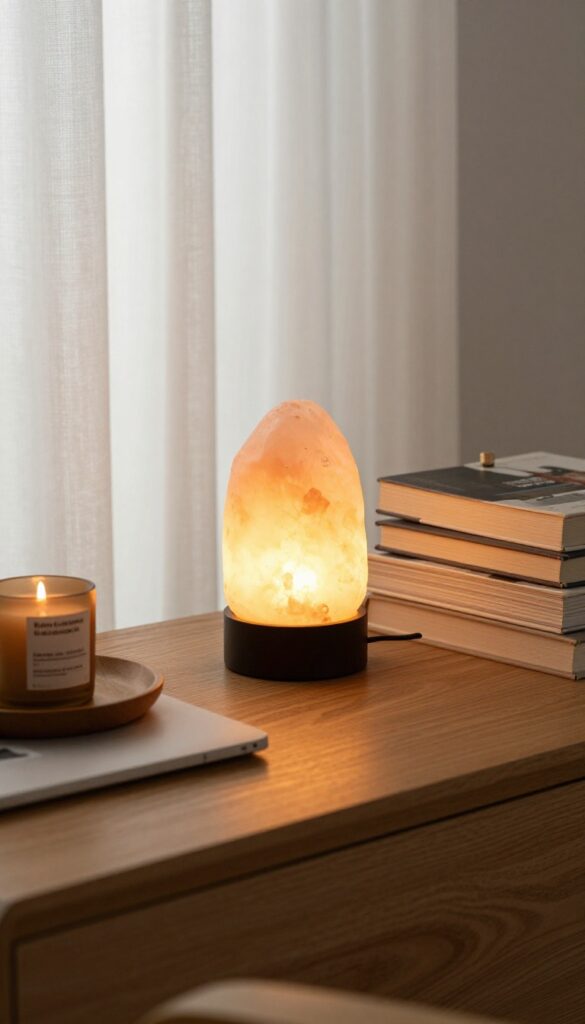
The simple act of changing your lighting can instantly shift your mood. Bright overhead lights keep your brain in "on" mode, while softer, warmer light tells your nervous system it's time to power down. This is where candles and salt lamps come in—they create a cozy, intentional atmosphere without any effort.
Switching from harsh overhead lighting to a soft glow is one of the fastest ways to signal relaxation. Scented candles add an extra layer of calm with aromatherapy benefits, while Himalayan salt lamps emit a warm, amber hue that feels grounding. Both options are low-maintenance and can be part of a nightly wind-down ritual.
Choose Your Scent Wisely
Not all candle scents are created equal for relaxation. Lavender, chamomile, and sandalwood are classic choices for calming the mind. Avoid citrus or peppermint if you're trying to unwind, as those can be energizing.
Light your candle about 15 minutes before you start your routine so the scent has time to fill the room.
The Salt Lamp Difference
Himalayan salt lamps don't just look nice—they produce a warm, dim light that's easier on the eyes than LEDs. Many people find the soft pink-orange glow comforting and less stimulating than blue light from screens. Place one on your nightstand or in a corner of the room to create a gentle focal point.
Make It A Ritual
Consistency helps your brain associate the glow with relaxation. Try lighting the same candle or lamp at the same time each evening as you start your wind-down. Pair it with another calming activity, like reading or deep breathing, to strengthen the habit over time.
14. Hand or Foot Massage
Your hands and feet carry you through the day, yet they rarely get the attention they deserve. A simple self-massage can release tension stored in these hardworking areas and send a wave of relaxation through your whole body.
Grab your favorite lotion or a small bottle of massage oil—something that smells good to you. Warm it up in your palms, then start with one hand or foot at a time. Use your thumbs to press into the arch of your foot or the center of your palm, and work your way slowly out toward the fingers or toes.
Pay extra attention to any spots that feel tight or tender.
Focus On Pressure Points
Reflexology maps suggest that certain points on your hands and feet correspond to different organs and systems in your body. While you don't need to memorize a chart, pressing into the fleshy pads and the webbing between your fingers or toes can feel deeply soothing. Spend an extra 30 seconds on each pressure point that feels sensitive.
Add A Soothing Scent
Lavender, chamomile, or eucalyptus-infused lotion can turn a simple massage into an aromatherapy session. The combination of touch and scent works together to calm your nervous system even faster.
Wind Down With Gentle Stretches
After the massage, gently rotate your wrists and ankles, or spread your fingers and toes wide a few times. This helps keep the release from the massage from tightening back up as you settle into rest.
15. Coloring or Doodling
Picking up a pen and letting it wander across paper might feel childlike, but there's real science behind why it works. Repetitive creative actions like coloring or doodling can shift your brain into a more relaxed state, similar to meditation. You don't need to be an artist.
The point isn't to create a masterpiece—it's to give your hands something simple to do so your mind can settle. Adult coloring books are easy to find, but a blank notebook works just as well.
Why It Works
Coloring within lines or making repetitive patterns activates the same calming pathways as mindfulness exercises. It lowers cortisol and helps you focus on the present moment instead of replaying the day's stress.
What You Need
An adult coloring book, a notebook, or even scrap paper. Grab colored pencils, markers, or just a black pen. No special supplies required.
Tips To Get Started
Set a timer for 10 minutes and just fill in shapes or draw loops. Don't judge your work. Let your hand move without planning.
You can also try zentangle patterns—structured doodles that feel satisfying and repetitive.
16. Declutter Your Bedside Table
Your bedside table is the last thing you see before sleep and the first thing you see in the morning. When it's piled with books, glasses, chargers, and random odds and ends, it can feel chaotic. Clearing it off takes just five minutes and can make a surprising difference in how calm your space feels.
A cluttered surface sends subtle signals to your brain that there's unfinished business. By tidying up, you create a visual cue that the day is done and it's time to rest. This small act of order can help you fall asleep more easily and wake up feeling more organized.
What To Remove
Start by taking everything off the table. Sort items into three piles: things that belong elsewhere, trash, and keepers. Only put back what you actually use at night—a lamp, a book, a glass of water, maybe your phone charger.
Everything else finds a home elsewhere.
Quick Wipe Down
While the surface is clear, give it a quick wipe with a damp cloth or a dusting spray. This takes thirty seconds but adds a layer of freshness. A clean surface feels inviting and signals that this space is cared for.
Maintain The Habit
Make this a nightly routine. Before you get into bed, spend one minute returning anything that migrated to the nightstand during the day. Keep a small tray or dish for essentials like your watch or glasses so they stay organized.
Consistency makes it effortless.
17. Listen to an Audiobook or Podcast
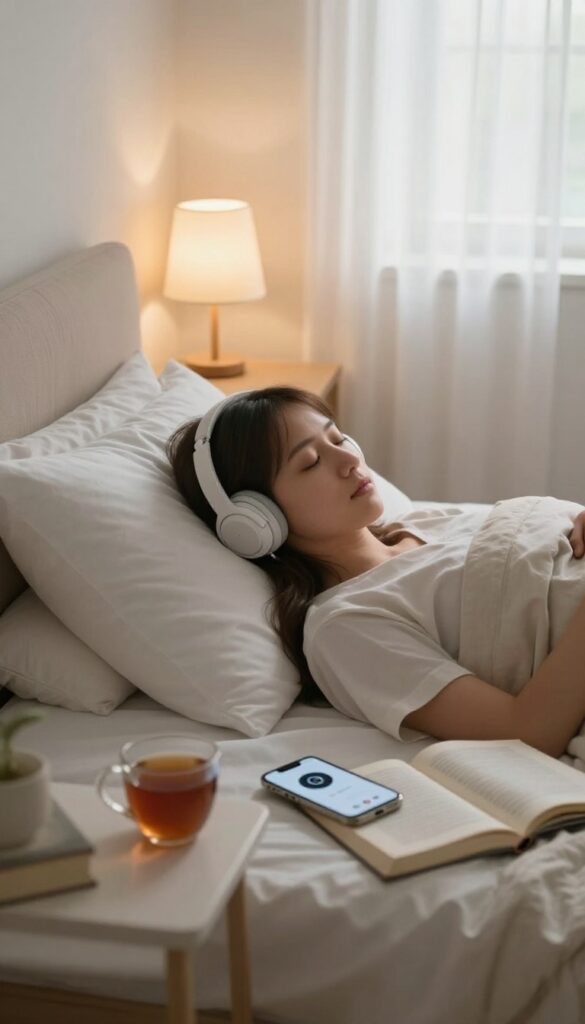
Sometimes the best way to unwind is to let someone else do the talking. Curling up with a soothing audiobook or a podcast with a calm host can gently guide your mind away from the day's stress. Setting a sleep timer ensures you drift off naturally without worrying about stopping playback.
Choose a title with a slow pace and a comforting narrator—think memoirs read by the author, nature documentaries, or fiction with a gentle plot. For podcasts, look for shows focused on sleep stories, history, or conversational interviews with soft-spoken hosts. The key is to avoid anything too stimulating or plot-driven that might keep you awake.
Pick The Right Genre
Not all audio content is sleep-friendly. Avoid true crime, intense thrillers, or fast-paced talk shows. Instead, try literary fiction, travelogues, or guided meditations.
Many streaming services have dedicated sleep playlists.
Set A Sleep Timer
Most audiobook and podcast apps include a sleep timer that automatically stops playback after 15, 30, or 60 minutes. This prevents your device from playing all night and helps you relax without worrying about missing the ending.
Create A Cozy Listening Setup
Use wireless headphones or a small speaker at low volume. Dim the lights, get comfortable in bed, and close your eyes. The combination of a calm voice and a dark, quiet room signals your brain that it's time to rest.
18. Practice Deep Breathing
Your breath is always with you, and it's one of the fastest tools to calm your nervous system. A few minutes of intentional breathing can lower your heart rate and quiet a busy mind. It's a self-care practice that costs nothing and can be done anywhere, even in bed.
The 4-7-8 Technique
This method is simple and effective. Inhale through your nose for 4 seconds, hold your breath for 7 seconds, then exhale slowly through your mouth for 8 seconds. Repeat this cycle five times.
You'll notice your body relaxing more with each exhale.
Why It Works
The extended exhale activates your parasympathetic nervous system, which helps you shift from 'fight or flight' to 'rest and digest. ' It's a gentle reset for your mind and body after a long day.
Making It A Habit
Try pairing this breathing exercise with another nightly routine, like after you turn off the lights or before you close your eyes. Consistency makes it more effective, and soon your body will associate the breath pattern with winding down.
19. Write a Letter to Your Future Self
There's something quietly powerful about putting your current hopes and intentions into words, sealing them up, and knowing they'll be waiting for you later. It's like leaving a small gift for a version of you that's a few weeks wiser. This isn't about major life declarations.
It's a simple, honest check-in with yourself—a snapshot of where you are right now and what you're quietly wishing for.
Grab a piece of paper or a nice notebook and write a short note to the you of one month from now. Keep it simple: what are you grateful for today? What's one hope you have for the weeks ahead?
What's a small intention you want to remember? Seal it in an envelope, write "Open in one month" on the front, and tuck it somewhere you'll find later.
What To Include
Stick to a few honest lines. Mention something you're proud of, one worry you're letting go of, and one intention you want to carry forward. Avoid pressure—this is a gentle reflection, not a performance.
Make It A Ritual
Light a candle, brew a cup of tea, and treat this like a small ceremony. The act of writing by hand slows you down and makes the moment feel intentional. When you read it later, you'll be glad you took the time.
20. Sip Warm Milk or Golden Milk
There’s a reason warm milk is a classic bedtime ritual. It’s simple, soothing, and signals your body that it’s time to slow down. A warm mug of milk—plain or with a pinch of turmeric and nutmeg—can be a comforting end to your evening.
Golden milk, also known as turmeric latte, adds anti-inflammatory benefits and a subtle earthy flavor. The warmth alone helps relax your muscles and calm your mind. It’s a gentle, caffeine-free alternative to tea or hot chocolate.
Why It Works
Warm milk contains tryptophan, an amino acid that helps produce serotonin and melatonin, which regulate sleep. The heat also has a physical calming effect, like a warm hug from the inside.
How To Make It
Heat a cup of milk (dairy or plant-based) until warm but not boiling. Stir in a pinch of turmeric, a dash of nutmeg or cinnamon, and a little honey. Sip slowly while you unwind.
When To Enjoy
About 30 minutes before bed is ideal. Pair it with dim lighting and a few minutes of quiet to maximize the relaxing effect.
21. Take a Short Walk Outside

A brief walk after dark can feel like a reset button. The cool air, the quiet streets, and the absence of screens give your mind space to breathe. It doesn't have to be long or intense—just enough to shake off the day's residue.
Step outside for 10 minutes and let the evening air work its magic. Leave your phone behind or set it to silent. Notice the sounds, the temperature, the way the sky looks.
This small act can lower stress and improve sleep quality.
Leave The Phone Inside
Resist the urge to check notifications or listen to a podcast. The point is to be present with your surroundings, not to multitask. A phone-free walk helps you truly disconnect.
Focus On Your Senses
Pay attention to what you hear, smell, and feel. The crunch of leaves, the distant hum of traffic, the breeze on your skin. This sensory shift can ground you in the moment.
Keep It Short And Easy
A 10-minute loop around your block is plenty. No need to change into workout gear or set a pace. The goal is gentle movement and fresh air, not exercise.
22. Do a Puzzle (Jigsaw or Crossword)
Puzzles are a perfect way to engage your brain without overwhelming it. Unlike scrolling through social media, which can feel both stimulating and draining, a puzzle gives you a focused, low-pressure activity that lets your mind settle into a steady rhythm.
Spending just 15 minutes on a jigsaw or crossword can help you disconnect from the day's stress. It's a gentle mental workout that keeps you present without requiring intense concentration.
Choose Your Puzzle Type
Jigsaws are great for visual thinkers who enjoy sorting shapes and colors. Crosswords work well if you prefer wordplay and trivia. Pick what feels most relaxing to you.
Set A Timer
Decide on a short time frame, like 15 or 20 minutes. This keeps the activity from turning into a marathon session. When the timer goes off, you can stop guilt-free.
Create A Cozy Setup
Clear a small table, turn on a soft lamp, and maybe brew a cup of tea. Having a dedicated puzzle spot makes the experience feel more like a ritual.
23. Gratitude Jar Entry
There's a quiet magic in taking a moment to name one good thing from your day. A gratitude jar turns that simple act into a ritual you can actually see grow over time. It's not about grand gestures—just a single slip of paper, one sentence, and a small glass jar.
Keep a jar and small pieces of paper on your nightstand. Each evening, write down one thing you're grateful for—could be a warm cup of tea, a kind text from a friend, or just that you made it through the day. Fold it up and drop it in.
Over weeks and months, the jar fills with tiny reminders of the good in your life. On tough days, you can pull a few out and read them back.
Why It Works
Gratitude shifts your focus from what went wrong to what went right. The physical jar makes your blessings visible, which reinforces the habit. It's a low-effort way to end the day on a positive note.
How To Get Started
Any clean jar will do—mason jar, pasta sauce jar, or a decorative one. Keep it next to your bed with a pen and a small stack of paper. Set a reminder on your phone for the first few nights until it becomes automatic.
Make It Your Own
Use colored paper or washi tape to make it feel special. You can also include small mementos like a movie ticket stub or a dried flower. Some people write a goal for the next day too.
The key is consistency, not perfection.
24. Progressive Muscle Relaxation
Tension has a way of hiding in your body until you're lying in bed, unable to unwind. Progressive muscle relaxation (PMR) is a simple technique that helps you release that hidden stress, one muscle group at a time. It's like giving your body permission to let go, starting from your toes and working all the way up to your head.
PMR works by tensing a muscle group for about five seconds, then releasing and noticing the sensation of relaxation. This contrast helps your brain recognize what relaxation feels like, making it easier to let go of tension you might not even realize you're holding.
How To Do It
Find a comfortable spot where you can lie down or sit without distractions. Start with your feet: curl your toes tightly for five seconds, then release. Notice the difference.
Move up to your calves, thighs, abdomen, hands, arms, shoulders, neck, and face. Tense each area, hold, then let go completely.
Why It Works
When you're stressed, your body stays in a low-level fight-or-flight mode, keeping muscles partially contracted. PMR interrupts that cycle by forcing a full contraction followed by a deep release. It also shifts your focus away from racing thoughts and onto physical sensations, which can quiet a busy mind.
Tips For Better Results
Breathe in as you tense, and breathe out as you release. Don't strain—just a gentle, noticeable contraction is enough. If an area feels sore or injured, skip it.
You can also pair this with calming music or a guided PMR recording if you prefer.
25. Set an Intention for Tomorrow

The last moments before sleep often set the tone for the next morning. Instead of scrolling through your phone or replaying the day's worries, try setting a simple intention for tomorrow. This isn't about making a to-do list or setting goals.
It's about choosing one word or short phrase that captures how you want to feel or what you want to focus on. Think of it as a gentle compass for the day ahead.
Pick One Word
Keep it simple. Words like "patience, " "focus, " "calm, " "kindness, " or "energy" work well. Let it come naturally based on how you're feeling right now and what you need tomorrow.
Say It Aloud Or Write It Down
Speaking the word out loud gives it weight. Or jot it on a sticky note and place it on your bathroom mirror. Seeing it first thing in the morning reinforces the intention.
Let It Go After Setting It
Once you've set the intention, release it. Don't cling to it or worry about fulfilling it perfectly. The act of choosing is what matters, not the outcome.
FAQ
How long should a self-care night routine take?
It can be as short as 15 minutes or as long as an hour. The key is consistency, not duration.
Can I combine multiple ideas in one night?
Absolutely. Pick 2-3 that resonate with you and create your own mini ritual.
What if I'm too tired to do anything?
Start with the simplest idea, like deep breathing or listening to a calming playlist. Even one small step counts.
Are these ideas suitable for people with anxiety?
Yes, many of these are grounding and calming. However, consult a professional if anxiety is severe.
Do I need special equipment for these self-care nights?
No. Most ideas use items you already have at home, like a book, tea, or lotion.
Conclusion
You don't need to try all 25 ideas at once. Pick one or two that feel genuinely soothing—maybe a warm bath or a few pages of a good book.
The goal is to unwind, not to check off tasks. Let your self-care night be whatever you need it to be, and give yourself permission to rest without guilt.