You don’t need a spa day or a week-long retreat to practice self-care. Real self-care fits into your existing routine without breaking the bank or demanding hours you don’t have. It’s about small, intentional choices that keep you grounded.
Most self-care advice sounds great on paper but feels impossible to follow. That’s why this list focuses on realistic, low-effort actions you can actually stick with. No guilt, no pressure—just practical ways to bring more balance into your day.
Think of these tips as a flexible checklist, not a rigid rulebook. Pick what resonates, skip what doesn’t, and build a self-care practice that works for your life.
1. Start Your Morning Without Your Phone

The first moments of your morning set the tone for everything that follows. Grabbing your phone immediately floods your brain with notifications, emails, and social media updates before you've even had a chance to wake up. That reactive start can leave you feeling scattered and stressed before your feet hit the floor.
Instead, try a phone-free buffer zone for the first 15 minutes. Use that time to stretch, sip water, or simply sit in silence. This small boundary creates a calmer, more intentional start to your day.
Resisting the urge to check notifications for even a short window can transform your morning. Your brain needs time to transition from sleep to wakefulness without the noise of the outside world. This practice helps you begin the day on your own terms, not in response to others.
Why It Works
When you check your phone first thing, your brain enters a reactive mode. You're immediately responding to demands from work, friends, or news. By delaying that input, you give yourself a chance to set an intention for the day.
Studies show that this simple habit can lower stress and improve focus throughout the morning.
How To Make It Stick
Charge your phone in another room overnight. Use a traditional alarm clock instead. If you need your phone for alarms, place it face down and across the room so you have to get out of bed to turn it off.
Keep a glass of water and a book or journal nearby to fill those first minutes.
What To Do Instead
Stretch your body gently, take a few deep breaths, or write down one thing you're grateful for. Drink a full glass of water to rehydrate. Step outside for a moment of fresh air.
These simple actions wake you up naturally and set a calm, grounded tone for the rest of your day.
2. Drink a Full Glass of Water Before Coffee
Before you reach for that coffee mug, grab a glass of water instead. After hours of sleep, your body is naturally dehydrated, and that groggy feeling isn't always a caffeine deficit—it's often thirst. Water helps kickstart your metabolism, flush out toxins, and can even make that first cup of coffee work better by reducing acidity.
Make it a habit to keep a glass or bottle of water on your nightstand. Drink it while you're still in bed or right after you stand up. If plain water feels boring, add a squeeze of lemon or a pinch of salt for electrolytes.
This simple swap can improve digestion, skin clarity, and energy levels throughout the morning.
Why Water First Works
Your brain and body rely on water to function. Even mild dehydration can cause fatigue, headaches, and brain fog. By hydrating first, you give your nervous system a gentle wake-up call.
Plus, coffee is a diuretic, so starting with water helps offset that effect.
How To Make It Stick
Set a water bottle next to your coffee maker or alarm clock. Use a marked bottle to track your intake. If you're not a morning water drinker, start with just a few sips and gradually increase.
Within a week, it'll feel automatic.
The Coffee Timing Trick
Wait 15–30 minutes after drinking water before having coffee. This gives your body time to absorb the water and reduces the likelihood of coffee jitters. You'll also find you need less coffee to feel alert, saving money and caffeine tolerance.
3. Make Your Bed Every Morning

It sounds almost too simple, but making your bed is one of the most effective ways to start your day with a win. This two-minute task gives you an immediate sense of accomplishment. It’s a small win that triggers momentum for the rest of the day.
Plus, coming home to a tidy bed feels good.
Making your bed is a keystone habit—one that naturally leads to other positive behaviors. It sets a tone of order and control. When you start your day by completing a task, you're more likely to tackle others.
It's a psychological boost that costs nothing.
The Momentum Effect
Completing one small task early in the morning creates a ripple effect. You feel organized and capable, which makes it easier to stick to other healthy habits like drinking water or stretching. It's a simple trick to build self-discipline.
A Calm Space To Return To
After a long day, walking into a bedroom with a neatly made bed instantly lowers stress. It signals that your space is cared for, which helps your brain switch into relaxation mode. No clutter, no chaos—just a peaceful spot to unwind.
4. Schedule One ‘Non-Negotiable’ Break
Breaks aren't a luxury—they're a necessity. Yet most of us skip them, thinking we're being productive. The truth is, powering through without a pause leads to burnout and foggy thinking.
A short, intentional break can reset your focus and energy.
Block 15 minutes in your calendar for a real break—no work, no screens. Use it to walk, breathe, or just stare out the window. This prevents burnout and keeps you focused.
Why 15 Minutes Works
Fifteen minutes is long enough to recharge but short enough to fit into any schedule. It's a sweet spot that lets your brain disengage without losing your workflow momentum.
What To Do With Your Break
Step away from your desk. Take a short walk, stretch, or sit quietly. Avoid checking your phone or email—this is your time to decompress.
Make It Non-negotiable
Treat this break like any other appointment. Set an alarm, block it in your calendar, and don't let meetings or tasks steal it. Consistency builds the habit.
5. Eat Lunch Away From Your Desk
Your lunch break isn't just for refueling—it's a chance to reset your brain. When you eat at your desk, you stay in work mode, scrolling through emails or thinking about the next task. That defeats the purpose of a break.
Stepping away, even for just 10 minutes, gives your mind a real pause. You return with fresh eyes and less tension. It's one of the easiest self-care wins you can make.
Make it a habit to physically leave your workspace during lunch. Find a different spot—a kitchen table, a park bench, or even just a different room. The change of scenery signals to your brain that it's time to relax.
If you can't get outside, try a quiet corner with no screens. Eat slowly and focus on your food. This small act of separation helps you recharge and come back more productive.
Find Your Spot
Scout a few places ahead of time. A sunny window, a cozy couch, or a nearby bench. Having options makes it easier to actually move.
No Screens Rule
Leave your phone and laptop behind. Use the time to just eat, breathe, or people-watch. Your brain needs a break from constant input.
Start Small
If a full hour feels impossible, aim for 10 minutes. Even that short shift helps lower stress and improve focus for the rest of the day.
6. Do a 5-Minute Stretch Session

Sitting for hours tightens your neck, shoulders, and back, making you feel stiff and drained. A quick five-minute stretch can release that tension and get your blood flowing again. You don't need a yoga mat or special clothes—just a few minutes and a little floor space.
Target The Hotspots
Focus on areas that hold the most tension: your neck, shoulders, and lower back. Simple moves like neck rolls, shoulder shrugs, and a seated forward fold work wonders. Hold each stretch for about 20 seconds and breathe deeply.
Set A Timer, Not A Goal
Don't overthink it—just set a timer for five minutes and move. You can follow a quick video or just listen to your body. The point is consistency, not flexibility.
Even a short session resets your posture and energy.
7. Write Down Three Things You’re Grateful For
Gratitude isn't just a feel-good buzzword—it's a science-backed way to shift your brain's focus from what's wrong to what's right. The beauty is in the simplicity: you don't need a long list or deep reflection. Just three small, specific things each day.
Over time, this tiny habit rewires your neural pathways to naturally notice the positives, making your day feel lighter and more balanced.
Keep It Small And Specific
Instead of writing "I'm grateful for my family, " try "I'm grateful for the laugh my daughter shared at breakfast. " Specificity makes the gratitude feel real and personal. It also helps your brain anchor to a concrete moment, which strengthens the positive memory.
Pick A Consistent Time
Tie your gratitude practice to an existing habit. Maybe it's right after brushing your teeth in the morning or just before closing your eyes at night. Consistency makes it automatic, so you don't have to remember to be grateful—it just happens.
Use A Simple Tool
A dedicated notebook, a notes app, or even a sticky note on your mirror works. The tool doesn't matter as long as it's easy and accessible. If you're on the go, a quick voice memo does the trick.
The goal is to capture the thought, not to create a perfect journal.
8. Set a ‘No Screens’ Window Before Bed

Blue light from phones and laptops tricks your brain into thinking it's still daytime. That makes falling asleep harder and sleep quality worse. Creating a screen-free buffer zone before bed is one of the simplest ways to improve your rest.
You don't have to go cold turkey. Even 30 minutes without screens can make a noticeable difference. Use that time to wind down with activities that signal to your body that sleep is coming.
This small habit pays off quickly. Better sleep means more energy, better mood, and clearer thinking the next day.
Turning off screens 30 minutes before sleep helps your body produce melatonin naturally. Swap scrolling for a book, journaling, or calm music. Your sleep quality will improve without any extra effort.
Why Blue Light Matters
Blue light suppresses melatonin, the hormone that regulates sleep. Even a few minutes of screen time can delay sleep onset. By cutting off screens early, you let your body's natural sleep cycle kick in.
What To Do Instead
Read a physical book, write in a journal, listen to an audiobook or calming playlist, do gentle stretches, or try a few minutes of meditation. Choose something that feels relaxing, not stimulating.
Make It Easy To Stick With
Set a phone reminder 30 minutes before your target bedtime. Charge your phone outside the bedroom. Keep a book or journal on your nightstand so you have a ready alternative.
9. Declutter One Small Area
Physical clutter often translates to mental clutter. You don't need to organize your entire home—just picking one small spot can bring a surprising sense of calm. It's a quick win that takes five minutes but leaves you feeling more in control.
Choose one drawer, shelf, or countertop. Clear everything off, wipe it down, and only put back what belongs. Toss or relocate the rest.
That single tidy surface becomes a visual anchor of order in your day.
Why Small Wins Matter
Focusing on a tiny area makes the task feel doable. You get an instant sense of accomplishment, which can motivate you to tackle other small tasks. It's a ripple effect from one clean corner.
How To Pick Your Spot
Look for a place that bothers you every day—maybe a cluttered nightstand or a messy kitchen counter. The more you see it, the more relief you'll feel once it's tidy. Start with high-traffic zones for maximum impact.
10. Use a ‘Stop Doing’ List

We often focus on what we should add to our routine, but sometimes the best self-care move is subtraction. A 'stop doing' list helps you identify the habits or tasks that quietly drain your energy. Once you name them, you can let them go and free up space for what actually matters.
Start by listing one or two things that consistently leave you feeling depleted. Maybe it's checking work emails after dinner, scrolling social media before bed, or saying yes to social plans you dread. The goal isn't to quit everything at once—just pick one small drain and stop doing it for a week.
Notice how much lighter you feel. That small shift can ripple into more energy, better focus, and a calmer mind.
Identify Your Energy Drains
Take a few minutes to think about your daily routine. What tasks or habits make you feel tired, annoyed, or resentful? Write them down without judgment.
Common culprits include overcommitting, multitasking, or spending time on activities that don't align with your priorities.
Start With One Small Stop
You don't need to overhaul your life overnight. Pick just one item from your list and commit to stopping it for a week. For example, if you always say yes to extra work, practice saying no once.
The key is to make it manageable so you can actually follow through.
Replace With A Positive Alternative
Stopping something can leave a gap. Fill it with a simple, positive action that supports your well-being. If you stop checking email after 7 PM, use that time to read a few pages of a book or stretch.
This makes the change feel like a gain, not a loss.
11. Take a Walk Without a Destination
We often treat walking as a chore—something to get done on the way to the store or to hit a step count. But when you strip away the destination, a simple walk becomes a powerful reset button. It’s not about exercise or efficiency; it’s about giving your mind permission to roam freely.
Aimless walking lowers stress hormones and sparks creativity. The gentle rhythm of your steps and the shifting scenery help quiet mental chatter. Plus, being outdoors, even for a few minutes, exposes you to natural light and fresh air, which instantly lifts your mood.
Make this walk a screen-free zone. Leave your phone in your pocket unless you’re using it as a simple timer. The goal is to notice, not to document.
Pay attention to the colors of leaves, the sound of birds, or the feeling of the breeze on your skin. Let your thoughts drift without trying to solve problems or plan your day. This is your time to just be.
If you’re unsure where to start, step outside your front door and turn in the direction that feels less familiar. Walk at a leisurely pace—slow enough to observe details you’d normally miss. A 10-minute loop around your neighborhood is plenty.
The magic happens when you stop rushing and start noticing.
How To Make It A Habit
Tie your walk to an existing routine, like right after lunch or before your evening shower. Keep a pair of comfortable shoes by the door so you have no excuses. Start with just 5 minutes if 10 feels too long—consistency matters more than duration.
What To Do With Your Mind
If your brain starts planning or worrying, gently guide it back to your senses. Listen to the crunch of gravel, feel the sun on your skin, or count how many different shades of green you see. This mindful attention is what makes the walk restorative.
When The Weather Isn’t Perfect
Don’t let a little rain or cold stop you. Dress appropriately and go anyway—sometimes the most refreshing walks happen in light drizzle or crisp air. If you really can’t go outside, walk slowly around your home, focusing on each step and the sensations in your feet.
12. Practice the ‘One-Touch’ Rule for Emails

Email can be a major source of stress, especially when your inbox is overflowing with messages you keep meaning to reply to. The one-touch rule is a simple way to take control: handle each email immediately by replying, deleting, or archiving it. This stops the cycle of re-reading and worrying, freeing up mental space for more important things.
The one-touch rule is straightforward: when you open an email, decide right then what to do with it. If it needs a quick response, reply immediately. If it's spam or no longer relevant, delete it.
If it contains information you might need later, archive it in a labeled folder. The key is to avoid leaving emails in your inbox as reminders or to-dos. This approach reduces the time you spend sorting through messages and lowers the anxiety of an ever-growing inbox.
Over time, you'll feel more organized and in control, with less effort than you think.
Set Up Quick Filters
Automate the process by creating filters that sort incoming emails into folders based on sender or subject. For example, newsletters can go straight to a 'Read Later' folder, while bills can land in 'Finance'. This way, your main inbox only shows messages that need immediate attention, making the one-touch rule easier to follow.
Schedule Email Time
Instead of checking email constantly, set specific times each day to process your inbox. For instance, check once in the morning, once after lunch, and once before finishing work. During these sessions, apply the one-touch rule to each message.
This habit prevents email from interrupting your flow and keeps your focus on what matters.
Use Templates For Common Replies
If you often send similar responses, save a few templates. For example, a polite 'I'll get back to you by [date]' or a quick 'Thanks, received! ' can be pasted in seconds. This makes replying instantly feel less daunting and helps you stick to the one-touch rule without overthinking.
13. Create a ‘Wind-Down’ Playlist
Your brain loves patterns. When you consistently pair a specific playlist with relaxation, those songs become a cue to shift into low gear. It’s like training your nervous system to let go on command.
No complicated rituals, just a few tracks that whisper, "You’re done for the day. "
Curate a short playlist of calming songs. Listen to it during your evening routine to signal your brain that it’s time to relax. Music is a powerful mood regulator.
Pick The Right Vibe
Focus on slow tempos (60–80 BPM) and minimal lyrics. Instrumental, acoustic, or ambient works best. Think lo-fi beats, classical piano, or nature sounds.
Avoid anything that pumps you up or brings back strong memories.
Keep It Short And Repeatable
Aim for 20–30 minutes—just enough to cover your wind-down routine. Repetition builds the association, so don’t change it too often. Use the same playlist for a few weeks to lock in the habit.
Make It A Ritual
Hit play at the same point in your evening, like after brushing your teeth or right before climbing into bed. Pair it with another low-effort action, like dimming the lights or lighting a candle. The combo strengthens the signal.
14. Say ‘No’ to One Request This Week
Declining a request can feel uncomfortable, but it’s one of the most powerful self-care tools you have. Every time you say yes to something that doesn’t matter, you’re saying no to something that does—like rest, focus, or time with loved ones. Your energy is finite, so spending it wisely isn’t selfish; it’s necessary.
Start small. Pick one low-stakes request this week—a meeting you could skip, a favor you could pass on, or an invitation you’d rather decline. Notice how it feels to protect your time.
The discomfort fades quickly, and the freedom you gain is worth it.
Saying no is a skill that gets easier with practice. Each time you honor your boundaries, you reinforce that your time and energy matter. You don’t need to justify your decision—a simple “I can’t make that work right now” is enough.
Over time, you’ll learn which requests align with your priorities and which ones drain you.
Why It Feels Hard
We’re wired to please others and avoid conflict. Saying no can trigger guilt or fear of missing out. But remember: every yes is a trade-off.
When you say yes to something that doesn’t serve you, you’re saying no to yourself. Recognizing this trade-off makes it easier to choose wisely.
How To Say No Gracefully
You don’t need a long excuse. Keep it simple and kind: “Thanks for thinking of me, but I can’t take that on right now. ” If you want, offer an alternative: “I can’t, but maybe [person] could help. ” The goal is to be clear without over-explaining. Your time is yours to protect.
The Ripple Effect
When you start saying no to what doesn’t matter, you create space for what does. You’ll have more energy for deep work, rest, and the people who truly matter. Others will also learn to respect your boundaries.
Over time, saying no becomes a natural part of your self-care routine.
15. Do a Digital Declutter for 10 Minutes
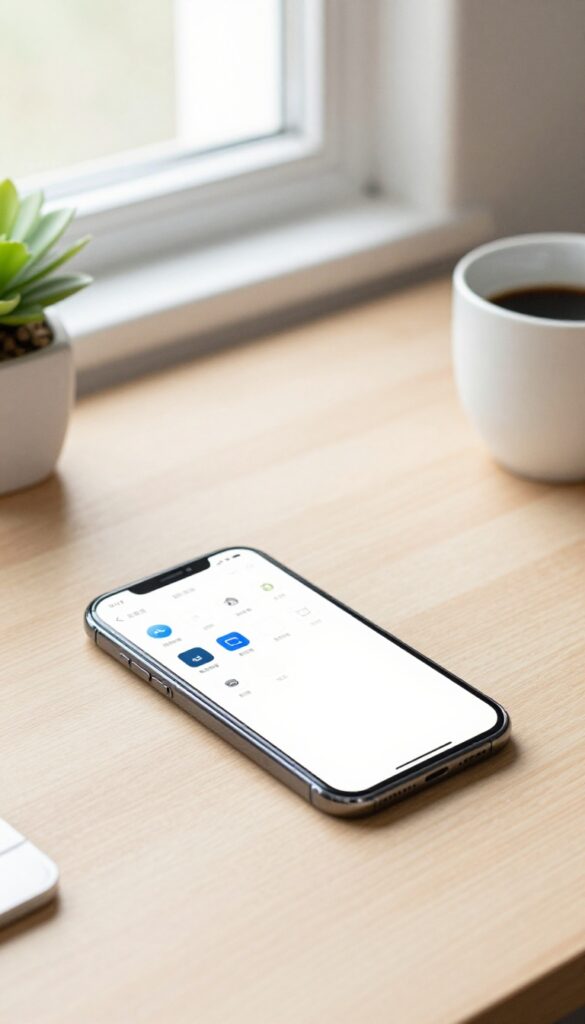
Your phone might be the most cluttered room in your house. Between endless notifications, forgotten apps, and a chaotic home screen, your digital space can quietly drain your energy. A quick 10-minute tidy-up can clear mental fog and lower that background hum of anxiety.
Set a timer for 10 minutes. Unsubscribe from five emails you never read, delete apps you haven't opened in months, and group similar ones into folders. A cleaner home screen means fewer distractions and a calmer mind.
Unsubscribe In Bulk
Open your inbox and search for 'unsubscribe. ' Pick five senders you never engage with and click the link. That's it. You'll reduce future clutter without overthinking.
Delete The Dead Weight
Scroll through your apps. Anything you haven't used in the last three months? Delete it.
If you're unsure, offload it—the data stays, but the app disappears until you need it again.
Organize Your Home Screen
Keep only your most-used apps on the first page. Move everything else into folders or the second screen. A minimal home screen reduces decision fatigue every time you unlock your phone.
16. Cook One Simple Meal From Scratch
Cooking can feel like a chore when you're tired, but making one simple meal from scratch is a different experience. It's grounding, creative, and surprisingly satisfying. You don't need a complicated recipe—just whole ingredients and a willingness to experiment.
The act of chopping vegetables, stirring a pot, and smelling herbs can be meditative. It pulls you into the present moment and gives you a sense of accomplishment. Plus, it's cheaper and healthier than ordering takeout.
Start with something forgiving—scrambled eggs, a grain bowl, or roasted vegetables with a protein. Focus on the process, not perfection. Notice the colors, textures, and smells.
This is self-care for your senses.
Why It Works
Cooking from scratch forces you to slow down. There's no microwave button or delivery app. You engage with your food, which can reduce stress and increase mindfulness.
It also gives you control over what goes into your body.
Keep It Simple
Choose one meal a day or week to cook from scratch. It doesn't have to be elaborate. A baked potato with toppings, a simple pasta with olive oil and garlic, or a stir-fry with whatever vegetables you have.
The goal is to cook, not to impress.
Make It Enjoyable
Put on music or a podcast. Light a candle. Pour a glass of water or tea.
Turn cooking into a ritual rather than a task. Clean as you go to avoid a pile of dishes later.
17. End Your Day With a ‘Brain Dump’

Your mind can feel like a browser with too many tabs open, especially at bedtime. A brain dump is simply writing down everything swirling in your head—worries, to-dos, random thoughts—so you can let them go. It’s a low-effort way to quiet the noise and signal your brain that it’s safe to rest.
Why It Works
When you write things down, you externalize the mental load. Your brain stops trying to hold onto every detail, which reduces anxiety and makes it easier to fall asleep. It’s like clearing a cluttered desk before you can focus.
How To Do It
Grab a notebook or open a notes app—whatever feels natural. Spend 5 minutes writing anything that comes to mind. Don’t worry about structure or spelling.
The goal is release, not perfection.
Make It A Ritual
Pair your brain dump with a calming cue, like sipping herbal tea or dimming the lights. Over time, this signals your brain that the day is over, making the transition to sleep smoother.
FAQ
What is a self-care checklist?
A self-care checklist is a simple list of small, intentional actions you can take daily or weekly to support your mental, emotional, and physical well-being. It helps you stay consistent without feeling overwhelmed.
How many self-care tips should I try at once?
Start with 2-3 tips that feel easiest. Trying too many at once can lead to burnout. Gradually add more as they become habits.
Can self-care be free?
Absolutely. Many effective self-care practices, like stretching, walking, or gratitude journaling, cost nothing. The key is consistency, not expense.
How do I make time for self-care on a busy day?
Focus on micro-actions that take 5 minutes or less. Schedule them as non-negotiable breaks. Even short moments add up to meaningful balance.
What if I miss a day on my self-care checklist?
That’s okay. Self-care isn’t about perfection. Just pick up where you left off without guilt.
The goal is progress, not a perfect streak.
Conclusion
Self-care doesn't need to be complicated or expensive. Pick one or two tips from this list that address your biggest struggle, whether it's morning chaos or evening burnout. Small, consistent actions create real change over time.
Start today, adjust as you go, and let your routine evolve naturally. The goal is progress, not perfection.