You step into the shower hoping for relief, but sometimes the water just doesn't hit right. Period days bring extra sensitivity, bloating, and fatigue that can turn a simple rinse into a chore.
The good news is that a few intentional tweaks to your shower routine can transform that daily task into a moment of genuine comfort and freshness. From adjusting water temperature to choosing the right products, these tips are designed to work with your body, not against it.
Let's walk through 20 practical ideas that help you feel cleaner, calmer, and more like yourself.
1. Start with a Warm (Not Hot) Rinse to Soothe Cramps

Hot water feels amazing on sore muscles, but during your period, it can actually backfire. High temperatures may irritate sensitive skin and trigger headaches or dizziness. A warm rinse—around body temperature—gently relaxes pelvic muscles without stripping your skin's natural moisture barrier.
Many women instinctively crank up the heat, hoping to melt cramps away. Unfortunately, hot water can dilate blood vessels too quickly, leading to lightheadedness and even worsening headaches. Warm water, on the other hand, increases blood flow steadily, easing tension in the lower abdomen without overwhelming your system.
It also helps maintain your skin's pH balance, which is especially important during menstruation when skin tends to be more reactive.
Why Hot Water Can Make Things Worse
Hot showers strip natural oils, leaving skin dry and itchy—common period complaints. The sudden temperature change can also spike cortisol levels, counteracting the relaxation you're after. Stick to a comfortable warm setting (around 37–39°C) to avoid these pitfalls.
How Warm Water Eases Cramps
Warm water promotes vasodilation, improving blood flow to pelvic muscles. This helps reduce the intensity of cramping by relaxing tight tissues. Pair it with slow, deep breathing for added relief.
Tips For The Perfect Warm Shower
Test the water with your wrist—it should feel comfortably warm, not hot. Keep the shower under 10 minutes to prevent dehydration. Finish with a cool rinse to seal moisture and invigorate your skin.
2. Use a Gentle, Fragrance-Free Body Wash Down There
Your vaginal area is self-cleaning, but that doesn't mean you should skip washing it. The key is using the right cleanser. Harsh soaps with strong fragrances can throw off your pH balance and lead to infections, especially during your period when you're already more sensitive.
A mild, unscented body wash is your best friend for intimate care. Look for products labeled "gynecologist-tested" or "pH-balanced. " Avoid anything with alcohol, parabens, or synthetic fragrances.
Apply a small amount to your hand or a soft cloth, lather gently, and rinse thoroughly with warm water. Pat dry—don't rub.
Why Fragrance-free Matters
Fragrances are common irritants. During your period, your skin is more reactive, and scented products can cause itching, redness, or even a yeast infection. Stick to unscented options to keep things calm and comfortable.
How To Choose A Gentle Cleanser
Check the ingredient list. Avoid sulfates, which strip natural oils. Ingredients like aloe vera or chamomile can be soothing.
If you're unsure, a simple glycerin-based soap is a safe bet. Your body will thank you.
When To Wash And When To Skip
Wash once daily with your gentle cleanser. Over-washing can dry out delicate skin. On heavy flow days, a quick rinse with water after changing your pad or cup is enough.
No need to scrub every time.
3. Try a Handheld Shower Head for Targeted Relief
Standard fixed shower heads spray water from above, but when cramps hit, you need relief exactly where it hurts. A detachable handheld model puts you in control, letting you aim warm water at your lower belly or lower back with precision. This simple swap can turn your shower into a mini therapy session.
The gentle pressure from a handheld shower head works like a warm compress, helping muscles relax and easing the tension that often comes with period pain. It's especially helpful if you're dealing with bloating or lower back ache. Plus, you can adjust the spray intensity to what feels best for you.
Direct The Flow For Cramp Relief
Hold the shower head a few inches from your lower abdomen and let the warm water pulse against the area. The heat increases blood flow and can soothe cramping. Move the stream in slow circles for a mini massage effect.
Ease Lower Back Tension
Bend forward slightly or sit on a shower stool and aim the water at your lower back. The warmth helps loosen tight muscles that often accompany period pain. Let the water run for a few minutes while you breathe deeply.
Rinse More Thoroughly
A handheld head makes it easier to clean your entire body without awkward twisting. This is especially useful when you're feeling low energy or bloated. You can also use it to gently rinse intimate areas with better control.
4. Add a Few Drops of Peppermint or Lavender Oil to the Floor
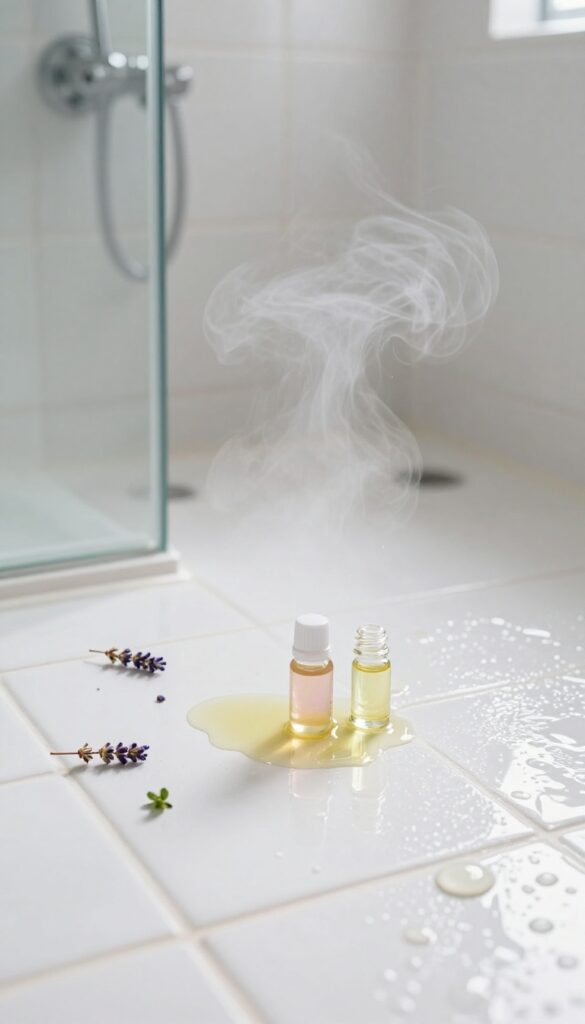
Scents can do more than just make your bathroom smell nice—they can actually shift your mood and ease period symptoms. When you add a few drops of essential oil to the shower floor, the steam carries the aroma up around you, creating a mini aromatherapy session. It's a simple trick that takes seconds but can make a real difference in how you feel.
Peppermint oil is great for when you're feeling sluggish or headachy. Its invigorating scent can help clear your mind and give you a little energy boost. Lavender, on the other hand, is perfect for winding down.
If cramps or anxiety are keeping you tense, lavender's calming properties can help relax your muscles and quiet your mind. Just be sure to use high-quality, pure essential oils and avoid any that are synthetic or diluted with carrier oils that might make the floor slippery.
Why It Works
The heat and steam from your shower help disperse the essential oil molecules into the air, allowing you to inhale them deeply. This triggers the limbic system in your brain, which controls emotions and memories. So a few drops of lavender can actually signal your body to relax, while peppermint can wake you up.
How To Do It Safely
Always add the oil to the floor of the shower, not directly on your skin or in the water stream. Start with just 2–3 drops—more isn't better and can be overwhelming. If you have sensitive skin or respiratory issues, test a tiny amount first.
And never use essential oils near your vaginal area, as they can cause irritation.
5. Wash Your Hair First to Avoid Chilling Later
There's a simple trick that can make your whole shower feel warmer and more relaxing. By washing your hair first, you let the warm water soak in while you're still standing, and you avoid that sudden cold hit when you step out. This small shift in routine can help prevent cramps too.
Going from hot to cold too quickly can trigger muscle tension, and that's the last thing you need on period days.
Why Order Matters
When you wash your hair first, you're giving your body time to warm up evenly. The hot water opens up blood vessels and relaxes muscles, which can ease pelvic tension. Plus, your hair and scalp get the full benefit of the steam and heat, making conditioner work better.
How To Avoid The Chill
Keep the bathroom door closed and use a towel warmer if you have one. After rinsing your hair, let the water run over your back and shoulders before moving on to the rest of your body. This gradual cooling helps your body adjust without a shock.
A Simple Routine Hack
Start your shower by wetting your hair and applying shampoo. While it sits, do a quick body wash. Then rinse everything together.
This way, you're not standing around wet and cold later. It's a time-saver that also keeps you comfortable.
6. Use a Silicone Scalp Massager for Tension Relief
Periods often bring scalp tenderness and headaches. A gentle massage with a silicone brush improves circulation and feels incredibly soothing. It's a small tool that can make a big difference in your shower routine.
A silicone scalp massager is easy to use and feels amazing. It helps relieve tension without pulling your hair. Plus, it can help distribute shampoo more evenly, making your hair feel cleaner and softer.
How To Use It
Start with wet hair and apply your regular shampoo. Use the massager in gentle circular motions across your scalp. Focus on areas that feel tender or tense.
Spend about two minutes massaging for the best results.
Why It Works
The soft silicone bristles stimulate blood flow without scratching your scalp. This can ease headache pressure and reduce stress. Many people find the sensation calming, which is especially helpful during your period.
Choosing The Right One
Look for a massager with soft, flexible bristles and a comfortable grip. Avoid ones with hard plastic that might hurt. A simple, affordable option works just as well as a fancy one.
7. Switch to a Moisturizing Body Wash to Combat Dryness
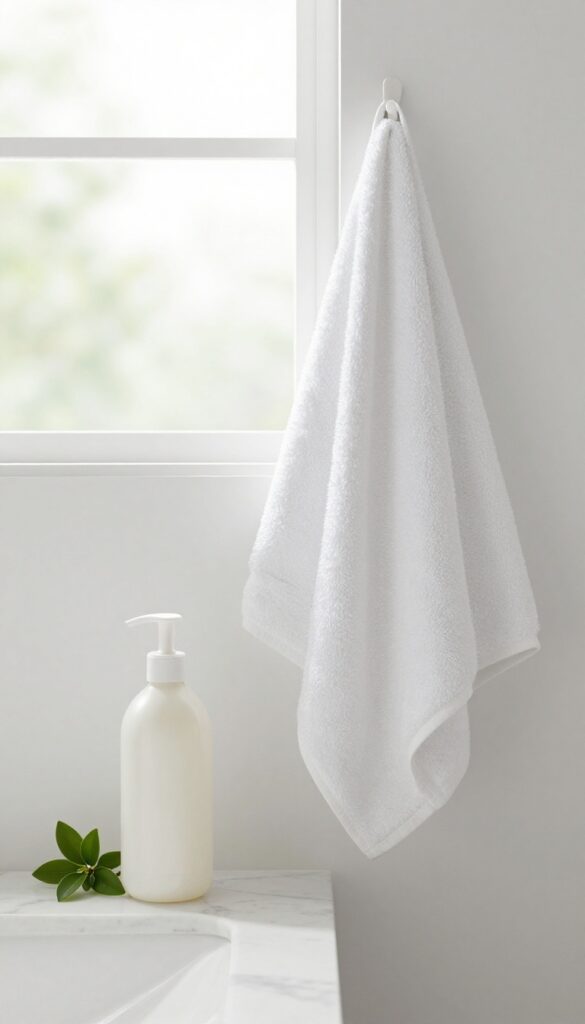
Hormonal fluctuations during your period can leave your skin feeling tight, flaky, and irritated. Standard body washes often strip natural oils, making the problem worse. Switching to a moisturizing formula helps maintain your skin's barrier and keeps dryness at bay.
Look for body washes with ingredients like shea butter, oatmeal, or glycerin. These lock in moisture without leaving a greasy residue. Use lukewarm water and avoid scrubbing too hard—let the cleanser do the work.
Pat dry with a soft towel instead of rubbing to keep hydration intact.
Why Your Skin Gets Dry On Your Period
Estrogen and progesterone levels drop right before your period, which can reduce oil production and increase water loss from the skin. This makes your skin more prone to dryness and sensitivity, especially on areas like your arms, legs, and face.
What To Look For In A Body Wash
Choose sulfate-free formulas with nourishing ingredients. Shea butter is rich in fatty acids and vitamins, while colloidal oatmeal soothes irritation and locks in moisture. Avoid fragrances and alcohol, which can further dry out your skin.
How To Get The Most Out Of Your Wash
Apply with your hands or a soft cloth using gentle, circular motions. Let the product sit for a minute before rinsing to allow the moisturizers to absorb. Follow up with a rich lotion while your skin is still slightly damp for extra hydration.
8. Keep a Small Stool or Shower Bench for Fatigue
Low energy is common during periods. Sitting down while showering conserves energy and reduces dizziness, making the routine safer and more comfortable. A small stool or bench is a simple addition that can make a big difference.
A shower stool or bench lets you sit while washing, which helps if you feel lightheaded or tired. It also makes it easier to reach your feet and lower body without bending. Choose a waterproof, non-slip option that fits your shower space.
Prevents Dizziness And Falls
Standing for long periods can lower blood pressure and cause dizziness, especially during heavy flow days. Sitting stabilizes your body and reduces the risk of slipping or fainting.
Saves Energy For Self-care
Conserving energy means you can focus on other comfort steps, like using a gentle cleanser or taking extra time to relax. A bench turns a draining task into a restful moment.
Easy To Store And Clean
Most shower stools are lightweight and foldable, so they don't take up much space. Rinse them after use to prevent mold. Look for rust-resistant materials like aluminum or plastic.
9. Rinse with Cool Water at the End for a Fresh Finish
That last blast of cold water might feel like a shock, but it's a simple trick that pays off. A quick cool rinse after your warm shower tightens pores, reduces puffiness, and helps regulate your body temperature. It's especially helpful on period days when you're feeling overheated or bloated.
Ending your shower with cool water can make a noticeable difference in how refreshed you feel. The temperature shift signals your body to wake up and can even ease menstrual cramps by reducing inflammation. Plus, it gives your skin a smoother appearance and helps seal in moisture.
Start Gradually
Don't jump straight into icy water. Slowly lower the temperature over the last minute of your shower. Let the cool water hit your legs first, then move up to your torso and arms.
This gradual approach prevents that initial shock while still giving you the benefits.
Focus On Pulse Points
Direct the cool stream to your wrists, neck, and the back of your knees. These pulse points are where blood vessels are close to the skin, so cooling them helps lower your overall body temperature quickly. It's a fast way to beat that period-related hot flash.
Finish With A Splash To The Face
Cup your hands and splash cool water on your face a few times. This reduces under-eye puffiness and tightens pores, giving your skin a fresh, bright look. It's a mini facial that takes seconds but leaves you feeling more awake.
10. Use a Menstrual Cup or Disc Before Showering for Leak-Free Peace
Showering on your period can feel like a gamble—will the water wash away blood and cause a mess? A menstrual cup or disc eliminates that worry entirely. Insert it before stepping in, and you can scrub, rinse, and relax without a single leak.
When you shower with a cup or disc, you get total freedom of movement. No need to rush or avoid certain positions. Plus, the warm water and steam can help soften the cup's seal, making removal easier afterward.
It's a small step that brings big peace of mind.
How It Works
Pop in your cup or disc as usual before the shower. The water pressure won't dislodge it, and you can wash your entire body without interruption. The cup collects flow while you focus on feeling fresh.
Cleaning Bonus
Showering is the perfect time to rinse your cup or disc if you need to empty it mid-cycle. Just remove, empty, wash with mild soap or a designated cleanser, and reinsert. No mess, no fuss.
Comfort Tip
Warm water can make the silicone more pliable, so removal might feel easier. Take your time and relax—your cup is doing its job so you don't have to worry.
11. Apply a Cramp Relief Essential Oil Blend to Your Lower Belly
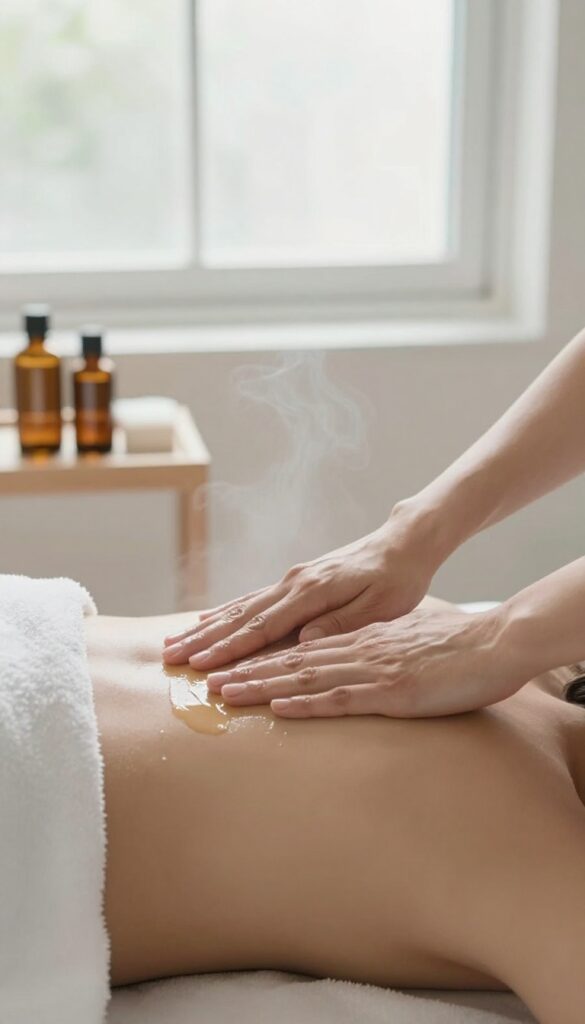
Essential oils can be powerful allies during your period, especially when combined with the warmth of a shower. A targeted blend massaged onto your lower belly before you step in allows the steam to enhance absorption and soothe cramps. Clary sage, marjoram, and ginger are known for their anti-inflammatory and antispasmodic properties, making them a natural choice for pain relief.
Before your shower, mix a few drops of clary sage, marjoram, and ginger essential oils with a carrier oil like jojoba or coconut. Gently massage the blend onto your lower abdomen in circular motions for a minute or two. The warmth and steam from the shower will help the oils penetrate deeper, easing muscle tension and reducing cramping.
This ritual also creates a calming sensory experience, turning your shower into a mini aromatherapy session.
Why These Oils Work
Clary sage contains compounds that mimic estrogen, helping to balance hormones and reduce menstrual pain. Marjoram has antispasmodic effects that relax uterine muscles, while ginger reduces inflammation and improves circulation. Together, they target cramps from multiple angles.
How To Apply For Best Results
Always dilute essential oils with a carrier oil to avoid skin irritation. Use about 3-5 drops of each oil per tablespoon of carrier. Apply right before you shower so the heat can work its magic.
Avoid the pelvic area if you have sensitive skin, and do a patch test first.
Safety Tips
Never ingest essential oils or apply them undiluted. If you're pregnant or have medical conditions, consult your doctor first. Keep blends away from your eyes and mucous membranes.
Store oils in a cool, dark place to maintain potency.
12. Exfoliate Gently with a Soft Mitt to Prevent Ingrown Hairs
Period skin is more sensitive, so harsh scrubs can do more harm than good. A soft exfoliating mitt offers just enough friction to slough off dead cells without aggravating your skin. This simple step helps prevent ingrown hairs from shaving or waxing, keeping your skin smooth and bump-free during that time of the month.
Why Gentle Exfoliation Matters
During your period, blood flow to the skin increases, making it more reactive. Aggressive scrubbing can cause micro-tears and inflammation. A soft mitt provides controlled, even exfoliation that removes dead skin cells without stripping your skin's natural barrier.
This reduces the risk of hair follicles becoming trapped under dead skin, which leads to painful ingrown hairs.
How To Use A Soft Mitt In The Shower
Wet the mitt and apply a small amount of your regular body wash or a gentle cleanser. Use circular motions, starting from your feet and moving upward. Focus on areas you shave or wax, like legs, underarms, and bikini line.
Keep the pressure light—if your skin turns red, you're pressing too hard. Rinse thoroughly and pat dry.
Post-exfoliation Care
After exfoliating, apply a fragrance-free moisturizer while your skin is still slightly damp. This locks in hydration and soothes any irritation. Avoid using any harsh actives like retinol or strong acids for at least 24 hours.
If you notice any redness or sensitivity, skip exfoliation for a day or two and focus on gentle cleansing.
13. Keep a Towel Warmer or Heated Robe Nearby
There's nothing worse than stepping out of a warm shower into a chilly bathroom, especially when your body is already dealing with cramps and fatigue. That sudden temperature drop can make your muscles tense up, undoing all the relaxation you just gained. A towel warmer or heated robe solves that problem instantly, wrapping you in warmth the second you step out.
Think of it as a cozy hug after your shower. The heat helps your muscles stay loose and your mind stay calm, making the transition from water to air feel seamless. Plus, it adds a little luxury to your period routine without much effort.
Why Warmth Matters Post-shower
When you're on your period, your body is already working hard. Cold air can trigger muscle tightening, which worsens cramps and makes you feel more tense. A warm towel or robe keeps your core temperature steady, so your muscles stay relaxed and your comfort lasts longer.
Choosing The Right Setup
You don't need a fancy built-in warmer. A plug-in towel warmer rack or a heated robe that you can toss in the microwave works just as well. Look for one that heats evenly and stays warm for at least a few minutes.
Microfiber or cotton robes are great because they trap heat without feeling heavy.
Quick Tips For Best Results
Set your towel warmer to turn on 10 minutes before your shower, or pop your robe in the microwave for 2 minutes. Hang the robe nearby so you can grab it without dripping water everywhere. If you share a bathroom, a small portable warmer can be your personal stash.
14. Use a pH-Balanced Intimate Wash for Extra Care
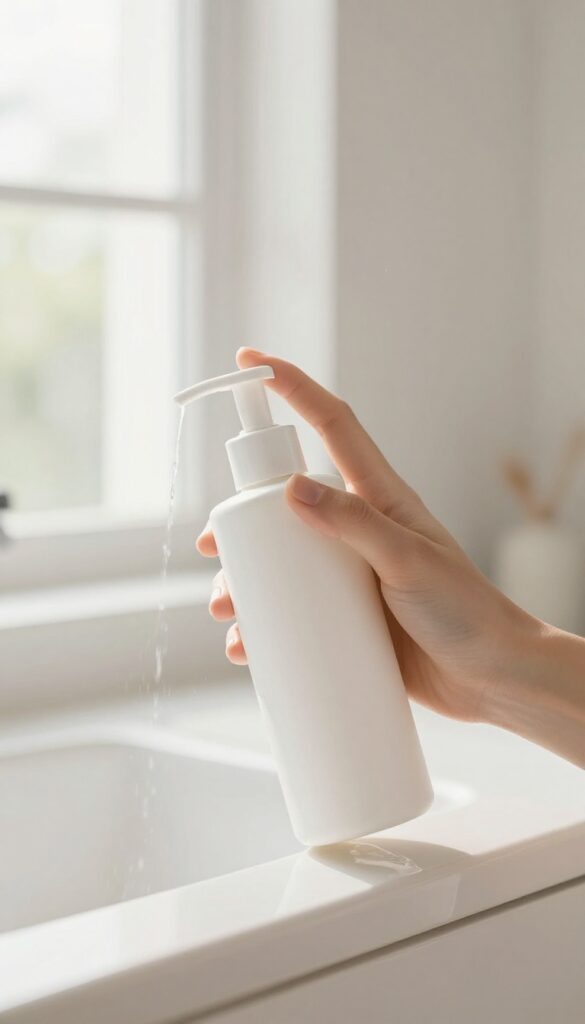
Your intimate area is more sensitive during your period, and regular body washes or bar soaps can throw off its natural pH balance. That can lead to irritation, dryness, or even infections when you least need them. A pH-balanced intimate wash is designed to work with your body's delicate ecosystem.
It gently cleanses while supporting healthy bacteria, reducing odor, and keeping you fresh without overdoing it.
Switching to a gentle, pH-friendly wash during your period can make a noticeable difference in comfort and freshness. Here's how to choose and use one effectively.
Why Ph Matters
Your vaginal pH naturally sits around 3. 8 to 4. 5, which is acidic.
Regular soaps are often alkaline and can disrupt this balance, leading to irritation or bacterial overgrowth. A pH-balanced wash stays in that healthy range, so you clean without stripping protective flora.
What To Look For
Look for washes labeled "pH-balanced" and free from harsh fragrances, parabens, and sulfates. Ingredients like lactic acid or aloe vera can be soothing. Keep it simple—more ingredients don't always mean better.
How To Use It In The Shower
Use a small amount on your hand or a soft cloth, and gently cleanse the external area only—never inside. Rinse thoroughly with warm water. Use once daily during your period, or as needed, to avoid over-washing.
15. Try a Shower Steamer with Eucalyptus for Congestion
Periods often come with sinus pressure or stuffiness, making you feel even more drained. Eucalyptus steam opens airways and provides a spa-like moment of relief right in your shower. Shower steamers are like bath bombs but designed for the shower floor, releasing essential oils as water hits them.
They're easy to use and don't require any extra setup. Adding one to your routine can turn a quick rinse into a mini aromatherapy session that helps you breathe easier and feel more relaxed.
Eucalyptus is known for its decongestant properties, and when combined with warm steam, it can help clear nasal passages and reduce sinus pressure. This is especially helpful during your period when hormonal changes can cause inflammation and congestion. Using a shower steamer is simple: place it on the shower floor where water will hit it, but not directly under the stream.
The steam will carry the eucalyptus scent throughout your shower, creating a calming atmosphere. For best results, take slow, deep breaths and let the steam work its magic. You'll step out feeling less congested and more refreshed.
Why Eucalyptus Works For Period Congestion
Eucalyptus contains a compound called eucalyptol, which has anti-inflammatory and decongestant effects. When inhaled, it helps reduce swelling in nasal passages and loosens mucus. During your period, rising estrogen and progesterone can cause nasal congestion, so eucalyptus steam provides targeted relief.
How To Use A Shower Steamer Correctly
Place the steamer on the shower floor away from the direct stream but where water will splash it occasionally. Let the shower run hot for a minute to build steam before stepping in. Breathe deeply and enjoy the aroma for 5–10 minutes.
Avoid placing it directly under the water, as it will dissolve too quickly.
Diy Steamer Alternative
If you don't have a store-bought steamer, you can make one by mixing baking soda, citric acid, and eucalyptus essential oil. Press the mixture into a silicone mold and let it dry overnight. Or simply add a few drops of eucalyptus oil to a washcloth and place it on the shower floor during your shower.
16. Shave with a Fresh Razor and Shaving Cream to Avoid Razor Burn
Your skin is already dealing with enough during your period—extra sensitivity, breakouts, and dryness. Shaving can feel like adding insult to injury, especially if you end up with razor burn or nicks. But with the right tools, you can get a smooth, irritation-free shave that actually feels soothing.
A dull blade tugs at hair and scrapes skin, which is a recipe for red bumps and discomfort. During menstruation, your skin is more reactive, so even minor irritation can feel amplified. Switching to a fresh razor—ideally one with multiple blades and a lubricating strip—makes a huge difference.
Pair it with a rich shaving cream or gel designed for sensitive skin. Look for formulas with aloe, chamomile, or oat to calm and protect. Avoid shaving dry or with just soap, as that increases friction.
Take your time, use short strokes, and rinse the blade often. Afterward, pat dry and apply a gentle, fragrance-free moisturizer to lock in hydration and reduce redness.
Why Fresh Matters
A razor that's been used more than five to seven times starts to dull and harbor bacteria. That means more passes over the same spot, which equals more irritation. For period shaving, a new blade glides cleanly and reduces the risk of infection.
Replace your razor or cartridge at the first sign of tugging.
Best Shaving Cream Choices
Skip the foamy canned stuff with alcohol and fragrance. Instead, use a creamy shave butter or a gel that stays opaque. Ingredients like shea butter, coconut oil, and vitamin E provide slip and moisture.
If you're in a pinch, a gentle conditioner can work as a substitute—just rinse well.
Post-shave Care
After shaving, your skin barrier is temporarily compromised. Apply a cooling, alcohol-free toner or a thin layer of aloe vera gel. Follow up with a lightweight, unscented lotion.
Avoid tight clothing or heavy fabrics for a few hours to let your skin breathe and recover.
17. Install a Shower Filter to Remove Chlorine and Hard Minerals
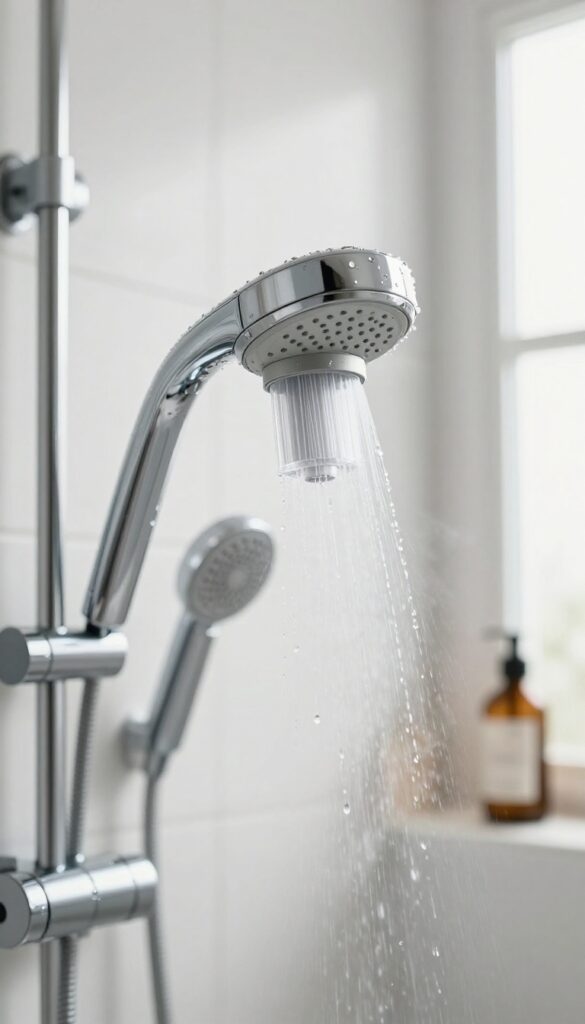
If your skin feels itchy or tight after showering, the water itself might be the culprit. Chlorine and hard minerals like calcium and magnesium can strip natural oils and aggravate sensitive skin, especially during your period. A shower filter attaches easily to your showerhead and softens the water, making every rinse feel gentler and more soothing.
It's a small upgrade that pays off in less dryness and irritation.
Why Filtered Water Matters For Period Skin
During your period, your skin's barrier is more vulnerable. Chlorine can be drying, and hard minerals can leave a residue that clogs pores or irritates. A filter removes these, so your skin retains moisture better and feels calmer after washing.
Easy Installation, Instant Relief
Most shower filters screw right onto your existing shower arm—no tools needed. You'll notice softer water immediately, and your skin and hair will thank you. Replace the filter cartridge every 6 months for best results.
Extra Benefits For Hair And Scalp
Hard water can make hair dull and brittle. Filtered water helps shampoo lather better and rinses cleaner, leaving your hair softer and less prone to breakage. That's a win for those days when you're already dealing with fatigue.
18. Practice Deep Breathing While the Water Runs Over You
Period anxiety can spike in the shower. Slow, deep breaths activate the parasympathetic system, lowering heart rate and easing tension. Let the warm water hit your back or shoulders while you focus on your breath.
It's a simple way to turn a routine rinse into a mini meditation session. You don't need any special equipment—just a moment of intention. This technique can help you feel more grounded and less overwhelmed by period symptoms.
Why It Works
Deep breathing triggers the vagus nerve, which calms your body's stress response. During your period, cortisol levels can be higher, making cramps and mood swings worse. By breathing slowly, you signal your nervous system to relax, which can reduce pain perception and help you feel more in control.
How To Do It
Stand under the water and inhale deeply through your nose for four counts. Hold for four counts, then exhale slowly through your mouth for six counts. Repeat this cycle five to ten times.
You can place one hand on your belly to feel it rise and fall, which helps keep your breath deep and steady.
When To Use It
Try this breathing exercise at the start of your shower to set a calm tone, or use it mid-shower if you feel cramps intensifying. It's also helpful right before stepping out into a cooler room, as the transition can sometimes spike anxiety. Pair it with warm water on your lower abdomen for extra relief.
19. Use a Leave-In Conditioner or Hair Mask for Extra Nourishment
Period hormones can do a number on your hair—making it look limp, greasy, or just lifeless. A lightweight leave-in conditioner or a quick hair mask can add moisture without weighing strands down. This extra step keeps your hair feeling fresh and manageable longer, so you don't have to wash it as often.
During your period, hormonal shifts can affect scalp oil production and hair texture. Instead of piling on heavy products, choose a leave-in conditioner that hydrates without buildup. Apply it to damp hair after your shower, focusing on mid-lengths and ends.
This simple addition helps maintain volume and softness, so your hair looks healthier even on low-energy days.
Why Hair Gets Limp Or Greasy
Hormones like progesterone and estrogen fluctuate during your cycle, which can ramp up sebum production. This extra oil can make hair look flat or greasy, especially near the scalp. A leave-in conditioner balances moisture without stripping natural oils, helping your hair stay fresh.
Choosing The Right Product
Look for lightweight, water-based formulas labeled "volumizing" or "for fine hair. " Avoid heavy creams or oils that can weigh hair down. A spray leave-in conditioner is a great option—it distributes evenly and won't leave residue.
For extra nourishment, use a rinse-out hair mask once a week.
How To Apply For Best Results
After showering, gently towel-dry your hair and apply leave-in conditioner from mid-length to ends. Avoid the scalp to prevent greasiness. Comb through with a wide-tooth comb for even distribution.
Let it air-dry or use a cool setting on your blow dryer to lock in moisture without heat damage.
20. End with a Quick Stretch Routine Before Drying Off

Before you step out and grab a towel, take two minutes to stretch. The warm water keeps your muscles loose, making it the perfect time to release any tension that built up during the day. Gentle movements like side bends or hip circles can ease cramps and improve blood flow, helping you feel more relaxed and refreshed.
Stretching in the shower might sound odd, but it's surprisingly effective. The heat helps your muscles lengthen without strain, and the steam encourages deep breathing. Try a simple sequence: stand with feet hip-width apart, gently bend to one side, hold for a few seconds, then switch.
Follow with slow hip circles—clockwise, then counterclockwise. Finish by rolling your shoulders forward and backward. These moves take less than two minutes but can reduce stiffness and boost your mood.
Why It Works
Warm water increases blood flow and relaxes tight muscles, making stretches more effective. For period-related lower back and pelvic tension, gentle hip openers and side stretches can provide targeted relief without straining.
Easy Moves To Try
Start with side bends: reach one arm overhead and lean to the opposite side. Then do hip circles—place hands on hips and rotate slowly. Finish with shoulder rolls to release upper body tension.
No need to push; just move within your comfort zone.
When To Do It
Right after you've rinsed off and before turning off the water. The shower floor can be slippery, so keep your feet planted and move slowly. If you feel dizzy, stop and sit down.
Listen to your body.
FAQ
How often should I shower during my period?
Once or twice a day is fine. Over-showering can dry out skin and disrupt pH. Listen to your body and adjust based on flow and activity.
Can I use bar soap on my intimate area?
It's best to avoid bar soap because it can be too alkaline. Opt for a gentle, pH-balanced liquid wash designed for sensitive areas.
Does warm water help with period cramps?
Yes, warm water relaxes pelvic muscles and increases blood flow, which can reduce cramp intensity. Just avoid scalding hot water.
Should I wash my hair more or less during my period?
It depends on your hair type. Some people get oilier, so washing as needed is fine. Use a gentle shampoo to avoid stripping natural oils.
Is it safe to use essential oils in the shower?
Yes, but dilute them properly and avoid direct contact with sensitive areas. A few drops on the shower floor or a diffuser is safe for most people.
Conclusion
Your period doesn't have to ruin your shower experience. With these small adjustments, you can turn a daily routine into a moment of genuine comfort and self-care. From water temperature to product choices, every tweak helps you feel fresher and more at ease.
Try a few tips that resonate with you, and notice how much better your days can feel. After all, a little extra care during your period goes a long way toward overall well-being.