You step out of the shower and your skin feels soft, your hair shines, and your mind is clear. That's the power of an everything shower routine done right. It's not just about getting clean—it's about resetting your whole vibe.
The right products turn a quick rinse into a ritual that leaves you looking and feeling transformed. From exfoliating scrubs to hydrating mists, each item plays a role.
Ready to build your ultimate shower lineup? These 23 must-haves cover every step, so you can walk out feeling like a new person.
1. Scalp Scrub for a Fresh Foundation
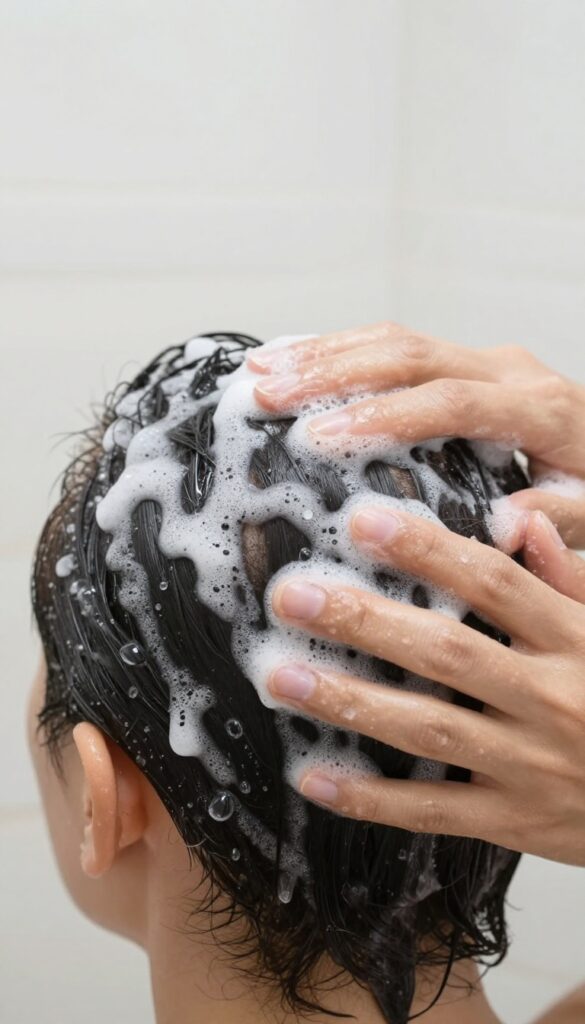
A great everything shower starts from the top down. Your scalp works hard all week, collecting oil, product residue, and dead skin. A gentle scrub clears all that out, so your hair can breathe and grow strong.
Plus, the massage feels amazing and helps you unwind.
Scalp scrubs are the unsung heroes of hair care. They exfoliate without stripping natural oils, prepping your roots for shampoo. Use one once a week to keep buildup at bay and boost volume.
Your hair will thank you with extra bounce and shine.
Why Scrubbing Matters
Think of your scalp as the soil for your hair. If it's clogged, nothing grows well. A scrub removes flakes and residue, letting your follicles breathe.
It also increases blood flow, which can encourage healthier growth.
How To Pick The Right One
Look for gentle exfoliants like jojoba beads or sea salt. Avoid harsh granules that can cause micro-tears. If you have a sensitive scalp, opt for a chemical exfoliant with salicylic acid instead.
Apply in sections, massage for a minute, then rinse thoroughly.
When To Use It
Use your scalp scrub before shampooing, ideally once a week. If you have oily hair or use lots of products, you can go up to twice a week. Just don't overdo it—your scalp needs time to recover.
Pair it with a hydrating conditioner afterward.
2. Clarifying Shampoo to Strip Residue
Even the best hair products can leave behind buildup over time. That’s where a clarifying shampoo comes in. It’s like a reset button for your scalp and strands, washing away everything that regular shampoo leaves behind.
Use a clarifying shampoo once a week to deep-clean away product buildup, excess oil, and hard water minerals. This keeps your hair light, bouncy, and ready to absorb moisture from your conditioner and treatments.
When To Use It
Stick to once a week or every other wash if your hair is color-treated. Overdoing it can strip natural oils, so find a rhythm that works for your hair type.
How To Apply
Focus on your scalp and roots first. Massage gently with your fingertips for about a minute, then let it run through the ends. Rinse thoroughly—no shortcuts.
What To Look For
Choose a formula with chelating agents like EDTA or citric acid if you have hard water. For oily scalps, look for tea tree or charcoal. Avoid sulfates if your hair is dry or curly.
3. Hydrating Shampoo for Daily Nourishment
Your hair takes a beating from heat styling, pollution, and even hard water. A gentle, moisturizing shampoo can make all the difference in keeping it soft and healthy. Look for sulfate-free formulas that clean without stripping your scalp's natural oils.
A good hydrating shampoo is the foundation of any everything shower routine. It preps your hair for the rest of your products and sets the tone for a gentle, nourishing experience. Using one daily helps maintain moisture balance, so your hair stays manageable and shiny.
Why Sulfate-free Matters
Sulfates are harsh detergents that can leave hair dry and frizzy. A sulfate-free hydrating shampoo cleanses gently, preserving your scalp's natural barrier. This is especially important for color-treated or chemically processed hair.
Ingredients To Look For
Aloe vera, coconut oil, and glycerin are your best friends in a hydrating shampoo. They lock in moisture and soothe the scalp. Avoid silicones if you want lightweight hydration that won't weigh hair down.
How To Use For Best Results
Focus the shampoo on your roots and scalp, not the ends. Massage gently with your fingertips for about 30 seconds. Rinse thoroughly, then follow with a conditioner or mask for extra softness.
4. Hair Mask for Deep Repair
Your hair takes a beating from heat styling, pollution, and even hard water. A weekly deep repair mask is the reset button your strands need. While you're multitasking in the shower—shaving, scrubbing, or just zoning out—let a rich mask soak in from mid-lengths to ends.
The steam opens up the cuticle, driving moisture and proteins deep into the hair shaft.
Apply a generous amount of a reparative hair mask to damp, clean hair, focusing on the ends and avoiding the roots to prevent greasiness. Comb through with your fingers or a wide-tooth comb for even distribution. Twist your hair into a loose bun or clip it up, then go about the rest of your shower routine.
Let it sit for at least 5–10 minutes—the longer, the better. Rinse thoroughly with cool water to seal the cuticle and boost shine.
Why Your Hair Needs A Mask
Shampoo and conditioner maintain daily health, but a mask delivers a concentrated dose of repair. Ingredients like shea butter, argan oil, keratin, and biotin strengthen weak spots, reduce breakage, and restore elasticity. If your hair feels brittle, frizzy, or looks dull, a mask is your weekly fix.
How To Make It Part Of Your Routine
Use a mask once a week in place of your regular conditioner. Apply after shampooing, then let it sit while you exfoliate or shave. The steam from the shower helps it penetrate better.
Rinse with cool water for extra shine. For very dry or damaged hair, you can leave it on overnight once a month—just wrap it in a towel or wear a shower cap.
Top Ingredients To Look For
Look for masks with hydrolyzed proteins (like keratin or wheat protein) to rebuild the hair structure. Oils like coconut, jojoba, or avocado provide deep moisture. Shea butter and aloe vera soothe the scalp and add softness.
Avoid silicones if you want a more natural feel—they can coat the hair but don't truly repair.
5. Leave-In Conditioner Spray
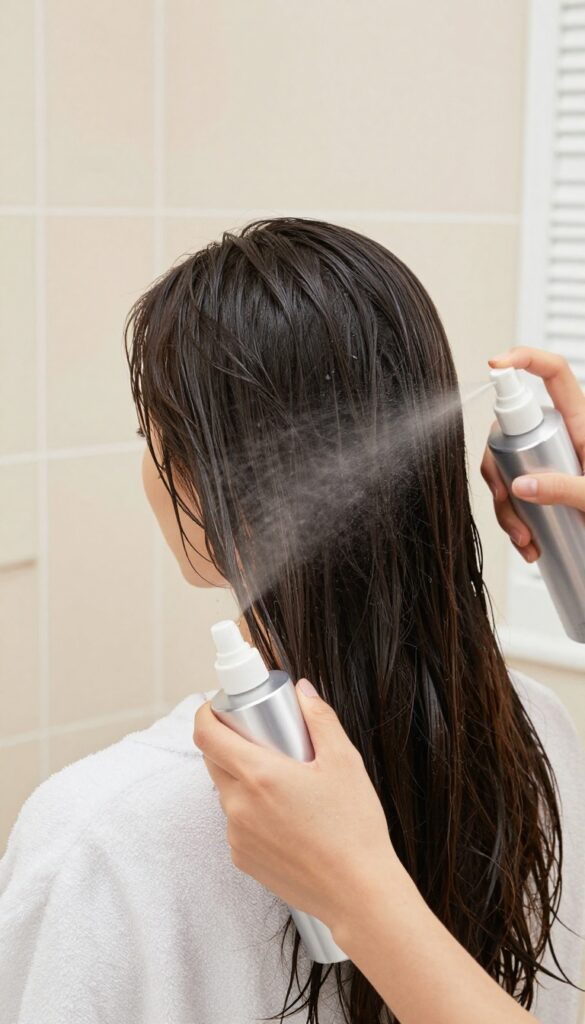
After rinsing out your regular conditioner, your hair still needs ongoing moisture and protection. A leave-in conditioner spray is the perfect lightweight step that keeps working long after you step out of the shower. It detangles knots, shields against heat styling, and locks in hydration without weighing your hair down.
This multitasking spray is a game-changer for anyone who wants soft, manageable hair with minimal effort. Just spritz it on damp hair after your shower, and you're set for the day. It's especially useful for those with dry or curly hair, but even straight hair benefits from the extra moisture and protection.
Detangling Power
Wet hair is fragile, and brushing through tangles can cause breakage. A leave-in conditioner spray adds slip, making it easy to run a comb through without pulling or snapping strands. This simple step reduces damage and saves you time.
Heat Protection
If you blow-dry, straighten, or curl your hair, a leave-in spray creates a barrier against high temperatures. It helps prevent split ends and frizz while keeping your style looking smooth and healthy.
Long-lasting Hydration
Unlike rinse-out conditioners that wash away, leave-in sprays stay in your hair to deliver moisture throughout the day. They're perfect for refreshing second-day hair or adding a boost of hydration between washes.
6. Body Scrub for Silky Skin
Exfoliation is the secret to that baby-soft skin you feel after a good shower. A fine-grained body scrub buffs away dead skin cells, revealing a smoother, brighter layer underneath. It also preps your skin for a closer shave and helps your moisturizer sink in deeper.
Not all scrubs are created equal. Look for one with fine, even granules—think sugar or salt—that dissolve slightly as you massage. Avoid harsh particles like crushed walnut shells that can cause micro-tears.
A creamy base with nourishing oils (like coconut or jojoba) will leave your skin hydrated, not stripped.
How To Use It Right
Apply the scrub to damp skin in the shower, using circular motions. Focus on rough areas like elbows, knees, and heels. Spend about 2-3 minutes massaging, then rinse thoroughly.
Don't scrub every day—2-3 times a week is plenty to keep skin smooth without irritation.
Best Ingredients To Look For
Sugar scrubs are gentler and dissolve faster, making them ideal for sensitive skin. Salt scrubs offer more grit and are great for tougher spots, but can sting if you have any nicks. Look for added vitamins like vitamin E for extra nourishment, and avoid synthetic fragrances if your skin is reactive.
7. Exfoliating Mitt for Extra Glow
Your skin sheds dead cells constantly, but sometimes it needs a little help. An exfoliating mitt works with your body wash to slough off rough patches, revealing the fresh, glowing skin underneath. It's a game-changer for elbows, knees, and any area that feels bumpy or dry.
How To Use It Right
Wet the mitt and your skin, then apply a generous amount of body wash. Gently scrub in circular motions, focusing on rough spots. Don't press too hard—let the mitt do the work.
Rinse and follow with moisturizer.
Why It Beats Scrubs
A mitt is reusable, less messy, and gives you more control. You can adjust pressure and target specific areas without the waste of plastic microbeads or gritty formulas. Plus, it dries quickly and lasts for months.
Pick The Right Texture
Look for a mitt with a medium-grit texture—too rough can irritate, too smooth won't exfoliate. Silicone options are gentle for sensitive skin, while natural fiber mitts offer deeper exfoliation for tougher spots.
8. Shave Cream That Actually Protects
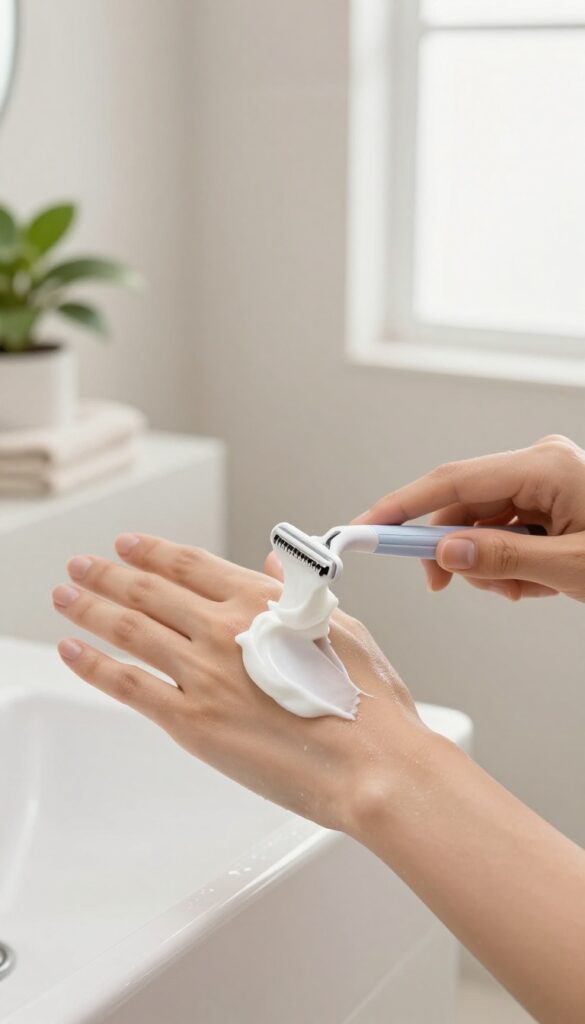
Razor burn, nicks, and irritation can ruin that post-shower glow. The right shave cream makes all the difference. A creamy, non-foaming formula creates a protective barrier between your skin and the blade, so you get a close shave without the sting.
This is especially important for sensitive areas like the bikini line or underarms, where skin is thinner and more prone to irritation.
Why Non-foaming Wins
Foaming gels can dry out your skin and clog your razor. Non-foaming creams stay rich and slick, allowing the blade to glide smoothly. They also let you see where you're shaving, reducing the chance of missed patches or accidental cuts.
Ingredients That Soothe
Look for creams with aloe vera, shea butter, or oat extract. These ingredients calm the skin and lock in moisture. Avoid products with alcohol or artificial fragrances, which can cause stinging and redness.
How To Apply For Best Results
Apply a thick layer onto damp skin. Let it sit for a minute to soften hair and hydrate the skin. Shave in the direction of hair growth to minimize irritation.
Rinse with cool water and pat dry—don't rub.
9. A Sharp Razor for a Smooth Finish
Nothing ruins the post-shower glow like razor burn or missed patches. A quality razor makes all the difference between a frustrating shave and a silky-smooth finish. Investing in a tool that glides effortlessly means less irritation and more confidence when you step out.
A sharp, multi-blade razor with a moisturizing strip is your best friend for a close, comfortable shave. Dull blades tug at hair and cause redness, so swap yours regularly. Pair it with a good shave cream or gel for extra slip and protection.
Why Blade Count Matters
More blades mean fewer passes over the same area, reducing friction and irritation. Look for razors with three to five blades and a lubricating strip that releases aloe or vitamin E. This combo helps the razor glide smoothly and soothes skin as you shave.
Don’t Forget The Handle
A weighted, ergonomic handle gives you better control, especially in the shower. Rubber grips prevent slipping when your hands are wet. A pivoting head also helps contour around knees and ankles for a closer shave without nicks.
Replace Blades Often
A dull blade is the top cause of razor burn. Swap your blade after 5-7 shaves, or sooner if you feel tugging. Store your razor in a dry spot outside the shower to prevent rust and bacteria buildup.
10. In-Shower Body Lotion
You know that feeling when you step out of the shower and your skin starts to tighten? That's moisture evaporating fast. In-shower body lotion changes the game by letting you hydrate while you're still in the warm, steamy environment.
Apply it on wet skin, give it a quick rinse, and you're done—no sticky residue, no waiting around for lotion to absorb.
This clever product locks in moisture right when your pores are open and your skin is most receptive. The result is softer, smoother skin without the greasy after-feel. It's perfect for anyone who hates the post-shower lotion routine but still wants hydrated skin.
How It Works
In-shower body lotion uses a formula that bonds with water on your skin. As you rinse lightly, the lotion creates a thin moisturizing layer that stays put. You just apply, rinse, and pat dry—no extra steps.
Best Application Tips
Smooth it on from neck to toes while your skin is still dripping wet. Use a quarter-sized amount per leg, then rinse for about 10 seconds. Too much rinse and you wash away the benefits; too little and it might feel tacky.
Why It Beats Regular Lotion
Regular lotion can feel heavy or take forever to sink in. In-shower lotion skips that wait. You get the hydration without the sticky hands or the cold shock of applying lotion to damp skin outside the shower.
11. Aromatherapy Shower Steamers
Turn your shower into a spa with a simple drop of a steamer. These little tablets fizz and release essential oils into the steam, filling the space with calming or invigorating scents. It's an easy way to shift your mood without any extra effort.
Shower steamers are like bath bombs for your shower—no tub required. Place one on the floor away from the drain, and let the hot water activate it. The steam carries the aroma, turning your routine into a quick aromatherapy session.
Whether you need to unwind after a long day or wake up for a morning grind, there's a blend for that.
Stress Relief Blends
Look for steamers with lavender, chamomile, or frankincense. These scents help calm your nervous system and ease tension. Use them in the evening to signal your body it's time to relax.
Energy Boosters
Peppermint, eucalyptus, and citrus oils are your go-to for a morning pick-me-up. They clear your sinuses and wake up your senses, making you feel alert and ready to tackle the day.
How To Use Them Right
Place the steamer on the shower floor where water hits it but not directly under the stream—too much water will dissolve it too fast. Let the shower run for a minute to build steam before dropping it in. One steamer usually lasts a full shower.
12. Eucalyptus or Mint Shower Spray
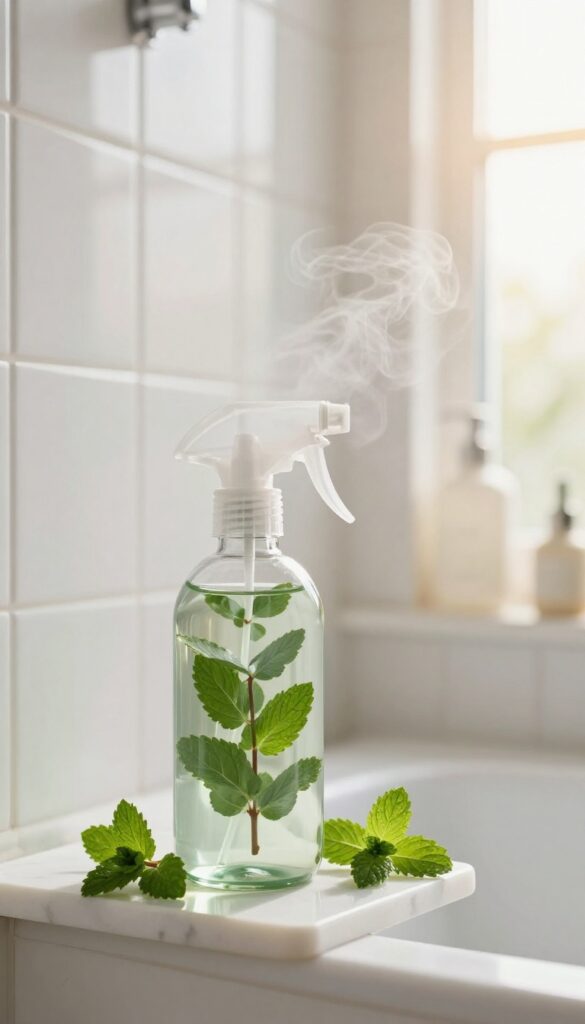
Before you even step under the water, give your shower walls a quick spritz with a eucalyptus or mint spray. The steam activates the essential oils, filling the space with an invigorating aroma that clears your sinuses and wakes up your senses. It's like turning your bathroom into a mini steam room without any fancy equipment.
Why It Works
Menthol and eucalyptol are natural decongestants. When heated, they release vapors that help open nasal passages and promote deeper breathing. Plus, the cooling sensation on your skin feels amazing after a long day.
How To Use It
Spray a few pumps onto the shower walls (avoid the floor to prevent slipping) before turning on the hot water. Let the steam build for a minute, then step in and breathe deeply. You can also spritz your towel or a washcloth for an extra burst of freshness.
Diy Vs. Store-bought
You can make your own with distilled water, witch hazel, and a few drops of eucalyptus or peppermint essential oil. Or grab a pre-made spray from brands like Vitruvi or Mrs. Meyer's.
Just check the ingredients—avoid anything with synthetic fragrances if you're sensitive.
13. A Silicone Shower Brush for Scalp Massage
Your scalp deserves as much attention as your skin. A silicone shower brush is the tool you didn't know you needed for a deeper clean and a relaxing massage. It gently exfoliates away buildup while boosting circulation, which can lead to healthier, shinier hair.
Using a silicone brush during shampooing helps distribute product evenly and lifts dead skin cells without scratching. The massage motion also stimulates hair follicles, promoting growth and reducing tension. It's a simple upgrade that makes a big difference in how your scalp feels and looks.
Why Silicone Over Plastic?
Silicone bristles are flexible, gentle, and dry quickly, making them more hygienic than plastic brushes. They won't snag or pull hair, and they're easy to clean—just rinse and air dry. Plus, they're durable and often come in fun colors.
How To Use It
Wet your hair, apply shampoo, then use the brush in circular motions from front to back. Focus on areas that feel tight or flaky. Use gentle pressure—no need to scrub hard.
Rinse thoroughly and follow with conditioner. Use 2-3 times a week for best results.
What To Look For
Choose a brush with soft, flexible silicone bristles and a comfortable grip. Some have a handle, others are palm-sized. Both work well.
Look for one with drainage holes so water doesn't pool inside. Avoid brushes with hard plastic nubs that can irritate.
14. A Pumice Stone for Callused Feet
Your feet carry you all day, but they often get neglected in the shower. A pumice stone is a simple tool that makes a big difference. Use it on wet heels and the balls of your feet to gently file away rough, callused skin.
It's a quick step that leaves your feet feeling smooth and ready for sandals or a pedicure.
A pumice stone is a natural volcanic rock that exfoliates dead skin without being too harsh. For best results, soak your feet in warm water for a few minutes to soften the skin, then gently rub the stone in circular motions. Focus on areas where calluses build up, like heels and the outer edges of your big toes.
Rinse and follow with a rich foot cream to lock in moisture.
How To Use A Pumice Stone Safely
Always use your pumice stone on wet, soapy skin to prevent irritation. Apply light pressure—let the stone do the work. Avoid using it on broken or irritated skin.
After use, rinse the stone and let it air dry. Replace it every few months once it starts to wear down.
Why It Belongs In Your Shower Routine
Adding a pumice stone to your weekly shower routine helps prevent deep cracks and keeps your feet looking neat. It's especially useful before a pedicure, as it creates a smooth canvas for polish. Plus, it's affordable and lasts for months.
15. A Waterproof Speaker for Your Playlist
Music can turn a simple shower into a full-blown escape. A waterproof speaker lets you bring your favorite playlist, podcast, or audiobook right into the steam without worrying about damage. It's a small addition that makes a big difference in how the whole routine feels.
Tucking a waterproof speaker on the corner of your tub or shower caddy instantly upgrades the atmosphere. Whether you want upbeat tracks to energize your morning or calming sounds for a wind-down evening shower, the right speaker delivers. Look for one with good battery life and easy Bluetooth pairing so you can set it and forget it.
Pick The Right Size
A compact speaker is ideal for tight shower spaces. Models with a suction cup or clip can attach to tile or a shelf, keeping them safe from splashes. Larger speakers offer richer sound but need a stable, dry spot nearby.
Sound Quality Matters
Even in a small bathroom, clear audio makes a difference. Choose a speaker with decent bass and volume so you can hear your tunes over the water. Many budget-friendly options now deliver surprisingly good sound.
Battery And Connectivity
Look for at least 8–10 hours of playtime so you don't have to charge it daily. Bluetooth 5. 0 or higher ensures a stable connection even through walls.
Some speakers also double as a phone speaker for calls.
16. A Shower Cap for Hair Treatments
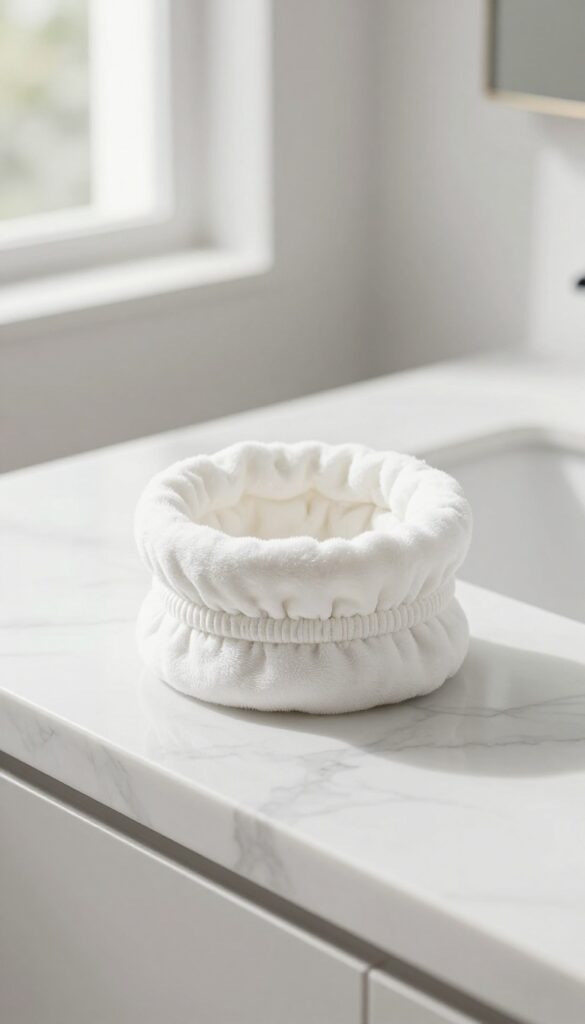
You don't wash your hair every day, but that doesn't mean you skip the shower. A good shower cap keeps your hair dry and out of the way, so you can still enjoy a full-body reset. It's also a secret weapon for deep conditioning—pop one on after applying a mask, and the trapped heat helps the treatment penetrate better.
A shower cap might seem basic, but it's a multitasker. It protects dry hair from steam and moisture, which can cause frizz or dullness. And when you're doing a hair mask, it creates a warm, humid environment that boosts absorption.
Look for one with a soft cotton lining and a snug elastic band to keep water out without pulling your hair.
Keep Hair Dry Between Washes
If you're co-washing or stretching your shampoo days, a shower cap is essential. It blocks moisture so your hairstyle stays intact and your natural oils don't get disrupted. Plus, it saves you from having to re-style or re-dry your hair after every shower.
Boost Your Hair Masks
Apply a deep conditioner or hair mask, then put on the cap. The heat from your scalp and the steam will help the ingredients penetrate more deeply. Leave it on for 15-20 minutes while you do the rest of your routine, then rinse for softer, more nourished hair.
Choose The Right Material
Avoid thin plastic caps that rip easily or trap too much heat. Go for a reusable silicone or nylon cap with a terry cloth lining. It's gentle on hair, stays put, and won't cause breakage at the hairline.
17. A Non-Slip Mat for Safety
Slips in the shower are no joke, and a non-slip mat is the simplest way to keep your feet planted. It adds a layer of grip on slick surfaces, so you can focus on your reset without worrying about balance. Plus, a cushioned mat feels nice underfoot—especially on cold tile.
A non-slip mat is a small investment that pays off in peace of mind. Look for one with strong suction cups and drainage holes to prevent mold. It’s a must-have for any shower routine, especially if you have kids or elderly family members.
Why You Need One
Wet floors are dangerous, and a mat reduces the risk of falls significantly. It also adds a bit of comfort, making your shower feel more spa-like. Choose a mat that fits your shower floor without curling at the edges.
What To Look For
Suction cups are key—they keep the mat in place. Drainage holes prevent water from pooling, which reduces slipping and mildew. Opt for a quick-dry material like rubber or silicone, and clean it regularly to maintain grip.
Style And Safety
Non-slip mats come in various colors and textures, so you can match your bathroom decor. Some even have massaging nodules for extra relaxation. Safety doesn’t have to be boring—pick one that makes you smile.
18. A Fogless Mirror for Shaving or Skincare
Ever tried shaving in a steamy shower only to end up guessing where the razor goes? A fogless mirror solves that problem instantly. It hangs right inside your shower, giving you a clear reflection even when the room is full of steam.
This little upgrade makes a big difference for both shaving and skincare routines. You can see exactly what you're doing, whether you're shaping brows, applying a face mask, or getting a close shave. No more wiping fog off the bathroom mirror or stepping out into the cold.
A fogless mirror is a simple tool that transforms your shower experience. It mounts securely on the wall or hooks over the showerhead, so it's always ready when you need it. The anti-fog technology keeps the surface clear, so you can see your reflection without any distortion.
For shaving, it means fewer nicks and a smoother result. For skincare, it lets you apply masks evenly and remove them thoroughly. It's a small investment that pays off every single shower.
Why You Need One
Shaving in the shower is convenient, but without a mirror, you're working blind. A fogless mirror gives you full control, so you can see every angle. It also helps with skincare routines—applying a clay mask or checking for missed spots becomes effortless.
What To Look For
Choose a mirror with strong suction cups or a secure hook so it stays put. Look for a size that fits your shower space without getting in the way. Some models have a swivel feature, letting you adjust the angle.
And make sure the anti-fog coating is durable—cheap ones can wear off quickly.
How To Use It
Hang the mirror in a spot where water won't hit it directly, like on a side wall. Wipe it dry after each use to keep the anti-fog layer intact. For best results, clean it with a soft cloth and avoid abrasive cleaners.
That way, it stays crystal clear for months.
19. A Shower Organizer to Keep Things Tidy
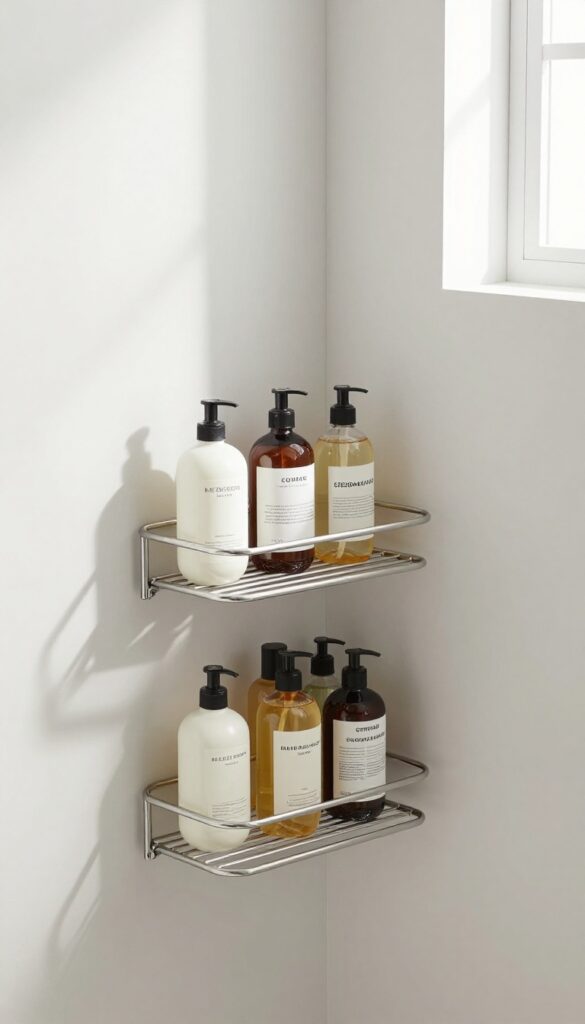
A cluttered shower caddy or a messy shelf can kill the zen of an everything shower. When bottles are scattered or stacked precariously, you spend half your time hunting for the right product. A simple organizer changes that—it keeps everything in its place and within easy reach.
The right shower organizer makes your routine smoother and your space look put-together. No more knocking over bottles or dealing with grimy soap residue on the floor. It's a small upgrade with a big payoff for your daily reset.
Pick The Right Material
Stainless steel, rust-proof plastic, or bamboo—choose based on your bathroom's humidity. Metal lasts longer but can scratch, while plastic is lightweight and affordable. Bamboo looks great but needs occasional sealing to prevent mold.
Match Your Layout
Corner caddies save space in small showers, while hanging organizers hook right over the showerhead. If you have a built-in shelf, consider a tiered expandable rack to maximize vertical storage. Measure your shower area first to avoid a tight fit.
Keep It Easy To Clean
Look for organizers with drainage holes or slatted bases so water doesn't pool. Removable trays or baskets make wiping down simple. A quick weekly rinse prevents soap scum buildup and keeps things fresh.
20. A Soft Turkish Towel for Drying
The moment you wrap yourself in a towel after an everything shower matters. A rough, bulky towel can undo all that relaxation. Turkish towels offer a better way: they're lightweight, quick-drying, and incredibly gentle on skin.
Plus, they take up way less space in your linen closet.
Turkish towels are woven from long-staple cotton, which makes them super absorbent without being heavy. They dry faster than traditional terry towels, so you're less likely to deal with that damp, musty smell. The flat weave also means they're gentle—perfect for post-shower when your skin is soft and sensitive.
You'll find them in tons of colors and patterns, so they can double as a stylish throw or beach towel.
Why Turkish Towels Win
Traditional towels can be bulky and slow to dry. Turkish towels are thinner but still soak up water efficiently because of their long cotton fibers. They get softer with every wash, and they take up less space in your bathroom.
How To Choose One
Look for 100% Turkish cotton with a tight weave. The weight should feel substantial but not heavy. Check the size—bath sheets are great for full-body wrapping, while a standard bath towel works for most people.
Care Tips
Wash before first use to improve absorbency. Avoid fabric softener—it coats the fibers and reduces drying power. Tumble dry on low or line dry.
They'll last for years and only get softer.
21. A Plush Bathrobe for Post-Shower Comfort
The moment you step out of the steam, the air hits your damp skin. A plush bathrobe changes that—it wraps you in warmth and keeps the relaxation going. It’s the cozy bridge between your shower and the rest of your day.
A good bathrobe isn't just a towel replacement. It's a signal that your reset isn't over yet. After an everything shower, you want to stay in that calm headspace.
A soft, absorbent robe lets you dry off slowly, without rushing into clothes. It also keeps you warm, especially if your bathroom tends to get chilly. Look for one in cotton or microfiber—something that feels gentle against your skin and sops up moisture fast.
Why A Robe Beats A Towel
Towels are great for drying, but they don't offer the same comfort. A robe stays on while you moisturize, do your hair, or just sit and breathe. It frees your hands and covers you completely, so you can take your time.
What To Look For
Choose a robe that's absorbent yet lightweight. Cotton waffle or terry cloth works well. Make sure it has a tie belt so it stays closed.
Pockets are a bonus—they hold your phone or lip balm while you lounge.
How To Make It Part Of Your Routine
Hang your robe on a hook near the shower door. After you turn off the water, reach for it instead of a towel. Slip it on and let the coziness sink in.
You'll find yourself lingering a little longer, and that's the whole point.
22. A Hydrating Body Oil for the Final Touch
After you've dried off and your skin is still slightly damp, a hydrating body oil locks in all the moisture from your shower. It's the final step that leaves your skin silky, not greasy, with a subtle glow that catches the light. Think of it as the cherry on top of your everything shower routine.
Applying body oil to damp skin helps seal in hydration while adding a healthy sheen. Unlike lotions, oils create a protective barrier that keeps moisture locked in throughout the day. A few drops go a long way—focus on drier areas like elbows, knees, and legs for best results.
Why Damp Skin Works Best
When your skin is still damp, it's more receptive to absorbing oils. The water droplets help the oil spread evenly, so you use less product and get better coverage. It also prevents that sticky feeling you sometimes get when applying oil to completely dry skin.
Choosing The Right Oil
Look for lightweight oils like jojoba, grapeseed, or squalane—they absorb quickly without leaving a heavy residue. Avoid mineral oils or heavily fragranced options if you have sensitive skin. A subtle scent like almond or coconut can add a relaxing aromatherapy touch.
How To Apply For Best Results
After towel-drying, warm a few drops of oil in your palms and gently press it into your skin, starting from your legs and working upward. Don't rub vigorously—patting and light strokes help the oil sink in without disturbing your skin's moisture barrier.
23. A Calming Face Mist to Set the Mood

After you’ve toweled off and your skin is still slightly damp, a calming face mist is the perfect final touch. It’s not just about hydration—it’s a signal to your brain that the reset is complete. A few spritzes of rose water or aloe vera mist can instantly refresh your face and lock in a sense of calm.
A face mist does double duty: it provides a light layer of moisture while the aromatherapy benefits help you transition from shower mode to relaxation mode. Keep a bottle on your counter and spritz after your skincare routine. The fine mist feels like a gentle hug for your face, and the subtle scent lingers as you go about your day.
Why It Works
The mist’s fine droplets deliver hydration without disrupting your makeup or skincare. Ingredients like rose water soothe redness, while aloe vera calms irritation. The act of spritzing itself can be meditative—a small ritual that bookends your shower.
How To Choose One
Look for mists with minimal ingredients—just water and a botanical extract like rose or lavender. Avoid alcohol-based formulas that can dry out your skin. A glass bottle with a fine mister ensures an even application.
Keep it in the fridge for an extra-cooling sensation.
When To Spritz
Use it right after your moisturizer to seal everything in, or throughout the day for a quick refresh. Post-shower, it’s the perfect way to set the mood and remind yourself that you’ve taken time for you.
FAQ
How often should I do an everything shower?
Once a week is ideal. It's a longer routine, so save it for a day when you have 30-45 minutes to pamper yourself.
Can I use a body scrub and exfoliating mitt together?
Yes, but be gentle. Use the scrub with the mitt for a deeper exfoliation, but limit it to once a week to avoid irritation.
What's the best order for an everything shower?
Start with hair care (shampoo, mask), then move to body care (scrub, shave), and finish with a rinse-off lotion or oil.
Do I need a special razor for sensitive skin?
A razor with a lubricating strip and fewer blades (like 3 or 5) is often better for sensitive skin to reduce friction.
How do I keep my shower products organized?
Use a rust-proof caddy or a corner shelf. Group items by use (hair, body, face) to make your routine flow smoothly.
Conclusion
An everything shower is your weekly reset button. Start with just three or four of these must-haves and build from there. You'll quickly notice how those extra minutes transform your mood and skin.
The ritual becomes something you look forward to, not another task on your list. Step out feeling renewed, polished, and ready to take on the week ahead.