Your hair tells a story, and your shower routine writes the chapters. If your locks feel lackluster or brittle, it might be time to rethink what happens under the spray. Small tweaks—like the order of products or water temperature—can make a huge difference in strength and shine.
Most people grab shampoo, scrub, rinse, and go. But healthy hair needs more than that. It needs a thoughtful sequence that respects your scalp, your strands, and your hair type.
Let's walk through 17 essentials that turn a basic wash into a hair-strengthening ritual. No fluff, just practical steps you can start using today.
1. Pre-Shower Detangling Brush
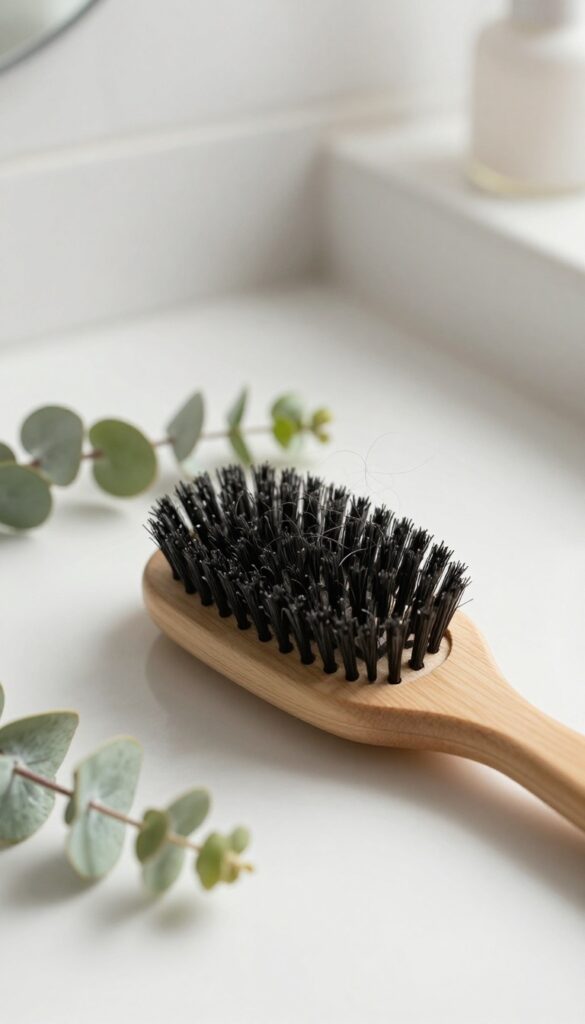
You wouldn't try to untangle a necklace while it's still knotted, so why do the same with your hair? Starting your wash with a good detangling session removes tangles before water makes them worse. This simple step cuts down on breakage and makes the whole washing process smoother and faster.
A pre-shower detangling brush is a game-changer for anyone with medium to long hair. By working out knots before you get wet, you reduce the stress on your strands when they're most vulnerable. Look for a brush with flexible bristles that glide through hair without snagging.
Start at the ends and work your way up to avoid pulling. This habit alone can save you from losing more hair than necessary during washing.
Why Detangle Before Washing?
Wet hair is weaker and more prone to breakage. If you wait until after shampooing to detangle, you're pulling on already fragile strands. Brushing beforehand removes loose hairs and tangles, so your wash is gentler from start to finish.
Choosing The Right Brush
Not all brushes are created equal. For pre-shower detangling, go for a wide-tooth comb or a brush with flexible, rounded tips. Avoid fine-tooth combs that can yank and snap hair.
A paddle brush with cushioned pads works well for most hair types.
Technique Tips
Always start detangling from the ends and gradually move upward. Hold the section of hair above the tangle to reduce scalp tension. Work in small sections for thoroughness.
If you hit a stubborn knot, use your fingers to gently separate it before brushing.
2. Scalp Massager for Stimulation
Your scalp is the foundation of healthy hair, yet it's often neglected. A simple silicone scrubber can transform your wash day by boosting circulation and loosening stubborn product buildup before shampoo even hits your strands. Think of it as a gentle workout for your roots.
Using a scalp massager isn't just relaxing—it's functional. The soft bristles lift away dead skin cells and excess oil, prepping your scalp for a deeper clean. Plus, the increased blood flow encourages stronger hair growth over time.
How To Use It Right
Start with dry or damp hair. Use gentle circular motions across your entire scalp for about 2-3 minutes before shampooing. Avoid pressing too hard—let the bristles do the work.
Rinse thoroughly afterward.
Why It Beats Fingertips
Fingernails can scratch and irritate your scalp, especially if you have sensitive skin. A silicone massager provides consistent pressure without damage, reaching every nook and cranny your fingers might miss.
3. Pre-Shampoo Oil Treatment
Before you even turn on the water, give your hair a little love with a pre-shampoo oil treatment. This simple step helps protect your strands from the stripping effects of shampoo, especially if you have dry or color-treated hair. A lightweight oil like jojoba or argan mimics your scalp's natural sebum, so it absorbs easily without leaving a greasy residue.
Apply the oil 15 minutes before washing, focusing on the mid-lengths and ends. Your hair gets a nourishing boost that keeps it strong and shiny, even after a thorough cleanse. It's a game-changer for anyone who wants to maintain moisture without weighing their hair down.
A pre-shampoo oil treatment is a simple yet powerful step to protect your hair from shampoo's cleansing agents. By applying oil before washing, you create a barrier that reduces moisture loss and prevents your strands from becoming dry or brittle. This is especially beneficial for those with curly, coarse, or chemically treated hair.
Choosing The Right Oil
Not all oils are created equal for pre-shampoo treatments. Jojoba oil is lightweight and closely resembles your scalp's natural oil, making it ideal for fine hair. Argan oil is rich in antioxidants and works well for dry or damaged hair.
Coconut oil can penetrate the hair shaft but may be too heavy for some; use sparingly if your hair is prone to greasiness.
How To Apply
Start with dry or slightly damp hair. Warm a few drops of oil in your palms, then run your fingers through your hair, focusing on the ends and avoiding the roots unless your scalp is very dry. Let the oil sit for 15–30 minutes.
For a deeper treatment, wrap your hair in a warm towel or use a shower cap.
When To Use It
Use this treatment once or twice a week, depending on your hair's needs. If your hair feels dry or you use heat styling often, you can do it more frequently. On the other hand, if your hair is naturally oily, stick to once a week and focus only on the ends.
4. Sulfate-Free Clarifying Shampoo
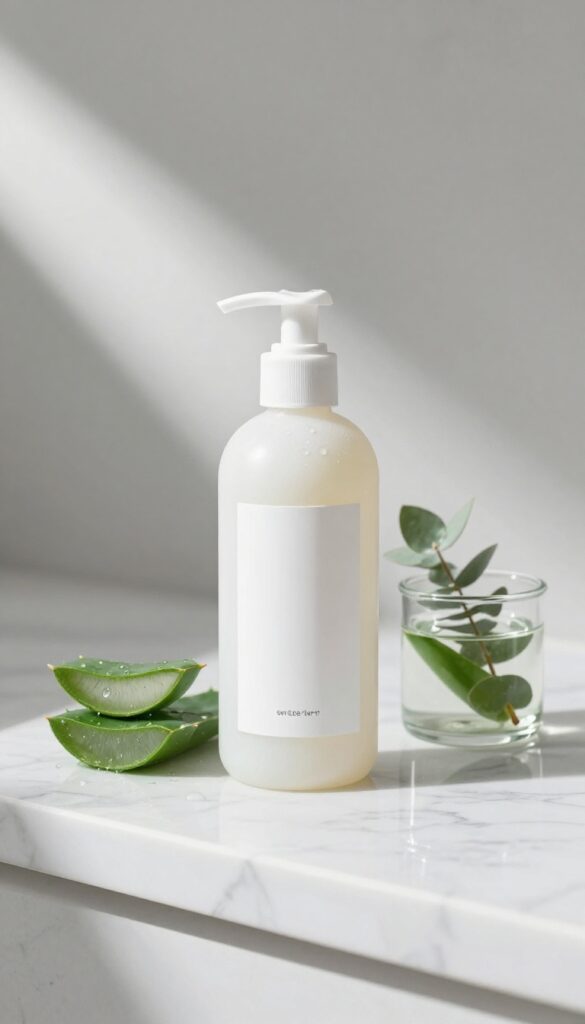
Build-up from products, hard water, and natural oils can leave hair looking dull and feeling weighed down. A clarifying shampoo cuts through that residue, but traditional formulas often use sulfates that strip too much. That's where sulfate-free clarifying shampoos come in—they clean deeply without the harsh detergents that can weaken strands over time.
Using a sulfate-free clarifying shampoo once a week helps reset your hair without over-drying. It removes impurities like silicone, excess sebum, and styling product residue, leaving your scalp fresh and your roots voluminous. The trick is to focus on the scalp and roots, letting the suds rinse through the lengths without scrubbing ends.
Why Sulfates Are A Problem
Sulfates like sodium lauryl sulfate create that foamy lather but can strip natural oils, leading to dryness and brittleness. For color-treated or curly hair, they accelerate fading and frizz. Sulfate-free options use gentler cleansing agents that still lift dirt without compromising moisture.
How Often To Clarify
Once a week is plenty for most hair types. If you have oily scalp or use heavy products, you might go every five days. Over-clarifying can backfire, so watch for signs like dryness or increased frizz and adjust accordingly.
What To Look For
Check the label for ingredients like coco-betaine or decyl glucoside—these are mild surfactants. Avoid shampoos with silicones or waxes that can create new build-up. A good clarifying shampoo should leave hair feeling clean but not squeaky.
5. Moisturizing Shampoo for Daily Use
Not all shampoos are created equal, especially when you wash your hair often. A moisturizing shampoo is your best friend for daily use—it gently cleanses without stripping away natural oils. This keeps your hair soft, hydrated, and less prone to breakage.
A good moisturizing shampoo uses mild surfactants and adds back hydration with ingredients like glycerin, aloe vera, or coconut oil. It's perfect for normal to dry hair types and works well even on color-treated locks. Look for sulfate-free options to avoid that squeaky-clean feeling that signals over-drying.
What To Look For
Check the label for words like 'hydrating, ' 'moisture-rich, ' or 'gentle. ' Ingredients such as shea butter, argan oil, and hyaluronic acid are great signs. Avoid shampoos with high alcohol content or strong sulfates.
How To Use It
Focus the shampoo on your scalp, not the ends. Massage gently with your fingertips for about 30 seconds, then rinse thoroughly. Follow with a lightweight conditioner to lock in moisture.
6. pH-Balanced Conditioner
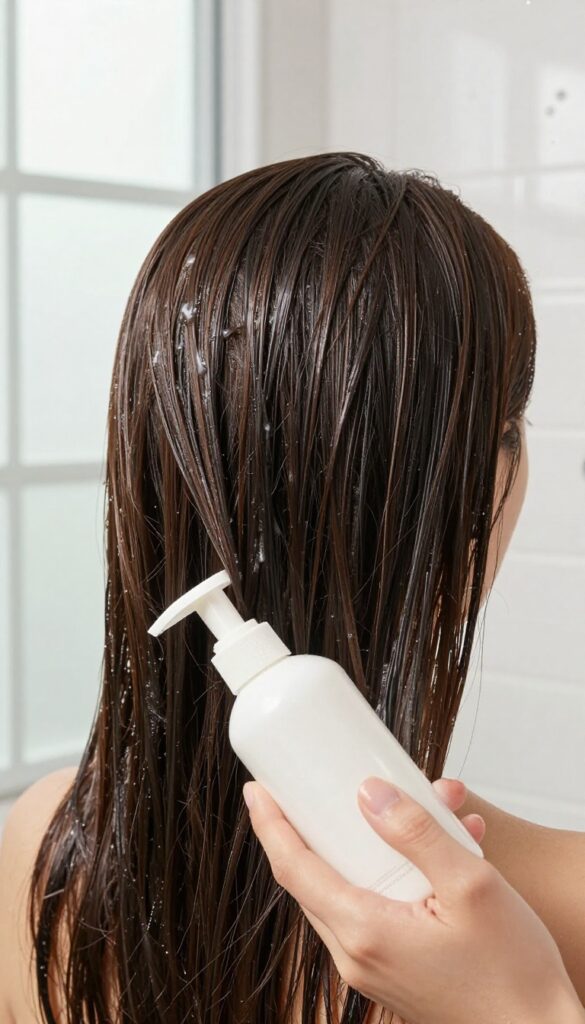
Your hair has a natural pH level around 4. 5 to 5. 5, which keeps the cuticles flat and sealed.
Shampoos and hard water can disrupt this balance, leaving strands rough and prone to frizz. A pH-balanced conditioner helps restore that acidity, smoothing the cuticle and locking in moisture.
Using a conditioner with a pH between 4. 5 and 5. 5 is like giving your hair a reset button.
It closes the cuticle after cleansing, which reduces frizz, boosts shine, and prevents breakage. Look for conditioners labeled "pH-balanced" or check the ingredients for citric acid or sodium citrate, which help maintain the right acidity.
Why Ph Matters For Your Hair
When the cuticle is raised, hair loses moisture and becomes brittle. A low pH conditioner tightens the cuticle, locking in hydration and nutrients. This also helps color-treated hair hold onto pigment longer and reduces tangling.
How To Choose The Right One
Not all conditioners are created equal. Avoid products with high alcohol content or harsh sulfates, as they can strip natural oils. Instead, look for gentle surfactants and ingredients like aloe vera or glycerin that support moisture retention without weighing hair down.
Application Tips For Best Results
Apply conditioner from mid-lengths to ends, avoiding the scalp to prevent greasiness. Leave it on for 2-3 minutes to let the pH work its magic. Rinse with cool water to further seal the cuticle and add shine.
7. Deep Conditioning Hair Mask
A weekly deep conditioning mask is like a reset button for your hair. It delivers concentrated moisture or protein to repair damage, restore elasticity, and prevent breakage. Without this step, even the best shampoo and conditioner routine can leave your hair undernourished.
Think of a deep conditioning mask as a treatment, not a conditioner. It stays on longer—usually 5 to 20 minutes—so the ingredients have time to penetrate. Protein masks strengthen weak strands, while moisture masks hydrate dry, brittle hair.
Alternating between the two keeps your hair balanced.
Protein Vs. Moisture: Know Your Need
If your hair feels limp or mushy when wet, it likely needs protein. If it feels dry, rough, or frizzy, go for moisture. A good rule: use a protein mask once a month and a moisture mask weekly.
Overdoing protein can cause stiffness, so listen to your hair.
How To Apply For Maximum Benefit
Apply the mask to clean, damp hair after shampooing. Focus on the mid-lengths and ends—avoid the roots unless your scalp is very dry. Use a wide-tooth comb to distribute evenly.
For extra penetration, cover your hair with a shower cap and let body heat work its magic.
Diy Vs. Store-bought
Store-bought masks are formulated with specific ingredients and pH levels for reliable results. DIY masks (like avocado, honey, or yogurt) can be fun but lack consistency. If you go DIY, research ratios and avoid common pitfalls like too much protein or acidic ingredients.
8. Cool Water Final Rinse
That blast of cold water at the end of your shower might be the simplest upgrade you can make. It's not just about waking you up—it's a proven way to seal your hair cuticles and lock in all the good stuff from your conditioner and treatments. A cool rinse adds instant shine and helps prevent frizz, especially if you have curly or color-treated hair.
The final rinse is your chance to set everything in place. After you've conditioned or masked, switch the water to cool (not freezing) and let it run over your hair for about 30 seconds. This closes the cuticles, which makes hair smoother and more reflective.
It also helps seal moisture inside the strand, so your hair stays hydrated longer between washes.
Why Temperature Matters
Hot water opens cuticles, which is great for cleaning but bad for locking in moisture. A cool rinse reverses that—it contracts the cuticle layer, making hair less porous and more resistant to humidity. Over time, this reduces breakage and keeps your color from fading as fast.
How To Do It Right
You don't need an ice-cold shock. Aim for lukewarm-to-cool water—around 70–75°F is perfect. Tilt your head back to keep water off your face and focus on the lengths and ends.
If you can't handle a full cold rinse, try a quick 10-second blast on just your hair.
Extra Boost For Fine Hair
Fine or limp hair benefits from a cool rinse because it adds volume without weighing strands down. The closed cuticles reflect more light, making hair look thicker and healthier. Pair it with a lightweight leave-in conditioner for best results.
9. Microfiber Hair Towel
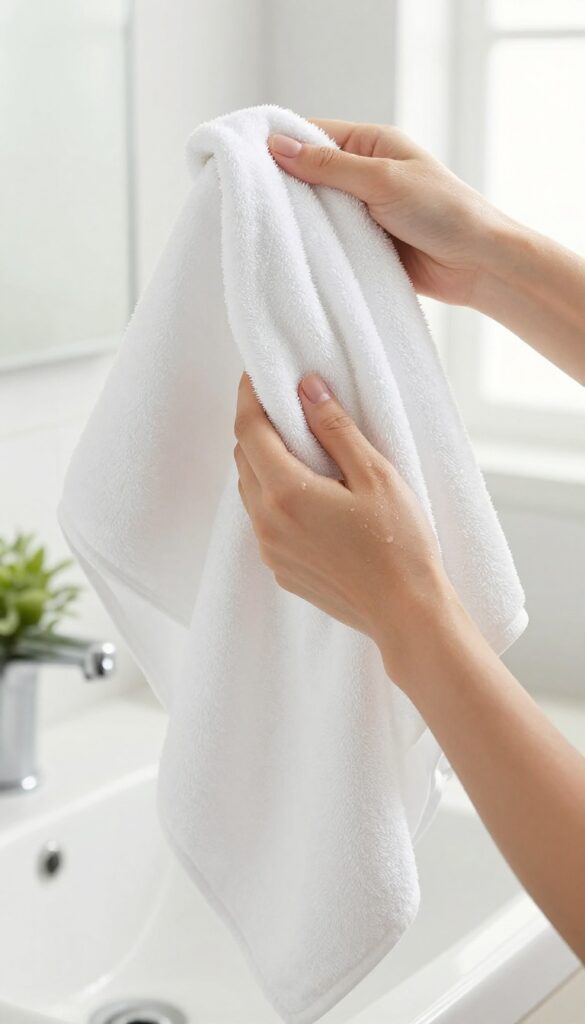
That rough cotton towel you've been using might be doing more harm than good. Cotton fibers create friction that lifts the hair cuticle, leading to frizz, breakage, and split ends. A microfiber hair towel is a simple swap that makes a big difference.
Microfiber is ultra-absorbent, so it cuts drying time significantly. Less time wrapped means less moisture loss and less stress on your strands. Plus, the smooth texture glides over hair without snagging or pulling.
Microfiber towels are gentler and more absorbent than cotton, reducing drying time and preventing breakage. Use one to gently squeeze out excess water instead of rubbing.
Why Microfiber Wins
Microfiber fibers are split into tiny filaments that create a large surface area. This allows them to absorb several times their weight in water, pulling moisture away from your hair quickly. The result: less time with wet, vulnerable strands and less need for heat styling.
How To Use It Right
After washing, gently squeeze out excess water with your hands. Flip your head forward and wrap the microfiber towel turban-style around your hair. Leave it on for 10–15 minutes—no longer, as keeping hair wrapped too long can cause moisture imbalance.
Then unwrap and let hair air-dry or style as usual.
Care Tips
Wash your microfiber towel separately with a gentle detergent. Avoid fabric softener, which clogs the fibers and reduces absorbency. Air-dry or tumble on low heat.
Replace every 6–12 months for best performance.
10. Leave-In Conditioner Spray
A leave-in conditioner spray is the multitasker your hair routine needs. It hydrates, detangles, and protects—all in one spritz. Unlike rinse-out conditioners, this one stays put, offering continuous benefits throughout the day.
After towel-drying your hair, spritz a leave-in conditioner evenly from mid-lengths to ends. Focus on the driest areas, usually the ends, but avoid the roots to prevent greasiness. Comb through with a wide-tooth comb for even distribution.
This simple step locks in moisture, reduces breakage, and adds a subtle shine without weighing hair down.
All-day Detangling
Leave-in conditioners coat each strand with lubricating ingredients like silicones or natural oils, making knots slide out easily. This means less tugging and breakage when you brush later. Ideal for curly, wavy, or fine hair that tangles easily.
Uv And Heat Protection
Many leave-in sprays contain UV filters and heat protectants. They shield hair from sun damage and reduce the impact of styling tools like blow-dryers or straighteners. A quick spritz before heat styling can prevent dryness and color fading.
How To Choose The Right One
Look for a formula that matches your hair type. Fine hair needs a lightweight, water-based spray. Thick or curly hair can handle richer formulas with shea butter or argan oil.
Avoid alcohol-heavy sprays, which can dry out hair over time.
11. Wide-Tooth Comb for Wet Hair
Brushing wet hair with a regular brush is a recipe for breakage. Wet strands are more elastic and fragile, so they snap easily under tension. A wide-tooth comb glides through without yanking, making it the safest tool for detangling after conditioner.
Switch to a wide-tooth comb right after applying conditioner. Start from the tips and work upward to avoid snags. This method distributes product evenly while gently separating knots.
Rinse thoroughly, then comb once more to align strands before styling.
Why Wide Teeth Work Better
Wide gaps between teeth reduce pulling force on individual hairs. They separate strands without stretching them past their limit. Unlike fine-tooth combs or brushes, they don't create friction that leads to frizz.
How To Comb Without Damage
Always comb wet hair when it's saturated with conditioner. Section your hair into manageable parts and comb each section slowly. Never force through a tangle—use your fingers to loosen it first.
Material Matters
Choose a comb made of seamless plastic, wood, or silicone. Avoid metal or sharp-edged combs that can scratch the hair cuticle. A smooth, flexible comb is gentler on fragile wet hair.
12. Hair Oil or Serum for Ends
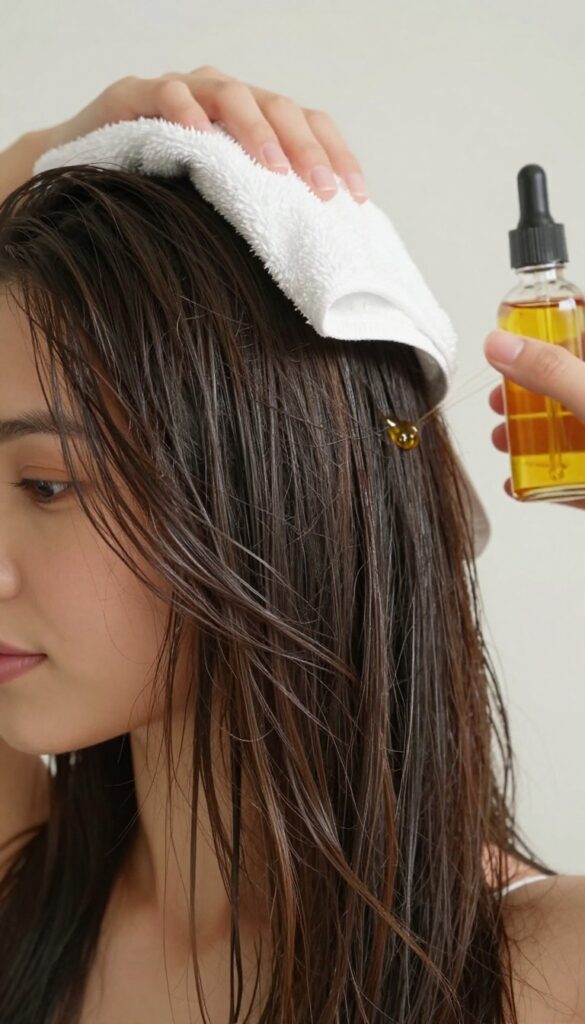
Your ends are the oldest part of your hair, so they need extra love. A few drops of lightweight oil or serum after your shower can seal split ends and lock in moisture. This simple step prevents further damage and keeps your hair looking smooth and healthy.
Applying a hair oil or serum to your ends is a quick way to add shine and protect against breakage. It's especially important if you have dry, color-treated, or heat-styled hair. The key is to use just a few drops and focus on the tips, avoiding the roots to prevent greasiness.
Why Ends Need Extra Care
The ends of your hair are the most fragile because they've been exposed to the most wear and tear. They lack the natural oils that your scalp produces, making them prone to dryness and splitting. A lightweight oil or serum acts as a barrier, sealing the cuticle and reducing further damage.
How To Choose The Right Oil
Look for non-greasy oils like argan, jojoba, or grapeseed oil. These absorb quickly without weighing hair down. For fine hair, a silicone-based serum can provide shine without heaviness.
Avoid heavy oils like coconut if your hair is prone to weighing down.
Application Tips For Best Results
Apply oil to damp, towel-dried hair after your shower. Rub a few drops between your palms, then gently smooth onto your ends, working upward a bit. Don't overdo it—start with a pea-sized amount and add more if needed.
This seals in moisture and prevents frizz.
13. Scalp Scrub for Exfoliation
Your scalp is skin, and just like the rest of your body, it needs exfoliation. Dead skin cells, excess oil, and product buildup can clog hair follicles, leading to slower growth and a dull appearance. A gentle scalp scrub once a month sweeps away that debris, giving your roots a fresh start.
Think of a scalp scrub as a reset button for your hair. It removes the gunk that regular shampoo can't always budge, especially if you use dry shampoo, styling products, or live in a hard-water area. The result?
Healthier follicles, reduced itchiness, and hair that grows stronger from the root.
Why Monthly Exfoliation Matters
Over time, product residue and dead skin build up on your scalp. This can trap oil and cause flakes or irritation. Monthly exfoliation breaks that cycle, allowing your scalp to breathe and your hair to thrive.
It's like giving your roots a deep clean without stripping them.
How To Choose A Scalp Scrub
Look for scrubs with fine, gentle exfoliants like jojoba beads, sea salt, or sugar. Avoid harsh particles that can cause micro-tears. Ingredients like salicylic acid or tea tree oil can help with buildup and dandruff.
If you have a sensitive scalp, opt for a chemical exfoliant with AHAs instead.
Application Tips For Best Results
Apply the scrub to damp hair before shampooing. Part your hair into sections and massage the product into your scalp using circular motions with your fingertips—not your nails. Focus on the crown and hairline where buildup is common.
Rinse thoroughly, then follow with a gentle shampoo and conditioner.
14. Shower Filter for Water Quality
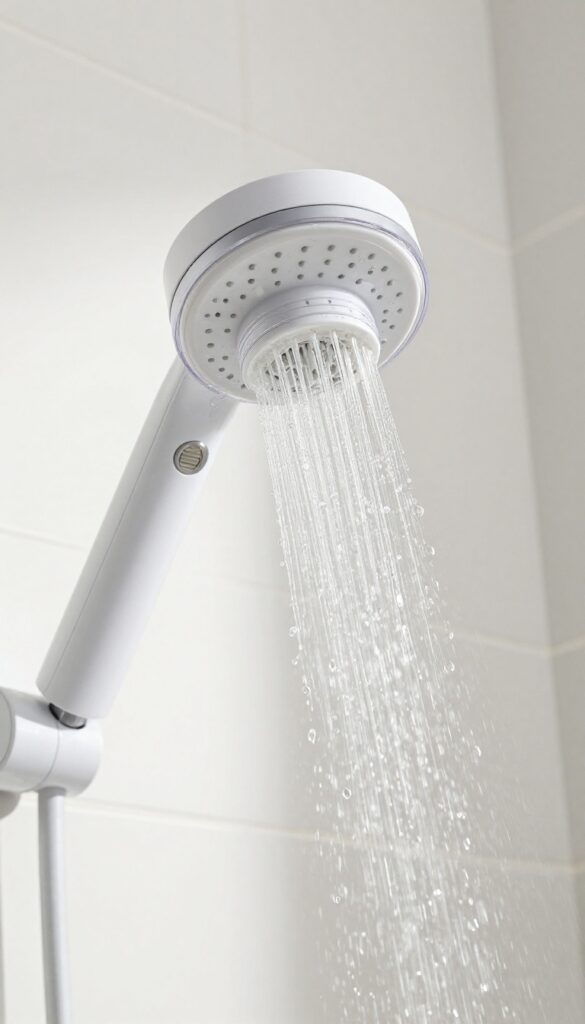
Hard water is a silent culprit behind dull, brittle hair. Those excess minerals—calcium, magnesium, iron—build up on your strands, making color fade faster and leaving a stubborn film that no shampoo can fully remove. A simple shower filter can change everything by stripping out the junk before it ever touches your hair.
Installing a shower filter is one of the easiest upgrades you can make. It screws onto your existing shower arm in minutes, no tools required. The filter cartridge usually lasts three to six months, and replacement is cheap.
Your hair will feel cleaner, softer, and your color-treated locks will stay vibrant longer.
What Hard Water Does To Hair
Hard water minerals cling to hair like glue, creating a coating that blocks moisture and makes strands feel rough. Over time, this buildup leads to frizz, tangles, and even breakage. For colored hair, the minerals react with dye molecules, causing premature fading and brassiness.
How A Filter Helps
A quality shower filter uses activated carbon and KDF media to reduce chlorine, heavy metals, and sediment. Some models also soften water by swapping calcium and magnesium for sodium ions. The result is water that actually rinses clean, leaving your hair's natural oils and any products you use to work as intended.
Which Filter To Pick
Look for a filter with high flow rate (so your water pressure doesn't drop) and easy cartridge replacement. Brands like Sprite, AquaBliss, and Culligan are popular. If you rent, choose a model that attaches directly to the showerhead without permanent modifications.
15. Silk or Satin Hair Wrap
Wrapping wet hair in a cotton towel is a fast track to frizz and breakage. The rough fibers create friction that roughens the cuticle and causes tangles. A silk or satin hair wrap is a gentle alternative that lets your hair dry smoothly without the damage.
Switching to a silk or satin wrap is one of the simplest swaps you can make. It reduces friction, prevents tangles, and helps maintain moisture. Plus, it's lightweight and comfortable to wear while you go about your morning routine.
Why Fabric Matters
Cotton towels absorb too much moisture too quickly, stripping hair of natural oils. The rough texture snags on wet strands, causing breakage. Silk and satin are smooth and low-friction, so your hair glides over the surface without catching.
How To Use It
After your shower, gently squeeze excess water from your hair. Flip your head forward and place the wrap over your hair, then twist and secure it with the button or tie. Leave it on for 15-30 minutes or until your hair is damp, then let it air-dry the rest of the way.
Bonus Benefits
Silk wraps also help preserve hairstyles and reduce frizz. They're great for overnight use too—sleeping on a silk wrap or pillowcase prevents morning tangles and keeps your hair smooth.
16. Hair Growth Stimulating Spray
A hair growth spray is like a daily vitamin for your scalp. It delivers active ingredients directly to the follicles, encouraging thickness and reducing shedding. The best part?
It takes just a few seconds to apply after your shower.
Think of this as a targeted treatment for your scalp. Unlike leave-in conditioners that focus on the hair shaft, growth sprays are formulated to nourish the roots. They often contain ingredients like caffeine, biotin, or peptides that stimulate blood flow and support the hair growth cycle.
How It Works
Sprays are designed for easy, even application. After washing and towel-drying your hair, part it into sections and spritz directly onto your scalp. A quick massage helps absorption and boosts circulation.
Use it consistently for best results.
What To Look For
Check the label for proven ingredients: caffeine to energize follicles, biotin to strengthen, and saw palmetto to block DHT. Avoid sprays with alcohol, which can dry out your scalp. A lightweight formula won't weigh hair down.
When To Apply
Apply right after your shower while your scalp is still damp. This helps the product absorb better. Use it once or twice daily depending on the instructions.
Consistency is key—don't skip days.
17. Weekly Protein Treatment
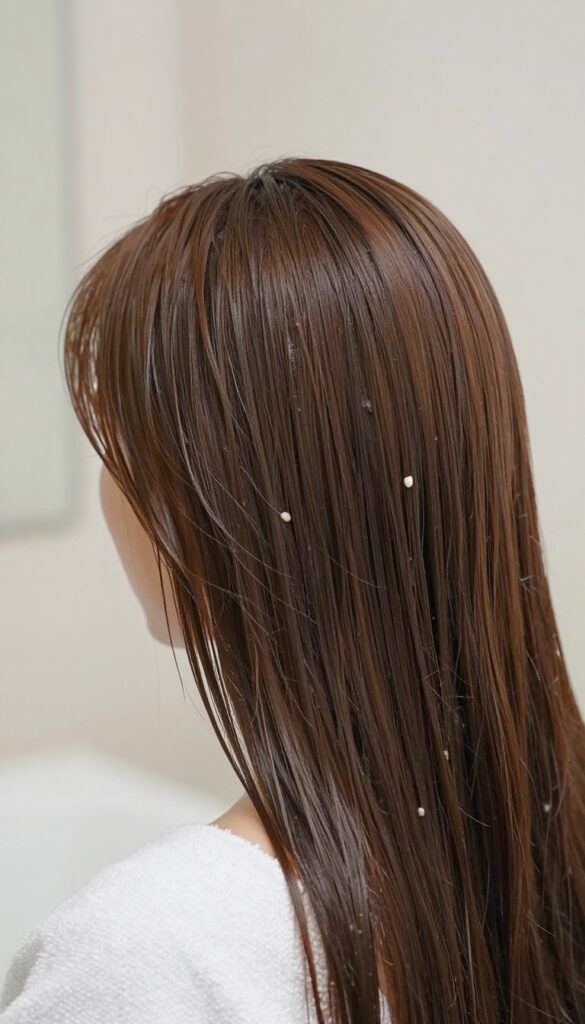
Your hair is made of protein, and sometimes it needs a little extra. If your strands feel limp, mushy when wet, or snap easily, a protein mask can help restore their strength. Think of it as a targeted repair session for overworked hair.
A protein treatment fills in gaps in the hair cuticle, reinforcing weak spots. It's especially helpful if you color, heat-style, or use chemical treatments. But balance is key—too much protein can make hair stiff and brittle.
Stick to once every two weeks, or once a week if your hair is very damaged.
How To Choose The Right Mask
Look for hydrolyzed proteins like keratin, wheat, or soy on the label. These are small enough to penetrate the hair shaft. Avoid heavy creams if you have fine hair—opt for a lightweight spray or rinse-out mask instead.
Application Tips For Best Results
Apply the mask to clean, damp hair after shampooing. Focus on the mid-lengths and ends, where damage is usually worst. Leave it on for the time specified—usually 5 to 10 minutes—then rinse thoroughly with cool water to seal the cuticle.
Signs You Need A Protein Boost
If your hair stretches more than usual when wet, feels limp, or breaks off easily, it's likely protein-deficient. A quick test: take a wet strand and gently pull. If it stretches and snaps, protein can help.
If it feels gummy or stretches without breaking, you may need moisture instead.
FAQ
How often should I wash my hair for optimal strength?
It depends on your hair type. Oily hair may need washing every other day, while dry or curly hair can go 3–5 days. Over-washing strips natural oils, so listen to your scalp.
Can I use a regular towel instead of microfiber?
You can, but microfiber is gentler and reduces frizz. Cotton towels cause more friction, which can lead to breakage, especially on wet hair.
Do I really need a shower filter?
If you have hard water, yes. Minerals like calcium and chlorine can make hair brittle and fade color. A filter is a simple fix for stronger, shinier locks.
What's the best order for applying products in the shower?
Start with a pre-shampoo treatment if needed, then shampoo, condition, and finally a cool rinse. After showering, apply leave-in conditioner and oil on damp hair.
How do I know if my hair needs protein or moisture?
If your hair feels limp and stretchy, it needs protein. If it feels rough and brittle, it needs moisture. A balanced routine uses both, but not at the same time.
Conclusion
Building a strong hair shower routine doesn't mean overhauling everything at once. Start with one or two essentials—like a microfiber towel or a pre-shampoo oil—and see how your hair responds. Small, consistent changes add up to healthier, more resilient locks.
Remember, the best routine is one you can stick with. Listen to your hair, adjust as needed, and enjoy the process of caring for your strands. Your hair will thank you with shine and strength.