Waking up with that fresh, well-rested glow isn't luck—it's strategy. The way you wind down tonight directly shapes how you look tomorrow morning, and small tweaks can make a surprisingly big difference.
These 17 overnight tricks are all about working with your body's natural repair mode, not against it. From smarter skincare layering to the surprising impact of a silk pillowcase, each tip is simple enough to start tonight.
Pick the ones that feel right, and let your morning mirror be the judge.
1. Hydrate Like It's Your Job
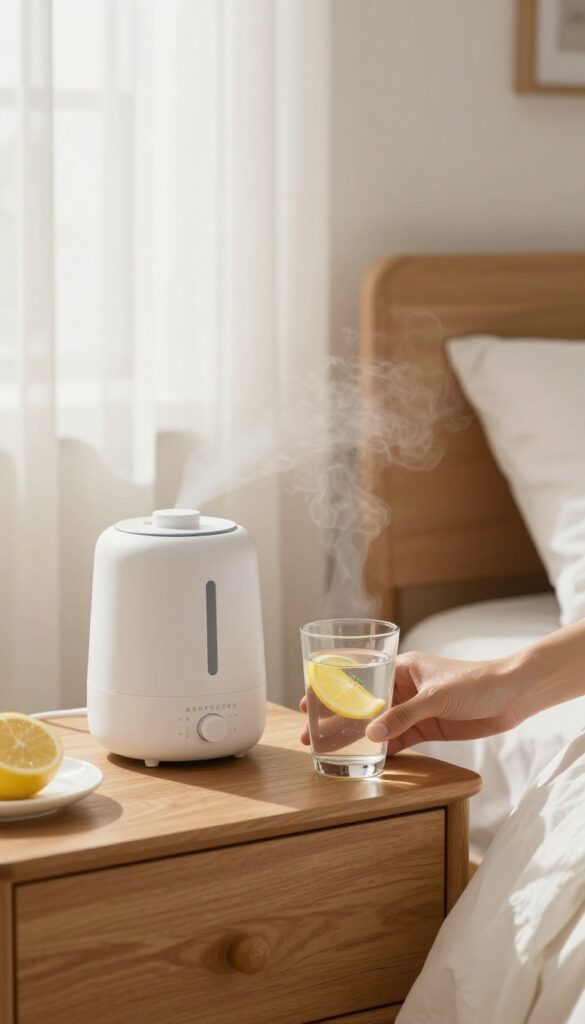
Your skin does its best repair work while you sleep, but it needs water to do it. Dehydration overnight shows up as dullness, fine lines, and puffiness by morning. The fix is simple: drink up before you hit the pillow and keep the air around you moist.
Start with a glass of water about 30 minutes before bed—not a huge chug, just enough to hydrate without waking up for bathroom breaks. Then, add a humidifier to your bedroom. It keeps your skin from losing moisture to dry air, so you wake up looking plump and dewy instead of tight and flaky.
Why Nighttime Hydration Matters
While you sleep, your body goes into repair mode, and water is the main ingredient for that process. Without enough, your skin can't shed dead cells or produce new ones effectively. That's why a pre-bed glass of water is like giving your skin a head start.
Choosing The Right Humidifier
You don't need a fancy one. A simple cool-mist model works fine. Place it near your bed, not directly on your nightstand, and clean it weekly to avoid mold.
Aim for 40-50% humidity—enough to feel the difference without making your room feel like a rainforest.
Quick Hydration Boosters
If plain water feels boring, add a slice of lemon or cucumber. Or sip a small cup of chamomile tea—it's hydrating and calming. Just skip anything with caffeine or alcohol, which dehydrate you and disrupt sleep.
2. Double Cleanse for a Fresh Canvas
Think of your skin as a canvas. If you leave last night's makeup, SPF, and grime on it, your overnight products never really sink in. That's where double cleansing comes in—it's a two-step reset that leaves your face truly clean and ready to absorb all the good stuff.
Start with an oil-based cleanser to melt away the stubborn stuff, then follow with a gentle water-based cleanser to sweep away the residue. It takes an extra two minutes, but your morning skin will thank you.
Double cleansing isn't about stripping your skin—it's about being thorough without being harsh. The oil step breaks down oil-based impurities (like sunscreen and makeup), while the water step clears away sweat, dirt, and leftover cleanser. This prevents clogged pores and helps your overnight treatments work better, so you wake up with a clearer, more even-toned complexion.
Why Oil First?
Oil attracts oil. An oil-based cleanser binds to the sebum, sunscreen, and makeup on your face, lifting them off without rubbing your skin raw. It's especially important if you wear water-resistant SPF or heavy makeup—those formulas are designed to stay put, and a single cleanse won't cut it.
Pick A Gentle Second Cleanser
Your second cleanser should be water-based and mild, like a creamy or foaming formula without sulfates. Look for ingredients like glycerin or ceramides to keep your skin barrier happy. Avoid anything that leaves your face feeling tight or squeaky—that's a sign it's too stripping.
Make It A Quick Ritual
You don't need to spend forever. Massage the oil cleanser over dry skin for about 30 seconds, emulsify with water, rinse, then follow with the water cleanser for another 30 seconds. Pat dry with a soft towel—no rubbing.
That's it. Your skin will be prepped for serums and moisturizers.
3. Exfoliate Gently (But Not Every Night)
Scrubbing your face like it owes you money is a recipe for redness, not radiance. The goal is to remove dead skin cells so your overnight products can actually sink in, not to strip your skin raw. A gentle chemical exfoliant, like lactic acid, does the job without the harsh friction of physical scrubs.
Use it two to three times a week, and you'll wake up to smoother, brighter skin that catches the light just right.
Lactic acid is a superstar here because it's a mild alpha-hydroxy acid (AHA) that gently dissolves the bonds holding dead skin cells together. It also pulls moisture into the skin, so you get exfoliation and hydration in one step. Unlike gritty scrubs that can cause microtears, lactic acid works invisibly while you sleep.
Start with a low concentration (around 5-10%) and patch test first. Apply it to clean, dry skin, wait a few minutes, then follow with your moisturizer. If you're new to acids, begin with once a week and gradually build up to avoid irritation.
Why Lactic Acid Over Scrubs?
Physical scrubs feel satisfying but often do more harm than good, especially if you're using them right before bed. Microtears in the skin can lead to inflammation and breakouts. Lactic acid, on the other hand, is a chemical exfoliant that dissolves dead cells evenly, leaving a smooth surface without the risk of over-scrubbing.
Plus, it's naturally derived from milk, making it gentle enough for most skin types.
How To Layer It With Your Night Routine
Order matters. After cleansing, apply your lactic acid serum or toner, then wait a minute for it to absorb. Follow with a hydrating serum (like hyaluronic acid) and a rich moisturizer to lock everything in.
If you use retinol, alternate nights—use lactic acid one night and retinol the next, so you don't overload your skin. And always skip exfoliating on nights you use a face mask or treatment that's already strong.
Signs You're Overdoing It
If your skin feels tight, looks shiny, or stings when you apply moisturizer, you've probably exfoliated too often. Give your skin a break for a few days and focus on hydration. A good rule of thumb: your skin should feel comfortable, not tingly, after applying products.
When in doubt, dial back to once a week and see how your skin responds.
4. Layer a Hydrating Serum
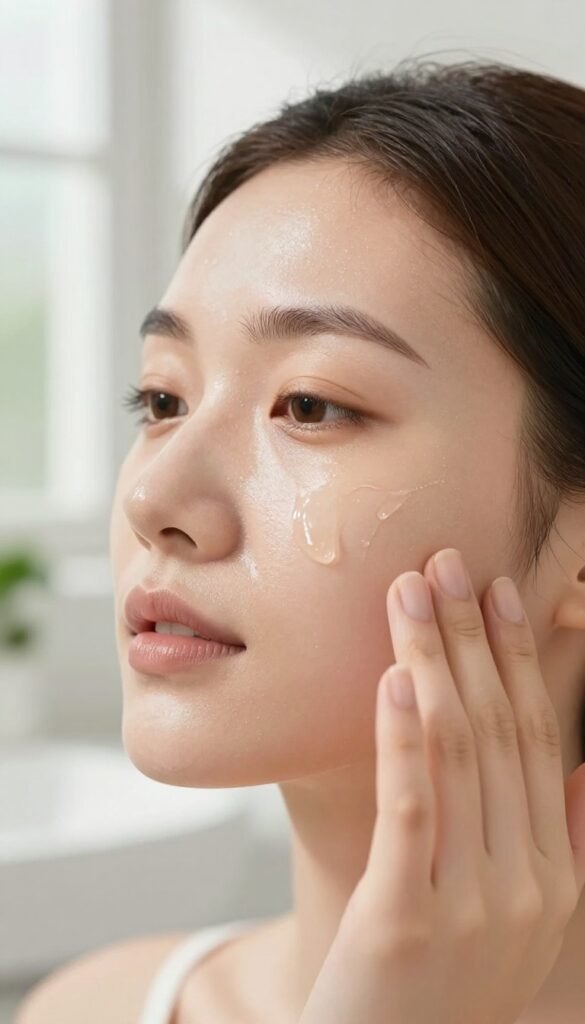
A good hydrating serum is like a secret weapon for your overnight routine. The right one, applied correctly, can make your skin look noticeably plumper and more rested by the time your alarm goes off. The key is to use it on damp skin, not dry, so it can actually pull in the moisture it needs.
Why Damp Skin Matters
Hyaluronic acid is a humectant, meaning it draws water from the environment into your skin. If you apply it to dry skin, it has nothing to grab onto and can actually pull moisture out, leaving you drier. Splash your face, pat it gently, and apply the serum while your skin is still slightly wet.
This simple step makes all the difference.
How To Layer It Right
After cleansing, don't towel-dry completely. Leave a little water on your face, then press a few drops of serum into your skin. Follow with a moisturizer to seal everything in.
This locks the hydration in and helps the serum work overnight, so you wake up with that dewy, plump look.
Pick The Right Formula
Not all serums are created equal. Look for one with hyaluronic acid as a key ingredient, and consider a formula with multiple molecular weights to hydrate different layers of your skin. Avoid heavy, greasy textures if you're prone to breakouts, and always patch-test something new.
5. Seal It All In with a Night Cream
A rich night cream is the final step that locks in all the good stuff you applied earlier. While you sleep, your skin loses water, and a ceramide-packed formula helps keep that moisture where it belongs. Think of it as a cozy blanket for your face—it traps hydration and supports your skin barrier overnight.
Night creams are thicker than daytime moisturizers for a reason. They're designed to work with your skin's overnight repair cycle. Look for ceramides, which are like the glue holding your skin cells together.
When your barrier is strong, you wake up with that bouncy, dewy look instead of a tight, dry one.
Why Ceramides Matter
Ceramides are lipids that make up about 50% of your skin's outer layer. They act as a protective shield, keeping moisture in and irritants out. A night cream rich in ceramides helps replenish these fats, especially if your skin is naturally dry or you've used exfoliants.
Over time, this strengthens your barrier and reduces that rough, flaky morning texture.
How To Apply For Maximum Absorption
Warm a pea-sized amount between your fingertips, then press it gently onto your face and neck. Don't rub aggressively—patting signals your skin to absorb better. Apply it as the last step, about 15 to 20 minutes after your serum, so your skin has time to drink in the lighter layers first.
This layering trick ensures the cream seals everything in without feeling heavy.
Pick The Right Texture For Your Skin Type
If you're oily, opt for a gel-cream with ceramides—it's hydrating but not suffocating. Dry skin? Go for a balm or butter texture with added oils like squalane or shea.
Combination skin can use a lighter lotion and focus it on the cheeks, leaving the T-zone with just a thin layer. The goal is to feel comfortable, not greasy.
6. Don't Skip the Eye Cream
The skin around your eyes is thinner and more delicate than the rest of your face, which is why it shows fatigue first. A good eye cream isn't just a luxury—it's a targeted treatment that can change how rested you look by morning. Caffeine-infused formulas are especially effective because they constrict blood vessels, reducing puffiness and the appearance of dark circles.
Applying it correctly makes all the difference, so here's how to get the most out of your eye cream.
Why Caffeine Works
Caffeine is a vasoconstrictor, meaning it tightens the blood vessels under the thin eye skin. This reduces fluid buildup that causes puffiness and lessens the bluish tint of dark circles. For best results, look for a cream with caffeine as a key ingredient, and keep it in the fridge—the cool temperature adds an extra de-puffing boost.
How To Apply It Right
Use your ring finger, which has the lightest touch, to dab a pea-sized amount under each eye. Gently tap from the inner corner outward along the orbital bone—don't rub or pull. Let it absorb for a minute before applying any other products.
This helps the active ingredients penetrate without disturbing the formula.
Pair It With A Cold Spoon
For an instant wake-up effect, run a chilled metal spoon over your eye area before applying the cream. The cold reduces swelling and boosts circulation, making the cream work even better. It's a simple trick that takes seconds and amplifies your results.
7. Sleep on a Silk Pillowcase
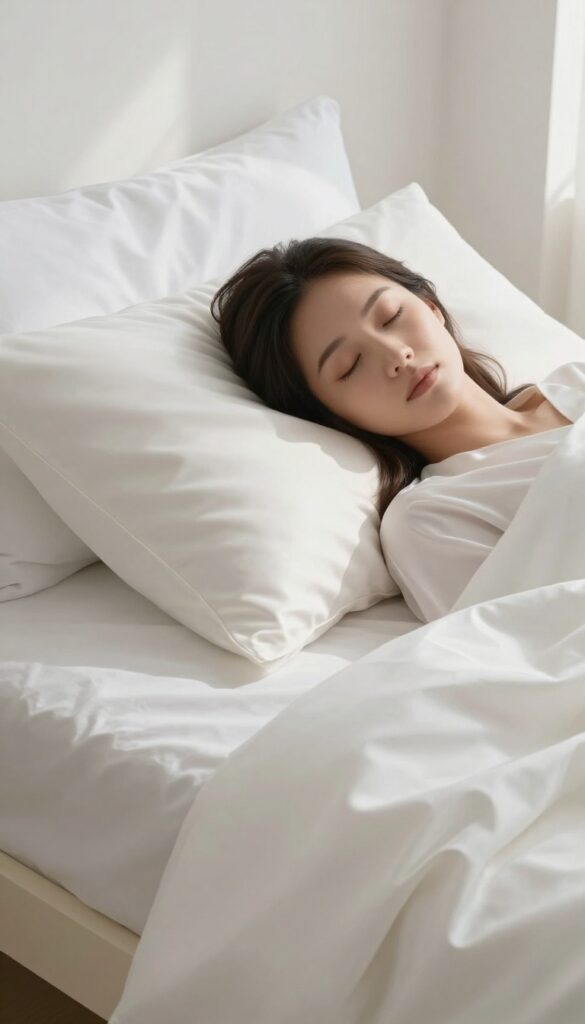
Cotton pillowcases might feel soft, but they actually create friction that tugs at your skin and hair all night long. That friction can lead to sleep lines that stick around into the morning and hair that looks like a bird's nest. Switching to silk is one of those overnight swaps that feels luxurious and works quietly in the background.
Silk's smooth surface lets your skin glide instead of drag, which helps prevent those crease marks on your face. It also absorbs less moisture than cotton, so your skincare and natural oils stay where they belong—on your skin. Plus, your hair will thank you: less friction means less frizz and fewer tangles when you wake up.
Why Silk Beats Cotton
Cotton fibers are rough on a microscopic level, and they soak up the good stuff you apply before bed. Silk is smoother and less absorbent, so it keeps your skin hydrated and your hair smooth. It's also naturally breathable, which helps regulate your temperature for deeper sleep.
How To Choose A Silk Pillowcase
Look for 100% mulberry silk with a momme weight of at least 19—that's the sweet spot for durability and softness. A higher thread count feels nicer and lasts longer. You don't need to spend a fortune, but avoid cheap polyester satin that can trap heat and cause sweating.
Caring For Your Silk Pillowcase
Silk is delicate, so wash it in cold water with a gentle detergent and let it air dry. Skip the dryer and harsh chemicals like bleach. With proper care, a good silk pillowcase can last for years, making it a worthwhile investment in your beauty sleep.
8. Try an Overnight Face Mask
A sleeping mask is like a mini spa session that works while you snooze. Unlike a regular moisturizer, these masks are designed to sit on your skin for hours, delivering a concentrated dose of actives. By morning, your skin feels plumper, looks more radiant, and has that rested, lit-from-within quality.
Overnight masks are perfect for when you want a quick boost without overhauling your routine. They're especially handy before a big day or when your skin feels dull and tired. The key is to choose the right formula for your skin's needs—whether that's extra hydration, brightening, or soothing.
Pick Your Power Ingredient
Niacinamide is a superstar for evening out skin tone and strengthening the barrier, while peptides help firm and plump. If you're dry, look for hyaluronic acid or ceramides. For dullness, vitamin C derivatives can brighten overnight.
Know your goal and pick a mask that targets it.
How To Apply For Best Results
Start with a clean face and apply a light layer of your regular serum, then follow with the sleeping mask. You don't need a thick coat—a pea-sized amount spread evenly is plenty. Let it absorb for a few minutes before hitting the pillow, and avoid rubbing it in too much.
Don't Forget Your Neck And Chest
Your neck and chest show age just as much as your face, so extend the mask down. This area often gets neglected, but it benefits from the same overnight treatment. A little extra product here goes a long way in keeping everything looking smooth and even.
9. Apply Lip Balm Generously
Your lips work hard all day, but they rarely get the same overnight care as the rest of your face. A thick layer of balm or a lip mask while you sleep can transform dry, flaky lips into a smooth, hydrated base by morning. It's one of the easiest ways to wake up ready for a no-fuss lip color or just a natural shine.
The skin on your lips is thin and has no oil glands, so it loses moisture quickly. Overnight, when your body repairs itself, is the perfect time to replenish that moisture. A generous application of a nourishing lip balm or mask helps lock in hydration and softens the lip surface, so you don't wake up with that tight, cracked feeling.
Choose The Right Formula
Not all lip balms are created equal for overnight use. Look for ingredients like shea butter, lanolin, or ceramides that create a barrier and trap moisture. Avoid balms with menthol or camphor, which can be drying over time.
A thicker consistency, like a sleeping mask, often works best for the job.
Exfoliate First For Better Absorption
If your lips are already flaky, a layer of balm won't do much. Gently exfoliate with a soft toothbrush or a sugar scrub to remove dead skin, then apply a generous amount of balm. This helps the product penetrate deeper and gives you a smoother surface by morning.
Don't Forget The Corners
The corners of your lips are easy to miss, but they're often the first to feel dry or crack. Use your fingertip to apply extra balm to the corners and the area just outside your lip line. This prevents those painful splits and keeps your smile looking smooth.
10. Use a Silk or Satin Hair Wrap
Your hair works hard all day, but nighttime is when it either recovers or gets wrecked. Cotton pillowcases and loose hair can cause friction, leading to breakage and frizz by morning. A silk or satin wrap is a simple fix that keeps strands smooth and protected while you sleep.
Wrapping your hair in a silk or satin scarf or bonnet before bed is a game-changer for waking up with smoother, healthier-looking hair. The smooth fabric reduces friction, so your hair doesn't snag or tangle as you toss and turn. It also helps lock in moisture, preventing dryness and split ends over time.
Why Silk Beats Cotton
Cotton absorbs moisture from your hair, leaving it dry and prone to frizz. Silk and satin have a smoother surface that lets hair glide without causing static or breakage. If you have curly or textured hair, this is especially helpful for keeping your natural pattern intact.
How To Wrap Your Hair
Start with dry or lightly damp hair, then gather it loosely at the top of your head. Place the scarf or bonnet over your hair and secure it without pulling too tight. You want it snug enough to stay put but loose enough to avoid tension on your scalp.
Pick The Right Wrap
Look for a wrap made from 100% silk or high-quality satin. A bonnet is easier for overnight use since it stays in place, while a scarf can be styled more flexibly. Choose one with a soft elastic band that won't leave marks or dig into your skin.
11. Elevate Your Pillows
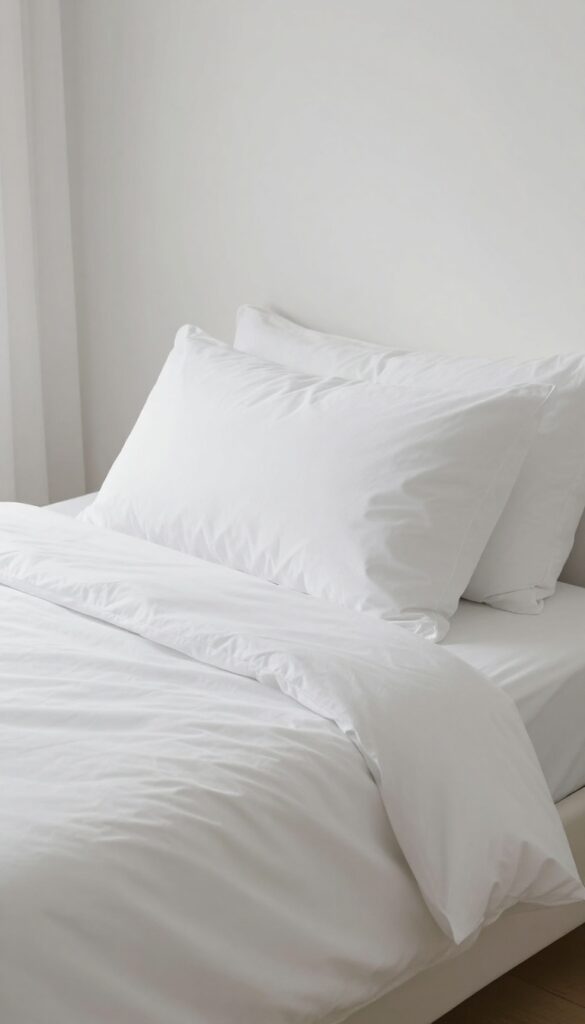
Gravity is not your friend when you're horizontal. Fluid can pool around your eyes overnight, leaving you with that puffy, tired look. A simple elevation trick can help your body drain that excess fluid while you sleep.
Adding an extra pillow or two under your head changes the angle of your sleep. This slight incline encourages lymphatic drainage, moving fluid away from your face. It's a zero-effort fix that pays off when you look in the mirror.
How It Helps
When your head is elevated, gravity works with your lymphatic system instead of against it. This reduces under-eye puffiness and can also ease sinus pressure. You wake up with a more rested, less swollen appearance.
The Right Setup
You don't need a special pillow—just stack what you have. Aim for a 15-30 degree incline, which is enough to make a difference without being uncomfortable. If you sleep on your side, keep the extra height to avoid neck strain.
Bonus Benefits
Elevated sleep can also help with acid reflux and snoring. It's a small change that might improve your sleep quality overall. Try it for a few nights and see if you notice a difference in your morning face.
12. Practice a Mini Facial Massage
Your face holds tension just like your shoulders do, and that tightness can show up as puffiness or a dull look by morning. A quick massage before bed helps release that tension and gets your blood moving, which means a brighter, more relaxed face when you wake up. You don't need fancy tools or a lot of time—just two minutes and your own fingers (or a gua sha if you have one) can make a real difference.
It's a simple habit that feels like a mini spa treatment, but it's really about working with your body's natural overnight repair.
A mini facial massage is more than just a feel-good ritual. It boosts circulation, which brings oxygen and nutrients to your skin cells, and it helps drain excess fluid that causes morning puffiness. Plus, it relaxes the muscles in your face, so you're less likely to wake up with a tight, tired expression.
The best part? It takes just two minutes before bed, and you can do it while watching TV or listening to a podcast.
Why It Works
When you massage your face, you stimulate blood flow, which gives your skin that healthy, rosy glow. It also encourages lymphatic drainage, reducing fluid buildup that makes your eyes look puffy. And because it relaxes your facial muscles, it can soften fine lines that form from clenching or squinting during the day.
How To Do It
Start with clean hands and a few drops of facial oil or moisturizer to help your fingers glide. Use your ring fingers to gently press and circle around your eyes, then sweep outward from your nose to your temples. Move down to your jawline, using your knuckles to lightly tap along the jaw.
Finish with a few long strokes from your chin up to your ears. If you have a gua sha tool, use it with a little oil and follow the same upward motions.
When To Do It
The best time is right after your evening skincare routine, when your skin is still slightly damp and products have absorbed. This helps lock in moisture and boosts the effects of your serums. Aim for two to three minutes, and try to make it a nightly habit.
You'll notice the difference in how your skin looks and feels by morning.
13. Keep Your Bedroom Cool
Your bedroom temperature might be the most underrated factor in how you look each morning. When the room is too warm, your sleep gets lighter and more restless, and your skin pays the price. Aim for around 65°F (18°C) to help your body drop into deeper sleep cycles.
A cool room signals your body that it's time to power down. This lowers your core temperature, which is exactly what happens naturally as you fall asleep. When you stay cooler, you also avoid night sweats—those damp, overheated moments that can irritate skin and leave you waking up blotchy or puffy.
Why 65°f Works
Your body's internal thermostat dips overnight, and a cooler room supports that process. Studies show that sleeping in a cooler environment increases the amount of restorative deep sleep you get. More deep sleep means more time for your skin to repair and regenerate, so you wake up looking fresher.
Night Sweats And Skin Irritation
If you wake up with a sweaty neck or damp pillowcase, your skin has been marinating in moisture and heat all night. That can clog pores and trigger redness or breakouts. Keeping the room cool prevents that sweat buildup, so your skin stays calm and clear.
Easy Ways To Cool Down
Don't have AC? Try a fan pointed at you, or crack a window if the night air is cool. Use breathable cotton or linen sheets—they wick away moisture better than synthetic fabrics.
You can also chill your pillowcase in the fridge for a few minutes before bed (just don't forget it! ).
14. Diffuse Calming Scents
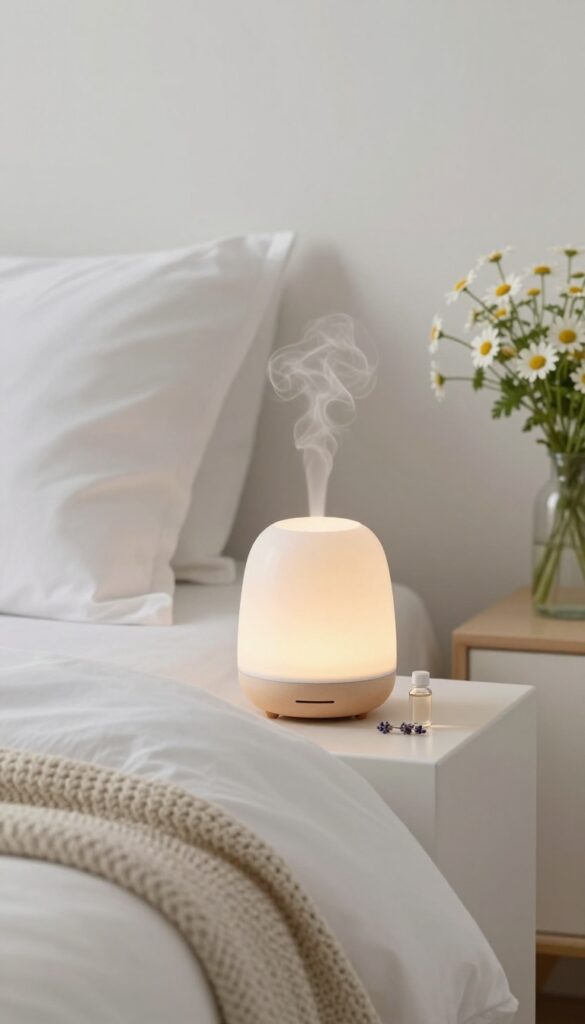
Your nose might be the quickest route to a better night's sleep. Certain essential oils, like lavender and chamomile, are known to dial down stress hormones and nudge your brain into a relaxed state. That means you fall asleep faster and stay in the deeper stages longer, which is exactly when your skin and body do their best repair work.
A calming scent isn't just a nice touch—it's a signal to your body that it's safe to let go. When you inhale lavender, for example, it can lower your heart rate and reduce cortisol, the stress hormone that wreaks havoc on your skin and sleep. By making this a nightly ritual, you're not only improving your sleep quality but also giving your face a head start on that fresh morning glow.
Pick Your Scent
Lavender is the classic choice for sleep, but chamomile, bergamot, and ylang-ylang are also great options. Each has its own calming profile, so experiment to find what works for you. You can use a diffuser, a pillow spray, or even a few drops on a cotton ball near your bed.
Set The Mood
Make it a ritual: about 30 minutes before bed, turn on your diffuser and let the scent fill the room. Dim the lights and put away screens. The combination of scent and low light tells your brain it's time to wind down, so you're not just relying on the oil alone.
Don't Overdo It
A little goes a long way. Too much essential oil can be overpowering and actually keep you awake. Start with a few drops and see how you respond.
Also, make sure your diffuser is clean so the scent stays fresh and true.
15. Try Mouth Taping (If You're a Mouth Breather)
Ever wake up with a sandpaper-dry mouth and a foggy feeling? If you're a mouth breather at night, you're not just losing moisture—you're also missing out on the benefits of nasal breathing. Mouth taping is a simple trick that encourages your nose to take over, and it can change how you feel and look in the morning.
Mouth taping isn't as weird as it sounds. You use a small piece of skin-safe tape to gently keep your lips closed while you sleep. This forces you to breathe through your nose, which filters, warms, and humidifies the air.
That means less dry mouth, less bad breath, and even better skin hydration. Plus, nasal breathing can help you stay in deeper sleep, so you wake up more refreshed.
Why Nasal Breathing Matters
Your nose is designed for breathing—it has tiny hairs and mucus that trap dust and germs. Mouth breathing bypasses all that, letting dry, unfiltered air hit your throat and lungs. Over time, that can lead to a parched mouth, morning breath, and even a puffy face from poor oxygen exchange.
Nasal breathing keeps your mouth moist and your skin looking plump.
How To Do It Safely
Start with a small piece of medical tape or a specially designed mouth tape, and place it vertically over your lips. Make sure it's not too tight—you should be able to open your mouth if you need to. If you have nasal congestion, allergies, or sleep apnea, skip this trick or check with your doctor first.
It's not for everyone, but for many, it's a game-changer.
What To Expect In The Morning
The first night might feel a little odd, but most people adjust quickly. In the morning, you'll likely notice less dryness and a cleaner-feeling mouth. Some people even report brighter skin and fewer under-eye bags, thanks to better hydration and more restful sleep.
Give it a week to see if it works for you.
16. Take a Warm (Not Hot) Shower
A warm shower before bed does more than wash away the day—it signals your body to unwind. The heat helps relax tense muscles and opens up your pores, making it easier for your skin to breathe and recover overnight. But keep the temperature in check: hot water strips away your skin's natural oils, leaving it dry and irritated by morning.
The perfect pre-bed shower is warm enough to soothe, not hot enough to dehydrate. Aim for a temperature that feels comfortable but not scalding—around 98–104°F (37–40°C) is ideal. This helps your core temperature drop slightly after you step out, which promotes faster sleep onset and deeper rest.
Why Warm Beats Hot
Hot water may feel great in the moment, but it damages the skin barrier by removing essential lipids. That leads to moisture loss and a dull, tight complexion in the morning. Warm water cleanses effectively without the harsh side effects, keeping your skin's natural glow intact.
Add A Calming Scent
Boost the relaxation factor by adding a few drops of lavender or chamomile essential oil to your shower floor or a washcloth. The aromatherapy effect helps lower stress hormones, which can translate to fewer breakouts and less puffiness when you wake up.
Finish With A Cool Rinse
If you're brave, end your shower with a 10-second cool rinse. This helps close pores and tighten the skin, giving you a smoother, more even look by morning. Plus, the cool sensation wakes up your circulation for a subtle glow.
17. Set a Consistent Sleep Schedule
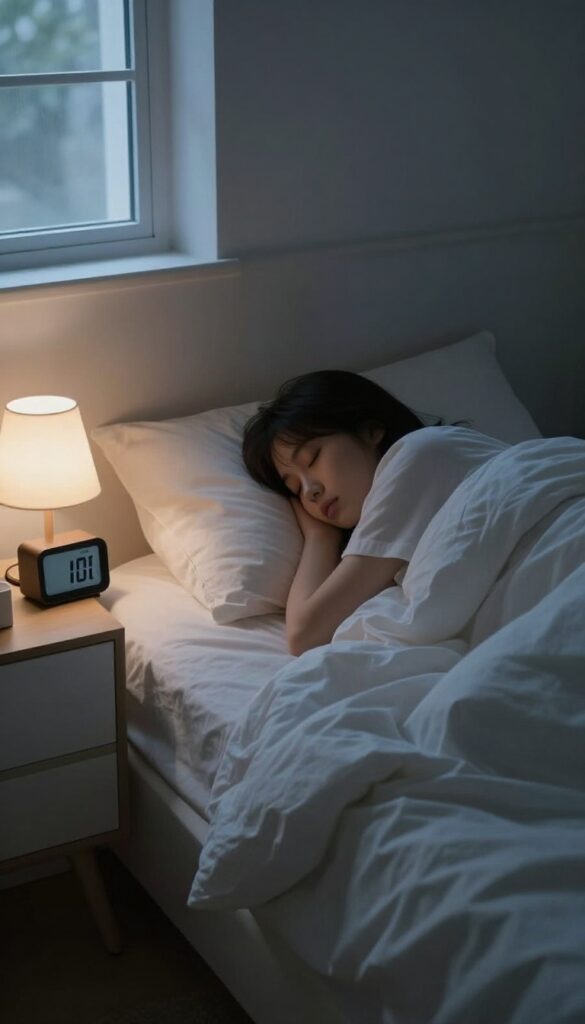
Your body loves a routine, especially when it comes to sleep. Going to bed and waking up at the same time every day regulates your circadian rhythm, which is like your internal clock. When that clock is in sync, your skin gets the right amount of time to repair and renew overnight.
The result? You wake up looking more rested and glowing, without needing extra concealer.
Consistency is key. Aim for the same bedtime and wake-up time, even on weekends. This helps your body anticipate sleep and wake naturally, reducing the grogginess that can make you look tired.
Over time, your skin's repair cycle becomes more efficient, leading to fewer dark circles and a more even tone.
Why It Works
Your skin follows a daily rhythm too. At night, it shifts into repair mode, increasing cell turnover and collagen production. A consistent schedule ensures you get enough deep sleep for these processes to happen fully.
When your sleep is erratic, your body produces more cortisol, a stress hormone that can break down collagen and lead to dullness.
How To Start Tonight
Pick a bedtime that allows for 7-9 hours of sleep and set an alarm for both morning and night. Wind down 30 minutes before bed with calming activities like reading or stretching. Keep your room cool and dark to reinforce your body's sleep signals.
Stick with it for at least a week to see the difference.
Weekend Leeway
It's tempting to sleep in on weekends, but a shift of more than an hour can throw off your rhythm. If you need extra rest, try going to bed earlier instead of waking later. This keeps your internal clock steady and your skin's repair cycle on track.
FAQ
How long does it take to see results from overnight glow up tricks?
Some tricks, like hydrating and using a silk pillowcase, can show immediate results by morning. Others, like consistent sleep and exfoliation, may take a few weeks to notice significant changes.
Can I do all 17 tricks every night?
It's best to pick a few that fit your routine. Overdoing exfoliation or using too many products can irritate your skin. Start with 3-4 tricks and gradually add more as your skin adjusts.
Are these tricks suitable for all skin types?
Most are gentle and suitable for all skin types, but if you have sensitive skin, patch-test new products and avoid strong actives like retinol unless advised by a dermatologist.
Do I need to buy expensive products for these tricks?
No. Many tricks, like using a humidifier or a silk pillowcase, are one-time investments. Drugstore serums and masks can work just as well as high-end ones.
What if I forget to do these tricks before bed?
Don't stress. Even one or two tricks, like drinking water and using a silk pillowcase, can make a difference. Consistency matters more than perfection.
Conclusion
A glow-up doesn't happen overnight, but these small tweaks can make a big difference by morning. Pick two or three that feel doable tonight, and build from there. You don't need to do everything at once—just start with what works for you.
Consistency beats perfection, so keep it simple and let these habits become second nature.
By the time you wake up, you'll already feel a little fresher. Try one tonight and see how it feels. Your best morning starts with the choices you make the night before.