You know that feeling when you look in the mirror and want to see a fresher, more energized version of yourself? A 30-day glow up challenge is the perfect way to make that happen. It's not about perfection—it's about small, consistent actions that add up to big changes.
These challenges are designed to help you build better habits that stick. Whether you want to boost your skincare routine, get moving, or clear your mind, there's something here for you. The best part?
You can start any day, no need to wait for Monday. Pick one or two challenges to focus on, or go all in and try them all.
1. Wake Up 30 Minutes Earlier

Waking up earlier might sound like a chore, but it's actually a gift you give yourself. That extra half-hour in the morning can set a calm, intentional tone for the rest of your day. Instead of rushing out of bed, you get to ease into the morning on your own terms.
The key is to use that time for something that feels good, not for checking emails or scrolling social media. Whether you stretch, write in a journal, or simply enjoy your coffee in silence, you're creating a buffer between sleep and the busy day ahead. Over the course of 30 days, this small change can make a big difference in your mood and productivity.
Start Small And Adjust Gradually
If you're not a morning person, don't shock your system by setting the alarm an hour earlier right away. Start with just 15 minutes for the first week, then add 5 minutes every few days until you reach that 30-minute mark. This gradual shift helps your body adjust without feeling deprived.
Create A Morning Ritual You Love
The secret to sticking with an early wake-up is having something to look forward to. Maybe it's a few pages of a good book, a quick meditation, or a short walk outside. When your morning routine feels like a treat rather than a task, you'll be more motivated to get out of bed.
Protect Your Sleep Schedule
Waking up earlier only works if you're still getting enough rest. That means moving your bedtime earlier too, ideally by the same amount. Keep your sleep environment dark, cool, and quiet, and try to avoid screens for at least 30 minutes before bed.
Your future morning self will thank you.
2. Drink a Gallon of Water Daily
Hydration is a game-changer for your skin, energy, and focus. When you're properly hydrated, everything just works better—your digestion, your mood, even your sleep. It's one of the simplest habits to adopt, yet most of us don't drink nearly enough.
Carrying a big water bottle makes it easy to track your intake. Fill it up in the morning and aim to finish it by the end of the day. Add lemon, cucumber, or mint for a refreshing twist that makes plain water more exciting.
Drinking a gallon of water a day might sound like a lot, but it's totally doable with a few simple strategies. Start by filling a large bottle (64 oz or bigger) and keep it with you at all times. Set reminders on your phone or use an app to nudge you throughout the day.
You'll be surprised how quickly you get into the rhythm. Not only does proper hydration improve your skin's glow, but it also boosts your metabolism and helps you think more clearly. Plus, staying hydrated can curb unnecessary snacking, since thirst often masquerades as hunger.
It's a win-win for your body and mind.
Why A Gallon?
A gallon (about 3. 8 liters) is a common recommendation for active individuals, but you can adjust based on your body size and activity level. The point is to drink more than you normally do.
If a gallon feels overwhelming, start with half a gallon and gradually increase.
Make It Easy
Invest in a large, marked water bottle so you can track your progress. Keep it on your desk, in your car, or by your side. You can also flavor your water with citrus, berries, or herbs to keep things interesting.
Try setting a goal to finish a certain amount by lunchtime.
Track Your Intake
Use a simple app or a notebook to log your water intake. Seeing your progress can be motivating. If you forget, set alarms or use a smart bottle that reminds you.
Consistency is key—soon it'll become second nature.
3. Walk 10,000 Steps a Day
Walking is underrated. It boosts your mood, burns calories, and clears your head. Plus, it's a low-impact way to get moving without needing a gym membership or fancy equipment.
A step goal gives you a clear, daily target that's easy to track. Whether you're a beginner or already active, 10, 000 steps is a solid benchmark that encourages consistent movement throughout the day.
Make walking a non-negotiable part of your routine. Start by tracking your current steps to see where you stand. Then, gradually increase your daily count by adding short walks after meals, taking the stairs, or parking farther away.
You'll be surprised how quickly the steps add up.
Why 10,000 Steps?
The 10, 000-step goal isn't a magic number, but it's a great target that keeps you moving. Studies show that walking this amount can improve cardiovascular health, boost mood, and aid weight management. It's also a simple way to break up long periods of sitting.
How To Sneak In Extra Steps
You don't need to block out an hour for a walk. Small changes add up: take a brisk walk during your lunch break, pace while on phone calls, or walk to a colleague's desk instead of emailing. Use a step tracker or phone app to stay motivated and see your progress in real time.
Make It Enjoyable
Walking shouldn't feel like a chore. Listen to a podcast, call a friend, or explore a new route. If you're stuck indoors, try a walking video or treadmill.
The more you enjoy it, the more likely you'll stick with it.
4. Follow a Consistent Skincare Routine
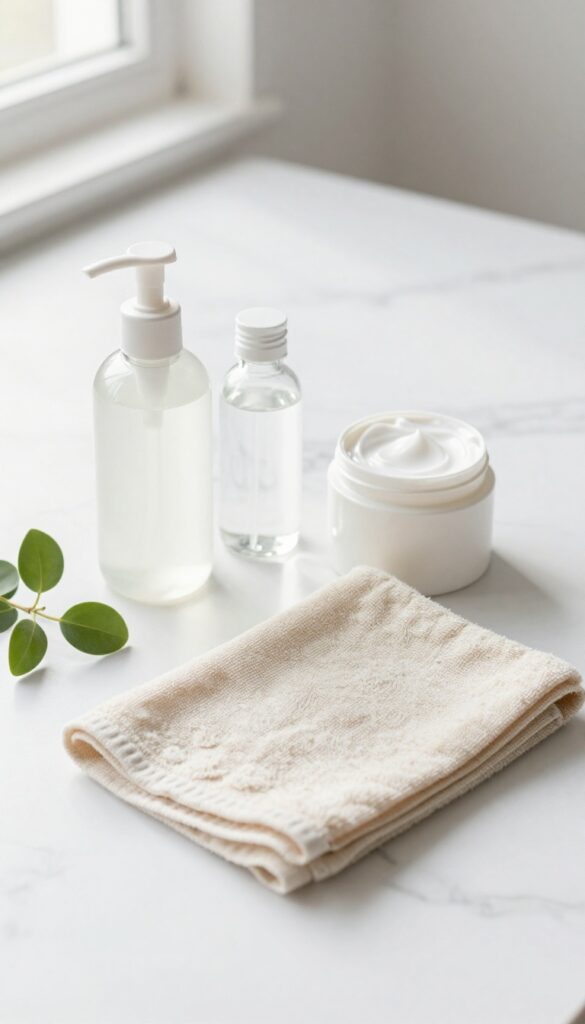
Your skin is the largest organ you have, and it deserves a little daily TLC. A consistent skincare routine isn't about expensive products or complicated steps—it's about showing up for your skin every single day. Over 30 days, you'll notice a real difference in how your skin looks and feels.
Start with the basics: cleanse, tone, and moisturize every morning and night. This simple trio keeps your skin clean, balanced, and hydrated. Once you've got that down, add a weekly mask or exfoliant to slough off dead skin cells and reveal a fresh glow.
Stick with it for 30 days, and your future self will thank you.
Morning And Night Basics
A gentle cleanser removes dirt and oil without stripping your skin. Follow with a toner to balance pH, then lock in moisture with a hydrating moisturizer. Choose products suited to your skin type—whether it's oily, dry, or combination.
Weekly Boosters
Once a week, treat your skin to a mask that targets your concerns—clay for oil control, hydrating for dryness, or brightening for dullness. Exfoliating once a week helps your other products work better by clearing away buildup.
Consistency Over Perfection
You don't need a 10-step routine to see results. The key is doing the basics consistently. Even on busy days, a quick cleanse and moisturizer beat skipping everything.
Track your routine in a journal or app to stay motivated.
5. Journal Every Night
There's something calming about putting pen to paper after a long day. Journaling isn't about writing essays—it's about clearing your head and making sense of your thoughts. A few minutes each night can help you unwind and sleep better.
You don't need a fancy notebook or special app. Just grab whatever you have and start with a few lines. Over time, this simple habit becomes a nightly ritual you actually look forward to.
Journaling before bed helps you process the day's events, acknowledge your wins, and let go of stress. It also gives you a chance to plan tomorrow, so you wake up with a clearer mind. The key is to keep it low-pressure—there's no wrong way to journal.
Start With A Simple Prompt
If you're not sure what to write, use a prompt. Try 'Three good things that happened today' or 'What's one thing I want to do better tomorrow? ' Prompts take the guesswork out of journaling and make it easy to get started.
Keep It Short And Sweet
You don't need to fill pages. Two or three sentences are enough. The goal is to reflect, not to write a novel.
Short entries are easier to stick with, especially on busy nights.
Make It A Ritual
Pair journaling with something you already do, like sipping tea or dimming the lights. This creates a cue that tells your brain it's time to wind down. Soon, it'll feel like a natural part of your evening.
6. Cut Out Sugar for 30 Days
Sugar is sneaky—it hides in sauces, breads, and even 'healthy' snacks. Cutting it out for a month isn't about deprivation; it's about resetting your taste buds and giving your body a break. You'll likely notice fewer cravings, steadier energy, and a clearer complexion.
Swap your usual sweet treats for naturally sweet options like fruit or a square of dark chocolate. Read labels and watch out for added sugars in unexpected places. Meal prepping can help you avoid last-minute sugary grabs.
Remember, it's only 30 days—you can do it!
Why Sugar Affects Your Glow
Sugar spikes your blood sugar, leading to energy crashes and increased inflammation, which can show up as breakouts and dull skin. Cutting it out helps stabilize your energy and reduces inflammation, giving you that natural glow.
Smart Swaps That Satisfy
Craving something sweet? Reach for fresh berries, a sliced apple with almond butter, or a small piece of 70% dark chocolate. These options provide fiber and antioxidants without the sugar crash.
Keep them handy to avoid temptation.
Staying On Track When Cravings Hit
Cravings usually pass within 10-15 minutes. Drink a glass of water, go for a short walk, or distract yourself with a hobby. Having a support system or a buddy doing the challenge with you can also keep you motivated.
7. Do a 10-Minute Morning Stretch
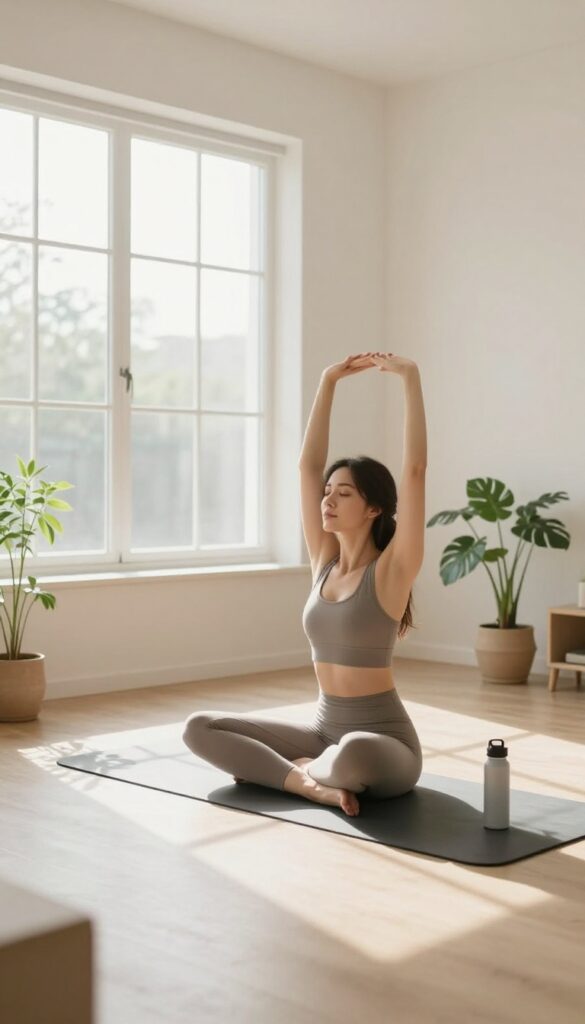
Starting your day with a quick stretch is like giving your body a friendly wake-up call. It loosens tight muscles, boosts blood flow, and sets a calm tone for the hours ahead. You don't need to be flexible or know fancy poses—just move in ways that feel good.
A 10-minute morning stretch can improve your posture, reduce stiffness, and even help you feel more energized. It's a simple habit that pays off quickly, and it's easy to stick with because it doesn't require any equipment or special skills.
Why Stretching In The Morning Works
After hours of sleep, your muscles can feel tight and your joints a bit stiff. Stretching helps wake them up, increasing flexibility and range of motion. It also gets your blood flowing, which can boost your energy and mental clarity for the day.
How To Start Your Routine
You don't need a complex plan. Just pick a few stretches that target your neck, shoulders, back, and legs. Follow a short YouTube video if you want guidance, or simply roll your shoulders, touch your toes, and do some gentle twists.
The key is consistency, not intensity.
Quick Tips To Make It Stick
Lay out your yoga mat the night before, or just stretch on your bed. Pair it with a glass of water to create a mini ritual. If you're short on time, even five minutes helps.
The goal is to make it a non-negotiable part of your morning, just like brushing your teeth.
8. Practice Daily Affirmations
Your inner voice can be your biggest cheerleader or your harshest critic. Daily affirmations are a simple way to train that voice to be kind and supportive. By repeating positive statements, you can rewire your brain to focus on your strengths and potential.
Start by choosing a few affirmations that feel true and meaningful to you. Write them down on sticky notes and place them where you'll see them often—your bathroom mirror, your laptop, or your car dashboard. Each morning, say them out loud with confidence, even if you don't fully believe them yet.
Over time, these words will start to feel natural, and you'll notice a shift in how you talk to yourself.
Why Affirmations Work
Affirmations are more than just positive thinking. They help break the cycle of negative self-talk by replacing unhelpful thoughts with constructive ones. This practice can lower stress, boost self-esteem, and improve your overall mood.
When you repeat a statement consistently, your brain starts to accept it as truth, which can lead to real changes in behavior and mindset.
How To Create Your Own Affirmations
Make your affirmations personal and specific. Instead of a generic 'I am happy, ' try 'I choose to find joy in small moments today. ' Focus on what you want to feel or achieve, and phrase it in the present tense as if it's already true. Keep them short and simple so they're easy to remember and say.
Tips For Making It Stick
Consistency is key. Pair your affirmations with an existing habit, like brushing your teeth or making your morning coffee. Say them with emotion and intention—feel the words as you speak them.
You can also record yourself saying them and listen while you get ready. The more you practice, the more natural it becomes.
9. Read 10 Pages a Day

Reading is like a mini-vacation for your brain. It lets you escape your own thoughts for a bit while picking up new ideas or stories. Ten pages a day sounds small, but it compounds into a book a month—that's twelve books a year.
Plus, it's a screen-free way to unwind before bed.
Ten pages might feel too easy, and that's exactly the point. The habit is what matters, not the speed. You can read fiction, self-help, or even a magazine—whatever keeps you interested.
The goal is to make reading a daily ritual, not a chore.
Why 10 Pages Works
Ten pages is a low bar, so you won't skip it. It's enough to make progress but not so much that it feels overwhelming. You'll finish a typical book in about a month, which gives you a sense of accomplishment without pressure.
How To Fit It In
Attach reading to an existing habit, like right after brushing your teeth or during your morning coffee. Keep a book on your nightstand or in your bag so it's always within reach. Even ten minutes in a waiting room counts.
What To Read
Don't force yourself through something boring. Pick what genuinely interests you—thrillers, memoirs, or even comic books. The point is to enjoy it, not to impress anyone.
If you're stuck, ask friends for recommendations or browse bestseller lists.
10. Try a New Healthy Recipe Each Week
Cooking the same meals on repeat gets boring fast. Shaking up your menu with one new healthy recipe each week keeps things exciting and your taste buds happy. Plus, you'll pick up new cooking tricks and find meals you actually crave.
Pick a recipe that's heavy on veggies and whole ingredients. It doesn't have to be complicated—think sheet-pan dinners, hearty soups, or grain bowls. The goal is to learn something new and enjoy the process.
Start Simple And Seasonal
Choose recipes with ingredients that are in season or easy to find. Simple dishes with five to eight ingredients are less overwhelming and more likely to become staples. Seasonal produce tastes better and is often cheaper, so you're eating well without extra effort.
Batch Cook For Busy Days
When you find a winner, make a double batch and freeze portions. That way, you'll have a healthy homemade meal ready when you're short on time. It's a smart way to stay on track and avoid takeout temptations.
Keep A Recipe Journal
Track what you try, what you loved, and what you'd tweak next time. A simple notebook or a note on your phone works. Over the month, you'll build a personalized collection of go-to recipes that fit your taste and schedule.
11. Digital Sunset: No Screens 1 Hour Before Bed
Your phone is the last thing you see at night and the first thing you grab in the morning. That habit is quietly wrecking your sleep. Blue light from screens tricks your brain into thinking it's still daytime, which messes with your melatonin and makes it harder to drift off.
A digital sunset is simple: turn off all devices an hour before bed. No scrolling, no streaming, no late-night emails. Use that hour to read a book, take a warm bath, or just sit with your thoughts.
You'll fall asleep faster, sleep deeper, and wake up feeling like a new person.
The idea is to replace screen time with calming activities that signal your body it's time to wind down. It sounds easy, but it takes practice. Start by setting an alarm an hour before your usual bedtime to remind you to unplug.
Keep your phone in another room if you have to. The first few nights might feel weird, but your sleep quality will improve quickly.
Why Blue Light Is The Enemy Of Sleep
Blue light suppresses melatonin production, the hormone that regulates your sleep-wake cycle. When you stare at a screen, your brain gets confused and thinks it's daytime. That's why you feel alert right after scrolling through social media.
Even dim screens can have an effect, so it's best to cut them out completely.
What To Do Instead
This is your chance to rediscover old hobbies. Read a physical book, journal about your day, do some gentle stretching, or listen to a podcast (without looking at your phone). Taking a warm shower or bath also helps lower your core body temperature, which signals it's time to sleep.
Pick one or two activities that feel relaxing to you.
How To Make The Transition Easier
Start small. If an hour feels too long, begin with 30 minutes and gradually increase it. Use an actual alarm clock instead of your phone's alarm so you don't need your phone in the bedroom.
Try replacing the first 10 minutes of screen time with a calming ritual like deep breathing or a cup of herbal tea. Consistency is key—stick with it for a few weeks and it'll become second nature.
12. Declutter One Area Each Day

Messy spaces can quietly drain your energy, even if you don't realize it. The 30-day glow up challenge isn't just about how you look—it's about how your environment makes you feel. By tackling one small area each day, you'll create a calmer, more focused mindset.
Spend just 10 minutes a day decluttering a drawer, shelf, or corner. It's a tiny commitment that adds up fast. By the end of the month, your whole space will feel lighter and more organized.
Start Small And Specific
Pick one spot that's easy to finish in 10 minutes, like a junk drawer or a bathroom counter. Clear it out, wipe it down, and put back only what you need. That quick win gives you momentum for the next day.
Make It A Daily Ritual
Tie your decluttering session to an existing habit, like after your morning coffee or before bed. Set a timer so it stays short and fun. Consistency matters more than perfection—miss a day?
Just pick up where you left off.
Donate Or Toss As You Go
Keep a box handy for items to donate or throw away. If you haven't used something in a year, let it go. Seeing that box fill up feels surprisingly satisfying and keeps your space from getting cluttered again.
13. Take a Multivitamin and Omega-3
Sometimes, even with the best intentions, our meals don't cover every nutrient we need. That's where a daily multivitamin and omega-3 supplement can step in. They're not magic pills, but they can help fill the gaps and support your energy, mood, and overall health.
It's a small habit with a big payoff, especially when you're trying to glow from the inside out.
Before you start any new supplement, it's smart to talk to your doctor. They can check for any interactions with medications you take or conditions you have. Once you get the green light, pick a multivitamin that suits your age and gender, and a quality omega-3 fish oil or plant-based alternative.
Keep the bottles somewhere you'll see them daily, like next to your toothbrush or coffee maker. Pair taking them with an existing habit, like brushing your teeth, so it becomes automatic. Within a few weeks, you might notice steadier energy and a better mood, which definitely shows up in your glow.
Why These Two?
A multivitamin covers the basics—vitamins and minerals you might miss. Omega-3 fatty acids support your heart, brain, and even your skin. Together, they're a solid foundation for your health, especially if your diet isn't perfect.
How To Build The Habit
Set a daily alarm or link it to a routine you already have, like morning coffee or brushing your teeth. Keep the bottle visible as a reminder. Consistency beats perfection—even if you miss a day, just get back on track the next.
What To Expect
Don't expect overnight miracles. Supplements work slowly in the background. After a few weeks, you might feel more steady energy or notice your skin looks a bit more hydrated.
It's a quiet but real difference.
14. Learn a New Skill for 15 Minutes a Day
Your brain craves novelty, and learning something new is one of the most rewarding ways to feed it. Whether it's picking up a few phrases in Spanish, figuring out a chord on a guitar, or writing your first line of code, just 15 minutes a day can lead to surprising progress. That's over seven hours a month—enough to see real improvement and feel a genuine sense of accomplishment.
The key is consistency, not intensity. You don't need to become an expert overnight; you just need to show up daily. This challenge is about building a learning habit that sticks, and the confidence boost that comes from mastering a new skill is a glow up in itself.
Pick Something You're Curious About
Choose a skill you've always wanted to try, not something you feel obligated to learn. Curiosity keeps you motivated. If you're not sure, start with a free language app, a beginner's coding tutorial, or a simple instrument like a ukulele.
The goal is to enjoy the process, not to add pressure.
Break It Down Into Tiny Steps
Fifteen minutes can feel short, so make the most of it by breaking your learning into small, manageable pieces. For a language, focus on a few new words each day. For coding, complete one small exercise.
For an instrument, practice a single chord or scale. This approach keeps you from feeling overwhelmed and helps you see progress quickly.
Track Your Progress And Celebrate Wins
Keep a simple log of what you practice each day, and note any breakthroughs—like nailing a tricky transition or understanding a new concept. At the end of the month, look back at how far you've come. That tangible evidence of growth is a huge motivator and a reminder that you're capable of learning anything with a little time.
15. Do a Social Media Detox on Weekends
Your feed will still be there on Monday, promise. Weekends are the perfect time to step away from the constant scroll and reconnect with the world around you. Logging out for just two days can do wonders for your mental clarity and mood.
A social media detox isn't about quitting forever—it's about giving your brain a break. When you're not glued to your phone, you'll notice how much more present you feel. You might even find yourself picking up a hobby you'd forgotten you loved.
Why Weekends Work Best
Weekends are naturally lower-pressure, so you won't miss out on work-related updates. Plus, you have more time to fill with activities that actually recharge you. Without the constant pinging, your mind can finally rest.
What To Do Instead
Swap scrolling for something tangible. Go for a long walk, cook a new recipe, or meet a friend for coffee. The idea isn't to stare at a wall—it's to fill your time with things that make you feel good.
How To Make It Stick
Set a clear boundary: log out on Friday evening and don't log back in until Monday morning. Turn off notifications and keep your phone in another room if you need to. You'll be surprised how quickly you adjust.
FAQ
What is a 30-day glow up challenge?
It's a month-long commitment to improving your habits, appearance, and mindset through daily actions. You pick specific goals and work on them consistently for 30 days.
How many challenges should I do at once?
Start with one or two to avoid overwhelm. Once those become habits, you can add more. The goal is sustainable change, not burnout.
Can I customize the challenges?
Absolutely! Adjust them to fit your lifestyle and needs. For example, if you can't walk 10, 000 steps, aim for 8, 000.
The key is consistency.
What if I miss a day?
Don't stress. Just get back on track the next day. Perfection isn't the goal—progress is.
A missed day doesn't ruin your glow up.
Will I see results in 30 days?
Yes, especially if you stick with it. You'll notice improvements in your energy, skin, mood, and confidence. Some changes take longer, but 30 days is a great start.
Conclusion
You don't need to tackle all 30 days at once—just pick a couple of ideas that feel doable and fun. Maybe it's the morning stretch or the digital sunset; start there and let the momentum build. Small wins stack up fast, and before you know it, you'll feel the shift in your energy and mindset.
Keep it simple, stay consistent, and give yourself grace on the off days. Your glow-up is about progress, not perfection, so choose what works for you and enjoy the process.