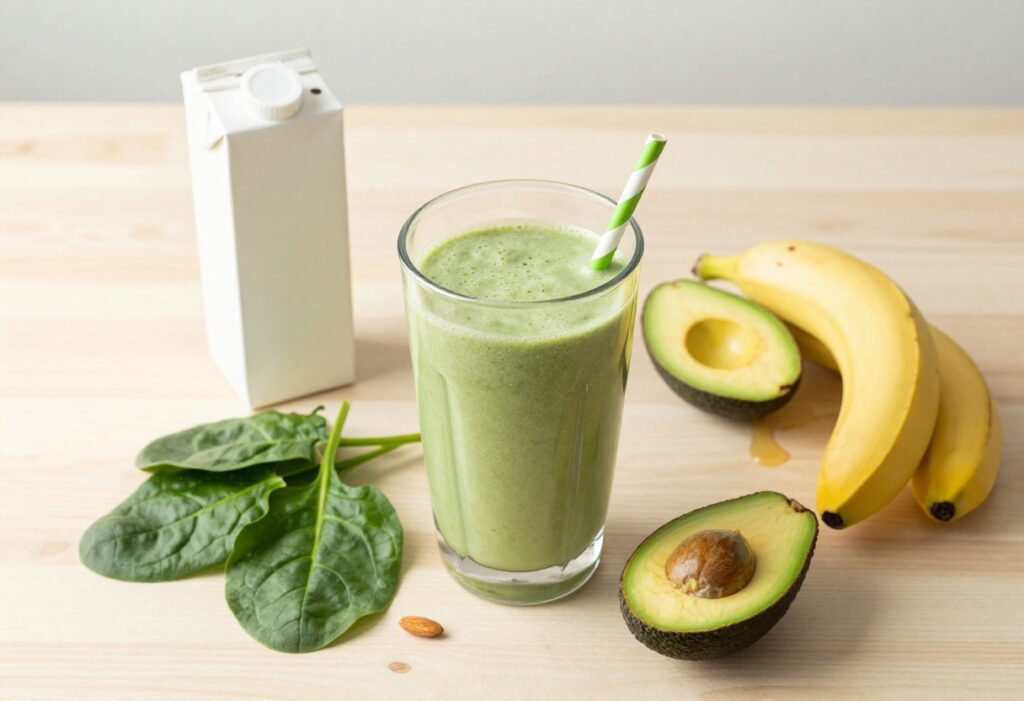
Grocery shopping can feel like a minefield when you're trying to manage your cholesterol. With so many products claiming to be 'heart-healthy' or 'low-fat,' it's easy to get confused and end up with a cart full of items that aren't actually doing your heart any favors.
But here's the good news: you don't need a complete diet overhaul or a degree in nutrition to make smarter choices at the store. Small, simple swaps can have a big impact on your cholesterol levels.
By focusing on whole, fiber-rich foods and learning to spot common marketing traps, you can fill your kitchen with ingredients that support your heart health without sacrificing flavor or breaking the bank.
Tip: Fill Your Cart with Fiber-Rich Foods
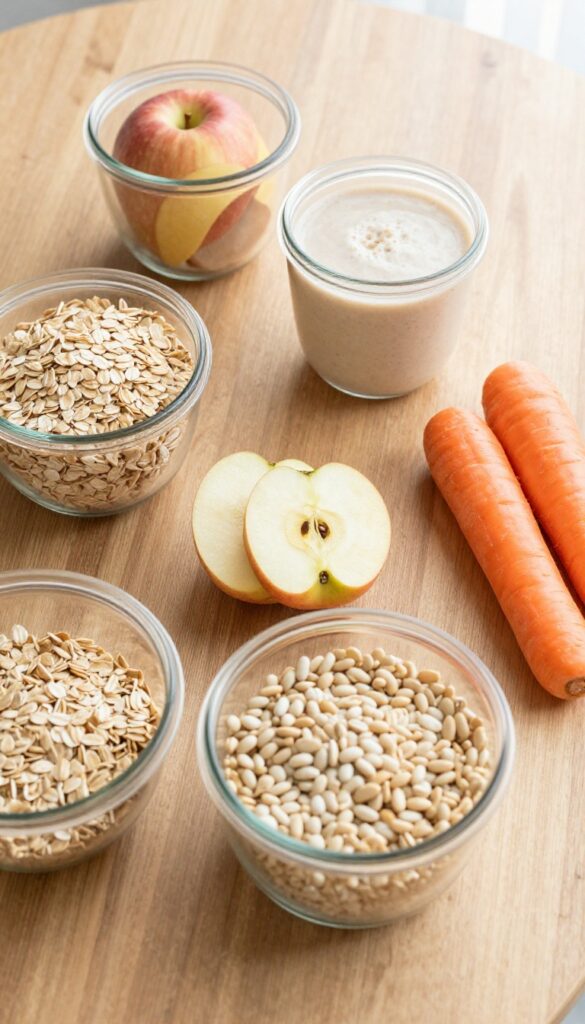
When you're shopping for a cholesterol-friendly diet, one of the smartest moves you can make is to load up on fiber-rich foods. Soluble fiber, in particular, helps lower LDL cholesterol by binding to it in your digestive system and sweeping it out of your body. Aim for at least 5 to 10 grams of soluble fiber each day — that's easier than you think with the right groceries.
Oats and Barley
Oats and barley are superstars for cholesterol. A bowl of oatmeal or a side of barley in soup gives you a hefty dose of beta-glucan, a type of soluble fiber that actively reduces LDL. Look for whole oats or steel-cut oats, and choose barley that isn't pearled to keep the fiber intact.
Beans and Lentils
Beans, lentils, and chickpeas are packed with soluble fiber and also provide plant protein, making them a great swap for meat in some meals. Add them to salads, stews, or even blend into dips. Canned versions are fine — just rinse them to cut sodium.
Fruits and Vegetables
Fruits and vegetables are fiber all-stars, especially when you eat the skin. Apples, pears, citrus fruits, carrots, and broccoli are particularly high in soluble fiber. Keep a bowl of fruit on the counter and pre-washed veggies in the fridge for easy snacking.
Quick Tips for Adding Fiber to Your Cart
- Choose whole fruit over juice to get the fiber.
- Add a handful of berries to your morning oatmeal.
- Toss chickpeas or black beans into salads and soups.
- Snack on raw veggies with hummus instead of chips.
Mistake: Buying 'Low-Fat' or 'Fat-Free' Processed Foods
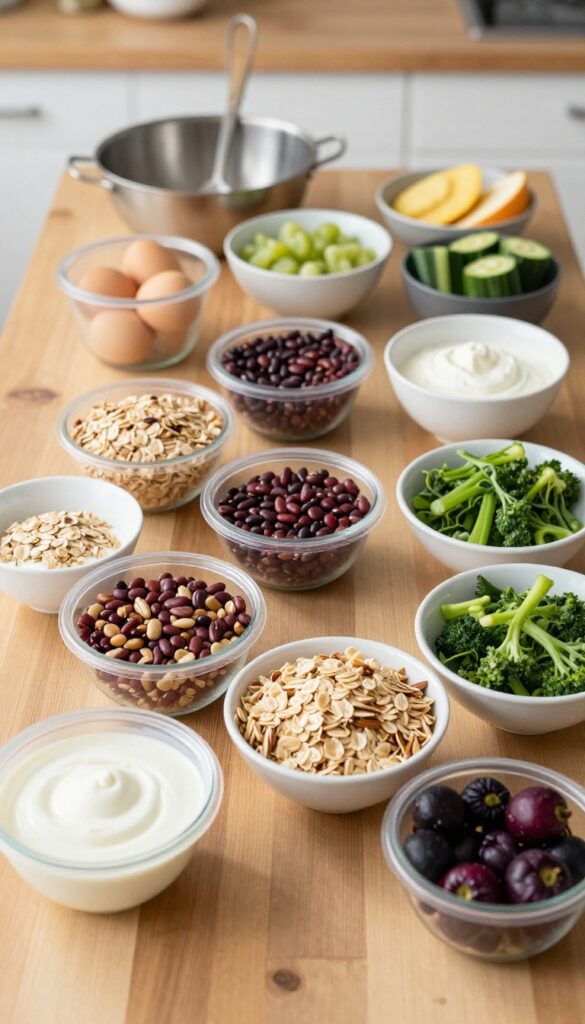
It’s tempting to reach for low-fat or fat-free versions of your favorite foods when you’re trying to manage cholesterol. But these products often come with a hidden cost: extra sugar, refined carbs, and additives that can actually harm your heart health.
Hidden Sugars and Refined Carbs
When manufacturers remove fat, they usually add sugar, refined flour, or other carbohydrates to improve taste and texture. This can spike your blood sugar and triglycerides, while lowering your HDL (good) cholesterol. Common culprits include low-fat salad dressings, yogurt, baked goods, and frozen meals.
Always check the label for added sugars—aim for less than 5 grams per serving—and choose whole-food alternatives like plain Greek yogurt or homemade vinaigrette.
Unhealthy Additives
Fat-free processed foods often rely on thickeners, emulsifiers, and artificial flavorings to mimic the mouthfeel of full-fat versions. Some of these additives may negatively affect gut health or inflammation. For example, modified food starch and carrageenan are common but can be problematic for some people.
Instead of processed low-fat items, opt for naturally low-fat whole foods like fruits, vegetables, and legumes.
What to look for on nutrition labels
- Check the sugar content: more than 10g per serving is a red flag.
- Look at the ingredient list: if sugar, corn syrup, or refined grains appear in the first three ingredients, skip it.
- Compare with the full-fat version: sometimes the fat-free product has more calories and sugar.
- Watch for sodium: low-fat products often add salt for flavor.
Healthier alternatives
Instead of low-fat processed foods, choose small amounts of healthy fats like avocado, nuts, seeds, and olive oil. These provide satiety and beneficial nutrients without the added sugar and refined carbs. Remember, not all fats are bad—unsaturated fats can help improve your cholesterol profile.
Tip: Choose Healthy Fats Over Saturated and Trans Fats
Not all fats are created equal. While saturated and trans fats can raise LDL cholesterol, unsaturated fats help improve your cholesterol profile. The key is to replace bad fats with good ones, not to cut fat entirely.
Avocados and Nuts
Avocados are packed with monounsaturated fats, which can lower LDL cholesterol. Nuts like almonds, walnuts, and pistachios offer similar benefits. Swap butter or cream cheese on your toast with mashed avocado, or snack on a handful of nuts instead of chips.
Just watch portions—about a quarter of an avocado or a small handful of nuts per serving is plenty.
Olive Oil and Fatty Fish
Extra virgin olive oil is a heart-healthy staple. Use it for salad dressings, sautéing vegetables, or drizzling over roasted dishes instead of butter. Fatty fish such as salmon, mackerel, and sardines are rich in omega-3s, which support heart health.
Aim for two servings per week. When shopping, look for olive oil in dark bottles to protect it from light, and choose wild-caught or sustainably farmed fish when possible.
Quick Swaps for Everyday Cooking
- Replace butter with olive oil or avocado oil for cooking.
- Use nut butters (without added sugar or hydrogenated oils) instead of margarine.
- Choose fatty fish over red meat a couple of times a week.
- Snack on a small handful of unsalted nuts instead of processed snacks.
Mistake: Overlooking Sodium in Canned and Packaged Foods
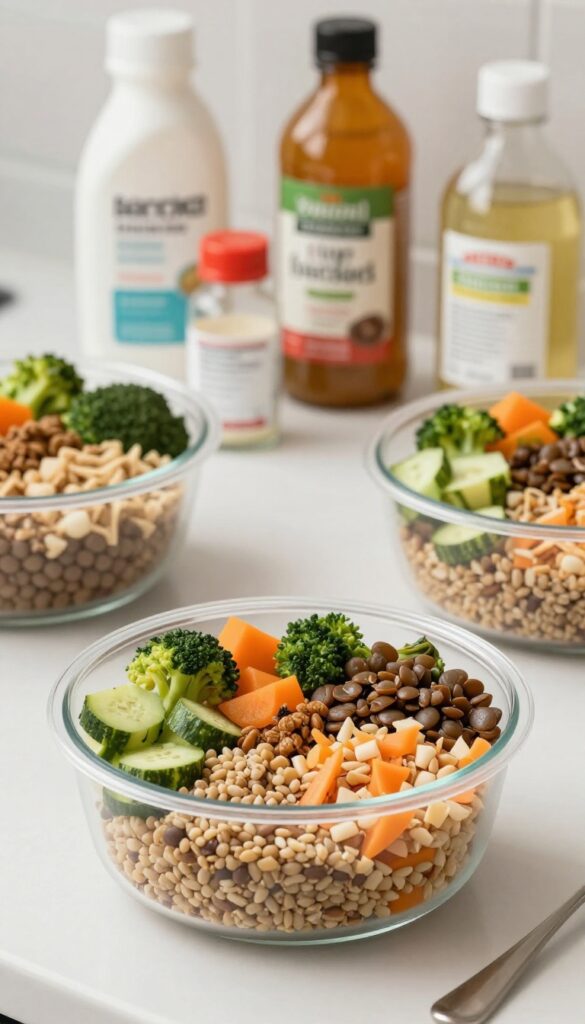
When managing cholesterol, it's easy to focus on fat and fiber while forgetting about sodium. But high sodium intake can raise blood pressure, putting extra strain on your heart—a double whammy when you're already working to improve cardiovascular health. Canned and packaged foods are common culprits, often hiding surprising amounts of salt.
Many shoppers assume that if a product is low in fat or cholesterol, it's automatically heart-healthy. But sodium levels can be sky-high in items like canned soups, vegetables, and frozen dinners. The American Heart Association recommends no more than 2,300 mg of sodium per day, with an ideal limit of 1,500 mg for most adults—especially those with high blood pressure.
One can of soup can pack over half of that daily limit.
Canned Soups and Vegetables
- Look for "low-sodium" or "no-salt-added" versions. Many brands now offer these options without sacrificing taste.
- Rinse canned beans and vegetables under cold water for a minute—this can reduce sodium by up to 40%.
- Check the Nutrition Facts label: aim for less than 140 mg of sodium per serving for a "low-sodium" choice.
Frozen Dinners
Frozen dinners are convenient but often loaded with sodium as a preservative and flavor enhancer. A single frozen entrée can contain 700–1,800 mg of sodium. Look for meals with 600 mg or less per serving.
Better yet, batch-cook your own frozen meals using low-sodium ingredients—you'll control both the fat and the salt.
Simple Swap
Instead of canned soup, try making a big pot of homemade soup with low-sodium broth, fresh or frozen vegetables, and lean protein. Portion it into containers for quick lunches.
Tip: Stock Up on Whole Grains
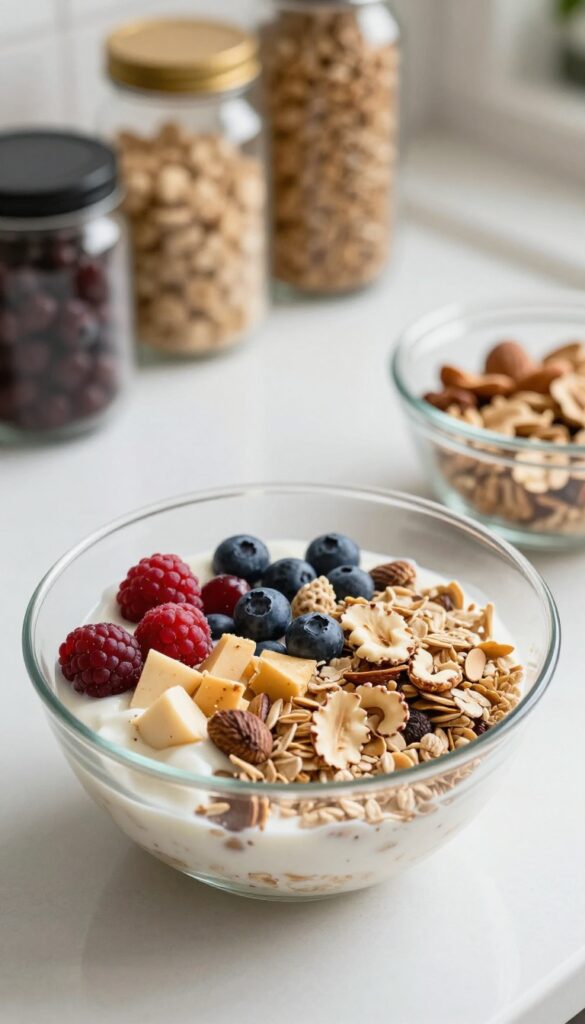
Swapping refined grains for whole grains is one of the simplest swaps you can make for better cholesterol levels. Whole grains are packed with soluble fiber, which helps reduce LDL cholesterol, and they provide steady energy without the blood sugar spikes.
Brown Rice, Quinoa, and Whole Wheat
Brown rice, quinoa, and whole wheat are excellent staples to keep in your pantry. They’re versatile, affordable, and easy to prepare in bulk for quick meals. Try using brown rice in stir-fries or as a side, quinoa in salads or breakfast bowls, and whole wheat pasta or bread in your favorite recipes.
These grains not only support heart health but also keep you fuller longer, making it easier to maintain a healthy weight.
Reading Labels for 'Whole Grain'
Not every product labeled 'wheat' or 'multigrain' is actually whole grain. To get the full cholesterol-lowering benefits, you need to identify truly whole grain products. Here’s what to look for:
- Look for '100% whole grain' or '100% whole wheat' as the first ingredient.
- Check the ingredient list: 'whole wheat flour,' 'whole oats,' 'brown rice,' or 'quinoa' should be listed first.
- Avoid terms like 'enriched flour,' 'wheat flour,' or 'multigrain' unless they specify 'whole grain.'
- Use the Whole Grain Stamp as a shortcut, but still check the ingredients for added sugars or unhealthy fats.
Mistake: Ignoring Added Sugars in Everyday Items
When managing cholesterol, it's easy to focus on fats and forget about sugar. But added sugars can raise triglycerides and lower HDL (good) cholesterol, making your diet less heart-healthy. Many everyday grocery items hide surprising amounts of sugar, even in savory foods.
Yogurt, Granola, and Sauces
- Flavored yogurts often pack 15–20 grams of added sugar per serving. Choose plain Greek yogurt and add fresh fruit or a drizzle of honey.
- Granola sounds healthy but is frequently sweetened with brown sugar, honey, or maple syrup. Look for options with under 6 grams of sugar per serving, or make your own.
- Pasta sauces, ketchup, and salad dressings are common culprits. Check labels and opt for versions with no added sugar or those sweetened naturally with vegetables.
Beverages Like Juice and Soda
Soda and sweetened fruit drinks are obvious sources, but even 100% fruit juice can spike blood sugar. The American Heart Association recommends limiting added sugar to no more than 36 grams per day for men and 25 grams for women. That's less than one 12-ounce soda.
Instead, try sparkling water with a splash of citrus or unsweetened iced tea. When you do buy juice, look for 100% juice without added sugars and keep portions small (4–6 ounces).
Healthier Swaps for Common Sugary Items
- Swap sweetened oatmeal for plain rolled oats and top with cinnamon and berries.
- Replace sugary cereal with unsweetened whole grain options like shredded wheat or puffed rice.
- Choose unsweetened almond milk or oat milk over flavored versions.
Tip: Plan Your Shopping List Around the Perimeter
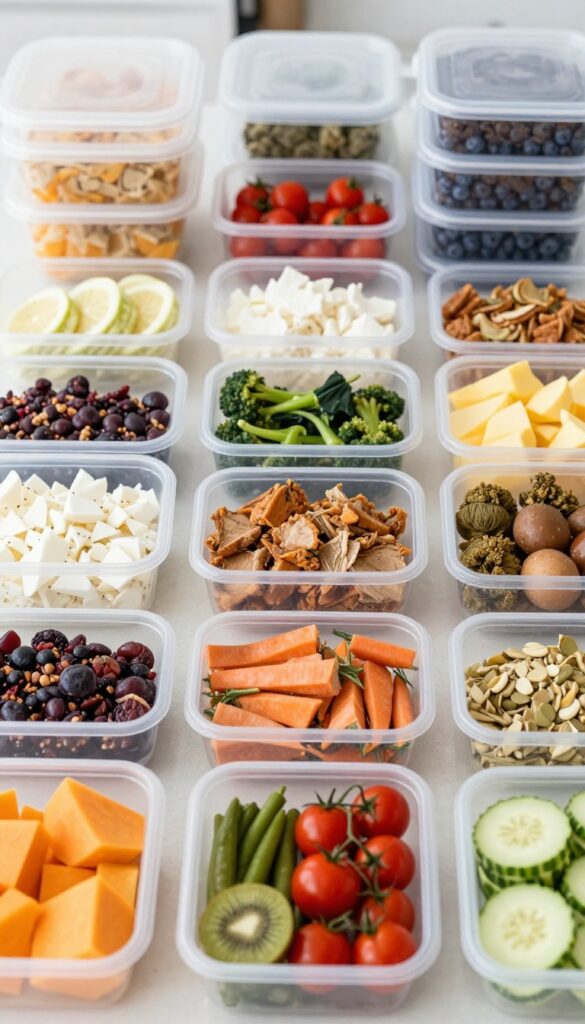
One of the simplest ways to shop for a cholesterol-friendly diet is to stick mostly to the outer edges of the grocery store. The perimeter is where you'll find whole, minimally processed foods that are naturally low in saturated fat and rich in nutrients. Here's how to make the perimeter work for you.
Produce, Lean Meats, and Dairy
Start your shopping trip in the produce section. Fill your cart with a rainbow of fruits and vegetables—they're packed with fiber and antioxidants that help manage cholesterol. Next, move to the meat and seafood counter.
Choose skinless poultry, fish (especially fatty fish like salmon), and lean cuts of meat. For dairy, opt for low-fat or fat-free milk, yogurt, and cheese. These perimeter staples form the foundation of a heart-healthy diet.
Avoiding the Middle Aisles
The center aisles are where most processed foods live—think chips, cookies, sugary cereals, and canned soups high in sodium and unhealthy fats. While you don't need to avoid them entirely, limit your time there. A few exceptions: canned beans, whole grains like oats and brown rice, and spices are often found in the middle and are perfectly fine.
The key is to shop with a list and stick to it, so you're not tempted by impulse buys.
Budget-Friendly Tips
- Buy seasonal produce—it's cheaper and fresher.
- Frozen fruits and vegetables are just as nutritious and often cost less.
- Look for sales on lean meats and buy in bulk to freeze.
- Store-brand low-fat dairy products are usually more affordable.
Mistake: Relying on 'Cholesterol-Free' or 'Heart-Healthy' Labels
Walking down the grocery aisle, you're bombarded with products boasting "cholesterol-free" or "heart-healthy" badges. It's tempting to toss them in your cart without a second thought. But these labels can be more about marketing than actual nutrition.
Many of these items are still loaded with saturated fat, trans fat, or sodium—all of which can undermine your cholesterol goals.
Marketing vs. Reality
A product labeled "cholesterol-free" might still be high in saturated fat, which raises LDL cholesterol more than dietary cholesterol itself. Similarly, "heart-healthy" claims often rely on a single nutrient (like low cholesterol) while ignoring other red flags. For example, some margarines and baked goods are cholesterol-free but contain partially hydrogenated oils (trans fats).
Always flip the package and check the nutrition facts panel.
What to Look For Instead
Instead of trusting front-of-package claims, focus on these three things:
- Check saturated fat and trans fat: Aim for less than 2g of saturated fat per serving and 0g trans fat.
- Look at fiber content: Foods with at least 3g of fiber per serving can help lower cholesterol.
- Watch sodium: Many "heart-healthy" soups and canned goods are sky-high in sodium. Choose low-sodium or no-salt-added versions.
FAQ
Can I still eat eggs on a cholesterol diet?
Yes, you can eat eggs in moderation. While egg yolks contain dietary cholesterol, research shows that for most people, saturated fat has a greater impact on blood cholesterol than dietary cholesterol. The American Heart Association suggests up to one whole egg per day as part of a heart-healthy diet.
If you have diabetes or heart disease, consult your doctor about your egg intake.
Is it okay to use butter occasionally?
Butter is high in saturated fat, which can raise LDL cholesterol. It's best to use it sparingly. Consider swapping butter for olive oil or avocado oil in cooking, or use a small amount of butter for flavor when needed.
There are also plant-based spreads made with unsaturated oils that can be healthier alternatives.
What are the best snacks for lowering cholesterol?
Great snack options include a handful of almonds or walnuts, an apple with a tablespoon of peanut butter (no added sugar), air-popped popcorn, carrot sticks with hummus, or a small bowl of oatmeal. These snacks are rich in fiber and healthy fats that can help improve your cholesterol profile.
How can I shop for cholesterol-friendly foods on a budget?
Focus on affordable staples like oats, beans, lentils, frozen vegetables, and whole grains. Buy fruits and vegetables in season, and consider canned options with no added salt or sugar. Store-brand items are often just as nutritious as name brands.
Planning meals around sales and buying in bulk can also save money.
Do I need to avoid all red meat?
You don't have to eliminate red meat entirely, but it's wise to limit it. Choose lean cuts like sirloin or tenderloin, and keep portions small (about 3 ounces per serving). Try to have red meat only a few times a week, and replace it with poultry, fish, or plant-based proteins on other days.
Conclusion
Navigating the grocery store for a cholesterol-friendly diet doesn't have to be complicated. By focusing on whole foods like fruits, vegetables, whole grains, and healthy fats, and by being mindful of marketing tricks and hidden ingredients, you can make choices that support your heart health.
Start with one or two tips from this guide—like swapping white bread for whole grain or choosing unsweetened yogurt—and build from there. Remember, every small change is a step in the right direction.

Dr. Pallab Kishore, MS in Orthodontics and owner of Orthodontic Braces Care, shares expert tips on braces, aligners, and oral health from 10+ years of experience.