Your skin works hard all day, but nighttime is when it truly repairs and renews. A thoughtful body care routine before bed can make a huge difference in how soft and calm your skin feels by morning. The best part?
You don't need a dozen products or an hour of your time. Small, consistent habits—like a quick dry brush session or a soothing magnesium soak—can transform your skin's texture and tone.
Whether you're dealing with dryness, irritation, or just want that extra touch of pampering, these 25 ideas are designed to fit into any lifestyle. Pick a few that resonate with you and watch your skin thank you.
1. Start with a Warm (Not Hot) Shower

Hot water feels great in the moment, but it's a fast track to dry, irritated skin. A warm shower gently opens pores and preps your skin to soak up all the good stuff you apply afterward. This small shift in temperature protects your moisture barrier and leaves your skin feeling supple, not stripped.
Why Temperature Matters
Your skin's natural oils are its first line of defense. Hot water dissolves them too quickly, leading to tightness and flaking. Warm water (around 98-100°F) cleans effectively without breaking down that protective layer.
How To Nail The Perfect Warm Shower
Aim for a temperature that feels soothing but not steamy. If your skin turns red or feels prickly, dial it down. Keep showers under 10 minutes to avoid over-drying, and finish with a cool rinse to seal in moisture.
Products To Pair With Warm Water
Use a gentle, sulfate-free body wash to avoid stripping. Apply it with a soft loofah or your hands—scrubbing too hard can irritate. Follow up with a hydrating body oil or lotion while skin is still damp for maximum absorption.
2. Dry Brush Before You Shower
Dry brushing is one of those simple habits that delivers surprisingly big results. It wakes up your circulation and sloughs off dead skin cells, leaving your skin noticeably smoother after just one session. The best part?
It takes only a couple of minutes and pairs perfectly with your regular shower routine.
Start with a natural-bristle brush and always brush on dry skin before stepping into the shower. Use long, gentle strokes toward your heart—this follows your lymphatic system and helps with drainage. Avoid sensitive areas and don't press too hard; a light touch is all you need.
After brushing, hop in the shower to rinse away the loosened dead skin. Follow with a moisturizer or body oil while your skin is still slightly damp for maximum softness.
Why It Works
Dry brushing physically exfoliates the top layer of dead cells, which can make your skin look dull and feel rough. It also stimulates blood flow, giving your skin a healthy glow and helping your body's natural detox processes. The gentle pressure can even feel invigorating and help you wake up if you shower in the morning.
How To Choose A Brush
Look for a brush with natural bristles—synthetic ones can be too harsh. A long-handled brush helps you reach your back, while a smaller handheld one gives you more control on your arms and legs. Replace your brush every 6 to 12 months, or sooner if the bristles start to feel rough or bent.
Best Routine Tips
Dry brush 2 to 3 times per week—doing it daily can irritate sensitive skin. Always brush toward your heart, and skip areas with broken skin, rashes, or sunburn. After showering, pat your skin dry and apply a rich body lotion or oil to lock in moisture.
Your skin will feel incredibly smooth and soft.
3. Use a Gentle Body Scrub Twice a Week
Exfoliation is a game-changer for smooth skin, but it's easy to overdo it. A gentle body scrub with fine granules sloughs off dead cells without causing micro-tears or irritation. Twice a week is plenty—focus on rough spots like elbows, knees, and heels for an all-over soft feel.
Choose a scrub with sugar or jojoba beads instead of harsh salt or crushed shells. Apply in circular motions on damp skin before showering, then rinse and pat dry. Follow with a rich moisturizer to lock in that fresh, smooth texture.
Why Gentle Exfoliation Matters
Harsh scrubs can damage your skin barrier, leading to redness and flakiness. Fine granules buff away roughness gently, so your skin stays calm and healthy. It's all about balance—enough exfoliation to renew, but not so much that you strip your skin.
Target The Rough Zones
Elbows, knees, and heels tend to be drier and thicker. Spend a little extra time on these areas with your scrub. You'll notice a difference in softness almost immediately, and it helps your moisturizer sink in better.
Best Time To Scrub
Evening is ideal because your skin repairs overnight. After exfoliating, apply a nourishing body oil or lotion while your skin is still slightly damp. This seals in moisture and leaves you feeling silky by morning.
4. Try an Oatmeal Bath for Irritation
When your skin feels angry, red, or itchy, an oatmeal bath can be a game-changer. Colloidal oatmeal has anti-inflammatory properties that calm irritation and restore moisture. It's especially helpful for sensitive skin or eczema flare-ups.
Fill your tub with warm (not hot) water and sprinkle in one cup of colloidal oatmeal. Swirl it around until the water looks milky. Soak for 15 minutes, gently pat dry, and follow with a fragrance-free moisturizer.
This simple ritual can turn a restless night into a deeply soothing one.
Why Colloidal Oatmeal Works
Oatmeal contains compounds called avenanthramides that reduce inflammation and histamine release. It also forms a protective barrier on the skin, locking in moisture and blocking irritants. That's why it's a go-to for dermatologists treating eczema and contact dermatitis.
How To Set Up Your Bath
Use a cup of colloidal oatmeal (not regular oats, which can clog the drain). Run lukewarm water to avoid stripping oils. Add the oatmeal while the water is running to help it dissolve.
Swish the water occasionally during your soak to keep the oatmeal suspended.
After-bath Care Tips
Don't rinse off after the bath—the oatmeal film continues to soothe. Pat your skin dry with a soft towel, then apply a gentle moisturizer within three minutes. Wear soft, breathable pajamas to let your skin breathe and heal overnight.
5. Apply Body Oil While Skin Is Damp
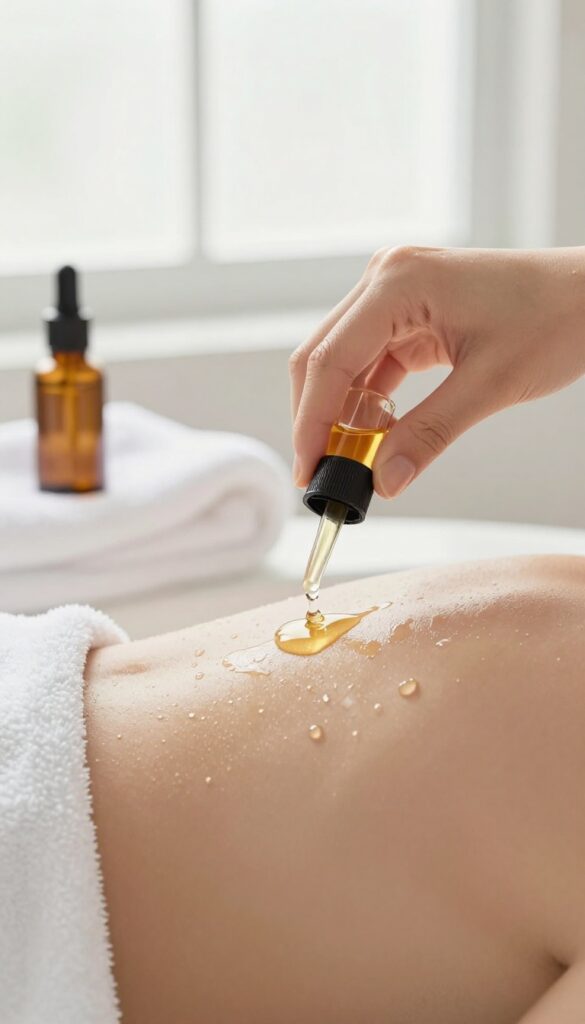
Timing matters when it comes to locking in moisture. Applying body oil to damp skin right after a shower helps seal in hydration without feeling heavy. The water droplets on your skin help the oil spread more evenly, so you use less product and get better results.
Jojoba and almond oils are lightweight options that absorb quickly, leaving your skin velvety soft without any greasy residue. They mimic your skin's natural sebum, making them ideal for all skin types. Just pat yourself dry lightly, then massage the oil in while your skin is still slightly damp.
Why Damp Skin Works Best
When your skin is damp, it's more permeable, allowing the oil to penetrate deeper. This boosts hydration and helps repair the skin barrier overnight. Plus, you'll notice a smoother texture by morning.
Best Oils For The Job
Jojoba oil is non-comedogenic and closely matches your skin's natural oils. Almond oil is rich in vitamin E and fatty acids, perfect for soothing dryness. Both absorb fast and won't stain your pajamas.
How To Apply For Maximum Benefit
After your shower, gently pat skin with a towel until just damp. Pour a few drops of oil into your palms, rub together, then smooth over your body using long, upward strokes. Focus on drier areas like elbows and knees.
6. Follow with a Rich Body Lotion
Oil seals in moisture, but lotion adds hydration. Using a cream with ceramides or shea butter reinforces the skin barrier overnight. This step locks everything in and leaves you waking up to noticeably softer skin.
After applying body oil, don't skip the lotion. Oils are occlusive—they trap moisture already there. Lotions bring in fresh hydration and often contain ingredients that actively repair your skin barrier.
Layering both gives you the best of both worlds.
Why Ceramides Matter
Ceramides are lipids that naturally occur in your skin's outer layer. They help hold cells together like mortar between bricks. Using a lotion rich in ceramides strengthens this barrier, reducing water loss and keeping irritants out.
Look for them in the ingredient list, often listed as ceramide NP, AP, or EOP.
Shea Butter For Deep Nourishment
Shea butter is packed with fatty acids and vitamins A and E. It's thick, creamy, and melts at body temperature, making it perfect for overnight repair. It soothes dryness without feeling greasy.
If you have very dry skin, a shea butter-based lotion can be a game-changer.
How To Layer Oil And Lotion
Apply lotion first while skin is still slightly damp from your shower or bath. Let it absorb for a minute, then seal with a few drops of body oil. This order ensures the lotion's humectants can draw in moisture, and the oil locks it all in.
Your skin stays hydrated longer.
7. Don't Forget Your Feet
Your feet carry you all day, but they're often the last thing on your mind when it comes to skincare. Cracked heels and rough calluses can be softened with a simple overnight treatment. Just a few minutes before bed can make a big difference.
Start by washing and thoroughly drying your feet. Then apply a thick foot cream or balm, focusing on dry areas like heels and balls of the feet. Slip on a pair of cotton socks to lock in moisture and prevent mess.
In the morning, your feet will feel noticeably softer. Repeat nightly for best results.
Why Cotton Socks?
Cotton socks are breathable and gentle, allowing your skin to absorb the cream without trapping excess heat. Avoid synthetic fabrics that can cause sweating or irritation.
Best Ingredients For Foot Creams
Look for creams containing urea, shea butter, or lanolin. These ingredients deeply moisturize and help exfoliate dead skin, making them ideal for tough foot skin.
Quick Pre-bed Routine
Soak feet in warm water for 5 minutes, then gently exfoliate with a pumice stone. Pat dry, apply cream, and put on socks. This adds only 10 minutes to your routine.
8. Use a Hand Cream with Urea
Hands are often the first place to show signs of dryness and aging. They endure constant washing, sanitizing, and exposure to the elements, which strips away natural oils. A hand cream with urea can be a game-changer for restoring moisture and preventing painful cracks.
Urea is a humectant that draws water into the skin, but at concentrations between 5-10%, it also gently exfoliates dead skin cells. This dual action makes it especially effective for rough, dry hands. Apply a pea-sized amount after every hand wash and before bed for best results.
Why Urea Works
Urea is naturally found in the skin and helps maintain hydration. In hand creams, it softens calloused areas and smooths texture without irritation. Look for formulas with added ceramides or shea butter for extra nourishment.
How To Apply For Best Results
Apply hand cream immediately after washing, while hands are still slightly damp. Focus on knuckles, cuticles, and any rough patches. For an intensive treatment, apply a thick layer before bed and wear cotton gloves overnight.
What To Look For
Choose a cream with 5-10% urea for daily use. Avoid higher concentrations (20-40%) unless treating specific conditions like calluses, as they can be too strong for regular use. Check for fragrance-free options if you have sensitive skin.
9. Apply a Neck and Décolletage Serum

The neck and chest are often the first areas to show signs of aging, yet they're easy to neglect. The skin here is thinner and has fewer oil glands, making it prone to crepey texture and fine lines. A targeted serum can help firm and smooth this delicate area while you sleep.
Look for a serum with retinol, peptides, or bakuchiol—ingredients known to boost collagen and improve elasticity. After cleansing, apply a few drops to your neck and décolletage, using upward strokes. Let it absorb for a minute before layering your moisturizer.
Start with a lower concentration if you're new to retinol, and always follow with a rich cream to prevent irritation.
Why This Area Needs Extra Care
The neck and chest have fewer sebaceous glands, so they lose moisture faster. They're also constantly exposed to sun, phone glare, and movement, which accelerates wrinkling. A dedicated serum delivers active ingredients that thicker body lotions often lack.
How To Apply For Best Results
Use gentle, upward motions—never pull down. Start at the collarbone and sweep up to the jawline. For the chest, work from the center outward.
Let the serum sink in for 30 seconds before applying moisturizer to lock in the actives.
Picking The Right Serum
Retinol serums are great for smoothing texture, while peptide serums focus on firming. If you have sensitive skin, try bakuchiol or a low-strength retinol. Pair with a fragrance-free moisturizer to avoid irritation.
10. Try a Sleep Mask for Your Body
You've probably used a sleep mask for your face, but did you know your body can benefit from the same concept? Body sleep masks are thick, occlusive formulas designed to work their magic overnight. They create a protective barrier that locks in moisture and active ingredients, so you wake up to noticeably softer, smoother skin.
The idea is simple: apply a generous layer to dry areas like arms, legs, and elbows before bed, let it soak in while you sleep, and rinse off any residue in the morning. It's an effortless way to give your skin a deep hydration boost without any daytime stickiness.
Body sleep masks are a game-changer for anyone with dry or rough skin. Unlike regular lotions that absorb quickly, these masks stay on the surface, delivering intense moisture all night long. Look for ingredients like shea butter, ceramides, or squalane for maximum softness.
Apply right after your evening shower when pores are still open, and don't be shy—use a generous amount. In the morning, your skin will feel baby-soft and calm.
Why Overnight Masks Work So Well
Your skin's permeability increases at night, making it more receptive to active ingredients. A sleep mask takes advantage of this by providing a steady stream of moisture and nutrients over several hours. The occlusive texture also prevents water loss, so your skin stays hydrated even if your bedroom is dry.
How To Choose The Right One
Not all body sleep masks are created equal. For very dry skin, opt for formulas with urea or lactic acid to gently exfoliate while moisturizing. If you're prone to breakouts, go for non-comedogenic options with lightweight oils like jojoba.
Sensitive skin? Look for fragrance-free masks with soothing ingredients like colloidal oatmeal or aloe vera.
Tips For Best Results
Apply the mask right after a warm shower when your skin is still slightly damp—this helps lock in extra moisture. Focus on rough patches like knees, elbows, and heels. Wear old pajamas or long sleeves to avoid transferring the product to your sheets.
For an extra treat, pop your mask in the fridge for a cooling sensation that also helps reduce inflammation.
11. Incorporate a Magnesium Lotion
Magnesium is a powerhouse mineral that often gets overlooked in skincare. When applied topically, magnesium chloride helps muscles relax, reduces tension, and can even improve sleep quality. A good magnesium lotion also hydrates and calms stressed skin, making it a perfect addition to your nightly ritual.
Applying magnesium lotion before bed is simple. Just massage a generous amount into your legs, arms, and shoulders after your shower. The warmth of your skin helps absorption, and the magnesium works its magic while you sleep.
You'll wake up feeling more rested and your skin will feel softer.
Why Magnesium Works Overnight
Magnesium is known to regulate the nervous system and promote relaxation. When absorbed through the skin, it bypasses the digestive system and goes straight into your muscles and bloodstream. This can help ease muscle cramps, reduce stress, and prepare your body for deep sleep.
Choosing The Right Lotion
Look for a lotion that lists magnesium chloride as a key ingredient. Avoid products with added fragrances or harsh chemicals, as these can irritate sensitive skin. A simple, natural formula with aloe vera or shea butter will boost hydration and soothe inflammation.
How To Apply For Best Results
Apply the lotion right after your bath or shower when your skin is still slightly damp. This locks in moisture and helps the magnesium absorb more effectively. Focus on areas where you hold tension, like your neck, shoulders, and calves.
12. Use a Silk or Satin Pillowcase
Cotton pillowcases might be cozy, but they're not doing your skin any favors. They absorb moisture and create friction, which can tug at your skin and hair while you sleep. Switching to silk or satin is a simple swap that helps your skincare stay put and reduces creases.
Silk and satin pillowcases are smoother and less absorbent than cotton. They allow your skin to glide instead of drag, which means less irritation and fewer sleep lines. Plus, they help your serums and moisturizers work overnight without being soaked into the fabric.
Why Cotton Falls Short
Cotton fibers are porous and rough on a microscopic level. They wick away moisture from your skin and hair, leaving them drier. The friction can also cause fine lines and frizz over time.
The Benefits Of Silk And Satin
Silk and satin have a smooth, low-friction surface that reduces tugging. They're also less absorbent, so your skincare stays on your skin where it belongs. This helps maintain hydration and prevents product waste.
How To Choose And Care For Yours
Look for 100% mulberry silk with a high momme count (19-25) for quality. Satin is a more affordable option. Wash them in cold water with a gentle detergent and air dry to keep them soft and long-lasting.
13. Spritz a Hydrating Body Mist
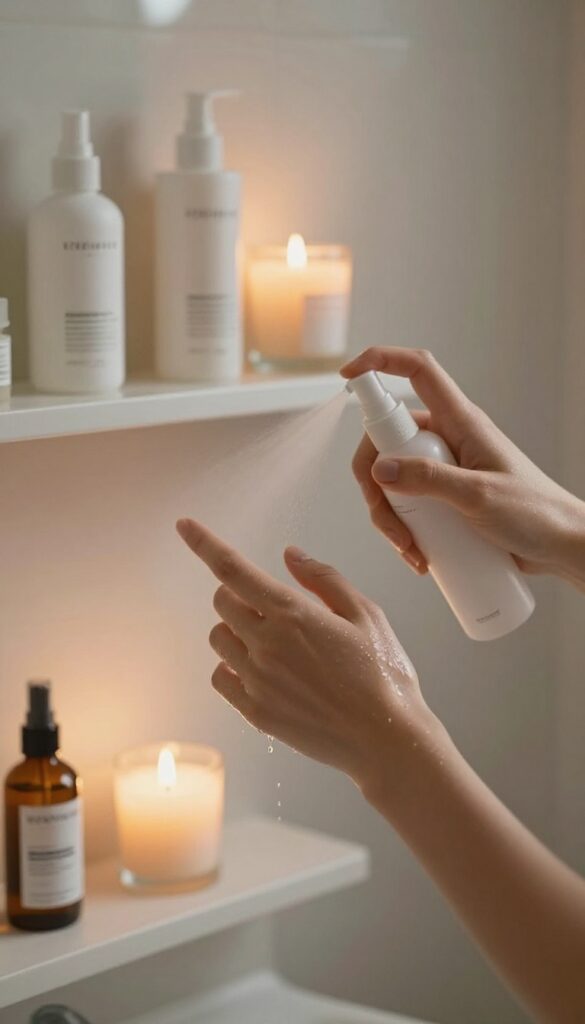
A light mist before bed can do wonders for your skin, especially if you live in a dry climate or run the air conditioner at night. Body mists with glycerin or aloe vera add a thin layer of moisture that helps your skin stay hydrated while you sleep. The best part?
They feel refreshing and cooling, making them a perfect final step in your nighttime routine.
Spraying a hydrating body mist is a simple way to boost moisture without feeling heavy or sticky. Look for formulas with humectants like glycerin, hyaluronic acid, or aloe vera. Mist it over your entire body after a shower or before bed, and let it absorb naturally.
For extra hydration, layer it under your regular body lotion or oil—the mist helps the thicker product spread more evenly and seals in the moisture.
Why It Works
Humectants in body mists pull moisture from the air into your skin, keeping it plump and soft. The fine mist also cools your skin slightly, which can help lower your body temperature and signal that it's time to sleep. Plus, the lightweight texture means you can reapply it without feeling greasy.
How To Layer It
For best results, apply your body mist right after a warm shower while your skin is still slightly damp. Follow with a body oil or lotion to lock in that extra hydration. If you're already using a thick cream, spritz the mist on top for a refreshing boost without disrupting your routine.
Diy Option
You can make your own hydrating mist by mixing a few drops of glycerin or aloe vera juice with distilled water in a spray bottle. Add a couple of drops of your favorite essential oil (like lavender or chamomile) for a calming scent. Shake well before each use and store in a cool place.
14. Apply a Spot Treatment for Body Acne
Back or chest breakouts need targeted care. A full-body lotion won't cut it when you're dealing with stubborn bumps. Using a dedicated spot treatment before moisturizing can clear up those areas without drying out the rest of your skin.
Body acne often gets ignored because it's hidden under clothes, but it can be just as annoying as facial breakouts. The key is to treat it while you sleep, when your skin's repair processes are most active. A few minutes of targeted application can make a big difference.
Choose The Right Active Ingredient
Salicylic acid is great for unclogging pores and reducing inflammation. It's available in spray form for hard-to-reach spots like your back. Benzoyl peroxide works well for killing acne-causing bacteria, but start with a lower concentration to avoid irritation.
Apply Before Your Moisturizer
Cleanse your skin first, then apply the spot treatment directly to breakouts. Let it absorb for a minute or two before following up with a lightweight, non-comedogenic moisturizer. This prevents the active ingredients from being diluted.
Don't Overdo It
More isn't better when it comes to acne treatments. Using too much can lead to redness, peeling, or dryness. Stick to a thin layer on affected areas only, and give your skin a break if you notice irritation.
15. Try a Cooling Gel for Sun-Exposed Skin
A day at the beach or a long walk in the sun can leave your skin feeling hot, tight, and irritated. A cooling gel packed with soothing ingredients like aloe vera and cucumber can be a lifesaver. It calms redness, reduces heat, and hydrates without feeling heavy.
For an extra refreshing kick, pop the gel in the fridge before applying.
Why Aloe And Cucumber Work
Aloe vera is famous for its anti-inflammatory and cooling properties. It helps repair sun-damaged skin and provides deep moisture. Cucumber extract adds a gentle cooling effect and is rich in antioxidants that fight free radicals from UV exposure.
Together, they form a powerhouse duo for sun-soothed skin.
How To Apply For Best Results
After cleansing, apply a generous layer of the cooling gel to sun-exposed areas like shoulders, arms, and legs. Let it absorb for a few minutes before putting on loose, breathable pajamas. For an extra treat, use a gel that's been chilling in the fridge—the cold temperature enhances the soothing effect.
Diy Or Store-bought?
You can easily make your own cooling gel by mixing pure aloe vera gel with a few drops of cucumber juice or essential oil. If you prefer store-bought, look for gels with minimal ingredients and no added alcohol, which can dry out skin. Brands with organic aloe and cucumber extract are great choices.
16. Use a Humidifier in Your Bedroom
Dry air is a sneaky culprit behind flaky, tight skin. When your bedroom lacks humidity, moisture evaporates from your skin overnight, leaving it dehydrated by morning. A humidifier adds that moisture back into the air, helping your skincare products work better and keeping your skin plump and calm while you sleep.
Why It Works
Low humidity pulls water from your skin’s outer layer, weakening its barrier. A humidifier keeps the air around you at an optimal moisture level, so your skin stays hydrated without needing extra layers of lotion. It’s especially helpful in winter or if you sleep with the AC or heater on.
How To Use It Right
Place the humidifier on a nightstand or dresser, a few feet from your bed. Use distilled or filtered water to avoid white dust. Aim for 40–60% humidity—too high can encourage mold.
Clean the tank weekly to keep bacteria at bay.
Bonus Tips
Add a few drops of lavender or eucalyptus essential oil to the water for a calming scent that also supports respiratory health. Run it 30 minutes before bed and keep it on low through the night for consistent moisture.
17. Massage with a Jade Roller or Gua Sha
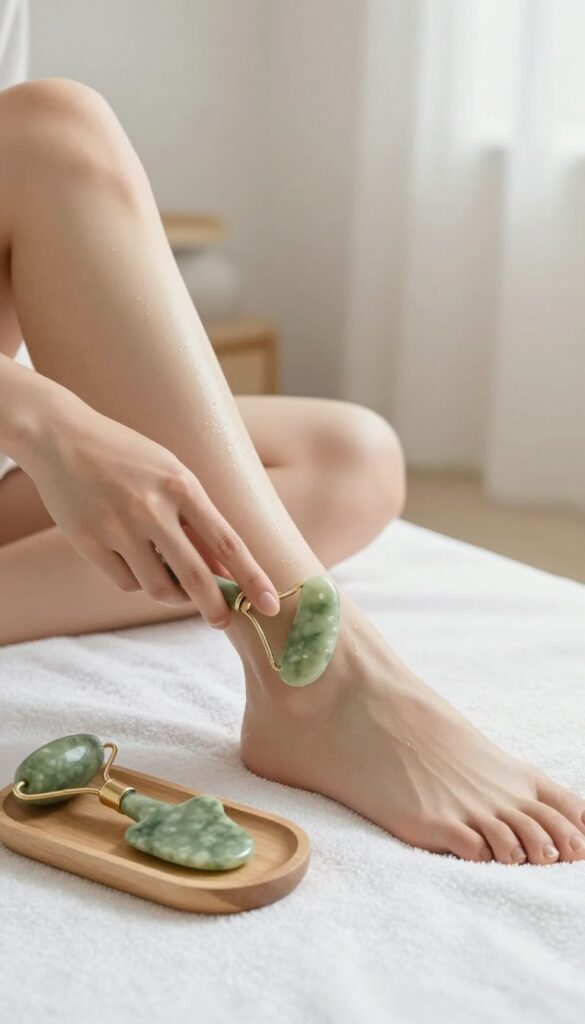
Facial tools like jade rollers and gua sha aren't just for your face. They work wonders on the body too, especially on larger areas like legs and arms. A quick massage before bed can help reduce puffiness, improve circulation, and promote lymphatic drainage, leaving your skin feeling refreshed and less tense.
Using a jade roller or gua sha on your body is simple and relaxing. Start with clean, slightly damp skin or apply a light body oil to reduce friction. Roll or scrape in gentle, upward motions toward your heart to encourage fluid movement.
Focus on areas that tend to swell, like ankles or wrists, or on tight muscles like shoulders and calves. Just a few minutes per limb can make a noticeable difference in how your skin looks and feels by morning.
Why It Works
Jade rollers and gua sha tools stimulate the lymphatic system, which helps flush out toxins and excess fluid. The gentle pressure also boosts blood flow, bringing oxygen and nutrients to the skin. Over time, this can improve skin tone and reduce the appearance of cellulite.
Best Practices
Always use upward strokes toward the heart to follow lymph flow. Avoid rolling over broken skin or varicose veins. Clean your tool after each use with mild soap and water.
For a cooling effect, store your jade roller in the fridge.
Which Tool To Choose
A large jade roller with a bigger stone covers more surface area quickly, making it ideal for legs and arms. Gua sha tools with curved edges work better for contoured areas like shoulders or knees. Both are affordable and easy to find online.
18. Apply a Vitamin C Body Lotion
Vitamin C isn't just for your face—your body craves it too. This powerhouse antioxidant brightens skin, fades dark spots, and boosts collagen production. A nightly lotion with stabilized vitamin C can work wonders while you sleep, leaving your skin more even and radiant over time.
Why Nighttime Works Best
Vitamin C is sensitive to light and air. Applying it at night lets it absorb without competition from UV rays. Your skin's repair processes are also more active during sleep, so the ingredient can get to work more effectively.
Choosing The Right Lotion
Look for a body lotion that lists ascorbic acid or a stabilized derivative like ascorbyl palmitate. Avoid formulas in clear jars—opaque, airless pumps help keep the vitamin C potent. Pair it with ingredients like vitamin E or ferulic acid for extra stability.
How To Apply For Best Results
After your shower, pat skin dry but leave it slightly damp. Massage the lotion in upward strokes, focusing on areas with sun damage or uneven tone—like your chest, shoulders, and knees. Let it sink in for a few minutes before getting into pajamas.
19. Do a Five-Minute Stretch Before Bed
Stretching isn't just for athletes or morning routines—it's a powerful way to signal your body that it's time to wind down. Gentle movement before bed improves blood circulation, which helps deliver oxygen and nutrients to your skin cells, promoting repair and a healthy glow. Plus, it releases muscle tension that can interfere with sleep quality.
A quick five-minute stretch can do wonders for both your body and your skin. Focus on poses that encourage relaxation and blood flow to the skin's surface. This simple habit also reduces stress hormones like cortisol, which can trigger breakouts and inflammation.
Child's Pose For Deep Relaxation
Kneel on your bed or a mat, sit back on your heels, and stretch your arms forward. This pose gently stretches your back, shoulders, and hips, releasing tension that can build up during the day. As you breathe deeply, imagine sending calm to every cell, including your skin.
Legs-up-the-wall For Circulation
Lie on your back with your legs resting vertically against a wall. This inversion helps blood flow back toward your upper body, taking pressure off your legs and feet. It's especially beneficial if you've been standing or sitting all day, and it gives your skin a subtle flush of nutrients.
Cat-cow For Spinal Flexibility
On all fours, alternate between arching your back (cow) and rounding it (cat). This gentle movement massages your spine and abdominal organs, promoting better digestion and reducing stress. A relaxed spine means better sleep, which is essential for skin repair.
20. Use a Glycolic Acid Body Lotion
Chemical exfoliation isn't just for your face. Glycolic acid, a type of AHA, works wonders on body skin by dissolving dead cells and revealing a smoother, more even layer underneath. It also boosts hydration, so your moisturizer sinks in better.
A lotion with 5-10% glycolic acid is strong enough to make a difference but gentle enough for regular use. Start with a few nights a week, and you'll notice rough patches fading and a subtle glow emerging over time.
Using a glycolic acid body lotion is a simple swap that pays off. It exfoliates while it moisturizes, saving you a step. Just apply after your shower on clean, slightly damp skin for best absorption.
Don't overdo it—2-3 nights a week is plenty. If you have sensitive skin, look for a formula with soothing ingredients like aloe or ceramides. And always follow with sunscreen in the morning, since AHAs can increase sun sensitivity.
Why Glycolic Acid Works For Body Skin
Body skin tends to be thicker and less reactive than facial skin, so it can handle gentle chemical exfoliants well. Glycolic acid has small molecules that penetrate deeply, loosening the glue between dead cells so they slough off naturally. This helps with keratosis pilaris, dry patches, and uneven texture.
How To Add It To Your Routine
Start with a lower concentration (around 5%) if you're new. Apply a thin layer after your evening shower, focusing on rough areas like elbows, knees, and heels. Wait a few minutes before layering a richer body butter if needed.
Gradually increase frequency as your skin adjusts.
What To Look For In A Lotion
Choose a lotion that lists glycolic acid in the first few ingredients. Avoid formulas with high alcohol content, which can be drying. Look for added moisturizers like shea butter, glycerin, or hyaluronic acid to keep skin balanced.
A pH between 3 and 4 is ideal for effectiveness.
21. Try a Calming Lavender Body Butter
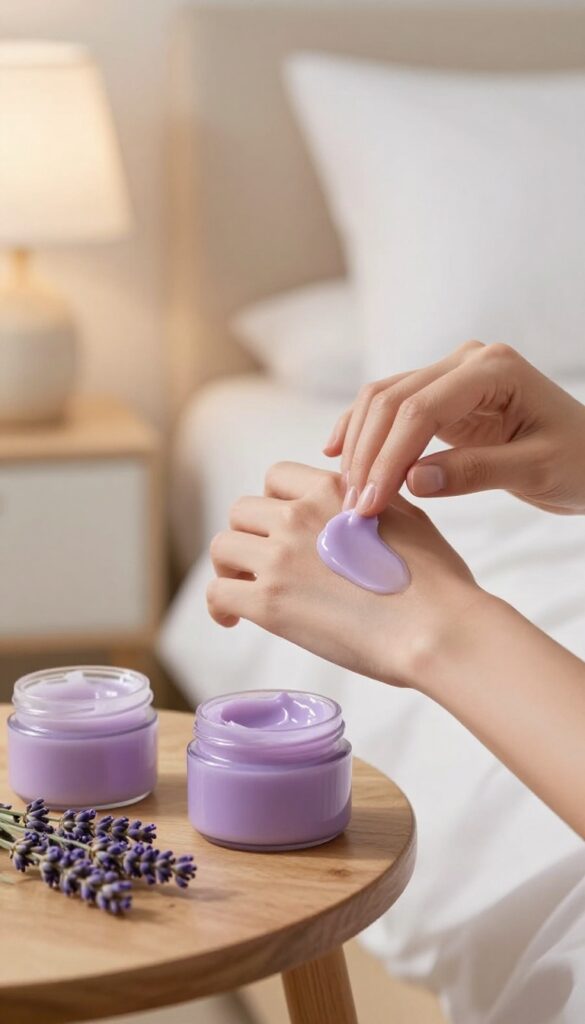
Lavender isn't just a pretty scent—it's a proven relaxant that signals your brain to wind down. Pair that with a rich, emollient body butter, and you've got a bedtime ritual that moisturizes deeply while easing stress. This combination works wonders for dry or sensitive skin, especially when applied right before slipping into soft pajamas.
A lavender body butter does double duty: it seals in moisture overnight and helps you fall asleep faster. Look for formulas with shea butter, cocoa butter, or coconut oil as the base, and real lavender essential oil (not just fragrance). Apply generously to legs, arms, and any dry patches, then give yourself a gentle massage to boost circulation and absorption.
Why Lavender Works At Night
Lavender essential oil has been shown to lower heart rate and blood pressure, promoting a state of calm. When you apply it topically, the scent travels to your limbic system, which controls emotions and memory. This makes it a natural sleep aid—no pills required.
How To Choose The Best Body Butter
Check the ingredient list for "Lavandula angustifolia" oil and avoid synthetic fragrances. Thicker butters work best for overnight hydration, but if you prefer something lighter, a lavender lotion can still do the job. Organic options are great if you have sensitive skin.
Simple Application Tips
Warm a small amount between your palms before smoothing it on—this helps it spread evenly. Focus on elbows, knees, and heels, which tend to be driest. For extra relaxation, pair with a few deep breaths as you apply.
22. Exfoliate with a Korean Italy Towel
These textured cloths are a game-changer for body exfoliation. Unlike harsh scrubs that can irritate, Italy towels gently slough off dead skin after a good soak. Your skin emerges baby-soft without any greasy residue.
Korean Italy towels are made from viscose and have a slightly rough texture that works best on wet, softened skin. Use them in the shower after soaking for at least 10 minutes. Gently scrub in long, firm strokes—you'll see little rolls of dead skin forming.
Rinse and follow with a lightweight moisturizer.
Why They Work So Well
The key is the combination of warm water and the towel's unique weave. Heat softens the outer layer of skin, making it easier to remove without damage. Italy towels are also reusable and machine-washable, making them eco-friendly and cost-effective.
How To Use One
Start with clean, soaked skin. Wet the towel and wring it out slightly. Using moderate pressure, scrub in long strokes from your ankles upward.
Focus on rough areas like elbows and knees. Rinse off the dead skin, then pat dry and apply lotion while still slightly damp.
Pro Tips For Best Results
Don't overdo it—once a week is plenty for most people. If you have sensitive skin, test a small area first. Always wash your towel after each use and replace it every few months.
Pair with a gentle body wash for a complete exfoliating routine.
23. Apply a Niacinamide Body Serum
Niacinamide is a multitasking ingredient that strengthens the skin barrier, reduces redness, and evens out texture. While it's a face-care favorite, your body can benefit just as much from a lightweight serum before your regular lotion. This simple step helps calm irritation and improve overall skin health without feeling heavy or greasy.
Why Niacinamide Works Overnight
Niacinamide boosts ceramide production, which reinforces your skin's natural barrier. This means less moisture loss and a smoother surface by morning. It also has anti-inflammatory properties that soothe redness from sun exposure, shaving, or friction.
How To Layer It Right
Apply the serum to clean, slightly damp skin right after your shower. Let it absorb for a minute, then follow with your regular body lotion or oil. This locks in the benefits and keeps your skin hydrated all night.
Best For Sensitive Or Reactive Skin
If your skin gets easily irritated by fragrances or heavy creams, a niacinamide serum is a gentle alternative. It's non-comedogenic, so it won't clog pores, and it works well with most other products in your routine.
24. Use a Foot Peel Mask Weekly
Your feet take a beating every day, yet they're often the most neglected part of a body care routine. A foot peel mask is a simple way to give them some serious attention. These masks work by using gentle acids to loosen dead skin, which then peels away over the next few days.
The result? Baby-soft feet without any scrubbing or pumice stones.
Foot peel masks are designed to be left on for about 60-90 minutes, then rinsed off. Over the following 3-7 days, the dead skin will start to shed naturally. It's not the prettiest process, but the payoff is worth it.
For best results, apply the mask on a Sunday night so the peeling happens during the week when you're wearing socks and shoes anyway.
Why It Works
The active ingredients—usually a blend of lactic acid, glycolic acid, or salicylic acid—dissolve the bonds holding dead skin cells together. This chemical exfoliation is much gentler than physical scrubbing and reaches deeper layers. Plus, it stimulates cell turnover, leaving your feet smoother for weeks.
How To Use It Right
Start with clean, dry feet. Slip on the bootie-style mask and secure the tape. Leave it on for the recommended time, then rinse.
Avoid using any other exfoliants or foot creams during the peeling phase. Moisturize lightly after the peel is complete to soothe new skin.
Which Mask To Pick
Look for masks with hydrating ingredients like aloe vera or shea butter to prevent irritation. Popular options include Baby Foot, Kocostar, and Dr. Scholl's.
If you have sensitive skin, do a patch test first or choose a gentler formula with lower acid percentages.
25. End with a Gratitude or Relaxation Ritual

Stress doesn't just mess with your mind—it shows up on your skin. High cortisol levels can trigger breakouts, inflammation, and dullness. Winding down with a simple gratitude or relaxation ritual helps lower that stress response, and your skin reaps the benefits.
Taking just one minute to breathe deeply or jot down a few things you're grateful for can shift your nervous system from fight-or-flight to rest-and-digest. This lowers cortisol, which means less inflammation and fewer breakouts. Plus, the calm mindset helps you sleep better, and good sleep is when your skin does its deepest repair.
Why It Works
When you're stressed, your body releases cortisol, which increases oil production and inflammation. A quick relaxation practice signals your brain to dial that back. Lower cortisol means clearer, calmer skin over time.
How To Do It
Right after your skincare routine, sit or lie down in a comfortable spot. Take five slow, deep breaths. Or keep a small notebook by your bed and write down three things you're grateful for.
That's it—no fancy tools needed.
Make It A Habit
Pair this ritual with something you already do, like putting on your pajamas or turning off the lights. Consistency matters more than duration. Even 60 seconds can make a difference when done nightly.
FAQ
How long should a night body care routine take?
It can be as short as 5 minutes or as long as 30. The key is consistency, not duration. Even a quick oil application after a shower makes a difference.
Can I use the same products on my body as my face?
Some products are interchangeable, but body skin is thicker and less sensitive. You can use body lotions on your face in a pinch, but face products are often too expensive for full-body use.
Should I exfoliate every night?
No. Over-exfoliating damages the skin barrier. Stick to 2-3 times per week with a gentle scrub or chemical exfoliant.
What's the best order to apply products?
Start with the thinnest consistency (serums, oils) and finish with the thickest (lotions, creams). This allows each layer to absorb properly.
Can I do these routines if I have sensitive skin?
Yes, but choose fragrance-free, hypoallergenic products. Patch test new items and avoid harsh exfoliants. Oatmeal baths and gentle oils are great options.
Conclusion
Building a night body care routine doesn't have to be complicated. Start with just one or two ideas that appeal to you—maybe dry brushing or a magnesium lotion—and see how your skin responds. Over time, you can add more steps as they become natural habits.
Remember, the goal is soft, calm skin and a relaxing wind-down.
Your evening ritual should feel like self-care, not a chore. Pick what works for your skin type and lifestyle, and enjoy the process. Sweet dreams and softer skin await.