
Your body works hard every day, so why not give it the same attention you give your face? The right products can transform rough, dry skin into something smooth and radiant. It doesn't take a complicated routine—just a few smart additions.
We've rounded up 23 body care products that earn a permanent spot on your shelf. Each one brings something unique, whether it's a texture you'll love or an ingredient that truly delivers. No fluff, just real recommendations.
From shower staples to post-bath treats, this list covers every step of your body care ritual. Get ready to discover your next holy grail.
1. Gentle Exfoliating Body Wash
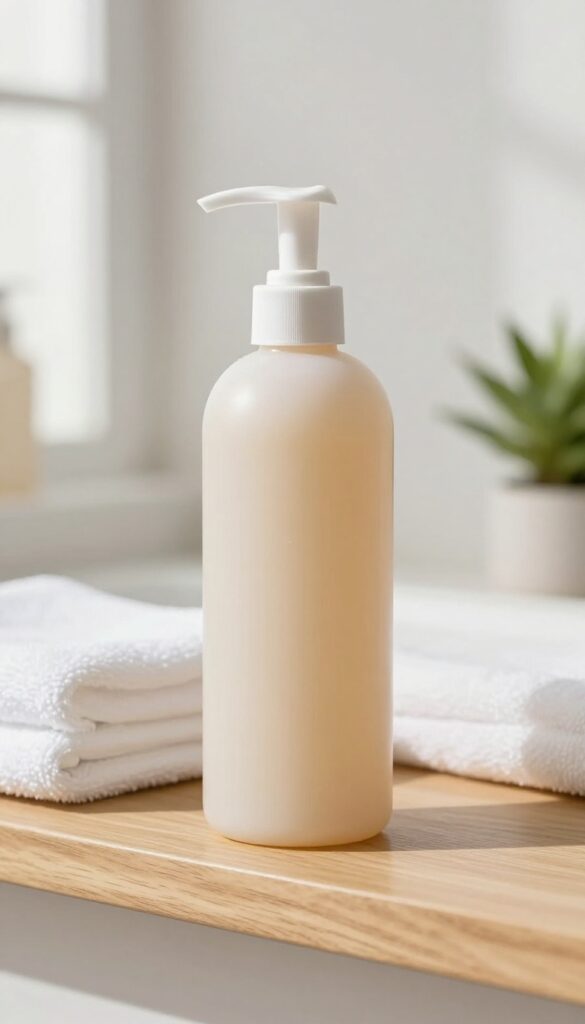
Scrubbing your skin raw with harsh physical exfoliants is so last decade. A gentle chemical exfoliant in your daily body wash can do the heavy lifting without the irritation. Lactic acid, for instance, gently dissolves dead skin cells while also boosting hydration.
The result? Smooth, glowing skin from the shower onward.
This isn't your average body wash. It's formulated with mild AHAs like lactic acid (usually around 5-10%) to slough off dead skin cells over time. You'll notice a difference in texture and radiance within a week or two.
Plus, many of these washes are sulfate-free, so they won't strip your skin's natural moisture barrier.
Why Lactic Acid Works
Lactic acid is a superstar for body care because it's both exfoliating and hydrating. It helps fade dark spots, smooth rough patches, and even out skin tone. Unlike glycolic acid, it's gentler, making it perfect for daily use on the body without redness or stinging.
How To Use It
Use it just like your regular body wash—lather up in the shower and rinse. For best results, let it sit for a minute or two before rinsing. Follow with a moisturizer to lock in that fresh glow.
Start with a few times a week if your skin is sensitive, then work up to daily use.
What To Look For
Seek out a body wash with lactic acid listed in the first few ingredients. Avoid formulas with high alcohol content or added fragrance if you have sensitive skin. Bonus points if it contains soothing ingredients like aloe or oat extract to calm as it exfoliates.
2. Rich Body Butter for Deep Hydration
Not all body lotions are created equal. When your skin feels tight or looks flaky, a lightweight formula just won't cut it. That's where a thick, luxurious body butter steps in.
Packed with shea butter and ceramides, these rich creams lock in moisture and repair the skin barrier. Perfect for elbows, knees, and any patch that needs extra love.
A rich body butter is your best friend for deep, lasting hydration. The key is in the ingredients: shea butter provides intense nourishment, while ceramides help restore the skin's natural barrier. Apply right after a shower when your skin is slightly damp to seal in moisture.
You'll notice the difference immediately—smoother, softer skin that stays hydrated all day.
Why Shea Butter Works
Shea butter is packed with vitamins A and E, which soothe and repair dry skin. Its high fat content creates a protective layer that prevents water loss. Unlike some oils, it absorbs well without feeling greasy.
Ceramides For Barrier Support
Ceramides are lipids that naturally occur in your skin. They help hold cells together, keeping moisture in and irritants out. A body butter with ceramides is like a repair cream for your whole body.
How To Apply For Best Results
Scoop a small amount and warm it between your palms before smoothing over dry areas. Focus on rough spots like elbows and heels. Use daily, especially in colder months, to maintain softness.
3. AHA Body Lotion for Glowing Skin
Glycolic acid isn't just for your face. An AHA body lotion brings the same gentle exfoliation to your arms, legs, and torso, sloughing off dead skin cells to reveal a smoother, more even complexion. Over time, it can fade sun spots and rough patches, leaving your skin with a natural luminosity that no highlighter can match.
Swapping your regular moisturizer for one with glycolic acid is an easy upgrade. Use it a few times a week at first, then build up to daily if your skin tolerates it. Always follow with sunscreen during the day, since AHAs increase sun sensitivity.
Why Glycolic Acid Works
Glycolic acid has the smallest molecule size among AHAs, so it penetrates deeply and works fast. It loosens the bonds between dead skin cells, allowing them to slough off naturally. The result is skin that looks brighter, feels softer, and absorbs other products better.
How To Add It To Your Routine
Start slow—apply the lotion two to three times per week after showering. If your skin handles it well, you can increase frequency. Stick to nighttime use to avoid sun sensitivity, and always apply a broad-spectrum SPF the next morning.
What To Look For
Look for a lotion with 5% to 10% glycolic acid, depending on your skin's sensitivity. Ingredients like shea butter, ceramides, or aloe vera can help offset any dryness. Avoid formulas with added fragrance if you have reactive skin.
4. Dry Body Oil for a Luminous Finish
If you love the idea of glowing skin but hate the sticky feeling that comes with traditional oils, dry body oil is your answer. It’s lightweight, fast-absorbing, and leaves behind a subtle, healthy sheen—not a greasy residue. Perfect for post-shower application, it locks in moisture while making your skin look effortlessly radiant.
Why Dry Oil Wins Over Regular Oil
Traditional body oils are often heavy and take forever to soak in, which means you end up waiting around before getting dressed. Dry oils, on the other hand, are formulated with lighter esters and silicones that absorb almost instantly. You get all the hydration and glow without the slippery mess.
Plus, they layer beautifully under perfume or sunscreen.
How To Apply For Best Results
The magic happens on damp skin right after a shower. Pat yourself dry just enough so you’re not dripping, then spritz or pour a few drops of dry oil into your palms and smooth it over your arms, legs, and torso. Focus on areas that tend to look dull, like knees and elbows.
The oil seals in moisture and gives you that lit-from-within finish that catches the light.
What To Look For In A Formula
Scan the ingredient list for nourishing oils like jojoba, grapeseed, or squalane—they’re lightweight and mimic your skin’s natural sebum. Avoid formulas with mineral oil or heavy fragrances if you have sensitive skin. A subtle, natural scent is a bonus, but unscented versions are great for layering with your favorite perfume.
5. Soothing Aloe Vera Gel for Sun Exposure
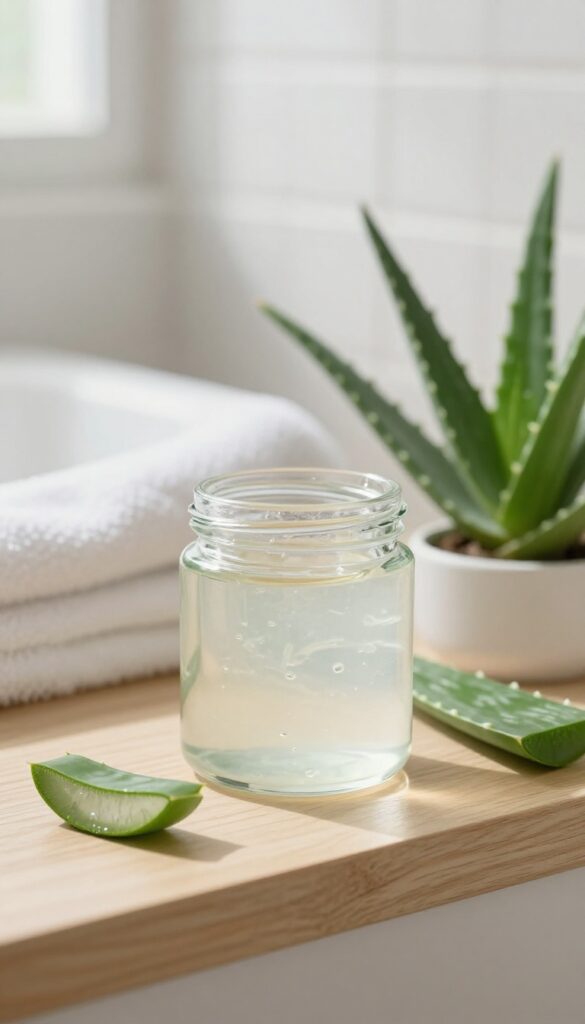
Sunburn happens. Even the most diligent sunscreen user can miss a spot or forget to reapply. When your skin feels hot, tight, and angry, you need something that cools and heals fast.
Pure aloe vera gel is that something.
Not all aloe is created equal. The green bottle from the drugstore often contains alcohol, artificial colors, and fillers that can sting and dry out already irritated skin. Look for a gel with 99% or higher pure aloe vera, preferably organic.
The difference is immediate: it absorbs quickly, soothes the burn, and leaves a light protective layer. Keep it in the fridge for an extra cooling kick. Apply generously after sun exposure or anytime your skin feels overheated.
It's also great for post-shave irritation or general redness.
What To Look For
Check the ingredient list. The first ingredient should be aloe barbadensis leaf juice, not water. Avoid gels with alcohol, parabens, or synthetic fragrances.
A clear gel with minimal ingredients is best. Brands like Seven Minerals or Amara Organics are solid choices.
How To Use It
After a shower, pat your skin dry and apply a thin layer to sun-exposed areas. Let it absorb for a minute before putting on clothes. For extra relief, store the bottle in the refrigerator.
You can also mix a few drops of lavender essential oil for added calming benefits.
Why It Works
Aloe vera contains antioxidants, enzymes, and vitamins A, C, and E. It hydrates, reduces inflammation, and promotes skin repair. Unlike heavy lotions, it doesn't trap heat, making it ideal for sun-damaged skin.
6. Coffee Scrub for Cellulite and Circulation
Coffee isn't just for waking you up in the morning—it can also wake up your skin. A good coffee scrub combines ground coffee with nourishing oils to exfoliate, boost circulation, and temporarily smooth out dimpled areas. It's like a morning jolt for your legs and bum.
This scrub uses finely ground coffee mixed with coconut oil and a touch of brown sugar for gentle exfoliation. The caffeine helps constrict blood vessels, which can reduce the appearance of cellulite for a few hours. Plus, the massage action during application stimulates lymphatic drainage and blood flow, leaving skin feeling firmer and more energized.
Why Caffeine Works
Caffeine is a vasoconstrictor, meaning it tightens blood vessels and reduces fluid retention. When applied topically, it can temporarily plump up the skin and minimize the look of dimples. The effect is short-lived, but it's a great pre-beach or pre-date trick.
How To Use It Right
Apply the scrub in the shower on damp skin, focusing on thighs, buttocks, and any areas with visible cellulite. Use circular motions and a bit of pressure for about two minutes. Rinse well, then follow with a moisturizer.
Use two to three times a week for best results.
What To Look For
Choose a scrub with finely ground coffee (not too coarse, or it will scratch) and natural oils like coconut, jojoba, or almond. Avoid products with microbeads or synthetic fragrances. A little goes a long way, so a jar should last a month or more.
7. Vitamin C Body Serum for Brightening
Your face gets all the brightening love, but your body deserves a glow-up too. Vitamin C body serums are lightweight formulas that sink in fast, targeting dark spots, uneven tone, and dullness on arms, legs, and chest. Think of it as a daily dose of radiance that works without feeling heavy or sticky.
A vitamin C body serum is like a shot of energy for your skin. It helps fade sun spots, post-acne marks, and general discoloration while boosting collagen for a firmer look. Most come in pump bottles for easy application, and they layer beautifully under moisturizer or SPF.
Why Vitamin C Works On Body Skin
Body skin is thicker and often more neglected than facial skin, but vitamin C is a powerhouse antioxidant that penetrates effectively. It neutralizes free radicals from sun exposure and pollution, which are major culprits behind uneven tone and premature aging. Regular use gradually brightens and smooths, especially on frequently exposed areas like shoulders and shins.
How To Use It Right
Apply after showering on slightly damp skin for better absorption. Start with a few pumps on each area, focusing on spots or discoloration. Follow with a moisturizer to lock it in, and never skip sunscreen during the day—vitamin C makes skin more sensitive to the sun.
Use it consistently for best results.
What To Look For
Stable forms like ascorbic acid or tetrahexyldecyl ascorbate work best. A concentration between 5% and 15% is effective without irritation. Pair it with vitamin E or ferulic acid for extra stability and benefits.
Avoid formulas with high alcohol content if your skin is dry.
8. Hydrating Body Mist for a Quick Refresh
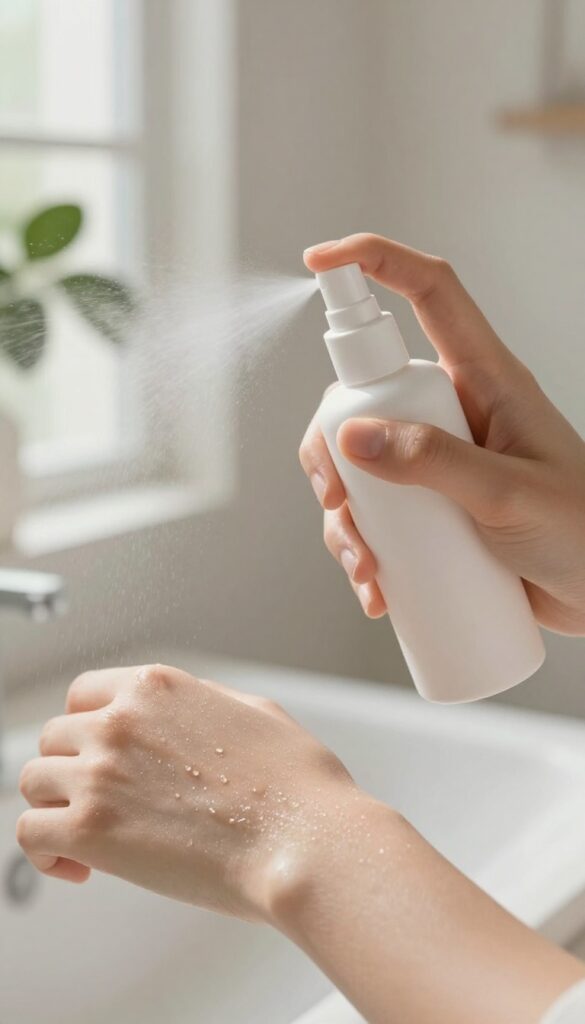
Dry skin doesn't stick to a schedule—it can feel tight and uncomfortable hours after you've moisturized. That's where a hydrating body mist comes in. Think of it as a splash of water that actually sinks in, thanks to ingredients like hyaluronic acid that pull moisture into your skin.
It's perfect for mid-day touch-ups, post-gym refreshment, or whenever your skin needs a drink without the heavy feel of lotion. Just a few spritzes and you're good to go.
A hydrating body mist is your secret weapon against that afternoon dryness slump. Unlike traditional lotions that can feel greasy or take time to absorb, a fine mist delivers instant hydration that dries down fast. Look for formulas with hyaluronic acid, glycerin, or aloe vera—they attract moisture and help your skin hold onto it.
Keep one in your bag, on your desk, or by your bedside for a quick pick-me-up any time of day.
Why Hyaluronic Acid Works
Hyaluronic acid is a humectant, meaning it draws water from the air into your skin. In a mist, it delivers lightweight hydration that doesn't clog pores or leave a sticky residue. It's especially helpful in dry climates or air-conditioned spaces where your skin loses moisture fast.
How To Use It Right
Hold the bottle about six inches from your skin and spritz in an X or Z pattern. Let it air-dry—no rubbing needed. You can layer it over makeup or sunscreen, and it works great as a setting spray for your body lotion.
For an extra cooling effect, pop it in the fridge.
What To Look For
Choose a mist with a fine nozzle for even coverage. Avoid alcohol-heavy formulas that can dry you out instead. Bonus points if it has a subtle scent—like cucumber or green tea—for a sensory lift without being overpowering.
9. Retinol Body Cream for Firmness
Retinol isn't just for your face—your body can benefit from it too. A retinol body cream works to smooth texture and boost firmness over time, especially on areas like arms, thighs, and stomach. It's a game-changer if you want firmer, more youthful-looking skin from neck to toe.
Encapsulated retinol is the star here. It releases slowly to minimize irritation while still delivering results. You'll notice smoother skin and a subtle lift after consistent use.
Pair it with a rich moisturizer to keep dryness at bay.
Why Encapsulated Retinol Matters
Encapsulation means the retinol is wrapped in a protective shell, so it penetrates deeper without causing redness or peeling. This makes it gentle enough for body skin, which can be more sensitive than you think.
Where To Apply For Best Results
Focus on areas prone to sagging or crepey texture: upper arms, thighs, and abdomen. Avoid broken skin or sensitive spots. Start with every other night, then build up as your skin adjusts.
What To Look For
Look for a cream that combines retinol with hydrating ingredients like shea butter or ceramides. SPF in the morning is a must since retinol increases sun sensitivity.
10. Salt Scrub for Rough Patches
Elbows, knees, and feet tend to get neglected, but they’re often the first places to show dryness and rough texture. A good salt scrub can make a noticeable difference in just one use. Coarse sea salt combined with nourishing almond oil exfoliates while it hydrates, leaving those stubborn areas soft and smooth.
This scrub is a powerhouse for targeting rough spots without stripping your skin. The salt granules are large enough to slough off dead skin cells effectively, while the almond oil sinks in to moisturize and soothe. Use it once or twice a week, and you’ll see a real improvement in texture and softness.
Why Coarse Sea Salt Works Best
Fine salts dissolve too quickly and don’t provide enough friction. Coarse sea salt stays intact longer, giving you that satisfying scrub that actually buffs away rough patches. It’s also rich in minerals like magnesium and calcium, which help support healthy skin function.
Almond Oil’s Moisturizing Boost
Almond oil is lightweight but deeply hydrating, making it perfect for post-scrub care. It’s packed with vitamin E and fatty acids that repair the skin barrier and lock in moisture. Unlike some oils, it won’t leave you greasy—just soft and nourished.
How To Use It Right
Apply the scrub to damp skin in the shower, focusing on elbows, knees, and feet. Use gentle circular motions for about a minute, then rinse thoroughly. Pat dry and follow with a rich lotion or body butter to seal in the benefits.
Avoid using on broken or irritated skin.
11. Niacinamide Body Lotion for Barrier Support
Your skin barrier works hard to keep moisture in and irritants out, but it can weaken over time. That's where niacinamide steps in. This multitasking ingredient strengthens the barrier, calms redness, and smooths texture without any greasy residue.
A body lotion with niacinamide is a simple swap that pays off fast.
Niacinamide is a form of vitamin B3 that does a lot more than hydrate. It boosts ceramide production, which helps your skin hold onto moisture longer. It also reduces inflammation, making it a great pick for anyone dealing with occasional redness or irritation from shaving, weather, or friction.
Over time, you'll notice a calmer, more even-looking complexion from neck to toe.
Why Niacinamide Works For Body Care
Unlike some active ingredients that can sting or cause sensitivity, niacinamide is gentle enough for daily use all over. It supports the skin's natural barrier function, so your body stays resilient against environmental stressors. Plus, it plays well with other ingredients like hyaluronic acid and ceramides, making it easy to layer.
What To Look For
Aim for a lotion with at least 2% niacinamide for visible results, but not so high that it feels tacky. Pair it with moisturizing bases like shea butter or glycerin to lock in hydration. Avoid formulas with heavy fragrances if your skin is reactive—niacinamide works best when the rest of the product is simple and soothing.
How To Add It To Your Routine
Apply the lotion right after a shower when your skin is still slightly damp. This helps seal in moisture and lets the niacinamide absorb better. Use it morning and night, especially on areas prone to dryness or irritation like elbows, knees, and the backs of your arms.
You'll start seeing a difference in about two weeks.
12. Squalane Body Oil for Sensitive Skin
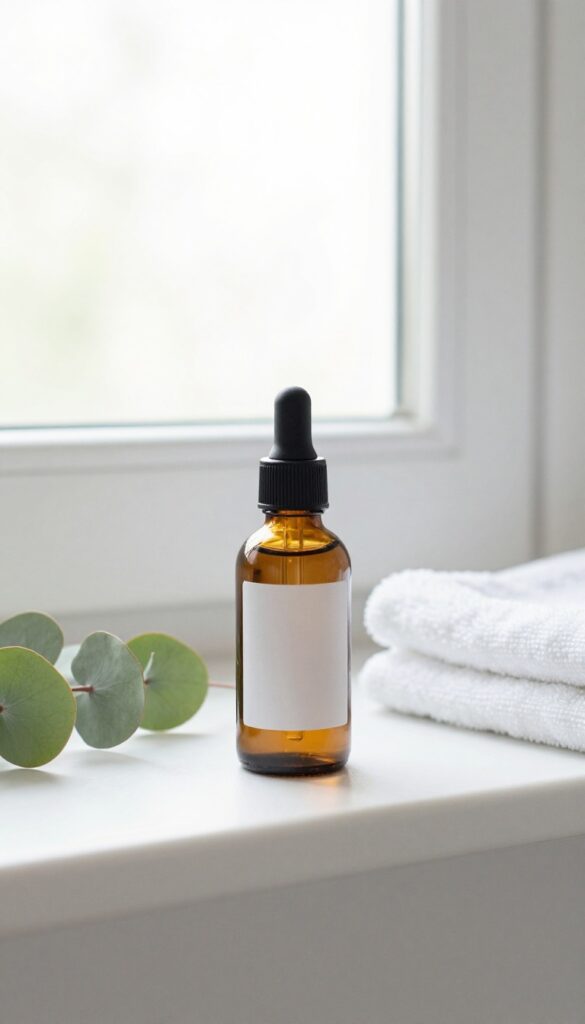
If your skin throws a fit every time you try a new lotion, squalane body oil might be your answer. This lightweight oil is non-comedogenic, so it won't clog pores, and it mimics your skin's natural sebum for easy absorption. It's a game-changer for reactive skin that just wants to feel calm and hydrated.
Why Squalane Works For Sensitive Skin
Squalane is a stabilized version of squalene, a lipid your skin naturally produces. It's incredibly gentle because it's already familiar to your skin, reducing the risk of irritation. Plus, it's non-comedogenic, meaning it won't cause breakouts—perfect for those with both sensitive and acne-prone skin.
How To Use It Right
Apply squalane oil right after a shower while your skin is still slightly damp. This locks in moisture without feeling greasy. A few drops go a long way, so start small and massage it in using upward strokes.
Use it alone or mix a drop into your regular lotion for an extra boost.
What To Look For
Go for 100% pure squalane derived from sugarcane or olives—these sources are sustainable and gentle. Avoid formulas with added fragrances or essential oils, which can trigger reactions. A simple, single-ingredient oil is your safest bet for reactive skin.
13. Charcoal Body Wash for Acne-Prone Skin
Body acne can be stubborn, especially on the back, chest, and shoulders. A charcoal body wash tackles that by pulling out impurities while salicylic acid exfoliates deep inside pores. It’s a one-step solution that leaves skin feeling clean without stripping it dry.
This body wash combines activated charcoal’s detox power with salicylic acid’s exfoliating action. The charcoal acts like a magnet, drawing out dirt, oil, and bacteria from pores. Meanwhile, salicylic acid gently loosens dead skin cells and unclogs follicles, preventing new breakouts from forming.
How It Works
Activated charcoal has a porous structure that traps impurities on contact. When you lather it over your body, it binds to excess oil and debris. Salicylic acid, a beta hydroxy acid, penetrates oil-filled pores to dissolve blockages and reduce inflammation.
Best Way To Use
Use it in the shower 3–4 times per week, focusing on problem areas like the back, chest, and shoulders. Let it sit for a minute before rinsing to let the ingredients sink in. Follow with a lightweight, non-comedogenic moisturizer to keep your skin barrier happy.
What To Look For
Check for a formula with at least 2% salicylic acid and real activated charcoal powder (not just color). Avoid harsh sulfates that can over-dry—gentle cleansers like cocamidopropyl betaine are better. A hint of tea tree oil or niacinamide adds extra antibacterial benefits.
14. Urea Cream for Cracked Heels
Cracked heels can be painful and stubborn. Regular lotions often aren't strong enough to soften the thick, dry skin. That's where high-concentration urea cream comes in—it's a game changer for rough feet.
Urea is a humectant that draws moisture into the skin while gently exfoliating dead, hardened layers. A 20% to 40% urea cream works fast to soften calluses and heal cracks. Apply it nightly after soaking your feet, then cover with cotton socks for deeper absorption.
Within a week, you'll notice smoother, less painful heels. Just avoid open wounds—it can sting.
Why Urea Works
Urea breaks down keratin, the protein that makes dead skin tough. It also holds water in the stratum corneum, so skin stays hydrated longer. This dual action makes it far more effective than basic moisturizers for severe dryness.
How To Use It Right
For best results, start with a foot soak in warm water for 10 minutes. Pat dry, then apply a generous layer of urea cream. Put on cotton socks to lock in moisture and prevent mess.
Do this nightly until cracks heal, then reduce to a few times a week.
What To Look For
Choose a cream with at least 20% urea for cracked heels. Avoid products with added fragrances or alcohol, which can irritate. A good pick is something like Flexitol Heel Balm or a generic pharmacy brand—just check the label.
15. SPF Body Sunscreen for Daily Protection
Sun protection isn't just for beach days. Daily UV exposure adds up, leading to premature aging and uneven skin tone. A lightweight, non-greasy SPF 50 body sunscreen that absorbs quickly and leaves no white cast makes it easy to protect your skin every morning.
Daily SPF is the most underrated body care step. It prevents sun damage, keeps skin looking youthful, and helps maintain an even complexion. The key is finding a formula you'll actually want to apply—one that feels like nothing on the skin.
Why Spf 50?
SPF 50 blocks about 98% of UVB rays, offering high protection without being overkill. It's the sweet spot for daily wear—strong enough for incidental exposure but not so heavy that it feels like a chore.
No White Cast, No Grease
Modern sunscreens use chemical filters or micronized minerals to disappear into skin. Look for terms like "invisible" or "sheer" on the label. A matte finish is a bonus if you hate that sticky feeling.
How To Make It A Habit
Keep your sunscreen next to your toothbrush or in your bag. Apply it after your morning shower on all exposed areas—arms, chest, legs, and the back of your hands. A quick 30-second step can save your skin years of damage.
16. Glycolic Acid Pads for Back and Chest
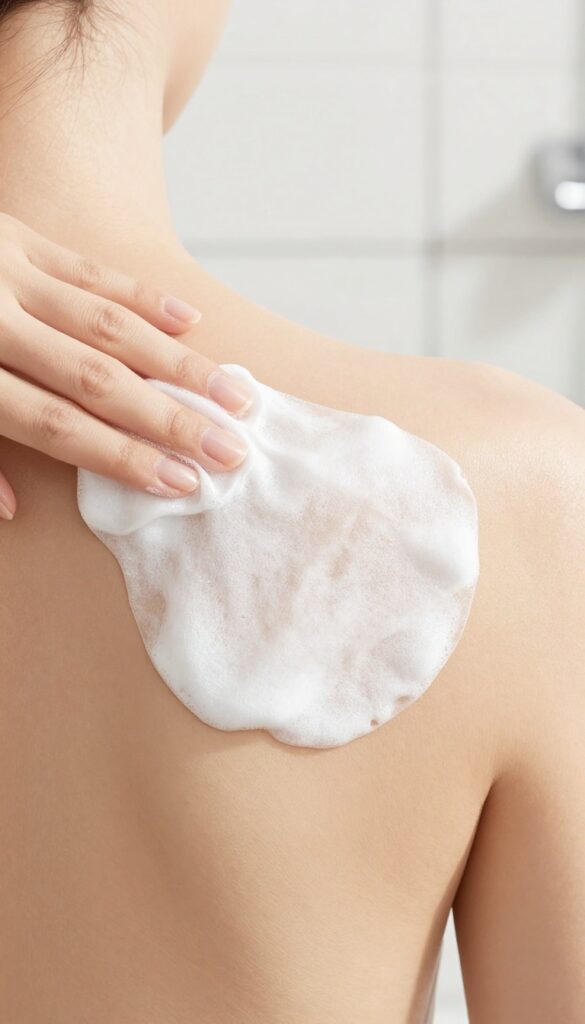
Body acne doesn't have to be a losing battle. Those hard-to-reach spots on your back and chest often get neglected because scrubbing them yourself is awkward. Glycolic acid pads solve that: they're pre-soaked, easy to swipe on, and deliver gentle exfoliation without the irritation of physical scrubs.
These little discs can make a big difference in keeping breakouts at bay and smoothing out rough patches.
Glycolic acid is an alpha hydroxy acid that works by dissolving the bonds between dead skin cells, helping them slough off naturally. This unclogs pores and prevents new breakouts from forming. Pads are especially handy because they let you treat those tricky areas without twisting into a pretzel.
Use them after showering on clean, dry skin—just swipe and let the acid do its thing. Start with 2–3 times a week to avoid over-exfoliating, then adjust as your skin gets used to it. Pair with a lightweight, non-comedogenic moisturizer to keep your skin barrier happy.
Why Pads Beat Scrubs
Physical exfoliants can aggravate active acne by spreading bacteria and causing micro-tears. Glycolic acid pads are chemical exfoliants, so they work without friction. They're also mess-free and portable—perfect for tossing in a gym bag or using after a workout.
How To Use Them Right
Stick to 2–3 times a week at first. Swipe a pad over your back, chest, and shoulders after cleansing. Let it dry completely before applying any lotion.
If you're new to acids, do a patch test first. And always use sunscreen on exposed areas the next day—glycolic acid makes skin more sensitive to the sun.
What To Look For
Choose pads with a concentration between 5% and 10% glycolic acid for body use. Avoid formulas with added alcohol or heavy fragrances that can irritate. Some pads come with soothing ingredients like aloe or niacinamide, which help calm redness and support skin recovery.
17. Coconut Oil Balm for All-Over Moisture
A single balm that works on lips, cuticles, elbows, and anywhere else that feels dry? Yes, please. Coconut oil balm combines the deep hydration of coconut oil with the protective barrier of beeswax, creating a multi-purpose moisturizer that's hard to beat.
It's simple, effective, and perfect for tossing in your bag or keeping by the bedside.
This balm is a true multitasker. Use it as a lip treatment, cuticle softener, or spot moisturizer for dry patches like knees and elbows. The coconut oil sinks in quickly, while beeswax locks in moisture without feeling greasy.
A little goes a long way, so one tin can last months.
Why It Works
Coconut oil is rich in fatty acids that nourish and repair skin, while beeswax creates a breathable seal to prevent moisture loss. Together, they soothe even the driest areas without irritating sensitive skin.
How To Use It
Warm a pea-sized amount between your fingers and apply to lips, cuticles, or any dry spot. For extra dry heels or elbows, apply a thicker layer before bed and let it work overnight.
What To Look For
Choose a balm with minimal ingredients—ideally just organic coconut oil and beeswax. Avoid added fragrances or preservatives if you have sensitive skin. A small glass jar is both eco-friendly and travel-friendly.
18. Epsom Salt Soak for Muscle Relief
After a tough workout or a long day on your feet, a warm bath with Epsom salt can feel like a reset button. These magnesium-rich crystals help soothe sore muscles while softening your skin. It's one of the simplest, most affordable ways to upgrade your body care routine.
Epsom salt isn't just for baths—it's a versatile muscle recovery tool. The magnesium sulfate absorbs through your skin, reducing inflammation and easing tension. Plus, it gently exfoliates, leaving your skin smooth without stripping moisture.
How It Works
Magnesium in Epsom salt helps regulate muscle function and reduce pain signals. When dissolved in warm water, it's absorbed through the skin, targeting sore spots directly. The warmth of the bath also increases blood flow, speeding up recovery.
Best Practices
Use about 2 cups of Epsom salt in a standard bathtub. Soak for 15–20 minutes—any longer and your skin might get too dry. Add a few drops of lavender essential oil for extra relaxation.
Rinse off with fresh water afterward to prevent residue.
Skin Benefits
Beyond muscle relief, Epsom salt softens rough patches like elbows and knees. The salts gently exfoliate, sloughing off dead skin cells. Your skin will feel smoother and look more radiant after just a few soaks.
19. Peptide Body Cream for Elasticity
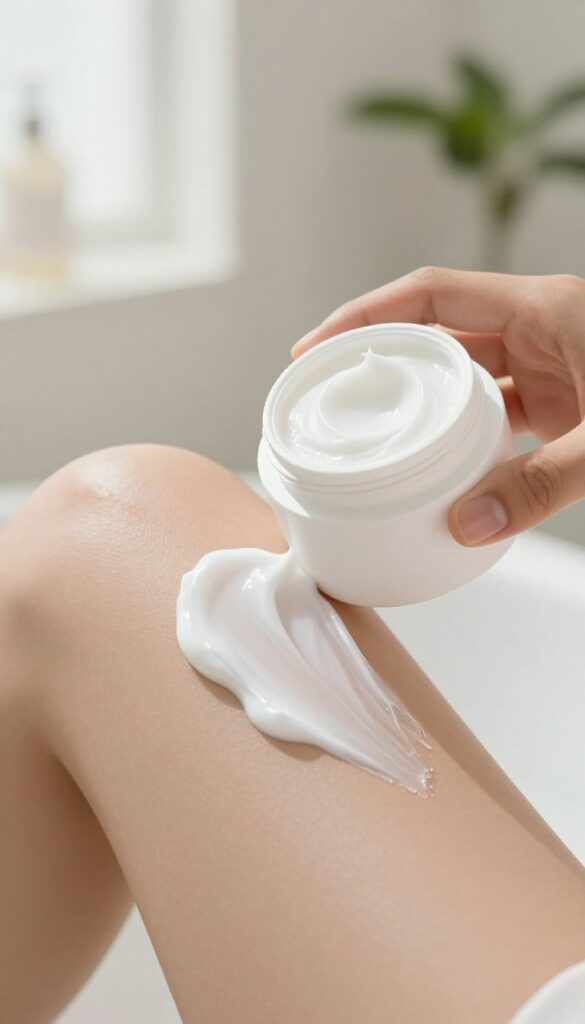
Ever notice how the skin on your body starts to lose its bounce over time? That's where a peptide body cream comes in. These formulas are packed with amino acid chains that signal your skin to produce more collagen and elastin, helping it stay firm and lifted.
It's like a protein shake for your skin.
How Peptides Work
Peptides are short chains of amino acids that act as messengers. When applied topically, they tell your skin cells to ramp up collagen production. More collagen means better elasticity and less sagging.
Look for ingredients like palmitoyl tripeptide-1 or copper peptides on the label.
What To Look For
A good peptide body cream should also contain antioxidants like vitamin C or E to protect against free radicals. Shea butter or ceramides add moisture, so your skin stays hydrated and plump. Avoid heavy fragrances if you have sensitive skin.
How To Use It
Apply it right after a shower when your skin is still slightly damp. Focus on areas that tend to lose elasticity first: upper arms, thighs, and stomach. Use it daily for best results.
A little goes a long way, so don't overdo it.
20. Tea Tree Oil Spray for Fungal Issues
Fungal problems like athlete's foot or toenail fungus are stubborn, but a targeted spray can make a big difference. Tea tree oil is a natural antifungal that's been used for centuries, and when it's in a convenient spray form, it's easy to apply exactly where you need it. This isn't a harsh chemical treatment—it's a gentler option that still packs a punch.
A tea tree oil spray is a simple, effective tool for managing fungal issues on the body. It's especially handy for athlete's foot, jock itch, or even small patches of ringworm. The spray format means you can reach tricky spots without making a mess, and it dries quickly so you can get dressed right after.
Look for a formula that's at least 5% tea tree oil and free of synthetic fragrances or dyes.
How It Works
Tea tree oil contains terpinen-4-ol, a compound that fights fungi and bacteria. When sprayed on affected skin, it penetrates the outer layers and disrupts the fungal cell membranes, stopping growth and reducing inflammation. Regular use can clear up mild infections and prevent them from coming back.
When To Use It
Apply the spray twice daily—once in the morning after your shower and once at night before bed. Focus on clean, dry skin for best results. It's also great as a preventive measure if you frequent gyms, pools, or locker rooms.
Just a quick spritz on your feet after a workout can keep fungal spores at bay.
What To Look For
Choose a spray with tea tree oil as the active ingredient, ideally combined with other soothing botanicals like aloe or chamomile. Avoid products with alcohol high on the ingredient list, as they can dry out skin and cause irritation. A good option will have a clear label stating the percentage of tea tree oil.
21. Shea Butter Stick for Targeted Hydration
Dry elbows, knees, and cuticles often get ignored in a rush to moisturize. A solid shea butter stick lets you treat those stubborn spots with precision. No mess, no greasy palms—just concentrated hydration exactly where you need it.
Shea butter is rich in vitamins A and E, which help repair dry, cracked skin. In stick form, it glides on smoothly and absorbs quickly without leaving a heavy residue. Keep one in your bag for on-the-spot relief throughout the day.
Why A Stick Works Better
Unlike lotions that drip or creams that require scooping, a stick is portable and mess-free. You can apply it directly without touching the product, making it hygienic and convenient for travel or quick touch-ups.
Where to Use It
Focus on areas that tend to get extra dry: elbows, knees, heels, and cuticles. The stick’s shape also makes it easy to reach small spots like the edges of your nails or the corners of your lips.
What To Look For
Choose a stick with pure shea butter as the first ingredient. Avoid added fragrances or essential oils if you have sensitive skin. Some sticks include complementary oils like coconut or jojoba for extra nourishment.
22. Hyaluronic Acid Body Gel for Oily Skin
Oily skin needs hydration too, but heavy creams can make things worse. That's where a hyaluronic acid body gel comes in—it delivers moisture without the greasy feel. This lightweight formula sinks in fast, leaving your skin soft and refreshed, not sticky or shiny.
Hyaluronic acid is a hydration powerhouse that pulls moisture into your skin. In a gel format, it provides that drink of water without adding any oil. Perfect for warmer months or if you just hate the feeling of lotion.
Your skin stays balanced, not suffocated.
Why Gel Beats Cream For Oily Skin
Gels are water-based and absorb quickly. They don't sit on top of the skin like creams can. This means you get hydration without clogging pores or triggering breakouts on your back, chest, or shoulders.
How To Use It Right
Apply right after a shower while your skin is still slightly damp. This locks in extra moisture. A little goes a long way, so start with a pea-sized amount per area.
You can layer it if needed.
What To Look For
Check for hyaluronic acid as a top ingredient. Avoid added oils or heavy silicones. A fragrance-free option is best if you have sensitive skin.
Some formulas also include niacinamide for extra oil control.
23. Oatmeal Bath Soak for Eczema Relief
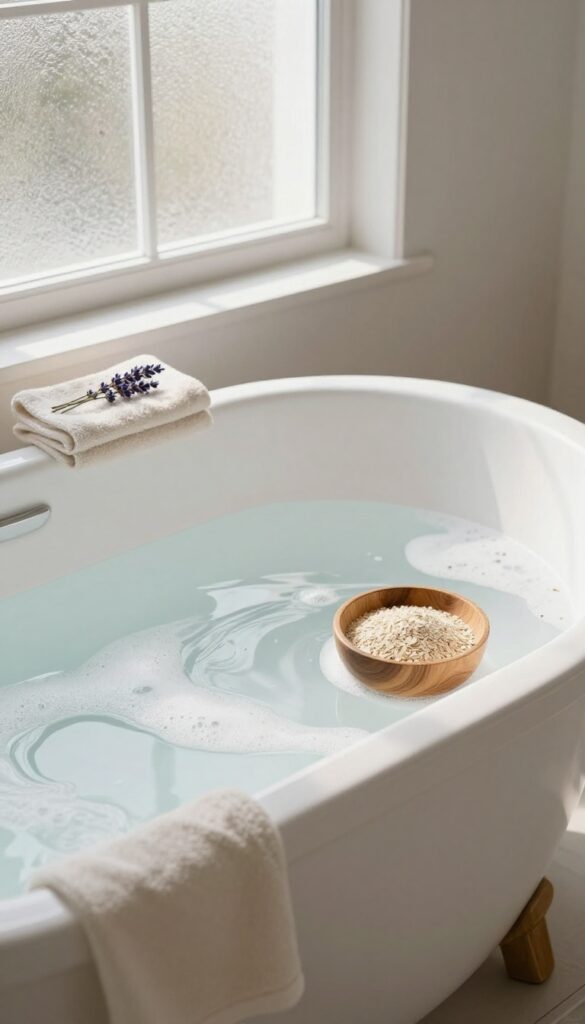
Eczema flare-ups can turn a relaxing bath into an itchy nightmare. But a simple soak with colloidal oatmeal can calm irritation and restore comfort. This isn't just folk remedy—it's backed by science and loved by dermatologists.
Colloidal oatmeal is finely ground oats that disperse in water, creating a milky, soothing bath. It forms a protective barrier on skin, locking in moisture while reducing inflammation. Perfect for dry, sensitive, or eczema-prone skin.
Adding this to your routine is like giving your skin a gentle hug. No harsh chemicals, just pure relief.
Oatmeal bath soaks are a game-changer for anyone dealing with eczema or dry, itchy skin. They're easy to use, affordable, and incredibly effective. Here's why they deserve a spot in your bathroom cabinet.
How It Works
Colloidal oatmeal contains compounds called avenanthramides, which have anti-inflammatory and antioxidant properties. When you soak, these compounds help calm redness and itching. The starches and beta-glucans also create a film that traps moisture and protects the skin barrier.
Best Way To Use It
Sprinkle a cup of colloidal oatmeal powder under warm running water as you fill the tub. Soak for 15–20 minutes—no longer, or skin can dry out. Pat dry gently with a towel and follow up with a fragrance-free moisturizer.
Repeat 2–3 times a week for best results.
What To Look For
Choose products labeled "100% colloidal oatmeal" with minimal additives. Avoid fragrances or dyes, which can irritate sensitive skin. Brands like Aveeno or generic store brands work well.
You can even make your own by grinding plain oats in a blender until fine.
FAQ
How often should I exfoliate my body?
It depends on your skin type and the exfoliant. For chemical exfoliants like AHAs, 2-3 times a week is plenty. Physical scrubs can be used once a week if your skin tolerates them.
Over-exfoliating can lead to irritation.
Can I use face products on my body?
Yes, but it's not always cost-effective. Body products are formulated for larger areas and often have lower concentrations of active ingredients. However, if you have a face product that didn't work for your face, it's fine to use on your body.
What's the best way to apply body oil?
Apply body oil right after a shower while your skin is still slightly damp. This locks in moisture and helps the oil spread more evenly. Pat dry gently afterward.
Do I need a separate sunscreen for my body?
Yes, especially if you spend time outdoors. Body sunscreens are often more affordable and come in larger sizes. Look for broad-spectrum SPF 30 or higher and reapply every two hours.
How can I treat keratosis pilaris on my arms?
Use a gentle chemical exfoliant with lactic acid or salicylic acid. Follow with a moisturizer containing urea or ceramides. Consistency is key—daily application can smooth bumps over time.
Conclusion
A great body care routine doesn't need to be complicated—just intentional. Start with one or two products that address your biggest skin concerns, and build from there.
Once you find what works, you'll look forward to those small rituals every day. Your skin will feel softer, look healthier, and you'll wonder why you didn't start sooner.