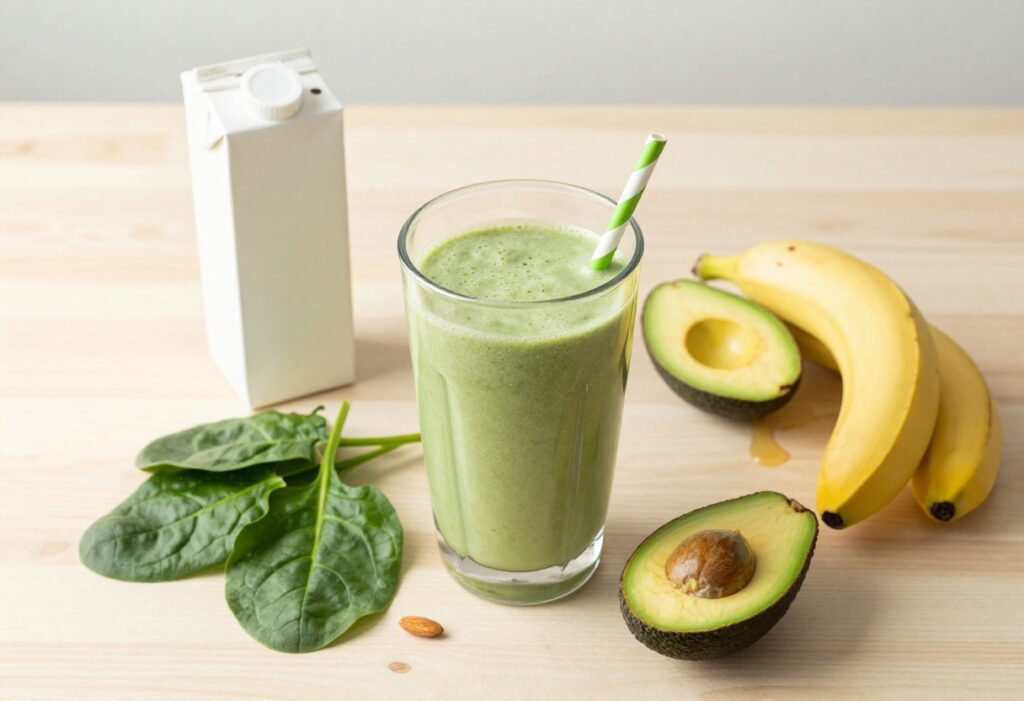
Picture this: it's 6 PM on a Tuesday, you're tired, and the fridge is full of ingredients but nothing is ready. You end up ordering takeout again. That's the exact chaos a good meal prep plan can fix.
Meal prep isn't about spending your entire Sunday in the kitchen or eating bland, identical meals every day. It's a flexible system that sets you up for a week of easier, faster, and more enjoyable cooking.
When you invest a couple of hours upfront, you save time, money, and mental energy. You'll make fewer impulse food purchases, waste less produce, and actually look forward to cooking because the hard part is already done.
Why Meal Prep Makes Your Week Easier
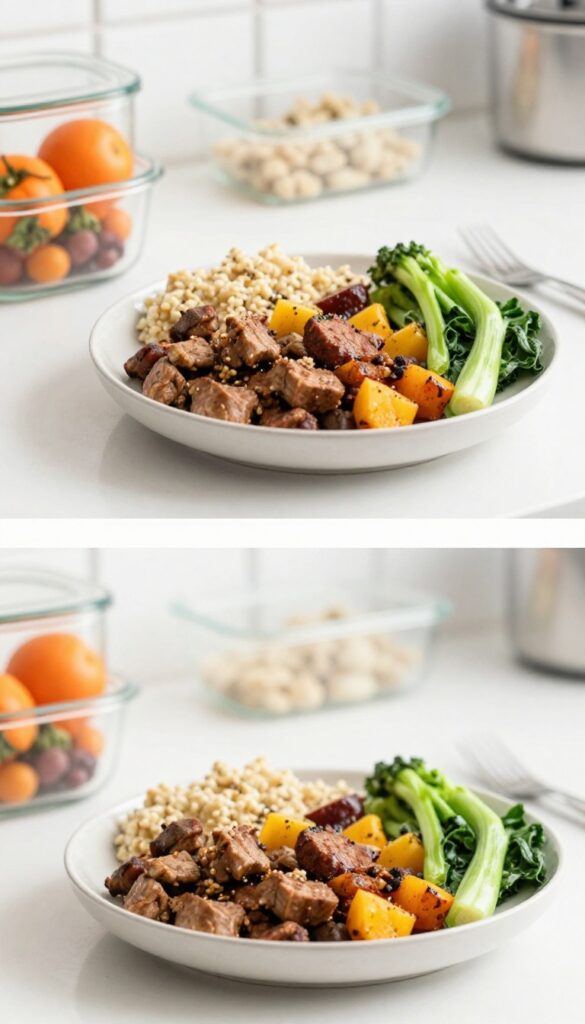
Imagine walking into your kitchen after a long day and knowing exactly what you're going to cook—no staring into the fridge, no last-minute takeout decisions. That's the magic of meal prep. It's not about spending your entire Sunday chained to the stove; it's about making small investments of time that pay off in convenience, sanity, and better eating all week long.
The biggest win? You save decision fatigue. Every time you choose what to eat, you use mental energy.
By deciding once for the whole week, you free up brainpower for things that actually matter. Plus, you'll notice less food waste because ingredients are already portioned and ready to use. That means more money in your pocket and less guilt about throwing away wilted herbs or forgotten leftovers.
Key Benefits at a Glance
- Saves decision fatigue: One planning session eliminates daily "what's for dinner?" stress.
- Reduces food waste: Prepped ingredients get used before they spoil.
- Helps with portion control: Pre-portioned containers make it easier to eat the right amounts.
- Frees up time during the week: Spend 1–2 hours on the weekend to reclaim 30–60 minutes each weeknight.
But let's address the elephant in the room: many people worry that meal prep means eating the same thing every day or being tied to a rigid schedule. The truth is, meal prep is flexible. You can prep just a few ingredients—like chopping veggies or cooking grains—and still have variety by mixing and matching.
It's a tool, not a straightjacket. Start small, and you'll find your own rhythm.
Step 1: Plan Your Week Like a Pro
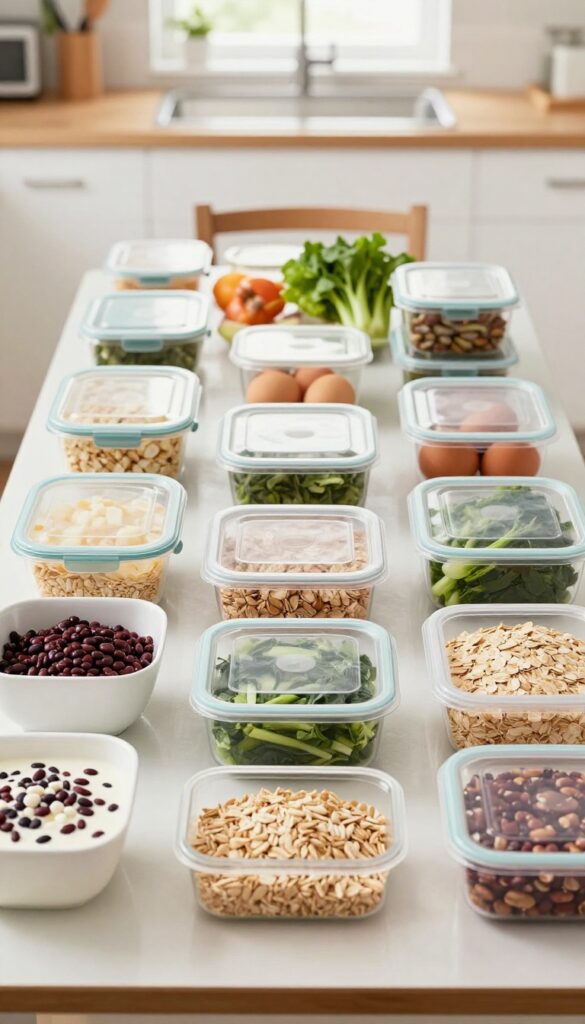
The secret to a smooth meal prep week isn't fancy kitchen gadgets—it's a solid plan. Taking 20 minutes to map out your meals saves hours of last-minute scrambling and helps you stick to your goals. Here's how to plan like a pro.
Choose Your Meals Wisely
- Include breakfasts and lunches if you want full-day coverage—overnight oats and grain bowls are easy.
- Check your calendar for busy nights and plan those as leftovers, slow cooker meals, or 15-minute dinners.
- Write down your plan on paper or a whiteboard. Studies show that writing increases follow-through.
Consider Your Schedule
Look at the week ahead. If Tuesday has back-to-back meetings, plan a meal that reheats well or can be assembled in minutes. If Friday is pizza night, build that into your plan so you don't feel deprived.
The goal is to match your cooking energy to your daily energy levels, not the other way around.
Keep it simple. Don't try to prep 7 different dinners—start with 3 or 4 and build from there. Overcomplicating is the number one reason people quit meal prep.
Remember: progress over perfection.
Step 2: Build a Smart Grocery List
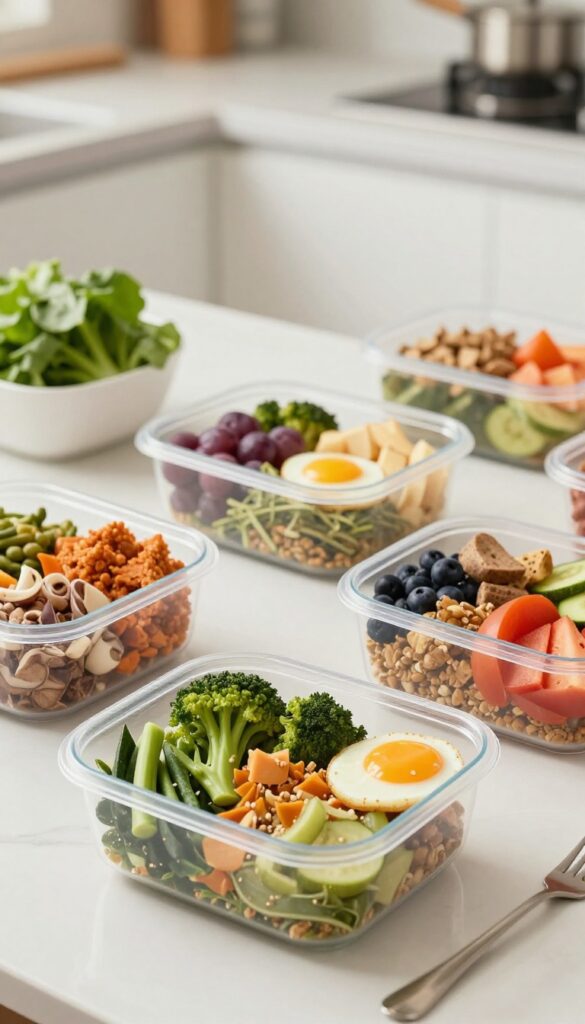
A smart grocery list is your best defense against impulse buys and forgotten staples. Instead of scribbling down random items, organize your list to match the layout of your usual store. This small step saves time and keeps you focused.
Start by checking your pantry, fridge, and freezer. Note what you already have—half-used jars, frozen veggies, leftover grains. This prevents overbuying and helps you plan meals around what needs to be used up.
Categorize by Store Layout
- Produce: spinach, bell peppers, onions, garlic
- Dairy: milk, Greek yogurt, shredded cheese
- Protein: chicken thighs, canned tuna, eggs
- Pantry: brown rice, canned tomatoes, olive oil
A categorized list also makes it easy to skip aisles you don't need. If you only need produce and dairy, you can breeze through the store in minutes.
Buy Versatile Staples
- Grains: rice, quinoa, oats
- Proteins: chicken, eggs, beans, tofu
- Vegetables: onions, carrots, bell peppers, spinach
- Sauces: soy sauce, salsa, vinaigrette
Stick to your list. If you see a tempting deal, ask yourself: Does this fit into my planned meals? If not, it's likely to end up in the back of the fridge.
For bulk buying, focus on non-perishables like rice, pasta, and canned goods. Buy fresh produce in quantities you'll actually use within the week.
Pro Tip
Keep a running list on your phone or a magnetic pad on the fridge. Add items as you run out so you're never starting from scratch.
Step 3: Batch Prep Your Ingredients
With your grocery list in hand and a fridge full of fresh ingredients, it’s time to tackle the most time-saving step: batch prepping. The goal is to do the heavy lifting all at once so you can grab and go during the week. Start with the tasks that take the longest, and work your way through each category.
Wash and Chop Vegetables
Vegetables are often the most time-consuming to prep, so get them done first. Wash and dry everything thoroughly—wet veggies spoil faster. Chop onions, bell peppers, carrots, and broccoli into uniform sizes for even cooking.
Store them in airtight containers lined with paper towels to absorb excess moisture.
Cook Grains and Proteins
While you chop, get grains and proteins cooking. A large batch of rice, quinoa, or pasta can be used in multiple meals throughout the week. For proteins, consider roasting a whole chicken, grilling several chicken breasts, or browning ground beef or turkey.
Cooked proteins should be cooled quickly and stored in shallow containers to prevent bacterial growth.
Mix Sauces and Dressings
Sauces and dressings are flavor shortcuts that make meals feel fresh. Whisk together a simple vinaigrette, a creamy yogurt dressing, or a quick marinara. Store them in jars or squeeze bottles for easy drizzling.
Having a couple of go-to sauces ready can transform plain grains and proteins into exciting meals.
Step 4: Store Everything for Success
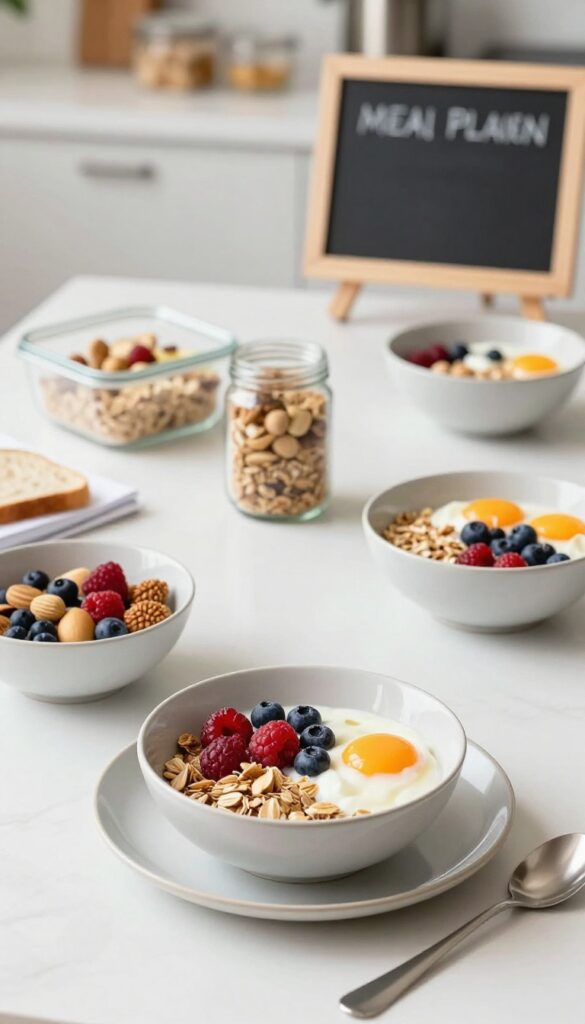
You've done the hard work of prepping. Now, proper storage keeps your ingredients fresh and ready to use all week. A little organization goes a long way.
Use the Right Containers
- Glass containers: Best for reheating leftovers and storing saucy dishes. They don't stain or absorb odors.
- Mason jars: Perfect for salads (dressing at the bottom, greens on top) and individual smoothie packs.
- Freezer bags: Ideal for soups, stews, sauces, and marinated meats. Lay flat to save space and defrost quickly.
- Bento-style containers: Great for portioning snacks or separating components of a meal.
Label and Date Everything
Even if you think you'll remember, label each container with the dish name and date. Use masking tape and a marker, or reusable labels. This small step prevents mystery containers and reduces food waste.
Organize Your Fridge and Freezer
- Group similar items together: proteins on one shelf, veggies on another, ready-to-eat meals at eye level.
- Use clear bins to corral small items like cheese, yogurt, or sauces.
- Keep a "eat first" bin for ingredients that spoil quickly, like fresh herbs or prepped greens.
- In the freezer, store items by category (e.g., soups, meats, veggies) and rotate older items to the front.
Pro Tip
Never put hot food directly into the fridge. Let it cool on the counter for 20–30 minutes first to avoid raising the fridge temperature and spoiling other items.
Step 5: Assemble Meals in Minutes
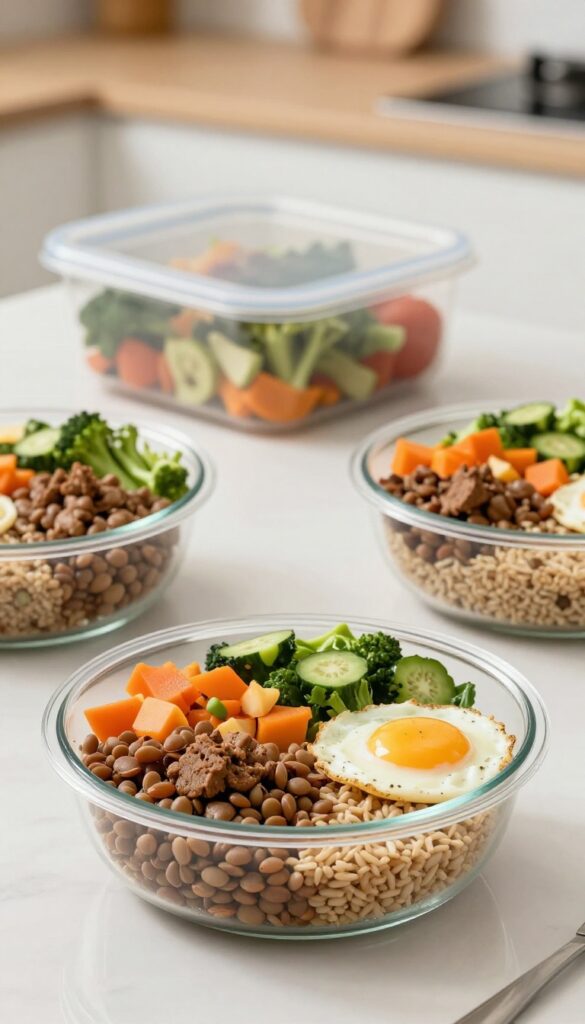
The hardest part is over. With your prepped ingredients ready to go, each meal becomes a simple mix-and-match puzzle. Follow a simple formula to get dinner on the table in 10 to 15 minutes flat.
Think of your prepped ingredients as building blocks. The classic formula is protein + vegetable + carbohydrate. You can combine them in endless ways.
For example, pair grilled chicken with roasted broccoli and quinoa for a balanced bowl. Or toss pre-cooked ground turkey with sautéed bell peppers and black beans for a quick taco filling. Another favorite: layer deli turkey, cheese, lettuce, and tomato on whole-wheat bread for a no-cook lunch.
Quick Assembly Ideas
- Buddha bowl: grain + protein + roasted veg + dressing
- Stir-fry: pre-chopped veg + protein + sauce, cooked in one pan
- Sheet pan meal: protein + veg + oil + seasoning, baked together
- Wraps or sandwiches: pre-sliced protein + veg + spread
- Salad jars: layer dressing, sturdy veg, protein, greens
Avoid Assembly Fatigue
Eating the same combinations every day gets boring fast. Keep variety by rotating proteins, sauces, and cooking methods. Use different seasoning blends—like Italian, Mexican, or Asian—to change the flavor profile without extra work.
You can also swap the carb: one day rice, the next sweet potato, then quinoa.
Don't Forget to Season
Even with prepped ingredients, a pinch of salt, a squeeze of lemon, or a drizzle of olive oil can elevate the final dish. Taste before serving and adjust as needed.
Step 6: Handle Leftovers and Variety
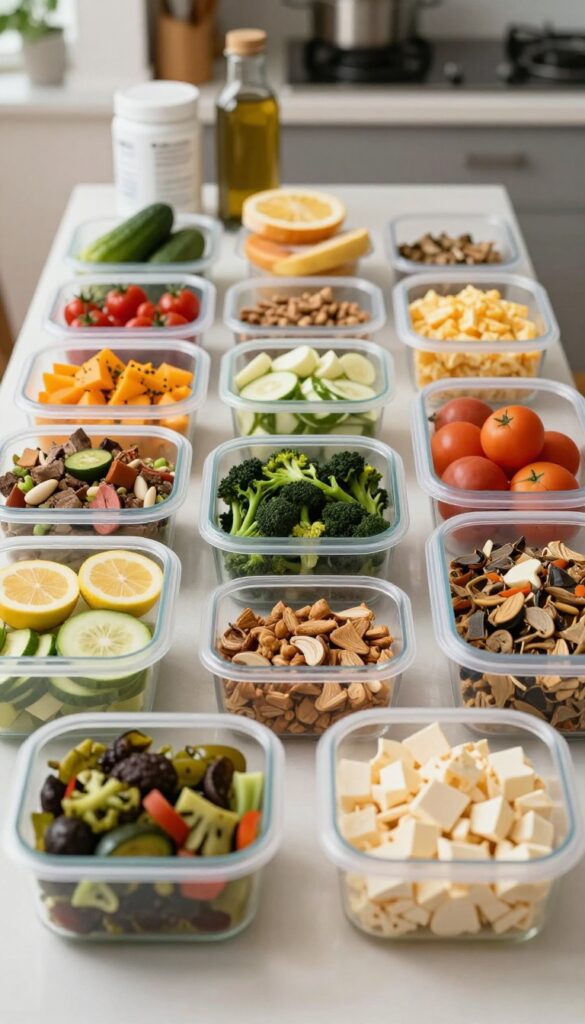
Even the best meal prep can feel monotonous if you're eating the same thing every day. The key is to treat leftovers as a starting point, not a sentence. With a little creativity, you can transform them into entirely new meals and avoid food fatigue.
Repurpose Leftovers into New Meals
Instead of reheating the same plate, think of your prepped components as building blocks. For example, roasted vegetables can become a frittata, a grain bowl topping, or a pasta sauce. Grilled chicken can be shredded into tacos, added to a salad, or mixed into a stir-fry.
Cooked grains like rice or quinoa can be turned into fried rice, stuffed peppers, or a warm breakfast porridge.
Creative Ways to Reuse Ingredients
- Leftover roasted veggies → blend into soup or use as pizza topping.
- Extra cooked protein → shred for sandwiches, wraps, or casseroles.
- Cooked grains → make grain bowls, arancini, or add to soups.
- Sautéed greens → fold into omelets, quesadillas, or pasta.
- Extra sauce or dressing → use as a marinade or dip.
Freeze Portions for Later
If you've prepped more than you can eat in a week, freeze individual portions in airtight containers or freezer bags. Label them with the date and contents. Soups, stews, chili, and cooked grains freeze particularly well.
Having a stash of ready-to-heat meals means you'll always have a homemade option on busy nights.
Schedule a 'Use It Up' Night
Set aside one night each week—often the night before your next prep day—to use up any remaining leftovers. This could be a 'kitchen sink' stir-fry, a frittata, or a loaded salad. It reduces waste, clears fridge space, and forces creativity.
Plus, it's a fun challenge to see what you can create.
How to Avoid Food Fatigue
Variety doesn't mean cooking everything from scratch every day. Simple swaps can keep meals interesting: switch up your spices, try a different cooking method (e.g., roast instead of sauté), or change the format (e.g., wrap instead of bowl). Also, rotate your go-to recipes every few weeks so you don't get bored.
Remember, meal prep is a tool to make your life easier—not a rigid system that leaves you eating the same meal seven days in a row.
Common Meal Prep Hurdles and How to Overcome Them
Even with the best intentions, meal prep can hit some bumps. The key is to expect these challenges and have simple workarounds ready. Here are the most common hurdles and practical ways to get past them.
Lack of Time
If you're short on time, start small. Dedicate just 30 minutes to prep one or two ingredients, like chopping onions or cooking a batch of rice. Over time, you can build up to longer sessions.
Another trick: prep while you're already in the kitchen cooking dinner—multitask by washing and chopping veggies for the next day.
Boredom with Meals
Eating the same thing every day can get old fast. Combat boredom by prepping versatile base ingredients that can be used in different ways throughout the week. For example, cook a large batch of chicken breast, then use it in salads, wraps, stir-fries, and pasta dishes.
Also, vary your sauces and seasonings to keep flavors fresh.
Food Spoiling Too Fast
Nothing is more frustrating than throwing away spoiled food. To extend freshness, invest in airtight containers and learn which produce lasts longer when stored properly. Leafy greens stay crisp longer with a paper towel in the container, and berries last if you wash them just before eating.
Also, freeze anything you won't eat within 3-4 days.
Family Not Cooperating
When your family isn't on board, meal prep can feel like a solo mission. Start by involving them in the planning—let each person pick one meal for the week. You can also prep components that everyone can customize, like a taco bar or a baked potato bar.
And remember, you don't have to prep every meal; just focus on making your own lunches or breakfasts easier.
Encouragement to Start Small
You don't have to overhaul your entire routine overnight. Pick one hurdle to tackle this week and try one small solution. Even prepping just one ingredient can save you time and stress.
Progress, not perfection, is the goal.
FAQ
How long does meal prep take?
Most people spend 1.5 to 3 hours on a Sunday or whatever day works for them. The time depends on how many meals you're prepping and how complex the recipes are. Start with 2 hours and adjust as you get faster.
Can I meal prep if I have a small fridge?
Absolutely. Focus on prepping ingredients rather than full meals. Use stackable containers and clear out old food before you start.
You can also freeze some prepped items to save space.
What are the best containers for meal prep?
Glass containers with airtight lids are great for reheating and durability. For salads, use wide-mouth mason jars. For soups and sauces, freezer-safe bags or plastic containers work well.
Choose BPA-free options.
How do I keep vegetables from getting soggy?
Store wet vegetables like cucumbers and tomatoes separately from dry ingredients. Use paper towels in containers to absorb moisture. For salads, keep dressing separate until serving.
Blanching vegetables before storing can also help them stay crisp.
Is it safe to eat prepped food after 5 days?
Most cooked foods are safe for 3-4 days in the fridge. If you want to prep for a full week, freeze portions for days 5-7. Always check for off smells or textures before eating.
When in doubt, throw it out.
Conclusion
Meal prep doesn't have to be an all-or-nothing commitment. Start small: maybe just prep your vegetables for the week, or cook a double batch of rice. The goal is to make your cooking week smoother, not to add another chore.
As you get comfortable, you can expand your routine. Remember, the best meal prep plan is the one you'll actually stick with. Give yourself grace if you skip a week or order pizza.

Dr. Pallab Kishore, MS in Orthodontics and owner of Orthodontic Braces Care, shares expert tips on braces, aligners, and oral health from 10+ years of experience.