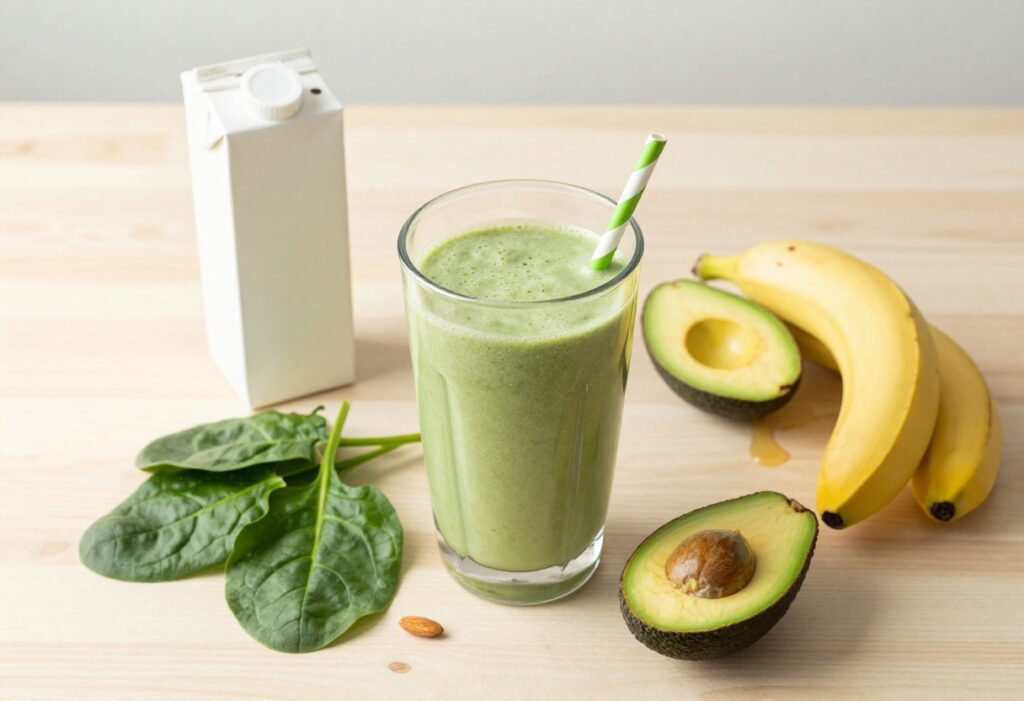
A liquid diet is often prescribed for medical reasons, such as before or after surgery, during digestive flare-ups, or as a transition from fasting. While it may sound restrictive, a well-planned liquid diet can provide essential nutrients and keep you satisfied.
This guide will walk you through the types of liquid diets, what foods are allowed, sample meal plans, and tips to make the experience easier. Whether you're on a clear liquid diet for a short time or a full liquid diet for longer recovery, knowing what to eat can reduce stress and help you heal.
The key is to focus on nutrient-dense options and stay hydrated.
What Is a Liquid Diet and Why Is It Used?
A liquid diet consists of foods that are liquid or become liquid at room temperature. It is typically prescribed for medical reasons, such as before or after surgery, during digestive flare-ups, or as a transition from tube feeding to solid foods. Understanding the purpose and types of liquid diets helps you follow them safely and effectively.
Definition of a Liquid Diet
A liquid diet includes only liquids or foods that turn into liquid at room temperature, like broth, juice, gelatin, and smoothies. It gives your digestive system a rest while still providing fluids and some nutrients. There are two main types: clear liquid and full liquid diets.
Common Medical Uses
- Before certain medical tests or procedures (e.g., colonoscopy)
- After surgery, especially on the digestive tract
- During acute phases of digestive disorders like Crohn’s disease or diverticulitis
- As a transition from intravenous or tube feeding to solid foods
- For short-term weight loss under medical supervision
Clear vs. Full Liquid Diets
A clear liquid diet includes only transparent liquids that leave little residue, such as water, clear broth, apple juice, and gelatin. It is low in calories and nutrients and is usually used for short periods. A full liquid diet includes all clear liquids plus opaque or thicker liquids like milk, yogurt, smoothies, and strained soups.
It provides more calories and protein, making it suitable for longer use.
Purpose of a Liquid Diet
The primary purpose is to rest the digestive system while maintaining hydration and providing basic nutrition. It can also help reduce inflammation, prepare the bowel for procedures, or ease the transition back to eating. Always follow your healthcare provider’s guidance, as liquid diets are not meant for long-term use without medical supervision.
Important: Liquid diets should only be followed under medical advice, especially if you have underlying health conditions or are taking medications. They are not intended for unsupervised weight loss.
Clear Liquid Diet: Allowed Foods and Sample Menu
A clear liquid diet consists of transparent liquids that are easily digested and leave no residue in your digestive tract. It is often prescribed before medical procedures, after certain surgeries, or during acute digestive episodes. The primary goals are to maintain hydration, provide minimal energy, and give your gastrointestinal system a complete rest.
Allowed Foods on a Clear Liquid Diet
The following foods are generally permitted, as long as they are clear and free of pulp, solid bits, or dairy.
Clear Liquid Diet: Allowed vs. Avoid
| Category | Allowed | Avoid |
| Broths | Clear chicken, beef, or vegetable broth; consommé | Cream-based soups, soups with noodles or vegetables |
| Fruit Juices | Clear apple, white grape, cranberry juice (no pulp) | Orange juice, grapefruit juice, prune juice, any juice with pulp |
| Gelatin | Plain or fruit-flavored gelatin (Jell-O) | Gelatin with fruit pieces, whipped cream, or pudding |
| Popsicles | Clear fruit-flavored popsicles (no fruit pieces) | Creamy popsicles, popsicles with milk or yogurt |
| Beverages | Water, clear tea, black coffee, clear sports drinks, clear soda | Milk, cream, non-dairy milks, smoothies, alcoholic beverages |
| Sweeteners | Sugar, honey, clear syrups (e.g., simple syrup) | Nut butters, jam, chocolate syrup |
Sample One-Day Clear Liquid Menu
This sample menu provides approximately 800–1,000 calories and adequate fluids. Adjust portion sizes based on your tolerance and medical guidance.
Sample One-Day Clear Liquid Menu
| Meal | Food/Drink | Portion |
| Breakfast | Clear apple juice, black coffee or clear tea, gelatin | 1 cup juice, 1 cup coffee/tea, ½ cup gelatin |
| Morning Snack | Clear sports drink or water | 1 cup |
| Lunch | Clear chicken broth, clear grape juice, gelatin | 1 cup broth, 1 cup juice, ½ cup gelatin |
| Afternoon Snack | Clear popsicle, water | 1 popsicle, 1 cup water |
| Dinner | Clear beef broth, white grape juice, gelatin | 1 cup broth, 1 cup juice, ½ cup gelatin |
| Evening Snack | Clear tea with honey, water | 1 cup tea, 1 cup water |
Hydration Reminder
Sip fluids slowly throughout the day. Aim for at least 8–10 cups (64–80 ounces) of total fluid, including broths, juices, and gelatin. Clear liquids are mostly water, so staying hydrated is key.
What to Avoid on a Clear Liquid Diet
To ensure the diet is truly clear and residue-free, steer clear of the following:
- Dairy products (milk, cream, yogurt, ice cream)
- Juices with pulp (orange, grapefruit, prune)
- Solid foods (even soft ones like applesauce or mashed potatoes)
- Alcoholic beverages
- Creamy or thick soups
- Any beverage with added fiber, protein, or fat
Important Note
A clear liquid diet is not nutritionally complete and should only be followed under medical supervision, typically for short periods (1–3 days). Do not start this diet without your healthcare provider's approval.
Full Liquid Diet: Allowed Foods and Sample Menu
Once your healthcare provider clears you to move from clear liquids, the full liquid diet offers more variety and nutrition. This stage includes foods that are liquid at room temperature but can be thicker and creamier. It's designed to provide more calories, protein, and essential nutrients while still being easy to digest.
Allowed Foods on a Full Liquid Diet
| Dairy | Milk, buttermilk, yogurt (plain or flavored, no chunks), kefir, cottage cheese (pureed), cream, ice cream, custard, pudding |
| Soups | Creamy soups (strained, no chunks), broth-based soups with pureed vegetables, tomato soup, butternut squash soup |
| Beverages | Fruit juices (no pulp), vegetable juices, smoothies (strained if needed), protein shakes, milkshakes, meal replacement drinks |
| Grains | Cooked refined cereals like cream of wheat, cream of rice, grits (thinned with milk or water), thinned oatmeal (strained) |
| Fruits & Vegetables | Pureed fruits (applesauce, mashed bananas), fruit nectars, vegetable purees, avocado puree, thinned hummus |
| Protein | Pureed meats or poultry (thinned with broth), scrambled eggs (thinned), tofu (silken, blended), nut butters (thinned), protein powders |
| Fats & Oils | Butter, margarine, oil, cream, sour cream, mayonnaise (all thinned as needed) |
| Desserts & Sweets | Gelatin, sherbet, sorbet, smooth puddings, custards, ice cream, milkshakes, honey, syrup, sugar |
Sample One-Day Full Liquid Menu
| Breakfast | 1 cup cream of wheat made with whole milk, 1/2 cup smooth yogurt, 1/2 cup apple juice |
| Morning Snack | 1 cup protein shake (vanilla or chocolate), 1/2 cup pureed peaches |
| Lunch | 1 cup creamy tomato soup (strained), 1/2 cup thinned hummus, 1 cup milk |
| Afternoon Snack | 1 cup smoothie (banana, milk, protein powder), 1/2 cup vanilla pudding |
| Dinner | 1 cup pureed chicken with broth, 1/2 cup mashed sweet potato (thinned), 1/2 cup cooked carrots (pureed) |
| Evening Snack | 1 cup warm milk with honey, 1/2 cup ice cream |
Adding Protein and Calories
To prevent muscle loss and maintain energy, aim for 60-80 grams of protein and 1,500-2,000 calories per day. Boost protein by adding unflavored protein powder, powdered milk, or pureed tofu to soups, smoothies, and cereals. Increase calories with healthy fats like avocado, nut butters, olive oil, or cream.
Nutritional supplement drinks (e.g., Ensure, Boost) can also help fill gaps.
Tips for Staying Nourished on a Liquid Diet
Keeping your body fueled with essential nutrients is key when you're on a liquid diet. Without solid foods, it's easy to miss out on protein, vitamins, and minerals. These tips will help you stay nourished, hydrated, and satisfied.
Protein Intake
- Add unflavored protein powder to broths, soups, or smoothies to boost protein without changing taste.
- Use collagen peptides—they dissolve easily in hot or cold liquids and support skin and joint health.
- Include Greek yogurt (if allowed on full liquid), thinned with milk or water, for a protein-rich drink.
- Try silken tofu blended into fruit smoothies or savory purees for a creamy protein source.
Vitamins and Minerals
- Blend cooked vegetables like carrots, spinach, or zucchini into soups or smoothies for added vitamins.
- Use a high-quality multivitamin or liquid vitamin supplement if your diet lasts more than a few days.
- Incorporate pureed fruits like bananas, avocados, or cooked apples for potassium and fiber.
- Consider bone broth for minerals like calcium, magnesium, and phosphorus.
Hydration
- Drink water consistently throughout the day—aim for at least 8–10 cups unless your doctor advises otherwise.
- Include electrolyte-rich fluids like coconut water, clear broths, or oral rehydration solutions to maintain balance.
- Avoid excessive caffeine or sugary drinks, which can dehydrate or cause energy crashes.
- Set a hydration schedule: sip a small cup every hour to stay on track.
Flavor Variety
- Season broths and purees with herbs like basil, thyme, or ginger to keep meals interesting.
- Try different fruit combinations in smoothies—berry-mango, banana-cocoa, or peach-ginger.
- Add a splash of lemon or lime juice to brighten flavors without extra sugar.
- Experiment with warm spiced drinks like turmeric milk or cinnamon tea for comfort and variety.
A Note on Electrolytes
When you're on a liquid diet, especially a clear liquid diet, you may lose electrolytes more quickly. Include a pinch of salt in broths or choose electrolyte powders without added sugar to help maintain proper nerve and muscle function.
Managing Hunger and Cravings
Hunger and cravings are common challenges on a liquid diet, especially during the first few days. Your body is used to the volume and texture of solid food, so adjusting to liquids can feel unsatisfying at first. The key is to work with your body's signals rather than against them.
Here are practical strategies to help you feel fuller and more comfortable.
One of the most effective ways to manage hunger is to eat small, frequent meals throughout the day. Instead of three large liquid meals, aim for 6 to 8 smaller portions spaced every 2 to 3 hours. This keeps your stomach partially filled and prevents blood sugar dips that can trigger cravings.
For example, you might have a cup of broth at 8 a.m., a smoothie at 10 a.m., a bowl of thinned soup at noon, and so on.
Warm Liquids for Satiety
- Sip warm broths, consommés, or thinned vegetable soups slowly, like you would a cup of tea.
- Herbal teas (like chamomile, peppermint, or ginger) can help calm hunger pangs and add variety.
- Warm, diluted fruit juices (like apple or pear) can feel more like a meal than a cold drink.
Flavorful Broths and Soups
- Add a bay leaf, thyme sprig, or garlic clove to simmering broth, then strain before drinking.
- Season with a pinch of turmeric, ginger, or cumin for warmth and depth.
- A squeeze of lemon or lime can brighten the flavor and make it more refreshing.
Sip Slowly
Gulping liquids can lead to bloating and discomfort, and it doesn't give your stomach time to signal fullness. Take small sips over 15–20 minutes per serving. Put your cup down between sips and focus on the taste and temperature.
This mindful approach can reduce the urge to eat more.
Distraction Techniques
- Go for a short walk or do gentle stretching (if your doctor approves).
- Call a friend, listen to a podcast, or watch a show that engages your mind.
- Keep your hands busy with a hobby like knitting, coloring, or sorting photos.
- Practice deep breathing or meditation for 5 minutes when cravings hit.
Remember that hunger and cravings are temporary. Your body will adapt to the liquid diet within a few days. If you feel extreme hunger or dizziness, contact your healthcare provider—it may be a sign that your liquid diet needs adjustment.
Stay hydrated, stick to your schedule, and be kind to yourself during this transition.
Transitioning Back to Solid Foods
After following a liquid diet, it's important to reintroduce solid foods gradually to avoid digestive upset and ensure your body adjusts comfortably. This phase requires patience and attention to how you feel.
Start with soft, easy-to-digest foods. These are gentle on the stomach and help your digestive system ease back into processing solids. Examples include:
- Mashed potatoes or sweet potatoes
- Well-cooked oatmeal or cream of wheat
- Scrambled eggs or egg salad
- Ripe bananas or applesauce
- Yogurt (plain or low-sugar)
- Cottage cheese or ricotta
- Soft, flaked fish or finely shredded chicken
- Cooked vegetables like carrots, zucchini, or spinach (mashed or pureed)
- Tofu or well-cooked legumes (mashed)
Introduce one new food at a time. This allows you to identify any foods that cause discomfort, bloating, or other reactions. Wait at least 24 hours before adding another new food.
Keep a simple food journal to track what you eat and how you feel.
Signs to Slow Down
- Feeling overly full or bloated after a small portion
- Nausea or stomach cramps
- Gas or indigestion
- Constipation or diarrhea
- Fatigue or discomfort after eating
If you experience any of these signs, go back to a softer or liquid meal for a day or two, then try again with a smaller portion. Your body is giving you feedback—listen to it. Rushing the process can lead to setbacks, so take it slow.
Important
Always follow your healthcare provider's specific guidelines for transitioning off a liquid diet, especially after surgery or for medical conditions. This general advice is not a substitute for professional medical guidance.
FAQ
How long can you stay on a liquid diet?
The duration depends on the reason for the diet. Clear liquid diets are typically only for 1-2 days, while full liquid diets may last longer, sometimes up to a few weeks. Always follow your doctor's advice.
Can you drink coffee on a liquid diet?
On a clear liquid diet, black coffee (no cream or milk) is usually allowed. On a full liquid diet, you can have coffee with milk or cream. Avoid any solid additives.
Is a liquid diet safe for weight loss?
Liquid diets are not recommended for long-term weight loss without medical supervision. They are typically used for short-term medical purposes. For weight loss, consult a healthcare professional for a balanced plan.
What can I eat on a full liquid diet?
Full liquid diets include all clear liquids plus smoothies, creamy soups, milk, yogurt (without chunks), pudding, custard, and nutritional supplements. All foods must be liquid or semi-liquid at room temperature.
Can I have protein shakes on a clear liquid diet?
Most protein shakes contain milk or powder that may not be allowed on a clear liquid diet. Check with your doctor. Some clear protein powders (like collagen or clear whey isolate) may be acceptable.
Conclusion
A liquid diet doesn't have to be bland or difficult. With the right foods and a little planning, you can stay nourished and comfortable while your body heals. Remember to prioritize hydration, include protein and vitamins, and listen to your body's signals.
Always work closely with your healthcare team to ensure the diet meets your specific needs. When it's time to transition back to solids, take it slow and start with soft, easy-to-digest foods. Your body will thank you.

Dr. Pallab Kishore, MS in Orthodontics and owner of Orthodontic Braces Care, shares expert tips on braces, aligners, and oral health from 10+ years of experience.