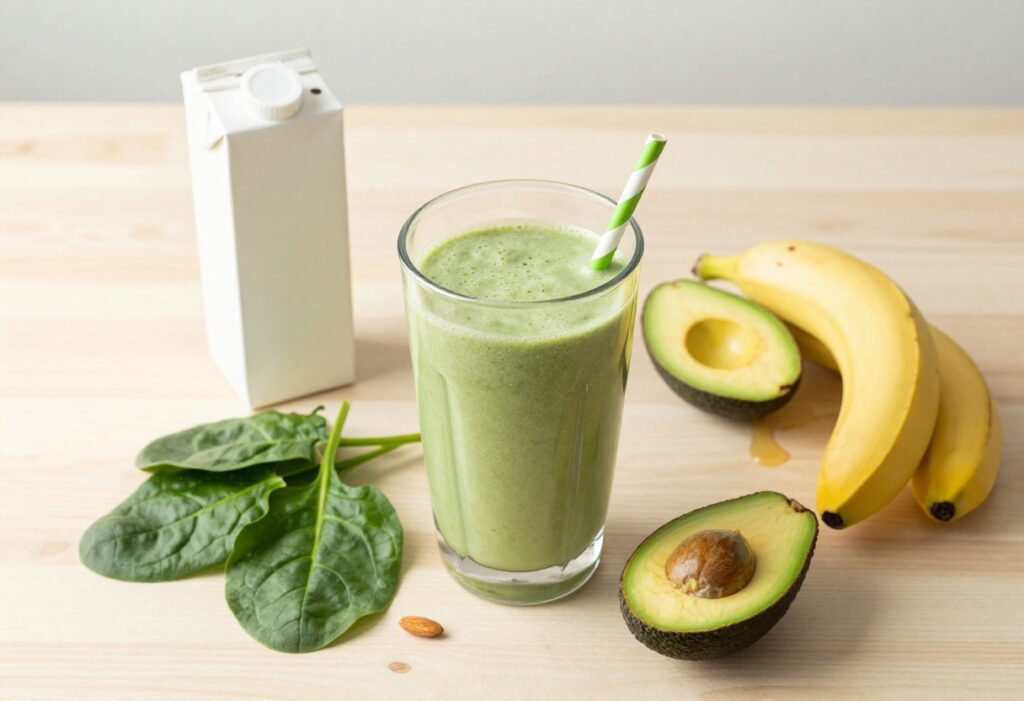
Living with irritable bowel syndrome (IBS) can make mealtime feel like a minefield. The wrong food can trigger bloating, cramping, or discomfort, turning a simple meal into a stressful event. But with a thoughtful approach, you can create a diet that soothes your gut rather than aggravates it.
This guide is designed to help you build a gentle meal plan that works for your unique body. We'll cover the basics of an IBS-friendly diet, share practical tips for everyday eating, and provide a sample week of meals to get you started. The goal is not restriction, but nourishment—finding foods that make you feel good.
Remember, everyone's IBS is different. What works for one person may not work for another.
What Is IBS and How Diet Helps
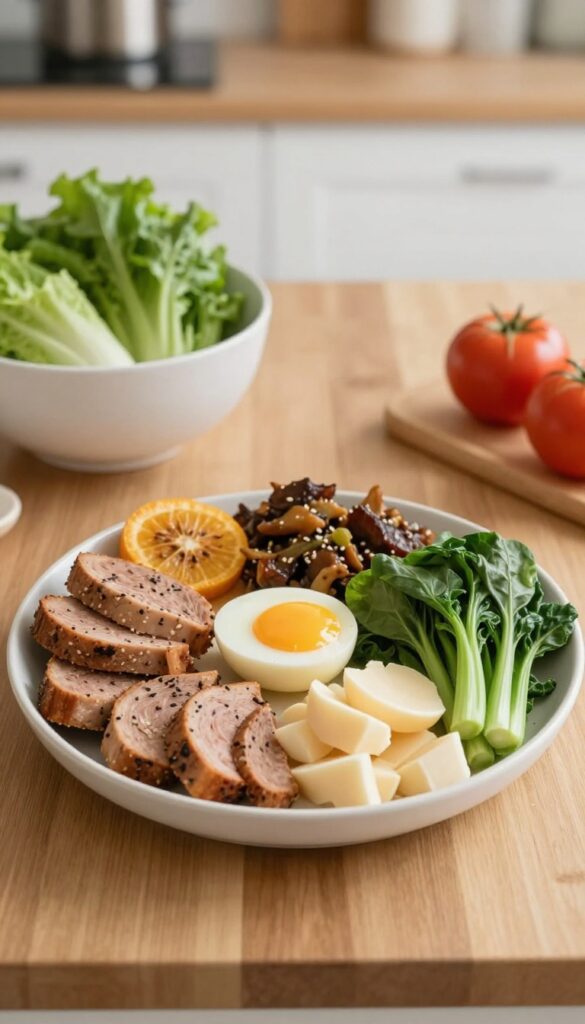
Irritable bowel syndrome (IBS) is a common condition that affects the large intestine. It's a functional gut disorder, meaning the digestive system looks normal but doesn't work as it should. While IBS can be uncomfortable and disruptive, the good news is that diet plays a key role in managing symptoms.
By understanding how food affects your gut, you can take control and feel better.
IBS is characterized by a group of symptoms that occur together, often triggered by certain foods, stress, or hormonal changes. It's not a disease that damages the intestines, but rather a condition that affects how the gut functions. Common symptoms include:
Common IBS Symptoms
- Abdominal pain or cramping, often relieved by passing gas or stool
- Bloating and distension
- Diarrhea, constipation, or alternating between both
- Excess gas and mucus in the stool
- Urgency to have a bowel movement or feeling of incomplete evacuation
The Role of Diet in Managing IBS
Diet is one of the most powerful tools for managing IBS. While there is no one-size-fits-all approach, certain foods are known to trigger symptoms in many people. Common culprits include high-FODMAP foods (fermentable carbohydrates), fatty or fried foods, dairy, caffeine, and alcohol.
The goal of an IBS-friendly diet is not to eliminate all potential triggers, but to identify your personal sensitivities and build a gentle eating pattern that supports gut health. A dietitian can help you navigate this process safely, especially if you consider a low-FODMAP elimination diet. Remember, diet helps reduce symptoms but is not a cure for IBS.
Principles of a Gentle IBS Diet
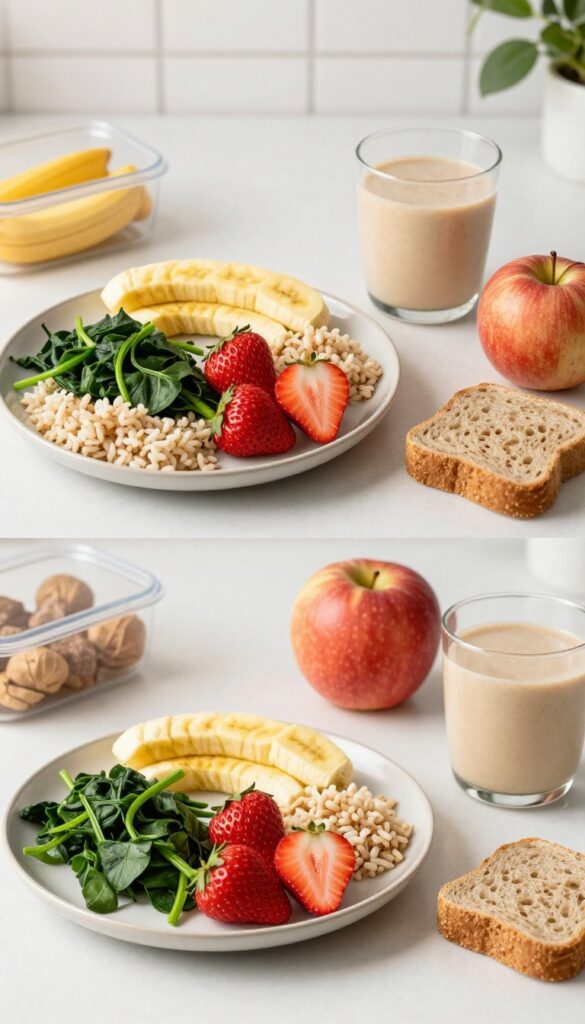
Before diving into meal planning, it helps to understand the core principles that make an IBS diet both effective and gentle on your system. The goal is not to eliminate all potential triggers, but to build a flexible, nourishing approach that reduces symptoms without causing unnecessary stress or restriction.
Low-FODMAP Basics
The low-FODMAP diet is a widely recommended approach for managing IBS, developed by researchers at Monash University. FODMAPs are short-chain carbohydrates that are poorly absorbed in the small intestine and can ferment in the gut, causing gas, bloating, and pain. The diet involves a temporary elimination of high-FODMAP foods for 2–6 weeks, followed by a structured reintroduction phase to identify your personal triggers.
It is not meant to be a lifelong restrictive diet, but a tool to discover which foods you tolerate well. Common high-FODMAP foods include wheat, onions, garlic, beans, lentils, certain fruits (like apples and pears), and dairy products high in lactose. Low-FODMAP alternatives include rice, oats, carrots, spinach, strawberries, and lactose-free dairy.
Working with a dietitian is strongly recommended to ensure nutritional adequacy.
Other Dietary Considerations
Beyond FODMAPs, several general eating habits can support a gentle IBS diet:
- Eat small, frequent meals to avoid overwhelming your digestive system. Aim for 5–6 smaller meals or snacks rather than three large ones.
- Stay hydrated with water throughout the day, but avoid drinking large amounts during meals, which can dilute stomach acid and slow digestion.
- Chew food thoroughly and eat slowly to reduce air swallowing and aid digestion.
- Limit caffeine, alcohol, and spicy foods if they trigger symptoms.
- Incorporate soluble fiber (e.g., oats, bananas, carrots) gradually, as insoluble fiber (e.g., bran, nuts) may aggravate symptoms in some people.
- Keep a food and symptom diary to track patterns and identify triggers.
Important Note
Always consult with a healthcare provider or registered dietitian before making significant dietary changes, especially if you have other health conditions or are on medication. The low-FODMAP diet is a medical therapeutic approach and should be done under professional guidance.
Building Your IBS-Friendly Plate
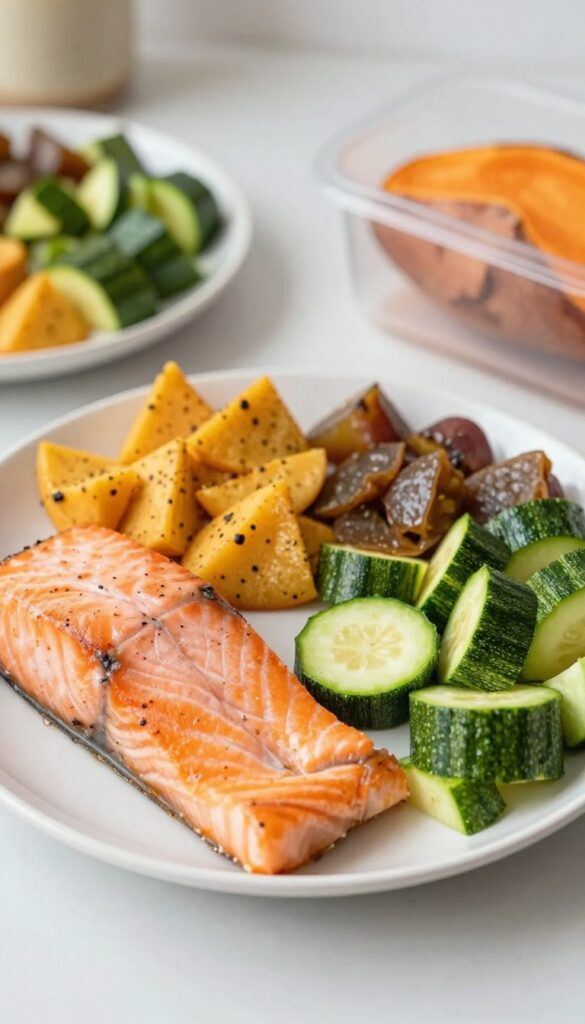
Creating a meal that works with your IBS doesn't have to be complicated. The key is to focus on easily digestible foods, balance your nutrients, and avoid common triggers. Here's how to build a plate that's gentle on your digestive system.
Choose Gentle Proteins
Protein is essential for satiety and muscle repair, but some sources can be harder to digest. Stick with these options:
Select Low-FODMAP Vegetables
Vegetables provide vital vitamins and fiber, but high-FODMAP choices can trigger symptoms. Fill half your plate with these low-FODMAP options:
Incorporate Safe Grains and Carbs
Carbohydrates provide energy, but choose wisely to avoid bloating and gas. Aim for a quarter of your plate:
Putting It All Together
A balanced IBS-friendly plate looks like: ¼ protein, ¼ grains, and ½ low-FODMAP vegetables. Add a small amount of healthy fat (like olive oil or avocado) and season with herbs instead of garlic or onion. Adjust portions based on your tolerance.
Sample Gentle Meal Plan for One Week
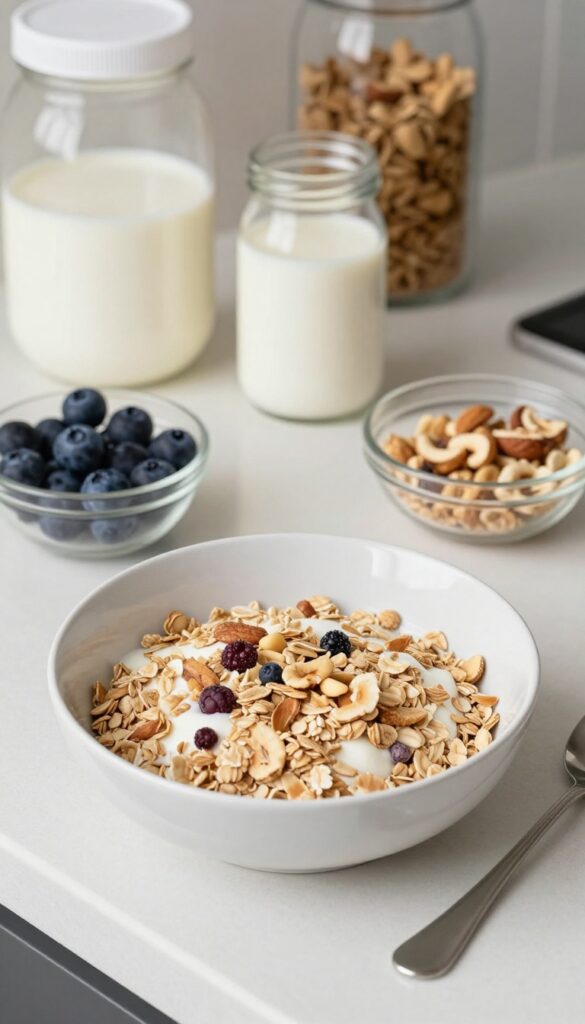
This 7-day meal plan is designed to be gentle on your digestive system while providing balanced nutrition. Each day includes breakfast, lunch, dinner, and two snacks. Portions are moderate—listen to your body’s hunger and fullness cues.
All recipes are simple, use common ingredients, and avoid common IBS triggers like high-fat, spicy, or gas-producing foods.
Day Gentle IBS Meal Plan
| Day | Breakfast | Snack 1 | Lunch | Snack 2 | Dinner |
| Monday | Oatmeal with mashed banana and a drizzle of maple syrup | Rice cakes with peanut butter | Grilled chicken breast with steamed carrots and white rice | A handful of low-FODMAP nuts (e.g., macadamia, pecans) | Baked salmon with boiled potatoes and green beans (well-cooked) |
| Tuesday | Scrambled eggs with spinach (cooked down) and gluten-free toast | Small apple (if tolerated) or a pear | Turkey and lettuce wrap in a corn tortilla with a side of cucumber slices | Plain lactose-free yogurt with a tablespoon of chia seeds | Stir-fried tofu with bok choy and jasmine rice (use low-FODMAP soy sauce) |
| Wednesday | Smoothie with lactose-free milk, strawberries, and a scoop of rice protein powder | A small handful of pumpkin seeds | Quinoa salad with diced bell pepper (small amount), cucumber, and a lemon-olive oil dressing | Rice crackers with cheddar cheese (if lactose tolerant) | Beef and vegetable stew with potatoes, carrots, and zucchini (slow-cooked) |
| Thursday | Gluten-free pancakes with a side of blueberries | Hard-boiled egg | Leftover beef stew | Banana | Baked chicken thighs with roasted eggplant and a side of millet |
| Friday | Chia pudding made with lactose-free milk and topped with sliced kiwi | A few squares of dark chocolate (70%+ cocoa) | Tuna salad (with lactose-free mayo) on a bed of mixed greens (avoid raw onion) | Rice cakes with almond butter | Grilled shrimp with steamed asparagus and quinoa |
| Saturday | Two-egg omelet with chives and a side of gluten-free toast | Orange (if tolerated) or a handful of grapes | Lentil soup (made with red lentils, carrots, and cumin) with a slice of sourdough | Cottage cheese (if lactose tolerant) with a few blueberries | Roasted turkey breast with mashed potatoes (made with lactose-free milk) and sautéed kale |
| Sunday | Overnight oats with lactose-free milk, chia seeds, and a few raspberries | A handful of walnuts | Grilled chicken wrap with lettuce, tomato, and a smear of hummus (if chickpeas tolerated) | Rice pudding made with lactose-free milk and cinnamon | Baked cod with roasted sweet potatoes and steamed broccoli |
Portion Guidance
Keep portions moderate: aim for a palm-sized protein, a fist-sized starch, and two fist-sized low-FODMAP vegetables per meal. Snacks should be about the size of your cupped hand. Adjust based on your hunger and any symptoms.
Customizing Your Plan
Feel free to swap any meal with another from a different day. If a food is a known trigger for you, replace it with a similar option from the lists in the previous section. For example, if bananas cause bloating, substitute with strawberries or a small orange.
The goal is to keep meals simple, satisfying, and symptom-free.
Tips for Dining Out and Social Eating
Navigating restaurant menus and social gatherings can feel tricky when you have IBS, but with a few simple strategies, you can enjoy eating out without triggering symptoms. The key is to plan ahead, communicate your needs, and focus on what you can eat rather than what you can't.
Communicate Your Needs
Don't be shy about asking your server or host about ingredients. Most restaurants are happy to accommodate dietary requests when asked politely. You can say something like, 'I have a sensitive stomach—could you tell me if this dish has garlic or onion?' or 'Is it possible to have the sauce on the side?' Being upfront helps you make safer choices and reduces anxiety.
Choose Safe Options
- Grilled or baked proteins (chicken, fish, tofu) with simple seasoning
- Steamed vegetables without heavy sauces
- Plain rice, quinoa, or baked potatoes
- Salads with oil and vinegar dressing (ask for dressing on the side)
- Broth-based soups without cream or beans
- Avoid creamy sauces, fried foods, and dishes with lots of garlic or onion
Handle Social Pressure with Confidence
It's common to feel pressure to eat what others are eating, especially in group settings. Remember that your health comes first. You can politely decline a dish by saying, 'That looks delicious, but my stomach is a bit sensitive today.' Most people will understand.
Focus on enjoying the company rather than the food, and don't be afraid to bring your own safe snack if needed.
Quick Tips for Social Events
If you're attending a potluck or party, offer to bring a dish that you know works for you. That way, you'll have at least one safe option. Also, eat a small, gentle snack before you go so you're not overly hungry and tempted by risky foods.
Common Mistakes to Avoid
Even with the best intentions, it's easy to fall into habits that can worsen IBS symptoms or make meal planning feel harder than it needs to be. Here are the most common pitfalls and how to avoid them.
- Over-restricting: Cutting out too many foods at once can lead to nutrient deficiencies and make eating feel stressful. Instead, work with a dietitian to identify your specific triggers and keep a wide variety of safe foods.
- Not drinking enough water: Adequate hydration is crucial for digestion. Aim for 8 cups (64 ounces) of water per day, but spread it out between meals rather than drinking large amounts with food.
- Skipping meals: Going too long without eating can trigger IBS symptoms like bloating and cramping. Eat regular, smaller meals every 3-4 hours to keep your digestive system calm.
How to Avoid These Pitfalls
Start by keeping a food and symptom diary for a week to identify patterns. Then, gradually reintroduce foods one at a time to pinpoint triggers. Set a timer to remind yourself to drink water and eat snacks if you tend to forget.
Remember, the goal is to nourish your body without unnecessary stress.
FAQ
Can I eat dairy on an IBS diet?
It depends. Many people with IBS are lactose intolerant. Try lactose-free dairy or small amounts of hard cheeses.
You can also use plant-based alternatives like almond or oat milk.
Is gluten bad for IBS?
Gluten itself isn't necessarily a trigger, but wheat contains fructans, a FODMAP. Some people feel better on a gluten-free diet, but it's not required for everyone. Experiment with gluten-free grains like rice and quinoa.
How long does it take for an IBS diet to work?
It varies. Some people notice improvement within a few days, while others may take a few weeks. The key is consistency and keeping a food diary to track symptoms.
Can I ever eat trigger foods again?
Yes, after an elimination phase, you can slowly reintroduce foods to identify your personal triggers. Many people can tolerate small amounts of certain foods once they know their limits.
Do I need to follow low-FODMAP forever?
No. The low-FODMAP diet is typically a short-term elimination diet. After identifying your triggers, you can follow a less restrictive diet that avoids only the foods that bother you.
Conclusion
Creating an IBS diet plan doesn't have to be overwhelming. Start with gentle, whole foods, listen to your body, and make adjustments as you go. The sample meal plan and tips in this guide are meant to inspire you, not to be a rigid prescription.
Remember, managing IBS is a journey. Be patient with yourself, celebrate small victories, and don't hesitate to seek support from a dietitian who specializes in digestive health.

Dr. Pallab Kishore, MS in Orthodontics and owner of Orthodontic Braces Care, shares expert tips on braces, aligners, and oral health from 10+ years of experience.