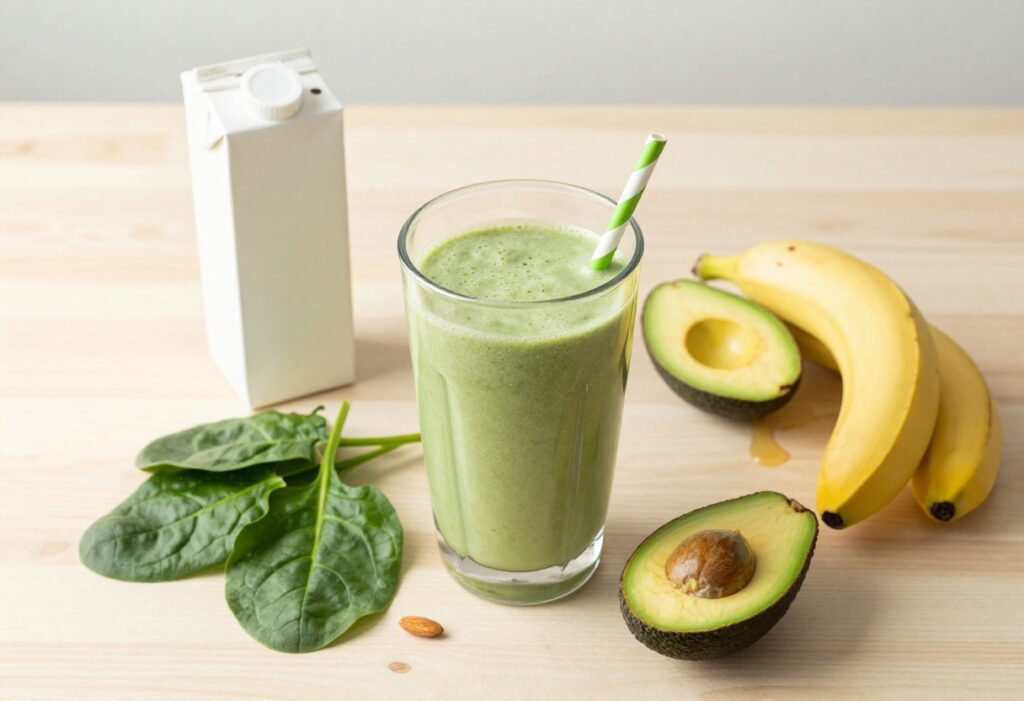
Hitting 140 grams of protein a day can feel like a challenge, especially if you're used to lighter meals. But getting enough protein is key for staying full, supporting muscle recovery, and keeping your metabolism humming.
Whether you're an athlete, someone trying to lose weight, or just want more energy, this meal plan makes it doable. This guide breaks down exactly how to structure your day to reach 140g without relying on endless shakes or bland chicken breasts.
You'll find a full day meal plan, a list of top protein sources, simple swaps to boost your intake, and tips for eating out. No complicated recipes or expensive ingredients—just practical strategies that work.
Why 140 Grams of Protein?
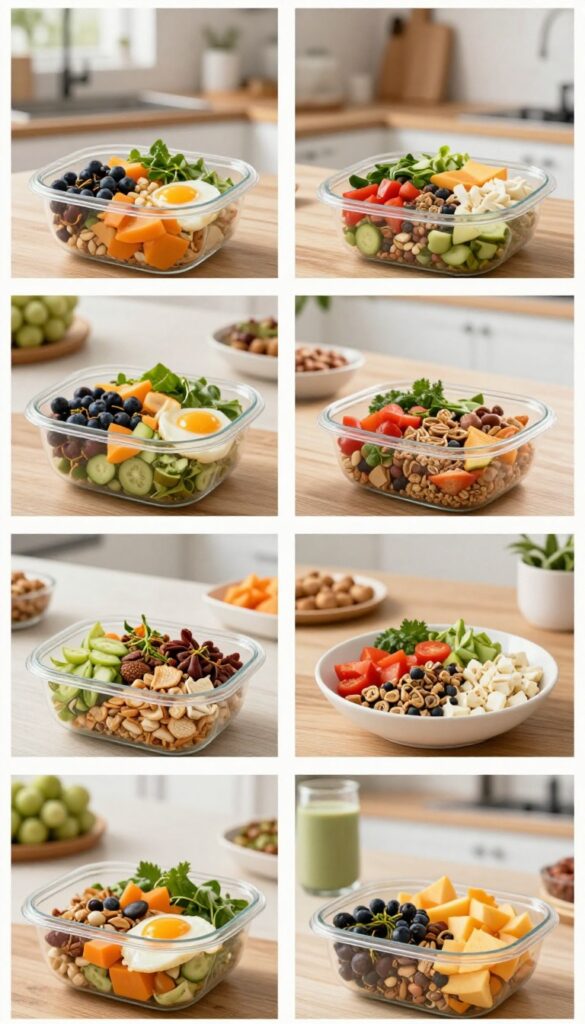
Setting a daily protein target can feel arbitrary, but 140 grams hits a sweet spot for many active individuals. It's high enough to support muscle repair and keep you full, yet realistic to achieve with whole foods.
Protein is essential for building and repairing tissues, producing enzymes, and maintaining a healthy immune system. For those who exercise regularly or want to preserve muscle while losing fat, a higher protein intake is often recommended. The 140-gram mark is a common goal because it aligns with the needs of many moderately active adults without being overly restrictive or reliant on supplements.
Who might need 140g of protein?
- People who strength train 3–5 times per week and want to build or maintain muscle.
- Individuals on a weight loss journey aiming to preserve lean mass and enhance satiety.
- Older adults looking to combat age-related muscle loss (sarcopenia).
- Athletes or active individuals with higher recovery demands.
Benefits of hitting that target
- Increased fullness and reduced cravings between meals.
- Better muscle recovery and growth after workouts.
- Steadier blood sugar levels throughout the day.
- Easier weight management due to higher thermic effect of food.
Importantly, 140 grams is not an extreme goal. It can be distributed across three meals and a couple of snacks, making it achievable without living on chicken breast and protein powder alone. With a little planning, you can enjoy a variety of satisfying, protein-rich foods that keep your meals interesting and your body fueled.
How to Calculate Your Protein Needs
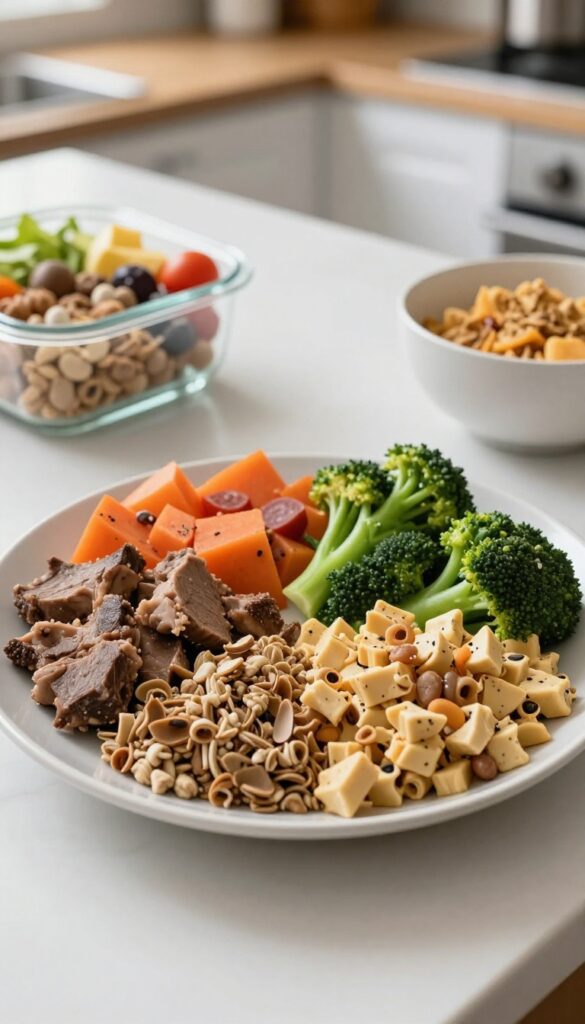
Before diving into a 140g protein meal plan, it’s worth checking if that target is right for you. Protein needs vary based on body weight, activity level, and goals. Here’s a simple way to find your personal number.
The Simple Formula
A widely accepted guideline for active individuals is to consume between 1.6 and 2.2 grams of protein per kilogram of body weight. To find your range:
- Take your weight in pounds and divide by 2.2 to get kilograms.
- Multiply that number by 1.6 for the lower end and 2.2 for the upper end.
- That gives you a daily protein target in grams.
Example for a 70 kg (154 lb) Person
Using the formula: 70 kg × 1.6 = 112 g per day (minimum) and 70 kg × 2.2 = 154 g per day (maximum). So 140g falls right in the middle, making it a solid target for someone weighing around 70 kg who exercises regularly.
When to Go Higher or Lower
Your ideal protein intake depends on more than just weight. Consider these factors:
- Higher activity: Endurance athletes, heavy lifters, or those in a calorie deficit may benefit from the upper end (2.2 g/kg).
- Weight loss: A higher protein intake helps preserve muscle while losing fat, so aim closer to 2.0–2.2 g/kg.
- Sedentary lifestyle: If you’re not very active, the lower end (1.6 g/kg) may be sufficient.
- Age: Older adults often need more protein to counteract muscle loss, so lean toward 2.0 g/kg.
A Quick Reality Check
These are general recommendations, not strict rules. If you’re new to tracking protein, start with the lower end and adjust based on hunger, energy, and progress. The 140g target is a great middle ground for many active individuals, but your needs may be slightly different.
Full Day Meal Plan: 140g Protein
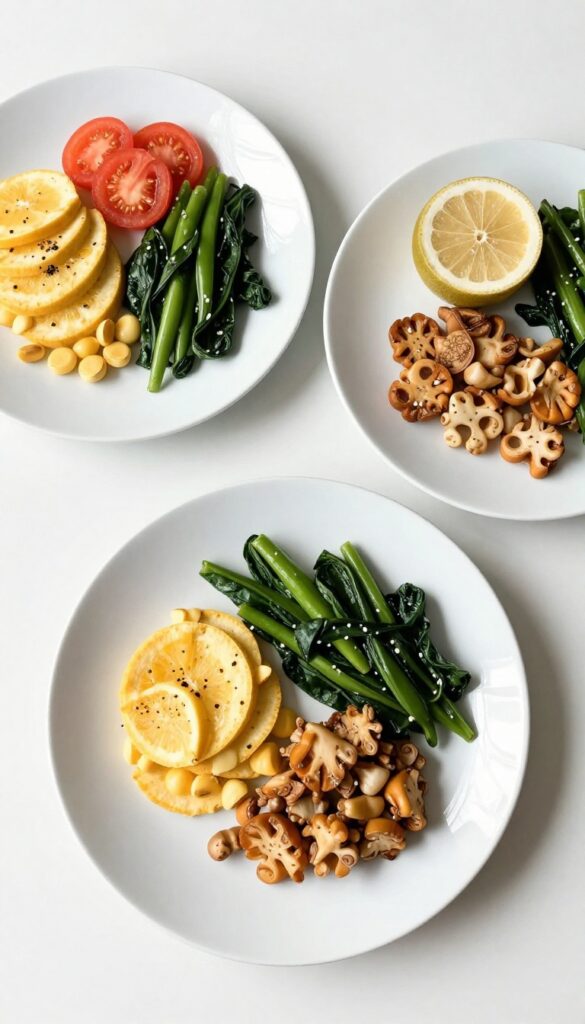
Here’s a sample day that hits 140g of protein with three meals and two snacks. Each meal includes specific amounts so you can see exactly how to distribute protein throughout the day for steady energy and fullness.
Sample Day Breakdown
| Meal | Foods | Protein (g) |
| Breakfast (7:00 AM) | 3 scrambled eggs (18g) + 1 cup Greek yogurt (15g) + 1 slice whole-wheat toast (3g) | 36 |
| Morning Snack (10:00 AM) | 1 oz almonds (6g) + 1 string cheese (8g) | 14 |
| Lunch (1:00 PM) | 6 oz grilled chicken breast (42g) + 1 cup quinoa (8g) + 1 cup broccoli (3g) | 53 |
| Afternoon Snack (4:00 PM) | 1 scoop whey protein in water (25g) + 1 apple (0g) | 25 |
| Dinner (7:00 PM) | 6 oz salmon (34g) + 1 cup brown rice (5g) + 2 cups spinach sautéed (4g) | 43 |
| Total | 171 |
This plan provides slightly more than 140g to account for individual variation and to ensure you're covered. Adjust portions down if needed, or swap in similar protein sources. Timing meals every 3–4 hours keeps protein synthesis elevated and prevents hunger.
Meal Prep Tip
Cook extra chicken and salmon at the start of the week. Portion out snacks like almonds and cheese into grab-and-go bags. Pre-make quinoa and brown rice in batches.
Top Protein Sources to Include
Building a 140g protein day is easier when you have a go‑to list of high‑protein foods. The table below shows common sources with their protein content, calories, and fat per serving, so you can mix and match to hit your target without going overboard on calories or fat.
High‑Protein Foods at a Glance
| Food | Serving Size | Protein (g) | Calories | Fat (g) |
| Chicken breast (skinless) | 4 oz (113g) | 35 | 187 | 4 |
| Lean ground beef (93/7) | 4 oz (113g) | 22 | 173 | 8 |
| Turkey breast (skinless) | 4 oz (113g) | 34 | 153 | 1 |
| Salmon (wild) | 4 oz (113g) | 23 | 207 | 11 |
| Canned tuna (in water) | 1 can (5 oz) | 30 | 130 | 1 |
| Eggs (whole) | 2 large | 12 | 143 | 10 |
| Greek yogurt (plain, nonfat) | 1 cup (245g) | 23 | 130 | 0 |
| Cottage cheese (1% milkfat) | 1 cup (226g) | 28 | 163 | 2 |
| Milk (skim) | 1 cup (240ml) | 8 | 83 | 0 |
| Lentils (cooked) | 1 cup (198g) | 18 | 230 | 1 |
| Chickpeas (cooked) | 1 cup (164g) | 15 | 269 | 4 |
| Tofu (firm, raw) | 1/2 cup (126g) | 20 | 181 | 11 |
| Tempeh | 1/2 cup (83g) | 16 | 160 | 9 |
| Whey protein powder | 1 scoop (30g) | 25 | 120 | 1 |
| Casein protein powder | 1 scoop (30g) | 24 | 110 | 1 |
| Pea protein powder | 1 scoop (30g) | 21 | 100 | 2 |
How to Use This Table
Aim for a mix of animal and plant sources to get a full amino acid profile. For example, pairing lentils with a small amount of chicken or adding tofu to a stir‑fry can easily add 30–40g protein per meal.
Simple Swaps to Boost Protein
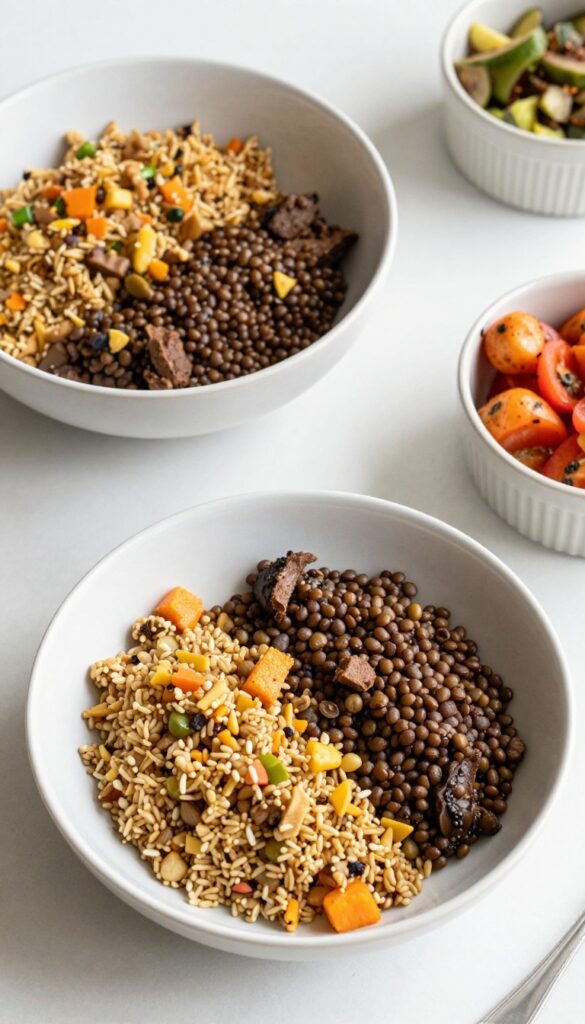
You don’t need to overhaul your entire diet to hit 140g of protein. Small, smart swaps can add 10–20g of protein to your meals without extra effort. Here are five easy changes that make a big difference.
- Swap rice for quinoa: Replacing 1 cup of cooked white rice with quinoa adds about 8g of protein. Quinoa also provides fiber and all nine essential amino acids.
- Add Greek yogurt to smoothies: Instead of milk or water, use 1 cup of plain Greek yogurt. That swap adds 20g of protein and makes your smoothie creamier.
- Use cottage cheese in eggs: Mix ½ cup of cottage cheese into scrambled eggs or an omelet. This adds 12g of protein and gives a fluffy texture.
- Choose higher-protein bread: Switch from regular white bread to a brand with 5g+ of protein per slice. Two slices for a sandwich can add 10g more protein than standard bread.
- Top salads with edamame or chickpeas: Instead of croutons, toss in ½ cup of edamame (8g protein) or chickpeas (7g protein) for crunch and a protein boost.
How to Hit 140g Protein When Eating Out
Eating out doesn't have to derail your protein goals. With a few smart strategies, you can easily hit 140g of protein even at restaurants or fast food joints. The key is to prioritize protein-rich choices and customize your order.
Restaurant Strategies
When dining at a sit-down restaurant, follow these tips to keep your protein intake on track:
Fast Food Options
Fast food can still work for high protein. Look for grilled chicken sandwiches, burrito bowls with extra meat, or bunless burgers. Many chains now offer protein-style options (lettuce wraps).
For example, a double cheeseburger without the bun can deliver 30–40g protein. Pair it with a side of grilled nuggets or a protein shake if needed.
Bring Your Own Protein
Keep a portable protein powder or protein bar in your bag. If a meal falls short, mix a shake with water or milk to add 20–30g protein. This is especially helpful for breakfast meetings or travel.
Common Mistakes When Aiming for 140g Protein
Even with the best intentions, it's easy to slip up when trying to hit 140g of protein daily. Here are the most common pitfalls and how to avoid them.
Relying Too Much on Shakes
- Protein shakes are convenient, but they shouldn't be your primary source. Whole foods provide fiber, vitamins, and minerals that shakes lack. Solution: Limit shakes to one per day and focus on real food for the rest.
Ignoring Fiber and Fats
- A high-protein diet can be low in fiber and healthy fats if you only eat lean meats and egg whites. This can lead to constipation and unsatisfying meals. Solution: Include sources like avocados, nuts, seeds, and vegetables to round out your nutrition.
Not Spreading Protein Evenly
- Eating most of your protein in one meal can spike digestion and reduce absorption. It also leaves you hungry later. Solution: Aim for 30-40g per meal across 3-4 meals, plus snacks.
Forgetting About Plant Sources
- Relying solely on animal protein can be expensive and monotonous. Plant proteins like lentils, tofu, and quinoa are affordable and diverse. Solution: Mix in plant-based options to add variety and fiber.
FAQ
Can I get 140g protein without supplements?
Absolutely. Whole foods like chicken breast, eggs, Greek yogurt, cottage cheese, fish, tofu, and legumes can easily provide 140g. For example, 200g chicken breast (60g), 3 eggs (18g), 200g Greek yogurt (20g), and 100g lentils (9g) already get you over 100g.
Add in milk, cheese, and other meals, and you're there.
Is 140g too much for a woman?
Not necessarily. Protein needs depend on body weight and activity level. For a 70kg woman who exercises regularly, 1.6-2.2g per kg equals 112-154g, so 140g is within range.
Always adjust based on your own goals and consult a professional if unsure.
How many calories is 140g protein?
Protein provides 4 calories per gram, so 140g protein equals 560 calories. However, the foods containing protein also have fats and carbs, so total calories will be higher. For example, 200g chicken breast has about 330 calories (60g protein) plus fat.
What if I'm vegetarian?
Vegetarians can hit 140g by combining dairy, eggs, legumes, tofu, tempeh, seitan, and protein-rich grains like quinoa. For example, 200g cottage cheese (22g), 3 eggs (18g), 200g tofu (16g), 100g lentils (9g), and 100g seitan (25g) already totals 90g. Add milk, yogurt, and nuts to reach 140g.
Conclusion
Reaching 140 grams of protein each day is entirely possible with a little planning and the right food choices. By spreading your protein across meals and snacks, using smart swaps, and keeping a few go-to options handy, you can stay full and support your fitness goals without feeling deprived. Start with the sample meal plan, then customize it to your tastes.
Remember, consistency matters more than perfection. Even getting close to 140g most days will make a difference in how you feel and perform.

Dr. Pallab Kishore, MS in Orthodontics and owner of Orthodontic Braces Care, shares expert tips on braces, aligners, and oral health from 10+ years of experience.