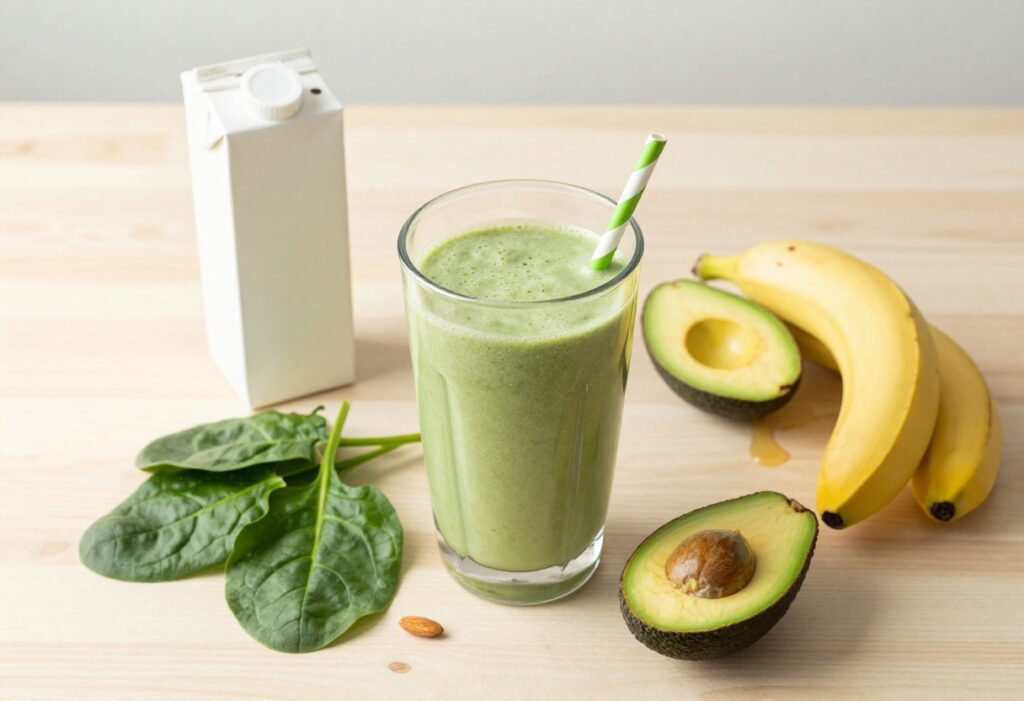
Planning a wedding is a whirlwind of excitement, decisions, and to-do lists. Amidst the venue tours and seating charts, many couples also set health and fitness goals to feel their best on the big day.
While it's tempting to turn to restrictive diets or expensive meal delivery services, one of the most effective and sustainable strategies is right in your own kitchen: home cooking.
Preparing your own meals gives you complete control over ingredients, portions, and flavors, making it easier to nourish your body without feeling deprived.
Why Home Cooking Is Your Secret Weapon
When you're prepping for a wedding, every meal is an opportunity to nourish your body and stay on track with your goals. Home cooking gives you complete control over what goes into your food, making it easier to eat well without feeling deprived. Here's why taking charge of your kitchen can be a game-changer for your wedding diet.
Cooking at home puts you in the driver's seat. You decide the ingredients, the portions, and the cooking methods. That means no hidden sugars, excessive oils, or mystery additives that can sneak into restaurant meals or packaged foods.
For example, a seemingly healthy salad from a café might be loaded with calorie-dense dressing, while a homemade version lets you control the oil and vinegar ratio.
Key Benefits of Home Cooking for Wedding Prep
- Control over ingredients: Choose fresh, whole foods and avoid preservatives and artificial flavors.
- Portion management: Serve yourself the right amount without being tempted by oversized restaurant portions.
- Cost-effective: Eating at home is typically cheaper, freeing up budget for other wedding expenses.
- Customizable to dietary needs: Easily adjust recipes to fit your preferences, whether you're cutting carbs, boosting protein, or going dairy-free.
Home cooking also helps you avoid the hidden calories and additives that can quietly derail your progress. Many restaurant dishes rely on butter, cream, and sugar to enhance flavor, but at home you can use herbs, spices, and healthy fats like olive oil or avocado. This way, you enjoy delicious meals that support your goals rather than work against them.
Setting Up Your Kitchen for Success
A well-organized kitchen makes healthy cooking effortless. When your tools and ingredients are at the ready, you're far more likely to whip up a nutritious meal instead of reaching for takeout. Here's how to set yourself up for wedding diet success.
Essential Tools
You don't need a fancy kitchen to cook healthy meals. A few versatile, high-quality tools will cover most recipes:
- Chef's knife (8-inch) – the workhorse for chopping veggies and herbs
- Cutting board – preferably two (one for produce, one for raw meat)
- Non-stick skillet and a stainless steel saucepan – for sautéing, searing, and simmering
- Sheet pan – for roasting vegetables and proteins with minimal oil
- Mixing bowls in various sizes – for prepping ingredients and storing leftovers
- Measuring cups and spoons – to keep portions in check
- Immersion blender or regular blender – for smoothies, soups, and dressings
Pantry Staples to Keep on Hand
A well-stocked pantry means you can throw together a balanced meal in minutes. Focus on non-perishable items that are nutrient-dense and versatile:
- Canned beans (chickpeas, black beans, lentils) – for plant-based protein and fiber
- Whole grains (quinoa, brown rice, oats) – complex carbs that keep you full
- Canned tomatoes and tomato paste – base for sauces and soups
- Healthy oils (olive oil, avocado oil, coconut oil) – for cooking and dressings
- Spices and herbs (cumin, paprika, garlic powder, oregano, cinnamon) – flavor without excess salt or sugar
- Nuts and seeds (almonds, walnuts, chia seeds, flaxseeds) – for crunch and healthy fats
- Low-sodium broth – for soups, stews, and cooking grains
Meal Prep Containers
Invest in a set of glass containers with airtight lids. They're microwave-safe, dishwasher-safe, and make it easy to portion out meals for the week. Having pre-portioned containers ready in the fridge reduces decision fatigue and helps you stick to your plan.
Breakfast Ideas to Start Your Day Right
Mornings set the tone for your eating habits all day. With a little planning, you can enjoy breakfasts that are high in protein, balanced in macros, and easy to make ahead—so you never have to skip or grab something sugary on the go.
Overnight Oats Variations
Overnight oats are a lifesaver for busy wedding prep mornings. Mix rolled oats with milk (dairy or plant-based), Greek yogurt, and chia seeds for a protein boost. Then customize:
Egg-Based Meals
Eggs are a go-to for high protein and versatility. Keep them interesting with these ideas:
Smoothie Bowls
Smoothie bowls feel indulgent but can be packed with nutrients. Use a base of frozen fruit, spinach, and protein powder (or Greek yogurt). Blend with a little liquid until thick, then top with:
Lunch Bowls and Wraps That Keep You Full
Lunch is often the meal where good intentions go sideways—especially when you're busy with wedding planning. These bowl and wrap ideas are designed to keep you satisfied without weighing you down, and they're easy to prep ahead or assemble in minutes.
Grain Bowl Formula
A filling grain bowl is all about balance. Start with a base, add protein, pile on veggies, and finish with a smart dressing. Here's a simple formula that works every time:
- Protein: 4–6 oz grilled chicken, salmon, tofu, or hard-boiled eggs.
- Veggies: 2 cups of mixed raw or roasted vegetables (e.g., bell peppers, broccoli, spinach, cherry tomatoes).
- Healthy fat: 1/4 avocado, a handful of nuts, or a sprinkle of seeds.
- Dressing: 2 tablespoons of a light vinaigrette or tahini sauce (avoid creamy, high-calorie dressings).
Pro tip: Prep your grains and chop veggies on Sunday. Then each day, just assemble and add your protein. This keeps lunch fresh and fast.
Healthy Wrap Ideas
Wraps are portable and endlessly customizable. To keep them wedding-diet friendly, use whole wheat tortillas, lettuce wraps, or even collard green leaves. Here are two combos to try:
- Asian Lettuce Wraps: Butter lettuce leaves filled with ground turkey or tofu, shredded carrots, edamame, and a drizzle of soy-ginger dressing. Crunchy and satisfying.
Both options are rich in protein and fiber, so you'll stay full until dinner. And they're easy to pack for a tasting appointment or a day of venue visits.
Dinner Recipes That Feel Indulgent but Aren't
After a long day, you want dinner to be comforting and satisfying—not a sad plate of steamed veggies. These dinner ideas are designed to feel indulgent while keeping your wedding diet on track. They're low-effort, family-friendly, and packed with flavor without relying on heavy cream or butter.
Sheet Pan Dinners
Sheet pan meals are the ultimate weeknight hack: minimal prep, easy cleanup, and endless variety. The key is to choose a lean protein and load up on colorful veggies, then season generously.
Healthy Comfort Food Swaps
Craving something cozy? These swaps keep the comfort without the calorie bomb.
Smart Snacking Without Derailing Progress
Snacking can be a helpful part of your wedding diet when done right. The key is choosing snacks that support your energy and nutrition goals rather than mindlessly munching on empty calories.
The best snacks are those that combine protein, fiber, and healthy fats to keep you satisfied between meals. Protein-rich options like Greek yogurt, cottage cheese, hard-boiled eggs, or a handful of almonds provide lasting energy. Vegetable-based snacks—such as carrot sticks with hummus, cucumber slices with tzatziki, or bell pepper strips with guacamole—add volume and nutrients without many calories.
Portion control is essential even with healthy snacks. Pre-portion nuts into small containers, use single-serving yogurt cups, or measure out hummus rather than eating straight from the tub. This prevents accidentally overeating calorie-dense foods.
Healthy snack ideas
- Apple slices with peanut butter (1 tbsp)
- Celery sticks with almond butter and a few raisins
- A small bowl of berries with a dollop of Greek yogurt
- Rice cake with avocado and everything bagel seasoning
- Roasted chickpeas seasoned with paprika and garlic powder
When to snack
Timing matters. If you tend to get hungry mid-morning or mid-afternoon, plan a snack to bridge the gap between meals. Avoid snacking late at night when it's often driven by habit or boredom rather than true hunger.
Listen to your body—eat when you're genuinely hungry, not just because a snack is available.
Stay mindful while snacking. Put your snack on a plate instead of eating from the bag, and avoid eating in front of the TV or computer. This helps you enjoy your food and recognize when you're full.
Staying Hydrated and Managing Cravings
Proper hydration is a cornerstone of any healthy eating plan, especially when you're preparing for a wedding. Not only does it support digestion and energy levels, but it can also help curb cravings that often derail your diet. Here are simple ways to stay hydrated and handle those snack attacks.
Infused Water Ideas
Plain water can get boring, but adding natural flavors makes it more enticing. Try combinations like cucumber and mint, lemon and ginger, or strawberry and basil. Let the fruits and herbs steep for at least an hour in the fridge for maximum flavor.
Herbal Teas and Other Healthy Sippers
- Peppermint tea – naturally sweet and soothing, can help reduce cravings for sweets.
- Chamomile tea – calming and caffeine-free, perfect for evening wind-down.
- Green tea – provides a gentle energy boost and antioxidants.
- Sparkling water with a splash of citrus – a fizzy alternative to soda.
How to Handle Cravings
When a craving hits, first drink a glass of water and wait 10 minutes. Often, thirst masquerades as hunger. If the craving persists, choose a healthy alternative: a small handful of nuts, a piece of fruit, or a few dark chocolate chips.
Avoid labeling cravings as 'bad' – they're normal, and managing them with balance is key.
Hydration Tips
Carry a reusable water bottle with you throughout the day and set reminders to drink. Aim for at least 8 cups (64 ounces) of fluid daily, more if you're active. Herbal teas and water-rich foods like cucumbers, watermelon, and oranges also count toward your hydration goals.
Eating Out or Ordering In Without Guilt
Social events and busy days mean you won't always cook at home. The key is to enjoy restaurant meals or takeout without derailing your progress. Here's how to navigate menus and stay on track.
When you're eating out, a little strategy goes a long way. Start by scanning the menu for grilled, baked, steamed, or roasted options instead of fried or breaded. Look for dishes with plenty of vegetables and lean protein.
Don't be afraid to ask for sauces and dressings on the side, or request substitutions like extra veggies instead of fries.
Smart Menu Choices
- Choose grilled chicken, fish, or tofu over fried proteins.
- Ask for steamed vegetables or a side salad instead of rice or fries.
- Opt for broth-based soups or salads with vinaigrette (dressing on the side).
- Skip the bread basket or chips before the meal.
Portion sizes at restaurants are often larger than what you'd serve at home. Consider splitting an entrée with a friend, ordering an appetizer as your main, or boxing up half your meal before you start eating. This way you enjoy the flavors without overdoing it.
Balancing Indulgences
If you know you have a dinner out planned, adjust your earlier meals to be lighter—maybe a salad for lunch and a piece of fruit for a snack. This isn't about punishment; it's about making room so you can enjoy the meal without guilt. And remember, one indulgent meal won't undo your progress.
What matters is what you do consistently.
Finally, stay mindful of drinks. Cocktails, sugary sodas, and even some mocktails can add hundreds of calories. Stick with water, sparkling water with lemon, or unsweetened iced tea.
If you do have an alcoholic drink, sip it slowly and alternate with water.
FAQ
Can I still enjoy carbs on a wedding diet?
Absolutely. Carbohydrates are your body's primary energy source, especially if you're staying active. Focus on complex carbs like quinoa, brown rice, oats, and sweet potatoes, and pair them with protein and vegetables for balanced meals.
How do I avoid getting bored with home-cooked meals?
Variety is key. Experiment with different cuisines, try new spices and herbs, and rotate your protein sources. Meal prepping can also help you mix and match components throughout the week.
What if I don't have time to cook every day?
Batch cooking on weekends can save you time. Prepare large batches of grains, roasted vegetables, and proteins, then assemble quick meals during the week. Even 20-minute meals are possible with a well-stocked pantry.
Should I count calories or macros?
It depends on your goals and relationship with food. If counting feels stressful, focus on eating whole, minimally processed foods and listening to your hunger cues. If you prefer structure, tracking macros can help ensure you're getting enough protein and fiber.
How can I make meals more flavorful without extra calories?
Use herbs, spices, citrus, vinegar, and low-sodium sauces. Roasting vegetables brings out natural sweetness, and a squeeze of lemon can brighten any dish. Don't forget umami from mushrooms, tomatoes, or a dash of soy sauce.
Conclusion
Your wedding diet doesn't have to mean bland salads and deprivation. By embracing home cooking, you can enjoy delicious, satisfying meals that support your health goals and keep you energized for all the planning ahead.
Remember, the goal is to feel strong and confident, not to shrink yourself. Celebrate the small wins, be kind to yourself, and trust that the effort you put into nourishing your body will shine through on your special day.

Dr. Pallab Kishore, MS in Orthodontics and owner of Orthodontic Braces Care, shares expert tips on braces, aligners, and oral health from 10+ years of experience.