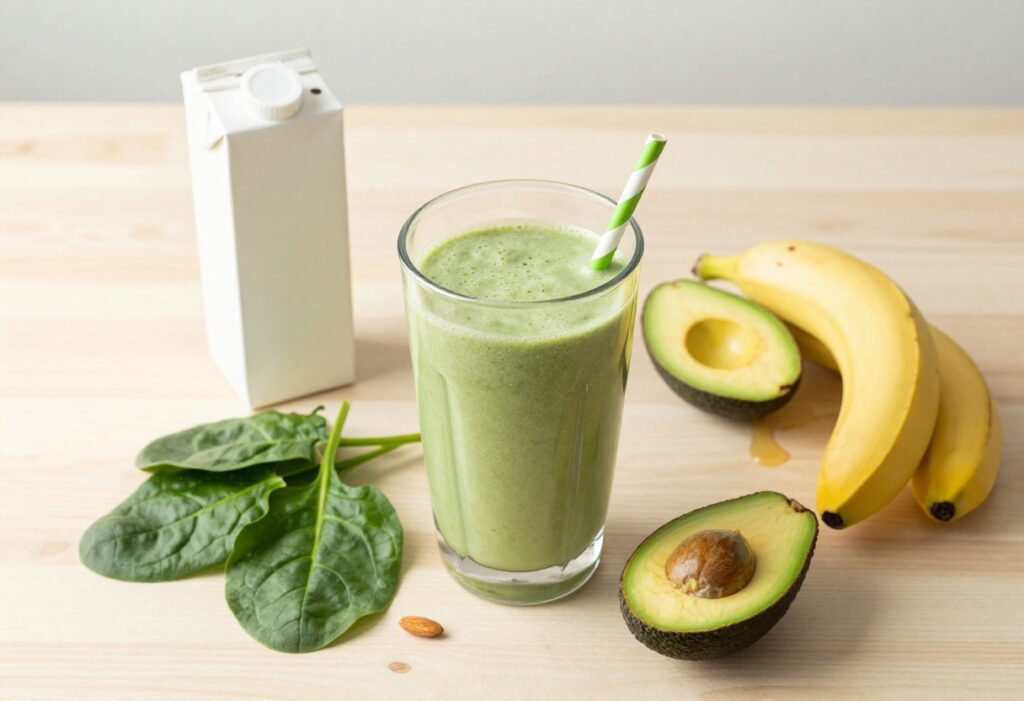
Potassium is a mineral that helps your nerves and muscles work properly, and it also helps balance fluids in your body. For most people, getting enough potassium from foods like bananas, potatoes, and spinach is a good thing.
But for some individuals—especially those with chronic kidney disease, heart conditions, or those taking certain medications—too much potassium can be dangerous. That's when a low potassium diet becomes necessary.
A low potassium diet isn't about cutting out all potassium; it's about managing your intake to keep your blood potassium levels within a safe range.
Why Potassium Matters and When Restriction Is Needed
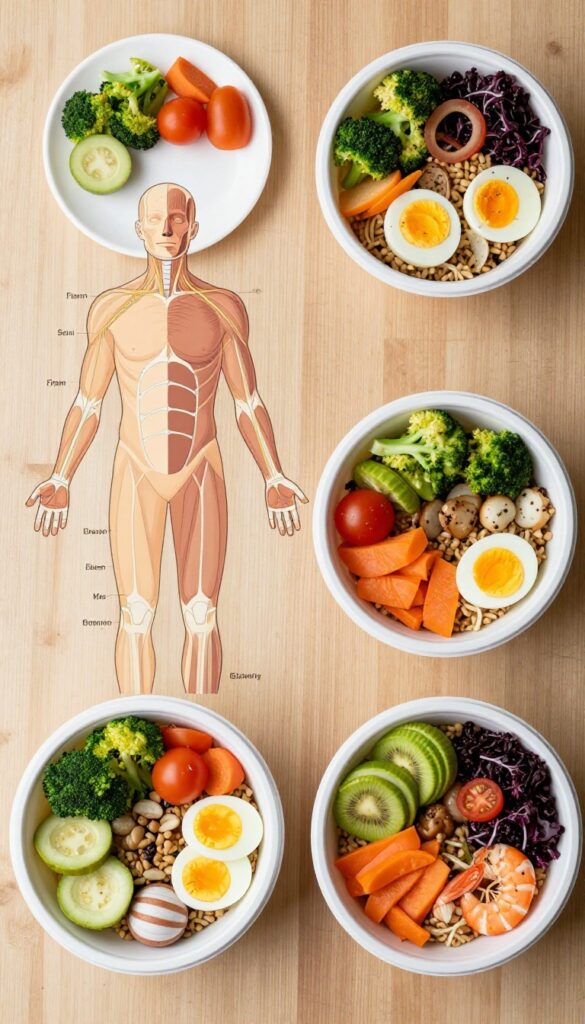
Potassium is a vital mineral that helps your nerves and muscles work properly, but when levels get too high, it can become dangerous. A low potassium diet is often prescribed to keep your potassium within a safe range.
Potassium's Role in the Body
Potassium is an electrolyte that helps regulate fluid balance, nerve signals, and muscle contractions. It works closely with sodium to maintain normal heart rhythm and blood pressure. The normal potassium range in the blood is 3.5 to 5.0 mEq/L.
When potassium levels rise above 5.0 mEq/L, a condition called hyperkalemia occurs, which can cause muscle weakness, fatigue, and dangerous heart arrhythmias.
Medical Conditions That Require a Low Potassium Diet
A low potassium diet is typically recommended for people with:
If you experience symptoms of high potassium such as palpitations, chest pain, shortness of breath, or muscle weakness, contact your healthcare provider immediately. The goal of a low potassium diet is not to eliminate potassium entirely but to limit intake to about 2,000–3,000 mg per day, as advised by your doctor or dietitian.
High-Potassium Foods to Limit or Avoid
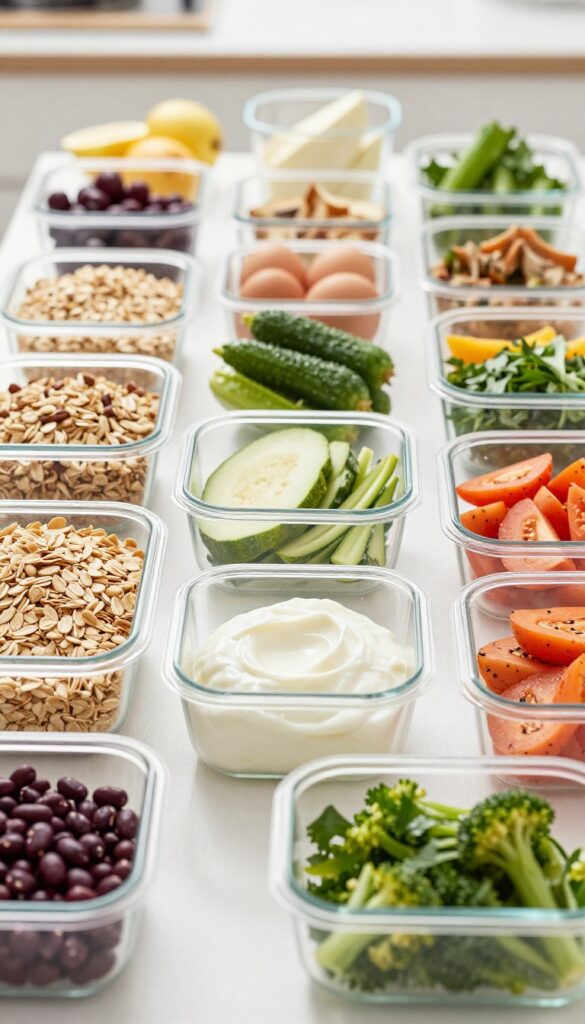
Knowing which foods are highest in potassium helps you make informed choices. Portion size is key—a small amount of a high-potassium food may be acceptable, while a large serving can push your levels too high. The table below lists common high-potassium foods and their approximate potassium content per standard serving.
Fruits and Vegetables High in Potassium
| Food | Serving Size | Potassium (mg) |
| Banana | 1 medium (118 g) | 422 |
| Orange | 1 medium (131 g) | 237 |
| Orange juice | 1 cup (240 ml) | 496 |
| Potato (baked, with skin) | 1 medium (173 g) | 926 |
| Sweet potato (baked) | 1 medium (114 g) | 542 |
| Tomato | 1 medium (123 g) | 292 |
| Tomato sauce | 1/2 cup (122 g) | 405 |
| Spinach (cooked) | 1/2 cup (90 g) | 419 |
| Avocado | 1/2 fruit (100 g) | 485 |
| Cantaloupe | 1 cup (160 g) | 427 |
| Dried apricots | 1/4 cup (40 g) | 378 |
| Raisins | 1/4 cup (40 g) | 298 |
| Beet greens (cooked) | 1/2 cup (72 g) | 654 |
| Swiss chard (cooked) | 1/2 cup (88 g) | 481 |
Other Foods to Watch
- Dried fruits (raisins, prunes, dates, dried apricots)
- Nuts and seeds (almonds, pistachios, sunflower seeds, pumpkin seeds)
- Legumes (lentils, black beans, kidney beans, soybeans)
- Dairy products (milk, yogurt, buttermilk)
- Fish (salmon, tuna, halibut, cod)
- Meats (beef, pork, chicken, turkey)
- Salt substitutes (often contain potassium chloride instead of sodium chloride)
- Potassium-based preservatives (read labels for potassium sorbate, potassium phosphate)
- Whole grains (bran cereals, oatmeal, quinoa)
- Chocolate and cocoa powder
Portion sizes matter. For example, half a banana (about 211 mg potassium) may be acceptable, while a full banana could be too much. Always check serving sizes and adjust based on your individual potassium target.
Low-Potassium Alternatives to Enjoy
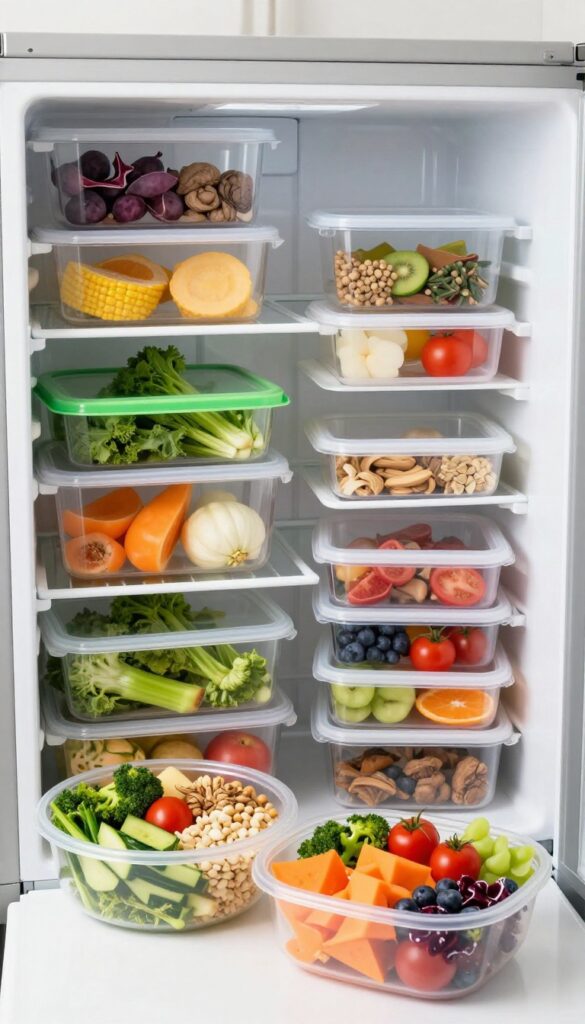
A low-potassium diet doesn't mean bland or boring. Many delicious foods are naturally low in potassium, so you can still enjoy a varied and satisfying diet. The key is choosing the right fruits, vegetables, grains, proteins, and dairy options.
Below is a comparison table to help you swap high-potassium foods for lower-potassium alternatives.
Fruits and Vegetables Lower in Potassium
High vs. Low Potassium Fruits and Vegetables
| High Potassium (Limit or Avoid) | Low Potassium (Enjoy in Moderation) |
| Bananas | Apples, applesauce |
| Oranges, orange juice | Grapes, grape juice |
| Tomatoes, tomato sauce | Cranberries, cranberry juice |
| Potatoes, sweet potatoes | White rice, pasta, bread (unsalted) |
| Spinach, cooked | Lettuce, cucumber, zucchini |
| Avocado | Green beans, wax beans |
| Dried fruits (raisins, prunes) | Berries (strawberries, blueberries, raspberries) |
| Beets, beet greens | Pineapple, watermelon |
| Winter squash (acorn, butternut) | Summer squash (yellow, crookneck) |
| Broccoli, Brussels sprouts (cooked) | Cauliflower, cabbage |
Grains, Proteins, and Dairy Options
Lower-Potassium Grains, Proteins, and Dairy
- Grains: White rice, white pasta, white bread, couscous, bulgur, oats (limited), corn tortillas.
- Proteins: Lean meats (chicken, turkey, beef), fish (cod, tuna, salmon), eggs, tofu (in small amounts).
- Dairy: Milk, yogurt, and cheese are moderate in potassium; limit to 1 serving per day. Choose cream cheese, cottage cheese (small amounts), or butter as lower-potassium options.
- Alternatives: Rice milk (not enriched), almond milk, and unsalted nuts like almonds or walnuts (small handful).
Balance and Variety
Remember, no food is completely off-limits, but portion size matters. Even low-potassium foods can add up if eaten in large quantities. Work with your dietitian to determine your personal potassium limit and build a balanced meal plan that includes a variety of these alternatives.
How to Lower Potassium in Cooking
Cooking techniques can significantly reduce the potassium content of many vegetables and tubers, making them safer for a low-potassium diet. While no method removes all potassium, these steps can help you enjoy a wider variety of foods.
Leaching Vegetables
Leaching is a process that pulls potassium out of vegetables by soaking and boiling them in water. It works best for high-potassium vegetables like potatoes, carrots, beets, and winter squash. Follow these steps:
- Peel and slice the vegetable into thin pieces (about 1/8 inch thick).
- Place the slices in a large bowl and cover with warm water. Use at least 10 times the volume of water compared to the vegetable.
- Soak for at least 2 hours. For best results, change the water every hour.
- Drain the vegetables and rinse them with fresh water.
- Cook the vegetables in a large pot of fresh water (again, 10:1 water-to-vegetable ratio). Boil until tender.
- Drain the cooking water completely. Do not use this water for soups, sauces, or gravies, as it will be high in potassium.
Vegetables that benefit most from leaching include potatoes, sweet potatoes, carrots, beets, parsnips, and winter squash. Leafy greens and cruciferous vegetables are not typically leached, as they have lower potassium content and are better eaten raw or lightly steamed.
Cooking Methods That Reduce Potassium
Beyond leaching, certain cooking methods can help lower potassium levels in foods.
- Boiling: Boiling vegetables in a large amount of water and then discarding the water can reduce potassium by 30-50%. The longer the boil, the more potassium is lost.
- Double boiling (for potatoes): Boil potatoes in water, drain, then add fresh water and boil again. This two-step process can remove even more potassium.
- Steaming: Steaming removes less potassium than boiling, but it's still a better option than roasting or frying, which retain most of the potassium.
- Pressure cooking: Pressure cooking can also reduce potassium, though not as effectively as boiling. Always discard the cooking liquid.
- Avoid: Roasting, frying, or baking vegetables without leaching or boiling. These methods concentrate potassium because the water evaporates.
Important Note
Leaching and boiling do not remove all potassium. They can reduce potassium by about one-third to one-half, but the exact amount varies by vegetable and method. Always check your potassium levels regularly and work with your dietitian to adjust your diet as needed.
Reading Food Labels for Potassium
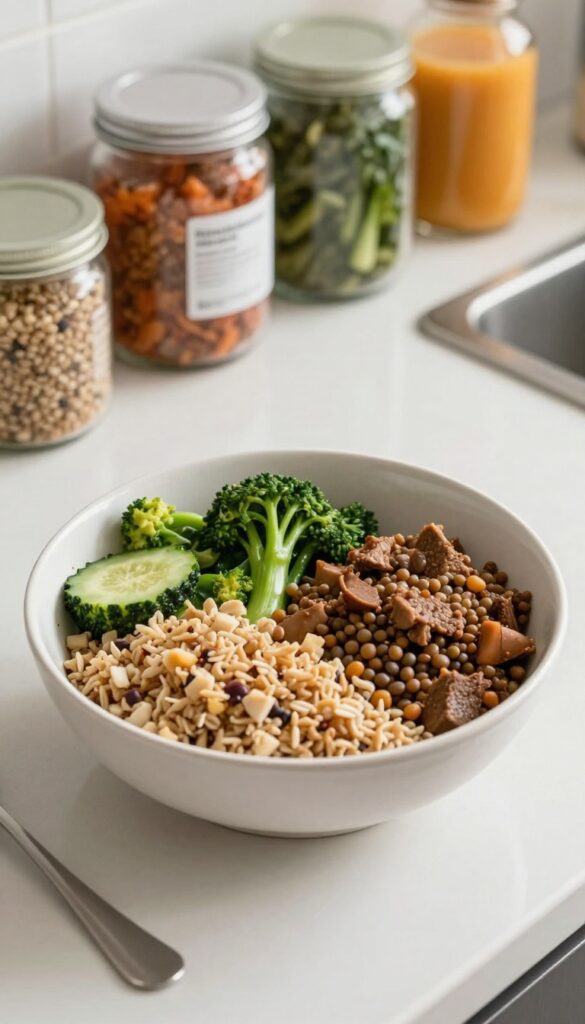
Learning to read food labels is a key skill for managing your potassium intake. Since 2020, the U.S. Food and Drug Administration requires potassium to be listed on the Nutrition Facts label, making it easier to track.
Here’s what to look for and where hidden potassium can sneak in.
Where to Find Potassium on the Label
Check the Nutrition Facts panel for “Potassium” listed under “Total Carbohydrate.” The amount is given in milligrams (mg) along with the % Daily Value (%DV). The %DV is based on a reference of 4,700 mg per day for most adults, but your target may be lower if you’re on a low-potassium diet. As a rule of thumb, choose foods with 5% DV or less for potassium (low), and limit those with 20% DV or more (high).
Keep in mind that the %DV is a general guide; your individual needs may vary, so work with your healthcare provider to set your personal potassium goal.
Hidden Sources of Potassium
Potassium can appear in unexpected places, especially in processed foods and additives. Watch out for these common sources:
- Potassium chloride – often used as a salt substitute or in low-sodium products. Check ingredient lists for this additive.
- Potassium sorbate – a preservative found in many packaged foods like cheese, yogurt, and dried fruits.
- Potassium phosphate – added to processed meats, seafood, and some beverages as an emulsifier or stabilizer.
- Potassium bicarbonate – used as a leavening agent in baked goods and some sparkling waters.
- Salt substitutes (e.g., Nu-Salt, NoSalt) – these replace sodium with potassium chloride and can significantly increase your potassium intake.
Quick Tip
When scanning ingredients, look for any word starting with “potassium.” Even small amounts can add up if you eat multiple servings of a product throughout the day.
Meal Planning and Dining Out on a Low Potassium Diet
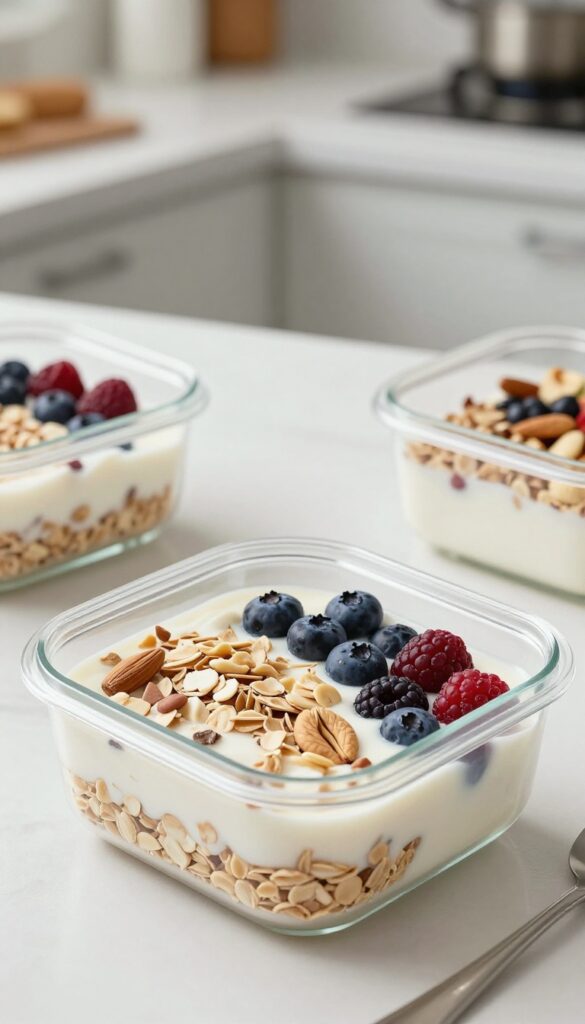
Following a low potassium diet doesn't mean you have to eat bland or repetitive meals. With a little planning, you can enjoy a variety of foods at home and when dining out. The key is to focus on portion control, choose simple dishes, and communicate your needs clearly.
Building a Low-Potassium Plate
A balanced low-potassium meal typically includes a small serving of protein, a moderate portion of low-potassium vegetables, and a carefully chosen starch. Here are some ideas to get you started:
Sample Meal Ideas
- Breakfast: Oatmeal made with water or low-potassium milk alternative, topped with blueberries and a sprinkle of cinnamon.
- Lunch: Grilled chicken breast with a side of green beans and white rice, seasoned with herbs and lemon juice.
- Dinner: Baked salmon with steamed zucchini and a small baked potato (limit to one medium potato, boiled or roasted).
- Snack: Apple slices with a tablespoon of peanut butter, or a handful of unsalted popcorn.
Tips for Eating Out
Dining out on a low potassium diet requires a bit of strategy, but it's entirely doable. Use these tips to stay on track:
How to Communicate Your Needs
- Choose restaurants that offer grilled, baked, or steamed options rather than fried or heavily sauced dishes.
- Ask for sauces, dressings, and gravies on the side so you can control how much you use.
- Request that no salt or potassium-containing seasonings be added to your meal.
- Opt for simple preparations: plain grilled meat or fish, steamed vegetables, and white rice or pasta.
- Avoid high-potassium sides like baked beans, spinach, tomatoes, or potatoes (unless you limit portion size).
- Don't hesitate to ask your server about ingredients or substitutions. Most restaurants are happy to accommodate dietary needs.
Quick Reference for Common Restaurant Dishes
When in doubt, choose dishes that are broiled, grilled, or steamed. Avoid anything described as "creamy," "cheesy," "sautéed," or "in broth" (broth can be high in potassium). Stick to clear soups if available, and skip the bread basket if the bread is whole grain or contains seeds.
Monitoring Your Potassium Levels and Staying Safe
Keeping your potassium in a healthy range is a balancing act. Too much or too little can cause problems, so regular monitoring and communication with your healthcare team are essential. Here’s how to stay on track safely.
When to Check Your Potassium
Your doctor will tell you how often to get blood tests, but typically people on a low potassium diet need checks every one to three months. More frequent testing may be needed if you have kidney disease, take medications that affect potassium (such as ACE inhibitors or diuretics), or if your levels have been unstable. Always follow your healthcare provider’s schedule and never skip a test.
Signs of High or Low Potassium
Knowing the symptoms can help you act quickly, but remember: many people have no symptoms until levels are dangerously off. Do not rely on symptoms alone.
Symptoms of hyperkalemia (high potassium
- Muscle weakness or fatigue
- Nausea or vomiting
- Tingling or numbness in the hands, feet, or lips
- Irregular heartbeat or palpitations
- Chest pain or shortness of breath
Symptoms of hypokalemia (low potassium
- Muscle cramps or twitching
- Weakness or tiredness
- Constipation or bloating
- Heart palpitations or skipped beats
- Fainting or lightheadedness
When to Seek Medical Help
If you experience any of the above symptoms, especially chest pain, palpitations, or severe weakness, contact your doctor or seek emergency care immediately. Do not try to adjust your diet or supplements on your own.
Work with Your Healthcare Team
A registered dietitian can help you create a meal plan that meets your potassium goals while ensuring you get enough other nutrients. Your doctor will interpret your lab results and adjust medications or diet recommendations as needed. Never self-diagnose or change your treatment without professional guidance.
FAQ
Can I ever eat high-potassium foods again?
It depends on your individual health situation. Some people may be able to reintroduce high-potassium foods in small amounts once their potassium levels are stable, but this should always be done under the guidance of your doctor or dietitian. Never add high-potassium foods back into your diet without medical advice.
Is a low potassium diet safe long-term?
Yes, when properly planned, a low potassium diet can be safe and nutritionally adequate for the long term. It's important to work with a registered dietitian to ensure you're getting all the nutrients you need, especially if you're also on a restricted diet for other conditions like diabetes or heart disease.
Do I need to avoid all potassium?
No, you don't need to avoid potassium entirely. The goal is to limit your intake to a level that keeps your blood potassium in a safe range—usually around 2,000 to 3,000 mg per day, but your doctor will give you a specific target. Many foods contain some potassium, and you can still enjoy a variety of lower-potassium options.
How often should I have my potassium checked?
The frequency of blood tests depends on your medical condition and how stable your potassium levels are. Your doctor will recommend a schedule, which may be monthly, every few months, or more often if you're starting a new medication or your levels are fluctuating.
What are the first signs of high potassium?
Early symptoms can be subtle and may include muscle weakness, fatigue, nausea, or tingling sensations. More serious signs include an irregular heartbeat, chest pain, or difficulty breathing. If you experience any of these, seek medical attention immediately.
Regular monitoring is key to catching changes early.
Conclusion
Understanding the health context behind a low potassium diet empowers you to make informed choices that support your well-being. By knowing why potassium restriction is needed, which foods to prioritize, and how to manage your intake, you can follow this diet safely without feeling deprived.
Remember, this diet is a tool to help manage a medical condition, not a punishment. Always work closely with your healthcare team—your doctor and a registered dietitian can provide personalized guidance based on your lab results and overall health.

Dr. Pallab Kishore, MS in Orthodontics and owner of Orthodontic Braces Care, shares expert tips on braces, aligners, and oral health from 10+ years of experience.