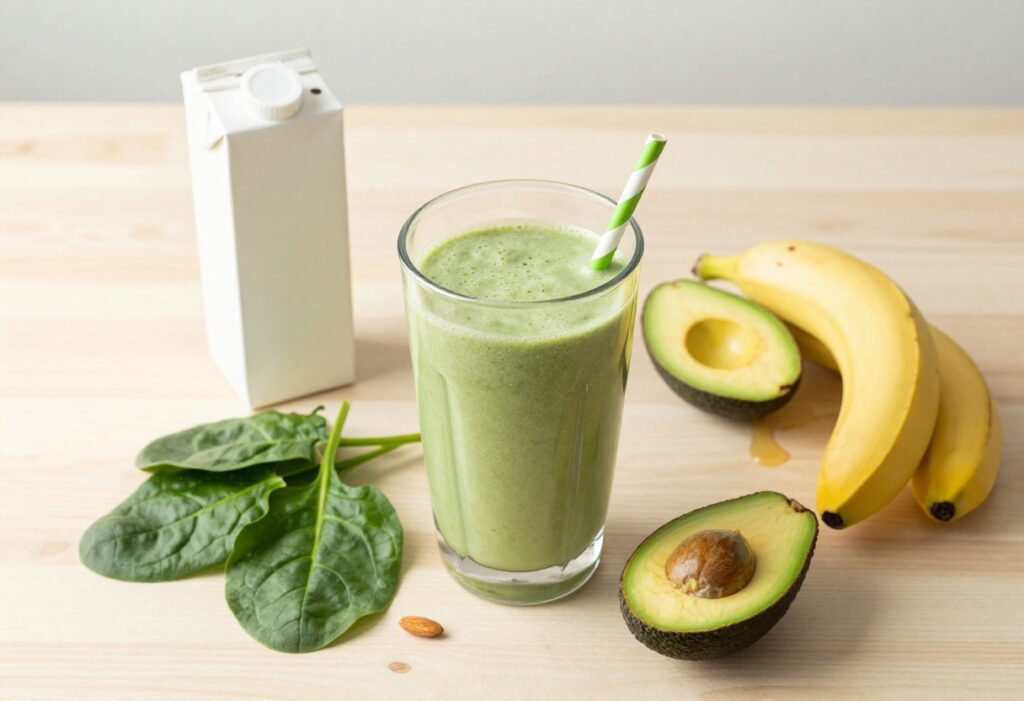
The Fast Metabolism Diet (FMD) is a structured eating plan designed to support metabolic function through a weekly rotation of three phases. Each phase emphasizes different macronutrients—carbohydrates, proteins, and fats—to keep your body guessing and your metabolism firing.
But following the phases is only half the battle; the real key is building balanced plates that align with each phase's requirements. A balanced plate on the FMD isn't just about what you eat—it's about proportions.
Getting the right mix of foods helps you stay satisfied, energized, and on track. Whether you're new to the diet or looking for fresh ideas, this guide breaks down how to create balanced plates for each phase, complete with sample meals and practical tips.
Understanding the Fast Metabolism Diet Phases
The Fast Metabolism Diet (FMD) is a structured eating plan designed to support metabolic function through a weekly rotation of three distinct phases. Each phase emphasizes different macronutrients and food groups to keep your body guessing and your metabolism firing. Here's a quick overview of each phase.
Phase 1: Unwind (Days 1–2
Phase 1 focuses on high-carb, moderate-protein, low-fat foods. The goal is to reduce stress hormones and replenish glycogen stores. You'll eat plenty of fruits, whole grains, and lean proteins like chicken or fish.
Fats are kept minimal to allow carbs to take center stage.
Phase 2: Unlock (Days 3–4
Phase 2 shifts to a low-carb, high-protein, low-fat approach. This phase aims to unlock stored fat by suppressing insulin and encouraging fat burning. Meals are built around lean proteins, vegetables, and minimal carbs.
Healthy fats are still limited.
Phase 3: Unleash (Days 5–7
Phase 3 introduces a balanced mix of carbs, protein, and healthy fats. This phase is designed to unleash your metabolism by incorporating all food groups. You'll add back moderate amounts of healthy fats (like avocado and nuts) along with whole grains, fruits, and lean proteins.
Key Takeaways
- FMD rotates through three phases each week.
- Phase 1: high-carb, moderate-protein, low-fat.
- Phase 2: low-carb, high-protein, low-fat.
- Phase 3: balanced carbs, protein, and healthy fats.
- Each phase supports a different metabolic goal: stress reduction, fat unlocking, and metabolic unleashing.
Building a Balanced Plate for Phase 1
Phase 1 of the Fast Metabolism Diet focuses on high-carb, moderate-protein, and very low-fat meals to kickstart your metabolism. Building a balanced plate is simple once you know the formula and which foods to choose.
Phase 1 Plate Formula
Each Phase 1 meal should follow this visual guide: fill half your plate with complex carbohydrates (whole grains, starchy vegetables, legumes), one-quarter with lean protein, and one-quarter with fruits. Keep added fats to a minimum—no oils, nuts, seeds, or avocados. Instead, use herbs, spices, broth, or vinegar for flavor.
- Complex carbs: brown rice, quinoa, oats, sweet potatoes, lentils, beans, whole-wheat pasta
- Lean protein: skinless chicken breast, turkey breast, egg whites, white fish, tofu, seitan
- Fruits: berries, apples, oranges, bananas, melon, pineapple (limit dried fruit)
Sample Phase 1 Meals
Here are three balanced plate ideas for Phase 1:
- Breakfast: Oatmeal made with water, topped with sliced banana and blueberries, plus a side of egg whites scrambled with spinach.
- Lunch: Quinoa bowl with black beans, corn, diced tomatoes, shredded lettuce, and grilled chicken breast, dressed with lime juice and cilantro.
- Dinner: Baked cod with a large sweet potato and steamed broccoli, seasoned with lemon pepper and garlic.
Tip
Always check labels for hidden fats. Even small amounts of oil or butter can throw off the Phase 1 balance. Stick to cooking sprays or use water/broth for sautéing.
Building a Balanced Plate for Phase 2
Phase 2 of the Fast Metabolism Diet is designed to boost fat burning while preserving lean muscle. This phase is high in lean protein and vegetables, low in carbohydrates, and low in fat. The key is to build plates that keep you satisfied without spiking insulin or storing fat.
Phase 2 Plate Formula
Each meal in Phase 2 should follow a simple formula: lean protein + non-starchy vegetables + a small amount of healthy fat (if needed). Here's how to portion your plate:
Sample Phase 2 Meals
Here are a few balanced meal ideas that fit the Phase 2 guidelines:
Quick Tip
To add flavor without extra fat or carbs, use fresh herbs, spices, garlic, ginger, lemon juice, or vinegar. Avoid sugary sauces, dressings, and marinades.
Building a Balanced Plate for Phase 3
Phase 3 reintroduces healthy fats and moderate portions of grains and starches, making your plates more varied and satisfying. The key is to balance proteins, carbs, and fats without overloading any one food group.
Phase 3 Plate Formula
Use this simple formula to build your plate:
- Fill half your plate with non-starchy vegetables (e.g., leafy greens, broccoli, bell peppers).
- One-quarter of your plate with lean protein (e.g., chicken breast, fish, tofu).
- One-quarter of your plate with complex carbohydrates (e.g., quinoa, sweet potato, brown rice).
- Add 1–2 tablespoons of healthy fat (e.g., avocado, olive oil, nuts).
Sample Phase 3 Meals
Here are three balanced meal ideas for Phase 3:
- Grilled salmon with roasted asparagus and a side of quinoa drizzled with lemon-tahini dressing.
- Turkey and avocado lettuce wraps with a small sweet potato on the side.
- Stir-fried tofu with broccoli, bell peppers, and brown rice, cooked in coconut aminos and sesame oil.
Tips for Staying on Track with Balanced Plates
Building balanced plates for the Fast Metabolism Diet can feel challenging at first, but with a few simple strategies, you can make it a seamless part of your routine. Here are practical tips to help you stay consistent across all three phases.
Meal Prep for Success
- Cook a large batch of quinoa or brown rice for Phase 1 and 3.
- Pre-portion proteins like chicken breast, fish, or tofu into single servings.
- Wash and chop leafy greens and other veggies so they're ready to go.
- Make a big pot of vegetable soup or broth-based stew for quick meals.
Master Portion Control Without Measuring
- Phase 1: Emphasize fruits and whole grains; keep protein moderate.
- Phase 2: Focus on lean protein and vegetables; minimize grains and fats.
- Phase 3: Include healthy fats like avocado or nuts alongside protein and veggies.
Season Without Added Fat
- Try lemon juice, garlic, and rosemary for chicken or fish.
- Use balsamic vinegar or apple cider vinegar on salads and roasted veggies.
- Experiment with cumin, coriander, and smoked paprika for a warm, savory kick.
- Make a quick salsa with tomatoes, onion, cilantro, and lime for Phase 1 and 3.
Stay Hydrated and Listen to Your Body
- Drink a glass of water 20 minutes before each meal.
- Keep a water bottle on your desk or in your bag as a reminder.
- Include hydrating foods like cucumbers, celery, and melon in your plates.
Common Pitfalls and How to Avoid Them
- Pitfall: Skipping meals leads to overeating later. Fix: Always have a backup plan, like a pre-portioned snack or a quick smoothie.
- Pitfall: Boredom with repetitive meals. Fix: Rotate your protein sources and try one new vegetable or grain each week.
- Pitfall: Eating out without a plan. Fix: Check the menu ahead of time and ask for modifications like dressing on the side or steamed instead of fried.
- Pitfall: Overcomplicating the diet. Fix: Focus on whole foods and the plate ratio—don't stress about perfection.
FAQ
Can I swap foods between phases?
It's best to stick to the allowed foods for each phase to get the full metabolic benefit. Swapping may disrupt the intended macronutrient balance. However, within a phase, you can substitute similar foods (e.g., swap brown rice for quinoa in Phase 1).
What if I feel hungry between meals?
Hunger can happen, especially in Phase 2 when carbs are low. Make sure your plates are filling enough—include plenty of vegetables and lean protein. You can also have approved snacks like celery sticks or a small apple (Phase 1) or cucumber slices (Phase 2).
Can I use oils in Phase 1?
Phase 1 is very low fat, so oils are not recommended. Instead, use water, broth, or citrus juice for cooking and dressing. Save healthy fats like olive oil and avocado for Phase 3.
How do I adjust portions for weight loss?
The FMD provides general portion guidelines, but individual needs vary. Focus on eating until satisfied, not stuffed. If weight loss stalls, you can slightly reduce portion sizes of grains (Phase 1) or protein (Phase 2), but never skip meals.
Listen to your body and adjust as needed.
Conclusion
Building balanced plates for the Fast Metabolism Diet doesn't have to be complicated. By understanding the unique focus of each phase—high carb in Phase 1, high protein in Phase 2, and healthy fats in Phase 3—you can create meals that are both satisfying and aligned with your goals.
Use the sample meals and tips as a starting point, and feel free to experiment with allowed ingredients to keep things interesting. Remember, the FMD is a tool to support metabolic health, not a quick fix.

Dr. Pallab Kishore, MS in Orthodontics and owner of Orthodontic Braces Care, shares expert tips on braces, aligners, and oral health from 10+ years of experience.