The first day of school is your chance to hit reset. It’s not about becoming someone else—it’s about showing up as the best version of yourself. A few small changes can make a big difference in how you feel and how others see you.
Think of this as your personal refresh button. You don’t need a complete makeover or a huge budget.
Just a handful of intentional habits can set the tone for the entire semester. Here are 23 glow up tips to help you walk into that classroom with confidence, energy, and a fresh perspective.
1. Set a Realistic Sleep Schedule

Getting your sleep back on track before school starts is one of the most effective glow up moves. It’s not just about feeling rested—consistent sleep directly affects your mood, focus, and skin. When you’re well-rested, you’re more patient, more alert, and less likely to have breakouts.
Starting a week early gives your body time to adjust, so you’re not dragging yourself out of bed on the first day.
Adjusting your sleep schedule doesn’t mean going to bed at 8 PM if you’re used to midnight. It’s about making small, steady shifts that your body can handle. Aim to move your bedtime and wake-up time by 15–30 minutes every couple of days.
This gradual change is easier on your internal clock than a sudden overhaul. Keep your wake-up time consistent, even on weekends, to lock in the routine.
Why Consistency Beats Catching Up
Your body thrives on routine. When you go to bed and wake up at the same time daily, your circadian rhythm stays stable. That means easier mornings and better sleep quality.
Catching up on sleep over the weekend might feel helpful, but it can actually throw off your schedule for the week. Consistency is what makes the first day feel manageable.
How To Shift Your Bedtime Smoothly
Start by moving your bedtime earlier in small steps. If you usually sleep at midnight, try 11: 45 PM for a night or two, then 11: 30 PM. Pair this with a relaxing wind-down routine—dim lights, put away screens, and maybe read or stretch.
Avoid caffeine after mid-afternoon and keep your room cool and dark. These small tweaks help your brain signal that it’s time to sleep.
What To Do If You Can’t Fall Asleep
If you’re lying in bed wide awake, don’t force it. Get up and do something quiet in dim light, like journaling or listening to calm music, until you feel sleepy. Avoid scrolling on your phone—the blue light can keep you up longer.
Keeping a consistent wake-up time, no matter how tired you are, will help reset your rhythm faster.
2. Build a Simple Skincare Routine
Your skin does a lot for you, so giving it a little love can go a long way. You don't need a 10-step routine or fancy products. Just the basics can make your skin look clearer and more radiant.
A simple routine means you'll actually stick with it, even on busy mornings. Plus, starting early means your skin will thank you by the time the school year kicks off.
Start with a gentle cleanser to wash away the day's dirt and oil. Follow up with a light moisturizer to keep your skin hydrated. And don't skip sunscreen—SPF 30 or higher protects your skin and prevents damage.
That's it: clean, moisturize, protect.
Find Your Skin Type
Knowing if your skin is oily, dry, combination, or sensitive helps you pick the right products. For oily skin, go for a gel-based cleanser and oil-free moisturizer. Dry skin?
Choose a creamy cleanser and a richer moisturizer. If you're unsure, start with gentle, fragrance-free products.
Keep It Consistent
Consistency beats intensity. Use your routine every morning and night, even when you're tired. Set a reminder on your phone or keep your products visible.
After a few weeks, you'll notice a natural glow that doesn't come from makeup.
Don't Forget The Extras
Once you've got the basics down, you can add a weekly exfoliator to slough off dead skin cells. A hydrating mask can also give your skin a boost before a big day. Just don't overdo it—your skin needs time to breathe.
3. Hydrate Like It’s Your Job
Water is the easiest glow up you’ll ever do. It’s free, it’s simple, and it works from the inside out. When you’re properly hydrated, your skin looks clearer, your energy stays steady, and your brain actually thinks faster.
That’s a solid combo for a first day.
Carrying a water bottle everywhere is a game-changer. You’ll sip more without thinking about it, and it becomes a habit fast. Aim for eight glasses a day, but don’t stress if you fall short—just keep sipping.
Your body will thank you with better focus and a natural glow.
Why Water Works Wonders
Even mild dehydration can make you feel tired and foggy. Water keeps your cells plump, your skin elastic, and your mind sharp. It’s like a mini energy drink without the sugar crash.
Make It Easy
Fill a bottle the night before and keep it on your desk or in your bag. Add fruit or a splash of juice if plain water bores you. Set reminders on your phone if you forget to drink.
Track Your Intake
Use a marked bottle or a simple app to count your glasses. Seeing your progress can motivate you to hit that goal. By the end of the week, you’ll notice the difference in how you feel.
4. Plan a Week of Outfits
Mornings can be chaotic, especially when you're trying to figure out what to wear. Planning your outfits for the first week is a game-changer. It saves time, reduces stress, and ensures you look put-together every single day.
Start by picking a few key pieces you love and mix and match them. You don't need a huge wardrobe—just a few tops, bottoms, and layers that work together. This way, you'll have a week of outfits that feel fresh and coordinated without overthinking.
Pick A Color Palette
Choose a few colors that complement each other, like neutrals with one accent color. This makes mixing and matching effortless. Stick to what you feel confident in, and you'll always have something to wear.
Prep The Night Before
Lay out your outfit, including accessories and shoes, the night before. This cuts down on morning decisions. You'll grab your clothes and go, no last-minute panic.
Keep Comfort In Mind
Make sure your outfits are comfortable for a full day of classes. You want to feel good, not just look good. Choose fabrics that breathe and shoes that won't hurt by lunchtime.
5. Upgrade Your Backpack Organization
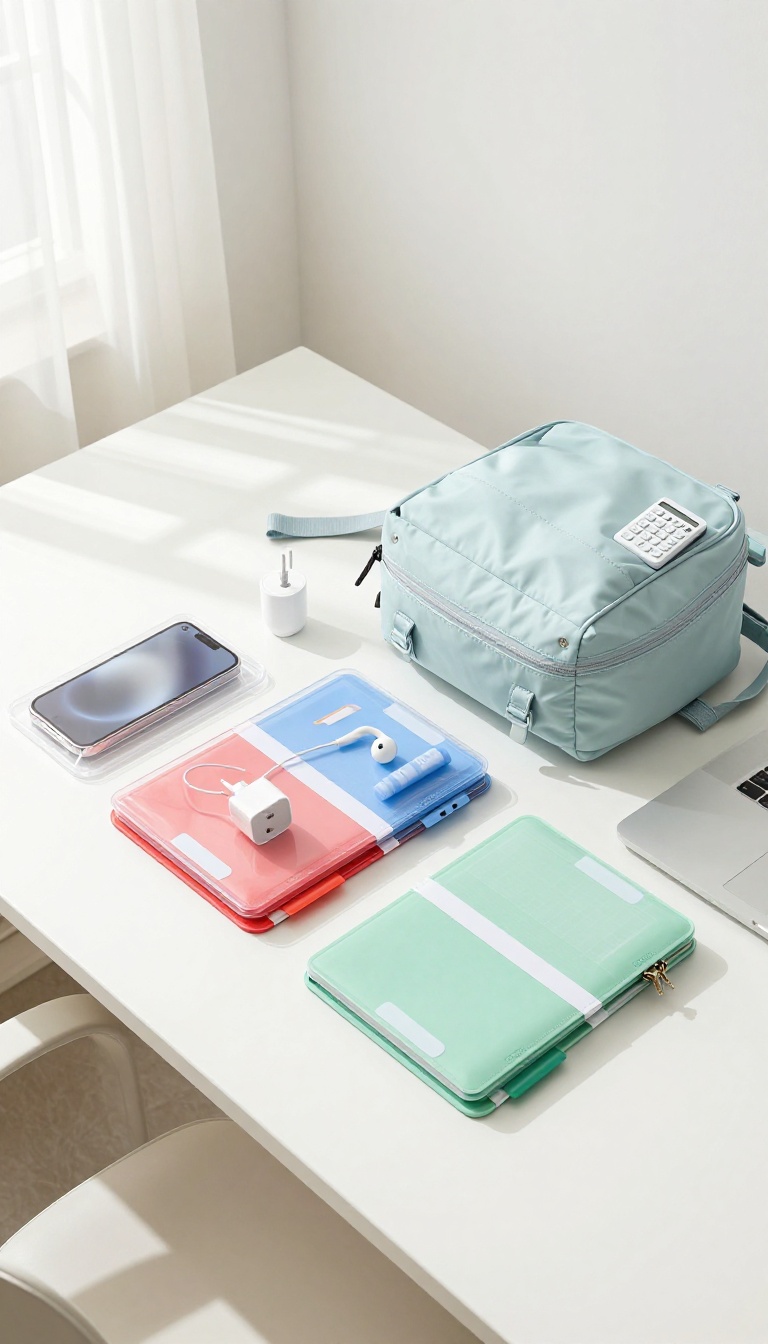
A messy backpack can throw off your whole day before it even starts. When you’re digging around for a pen or a charger, it’s easy to feel scattered and stressed. Getting your bag organized is a small change that makes a big difference in how prepared and put-together you feel.
Start by emptying everything out. Sort your stuff into categories: electronics, writing tools, personal items, and papers. Then, use a few simple pouches or folders to keep each group separate.
This way, you’ll always know exactly where to find what you need, and you won’t have to dump your entire bag on the floor just to locate your phone charger.
Use Clear Pouches For Small Items
Clear pouches are a game-changer for small things like chargers, earbuds, and lip balm. You can see what’s inside without rummaging, and they keep everything from getting lost at the bottom of your bag. Grab a few in different colors or sizes to match your style.
Color-code Your Folders
Assign a different color folder to each subject—red for math, blue for science, green for English, and so on. This makes it super easy to grab the right materials before class. Plus, it adds a nice pop of color to your backpack and helps you stay organized without even thinking about it.
Designate A Home For Everything
Give every item a specific spot in your backpack. Your keys go in the front pocket, your calculator in the side pocket, and your laptop in the padded sleeve. When everything has a home, you’ll naturally put things back where they belong, keeping your bag tidy all day long.
6. Practice Good Posture
You might not think about it, but the way you carry yourself speaks before you say a word. Slouching can make you seem tired or unsure, even when you're not. Standing tall is a simple fix that instantly upgrades your presence.
Good posture isn't just about looks—it affects how you feel. When you sit and stand straight, you breathe better, feel more alert, and project confidence. It's a small habit with a big payoff, and it's totally free.
Here's how to make good posture a natural part of your day, so you walk into that classroom looking and feeling your best.
Set Up Your Study Space
Your desk and chair play a huge role in your posture. Make sure your feet rest flat on the floor and your lower back is supported. Adjust your screen so you're not hunching forward.
A quick setup fix can save your spine from a whole semester of slouching.
Stretch It Out
Long hours of sitting can tighten your chest and weaken your back. Simple stretches—like opening your arms wide or gently tilting your head—help reset your alignment. Do a few stretches in the morning and between classes to keep your body loose and upright.
Use Reminders
It's easy to forget about posture when you're focused on a lesson. Set a phone alarm or stick a note on your laptop that says "sit tall. " Over time, these reminders train your body to default to a straighter position.
7. Prep a Healthy Breakfast
Breakfast is the fuel that gets your brain and body going, but mornings are often a rush. Instead of skipping it or grabbing something sugary, a little prep goes a long way. You don't need to be a chef—just a few smart choices can make your first meal of the day both easy and nourishing.
A good breakfast doesn't have to be complicated. Overnight oats are a classic: mix oats, milk or yogurt, and your favorite toppings in a jar the night before. In the morning, it's ready to grab.
Smoothies are another great option—pre-portion your fruits and veggies into bags, then just blend with liquid. You can even make breakfast wraps or egg muffins ahead of time and heat them up. The goal is to have something tasty and filling that keeps you energized through those first few classes.
Why It Matters
Eating a balanced breakfast helps with focus and memory, which is exactly what you need on the first day. It also stabilizes your blood sugar, so you won't crash mid-morning. Plus, starting the day with a healthy meal sets a positive tone for your food choices later on.
Quick Ideas
Try peanut butter banana overnight oats, a berry spinach smoothie, or a breakfast burrito with eggs and veggies. You can also make chia pudding or yogurt parfaits in individual cups. The key is to prep them the night before so you literally grab and go.
Make It Your Own
Think about what you actually enjoy eating. If you're not a morning person, keep it simple. You can also involve your family or roommates—make a batch of breakfast items together and share.
That way, it feels less like a chore and more like a habit you'll stick with.
8. Create a Morning Routine That Works
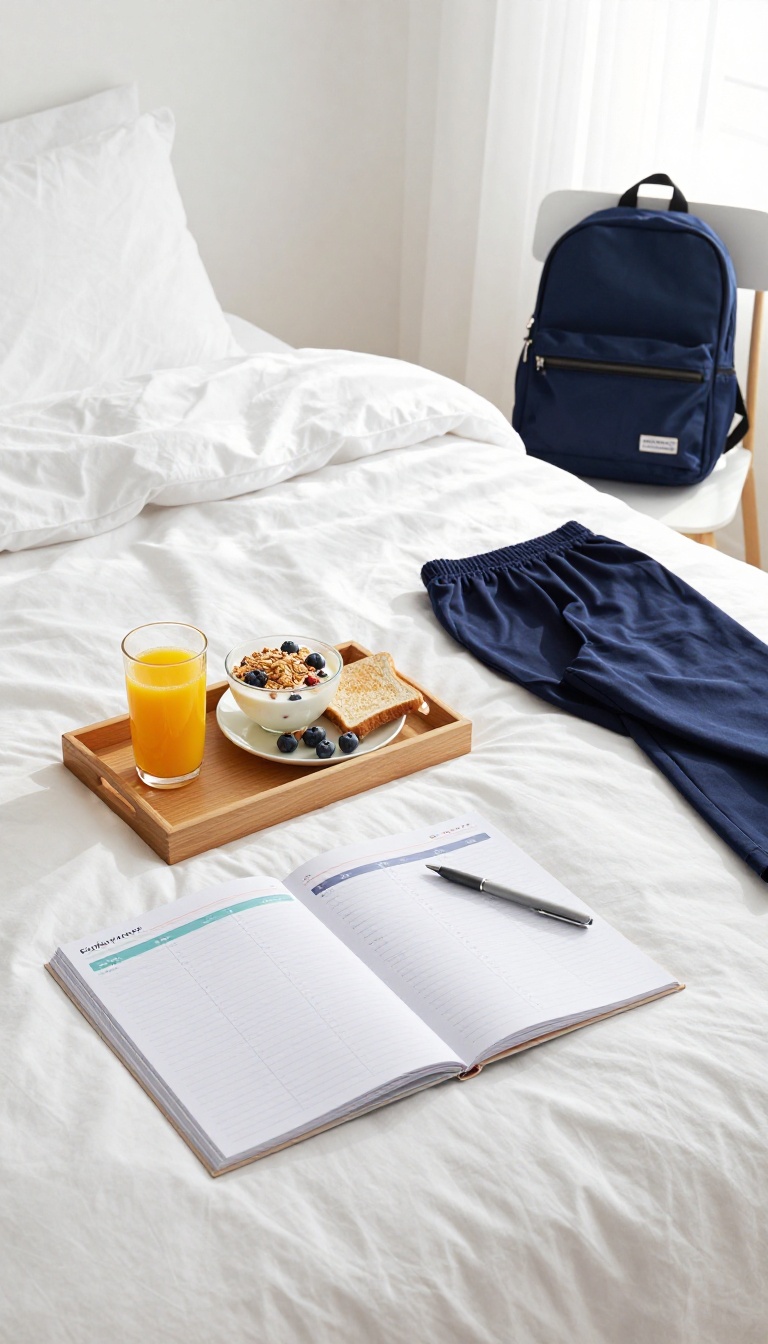
Mornings can set the tone for your entire day, but they're often rushed and stressful. A solid morning routine doesn't have to be complicated—it just needs to be consistent. By designing a simple flow that covers the basics, you'll feel more prepared and less frazzled when you walk into school.
Start by mapping out your morning in order: wake up, freshen up, eat, and check your schedule. Keep it realistic—don't plan for an hour-long workout if you're not a morning person. The goal is to create a routine that feels doable and leaves you feeling ready, not rushed.
Keep It Simple
Your routine doesn't need to be elaborate. Focus on the essentials: hygiene, breakfast, and a quick look at your schedule. Write it down or set alarms to help you stay on track.
The simpler it is, the easier it is to stick to.
Prep The Night Before
Lay out your clothes, pack your bag, and prep your breakfast the night before. This cuts down on decision fatigue and saves precious minutes in the morning. Even a few small steps can make your morning flow much smoother.
Build In Buffer Time
Give yourself a little extra time for unexpected hiccups, like a missing sock or a spilled drink. Aim to finish your routine 10 minutes before you actually need to leave. That buffer can be the difference between a calm start and a stressful one.
9. Refresh Your Hair Game
Your hair is one of the first things people notice, and a small change can make you feel like a brand-new person. Whether you're after a full transformation or just a subtle tweak, updating your hairstyle is a simple way to boost your confidence before school starts.
A fresh haircut or a new styling routine can completely change how you feel about your appearance. It’s not about following trends—it’s about finding what makes you feel good. Even a small change, like adding layers or trying a new part, can make a big difference.
Try A Low-maintenance Cut
If you're not ready for a dramatic change, ask your stylist for a trim or a shape-up that works with your natural texture. A cut that’s easy to style will save you time on busy mornings and keep you looking polished without much effort.
Learn A New Styling Trick
Pick one new hairstyle to master before school starts—like a sleek ponytail, loose waves, or a simple braid. Practice it a couple of times so it feels effortless. Having a go-to style that looks great can be a game-changer on hectic days.
Use A Deep Conditioning Treatment
Give your hair some extra love with a deep conditioning mask a week before school. Healthy, shiny hair instantly looks more put-together. It’s a small step that can make a big difference in how your hair looks and feels.
10. Invest in a Good Deodorant and Fragrance
Smelling good is a subtle but powerful part of your glow up. It’s not about dousing yourself in perfume—it’s about finding a scent that feels like you and lasts through the day. A fresh scent can boost your confidence and leave a positive impression without saying a word.
Start with a reliable deodorant or antiperspirant that keeps you feeling fresh from morning to last period. Then, choose a fragrance—whether it’s a body spray, cologne, or rollerball—that matches your vibe. Test it on your wrist first, and remember: a little goes a long way.
Find Your Signature Scent
Your scent should feel like an extension of your personality. Try a few options—fresh, woody, sweet, or clean—and see which one makes you feel most like yourself. Ask a friend or family member for their honest opinion, and don’t be afraid to start with a travel size.
Apply Like A Pro
Spray fragrance on pulse points like your wrists, neck, and behind your ears. Don’t rub your wrists together—it breaks down the scent. For deodorant, apply to clean, dry skin in the morning, and consider carrying a mini size for a quick refresh after gym class.
Keep It Subtle
The goal is to smell good, not overwhelm the room. A couple of sprays is enough. If you’re unsure, ask someone you trust if the scent is noticeable from a normal talking distance.
You want people to lean in, not back away.
11. Clean Up Your Digital Space
Your phone and laptop are basically extensions of you now. A cluttered home screen or a mess of files can quietly stress you out, even if you don't notice it. Clearing that digital clutter is a quick win that makes you feel more organized and ready to focus.
Start by deleting apps you haven't used in months. That old game or shopping app? Gone.
Then, organize your files into folders with clear names, like "School" or "Projects. " Finally, set a wallpaper that inspires you—maybe a calming landscape or a motivational quote. Every time you unlock your phone, you'll get a little boost.
Declutter Your Home Screen
Swipe through your apps and delete anything you haven't opened in the last month. Move the rest into labeled folders, like "Social" or "Productivity. " Keep only your most-used apps on the main screen.
This makes everything easier to find and feels less chaotic.
Organize Your Files
On your laptop, create a folder system that makes sense for your classes. Name folders by subject or semester. Move loose documents, downloads, and screenshots into the right spots.
Delete old files you don't need. A tidy file system saves you time later and feels like a fresh start.
Set An Inspiring Wallpaper
Your wallpaper is the first thing you see when you pick up your phone. Choose something that makes you feel good—a favorite photo, a peaceful nature scene, or a bold color. Avoid anything cluttered or stressful.
A simple change can refresh your mindset every time you unlock your screen.
12. Set Intentions for the Semester

Goals give your glow up direction. Without a clear target, motivation fades by week two. Writing down a few specific intentions turns vague hopes into a plan you can actually follow.
Think about what you want from this semester—not just grades, but experiences and habits. Maybe you want to speak up in class, make one new friend, or finally join that club. Pick three or four that genuinely matter to you.
Once you have your list, make it visible. Put it on your mirror, in your phone notes, or on your desk. Review it each morning to keep your focus sharp.
When you feel lost, your intentions remind you why you started.
Make Your Goals Specific
Instead of “do better in math, ” say “raise my grade from B to A- by the end of the term. ” Specific goals are easier to measure and less overwhelming. Break bigger goals into small weekly actions, like “complete two practice problems every day. ”
Add A Timeline
Give each goal a deadline. “Join the photography club by September 15” is more actionable than “join a club sometime. ” Deadlines create gentle pressure that keeps you moving. Review your timeline every few weeks and adjust if needed.
Check In Weekly
Set aside ten minutes each Sunday to reflect on your progress. Ask yourself what worked and what didn’t. Celebrate small wins—they build momentum.
If you missed a step, don’t stress; just reset and try again next week.
13. Practice Positive Self-Talk
That voice in your head? It's either your biggest cheerleader or your toughest critic. Before you step into that classroom, make sure it's rooting for you.
Swapping negative thoughts for affirmations isn't just feel-good fluff—it's a real confidence booster.
Catch The Negative Loop
Notice when you think things like "I'm going to mess up" or "Nobody will talk to me. " These thoughts feel automatic, but they're just habits. Pause, take a breath, and ask yourself: "Is this actually true?
" Often, it's not. Just catching the thought is the first step to changing it.
Flip It To An Affirmation
Once you catch a negative thought, flip it. Instead of "I'm going to mess up, " say "I've prepared, and I'll do my best. " Instead of "Nobody will talk to me, " say "I'm friendly, and I'll make an effort to connect.
" Keep it believable—your brain will buy it more easily if it's realistic.
Make It A Morning Routine
Spend two minutes each morning looking in the mirror and saying a few affirmations out loud. Pick ones that resonate with you, like "I am capable" or "I belong here. " It might feel awkward at first, but repetition is key.
Over time, those words become your inner voice.
14. Get Moving Every Day
You don't need a gym membership to feel the glow-up benefits of movement. Even a 15-minute walk can shift your mood, clear your head, and give you that natural energy boost you need for the school day. Think of it as a daily reset button for your body and mind.
Regular movement doesn't have to be intense or time-consuming. The goal is to get your blood flowing and your heart rate up just enough to feel alive. Whether it's a brisk walk around the block, a quick dance session in your room, or a few stretches in the morning, every little bit counts.
Start Small And Simple
Don't overcomplicate it. A 15-minute walk after breakfast or before homework is a perfect start. You can even break it into smaller chunks—like a 5-minute stretch when you wake up and a 10-minute walk after lunch.
The key is consistency, not intensity.
Move With A Purpose
Combine movement with something you already do. Listen to a podcast or your favorite playlist while walking. Take your dog along.
Walk to a friend's house instead of texting. When movement feels less like a chore and more like a break, you're more likely to stick with it.
Make It Social
Invite a friend to join you for a daily walk or a quick workout video. Having a buddy keeps you accountable and makes it more fun. You can even turn it into a study break—grab a classmate and take a 10-minute lap around the school grounds between classes.
15. Organize Your Study Space
Your environment shapes your mindset more than you think. A messy desk can make you feel scattered before you even start. Setting up a dedicated study spot signals your brain that it's time to focus.
You don't need fancy gear or a Pinterest-worthy setup. Just a clean, comfortable corner with your essentials within reach can work wonders. When everything has a place, your mind feels clearer and ready to tackle homework or projects.
Start by clearing off your desk or table. Keep only what you need for your current task—laptop, notebooks, pens, and maybe a water bottle. Put away anything that might pull your attention, like your phone or unrelated papers.
Next, make sure you have good lighting and a comfortable chair. Natural light is great if you can get it, but a decent desk lamp works too. Your back will thank you, and you'll be able to sit longer without getting restless.
Finally, add a personal touch that keeps you motivated. A small plant, a favorite photo, or a sticky note with a positive quote can make the space feel inviting. Just don't overdo it—clutter defeats the purpose.
Clear The Clutter
A cluttered space leads to a cluttered mind. Spend a few minutes each day tidying up your study area. Use drawers or bins to store supplies, and keep the surface mostly clear.
When everything is in its place, you'll spend less time searching for things and more time actually studying.
Set Up Your Essentials
Think about what you use most often—pens, highlighters, chargers, sticky notes. Keep them within arm's reach so you don't have to get up and break your flow. A simple organizer or a cup for pens can make a big difference.
Also, make sure your tech is charged and ready to go.
Make It Yours
Your study space should feel like a place you want to be. Add a cozy blanket, a motivational poster, or a scented candle (if allowed). Just keep it minimal.
A space that reflects your personality can make studying feel less like a chore and more like a positive habit.
16. Learn a Simple Makeup Look (If You Wear It)
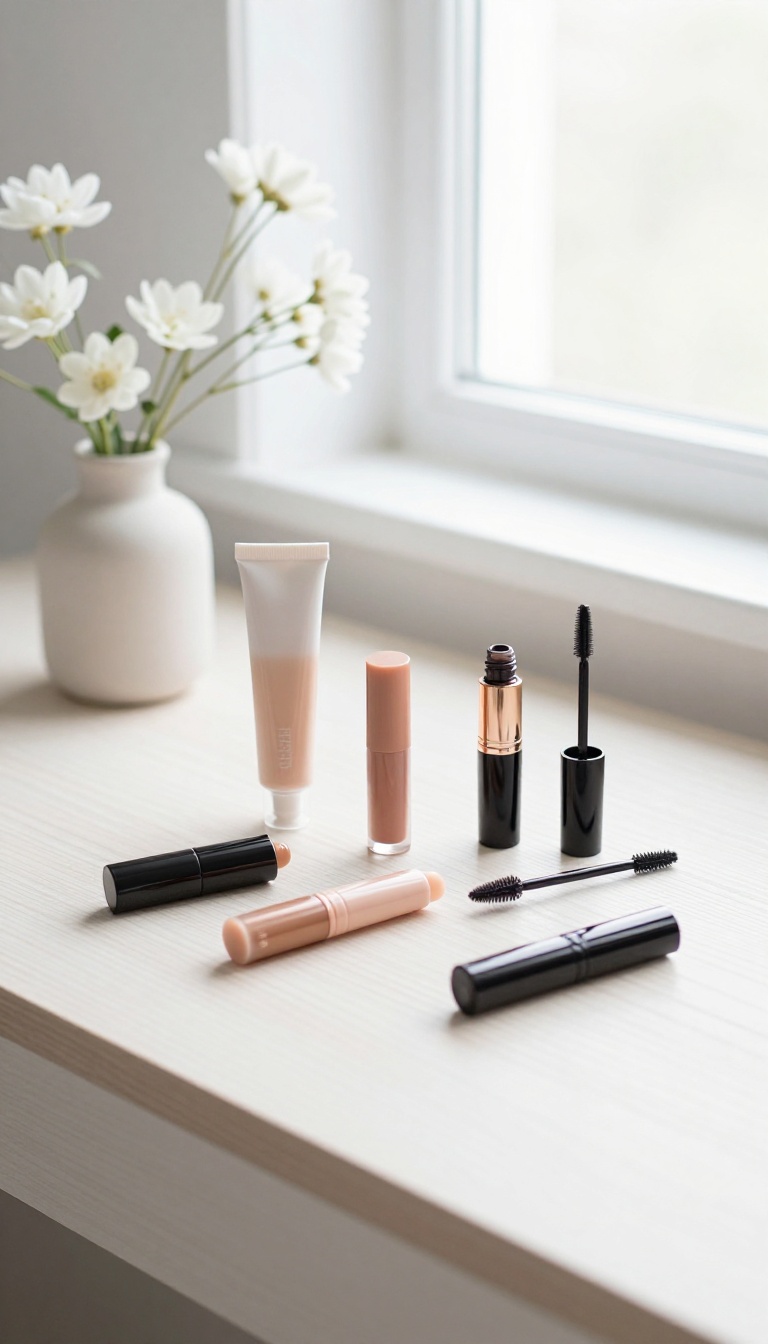
Makeup can be a confidence booster, but it shouldn't eat up your mornings. A simple, natural look that enhances your features is all you need. Forget complicated tutorials—stick to a routine you can do in five minutes flat.
The goal is to look like you, just a little more polished. This isn't about covering up; it's about highlighting what you already have. A few quick steps can make you feel put-together without looking overdone.
A simple makeup routine is your secret weapon for busy school mornings. It saves time, reduces stress, and gives you a natural glow that works for any setting. Once you've practiced a few times, you'll be able to do it on autopilot, even before your brain is fully awake.
Keep your products minimal: a tinted moisturizer or concealer, mascara, a brow gel, and a lip balm or tint. That's it. These basics even out your skin, open up your eyes, and add a hint of color—without needing a full kit.
Stick To A 5-minute Routine
A quick routine means fewer decisions and less stress. Start with a light base—like a tinted moisturizer or just concealer where you need it. Then brush your brows into place, add one coat of mascara, and swipe on a tinted lip balm.
That's your whole look. Practice it a few times so it becomes second nature.
Focus On Your Best Features
You don't need to do everything. If you have nice skin, skip foundation and just use a little concealer. If your eyes are your thing, make mascara your priority.
If you love your lips, go for a tinted balm. Pick one or two features to highlight, and let the rest stay natural.
Prep Your Skin The Night Before
Good makeup starts with good skin. Wash your face, moisturize, and get enough sleep. In the morning, your makeup will go on smoother and last longer.
A quick splash of cold water can also help reduce puffiness and wake you up.
17. Update Your Social Media Presence
Your social media is often the first impression people get before you even say hi. A quick refresh can make you feel more put-together and ready to present the best version of yourself. It’s not about chasing likes—it’s about curating a space that feels like you, right now.
Start by doing a quick audit of your profiles. Unfollow accounts that don’t inspire you, archive old posts that feel outdated, and update your bio to reflect your current interests or goals. Then, post something that feels authentic—a photo, a thought, or a hobby you’re into.
A fresh online presence can boost your confidence and make you feel more aligned before the school year kicks off.
Clean Up Your Feed
Scroll through your profile and delete or archive anything that doesn’t represent who you are now. That might mean removing old memes, cringe-worthy posts, or photos with ex-friends. You don’t have to delete everything—just curate a feed that feels intentional and positive.
Refresh Your Bio And Profile Pic
Update your bio with something that shows your current vibe—maybe a quote, your favorite emoji, or a short line about what you’re into. Choose a profile picture that’s clear, well-lit, and makes you smile. A small change like this can make your profile feel brand new.
Post Something Real
Share a recent photo or a quick update about something you’re excited about for the new school year. It doesn’t have to be perfect—just genuine. Posting something fresh shows you’re active and gives your friends something to engage with before classes start.
18. Prep Healthy Snacks
When the afternoon slump hits, vending machine chips and candy bars can undo all your good intentions. Packing your own snacks is a simple way to keep your energy steady and your mind sharp. It’s also a small act of self-care that pays off all day long.
Choose Smart Staples
Go for snacks that mix protein, fiber, and healthy fats. Think apple slices with peanut butter, a handful of almonds, or Greek yogurt with berries. These combos keep you full longer and avoid the sugar crash that comes from processed treats.
Prep The Night Before
Spend five minutes each evening washing fruit, portioning nuts into small bags, or making a yogurt parfait. In the morning, just grab and go. This routine removes the temptation to skip breakfast or rely on cafeteria junk.
Pack For Convenience
Use reusable containers or snack-sized zip bags to make everything easy to carry. Keep a small cooler or insulated lunch bag if you’re bringing yogurt or cheese sticks. The easier it is to grab, the more likely you’ll actually eat it.
19. Practice Good Oral Hygiene
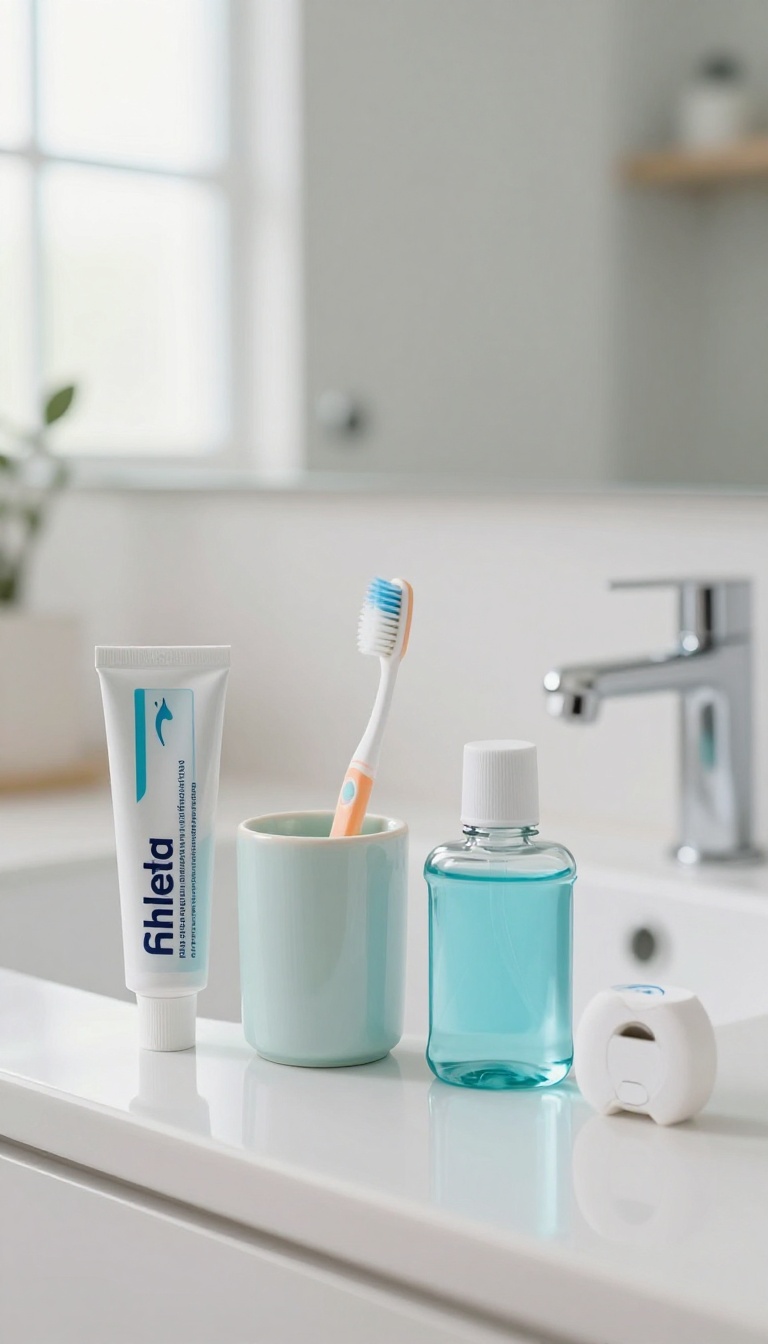
A bright smile is one of the first things people notice, and it can instantly boost your confidence. Taking care of your teeth isn't just about looks—it's about feeling fresh and ready to face the day. A simple oral care routine can make a huge difference in how you present yourself.
Start by brushing twice a day and flossing daily. Carry a travel toothbrush and toothpaste for after lunch or snacks. If you're wearing braces or retainers, keep them clean too.
A quick rinse with mouthwash can freshen your breath before class. These small habits keep your smile bright and your mouth healthy, so you can talk and laugh without worry.
Morning And Night Routine
Brush for two minutes in the morning and before bed. Use fluoride toothpaste and a soft-bristled brush. Don't forget to floss—it removes food particles and plaque that brushing misses.
Replace your toothbrush every three months or sooner if bristles are frayed.
On-the-go Freshness
Keep a mini dental kit in your backpack: a toothbrush, toothpaste, floss picks, and mouthwash. After lunch, give your teeth a quick brush or rinse. Chewing sugar-free gum with xylitol can also help stimulate saliva and freshen breath between classes.
Smile With Confidence
When your mouth feels clean, you're more likely to smile naturally. Smiling makes you approachable and can even improve your mood. If you're self-conscious about your teeth, consider whitening strips or a visit to the dentist for a professional cleaning.
20. Find Your Signature Style
Your clothes are a form of self-expression before you even say a word. Finding a signature style isn't about following trends—it's about wearing what makes you feel like you. When you feel good in what you're wearing, it shows in how you carry yourself.
Start by noticing what you already reach for most often. Those pieces are clues to your personal style. Mix them with a few new items that feel like an upgrade, not a costume.
Don't be afraid to experiment, but always come back to what feels authentically you.
Start With What You Love
Look at your closet and pull out the pieces you wear on repeat. What colors, cuts, and fabrics do they share? That's your baseline.
Build your style around those favorites rather than forcing something that feels off.
Add One Statement Piece
A bold jacket, a unique pair of shoes, or a fun accessory can elevate a simple outfit. Choose one standout item per outfit so you don't overwhelm your look. It's an easy way to show personality without overthinking.
Comfort Is Non-negotiable
If you're tugging at your clothes or adjusting your shoes all day, you won't be confident. Make sure everything fits well and feels good to move in. When you're comfortable, you can focus on what matters—like acing that first day.
21. Do a Digital Detox Before Bed
Your phone might be the biggest culprit behind that tired, dull look. The blue light and endless scrolling can mess with your sleep more than you think. Putting it away 30 minutes before bed gives your brain a chance to wind down naturally.
Why It Works
Blue light from screens tricks your brain into thinking it's still daytime, which delays melatonin production. That makes it harder to fall asleep and reduces the quality of your rest. Better sleep means your skin repairs itself, your eyes look brighter, and you wake up feeling more refreshed.
How To Start
Set a nightly alarm 30 minutes before you plan to sleep. Use that time to do something calming—read a book, stretch, or journal. Keep your phone in another room or at least out of arm's reach so you're not tempted to check it.
22. Reach Out to a Friend
The first day of school can feel like walking into a crowded room alone. Even if you're usually independent, a familiar face makes a huge difference. That's why reaching out to a friend before school starts is a smart glow up move.
It doesn't have to be a big deal. A quick text, a shared meme, or a plan to meet at the lockers can turn first-day jitters into something to look forward to. You'll walk in knowing you're not starting from zero.
Break The Ice Early
You don't need to wait until the first bell to reconnect. Send a message a few days before school starts. Ask about their summer, share something funny, or just say you're looking forward to seeing them.
It's a low-pressure way to warm up the friendship.
Plan A Simple Meet-up
Suggest grabbing lunch together or walking to class together on the first day. Having a set plan removes the awkwardness of figuring out where to sit or who to talk to. Even a quick 'see you at the front gate' makes the morning feel smoother.
Keep It Low-stress
Don't overthink it. A simple invitation is enough. If they're busy or already have plans, that's okay.
The point is to open a line of communication, not to lock in a schedule. Just knowing someone's got your back can ease those first-day nerves.
23. Visualize Your Success
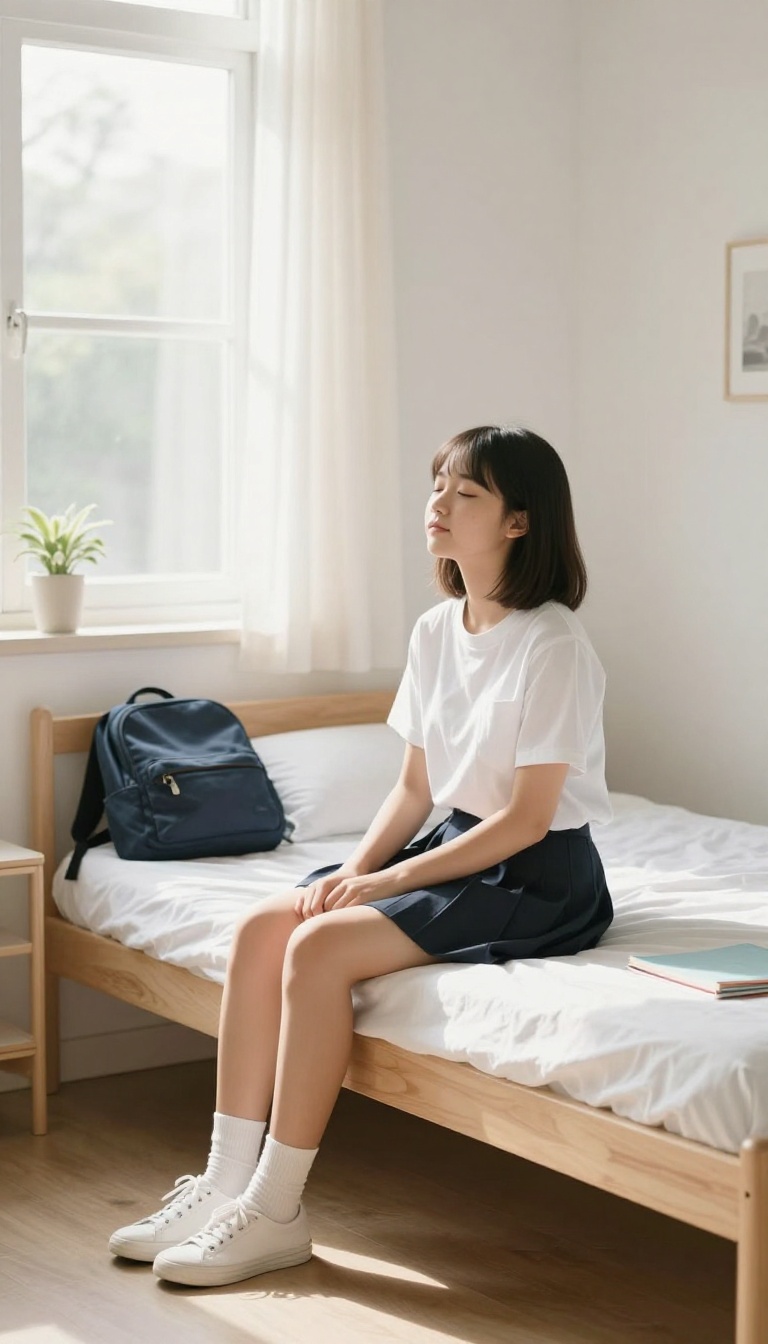
Before you even step foot in the building, take a few quiet minutes to picture the day going well. Visualization isn't just daydreaming—it's a mental rehearsal that can calm your nerves and boost your confidence. Close your eyes and imagine walking in with a clear head, smiling at friends, and handling each class with ease.
Picture The Details
Don't just think 'I'll do fine. ' Get specific. Imagine the hallway, the classroom, the teacher's voice. Picture yourself finding your seat, opening your notebook, and participating when you have something to say.
The more vivid you make it, the more your brain believes it's already happened.
Flip The Script On Nerves
If you start to feel anxious, visualize that nervous energy turning into excitement. See yourself taking a deep breath, feeling calm, and smiling. That small mental shift can change how your body reacts, making you feel more in control.
Keep It Short And Positive
You don't need to set aside twenty minutes. Just a few minutes each morning or the night before is enough. Focus on the positive outcomes—the laughs, the good moments, the feeling of accomplishment.
Don't dwell on what could go wrong.
Pair It With A Simple Ritual
Make visualization a habit by pairing it with something you already do, like brushing your teeth or tying your shoes. That way, it becomes a natural part of your routine and you won't forget to do it.
FAQ
How far in advance should I start these glow up tips?
Start at least a week before school. Some habits, like sleep and skincare, take a few days to show results, while others, like organizing your space, can be done in an afternoon.
Do I need to buy expensive products to glow up?
No. Many glow up tips are free or low-cost, like drinking water, getting enough sleep, and practicing good posture. Focus on consistency over cost.
What if I don't wear makeup?
That's totally fine. A glow up is about feeling confident in your own skin. Skincare, hydration, and a smile are just as effective.
How can I stay consistent with these habits?
Pick a few key habits and start small. Use reminders or a habit tracker. Once they become routine, add more.
Can these tips help with social anxiety?
Yes. Feeling prepared and confident in your appearance can reduce anxiety. Practicing positive self-talk and visualizing success also help.
Conclusion
Starting school with a fresh mindset doesn't require a complete overhaul—just a few small shifts that make you feel more like yourself. Pick two or three glow up tips that actually excite you, whether it's a new skincare step or a morning stretch, and give them a real shot.
The goal isn't to become someone else; it's to walk in feeling confident in the version of you that's been there all along. So, choose your favorites, keep it simple, and let the first day be the start of something good.