
That fresh, lit-from-within glow isn't just luck—it's a collection of small, repeatable choices that add up fast. These 25 face habits are the kind of practical upgrades that make your skin look brighter, calmer, and more awake, starting today.
No complicated routines, just simple moves you can actually stick with. Ready to see the difference?
Let's walk through the first one.
1. Start Your Day with a Splash of Cold Water

That first splash of cold water in the morning does more than just wake you up—it gives your skin an instant refresh. The cool temperature helps constrict blood vessels, which reduces puffiness and tightens pores. Plus, it boosts circulation, giving your face a natural, healthy glow that lasts.
If you're used to hot showers or warm washes, cold water might feel like a shock at first. But your skin will thank you. Cold water helps reduce inflammation and can even help your skincare products absorb better afterward.
It's a simple habit that costs nothing and takes just a few seconds.
Why Cold Water Works
Cold water triggers vasoconstriction, which shrinks blood vessels and reduces swelling. This is especially helpful for under-eye bags and morning puffiness. It also helps tighten the appearance of pores, making your skin look smoother and more even.
How To Make It A Habit
Start by splashing cold water on your face right after you wake up, before you do anything else. Keep a small bowl or a reusable spray bottle filled with cold water near your sink as a reminder. You can also finish your regular face wash with a cold rinse to lock in the benefits.
Pro Tips For Best Results
If you're feeling brave, try a quick ice roller or a chilled jade roller after your splash. That extends the cooling effect and adds a gentle massage to boost lymphatic drainage. Just make sure not to use ice directly on skin for too long—keep it moving to avoid irritation.
2. Hydrate Inside and Out
Water is the cheapest skincare product you own, and most of us still don't drink enough. When your body is even slightly dehydrated, your skin looks dull and tired. That morning glass of water is the first step to fixing that.
Start your day with a full glass of water before anything else. Then layer on a hydrating serum or moisturizer while your skin is still damp. This locks in moisture and gives your face that plump, dewy look you're after.
Morning Water Ritual
Keep a glass or bottle by your bed and drink it as soon as you wake up. Add a squeeze of lemon if you like, but plain water works just fine. This simple habit kickstarts your hydration from the inside.
Hydrating Skincare Layers
Apply your serum and moisturizer within a minute or two of cleansing, while skin is still damp. Look for ingredients like hyaluronic acid and glycerin, which pull water into the skin. Pat, don't rub, to help it absorb.
Don't Forget Your Lips
Your lips need hydration too. Use a nourishing balm throughout the day, especially after drinking or eating. A quick swipe before bed helps them stay soft and smooth.
3. Never Skip Sunscreen
UV rays are the sneakiest culprits behind premature aging, dark spots, and uneven tone—even on overcast days. Sunscreen is your daily shield, and it's non-negotiable if you want that glow to last. Here's how to make it a no-brainer habit.
Make sunscreen the last step of your morning routine, right after moisturizer. Choose a broad-spectrum SPF 30 or higher, and don't forget your neck and ears. Reapply every two hours if you're outdoors, or use a makeup setting spray with SPF for easy touch-ups.
Pick The Right Formula
Gel, cream, or mist—find one you actually enjoy using. If you're oily, go for a matte finish; if dry, a hydrating formula. The best sunscreen is the one you'll wear daily.
Apply The Right Amount
Most people use way too little. Aim for a nickel-sized dollop for your face, and a shot glass for your body. That's the amount needed for full protection.
Make It A Habit
Keep your sunscreen next to your toothbrush as a visual cue. Or set a daily reminder on your phone. After a week, it'll feel automatic.
4. Cleanse with a Gentle Touch
Think of cleansing as a reset, not a scrub-down. The goal is to lift away the day's buildup without leaving your skin feeling tight or squeaky. That squeaky feeling?
It's actually a sign you've stripped away too much, which can trigger more oil production and irritation.
Choosing the right cleanser matters more than you'd think. A gentle, sulfate-free formula respects your skin's natural barrier, keeping it balanced and calm. And don't underestimate the power of lukewarm water—hot water is a fast track to dryness and redness.
Pick A Mild Formula
Look for cleansers labeled "gentle, " "hydrating, " or "cream-based. " These tend to be kinder to your skin than foaming or gel cleansers that can be too harsh. Ingredients like glycerin, ceramides, or aloe help maintain moisture while cleaning.
Stick To Twice A Day
Morning and night is the sweet spot. Over-cleansing—like after every workout or mid-day touch-up—can disrupt your skin's microbiome and lead to dryness or breakouts. If you need a refresh midday, just splash with water or use a gentle toner.
Use Lukewarm Water
Hot water feels nice, but it's a sneaky culprit behind tight, irritated skin. Lukewarm water is just as effective at removing dirt and oil, and it keeps your skin's natural moisture intact. Finish with a cool rinse to help close pores and boost circulation.
5. Exfoliate Regularly, but Not Too Much

Exfoliation is like hitting the reset button for your skin. It sweeps away the dull, dead cells that pile up on the surface, letting the fresh, glowing layers underneath shine through. But here's the catch: too much of a good thing can backfire.
Over-exfoliating strips your skin's protective barrier, leaving it red, irritated, and prone to breakouts. The sweet spot? Two to three times a week, depending on your skin type and the product you use.
Start with a gentle exfoliant—either a chemical one with AHAs or BHAs, or a soft physical scrub. Apply it to damp skin in small, circular motions, and rinse with lukewarm water. Pay attention to how your skin feels afterward: if it's tight, itchy, or stinging, you've gone too far.
Dial back to once a week or switch to a milder formula. Your skin will tell you what it needs—just listen.
Know Your Exfoliant Types
Chemical exfoliants like glycolic acid (AHA) work on the surface to brighten, while salicylic acid (BHA) dives into pores to clear them out. Physical scrubs with fine particles are great for a quick polish, but avoid harsh beads that can cause micro-tears. Choose based on your skin's needs—dry skin loves AHAs, oily or acne-prone skin benefits from BHAs.
Signs You're Overdoing It
If your skin feels tight, looks shiny in an unnatural way, or stings when you apply moisturizer, you've likely over-exfoliated. Redness, flakiness, and increased breakouts are also red flags. When that happens, pause exfoliation for a week and focus on gentle cleansing and barrier-repairing moisturizers with ceramides or niacinamide.
Adjust For Your Skin Type
Sensitive skin? Stick to once a week with a very gentle enzyme mask. Oily or thick skin?
You might handle three times a week. Combination skin? Exfoliate only the oilier zones, like the T-zone, and skip the cheeks.
Always patch-test new products and introduce them slowly to see how your skin reacts.
6. Incorporate Vitamin C into Your Morning Routine
Vitamin C is a skincare powerhouse that works quietly in the background, brightening your complexion while you go about your day. It’s one of those ingredients that delivers visible results without a lot of fuss—just a few drops in the morning can make a real difference. When applied under sunscreen, it doubles as a shield against environmental stressors like pollution and UV rays.
The result? A more even tone, fewer dark spots, and that fresh, lit-from-within look you’re after.
Adding vitamin C to your morning routine is easier than you think. Start with a serum that has at least 10% concentration, and apply it after cleansing but before moisturizer. Let it sink in for a minute, then follow with your sunscreen.
Consistency matters more than quantity—a little goes a long way. If you have sensitive skin, look for a gentle formulation with hyaluronic acid or vitamin E to buffer any potential irritation. And remember, vitamin C works best when used daily, so make it a non-negotiable step in your AM routine.
Why Morning Is The Best Time
Your skin repairs itself at night, but during the day it’s on the defensive. Vitamin C steps in as an antioxidant, neutralizing free radicals from sun exposure and pollution. That’s why morning application gives you the most benefit—it’s like sending your skin to battle with armor on.
How To Layer It Properly
Order matters: cleanse, tone, then vitamin C serum. Wait about 60 seconds for it to absorb before applying moisturizer. Finish with a broad-spectrum SPF 30 or higher.
This layering ensures the vitamin C stays effective and doesn’t pill under your makeup.
Choosing The Right Vitamin C
Not all vitamin C is created equal. Look for ascorbic acid (the most potent form) in a dark, airtight bottle to prevent oxidation. If you have dry or sensitive skin, opt for a derivative like magnesium ascorbyl phosphate, which is gentler.
Start with a lower concentration (10-15%) and build up to avoid irritation.
7. Facial Massage for Lymphatic Drainage
Your face holds tension and fluid in ways you might not notice until you look puffy or tired. A quick massage can change that in minutes. It's not about fancy tools—just your fingers or a simple gua sha stone can do the trick.
Massaging your face isn't just relaxing; it's a functional habit that boosts circulation and encourages lymphatic drainage. This helps reduce morning puffiness, gives your skin a subtle lift, and leaves you looking more awake. The best part?
It takes only a few minutes and feels amazing.
Why It Works
Your lymphatic system doesn't have a pump like your heart, so it relies on movement to push fluid through. Gentle massage stimulates this flow, helping your body flush out excess fluid and toxins. The result is less swelling and a more sculpted appearance, especially around the jaw and under-eyes.
How To Do It Right
Start with clean hands or a gua sha tool, and apply a few drops of facial oil or serum to reduce friction. Use upward and outward strokes, working from the center of your face toward your ears and down your neck. Spend about two minutes on each side, focusing on areas that feel tight or puffy.
When To Make It A Habit
Morning is ideal because it helps wake up your skin and reduce overnight puffiness. But you can also do it in the evening to release tension from the day. Consistency matters more than duration—five minutes daily beats an hour once a month.
8. Get Your Beauty Sleep
Ever notice how a bad night shows up on your face? While you snooze, your skin goes into repair mode, boosting circulation and collagen production. That's why sleep is often called the ultimate beauty treatment—and it's free.
Aim for 7-9 hours of quality shut-eye to let your skin renew itself. A silk pillowcase is a game-changer: it reduces friction, so you wake up with fewer sleep lines and less creasing. Plus, silk is gentler on your hair and won't absorb your skincare products like cotton does.
Why Sleep Matters For Your Skin
During deep sleep, your body releases growth hormone, which helps repair damaged cells. Blood flow increases, giving your skin that natural rosy glow. Skimp on sleep and you'll see dullness, puffiness, and more visible fine lines.
Upgrade Your Pillowcase
Cotton can tug at your skin and create friction marks. Switch to a silk or satin pillowcase—it's smoother and allows your skin to glide. It also helps retain moisture, so your skin stays hydrated overnight.
Set The Mood For Better Sleep
Keep your bedroom cool, dark, and quiet. Consider a white noise machine or blackout curtains. A consistent bedtime routine signals your body it's time to wind down, making it easier to fall asleep and stay asleep.
9. Change Your Pillowcase Frequently

Your pillowcase is basically a sponge for everything your skin sheds overnight—oil, sweat, dead skin cells, and leftover product. Sleeping on the same one for weeks means you're pressing your face into a buildup of bacteria and grime every night, which can clog pores and leave your complexion looking dull. Swapping it every two to three days is one of the easiest, most underrated habits for keeping your skin clear and fresh.
Think of your pillowcase as a second skin that touches your face for hours. If it's dirty, your skin pays the price. Making this a regular habit is a simple way to support your glow-up without adding any extra steps to your routine.
Why It Matters
Your skin renews itself while you sleep, and that process pushes out oil and dead cells—right onto your pillowcase. Over time, that buildup becomes a breeding ground for bacteria, which can lead to breakouts and irritation. A clean pillowcase means your skin isn't lying in yesterday's grime, so it can breathe and recover properly.
How Often To Swap
Aim to change your pillowcase every two to three days. If you have acne-prone or sensitive skin, you might want to do it even more often. Keep a stack of extras nearby so you can grab a fresh one without extra laundry hassle.
It's a small effort that pays off in clearer, brighter skin.
Extra Tips For Best Results
Wash your pillowcases in hot water with a gentle, fragrance-free detergent to avoid irritating your skin. Also, consider using silk or satin pillowcases—they create less friction, which can help reduce sleep lines and keep your skin looking smoother. And don't forget to wash your face before bed so you're not adding extra dirt to the mix.
10. Eat a Rainbow of Antioxidant-Rich Foods
Your skin is a reflection of what you put on your plate, not just what you put on it. Antioxidants are like tiny bodyguards that neutralize free radicals—unstable molecules that accelerate aging and dullness. When you eat a variety of colorful fruits and vegetables, you're giving your skin the tools it needs to repair and glow from the inside out.
Think of your meals as a chance to feed your glow. Berries, leafy greens, and vibrant veggies are packed with vitamins A, C, and E, plus polyphenols that boost circulation and collagen production. The more colors you include, the wider the range of protective nutrients you get.
So, aim for a plate that looks like a painter's palette—it's not just pretty, it's powerful.
Why Color Matters
Each color group offers different benefits. Red and pink foods like tomatoes and watermelon are rich in lycopene, which protects against sun damage. Orange and yellow options like carrots and sweet potatoes provide beta-carotene, a precursor to vitamin A that supports skin cell turnover.
Green leafy vegetables like spinach and kale deliver lutein and zeaxanthin, which keep skin hydrated and elastic.
Easy Ways To Add More
You don't need to overhaul your diet overnight. Start by adding a handful of berries to your morning oatmeal, tossing spinach into your smoothie, or swapping one snack for a colorful salad. Keep frozen fruits and veggies on hand for convenience—they're just as nutrient-dense as fresh.
Small swaps add up to a visible difference in your skin's radiance.
Pair With Healthy Fats
Many antioxidants are fat-soluble, meaning they're better absorbed when eaten with healthy fats. Drizzle olive oil over your salad, add avocado to your toast, or enjoy a handful of nuts with your fruit. This simple pairing ensures your body actually uses the nutrients you're consuming, so your skin gets the full benefit.
11. Limit Sugar and Processed Foods
Your skin is a mirror of your diet, and sugar is one of the biggest culprits behind dullness and breakouts. When you eat high-sugar foods, your body triggers inflammation and spikes insulin, which can lead to clogged pores and premature aging. Processed foods, on the other hand, often lack the vitamins and antioxidants your skin craves, leaving it looking tired and lackluster.
Cutting back on sugar and processed foods doesn't mean you have to give up everything you love. Start by swapping sugary drinks for water or herbal tea, and choose whole fruits over candy or pastries. For processed snacks, reach for nuts, seeds, or veggie sticks with hummus.
Small swaps add up to a clearer, more radiant complexion.
Why Sugar Hurts Your Glow
Sugar molecules attach to collagen and elastin fibers in a process called glycation, which makes them stiff and less able to repair. This leads to fine lines and sagging over time. Plus, high sugar intake spikes insulin, which triggers excess oil production and inflammation—a recipe for breakouts.
The Problem With Processed Foods
Processed foods are often stripped of fiber, vitamins, and antioxidants, leaving your skin without the nutrients it needs to repair and regenerate. They also contain additives and preservatives that can disrupt your gut microbiome, and an unhealthy gut often shows up as dull, irritated skin.
Easy Swaps That Make A Difference
You don't have to overhaul your diet overnight. Start by replacing one sugary snack a day with a piece of fruit or a handful of almonds. Choose whole-grain options instead of refined white bread, and cook meals at home more often to control what goes into your food.
Your skin will thank you within a few weeks.
12. Practice Facial Yoga or Exercises
Your face has muscles just like the rest of your body, and they can go slack if you never work them out. Facial yoga is a simple way to wake them up, giving your skin a natural lift that doesn't need needles or filters. It's a five-minute habit that pays off in a more sculpted, rested look.
Think of facial yoga as a mini workout for your face. These exercises target the muscles under your skin, which can help tone and firm areas like your cheeks, jawline, and forehead. The result?
A brighter, more lifted appearance that looks natural and fresh.
Why Facial Exercises Work
Your facial muscles attach to your skin, so when they're toned, they pull everything up. Regular practice increases blood flow, which brings oxygen and nutrients to your skin cells—that's your glow. Plus, it releases tension that can cause fine lines, so you look more relaxed and awake.
3 Simple Moves To Start
Try cheek lifts: smile with your lips closed and press your fingers on your cheekbones, then resist as you try to smile harder. For jaw release, tilt your head back and jut your lower jaw forward. And don't forget forehead smoothies: place your fingers on your forehead and gently pull the skin outward while raising your eyebrows.
Hold each for 5 seconds and repeat 10 times.
Make It A Daily Ritual
You don't need a gym membership for this. Do it in the morning while your coffee brews or at night before bed. Consistency matters more than duration—even five minutes a day can make a difference.
Pair it with your skincare routine for an extra boost.
13. Use a Jade Roller or Ice Roller
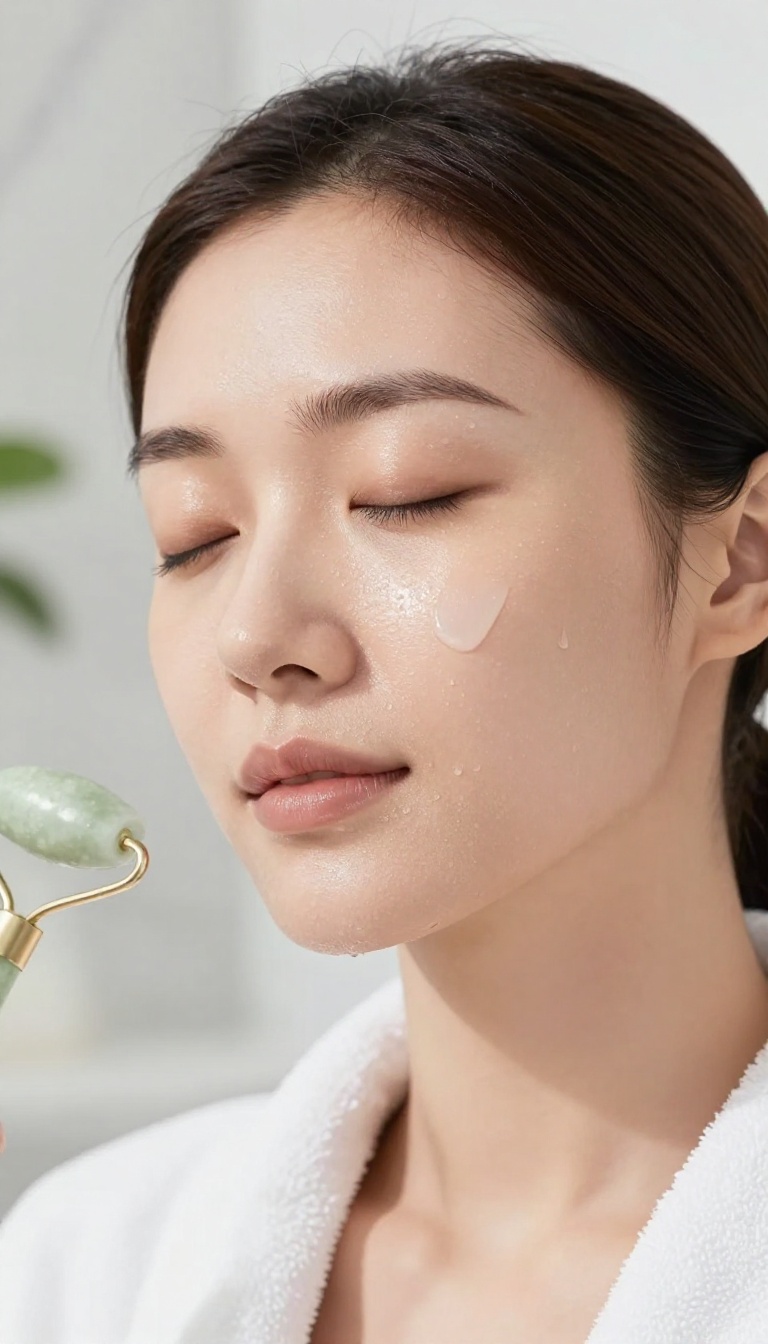
If you've ever watched a skincare video and wondered if those rollers actually do anything, the answer is yes—especially when they're chilled. A quick roll across your face feels like a mini spa treatment, but it's also working to reduce puffiness and calm any redness. The cooling effect tightens the skin temporarily, which can make you look more awake in seconds.
Rolling your face with a chilled tool is a simple way to boost circulation and help your skincare sink in deeper. The cool temperature constricts blood vessels, which reduces swelling and inflammation, while the gentle pressure helps drain excess fluid from your lymph nodes. It's a refreshing step that can make a noticeable difference in how fresh your skin looks, especially in the morning.
How To Use It Right
Keep your roller in the fridge or freezer for at least 10 minutes before use. Start at the center of your face and roll outward—up your cheeks, across your forehead, and down your jawline. Use light pressure and glide smoothly, always moving upward to lift and de-puff.
You can do this over cleansed skin or even over a sheet mask for extra absorption.
When To Roll
Morning is the best time for an ice roller because it wakes up your skin and helps reduce any overnight puffiness. But you can also use it at night to soothe irritated skin or after a long day. If you have a big event, roll for a few minutes before applying makeup to create a smooth, tight canvas.
Pick Your Tool
Jade rollers are gentle and stay cool naturally, while ice rollers have a frozen gel head that stays colder longer. If you have sensitive skin, opt for a jade roller and keep it in the fridge rather than the freezer. Ice rollers are great for deeper cooling and de-puffing, but they can be intense—so start with short sessions.
14. Don't Forget Your Neck and Décolletage
Your neck and chest often get left out of the skincare party, but they're just as exposed to the sun and aging as your face. In fact, the skin there is thinner and has fewer oil glands, making it more prone to dryness and fine lines. Extending your routine down to these areas is a simple way to keep your entire look consistent and youthful.
Start by applying your serums and moisturizers to your neck and chest right after your face, using upward strokes. Don't forget sunscreen—it's non-negotiable for preventing crepey texture and sun spots. At night, treat the area with a retinol or peptide cream to boost collagen and smooth out lines.
A little extra care here goes a long way in maintaining that seamless glow.
Why This Area Ages Faster
The skin on your neck and chest is more delicate and has fewer oil glands, so it loses moisture and elasticity quicker. It's also constantly moving and exposed to UV rays, which speeds up collagen breakdown. That's why you might see wrinkles and sagging there even if your face looks fine.
Quick Routine To Add
Cleanse the area with a gentle product, then pat in a hydrating toner. Follow with a vitamin C serum in the morning to brighten and protect, and a retinol or peptide cream at night to firm. Always finish with sunscreen in the AM—don't skip it.
Daily Habits To Protect
Wear sunscreen on your neck and chest every day, even when it's cloudy. Keep your posture in check to avoid tech neck lines, and sleep on a silk pillowcase to reduce friction. Stay hydrated and use a humidifier if your environment is dry.
15. Keep Your Hands Off Your Face
Your hands touch everything—doorknobs, phones, keyboards—and then they touch your face. That's a direct invitation for dirt and bacteria to settle into your pores. The result?
Breakouts, irritation, and a duller complexion.
It's a simple habit, but one that's easy to break. Start by noticing when your hands wander to your face—resting your chin, rubbing your eyes, or holding your phone against your cheek. Then, swap those touches for a better alternative.
Why Touching Causes Breakouts
Your fingertips carry oils, sweat, and bacteria that can clog pores and trigger inflammation. Every time you touch your face, you're transferring those impurities directly onto your skin, which can lead to blackheads and pimples.
Mindful Alternatives
When you catch yourself reaching for your face, try pressing your fingertips together or resting your hands on your lap. Keep a small stress ball or fidget toy nearby to keep your hands busy. If you need to itch, use a clean tissue or the back of your hand.
Keep Your Phone Clean
Your phone screen is a hotspot for bacteria. Wipe it down with a microfiber cloth and a gentle screen-safe cleaner daily. When you're on a call, use speakerphone or earbuds to keep the screen away from your cheek.
16. Stay Consistent with Your Routine
You can have the best products and the most perfect routine, but if you only follow it when you remember, you won't see the glow you're after. Consistency is what turns good habits into real results. It's not about being perfect—it's about showing up for your skin most days, and giving it the time to actually work.
Think of your skincare routine like a workout plan: you wouldn't expect muscles to grow from a single session. Your skin cells turn over roughly every 28 days, so giving a new product or habit at least a month is the only way to know if it's truly working. Skipping days—especially when you're tired or busy—can undo your progress and leave your skin confused.
Make your routine a non-negotiable part of your day, just like brushing your teeth. The more automatic it becomes, the easier it is to stick with, and the sooner you'll see that fresh, radiant look you're after.
Why 4–6 Weeks Matters
Your skin's natural renewal cycle takes about a month, so any new product or habit needs that time to show its true effects. If you switch products too often or skip days, you never give your skin a fair chance to respond. Patience isn't just a virtue here—it's a requirement.
Stick with your routine for at least a month, and you'll start to see the payoff.
Build A Routine You Can Actually Keep
The best routine is one that fits your life. If you're not a morning person, don't plan a 10-step AM ritual. Keep it simple: cleanse, moisturize, and sunscreen in the morning; cleanse and moisturize at night.
When it feels easy, you're more likely to do it every day. Consistency beats complexity every time.
Track Your Progress To Stay Motivated
Take a photo of your bare skin every week in the same lighting. It's hard to notice changes day to day, but side-by-side photos show real improvements. Seeing that progress—even small—can be the push you need to keep going.
Plus, it helps you figure out what's working and what isn't.
17. Manage Stress with Mindfulness or Meditation

Stress doesn't just weigh on your mind—it shows up on your skin. High cortisol levels can ramp up oil production and trigger inflammation, leading to breakouts and a tired, dull look. The good news?
You can counter that by giving your nervous system a few minutes of calm each day.
Mindfulness and meditation are proven stress-busters that also benefit your complexion. When you lower stress, your skin gets a chance to repair and renew, which means fewer flare-ups and a healthier glow. Best of all, you don't need a fancy setup—just a quiet spot and a few minutes.
Start Small
You don't have to meditate for an hour. Even five minutes of deep breathing in the morning can shift your stress response. Try a simple technique: inhale for four counts, hold for four, exhale for six.
Repeat a few times and notice how your shoulders drop.
Make It A Ritual
Consistency matters more than duration. Pair your mindfulness practice with something you already do, like your morning coffee or skincare routine. That way, it becomes a natural part of your day, not another chore.
Over time, you'll train your body to stay calmer even during busy moments.
Use Guided Sessions
If sitting in silence feels hard, guided meditations can help. Apps or free online videos offer short sessions tailored to stress relief. Pick one that resonates with you, pop in earbuds, and let the voice guide you.
It's like a mini escape that leaves your skin—and mind—feeling refreshed.
18. Sweat It Out with Regular Exercise
Your skin loves a good workout almost as much as your heart does. When you exercise, your blood pumps faster, carrying oxygen and nutrients to every skin cell. That natural flush you see after a sweat session isn't just temporary—it's a sign your skin is getting exactly what it needs to stay healthy and glowing.
Regular exercise also helps your body get rid of toxins through sweat, which can unclog pores and reduce breakouts. Plus, it lowers stress hormones that can trigger acne and dullness. The result?
A clearer, brighter complexion that looks alive and refreshed.
Why Sweat Works Wonders
Sweating opens up your pores and helps flush out dirt and oil that can build up during the day. It also increases blood flow, which gives your skin that healthy, post-workout glow. Just be sure to cleanse gently afterward to remove sweat and bacteria, so you don't end up with clogged pores.
Best Workouts For Your Face
You don't need a fancy routine—anything that gets your heart rate up works. Brisk walking, jogging, cycling, or dancing all boost circulation. Even a quick 20-minute HIIT session can do wonders.
The key is consistency: aim for at least 30 minutes most days of the week.
Post-workout Skin Care Tips
After you finish, rinse your face with lukewarm water and a gentle cleanser to remove sweat and impurities. Follow up with a lightweight moisturizer to keep your skin hydrated. And don't forget to reapply sunscreen if you're heading outside—your skin is more sensitive right after exercise.
19. Take Breaks from Makeup
Your skin works hard all day, and sometimes it needs a breather from layers of foundation, concealer, and powder. Going makeup-free a few days a week isn't about hiding—it's about letting your skin reset and breathe. When you skip the heavy stuff, your pores can unclog, your natural oils balance out, and your skin gets a chance to renew itself.
Skipping makeup doesn't mean skipping skincare. In fact, it's the perfect time to double down on your routine. Use those bare days to focus on gentle cleansing, hydration, and treatments that can actually penetrate better without a barrier of makeup.
You'll likely notice fewer breakouts and a smoother texture within a couple of weeks.
Why Your Skin Needs A Break
Makeup, even the non-comedogenic kind, can trap dirt and oil against your skin. Over time, this can lead to clogged pores, dullness, and irritation. Giving your skin a few days off allows your pores to breathe and your skin's natural renewal process to speed up.
It's like a mini vacation for your face.
How To Start Your Makeup-free Days
Start with one or two days a week where you skip foundation, concealer, and heavy powders. If you're not comfortable going fully bare, try a tinted moisturizer or just a little mascara and brow gel. The goal is to reduce the amount of product on your skin, not to go from zero to bare overnight.
What To Do On Your Off Days
Use your makeup-free days to pamper your skin. Do a gentle exfoliation, apply a hydrating mask, or use a treatment serum like vitamin C or niacinamide. Without makeup, these products can absorb better and work more effectively.
Also, don't forget sunscreen—your skin still needs protection even without makeup.
20. Use a Humidifier in Dry Environments
If you live somewhere with dry air—think winter months, air-conditioned offices, or desert climates—your skin might be crying out for moisture without you even realizing it. A humidifier can be a game-changer, adding much-needed hydration back into the air and helping your skin stay plump and dewy. It's a simple habit that pays off quickly.
Dry air pulls moisture from your skin, leaving it feeling tight, flaky, and looking dull. A humidifier works by increasing the humidity in a room, which helps your skin retain water and maintain its natural barrier. This is especially helpful while you sleep, when your skin goes into repair mode.
Why It Works
Your skin's outer layer is made up of cells that hold water. When the air around you is dry, that water evaporates faster, leading to dehydration. Humidifiers put moisture back into the air, so your skin doesn't have to work as hard to stay hydrated.
Over time, this can reduce flakiness and give you a smoother, more radiant complexion.
How To Use It Right
Place a humidifier in the room where you spend the most time, especially your bedroom. Aim for a humidity level between 40% and 60%—you can measure it with a hygrometer. Clean your humidifier regularly to prevent mold and bacteria, and use distilled or filtered water to avoid mineral buildup on your skin.
When To Use It
Turn it on during the drier months, or whenever you notice your skin feeling tight or looking lackluster. Running it overnight is a great way to wake up with softer, more hydrated skin. If you work in an air-conditioned office, consider a small desk humidifier to keep your skin comfortable throughout the day.
21. Incorporate Retinoids for Cell Turnover
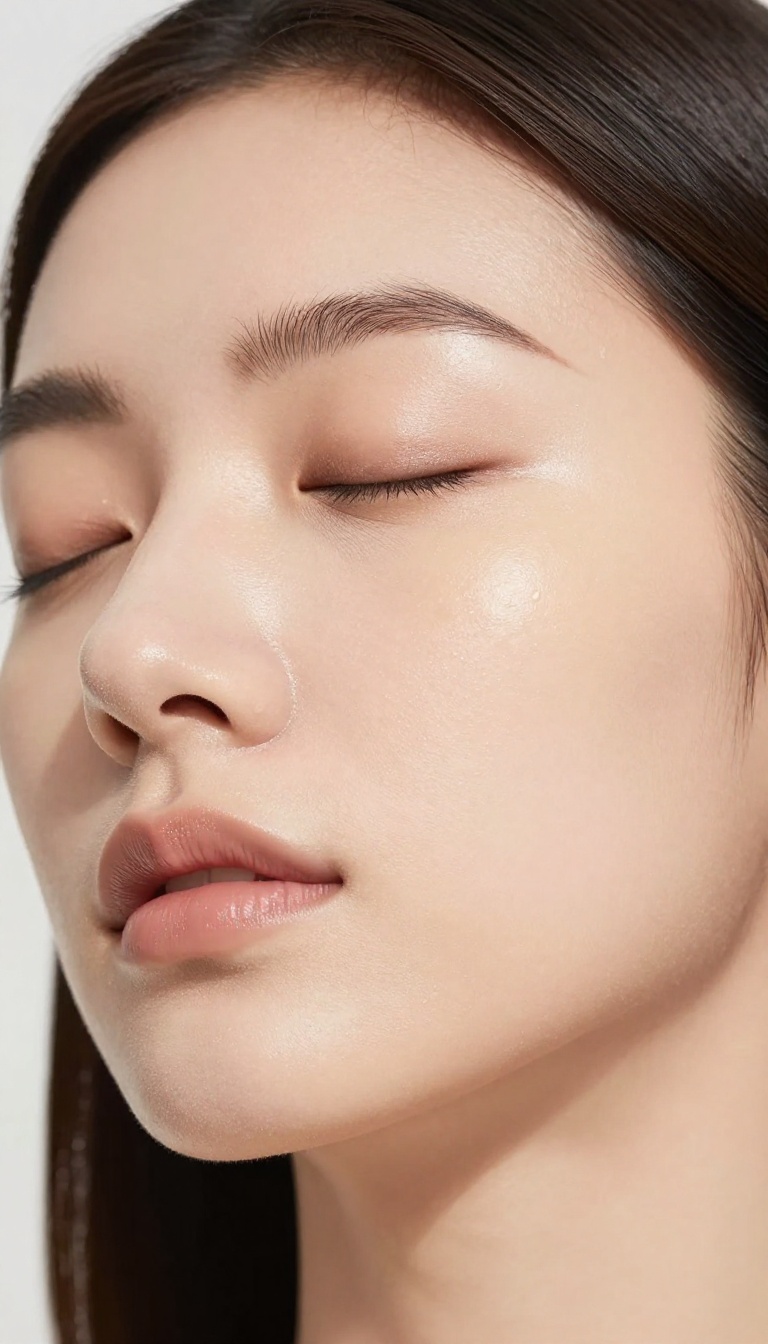
Retinoids are like a reset button for your skin, nudging those sluggish cells to turn over faster. That means smoother texture, softened fine lines, and a more even tone. The trick is to start slow and let your skin adjust, so you get the glow without the drama.
Retinoids work by speeding up the natural shedding of dead skin cells and boosting collagen production. Over time, this reveals fresher skin underneath and helps fade dark spots. The result?
A brighter, more youthful look that feels like a mini facial every night.
Start Low And Slow
If you're new to retinoids, don't dive in with a high-strength formula. Begin with a low concentration (like 0. 25% retinol) and apply it every other night.
This gives your skin time to build tolerance without excessive peeling or redness. After a few weeks, you can gradually increase frequency.
Nighttime Only, Please
Retinoids are sensitive to sunlight, so they're best used in your evening routine. Apply a pea-sized amount to clean, dry skin, and wait about 20 minutes after cleansing to minimize irritation. Follow with a moisturizer to lock in hydration and keep your skin barrier happy.
Sun Protection Is Non-negotiable
Because retinoids make your skin more sensitive to UV rays, daily sunscreen is a must. Choose a broad-spectrum SPF 30 or higher and reapply if you're outside for long. This not only prevents further damage but also ensures the benefits of your retinoid aren't undone by sun exposure.
22. Protect Your Lips with SPF
Your lips are often the first place to show signs of aging, but they're also the most neglected when it comes to sun protection. The skin on your lips is thinner and has less melanin, making it more vulnerable to UV damage. That's why adding SPF to your lip care routine is a game-changer for a fresh, youthful look.
Sun damage doesn't just cause wrinkles—it can darken your lips and make them look dry and dull. By choosing a lip balm with SPF, you're not only preventing these issues but also keeping your lips soft and hydrated. Make it a habit to apply it every morning, just like your sunscreen, and reapply throughout the day, especially after eating or drinking.
Why Lips Need Their Own Spf
The skin on your lips is delicate and lacks the protective melanin that the rest of your face has. This makes them more susceptible to sunburn, which can lead to peeling, darkening, and fine lines over time. Using a lip balm with SPF 30 or higher shields them from harmful UVA and UVB rays, keeping them looking smooth and healthy.
How To Make It A Daily Habit
Keep a lip balm with SPF in your bag, on your desk, and by your bedside. Apply it as part of your morning routine, right after your moisturizer and before any lipstick or gloss. Reapply every two hours when you're outdoors, and don't forget to apply it to the corners of your mouth, which are often missed but just as vulnerable.
Choosing The Right Lip Spf
Look for a lip balm that contains ingredients like shea butter, coconut oil, or hyaluronic acid for hydration, along with zinc oxide or titanium dioxide for broad-spectrum protection. Avoid balms with a low SPF or those that contain drying alcohols. If you're wearing lipstick, apply a layer of SPF balm underneath, or opt for a tinted lip balm with SPF for a pop of color and protection.
23. Stay Consistent with Hydration Masks
If your skin feels tight or looks dull even after moisturizing, a hydration mask can be a game-changer. It's like a tall glass of water for your face, delivering a concentrated dose of moisture that soaks in deeply. Consistency matters more than the price tag, so pick a mask you enjoy and make it a weekly ritual.
Hydration masks work by creating a barrier that locks in moisture and helps your skin absorb humectants like hyaluronic acid and glycerin. They're perfect for when your regular moisturizer isn't cutting it. For best results, apply after cleansing and leave on for the recommended time—usually 10-20 minutes.
Use one once a week, or more often if your skin feels parched.
Why Weekly Works
Your skin's moisture levels fluctuate daily, but a weekly mask gives it a reliable boost. Think of it as a maintenance check-in. Over time, this habit can improve your skin's ability to retain water, making it look plumper and more radiant.
Consistency is key—sporadic use won't deliver the same benefits.
Choosing The Right Mask
Sheet masks are great for a quick, mess-free soak, while overnight masks are perfect for lazy evenings. Look for ingredients like hyaluronic acid, ceramides, or aloe vera. If your skin is sensitive, avoid masks with alcohol or heavy fragrances.
Test a small patch first if you're trying a new product.
Tips For Maximum Hydration
Apply your mask on slightly damp skin to help lock in extra moisture. After removing the mask, gently pat the remaining essence into your skin instead of rinsing it off. Follow with a moisturizer to seal everything in.
For an extra treat, keep your sheet mask in the fridge for a cooling, de-puffing effect.
24. Avoid Hot Showers for Your Face
There's nothing quite like a steaming hot shower, but your face pays the price. Hot water strips away the natural oils that keep your skin soft and protected, leaving it dry, tight, and easily irritated. If you've been wondering why your skin feels parched even after moisturizing, your shower temperature could be the culprit.
Switching to lukewarm water is a simple change that makes a big difference. Cooler water helps maintain your skin's moisture barrier, so it stays hydrated and calm. Plus, it's better for your overall circulation and can even help reduce puffiness in the morning.
Why Hot Water Hurts
Hot water acts like a harsh cleanser, dissolving the protective lipid barrier on your skin's surface. This leads to moisture loss, increased sensitivity, and can exacerbate conditions like eczema or rosacea. Over time, it can also accelerate the appearance of fine lines and dullness.
Finding The Right Temperature
Aim for lukewarm water—think body temperature or slightly cooler. It should feel comfortable, not steamy. If you love a hot shower, try ending with a cool rinse to close pores and lock in moisture.
Quick Tips For Shower Time
Keep showers under 10 minutes, and avoid letting the water hit your face directly. Use a gentle cleanser and pat your skin dry with a soft towel instead of rubbing. Follow up with a moisturizer while your skin is still slightly damp to seal in hydration.
25. Embrace Your Natural Beauty

The ultimate glow up isn't about changing who you are—it's about owning what you've got. When you stop chasing impossible standards and start appreciating your skin's unique character, something shifts. That confidence shows up in your posture, your smile, and yes, even your complexion.
Here's how to make peace with your reflection and let your natural radiance take the lead.
Forget the airbrushed filters and the pressure to look like someone else. Your skin has its own story, with texture, tone, and quirks that are entirely yours. The moment you accept that, you free yourself from the endless cycle of comparison and self-criticism.
Instead of obsessing over flaws, you can focus on habits that make you feel good—like staying hydrated, getting enough sleep, and using products that suit your skin type. That shift in mindset doesn't just boost your mood; it reduces stress, which is a known trigger for breakouts and dullness. So take a deep breath and give yourself permission to glow exactly as you are.
Ditch The Comparison Game
Scroll through social media for five minutes and you'll see flawless faces everywhere—but those are often filtered, lit, and edited. Your real skin, with its pores and occasional blemishes, is normal and beautiful. Stop measuring yourself against someone else's highlight reel.
Instead, look in the mirror and list three things you genuinely like about your face. That simple practice rewires your brain to see the good first.
Focus On Healthy Habits, Not Perfection
Perfection is a moving target that you'll never hit, so why stress about it? Healthy habits, on the other hand, are within your control. Drink water, wear sunscreen, cleanse gently, and moisturize consistently.
These actions support your skin's natural function without demanding flawless results. When you prioritize care over perfection, your skin responds with a calm, even glow that no filter can replicate.
Let Your Positivity Shine Through
Your mindset is more visible than you think. When you feel good about yourself, you carry yourself differently—your shoulders relax, your smile comes easier, and your eyes light up. That inner warmth radiates outward, making you look more approachable and alive.
So practice gratitude, laugh often, and surround yourself with people who lift you up. Your face will thank you.
FAQ
How long does it take to see results from these face habits?
Most people notice subtle changes within a week, but significant improvements typically appear after 4-6 weeks of consistent practice. Skin cell turnover takes about 28 days, so patience is key.
Can I do all these habits every day?
Not all habits are meant to be daily. For example, exfoliating should be done 2-3 times a week, and masks once a week. Listen to your skin and adjust based on how it feels.
Are these habits suitable for all skin types?
Yes, but you may need to tweak them. For instance, those with oily skin might prefer gel-based moisturizers, while dry skin types need richer creams. Always patch-test new products.
Do I really need sunscreen if I stay indoors?
Yes, because UV rays can penetrate windows and contribute to skin aging. Even short exposures add up, so make sunscreen a daily non-negotiable.
What's the best time to apply vitamin C?
Morning is ideal because vitamin C protects against environmental stressors like pollution and UV damage. Apply it after cleansing and before moisturizer and sunscreen.
Conclusion
The glow up isn't about perfection—it's about showing up for yourself with small, daily choices that add up to a visible difference. Pick two or three habits from this list that feel easy to stick with, and let them become second nature.
You'll soon notice brighter skin, more energy, and that quiet confidence that comes from taking care of you. Start with one today, and let the rest follow naturally.