Feeling stuck in the same old routine? A one-month glow up doesn't require a complete lifestyle overhaul—just a handful of small, consistent habits that actually fit into your day.
These 25 steps focus on practical upgrades like hydration, movement, and better sleep, so you can build momentum without feeling overwhelmed. The goal is simple: show up for yourself in tiny ways and let the results stack up.
Pick a few that feel doable, start there, and watch how quickly your energy and confidence shift.
1. Start Your Day with a Glass of Water

Your body goes hours without hydration overnight, so the first thing it craves in the morning is water. Drinking a full glass before coffee or breakfast kickstarts your metabolism and gives your skin a fresh, dewy look. It's a tiny habit that sets a positive tone for the rest of the day.
Keep a glass or reusable bottle on your nightstand so you can drink it as soon as you sit up. If plain water feels boring, add a slice of lemon or a splash of fruit juice for flavor. This simple ritual also helps you feel more awake and focused, making it easier to stick to other healthy choices.
Why Morning Hydration Matters
After a night of fasting, your body is slightly dehydrated. Drinking water first thing helps your organs function properly, flushes out toxins, and can even improve your mood. It's an easy win that takes less than a minute.
Make It A Habit
Set a reminder on your phone or place a glass of water next to your alarm. Once you do it for a few days, it becomes automatic. You'll be surprised how much better you feel when you start your day hydrated.
Add A Little Flavor
If you're not a fan of plain water, try adding natural flavors like cucumber, mint, or berries. This makes the habit more enjoyable and encourages you to drink more throughout the day. Just avoid sugary additives.
2. Create a Simple Morning Skincare Routine
Mornings set the tone for the day, and your skin is no exception. A simple routine—cleanse, moisturize, apply SPF—can make a bigger difference than any fancy product used once in a while. Consistency is what actually changes your skin.
You don't need ten steps or a cabinet full of serums. Just three basics, done every day, can keep your skin clear, hydrated, and protected. The key is to make it so easy you never skip it, even on busy mornings.
A straightforward morning routine does more than you might think. It clears away overnight buildup, locks in hydration, and shields your skin from sun damage. Over a month, this daily habit can visibly improve texture and tone, giving you that natural glow you're after.
Why Cleanse First
Your skin collects oil, sweat, and dead cells while you sleep. Washing with a gentle cleanser removes that layer, so the next products can actually sink in. Pick a cleanser that doesn't strip your skin—if it feels tight after rinsing, it's too harsh.
Moisturize While Damp
Applying moisturizer right after cleansing, when your skin is still slightly damp, helps lock in hydration. A lightweight lotion works for most skin types, and it creates a smooth base for makeup or sunscreen. Don't skip this step even if you have oily skin—it balances oil production.
Spf Is Non-negotiable
Sunscreen is the closest thing to an anti-aging miracle in a bottle. It prevents dark spots, fine lines, and redness caused by UV exposure. Use a broad-spectrum SPF 30 or higher every morning, even on cloudy days or if you're indoors.
Your future self will thank you.
3. Move Your Body for 20 Minutes
You don't need a gym membership or a fancy workout plan to feel the benefits of movement. Just 20 minutes a day can wake up your body, clear your head, and lift your mood. The key is to find something you actually enjoy, so it doesn't feel like a chore.
Whether it's a brisk walk, a quick stretch, or a fun dance session, moving your body regularly boosts your energy and helps you feel more positive. It's not about intensity—it's about consistency. Even a short daily habit can make a big difference in how you look and feel.
Start With A Walk
Walking is one of the easiest ways to get moving. You can do it anywhere, and you don't need any special equipment. Try a brisk 20-minute walk after lunch or in the evening.
It gets your blood flowing, clears your mind, and gives you a natural energy lift.
Stretch It Out
If you're not into cardio, stretching is a great option. It improves flexibility, reduces tension, and helps your body feel looser. Spend 20 minutes doing simple stretches or try a beginner yoga flow.
You'll feel more relaxed and less stiff, especially if you sit a lot during the day.
Quick Workout Sessions
Short workouts can be just as effective as longer ones. Try a 20-minute bodyweight circuit—squats, push-ups, lunges, and planks. You can find plenty of free videos online.
The goal is to get your heart rate up and break a sweat. Even a little effort goes a long way.
4. Plan Your Meals with Protein and Veggies
Eating well during a glow up isn't about starving yourself or following a strict diet. It's about giving your body the fuel it needs to feel strong and look vibrant. When you plan meals around protein and veggies, you naturally crowd out the processed stuff that drags you down.
Meal planning might sound like a chore, but it's actually a shortcut to better days. When you have a rough idea of what you'll eat, you're less likely to grab something random that leaves you tired. Plus, prepping a few basics means you can throw together a solid meal in minutes, even on busy days.
Build A Balanced Plate
A simple rule: fill half your plate with veggies, a quarter with protein, and the rest with healthy carbs like rice or potatoes. This keeps you full and gives you steady energy. You don't need to measure everything—just eyeball it and keep it consistent.
Prep For The Week
Spend an hour or two on Sunday chopping veggies, cooking grains, and marinating chicken or tofu. Store them in containers so you can mix and match during the week. This makes it easy to stay on track even when you're tired or busy.
Keep It Simple And Satisfying
Meals don't have to be fancy. A bowl of roasted veggies, grilled chicken, and a scoop of quinoa works. Add a sauce you like or some avocado for flavor.
The key is to enjoy what you eat so you stick with it.
5. Get 7-9 Hours of Sleep

Think of sleep as your nightly reset button. While you snooze, your body repairs muscles, consolidates memories, and balances hormones—all essential for that glow-up. Without enough rest, even the best skincare and workouts fall flat.
Aim for 7 to 9 hours of quality sleep each night. It’s not just about quantity; consistency matters too. Going to bed and waking up at the same time daily helps regulate your internal clock, making it easier to fall asleep and wake up refreshed.
Set A Consistent Bedtime
Pick a bedtime that allows for 7-9 hours of sleep and stick to it—even on weekends. Your body thrives on routine, and a regular schedule makes falling asleep faster. Start by adjusting your current bedtime in 15-minute increments each night until you hit your target.
Create A Wind-down Routine
An hour before bed, dim the lights and put away screens. Try calming activities like reading, gentle stretching, or journaling. A warm bath or shower can also signal your body that it’s time to relax.
Keep the routine simple so you’ll actually do it every night.
Optimize Your Sleep Environment
Make your bedroom a sleep sanctuary. Keep it cool, dark, and quiet. Invest in blackout curtains, a comfortable mattress, and maybe a white noise machine if you’re sensitive to sound.
Remove clutter and electronic devices that tempt you to stay up late.
6. Practice Mindfulness for 5 Minutes
Your mind is just as important as your body in a glow up. Taking five minutes to breathe and be present can lower stress, improve focus, and help you make better choices all day. It's a tiny habit with a big payoff.
Start With Your Breath
Find a quiet spot, sit comfortably, and close your eyes. Inhale deeply through your nose for four counts, hold for four, and exhale slowly for six. Repeat for five minutes.
This simple pattern calms your nervous system and clears mental clutter.
Use A Guided App If You Need Help
If sitting in silence feels awkward, use a meditation app like Calm or Headspace. Even a five-minute guided session counts. The voice keeps you focused and helps you build the habit without overthinking it.
Tie It To An Existing Routine
Anchor your mindfulness practice to something you already do, like right after brushing your teeth or before your morning coffee. This makes it easier to remember. Consistency matters more than duration, so keep it short and do it daily.
7. Write Down Three Things You're Grateful For
Gratitude isn't just a feel-good buzzword—it's a simple habit that can shift your entire mindset. When you take a minute each day to jot down what's going well, you train your brain to notice the positive instead of dwelling on what's missing. That small mental shift can make everything from your workday to your self-care routine feel lighter and more manageable.
Practicing gratitude daily can improve your mood, reduce stress, and even boost your physical health. It's a low-effort, high-reward habit that fits perfectly into a one-month glow up plan. The best part?
You don't need a fancy journal or a specific time of day—just a few minutes and a willingness to look for the good.
Why Gratitude Works
When you deliberately focus on what's going right, your brain releases dopamine and serotonin—the same chemicals that make you feel happy and calm. Over time, this rewires your neural pathways to default to a more positive outlook. That doesn't mean ignoring problems, but it does mean building resilience and reducing anxiety.
How To Start Your Gratitude Practice
Keep it simple: every morning or evening, write down three things you're grateful for. They can be as small as a good cup of coffee or as big as a supportive friend. The key is consistency.
Try pairing it with an existing habit, like brushing your teeth or having your first sip of water, so it becomes automatic.
Make It Stick
To keep the habit going, vary your entries and get specific. Instead of 'my family, ' try 'my sister's silly laugh during dinner. ' You can also use a dedicated notebook or a notes app on your phone. If you miss a day, don't stress—just pick it back up the next day.
The goal is progress, not perfection.
8. Declutter One Small Area Daily
Clutter has a sneaky way of piling up, and before you know it, your space feels chaotic. That chaos can quietly drain your energy and make it harder to focus. The fix isn't a marathon cleaning session—it's a tiny daily habit.
Spending just 10 minutes on one small area—like a drawer, a shelf, or a countertop—can make a surprising difference. It's not about perfection; it's about building momentum and feeling a little more in control each day.
When you declutter a small space, you're not just tidying up—you're giving yourself a mental reset. A clear surface can clear your mind, making it easier to think and breathe. Plus, those 10 minutes add up: in a month, you'll have tackled 30 small areas, and your whole space will feel lighter.
Start with the spots that bother you most, even if they're tiny. The junk drawer, the bathroom counter, or that one shelf in the closet. The goal is progress, not perfection.
And once you see how good it feels, you might even look forward to your daily declutter session.
Why Small Wins Matter
Big cleaning projects can feel overwhelming, which is why we often put them off. But small wins are different. Each 10-minute declutter gives you a quick sense of accomplishment, and that feeling builds on itself.
You'll start to notice other areas that could use a little love, and soon you'll be in a rhythm of tidying without even thinking about it.
How To Pick Your Daily Spot
Keep it simple. Choose one drawer, one shelf, or one corner of a room. You can even rotate through the same few spots over the week.
The key is to make it a no-brainer—set a timer for 10 minutes and just start. Don't overthink it. Grab a trash bag and a donate box, and sort quickly.
You'll be surprised how much you can clear in such a short time.
Make It A Ritual, Not A Chore
Tie your declutter session to something you already do, like having your morning coffee or winding down at night. That way, it becomes a natural part of your day. You can even put on a favorite song or podcast to make it feel less like work.
Before long, you'll actually look forward to this tiny moment of order.
9. Limit Screen Time Before Bed

Your phone might be the biggest obstacle to a good night's sleep. The blue light from screens tricks your brain into thinking it's still daytime, which messes with your melatonin production. That's why you can scroll for an hour and then lie awake staring at the ceiling.
Cutting back on screen time before bed is a simple way to improve your sleep quality and wake up feeling more refreshed.
Start by setting a digital curfew for yourself. Aim to put your phone away at least 30 minutes before you plan to sleep. Use that time to wind down with a book, some gentle stretching, or a warm shower.
You'll be surprised how much easier it is to fall asleep when your brain isn't buzzing with notifications and blue light.
Why Blue Light Matters
Blue light suppresses melatonin, the hormone that regulates your sleep-wake cycle. When you're exposed to it late at night, your body gets confused and thinks it's time to be alert. This can delay sleep onset and reduce the quality of your rest.
Even a short session on your phone can have a noticeable impact.
Swap Your Phone For A Calming Activity
Instead of scrolling, try reading a physical book, journaling, or listening to a relaxing podcast. These activities don't emit the same kind of light and can help your mind transition into sleep mode. You might even find that you look forward to this quiet time as a way to decompress from the day.
Create A Tech-free Wind-down Routine
Build a simple routine that signals to your body that it's time to sleep. For example, dim the lights, put your phone in another room, and do a few minutes of deep breathing. Consistency is key—the more you repeat this pattern, the easier it becomes to fall asleep quickly and stay asleep.
10. Drink Herbal Tea Instead of Late-Night Snacks
That 9 p. m. snack attack can undo a day of good choices. Instead of reaching for chips or cookies, brew a warm cup of herbal tea. It’s a simple swap that calms cravings and signals your body to wind down.
Herbal teas are naturally caffeine-free, so they won’t mess with your sleep. The ritual of holding a warm mug and sipping slowly gives your hands and mouth something to do, which helps break the habit of mindless eating. Plus, many herbal blends like chamomile or peppermint have a soothing effect that makes the transition to bed easier.
Why It Works
Late-night snacking is often more about boredom or stress than actual hunger. Tea provides a comforting, low-calorie alternative that takes a few minutes to drink, giving your brain time to realize you don’t need food. The warmth also helps relax your muscles and prepare your body for rest.
Best Teas To Try
Chamomile is a classic for relaxation, while peppermint can aid digestion and curb sweet cravings. Rooibos has a naturally sweet, nutty flavor that feels like a treat without added sugar. Experiment with a few blends to find your go-to evening sip.
Make It A Ritual
Set a specific time, like right after brushing your teeth, to brew your tea. Pair it with a calming activity like reading or journaling. Over time, this cue will signal your brain that the day is over, making it easier to resist the pantry.
11. Try a New Healthy Recipe Each Week
Cooking at home is one of the fastest ways to take control of what goes into your body. When you make your own meals, you decide the ingredients, the portions, and the flavors. It's a simple habit that makes eating well feel less like a chore and more like a creative outlet.
Trying a new recipe each week keeps things exciting and prevents the boredom that often leads to takeout. You might discover a veggie-packed stir-fry you love or a protein smoothie that becomes your go-to breakfast. The more you experiment, the more you'll realize that healthy food can actually be delicious and satisfying.
Cooking at home gives you the freedom to choose fresh, whole ingredients over processed ones. It also saves money and helps you build a skill that pays off for life. Even if you're a beginner in the kitchen, starting with simple recipes builds confidence and makes the habit stick.
A new recipe each week doesn't have to be complicated. It can be a new salad dressing, a sheet-pan dinner, or a healthy dessert. The point is to try something different and learn what works for your taste buds.
Over time, you'll have a collection of go-to meals that make healthy eating effortless.
Start Simple
Pick recipes with five to ten ingredients and a short prep time. Look for meals that use pantry staples like rice, beans, eggs, or frozen veggies. This keeps the barrier low and makes it easier to follow through.
A simple recipe you actually make beats a fancy one you skip.
Plan A Weekly Cooking Slot
Set aside one hour on a weekend or a weekday evening to try the new recipe. Having a dedicated time makes it more likely you'll follow through. You can also double the batch and have leftovers for lunch, saving time later in the week.
Make It A Social Thing
Invite a friend or family member to cook with you, or swap recipes with someone who shares your goals. Cooking together makes the process more fun and holds you accountable. Plus, you get to share the results and get honest feedback.
12. Take a Multivitamin or Supplement if Needed
Even with the best intentions, your diet might not cover every base. Busy days often mean meals on the fly, and that can leave gaps in your nutrition. A daily multivitamin is a simple backup plan to help fill those holes.
But it's not about grabbing any bottle off the shelf. The right supplement depends on your body, your lifestyle, and what you actually eat. That's where a quick chat with your doctor comes in—they can point you toward what you really need.
Supplements aren't magic pills, but they can support your energy and immune system. When your body gets the vitamins and minerals it needs, you feel more alert and less run-down. That steady energy makes it easier to stick to your other glow-up habits.
Start by looking at your diet. Are you getting enough vitamin D, iron, or B12? These are common gaps.
A blood test can tell you for sure, and your doctor can recommend the right dose. Remember, more isn't better—stick to the recommended amounts unless told otherwise.
Check Your Diet First
Before you buy anything, take a honest look at what you eat. If you're loading up on fruits, veggies, and whole grains, you might not need much. But if you skip meals or eat the same thing daily, a multivitamin can help cover the basics.
Talk To Your Doctor
Your doctor can run a simple blood test to see what you're missing. They'll also consider any medications or health conditions that might interact with supplements. This step is especially important if you're pregnant, nursing, or have chronic issues.
Pick Quality Supplements
Not all vitamins are created equal. Look for third-party testing or certifications. Stick to reputable brands and avoid mega-doses.
Your doctor can suggest a reliable option that fits your budget.
13. Use a Foam Roller or Stretch for 10 Minutes

Your body carries the stress of the day, often in your shoulders, hips, and lower back. A quick 10-minute session with a foam roller or a simple stretching routine can release that tension and get you moving more freely. You don't need to be flexible or have fancy equipment.
Just a few minutes each day helps your muscles recover, improves your posture, and makes everyday movements feel easier. It's a small habit that pays off in how you feel and move.
Foam rolling and stretching are two sides of the same coin. Foam rolling works on the muscle tissue, breaking up knots and increasing blood flow. Stretching lengthens muscles and improves range of motion.
Together, they keep your body balanced and ready for whatever you throw at it. Set a timer for 10 minutes and make it a non-negotiable part of your day. You can do it right after waking up, during a work break, or before bed.
The key is consistency, not intensity. A little each day beats a marathon session once a week.
Why It Works
When you sit for long hours or repeat the same movements, muscles get tight and short. Foam rolling applies pressure to those tight spots, helping them relax and improving circulation. Stretching then lengthens the muscle fibers, which increases flexibility and reduces the chance of injury.
Over time, you'll notice better posture and less stiffness.
How To Start
If you're new to foam rolling, start with larger muscles like your quads, hamstrings, and back. Roll slowly, pausing on any tender spots for 20-30 seconds. For stretching, focus on areas that feel tight—hips, shoulders, and calves are common culprits.
Hold each stretch for 20-30 seconds without bouncing. You don't need to force anything; gentle is fine.
Make It A Habit
Pair your 10-minute session with something you already do, like after your morning coffee or right before a shower. Keep your foam roller or a yoga mat visible as a reminder. You can even follow a guided video if you want structure.
The more you do it, the more natural it feels, and soon your body will crave that release.
14. Set a Daily Intention or Goal
Starting each day without a plan is like driving without a map—you might get somewhere, but it's probably not where you intended. A daily intention or goal gives your day a clear direction and a sense of purpose. It doesn't have to be grand; a simple, focused goal can keep you on track and make you feel accomplished by evening.
Setting a daily intention is a small but powerful habit that can transform your glow-up journey. It helps you prioritize what matters most, reduces decision fatigue, and keeps your momentum going. Whether it's a work task, a personal project, or a self-care act, having a clear focus makes your day feel more meaningful and productive.
Pick One Key Outcome
Choose one main thing you want to get done today. It could be finishing a report, going for a run, or simply reading for 20 minutes. Write it down or say it out loud.
This narrows your focus and makes it easier to say no to distractions that don't align with your goal.
Keep It Realistic
Your intention should be challenging but doable. If you set the bar too high, you're setting yourself up for disappointment. Instead, aim for something that stretches you slightly but is still achievable.
For example, instead of 'clean the whole house, ' try 'tidy up the living room for 15 minutes. '
Review And Reflect
At the end of the day, take a moment to check in with yourself. Did you accomplish your intention? How did it feel?
This reflection helps you learn what works and what doesn't, so you can adjust for tomorrow. It also reinforces the habit of following through.
15. Practice Good Posture
Slouching doesn't just make you look tired—it can actually make you feel more tired. When you hunch over, your lungs have less room to expand, which means less oxygen and more fatigue. Straightening up is one of the quickest fixes for your vibe and your energy.
Good posture also changes how others perceive you. Standing tall with your shoulders back instantly signals confidence, whether you're walking into a meeting or just grabbing coffee. It's a free upgrade you can start using right now.
The Instant Confidence Boost
Think about how you feel when you see someone standing tall versus someone slouched. The tall person looks like they own the room, even if they're nervous. Your posture sends a signal to your brain too—standing up straight can actually make you feel more powerful.
Try it: stand tall for two minutes and notice the shift in your mood.
Simple Fixes For Everyday Slouching
You don't need a fancy posture corrector to improve. Start by adjusting your workspace: your screen should be at eye level, and your feet should rest flat on the floor. Set a reminder to check in with your posture every hour.
Small tweaks like rolling your shoulders back and lifting your chest can make a big difference over time.
Strengthen Your Posture Muscles
Good posture isn't just about remembering to sit up straight—it's about building the strength to hold it. Simple exercises like wall angels, planks, and rows target the muscles that keep you upright. Even a few minutes a day can help.
Over the month, you'll notice it becomes easier to stand tall without thinking about it.
16. Cut Back on Added Sugar
Sugar hides in more places than you'd think—sauces, bread, even 'healthy' granola. Cutting back doesn't mean swearing off sweetness forever; it just means being smarter about where your sweetness comes from. Your skin, energy, and mood will all feel the difference within a week or two.
When you eat less added sugar, your body stops riding the blood sugar rollercoaster. That means fewer energy crashes, less brain fog, and a calmer, more even mood. Your skin also benefits—less sugar means less inflammation, which can reduce breakouts and dullness.
The first few days might feel tough, but once you push through, cravings drop and your taste buds reset.
Start With Drinks
Sugary drinks are the easiest place to cut without feeling deprived. Swap soda for sparkling water with a splash of fruit juice, or try unsweetened iced tea. Even small changes, like ordering coffee with less syrup, add up fast.
Read The Label
Added sugar sneaks into everything from pasta sauce to salad dressing. Check the nutrition label for 'added sugar' and aim for less than 25 grams a day. If a product has more than 10 grams per serving, it's probably not worth it.
Satisfy The Sweet Tooth Smartly
When you need something sweet, reach for fruit first—berries, apples, or a few dates. They come with fiber and nutrients that slow down sugar absorption. If you want a treat, make it a small, quality one instead of a whole package.
17. Spend Time Outdoors Every Day

Your body craves fresh air and sunlight more than you realize. Just 20 minutes outside can lift your mood, sharpen your focus, and give your skin a healthy glow. It's a simple habit that pays off fast.
Make outdoor time non-negotiable. Whether it's a morning coffee on the balcony or a walk after lunch, the key is consistency. Natural light helps regulate your sleep-wake cycle, so you'll feel more energized during the day and sleep better at night.
Plus, the vitamin D boost supports your immune system and bone health.
Start Small With A Daily Walk
A 15-minute walk around your neighborhood counts. Leave your phone behind or use it only for music. Notice the trees, the sky, the sounds.
This mini-break clears your head and gets your blood moving, which is great for your skin and your mood.
Eat Or Work Outside When You Can
Take your lunch to a park bench or set up your laptop on the porch for a bit. Even 10 minutes of fresh air while eating or working can reset your mind. You'll come back more focused and less stressed.
Make It A Social Habit
Invite a friend for a walk instead of a coffee date. Or take your kids to the playground. Combining outdoor time with social connection doubles the benefits—you get the mood boost from nature and the support of people you care about.
18. Read for 15 Minutes
A fifteen-minute reading habit is a quiet superpower. It pulls you out of your own head and drops you into someone else's story or idea, which is a fast track to lowering stress. Plus, the more you read, the more you know—about the world, about people, about things you never even thought to wonder.
Reading for just 15 minutes a day can become a calming ritual that signals your brain to wind down. It's not about finishing a book a week; it's about showing up consistently and letting the benefits compound. Over a month, that's over seven hours of focused learning and relaxation.
Why 15 Minutes Works
Fifteen minutes is short enough to fit into any schedule—before bed, during lunch, or while waiting for an appointment. It's also long enough to get lost in a chapter or a few pages, which makes it feel rewarding rather than like a chore.
Pick Something You Actually Enjoy
The key is choosing material you genuinely like, whether it's a novel, a memoir, or a magazine. If you're not into it, you'll quit. So skip the 'should reads' and go for what sparks your curiosity.
Make It A Ritual
Tie your reading time to an existing habit, like sipping your morning coffee or winding down at night. Keep a book on your nightstand or in your bag so it's always within reach. Soon, it'll become a natural part of your day.
19. Connect with a Friend or Family Member
Sometimes the simplest way to feel better is to reach out to someone who gets you. A quick call or text can break a lonely mood and remind you that you're not alone in this. Connection is a core human need, and nurturing it is a powerful glow-up move that costs nothing but a few minutes of your time.
When you're working on yourself, it's easy to get caught up in your own head. But isolating yourself can actually slow your progress. Reaching out to a trusted friend or family member gives you a boost of oxytocin, lowers stress, and helps you see your own situation more clearly.
Plus, it strengthens the bonds that make life richer.
Why It Matters
Strong social ties are linked to lower rates of anxiety and depression. Even a brief chat can shift your mood and give you a fresh perspective. When you share a win or a worry, you lighten the load and double the joy.
How To Start
You don't need a big plan. Send a funny meme, ask how their day went, or just say 'thinking of you. ' If you're not sure what to say, start with a simple question about their life—people love talking about themselves. The key is to be genuine and present.
Make It A Habit
Try to connect with someone every day, even if it's just a quick check-in. Set a reminder on your phone if needed. Over time, this habit builds a support network that's there when you need it most.
20. Do a Digital Detox for an Hour
Your phone is probably the first thing you reach for in the morning and the last thing you touch at night. That constant connection can leave your brain feeling scattered and your eyes tired. A one-hour digital detox each day gives you a chance to reset and actually be present.
It doesn't have to be complicated. Just pick a time—maybe right after work or before bed—and put your devices in another room. Use that hour to do something that feels good, whether it's reading, stretching, or just sitting quietly with your thoughts.
Start small. An hour might feel long at first, but you can break it into chunks. Try 20 minutes in the morning, 20 at lunch, and 20 before bed.
The key is to make it a non-negotiable part of your routine.
Why It Works
Constant notifications keep your brain in a state of low-level alertness, which can drain your energy and make it harder to focus. When you step away, you give your mind a chance to rest and reset. You'll likely feel calmer and more clear-headed within a few days.
What To Do Instead
Keep it simple. Pick up a book, go for a short walk, or brew a cup of tea. The point is to do something that isn't screen-based.
If you're not sure where to start, try journaling or doing a quick stretch. You might be surprised how much you enjoy the quiet.
Make It Stick
Set a timer so you don't have to watch the clock. Put your phone in a drawer or another room to remove temptation. Tell a friend or family member about your plan so they can support you.
After a week, you'll probably look forward to this hour.
21. Use a Facial Roller or Gua Sha
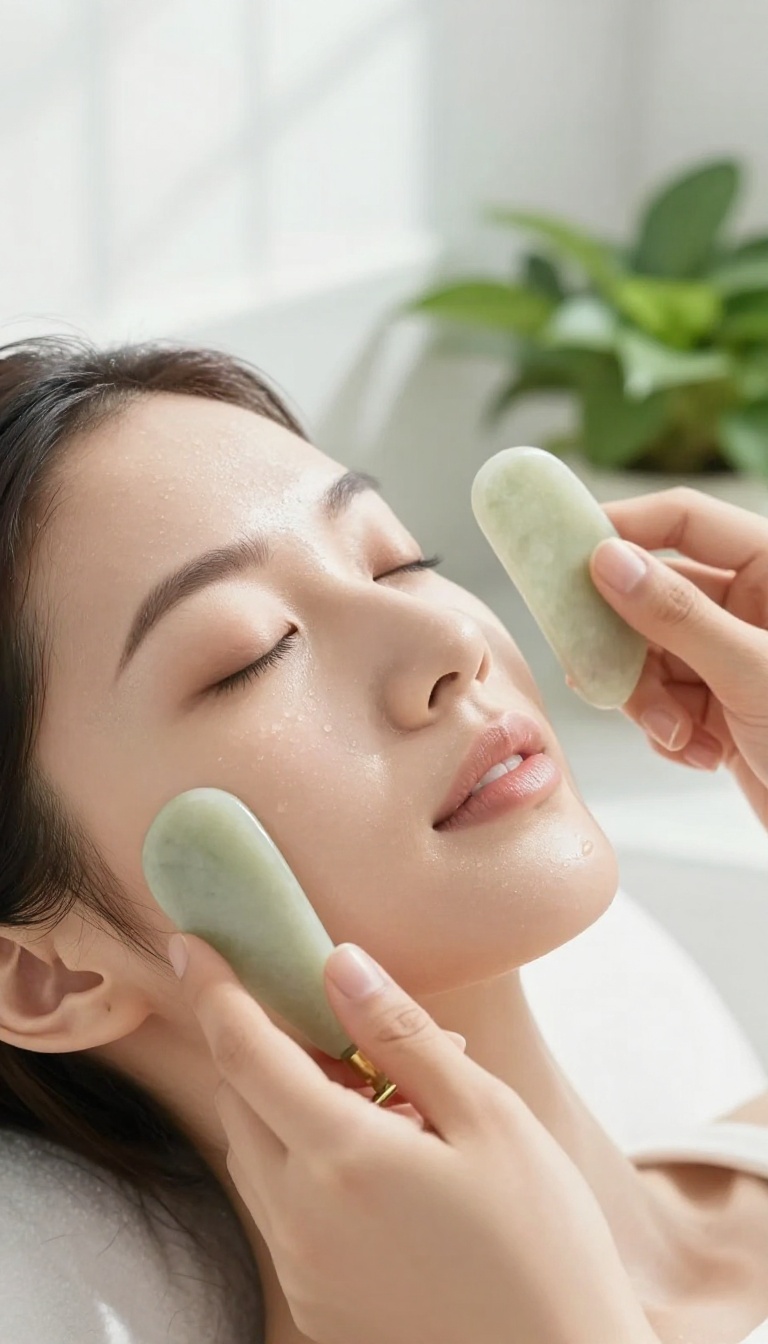
Your face holds onto tension and fluid more than you might notice, especially after long days or salty meals. A facial roller or gua sha tool is a simple way to encourage drainage and give your skin a fresh, awake look. Plus, the ritual itself feels like a mini spa break you can do in your own bathroom.
Facial massage isn't just about relaxation—it can visibly reduce puffiness and give your complexion a healthy glow. Using a tool like a jade roller or a gua sha stone adds a little structure to the practice, making it easier to be consistent. You don't need fancy products, just a clean face and a few minutes.
Why It Works
The gentle pressure helps move lymphatic fluid, which is often the culprit behind morning puffiness. It also boosts blood flow, which brings oxygen to your skin cells and can leave you looking more radiant. Over time, regular use may help your skincare products absorb better and reduce the look of fine lines.
How To Use It
Start with a clean face and apply a few drops of facial oil or serum so the tool glides smoothly. For a roller, roll gently upward and outward from the center of your face, spending extra time on your jaw and under your eyes. With gua sha, hold the tool at a 15-degree angle and sweep it along your cheekbones, jaw, and forehead.
Always work toward your ears and down your neck.
When To Do It
Morning is great for de-puffing, especially if you tend to wake up with a puffy face. Evening is perfect for winding down and releasing the day's tension. Even just three minutes a few times a week can make a noticeable difference, so don't stress about doing it perfectly every day.
22. Take a Relaxing Bath or Shower
Warm water does more than clean you up—it melts away the day's stress. Whether you prefer a quick shower or a long soak, this simple ritual can reset your mood and ease tired muscles. Adding a few extras like Epsom salts or a drop of lavender oil turns an ordinary rinse into a mini spa session.
Your body and mind will thank you.
Make your bath or shower a deliberate part of your glow-up routine. Set the temperature warm—not too hot—and let the water run over your shoulders and back. Focus on the sensation and breathe deeply for a few minutes.
This isn't just about hygiene; it's a chance to slow down and check in with yourself. If you have a bathtub, try adding Epsom salts to soothe sore muscles and promote relaxation. For showers, place a few drops of essential oil on the floor or use a shower steamer.
The goal is to create a calming environment that helps you unwind and feel refreshed.
Why Warm Water Works
Warm water increases blood flow and relaxes tense muscles. It also triggers your body's relaxation response, lowering cortisol levels and easing anxiety. Even a ten-minute shower can shift your mood and help you feel more centered.
Boost The Experience
Turn your bath or shower into a ritual. Light a candle, play soft music, or use a eucalyptus shower spray. Epsom salts are great for muscle recovery, while lavender or chamomile essential oils promote calm.
Keep the water warm, not scalding, to avoid drying out your skin.
Make It A Habit
Try to carve out at least 15 minutes for this self-care practice a few times a week. Treat it as non-negotiable time for yourself. Over time, this simple act becomes a cue to unwind and signals to your body that it's time to relax.
23. Wear Clothes That Make You Feel Confident
Your outfit is the first thing you see in the mirror each morning, and it sets the tone for the rest of your day. When you wear clothes that fit well and reflect your personal style, you naturally stand a little taller and smile a little easier. This isn't about chasing trends or dressing for anyone else—it's about choosing pieces that make you feel like the best version of yourself.
Start by clearing out anything that feels like a compromise. Donate the items that are too tight, too loose, or just not your vibe anymore. Keep only what makes you feel good when you put it on.
Then, focus on fit—a simple tailor can transform an off-the-rack piece into something that looks custom-made. Finally, build a mini uniform of go-to outfits that require zero thought but always deliver confidence.
Declutter Your Closet
Take an afternoon to go through your wardrobe. Try things on and be honest: if it doesn't fit well or make you feel great, let it go. A closet full of options you love makes getting dressed a joy, not a chore.
Invest In Fit
The most expensive item can look cheap if it doesn't fit, while a budget piece can look sharp with the right adjustments. Find a local tailor and get your key pieces—like jeans, blazers, or dresses—altered to your body. It's a small cost that pays off in confidence.
Create A Signature Look
Pick a few outfits that always make you feel unstoppable, and rotate them. Having a go-to look for work, weekends, and social events removes decision fatigue and ensures you step out feeling put-together every time.
24. Practice Positive Self-Talk
Your inner voice can be your toughest critic or your best cheerleader. Most people talk to themselves in ways they'd never tolerate from a friend, and that negativity chips away at confidence. Shifting to positive self-talk isn't about ignoring problems—it's about treating yourself with the same kindness you'd offer someone you care about.
When you change the conversation in your head, you change how you show up for everything else.
Start by catching the negative thoughts that pop up automatically. Notice when you call yourself lazy, stupid, or a failure. Then, pause and reframe that thought into something more supportive.
Instead of 'I always mess up, ' try 'I'm learning, and it's okay to make mistakes. ' It feels awkward at first, but with practice, it becomes a habit that lifts your mood and motivation.
Catch Your Inner Critic
Pay attention to the words you use when you make a mistake. Write them down for a day or two—you'll probably be surprised by how harsh you are. Once you spot the pattern, you can start interrupting it.
The goal isn't to silence criticism entirely, but to make it constructive instead of destructive.
Reframe With Kindness
When you catch a negative thought, ask yourself: 'Would I say this to a friend? ' If not, rephrase it with compassion. For example, change 'I'm so dumb' to 'I didn't know that yet, but now I do. ' This small shift helps you stay motivated without beating yourself up.
Use Affirmations That Stick
Pick a few short, believable affirmations that resonate with you. Say them in the morning or before a challenge. Keep them realistic—'I am capable' works better than 'I am perfect. ' Repeat them until they feel natural, and let them become mental anchors during tough moments.
25. Reflect on Your Progress Weekly

You've been putting in the work all month, and that deserves a moment of recognition. But a glow up isn't just about doing—it's about noticing what's actually moving the needle. Taking time each week to look back helps you see patterns, celebrate small wins, and tweak your approach before you burn out.
It's like giving your habits a quick tune-up so they keep working for you, not against you.
Set aside 10 minutes every Sunday to review your week. Ask yourself: What felt easy? What felt like a drag?
Did I hit my hydration goal more days than not? Did I sleep better after skipping that late-night scroll? You don't need a fancy journal—a notes app works fine.
The point is to notice what's working and what's not, so you can adjust without guessing.
Track Your Wins, Not Just Your Misses
It's tempting to focus on what you didn't do, but that's a fast track to feeling defeated. Instead, jot down three things that went well this week—even tiny ones like drinking an extra glass of water or taking the stairs. This shifts your brain to spot progress, which keeps you motivated for the next seven days.
Spot The Patterns That Hold You Back
Maybe you notice you always skip your morning walk on days you stay up late. Or you tend to snack mindlessly when you're stressed. Once you see these patterns, you can make small changes—like setting an earlier alarm or keeping healthier snacks within reach.
Reflection turns random habits into a clear roadmap.
Adjust One Thing At A Time
Don't overhaul everything just because something didn't stick. Pick one small tweak for the upcoming week—like swapping your afternoon coffee for green tea or adding a five-minute stretch before bed. Small, focused adjustments are easier to maintain and lead to lasting change without feeling overwhelming.
FAQ
Can I really glow up in just one month?
Yes, but it's about progress, not perfection. Small, consistent changes in your habits can lead to noticeable improvements in your appearance, energy, and mindset within 30 days.
Do I need to follow all 25 steps?
No, you don't have to do everything. Pick the ones that resonate with you and fit your lifestyle. Even implementing a few can make a difference.
What's the most important habit for a glow up?
Sleep is foundational. Without enough rest, your skin, energy, and mood suffer. Aim for 7-9 hours each night.
How can I stay motivated throughout the month?
Set small, achievable goals and track your progress. Celebrate your wins, and don't be too hard on yourself if you slip up. Consistency matters more than perfection.
Are there any quick fixes for a glow up?
Quick fixes like makeup or a new haircut can give a temporary boost, but lasting glow comes from healthy habits. Focus on the inside-out approach for sustainable results.
Conclusion
A glow up isn't about hitting every single step—it's about finding the few that actually stick with you. Start with one or two habits that feel easy, then let them snowball into a routine you genuinely enjoy.
By the end of the month, you'll notice the small wins adding up to a bigger shift in how you look and feel. Choose what works for you, stay consistent, and let the momentum carry you forward.