Ever wish you could wake up looking like you just had a full night's sleep and a spa day? While we can't turn back time, we can definitely set the stage for a brighter morning. The secret lies in what you do before you hit the pillow.
Your skin and body do their best repair work while you sleep, so giving them a little extra support can make a huge difference. From hydrating inside and out to upgrading your pillowcase, these small tweaks can lead to a noticeable glow by sunrise.
No need for complicated routines or expensive products. These 15 overnight tips are simple, practical, and designed to fit into any busy schedule.
1. Hydrate Like Your Skin Depends on It
Your skin is thirstier than you think, especially while you sleep. Even mild dehydration can make your complexion look flat and tired by morning. The good news?
A little pre-bed hydration goes a long way.
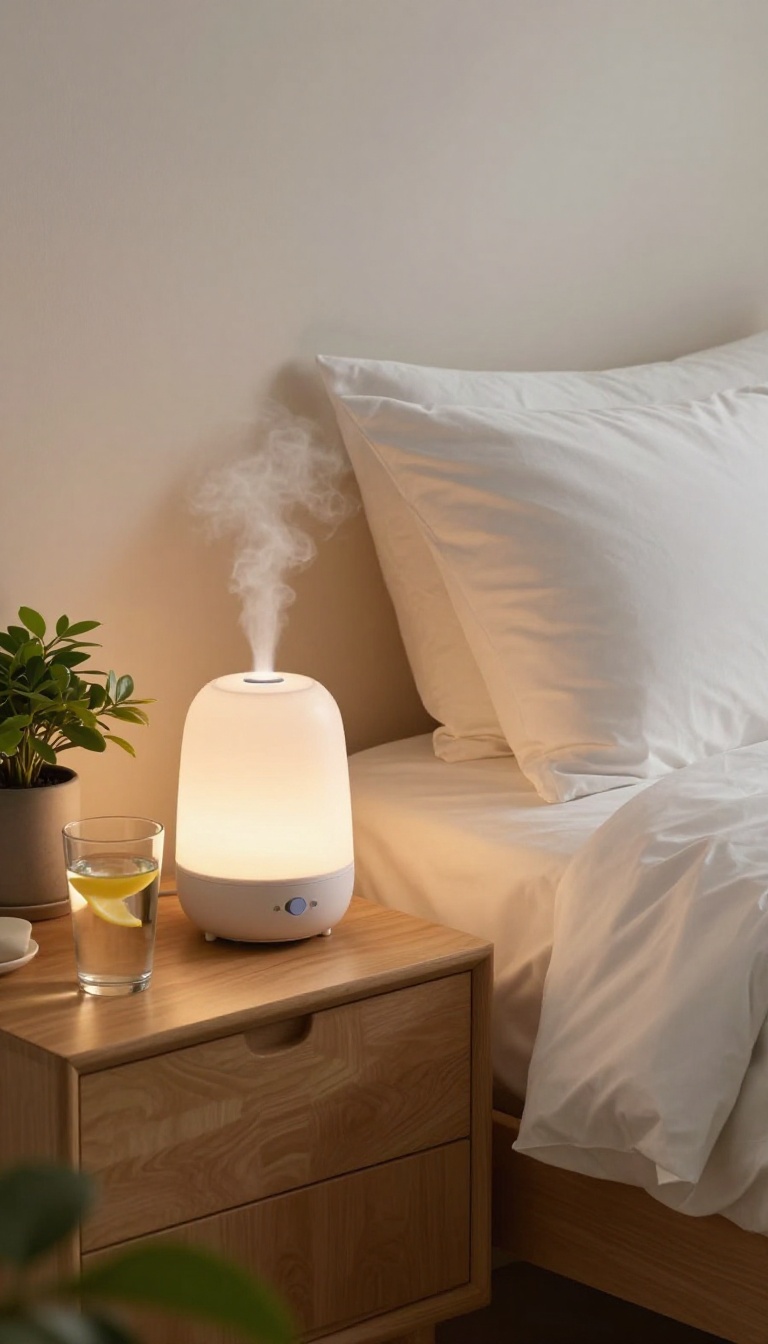
Drink a glass of water before bed and keep a humidifier in your room to add moisture to the air. This helps plump your skin and prevent that dry, dull look in the morning.
The Water Hack
Sip a full glass of water about 30 minutes before you turn in. It hydrates your cells from within, so your skin can do its overnight repair without running on empty. Just don't overdo it—you don't want to be up at 3 a. m. running to the bathroom.
Humidifier Magic
Dry indoor air sucks moisture right out of your skin. A humidifier in your bedroom adds that needed humidity, helping your skin stay supple and reducing the chance of waking up with tight, flaky patches. Set it to a comfortable level—around 40-60% is ideal.
Don't Forget Electrolytes
Water is great, but adding a pinch of sea salt or a squeeze of lemon can help your body absorb it better. Electrolytes balance your hydration levels, so your skin gets the full benefit. Keep it simple: a glass of water with a slice of lemon works wonders.
2. Double Cleanse to Unclog Pores
Think of your skin after a long day: makeup, sunscreen, sweat, and city grime all piled up. A single cleanser often can't break through that layer, leaving residue behind that can clog pores and dull your complexion. Double cleansing is a simple two-step method that ensures your skin is truly clean and ready for whatever treatments you apply next.
Start with an oil-based cleanser to melt away oil-based impurities like makeup and sunscreen. Massage it gently over dry skin, then rinse with lukewarm water. Follow with a gentle water-based cleanser to remove any leftover residue and water-based impurities like sweat and dirt.
This two-step process leaves your skin feeling fresh, not stripped, and preps it to absorb your night creams and serums more effectively.
Why Oil First?
Oil attracts oil. An oil-based cleanser dissolves the sebum, SPF, and makeup that water alone can't budge. It's especially helpful if you wear heavy or long-wear products.
Even if you don't wear makeup, sunscreen and natural oils build up, so this step keeps pores clear.
Finish With A Water-based Cleanser
A water-based cleanser sweeps away the oil and any remaining debris. Choose one with ingredients like hyaluronic acid or glycerin to keep your skin hydrated. Avoid harsh sulfates that can leave your face tight and dry.
This step ensures your skin is clean without compromising its moisture barrier.
When To Double Cleanse
Make this a nightly ritual, especially if you wear makeup or SPF. On days you stay home and skip products, a single cleanse might be enough. But if you've been outdoors or sweaty, double cleansing helps prevent breakouts and keeps your glow on track.
3. Exfoliate Gently for Instant Radiance
Scrubbing your face with gritty particles can do more harm than good, especially the night before a big day. Instead, reach for a gentle chemical exfoliant like lactic acid. It works overnight to dissolve the glue that holds dead skin cells together, revealing the fresh, glowing layer underneath.
A few nights a week is all it takes to wake up with smoother, brighter skin.
Chemical exfoliants are your skin's best friend when you want a quick glow-up. They're less abrasive than physical scrubs and offer more consistent results. Lactic acid, in particular, is a superstar because it's both an exfoliant and a humectant, meaning it draws moisture into the skin.
This dual action helps plump up fine lines and fade dark spots while you sleep.
Why Lactic Acid Works Wonders
Lactic acid is a gentle alpha-hydroxy acid (AHA) that works on the surface of your skin. It loosens the bonds between dead skin cells, so they can easily slough off. Unlike harsh scrubs, it doesn't cause micro-tears, making it safe for most skin types.
Plus, it stimulates collagen production, which keeps your skin firm and youthful.
How To Use It The Right Way
Start with a low concentration (around 5-10%) to avoid irritation. After cleansing, apply a few drops to your face, avoiding the eye area. Let it absorb for a minute, then follow with a moisturizer.
Use it two to three times a week, not every night, to let your skin renew itself. If you have sensitive skin, patch test first and consider using it only once a week initially.
Pair It With A Hydrating Serum
Exfoliation can temporarily increase water loss, so it's crucial to lock in moisture. After applying lactic acid, layer on a hydrating serum with hyaluronic acid or glycerin. This combination ensures your skin stays plump and dewy, not dry or tight.
You'll wake up with a lit-from-within glow that lasts all day.
4. Apply a Hydrating Face Mask
Your skin can drink up extra moisture while you sleep, and an overnight mask is the perfect way to deliver it. Unlike a regular moisturizer, these masks are designed to sit on your skin for hours, creating a barrier that seals in hydration. By morning, you'll notice a softer, plumper complexion that looks naturally radiant.
Overnight masks are a simple swap in your evening routine. They work while you rest, so you wake up with a fresh, dewy glow. The key is choosing the right formula and applying it correctly.
Pick The Right Ingredients
Look for masks with hyaluronic acid, glycerin, or ceramides. These ingredients attract and lock in moisture, helping your skin stay plump and smooth. Avoid masks with heavy fragrances or alcohol, which can dry out your skin overnight.
Apply On Damp Skin
For best results, apply your mask right after cleansing while your skin is still slightly damp. This helps the mask absorb better and boosts its hydrating power. Use a thin, even layer—more isn't always better.
Make It A Weekly Habit
You don't need to use an overnight mask every night. Two to three times a week is enough to see a difference. On other nights, stick to your regular moisturizer to keep your skin balanced.
5. Don't Skip Eye Cream
The skin around your eyes is thin and delicate, often the first place to show signs of fatigue. A good eye cream can be a game-changer for your morning appearance. It's not just about moisturizing—it's about targeting puffiness and dark circles so you look more rested.
Caffeine is a star ingredient in many eye creams because it constricts blood vessels, reducing puffiness and the appearance of dark circles. Applying a small amount with your ring finger—using gentle tapping motions—helps the product absorb without pulling on the skin. Do this as part of your nightly routine, and you'll wake up with brighter, more awake-looking eyes.
Why Caffeine Works
Caffeine in eye creams works by temporarily tightening the skin and reducing fluid buildup. This helps diminish under-eye bags and makes dark circles less noticeable. It's a quick fix that pays off overnight.
How To Apply
Use your ring finger to dab a pea-sized amount of cream under each eye, starting from the inner corner and moving outward. Tap gently until absorbed. Avoid rubbing, which can irritate the delicate skin.
What To Look For
Choose an eye cream with caffeine, hyaluronic acid, or vitamin C. These ingredients hydrate, plump, and brighten. Avoid heavy formulas that might cause milia—those tiny white bumps—around the eyes.
6. Sleep on a Silk Pillowcase
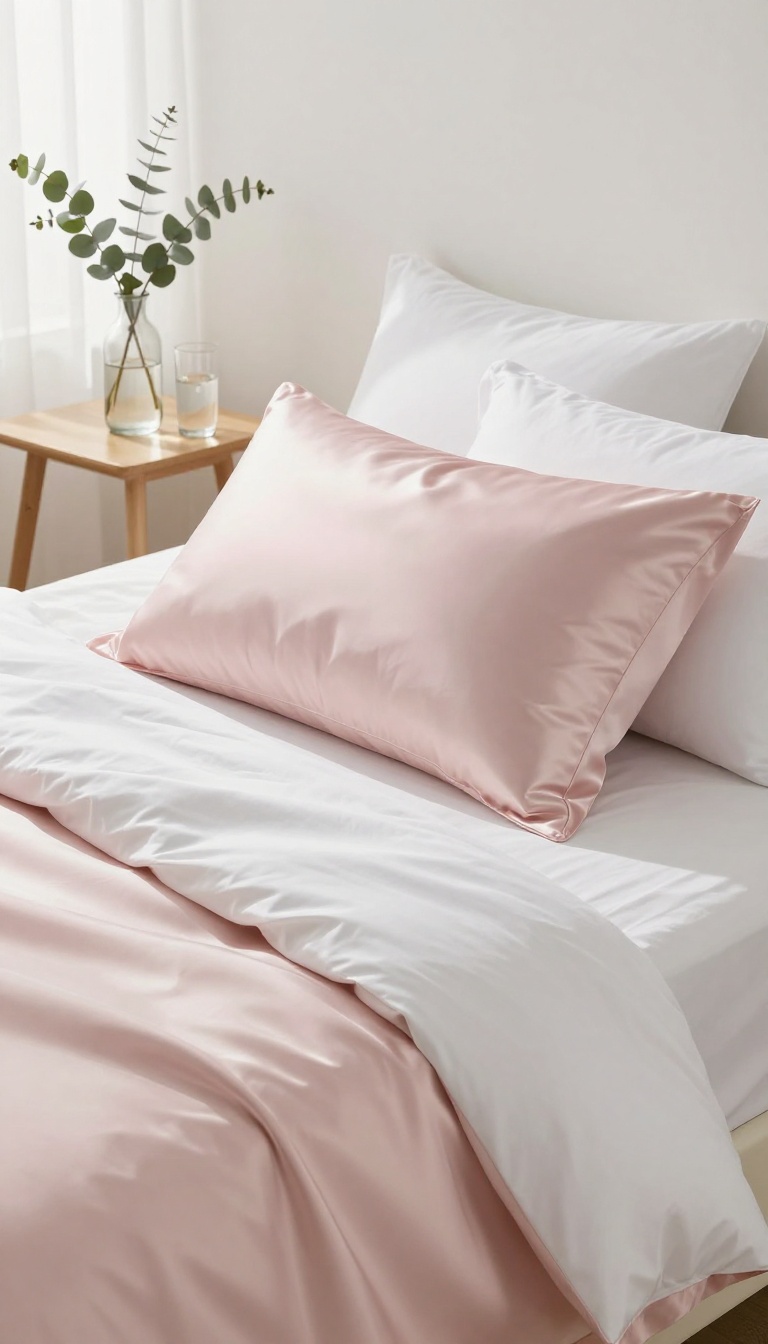
Cotton pillowcases may feel soft, but they create friction that tugs at your skin and hair all night long. Silk, on the other hand, is much smoother and gentler, so you wake up with fewer creases and less bedhead. It’s a small swap that can make a big difference in how refreshed you look in the morning.
Silk is a natural protein fiber that’s incredibly smooth, which means less pulling and stretching on your skin while you sleep. That reduced friction helps prevent sleep lines and wrinkles from forming, and it’s also kinder to your hair—less breakage and frizz. Plus, silk is naturally breathable and helps regulate temperature, so you stay comfortable all night.
Why Silk Beats Cotton For Your Skin
Cotton fibers can absorb moisture from your skin, leaving it drier, and they create rough friction that can irritate sensitive skin. Silk’s smooth surface glides over your face, reducing the chance of waking up with red marks or fine lines. It also helps your skin retain its natural oils and any skincare products you applied before bed.
The Hair Benefits You’ll Notice
If you have curly, wavy, or easily tangled hair, silk is a game-changer. The smooth texture reduces friction, so your hair is less likely to knot or break overnight. You’ll wake up with smoother, shinier hair and fewer flyaways, which means less styling time in the morning.
How To Choose And Care For A Silk Pillowcase
Look for 100% mulberry silk with a momme weight of at least 19—that’s a good balance of durability and softness. Satin can be cheaper, but real silk is more breathable and better for your skin. Wash it on a gentle cycle with cold water and a mild detergent, then air dry to keep it in great shape.
7. Elevate Your Head to Reduce Puffiness
Waking up with puffy eyes and a swollen face can instantly dull your glow. The culprit often isn't just salt or late-night snacks—it's how you sleep. Gravity works against you all night, allowing fluids to pool in your face.
A simple shift in your sleeping position can change that.
By keeping your head slightly elevated, you help your body drain excess fluid away from your face. This small adjustment can noticeably reduce morning puffiness and leave you looking more rested. Plus, it's free and takes zero effort once you're used to it.
The Right Way To Elevate
You don't need a complicated wedge pillow. Just add an extra pillow under your head, or fold a blanket to create a gentle incline. The goal is to raise your head about 15–30 degrees—enough to encourage drainage without straining your neck.
If you're a side sleeper, tuck the pillow to support your head and neck comfortably.
Why It Works
When you sleep flat, fluid accumulates in the tissues around your eyes and cheeks. Elevation uses gravity to help that fluid move downward and away from your face. It's the same reason doctors recommend sleeping propped up to reduce swelling after surgery.
Over time, this habit can make a visible difference in your morning appearance.
Extra Tips For Best Results
Pair this with a cool compress in the morning if you still notice puffiness. Also, avoid salty dinners and stay hydrated throughout the day to reduce fluid retention. And if you wake up with a stiff neck, adjust the height of your pillows—comfort is key.
8. Try a Gua Sha or Facial Roller
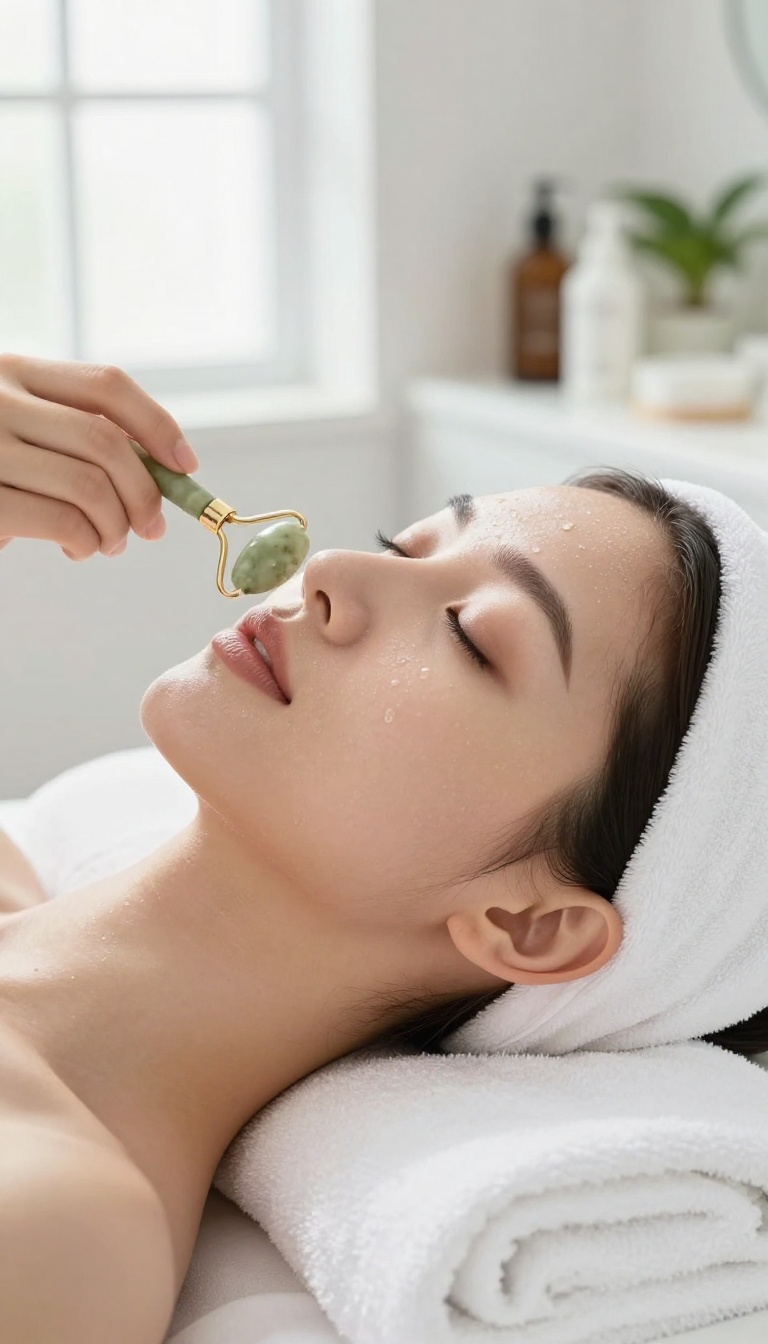
A few minutes of facial massage before bed can do wonders for your morning glow. Using a gua sha tool or jade roller helps boost circulation and encourage lymphatic drainage, which reduces puffiness and leaves your skin looking refreshed. It's a simple, relaxing ritual that feels like a mini spa treatment at home.
Facial massage tools have been around for centuries, and for good reason. They help depuff, sculpt, and brighten your complexion by promoting blood flow and moving stagnant lymph fluid. Plus, the act of massaging your face can relieve tension in your jaw and forehead, helping you unwind before sleep.
When you wake up, your skin looks more awake and radiant.
Why It Works
Your face, like the rest of your body, benefits from circulation. Gua sha and rollers stimulate blood flow, which brings oxygen and nutrients to your skin cells. They also help reduce fluid buildup that causes morning puffiness.
Regular use can even help your skincare products absorb better, making them more effective.
How To Do It Right
Start with a clean face and apply a few drops of facial oil or a lightweight moisturizer to help the tool glide smoothly. Use gentle, upward strokes from the center of your face outward. For your jawline, sweep from chin to ear.
Spend extra time on areas that feel tense or puffy. Aim for 3–5 minutes total.
Choosing Your Tool
Jade rollers are great for a quick, cooling massage, while gua sha tools offer more precise pressure and sculpting. Both work well, so pick the one that feels most comfortable. Store them in the fridge for an extra de-puffing effect—the coolness helps constrict blood vessels and calm inflammation.
9. Use a Retinol Serum (But Start Slow)
Retinol is a skincare powerhouse that works overnight to speed up cell turnover, revealing fresher, smoother skin by morning. If you've never used it before, the key is to ease in gently. Starting with a low concentration a couple of nights a week can help you avoid irritation while still getting that glow.
Retinol can be a game-changer for your skin, but it's not something to dive into headfirst. Here's how to make it work for you without the redness or flaking.
Pick The Right Strength
If you're new to retinol, look for a serum with 0. 25% to 0. 5% retinol.
That's enough to make a difference without overwhelming your skin. You can always move up to a higher strength later if your skin tolerates it well.
Start Slow And Steady
Apply retinol just two or three nights a week at first. This gives your skin time to adjust. After a couple of weeks, you can increase to every other night if you're not seeing any irritation.
Always follow with a moisturizer to lock in hydration and buffer any potential dryness.
Layer It Right
For best results, apply retinol to clean, dry skin. Wait about 20 minutes after cleansing so your skin is fully dry—this helps reduce irritation. Then, apply a pea-sized amount, avoiding the eye area and corners of your nose.
Finish with a rich night cream to seal it all in.
10. Coat Your Lips with a Nourishing Balm

Your lips work hard all day, and they rarely get the same TLC as the rest of your face. By morning, they can feel tight, dry, or even cracked, which instantly dulls your glow. A simple overnight lip treatment can change that.
Think of it as a mini overnight mask for your pout. When you apply a thick layer of balm before bed, you lock in moisture and give your lips time to repair. You'll wake up with soft, smooth lips that look naturally fuller and ready for anything.
The secret to a perfect overnight lip routine is all about the product you choose and how you apply it. Look for balms with ingredients like shea butter, lanolin, or ceramides—they create a barrier that seals in hydration. Avoid anything with drying alcohols or fragrances.
Before you apply, gently exfoliate with a soft washcloth or a lip scrub to remove dead skin. Then, apply a generous, thick layer—enough that it looks almost white. Let it sink in while you sleep, and you'll see the difference in the morning.
Why Overnight Is Key
Your lips don't have oil glands, so they rely on external moisture. While you sleep, your body's repair processes kick in, and a nourishing balm helps that process along. It's the perfect time to give your lips a deep treatment without any distractions.
Choosing The Right Balm
Not all balms are created equal. Skip the thin, waxy sticks and go for a thick, ointment-style product. Ingredients like beeswax, coconut oil, or hyaluronic acid are great.
If you want extra benefits, look for a balm with peptides or vitamin E to plump and protect.
Simple Application Tips
For best results, apply your balm as the last step of your nighttime routine. Use a clean finger or a lip brush to spread it evenly. Don't forget the corners of your mouth, where dryness often creeps in.
If you're prone to rubbing your lips in your sleep, a thicker layer will stay put longer.
11. Tame Your Hair with a Loose Braid
Waking up to a tangled mess can instantly ruin your morning mood. But a simple pre-bed habit can save you from the struggle. Braiding your hair loosely before you sleep is a game-changer for waking up with soft, wavy locks.
This trick isn't just about style—it's about protecting your hair from friction against your pillowcase. The loose braid keeps strands in place, reducing breakage and frizz. By morning, you'll have gentle waves and a natural shine that looks effortlessly done.
Braiding your hair at night is one of the easiest ways to wake up with better hair. It works for most hair types and takes just a minute before bed. The key is to keep it loose so you don't create creases or stress your roots.
Why Loose Matters
A tight braid can pull on your scalp and cause tension, leading to breakage and even headaches. A loose braid lets your hair move slightly while still keeping it contained. This reduces friction against your pillow, which is a major cause of overnight frizz and tangles.
The Perfect Braid Technique
Start with slightly damp or dry hair. Gently detangle with your fingers or a wide-tooth comb. Then, gather your hair to one side and braid it loosely, leaving a little slack at the ends.
Secure with a soft scrunchie or a silk hair tie—avoid tight elastic bands that can snag.
Morning Results
When you wake up, simply undo the braid and run your fingers through your hair. You'll find soft, beachy waves with less frizz and a healthy shine. If you want more defined waves, spritz with a little water or sea salt spray.
This trick also works well on second-day hair to refresh your style.
12. Apply a Hair Mask for Extra Shine
Your hair works hard all day, and by night it can look dull and tired. A simple overnight hair mask can change that. While you sleep, the mask works its magic, leaving you with soft, shiny strands by morning.
Once a week, give your hair a little extra love with an overnight treatment. It's an easy habit that pays off with visible shine and smoothness.
Choose The Right Oil
Coconut oil is great for deep moisture, while argan oil adds lightweight shine. Pick one that suits your hair type. If your hair is fine, go light on the amount to avoid greasiness.
Apply And Protect
Work a small amount into the ends, avoiding the roots. Then wrap your hair in a silk scarf or use a satin pillowcase. This helps the oil absorb and keeps your pillow clean.
Rinse And Reveal
In the morning, wash your hair thoroughly to remove the oil. Follow with your usual conditioner. You'll notice softer, shinier hair that looks healthy and feels great.
13. Practice Deep Breathing or Meditation

Stress is a silent saboteur of your glow. When you're wound up, your body pumps out cortisol, which can trigger inflammation and breakouts. Taking a few minutes to breathe deeply before bed signals your nervous system to shift into rest mode, helping your skin look calmer by morning.
Deep breathing isn't just for yoga class—it's a quick, free way to prep your body for a restorative night. By slowing your breath, you lower heart rate and blood pressure, which reduces stress hormones that can dull your complexion. Plus, it clears your mind so you fall asleep faster and wake up feeling more refreshed.
Try The 4-7-8 Method
Inhale for 4 counts, hold for 7, and exhale slowly for 8. Repeat for a few rounds. This pattern activates your parasympathetic nervous system, helping you unwind quickly.
Use A Guided Sleep Meditation
If your mind races, a short guided meditation can keep you focused. Apps like Calm or Headspace have sleep-specific tracks that ease you into slumber without effort.
Combine With A Calming Scent
Pair your breathing with a drop of lavender or chamomile essential oil on your pillow. The aroma enhances relaxation and makes the ritual feel more spa-like.
14. Stretch to Release Tension
Your body holds onto stress in your neck, shoulders, and jaw, and that tension can show up on your face. A few gentle stretches before bed help you unwind physically, which signals your nervous system to calm down. This not only improves your posture but also reduces the appearance of fine lines caused by clenching.
Incorporate simple stretches like a forward fold or child's pose into your evening routine. These moves release the tightness that builds up from sitting at a desk or staring at a screen all day. Better yet, they help you sleep more deeply, so you wake up feeling refreshed and looking more relaxed.
Why Stretching Before Bed Works
Stretching increases blood flow, which delivers oxygen and nutrients to your skin cells. It also lowers cortisol levels, the stress hormone that can trigger breakouts and dullness. By easing muscle tension, you prevent the 'scrunched-up' look that comes from stress.
Two Easy Stretches To Try
Try a standing forward fold: bend at your hips and let your arms hang toward the floor, keeping your knees soft. Hold for 30 seconds and breathe deeply. Child's pose is another great option—kneel, sit back on your heels, and stretch your arms forward on the floor.
Both are gentle and effective.
Add A Tiny Self-massage
While you're stretching, use your fingertips to gently massage your jaw, temples, and the base of your skull. This helps release facial tension that can cause puffiness and headaches. Even two minutes can make a difference.
15. Get Enough Quality Sleep

Sleep is the original beauty treatment. While you snooze, your body goes into repair mode, fixing skin cells and reducing stress hormones. Skimping on shut-eye can leave you looking tired and dull, no matter how many serums you use.
Aim for 7-9 hours of uninterrupted sleep. Your body repairs itself during deep sleep, so prioritizing rest is the ultimate glow-up tip for a brighter morning.
Set A Consistent Sleep Schedule
Going to bed and waking up at the same time every day helps regulate your internal clock. This makes it easier to fall asleep and wake up feeling refreshed. Even on weekends, try to stick to your routine.
Create A Relaxing Bedtime Ritual
Wind down with a warm bath, gentle stretching, or a few pages of a book. Avoid screens for at least 30 minutes before bed, as the blue light can interfere with melatonin production. A calming ritual signals your body that it's time to rest.
Optimize Your Sleep Environment
Keep your bedroom cool, dark, and quiet. Invest in blackout curtains, a comfortable mattress, and soft bedding. Consider using a white noise machine or earplugs to block out disruptive sounds.
FAQ
Can I really glow up overnight?
Yes, but it's about making small improvements that add up. Hydrating, cleansing, and using the right products can visibly brighten your skin by morning, though long-term changes take consistency.
What is the most important overnight tip?
Getting enough quality sleep is the foundation. Without it, other products and tricks won't work as well. Aim for 7-9 hours in a cool, dark room.
How often should I exfoliate at night?
Start with once or twice a week, especially if you're using chemical exfoliants. Over-exfoliating can irritate your skin, so listen to your skin and adjust accordingly.
Are overnight masks safe for all skin types?
Generally, yes, but choose one suited to your skin type. For oily skin, look for gel-based masks; for dry skin, cream masks work better. Always patch test new products.
Will sleeping on a silk pillowcase really make a difference?
Yes, silk reduces friction and moisture loss, which can help prevent wrinkles and frizz. It's a simple swap that many people notice a difference with.
Conclusion
These 15 overnight tips are simple, but they can make a big difference in how you look and feel each morning. You don't need to try them all at once—just pick a few that fit your routine and start there. Consistency is key.
Over time, these small habits will become second nature, and you'll likely notice a brighter, more refreshed version of yourself greeting the day. Here's to waking up glowing!