
Upgrading your shower shelf doesn't have to mean splurging on a dozen fancy bottles. Sometimes, it's about swapping in a few smart essentials that make your daily rinse feel more like a ritual and less like a chore.
From gentle cleansers to tools that boost lather, these 15 picks target real needs—dryness, buildup, or just a tired routine. Whether you're on a budget or ready to treat yourself, each item earns its place by solving a specific problem.
Ready to give your shower a refresh that actually works? Let's find your new must-haves.
1. A Gentle, Sulfate-Free Body Wash
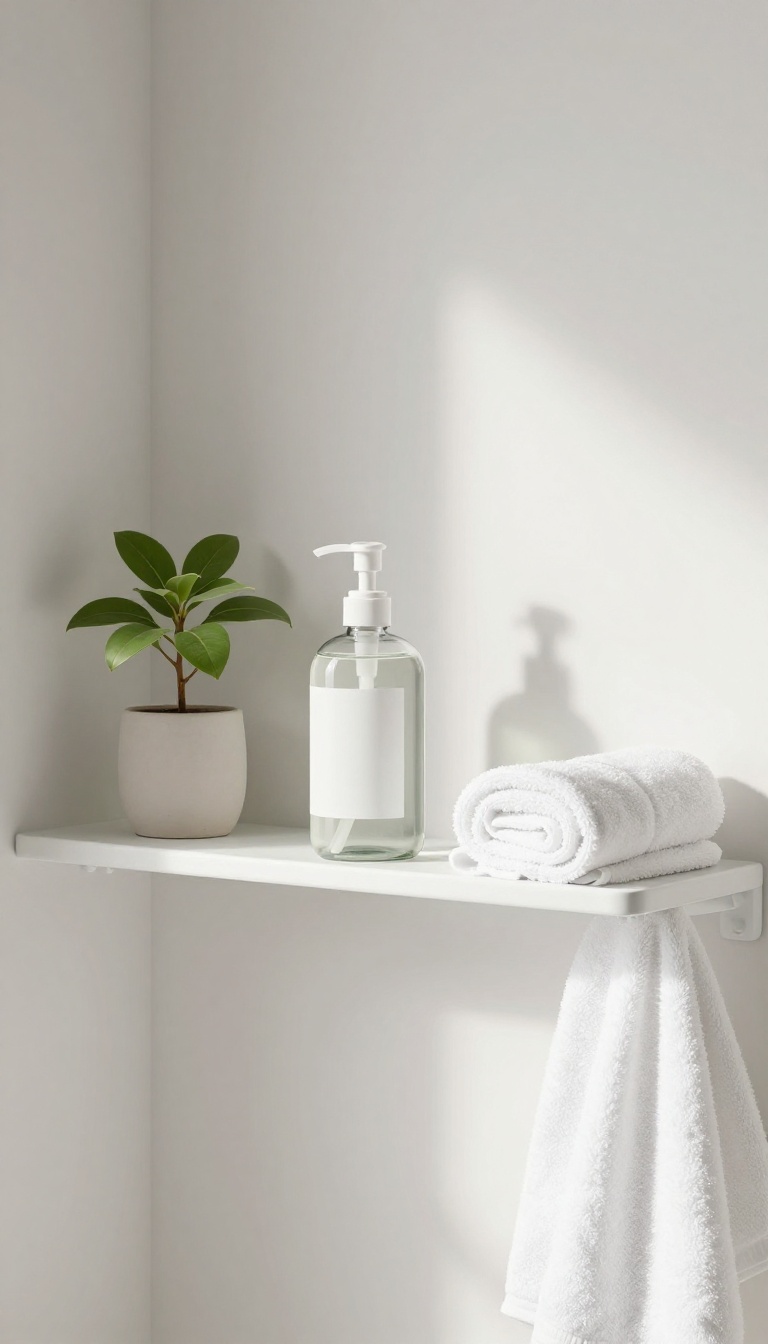
If your skin feels tight or itchy after a shower, your body wash might be the culprit. Traditional cleansers often rely on sulfates—harsh detergents that strip away natural oils. A sulfate-free formula cleanses without that squeaky-clean feeling, which is actually a sign of over-drying.
Instead, look for ingredients like glycerin or ceramides that lock in moisture while you wash.
The right body wash can transform your shower from a simple cleanse into a hydrating step. Here’s how to pick one that works for your skin and why it matters.
Why Sulfates Are The Problem
Sulfates like sodium lauryl sulfate (SLS) create that rich lather we associate with cleanliness, but they can be too aggressive for many skin types. They strip away the skin’s protective barrier, leading to dryness, irritation, and even flare-ups for sensitive skin. Switching to a sulfate-free option helps maintain your skin’s natural balance, keeping it comfortable and hydrated.
Key Ingredients To Look For
Check the label for hydrating powerhouses like glycerin, which draws water into the skin, and ceramides, which help restore the skin barrier. Shea butter and aloe vera are also great for soothing and softening. Avoid artificial fragrances if you have sensitive skin—opt for fragrance-free or naturally scented versions instead.
How To Make The Switch
Swapping your body wash is easy, but give your skin a few days to adjust. You might notice less lather at first—that’s normal. Use warm water (not hot) and apply the wash with your hands or a soft cloth.
Follow up with a moisturizer while your skin is still damp to lock in extra hydration.
2. An Exfoliating Body Scrub for Smooth Skin
Dead skin cells can build up faster than you think, leaving your skin looking dull and feeling rough. A good body scrub is the simplest way to fix that. It buffs away the old layer, so your skin feels noticeably smoother right after the first use.
Plus, it helps your body wash and lotion absorb better, so you get more out of your other products.
Exfoliating isn't just about scrubbing—it's about choosing the right kind of scrub for your skin. Physical scrubs with fine granules are great for most people, but if you have sensitive skin, you might prefer a chemical exfoliant with AHAs or BHAs. Either way, the goal is the same: reveal fresh, glowing skin without irritation.
Use it 2-3 times a week, and you'll notice a real difference in texture and brightness.
Why Exfoliate?
Your skin sheds dead cells naturally, but sometimes they linger, making your skin look tired. Exfoliating speeds up the process, unclogs pores, and smooths rough patches like elbows and knees. It's a quick win for your shower routine.
Choosing The Right Scrub
Look for fine-grained scrubs, like sugar or jojoba beads, which are gentle enough for regular use. Avoid harsh walnut shells or crushed apricot pits—they can cause micro-tears. If you prefer chemical exfoliants, try a scrub with glycolic or salicylic acid for a deeper clean.
How To Use It
Apply the scrub to damp skin in circular motions, focusing on rough spots like heels and elbows. Rinse thoroughly and follow with a moisturizer to lock in hydration. Don't overdo it—2-3 times a week is plenty to keep your skin smooth without irritation.
3. A Hydrating Shower Oil or In-Shower Body Conditioner
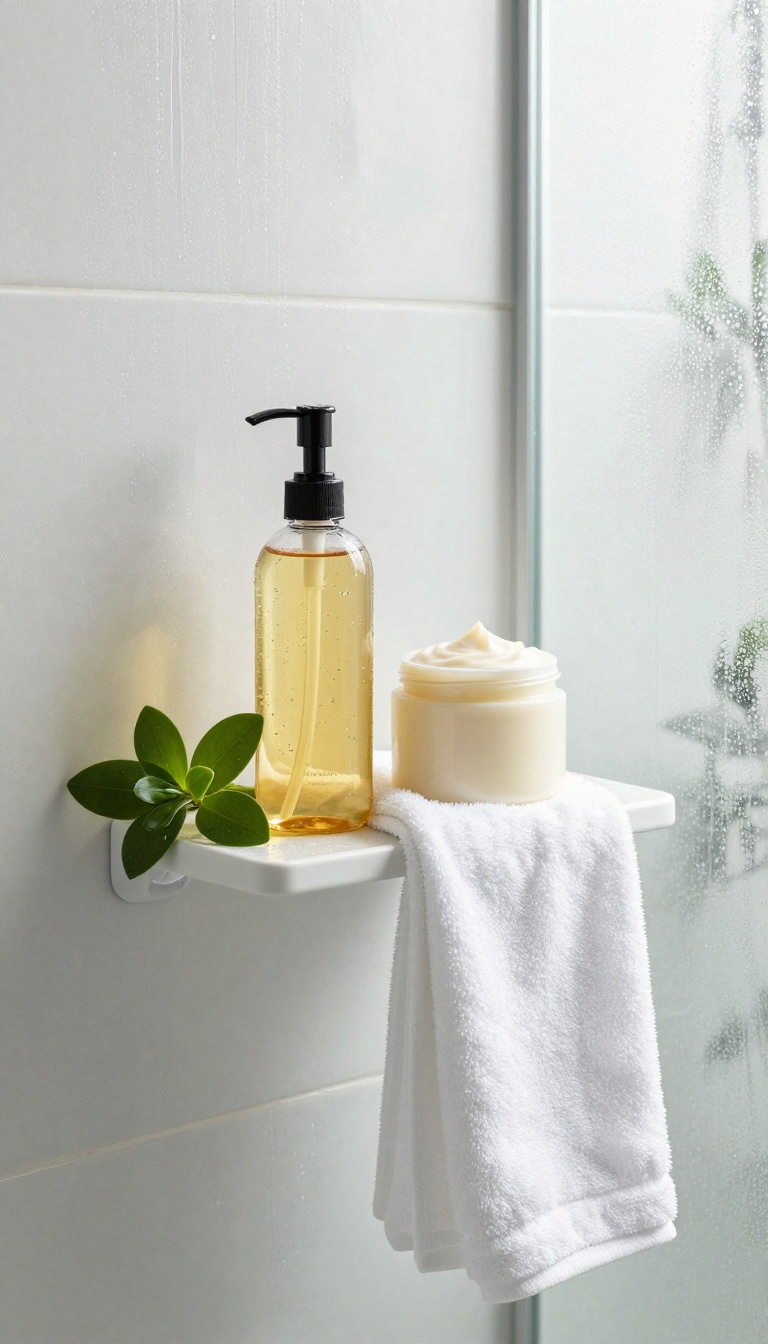
If your skin still feels parched even after slathering on lotion, the problem might start in the shower. Traditional body washes often strip natural oils, leaving your skin drier than before. A hydrating shower oil or in-shower body conditioner flips that script by adding moisture back while you rinse.
These products work like a leave-in conditioner for your body. You apply them to damp skin, let them sit for a minute, then rinse lightly. The result is a silky, nourished feel that lasts well past your morning routine.
Shower oils and in-shower body conditioners are game-changers for dry or sensitive skin. They use a blend of oils and humectants that cling to your skin instead of washing away completely. This leaves a protective barrier that locks in hydration, so you can skip the heavy lotion afterward—or at least use less.
When choosing one, look for ingredients like jojoba oil, shea butter, or glycerin. Avoid products with sulfates or alcohol, which can counteract the hydrating benefits. Apply it as the last step in your shower, focusing on rough areas like elbows and knees.
How To Use It Correctly
Don't treat it like a regular body wash. Apply a small amount to wet skin, massage gently, and let it sit for about 30 seconds. Then rinse with warm—not hot—water, leaving a thin layer behind.
Pat your skin dry with a towel instead of rubbing to keep that moisture lock intact.
Best For Extra-dry Areas
If your legs, arms, or cuticles get especially rough, focus the product there. You can even use it as a shaving medium for a smoother glide. Just be careful on the shower floor—oils can make surfaces slippery, so rinse well after use.
What To Look For
Check the label for non-comedogenic oils if you're prone to breakouts. Fragrance-free options are better for sensitive skin. A little goes a long way, so a bottle can last months even with daily use.
4. A Loofah or Shower Brush for Better Lather
Hands alone can only do so much. A proper loofah or long-handled brush helps you build a rich, foamy lather that spreads evenly, and it reaches the spots your hands can't—like your back. Plus, the gentle exfoliation leaves your skin feeling smoother and more refreshed.
Just remember to swap it out regularly to keep things hygienic.
A good lather isn't just about the product—it's about the tool. Using a loofah or brush helps you get more out of your body wash, creating a thicker foam that cleanses better and feels more luxurious. It also provides light exfoliation, which can help with dry patches and ingrown hairs.
The key is to pick one that suits your routine and to replace it before it becomes a breeding ground for bacteria.
Why Lather Matters
More lather means better coverage and a more even cleanse. It also helps the product glide rather than drag, which is gentler on your skin. A loofah or brush traps air and water, turning a small amount of body wash into a generous foam that feels spa-like.
Loofah Vs. Brush: Which To Choose?
Loofahs are great for quick, flexible use and come in natural or synthetic options. They're easy to hold and work well for most of your body. Long-handled brushes are perfect for reaching your back and give a firmer scrub, which some people prefer.
If you have sensitive skin, go for a soft-bristle brush or a gentle natural loofah.
Keep It Clean And Fresh
Loofahs and brushes can harbor bacteria if left wet. Rinse them thoroughly after each use and hang them to dry in a well-ventilated area. Replace natural loofahs every 3-4 weeks, and synthetic ones every 2 months.
For brushes, wash them with soap and water weekly and replace every 6 months.
5. A Clarifying Shampoo for Product Buildup
Even if you wash your hair daily, styling products, hard water, and natural oils can leave a stubborn film on your strands. That buildup weighs hair down and makes it look dull, no matter how much conditioner you use. A clarifying shampoo, used once a week, cuts through the residue and resets your scalp for healthier, bouncier hair.
Think of a clarifying shampoo as a deep clean for your hair. Unlike your everyday shampoo, it contains stronger cleansing agents that break down product buildup and mineral deposits. Use it once a week to remove the gunk without stripping your hair of its natural moisture.
Your regular shampoo will work better afterward, and your conditioner can actually penetrate the hair shaft instead of sitting on top of residue. The result? Hair that feels lighter, looks shinier, and has that fresh-from-the-salon bounce.
Why Buildup Happens
Every time you use hairspray, gel, dry shampoo, or even a heavy conditioner, a little residue is left behind. Hard water adds minerals like calcium and magnesium that cling to your strands. Over time, this film builds up, making hair feel stiff or greasy even after washing.
A clarifying shampoo dissolves these deposits, so your hair can breathe again.
How To Use It Right
Don't use clarifying shampoo every day—that would dry out your hair. Instead, swap it in once a week, especially if you use lots of styling products or live in an area with hard water. Wet your hair, apply a small amount, and massage it into your scalp for a minute or two.
Rinse thoroughly, then follow with a hydrating conditioner to restore moisture.
What To Look For
Choose a clarifying shampoo that's gentle enough for your hair type. Look for ingredients like apple cider vinegar, tea tree oil, or salicylic acid, which help break down buildup without being too harsh. Avoid formulas with sulfates if you have color-treated or dry hair, and opt for a pH-balanced option to keep your scalp happy.
6. A Deep Conditioning Hair Mask
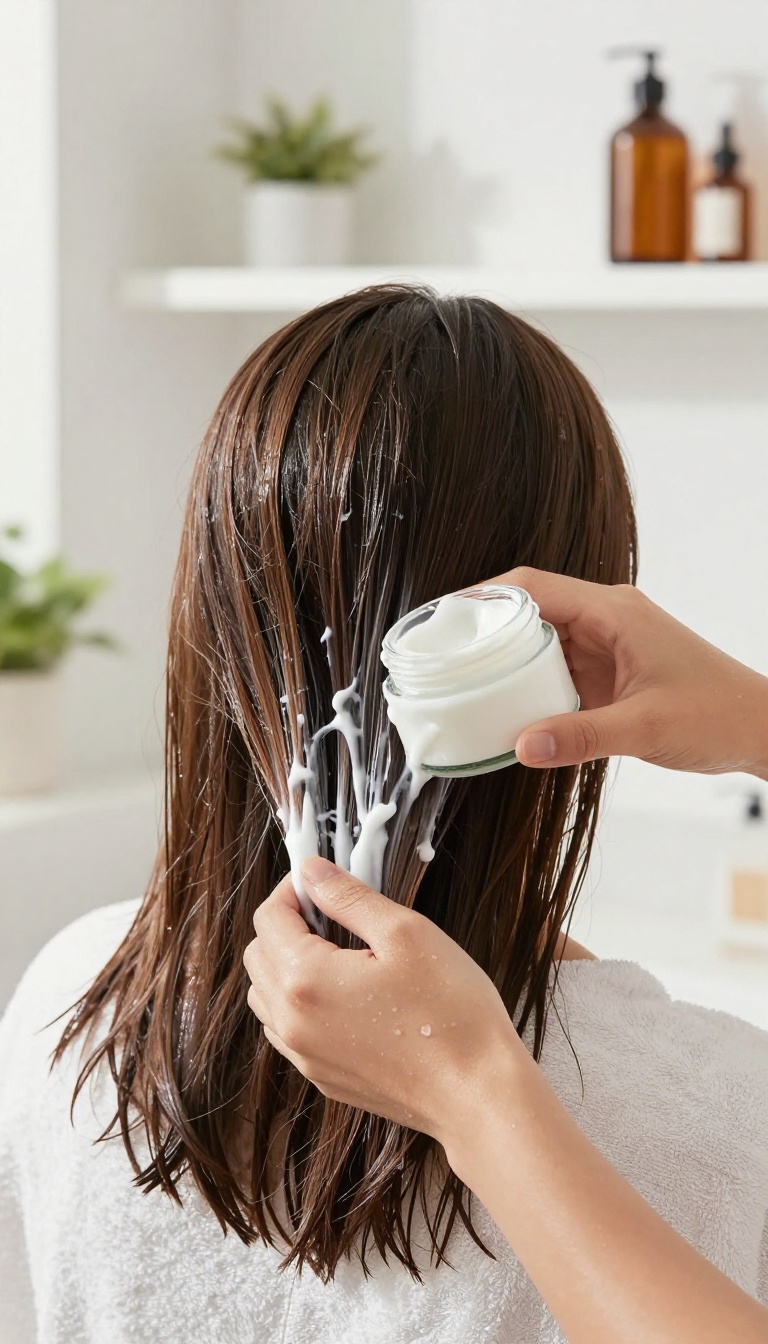
Your hair takes a beating from heat styling, sun exposure, and even just the friction of a towel. A weekly deep conditioning mask is like a reset button, delivering intense moisture and repair that regular conditioner can't match. It's a simple step that makes a noticeable difference in softness and shine.
Once a week, swap your usual conditioner for a mask that targets your hair's specific needs—whether that's dryness, damage, or dullness. Apply it generously from mid-length to ends, leave it on for 5 to 10 minutes while you finish your shower, then rinse thoroughly. The result?
Hair that feels smoother, looks glossier, and is easier to manage.
Why Your Hair Needs A Weekly Reset
Even if you use a good conditioner, daily wear and tear can leave hair cuticles rough and raised. A deep conditioning mask contains higher concentrations of nourishing ingredients like oils, proteins, and butters that penetrate deeper and help seal the cuticle. This weekly treatment restores elasticity, reduces breakage, and adds a healthy glow.
How To Pick The Right Mask For Your Hair Type
Look for a mask that matches your hair's texture and concerns. For fine hair, choose a lightweight formula that won't weigh it down. For thick or curly hair, go for a richer, creamier mask with shea butter or argan oil.
If your hair is color-treated, opt for a mask with UV protection and color-safe ingredients to prevent fading.
Simple Application Tips For Maximum Benefit
Start with towel-dried hair so the mask can absorb easily. Section your hair and apply the mask evenly, focusing on the ends where damage is most visible. Use a wide-tooth comb to distribute it evenly.
Set a timer for 5 to 10 minutes—longer isn't always better. Rinse with cool water to seal the cuticle and boost shine.
7. A Refreshing Body Mist or Lightweight Lotion
Stepping out of the shower doesn't have to mean the end of that fresh feeling. A quick body mist or a fast-absorbing lotion locks in hydration and leaves a soft, subtle scent that lingers without being overpowering. The key is choosing something that feels weightless, so your skin stays comfortable, not sticky.
Post-shower care is the final step to a satisfying routine. A body mist adds a refreshing burst of hydration and a light fragrance, perfect for a quick pick-me-up. For those who need a bit more moisture, a lightweight lotion absorbs quickly, keeping skin soft without that heavy, greasy residue.
Both options are simple to apply and make your shower routine feel complete.
Why Choose A Mist?
Body mists are great for a quick refresh when you're in a hurry. They're watery, absorb fast, and give a gentle scent boost. Look for ones with hydrating ingredients like aloe or glycerin to add a touch of moisture without any heaviness.
Lightweight Lotions That Work
If your skin needs more than a mist, a lightweight lotion is the way to go. Formulas with hyaluronic acid or ceramides hydrate without clogging pores. Apply right after toweling off to lock in moisture, and you're good to go.
How To Apply For Best Results
For a mist, hold it about six inches from your body and spray in a sweeping motion. For lotion, warm a small amount between your hands and massage upward from your legs to your arms. Focus on drier areas like elbows and knees, and let it absorb for a minute before getting dressed.
8. A Soothing Bath Soak or Epsom Salt

When the week has been long, a soak can be the reset button your body craves. Epsom salts and bath soaks aren't just for baths—they're a simple way to turn your shower into a spa-like escape. Even if you're a shower person, adding a soak to your routine a couple of times a week can work wonders for tired muscles and dry skin.
Epsom salts are rich in magnesium, which helps ease muscle tension and reduce stress. A bath soak with essential oils like lavender or eucalyptus adds an aromatherapy boost that calms the mind. Your skin gets softer, too, because these salts help draw out impurities and leave a silky feel.
It's a small addition that makes a big difference after a hectic day.
Why Epsom Salts Work
Magnesium sulfate in Epsom salts is absorbed through the skin, helping to relax muscles and reduce inflammation. This can be especially helpful after a workout or a long day on your feet. Plus, the warm water and minerals work together to soften rough patches and leave your skin feeling smooth.
How To Use In The Shower
If you don't have a tub, you can still enjoy the benefits. Mix a handful of Epsom salts with a carrier oil like coconut or jojoba, then massage it onto damp skin before rinsing. Or, add a few drops of essential oil to your shower floor and let the steam carry the scent.
Either way, you get the relaxation without the bath.
Picking The Right Soak
Look for unscented Epsom salts if you prefer to add your own essential oils, or choose a pre-blended soak with calming ingredients like chamomile or lavender. Check the label for added fragrances or dyes if you have sensitive skin. A little goes a long way, so start with a small amount and adjust based on how your skin feels.
9. A Facial Cleansing Brush or Silicone Scrubber
Your face deserves more than a quick splash of water and a dab of cleanser. A dedicated cleansing tool can lift away the day's grime more effectively than fingers alone, especially around your T-zone where oil and makeup tend to linger. It's a small upgrade that makes a noticeable difference in how fresh and bright your skin feels after every wash.
Using a facial cleansing brush or silicone scrubber is like giving your face a mini facial every day. The gentle bristles or soft silicone nubs work in tandem with your cleanser to dislodge dirt, sweat, and dead skin cells that can clog pores and dull your complexion. Over time, you'll notice a smoother texture and a more even tone without the need for harsh scrubs or extra products.
Why Your Hands Aren't Enough
Your hands are great for many things, but they're not the most effective tools for deep cleansing. They can't create the same friction or reach every contour of your face, leaving behind residue that can lead to breakouts. A dedicated tool ensures you're actually getting the clean you think you are, especially if you wear sunscreen or makeup regularly.
Silicone Vs. Bristle: Which Is Right For You?
Silicone scrubbers are gentle, hygienic, and easy to clean—they're perfect for sensitive skin or anyone prone to irritation. Bristle brushes, on the other hand, offer a more exfoliating feel and can be great for normal to oily skin, but they need more maintenance to prevent bacteria buildup. Think about your skin type and how much care you're willing to put into the tool itself.
How To Work It Into Your Routine
Use your brush or scrubber two to three times a week, not every day, to avoid over-exfoliating. Wet your face, apply your usual cleanser, then move the tool in gentle circular motions for about 60 seconds. Rinse thoroughly and let the tool air-dry.
Follow up with your moisturizer to lock in that fresh, clean feeling.
10. A Body Oil for Post-Shower Glow
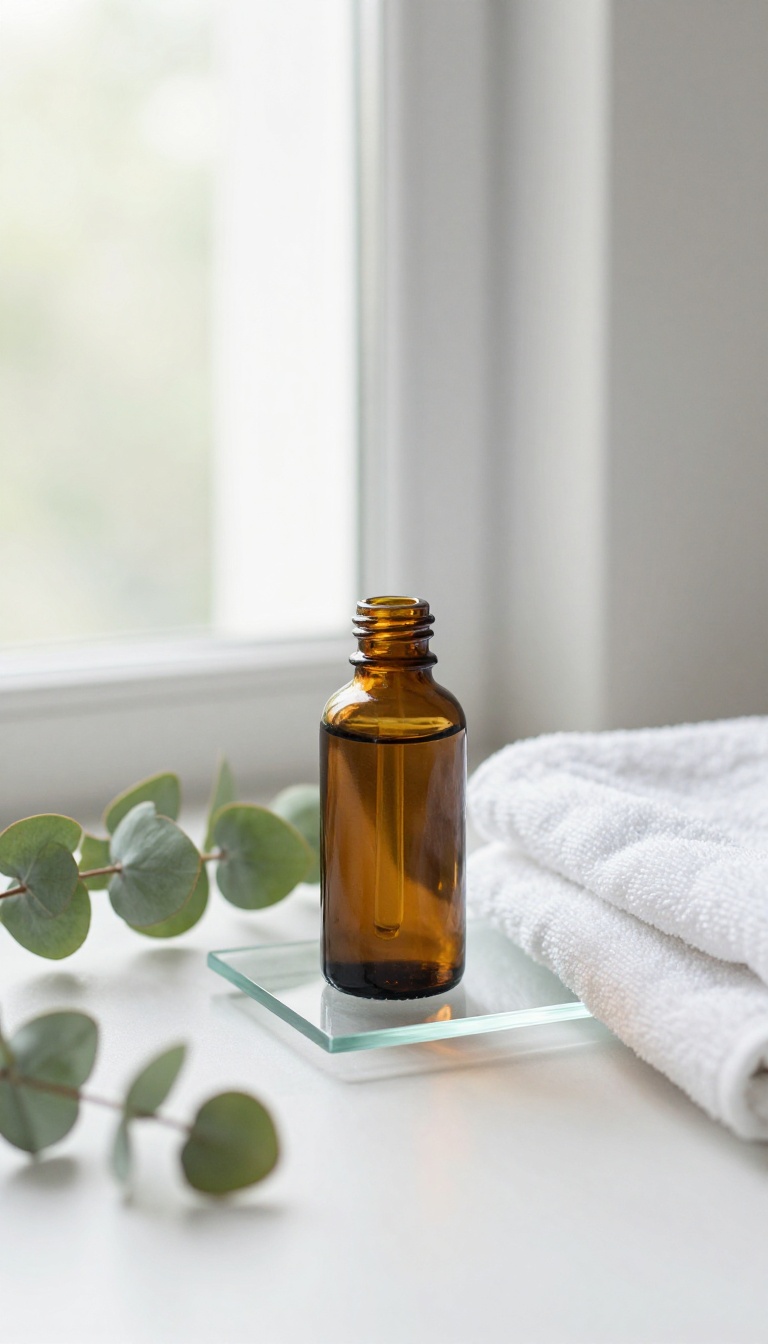
After you towel off, your skin is still slightly damp—that's the perfect moment to seal in moisture. A fast-absorbing body oil locks in hydration and leaves a subtle, healthy sheen without feeling greasy. It's a simple step that makes a noticeable difference, especially if you have dry or tight-feeling skin.
Body oils have come a long way from the heavy, sticky formulas of the past. Today's versions are lightweight, quick to absorb, and often packed with nourishing ingredients like jojoba, squalane, or vitamin E. Applying a few drops to damp skin right after your shower helps trap water in your skin, keeping it soft and supple for hours.
Plus, the gentle glow it leaves behind looks like you just came from a spa—not a shower.
Why Damp Skin Works Best
Damp skin is more permeable, so it absorbs the oil more easily. When you apply oil to wet skin, you're locking in that extra moisture, which helps keep your skin hydrated longer. It also spreads more evenly, so you need less product overall.
How To Apply Without The Grease
Start with just a few drops in your palms, rub them together, and press gently onto your legs, arms, and torso. Don't rub vigorously—patting or light strokes help the oil sink in without leaving a film. Wait a minute or two before getting dressed, and you'll be good to go.
Choosing The Right Oil For Your Skin
Look for non-comedogenic oils like jojoba or grapeseed if you're prone to breakouts. For very dry skin, richer oils like marula or argan are great. If you love a little scent, pick one with a light, natural fragrance—or go fragrance-free if you're sensitive.
11. A Shower Steamer or Aromatherapy Tablet
Some days you need more than just a rinse to reset. A shower steamer drops onto the floor, fizzes, and releases essential oils that turn your bathroom into a mini spa. It's a low-effort way to add aromatherapy to your routine without any extra steps.
Shower steamers work with the heat and moisture of your running water. As they dissolve, they send calming or invigorating scents into the air. You don't need to light anything or mix anything—just place one on the shower floor away from the drain and let it do its thing.
How To Use A Shower Steamer
Place the steamer on the shower floor where it won't get directly hit by the water stream. The steam and humidity will activate it. You can adjust the intensity by moving it closer or farther from the water.
Start with a few minutes and see how strong you like it.
Choosing The Right Scent
Eucalyptus and peppermint are great for clearing your head and boosting energy. Lavender and chamomile help you wind down after a long day. Some brands even offer blends for focus or relaxation.
Pick a scent that matches the mood you want to set.
Where To Buy And What To Look For
You can find shower steamers at bath stores, online, or even make your own with baking soda and essential oils. Look for ones with natural ingredients and no artificial dyes. A pack usually costs between $10 and $20, so it's an affordable upgrade.
12. A Foot Scrub or Pumice Stone
Your feet carry you all day, but they rarely get the attention they deserve. A quick scrub in the shower can make a world of difference, especially if you're prone to rough heels or calluses. It's a simple step that leaves your feet feeling soft and looking sandal-ready.
A foot scrub or pumice stone is a small but mighty addition to your shower shelf. It targets the dead skin that builds up on your heels and balls of your feet, smoothing away roughness in minutes. Regular use not only keeps your feet looking better but also helps prevent cracks and discomfort.
Why Your Feet Need A Little Extra Care
Your feet endure constant pressure and friction, which leads to thickened skin. A scrub or stone gently exfoliates those areas, revealing fresher skin underneath. It's especially helpful if you walk barefoot often, wear sandals, or spend long hours on your feet.
Scrub Vs. Stone: Which One To Choose?
A foot scrub with gritty particles is easy to use and often infused with moisturizers, making it great for daily maintenance. A pumice stone is more abrasive and works well on stubborn calluses. Pick based on your needs—or keep both for different days.
How To Use It Without Overdoing It
Use your scrub or stone on damp skin in the shower, focusing on rough areas. Move in gentle circles and avoid pressing too hard. A few minutes a couple of times a week is enough to keep your feet smooth without irritating the skin.
13. A Deodorizing Body Cleanser
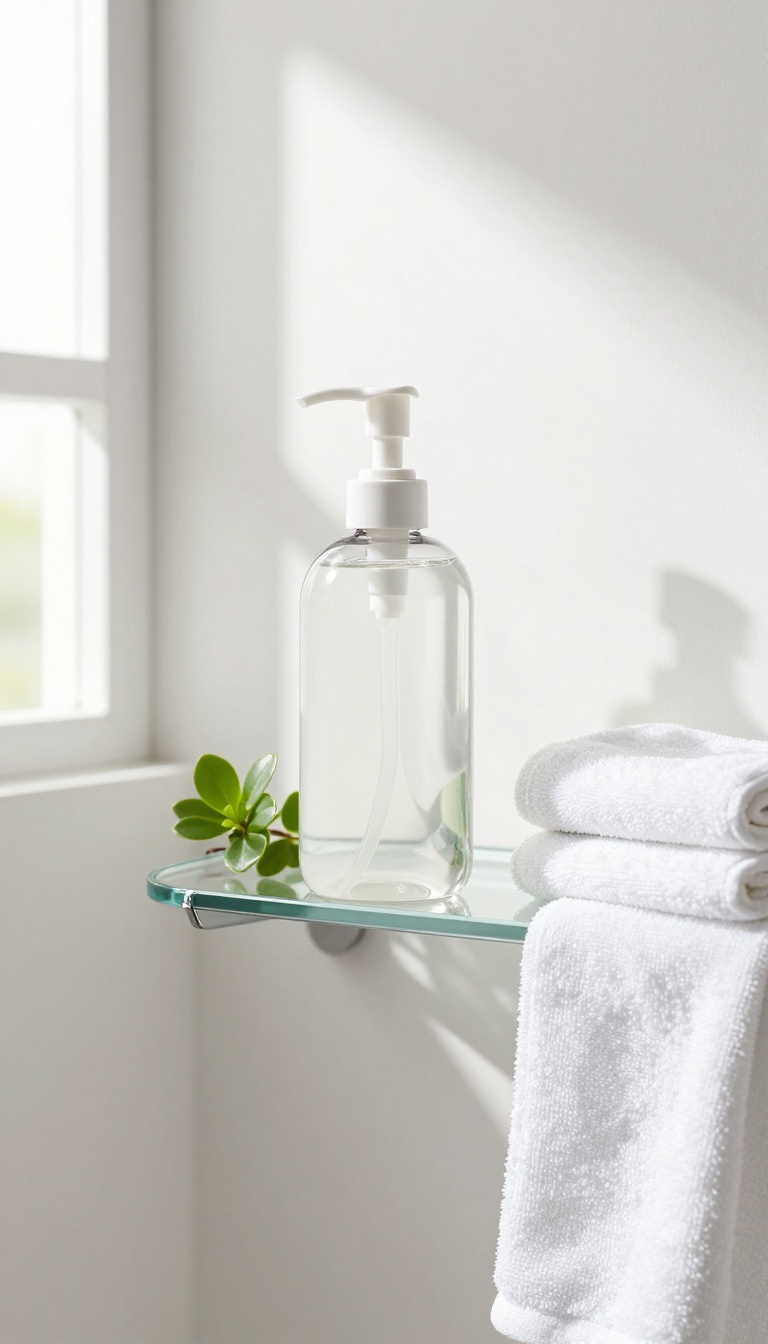
Sweat happens, especially after a tough workout or a long day. But lingering odor on your skin is another story. A deodorizing body cleanser tackles this head-on, using ingredients that neutralize bacteria rather than just masking smell.
It’s a simple swap that keeps you feeling fresh from the moment you step out of the shower.
These cleansers often contain antibacterial agents like tea tree oil or natural deodorizers such as charcoal, which work to eliminate odor at the source. They’re especially handy for gym-goers, people who sweat heavily, or anyone who wants a little extra confidence in their daily routine. Plus, they usually leave a subtle, clean scent that lasts—without being overpowering.
How It Works
Odor is caused by bacteria breaking down sweat on your skin. A deodorizing body wash disrupts that process, washing away bacteria and leaving you with a neutral, fresh base. Look for ingredients like tea tree oil, which has natural antibacterial properties, or activated charcoal, which draws out impurities.
When To Reach For It
Post-workout showers are the obvious time, but it’s also great for hot, humid days or after a long commute. If you’re prone to body odor or just want a reset, this cleanser can be your go-to. It’s also a smart pick for anyone who prefers a more natural approach to staying fresh.
What To Look For
Choose a formula that’s gentle enough for daily use but effective at cleansing. Avoid harsh sulfates if you have sensitive skin, and check for pH-balanced formulas. Some versions include exfoliating beads or acids for extra smoothness, but a simple, effective cleanser is all you need to start.
14. A Shower Mirror or Waterproof Speaker
Sometimes the smallest additions change the whole vibe of your shower. A fog-free mirror or a waterproof speaker can turn a quick rinse into a moment you actually look forward to. They're not just gadgets—they're little upgrades that make your routine feel more intentional.
Whether you need to see clearly for a close shave or want to set the mood with your favorite playlist, these two accessories punch way above their weight. They're affordable, easy to install, and they make a noticeable difference every single day.
Shave Smarter With A Fog-free Mirror
Struggling to see your jawline through a steamy mirror is a classic shower struggle. A fog-free mirror sticks right to your tile or glass and stays clear, so you can shave with confidence. Look for one with a swivel arm and a built-in ledge for your razor—it's a game changer.
Set The Mood With A Waterproof Speaker
Music can make a 10-minute shower feel like a mini spa session. A small, waterproof Bluetooth speaker clips onto your shower caddy or hangs from the faucet, and it's safe to get wet. Choose one with decent battery life and a suction cup mount for easy placement.
Pick The Right Combo For Your Space
If your shower is on the smaller side, go for a compact mirror and a clip-on speaker that won't clutter your shelf. For larger showers, a bigger mirror with a light might be worth the extra room. Either way, these additions are easy to remove and take with you if you move.
15. A Travel-Sized Set for On-the-Go
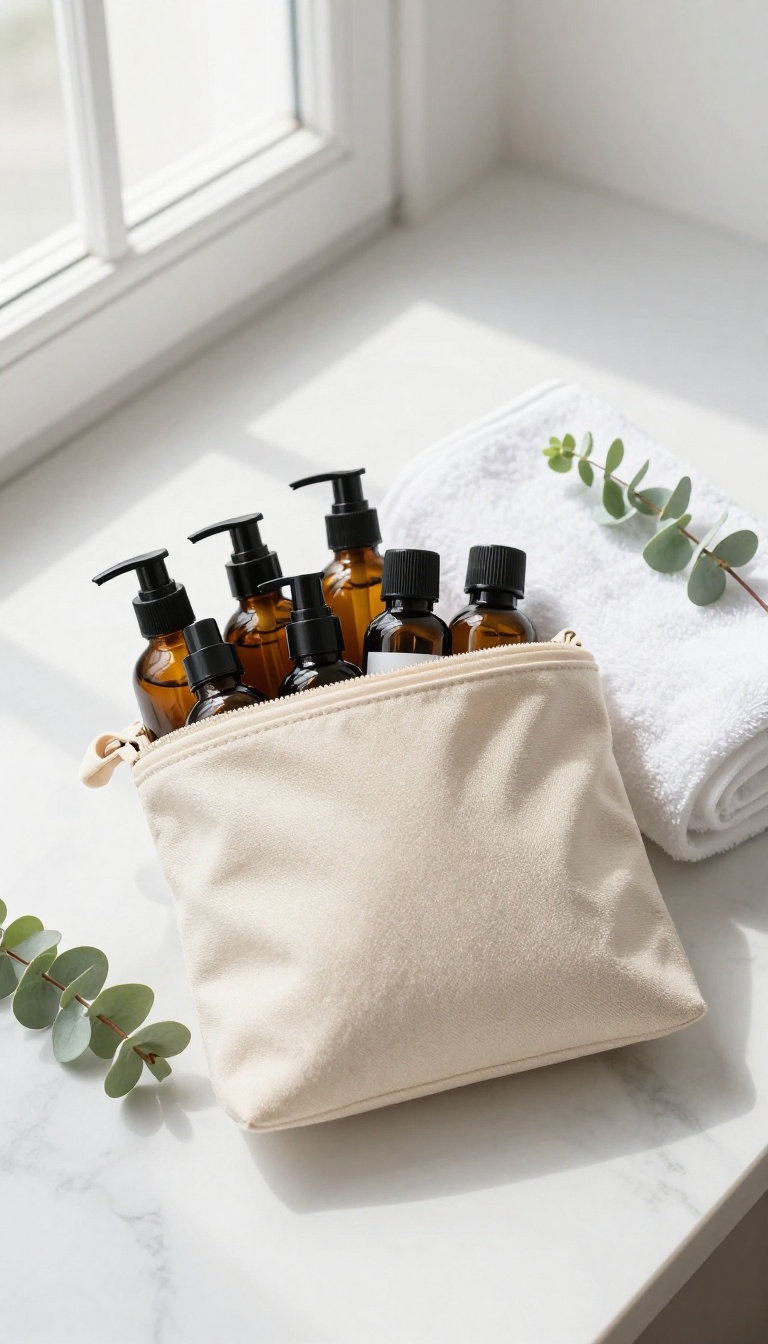
Your shower routine shouldn't fall apart just because you're not home. A travel-sized set keeps your favorites within reach, whether you're heading to the gym, a weekend trip, or a long flight. These mini bottles are TSA-friendly, so you can stick to your routine without checking a bag.
Packing a full-size bottle of shampoo or body wash eats up space and adds weight. Travel-sized sets solve that by giving you just enough product for a few days or weeks, depending on the brand. They're also a great way to test new scents or formulas before committing to the big size.
Why Travel Sizes Work
They're compact, leak-proof, and designed to fit in a toiletry bag or gym duffel. Many sets come with a reusable pouch, so you can keep everything organized. Plus, you won't have to worry about exceeding liquid limits at airport security.
What To Look For
Check that the set includes your core products: shampoo, conditioner, body wash, and maybe a face cleanser. Look for sturdy bottles with secure caps. Some brands offer sets with a mix of minis, which is perfect for trying new products without the commitment.
How To Use Them
Keep a set in your gym bag or carry-on so you're always prepared. If you're traveling for longer, refill the small bottles from your full-size products at home. That way, you never run out of your favorite formulas.
FAQ
How often should I exfoliate my body?
Aim for 2-3 times a week. Over-exfoliating can irritate your skin, so listen to your skin's needs and adjust if you notice redness or sensitivity.
What's the best way to apply body oil?
Apply body oil to damp skin right after showering. This helps lock in moisture. Gently pat dry with a towel, then let the oil absorb for a few minutes.
Can I use a body scrub on my face?
No, body scrubs are usually too harsh for facial skin. Use a separate gentle facial exfoliant to avoid micro-tears and irritation.
How do I choose a sulfate-free body wash?
Look for 'sulfate-free' on the label and check for ingredients like cocamidopropyl betaine or sodium lauroyl sarcosinate instead of sodium lauryl sulfate (SLS).
Are shower steamers safe for all showers?
Yes, shower steamers are generally safe. Just place them on the shower floor away from direct water flow to avoid dissolving too quickly. Avoid if you have respiratory issues and are sensitive to strong scents.
Conclusion
Upgrading your shower shelf doesn't mean buying everything at once. Pick one or two products that address your biggest need—whether that's hydration, exfoliation, or just a little luxury—and give them a real chance to work. Small, thoughtful swaps can turn a basic rinse into something you actually look forward to.
Your routine should feel like a treat, not a chore. Start with what fits your budget and skin type, then let your collection grow naturally as you discover what works. The best shelf is the one you use every day without overthinking it.