You know that feeling when you catch a glimpse of yourself in the mirror and think, 'Who is that? ' Not in a bad way—but like you're seeing the best version of you. That's the glow up we're chasing. But here's the thing: real glow ups don't happen overnight.
They're built on tiny, consistent habits that stack up over time. This 30-day challenge isn't about drastic changes or burnout. It's about picking a few habits and letting them grow roots.
Slow and steady wins the race, right? So, grab your journal, set your intentions, and get ready to feel like the main character in your own life. We've got 17 habits that cover everything from skincare to mindset.
1. Start Your Day with a Glass of Lemon Water

Ever notice how the first thing you put in your body sets the tone for everything else? A glass of warm lemon water is like a gentle wake-up call for your system. It's simple, cheap, and takes less than a minute to prep—yet it can make a surprising difference in how you feel throughout the day.
This habit is all about hydration and a little metabolic nudge. After hours of sleep, your body is naturally dehydrated, and lemon adds a refreshing twist that makes drinking water more appealing. Plus, it's a mindful moment to pause before the chaos begins.
Why Lemon Water Works
Lemon water isn't a magic potion, but it does offer some real benefits. The vitamin C in lemons supports your immune system, and the citric acid may help with digestion. Mostly, it's a hydration hack that feels more like a treat than a chore.
How To Build The Habit
Keep a lemon on your counter and a glass by the kettle. Squeeze half a lemon into warm—not boiling—water. Drink it before your coffee or breakfast.
After a few days, it'll feel weird to skip it.
Small Tweaks For Better Results
Add a pinch of cayenne for a metabolism boost or a slice of ginger for extra zing. If you're prone to sensitive teeth, use a straw. And remember, the goal is consistency, not perfection.
2. Move Your Body for Just 10 Minutes
You don’t need to commit to an hour at the gym to see progress. Ten minutes of movement—whether it’s a brisk walk, a gentle stretch, or a silly dance in your living room—can shift your energy and clear your head. Consistency beats intensity every time, so start small and let it become a non-negotiable part of your day.
The goal is to make movement feel like a treat, not a chore. By keeping it short, you remove the mental barrier that often stops you from starting. Once you’re in motion, you might even find yourself going longer—but that’s a bonus, not the requirement.
Why 10 Minutes Works
Short bursts of activity are easier to fit into a busy schedule, and they still deliver real benefits: better mood, more energy, and improved focus. Plus, when you don’t dread the workout, you’re more likely to show up daily. That daily habit is what builds the glow-up momentum.
Easy Ways To Get Moving
Pick something you genuinely enjoy—maybe a YouTube yoga video, a lap around the block, or stretching while your coffee brews. The key is to make it so easy you can’t say no. Set a timer, put on a song you love, and just move until it rings.
Make It A Ritual
Tie your 10 minutes to an existing habit, like right after brushing your teeth or before your morning shower. When it becomes part of your routine, you won’t have to think about it. That’s when the real transformation starts—small, consistent actions that stack up.
3. Master the Art of Skincare Layering
Skincare can feel like a puzzle, but once you get the order right, everything clicks. Layering isn't about piling on more products—it's about letting each one do its job. When you apply them in the correct sequence, your skin drinks in the benefits, and that glow becomes inevitable.
The golden rule is to go from thinnest to thickest. Start with a clean canvas, then move from watery textures to richer creams. This way, each product has a chance to absorb without fighting the next one.
The Order That Works
Cleanser, toner, serum, moisturizer, SPF. That's the basic flow. Cleanser preps, toner balances, serum targets, moisturizer seals, and SPF protects.
It sounds simple, but most people skip or mix up a step. Stick to this, and your products will thank you.
Why Layering Matters
When you layer correctly, you're not just stacking products—you're building a barrier that locks in hydration and active ingredients. For example, applying serum before moisturizer lets the serum penetrate deeply, while the moisturizer traps it in. That's how you get that lit-from-within look.
Don't Overdo It
More isn't always better. Layering too many products can overwhelm your skin and cause breakouts. Keep it simple: a few targeted products that address your main concerns.
Your skin will glow more with less, as long as you're consistent.
4. Practice Daily Affirmations

The voice in your head can be your biggest cheerleader or your harshest critic. Most of us let that inner critic run the show without even realizing it. Daily affirmations flip the script by intentionally feeding your mind words of encouragement and self-belief.
It might feel awkward at first, but the payoff is real: a quieter inner critic and a stronger sense of self.
Affirmations aren’t about pretending everything is perfect. They’re about choosing to focus on what you want to believe about yourself. When you repeat positive statements, you’re training your brain to see yourself in a more capable and confident light.
Over time, this rewires your thought patterns, making self-doubt less automatic and self-assurance more natural.
Start Small And Specific
Pick three short affirmations that feel true enough to believe, like “I am learning and growing every day” or “I handle challenges with grace. ” Saying something too far from your current reality can feel fake and backfire. Keep them simple, personal, and in the present tense, as if they’re already true.
Make It A Ritual
Tie your affirmations to an existing habit, like brushing your teeth or making coffee. Say them out loud while you look in the mirror, or write them in a journal before bed. The repetition is what makes them stick.
Consistency beats intensity here—even one minute a day can shift your mindset over 30 days.
Pair Them With Action
Affirmations work best when they’re backed by small actions. If you tell yourself “I am confident, ” also practice standing tall or speaking up in a meeting. The combination of positive self-talk and real-world proof builds genuine confidence that lasts beyond the 30-day challenge.
5. Declutter One Small Space Each Day
Messy spaces have a sneaky way of messing with your head. When your desk is piled with papers or your drawer is a jumble of cables, your brain feels the chaos too. That's why this habit is such a game-changer: spend just 10 minutes a day clearing one tiny area.
It's not about a full Marie Kondo overhaul—just a little daily reset that keeps your environment (and your mind) feeling fresh.
You don't need to tackle the whole house at once. Pick a drawer, a shelf, a corner of your room, or even your car's glovebox. Set a timer for 10 minutes and focus on that one spot.
Sort, toss, or organize—whatever feels right. The goal is progress, not perfection. Over the month, you'll build momentum and watch your space transform, one small win at a time.
Start With The High-traffic Spots
Begin with places you see and use every day: your nightstand, bathroom counter, or entryway table. Clearing these spots gives you an instant visual win and a daily reminder that you're making progress. It's amazing how a clear surface can make your whole morning feel more put-together.
Make It A Ritual, Not A Chore
Tie your decluttering session to something you already do—like after your morning coffee or before bed. Light a candle, put on a playlist, and make it feel like a treat, not a punishment. When it's a ritual, you'll actually look forward to those 10 minutes of calm.
Don't Overthink It
The biggest hurdle is deciding what to keep. A simple rule: if you haven't used it in six months and it doesn't spark joy, let it go. Don't get stuck on 'maybe'—you can always donate or recycle.
The goal is to lighten your load, not to create a museum of 'someday' items.
6. Read 10 Pages of a Book

Some habits work on the outside, but this one is all about the inside. Reading ten pages a day might not seem like much, but it's a quiet investment in your mind. Over a month, that's 300 pages—roughly a full book.
That's knowledge, inspiration, or just a better story to carry with you.
Ten pages is a low bar that's easy to hit, even on busy days. It's not about speed or volume; it's about showing up consistently. You'll be surprised how those pages add up and how your brain starts craving more.
Choose A Book That Excites You
Pick something you'll actually look forward to reading. It could be fiction, self-help, or even a biography. The goal is to make reading feel like a treat, not a chore.
If you're not feeling it after a few chapters, switch books—no guilt.
Make It A Ritual
Pair your reading with a daily habit like coffee in the morning or winding down at night. Keep the book on your pillow or next to your coffee maker. When it's visible, you're more likely to pick it up.
Ten minutes of reading feels effortless when it's part of your routine.
Track Your Pages
Use a bookmark, a reading app, or a simple note on your phone. Seeing your progress is motivating. Plus, it's satisfying to look back at the end of the month and realize you finished a whole book.
7. Try a New Healthy Recipe
Cooking at home can feel like a chore, but it's one of the most rewarding habits you can build. When you start experimenting with colorful veggies and whole foods, you're not just feeding your body—you're teaching it to thrive. The energy boost you get from real, homemade meals is unmatched, and it's a key part of any glow up.
Starting to cook more doesn't mean you need to become a gourmet chef overnight. Begin with simple recipes that use fresh ingredients you enjoy. The goal is to make eating well a natural part of your routine, not a stressful task.
Start With Simple Swaps
Instead of overhauling your entire diet, try swapping one processed item for a whole food. For example, trade white rice for quinoa or cauliflower rice. These small changes add up and make cooking feel more approachable.
Batch Cook For Busy Days
Set aside a couple of hours on a Sunday to prep meals for the week. Chop veggies, cook grains, and portion out proteins. Having ready-to-go ingredients makes it easier to throw together a healthy meal even when you're short on time.
Make It A Fun Experiment
Treat cooking like a mini adventure. Pick a new vegetable you've never tried, or recreate a dish from your favorite restaurant. The more you play with flavors, the more excited you'll be to cook—and the more your body will thank you.
8. Take a Social Media Break
Scrolling through perfectly curated feeds can make you feel like everyone else has it together—except you. But that's just a highlight reel, not real life. Taking a social media break, even for 30 minutes a day, gives your brain a chance to reset and focus on what actually matters.
A short break from social media reduces comparison, anxiety, and that constant urge to check your phone. Use this time to reconnect with yourself—journal, stretch, or just sit quietly. You'll be surprised how much clearer your mind feels.
Why 30 Minutes Makes A Difference
Even a short break lowers stress hormones and helps you feel more present. You stop measuring your life against others' highlight reels and start noticing your own wins. That mental space is where real glow ups begin.
What To Do Instead
Swap scrolling for something that feeds you—read a few pages, take a walk, or call a friend. The goal isn't to fill every minute but to enjoy being offline. You might even discover a new hobby.
How To Make It Stick
Set a timer or use an app to block social media for a set period. Keep your phone in another room during your break. Start small and gradually increase the time.
Consistency beats intensity.
9. Write Down 3 Things You're Grateful For

Gratitude is like a mental reset button. When you're chasing a glow up, it's easy to focus on what's missing—but this habit flips the script. Jotting down three things you're grateful for each night trains your brain to notice the good stuff, even on rough days.
It's a small act that packs a big punch for your mood and mindset.
Ending your day with gratitude isn't just about feeling warm and fuzzy. It actually rewires your brain to scan for positives, which builds resilience over time. Plus, it's a zero-cost, zero-equipment habit that takes two minutes.
You'll sleep better, stress less, and wake up with a lighter perspective.
Why Night Is The Right Time
Doing this before bed helps you close the day on a positive note. It also gives your brain something to process while you sleep, so you wake up with a more optimistic outlook. Morning gratitude works too, but nighttime catches all the day's little wins you might otherwise forget.
How To Make It Stick
Keep a notebook and pen on your nightstand so it's easy to grab. Don't overthink it—simple things count, like a good cup of coffee or a text from a friend. If you miss a night, no big deal.
Just pick it back up the next day. Consistency beats perfection.
10. Do a Digital Detox Before Bed
Your phone is probably the last thing you touch before sleep—and the first thing you grab in the morning. That blue light and endless stream of notifications keep your brain buzzing when it should be winding down. A digital detox before bed isn't just about better sleep; it's a full-body reset that shows up in your skin, your mood, and your focus.
Swap screens for a book, journal, or gentle stretching. Better sleep means better skin, mood, and focus. Aim for at least 30 minutes.
Why Screens Sabotage Your Glow
Blue light messes with your melatonin, the hormone that tells your body it's time to rest. Even a few minutes of scrolling can delay sleep and make it less restful. Poor sleep spikes cortisol, which leads to breakouts, dull skin, and that tired look no serum can fix.
What To Do Instead
Pick one calming activity you actually enjoy. Read a few pages of a paper book, jot down tomorrow's to-do list, or do some light stretching. These actions signal to your body that the day is over and it's safe to relax.
Make It A Ritual
Set a specific time to put your phone away—maybe 30 minutes before bed. Keep a charging station outside your bedroom so you're not tempted. Pair your detox with a cup of herbal tea or a few minutes of deep breathing.
Consistency turns it into a habit you'll look forward to.
11. Invest in a Good Night's Sleep
Sleep is the one thing you can't fake. You can skip workouts, eat junk, or skip your skincare, but poor sleep shows up on your face and in your mood. If you want a real glow up, this is where you start.
Most people treat sleep as optional, but it's actually the foundation for everything else. When you're rested, you make better choices, your skin repairs itself, and your energy levels stay steady. So, let's make sleep a priority—not a reward for finishing everything else.
A good night's sleep is the ultimate beauty treatment, and it's free. It boosts your immune system, improves memory, and helps regulate hormones that affect your skin and appetite. Aim for 7-9 hours each night, and you'll notice a difference in how you look and feel.
Start by setting a consistent sleep schedule, even on weekends. Your body loves routine. Create a calming bedtime routine that signals it's time to wind down—maybe reading, stretching, or listening to soft music.
Keep your bedroom cool, dark, and quiet. Invest in blackout curtains or a white noise machine if needed. Avoid screens at least an hour before bed.
The blue light messes with your melatonin. Instead, try journaling or meditating. You'll fall asleep faster and wake up refreshed.
Why Sleep Matters For Your Glow
While you sleep, your body goes into repair mode. Skin cells regenerate, collagen production increases, and your body clears out toxins. Lack of sleep leads to dull skin, dark circles, and puffiness.
It also spikes cortisol, which can break you out. So, think of sleep as your nightly beauty treatment.
Build A Bedtime Routine That Works
A good routine doesn't have to be complicated. Pick a few relaxing activities and do them in the same order each night. Maybe dim the lights, take a warm shower, and sip herbal tea.
The key is consistency. Over time, your brain will associate these cues with sleep, making it easier to drift off.
Set Up Your Sleep Sanctuary
Your bedroom should be a place for rest, not work or stress. Keep it tidy and clutter-free. Invest in a comfortable mattress and pillows.
Use blackout curtains to block light, and consider a white noise machine if you live in a noisy area. Keep the temperature cool—around 65°F is ideal. These small tweaks can make a huge difference.
12. Practice Mindful Eating
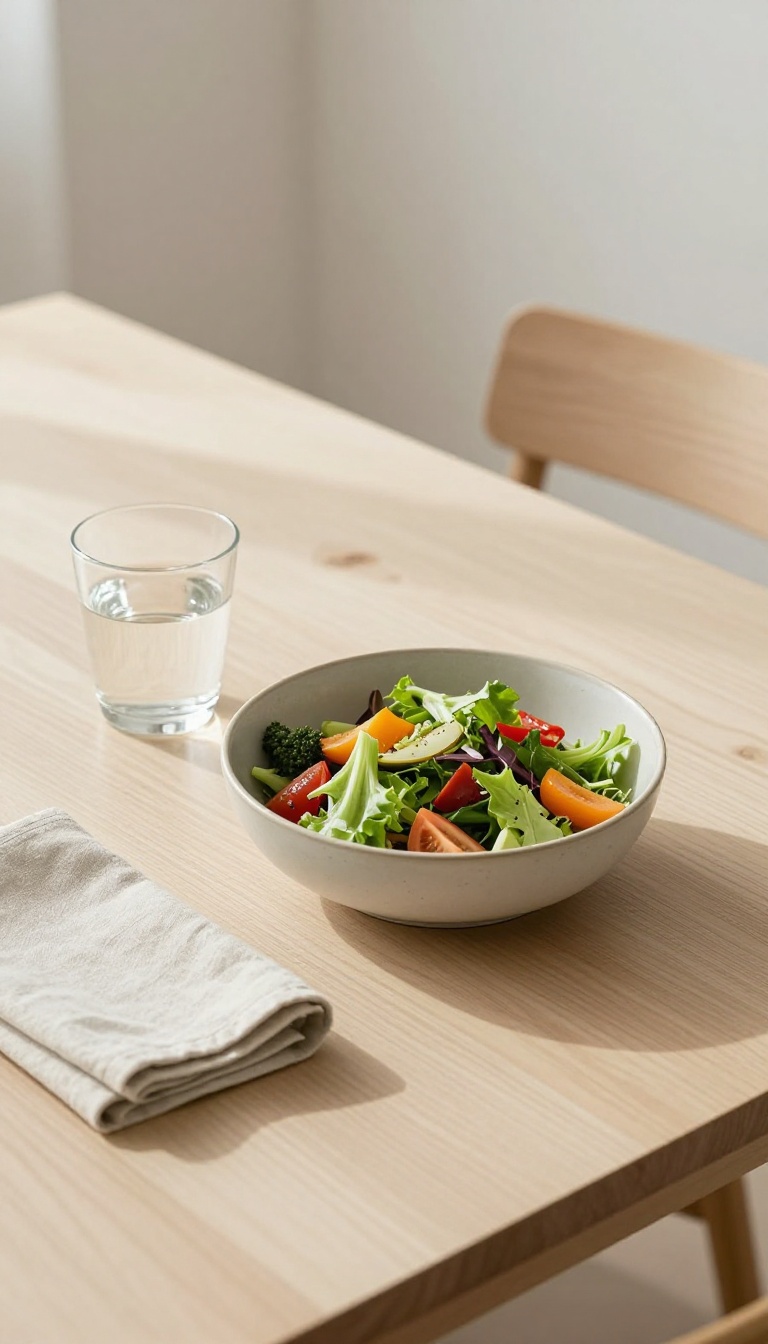
Eating on autopilot is way too common—you're halfway through a bag of chips before you even register what happened. Mindful eating flips that script by bringing your full attention to the meal in front of you. It’s not about strict rules or calorie counting; it’s about reconnecting with your body’s natural signals and actually enjoying your food.
When you eat mindfully, you slow down, savor each bite, and listen to your hunger cues. This simple shift can improve digestion, prevent overeating, and help you feel more satisfied with smaller portions. Plus, it turns every meal into a mini ritual of self-care.
Start With Your Senses
Before you take the first bite, take a moment to notice the colors, textures, and aromas of your food. This simple act pulls you into the present and makes the eating experience richer. Try putting your fork down between bites to give your brain time to catch up with your stomach.
Tune Into Hunger And Fullness
Check in with yourself before and during meals. Are you actually hungry, or are you eating out of boredom or stress? Aim for a comfortable fullness—not stuffed, not starving.
Over time, you’ll get better at recognizing what your body really needs.
Ditch Distractions
Put your phone away, turn off the TV, and just sit with your meal. When you’re not scrolling or streaming, you’re more likely to notice when you’ve had enough. This doesn’t mean every meal has to be silent—just make it a habit to eat without screens at least once a day.
13. Learn Something New Every Day
Your brain is like a muscle—it needs a workout to stay strong. When you learn something new daily, you're not just collecting facts; you're building mental flexibility and curiosity. Plus, it makes you a more interesting person to talk to.
Learning doesn't have to mean sitting in a classroom. It can be as simple as watching a TED talk during lunch or listening to a podcast on your commute. The key is to make it a daily habit, even if it's just for 10 minutes.
Pick A Topic That Excites You
Choose something you're genuinely curious about—whether it's space, cooking, or history. When you enjoy the subject, learning feels like a treat, not a chore. This keeps you coming back for more.
Use Your Commute Wisely
Turn your daily commute into a mini classroom. Download a podcast or an audiobook and listen while you drive, walk, or ride the bus. It's a simple swap that turns dead time into growth time.
Make It Social
Share what you learn with a friend or family member. Not only does this reinforce your own understanding, but it also sparks interesting conversations. You might even inspire someone else to start learning too.
14. Step Out of Your Comfort Zone

Comfort zones are cozy, but they're also where growth goes to nap. When you do the same things every day, you're not giving yourself a chance to discover new strengths or interests. That's why stepping out—just a little—can be a game-changer in your glow up journey.
You don't need to do anything extreme. It could be as simple as saying hi to someone new or trying a hobby you've always been curious about. The point is to stretch yourself, because that's where the magic happens.
Growth doesn't happen in the safe, familiar corners of your life. It happens when you lean into discomfort and prove to yourself that you can handle more than you thought. Each small brave act builds confidence, which makes the next one easier.
Before you know it, you're living a life that's bigger than your old comfort zone. Start with something that feels slightly scary but manageable. That could be joining a class where you know no one, or volunteering to speak up in a meeting.
The goal isn't to terrify yourself—it's to remind yourself that you're capable of adapting and thriving in new situations.
Why It Matters
When you stay in your comfort zone, you're basically telling your brain that you can't handle new things. That's a limiting belief that shows up in your posture, your confidence, and even your skin. Stepping out rewires your brain to see challenges as opportunities, not threats.
How To Start Small
Pick one tiny thing that makes you a little nervous—like striking up a conversation with a barista or trying a new workout class. Do it once, and notice how you feel afterward. That feeling of 'I did it! ' is the fuel that keeps you going.
Turn It Into A Habit
Set a weekly 'brave day' where you commit to one small act of courage. Write it in your planner or set a reminder. Over time, these small steps add up to a more confident, adventurous version of you.
15. Practice Good Posture
You might not think about it, but the way you hold yourself says a lot before you even speak. Slouching can make you seem tired or unsure, even when you're not. Good posture, on the other hand, is like a silent confidence booster that works from the inside out.
Standing tall isn't just about looking better—it actually changes how you feel. When you straighten your spine and open your chest, your body sends a signal to your brain that you're in control. That small shift can lift your mood and reduce stress, making it a key habit in any glow up journey.
Why Posture Matters More Than You Think
Your posture affects more than just your appearance. It impacts your breathing, digestion, and even your energy levels. When you slouch, your lungs have less room to expand, which means less oxygen for your body and brain.
Over time, that can leave you feeling sluggish and unfocused.
Simple Ways To Improve Your Posture Daily
You don't need fancy equipment to fix your posture. Start by checking your desk setup—make sure your screen is at eye level and your feet are flat on the floor. Set a reminder to roll your shoulders back and lengthen your neck every hour.
Even a two-minute stretch break can make a big difference.
The Confidence Boost You Didn't Expect
There's a reason power poses feel so good. Standing tall literally makes you feel more powerful. When you walk into a room with your head high and shoulders back, you project confidence that others pick up on.
That can lead to better interactions, more respect, and a stronger sense of self—all part of the glow up.
16. Connect with Loved Ones
A glow up isn't just about how you look—it's about how you feel, and the people around you play a huge part in that. When you're busy chasing goals, it's easy to let calls and texts slide. But a quick check-in can make your whole day better.
Call a friend or family member. Genuine connection boosts your emotional health and reminds you that you're supported. You don't need a long conversation—even a few minutes of real talk can lift your mood and help you feel grounded.
Why It Works
Talking to someone you trust releases oxytocin, the bonding hormone, which lowers stress and increases feelings of safety. It also gives you perspective—sometimes you're so in your head that a simple chat can untangle your thoughts.
Make It A Habit
Set a reminder on your phone to call someone at the same time each day. It could be during your commute or after dinner. Keep it short and sweet—just enough to catch up and laugh.
Quality Over Quantity
You don't need to talk for hours. A focused, genuine conversation—where you actually listen—beats a distracted, hour-long call. Put your phone down, make eye contact if you're in person, and let them know you care.
17. Reflect on Your Progress Weekly

We get so caught up in doing that we forget to pause and check in with ourselves. Weekly reflection is that pause—a moment to see how far you've come and where you might need to tweak things. It's not about being hard on yourself; it's about staying connected to your goals and adjusting your path as you go.
Grab your journal or just a few quiet minutes. Each week, ask yourself: What felt good? What felt forced?
What can I improve next week? This simple habit keeps you honest and motivated. It also helps you catch small problems before they become big ones.
Celebrate The Small Wins
You probably did better than you think. Maybe you drank more water or took a walk every day. Write those wins down.
Seeing progress, even tiny bits, keeps your momentum going. Acknowledging what worked also helps you repeat it.
Spot Patterns And Adjust
Maybe you notice you always skip your evening routine on Wednesdays. Or that you feel more energized after morning workouts. Use that info to adjust your habits.
If something isn't working, swap it out. The challenge is yours to shape.
Set One Intention For Next Week
Instead of overwhelming yourself with a huge list, pick one small thing to focus on for the upcoming week. It could be as simple as 'drink a glass of water before coffee' or 'stretch for five minutes after work. ' One clear intention beats a dozen vague ones.
FAQ
How long does it take to see results from a glow up challenge?
Most people start noticing small changes within the first week, like better mood or clearer skin. Significant results usually appear after 30 days of consistent effort.
What if I miss a day?
Don't stress! Just pick up where you left off. Consistency over perfection is key.
Missing one day won't ruin your progress.
Do I need to spend money to glow up?
Not at all. Many habits are free, like drinking water, walking, or journaling. You can achieve a glow up with minimal cost.
How do I stay motivated for 30 days?
Set small rewards for milestones, track your progress, and remind yourself why you started. Having a buddy or joining a community can also help.
Conclusion
You don't need to overhaul your life overnight—just pick a couple of these habits that feel doable and start there. Slow and steady wins the glow-up race, and small wins add up faster than you think. Remember, it's about progress, not perfection.
Give yourself grace on the off days, and keep showing up. Thirty days from now, you'll be glad you started.