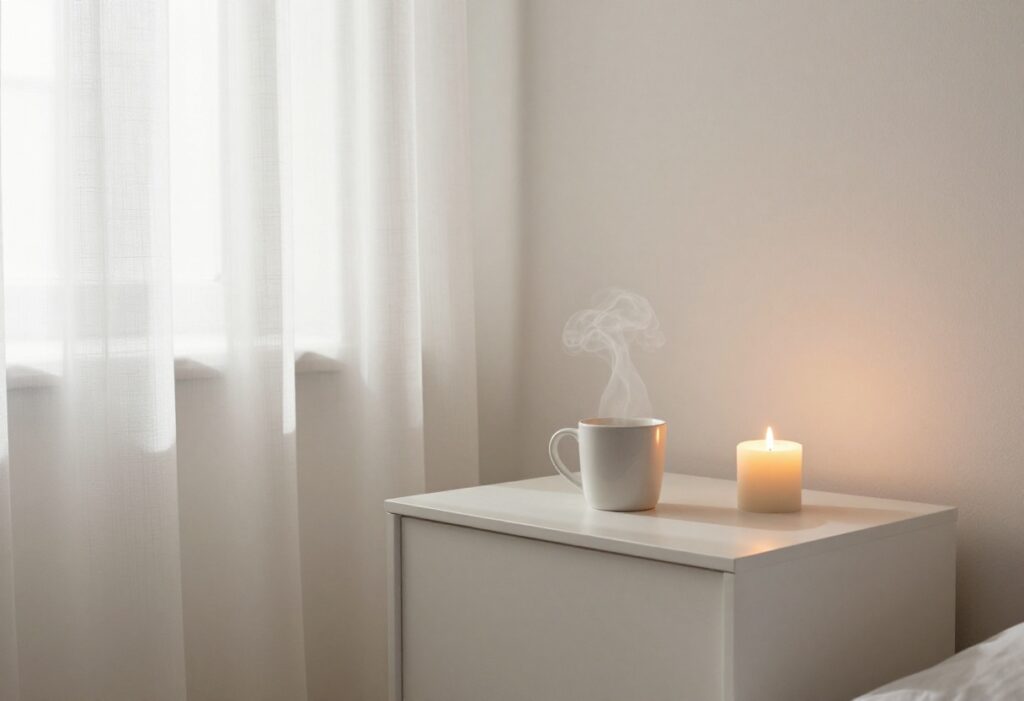
Building confidence and finding calm doesn't require a complete life overhaul. Small, intentional habits woven into your day can make a real difference. These 25 self-care ideas are designed to fit into real life—no fancy equipment or hours of free time needed.
Each habit targets a specific area: your mindset, your body, or your environment. The goal is to help you feel more like yourself, not to add more pressure. Pick one or two to start, and see how they shift your energy.
You deserve to feel both confident and calm. Let these habits be gentle tools to get you there.
1. Start Your Morning with a 2-Minute Gratitude List

Before your feet even hit the floor, grab a notebook or open a notes app. Write down three things you're grateful for. It could be as simple as a warm bed, a good night's sleep, or the coffee you're about to enjoy.
This tiny ritual rewires your brain to notice the positive, setting a confident and calm tone for the day ahead.
Gratitude isn't just a feel-good concept—it's a proven way to boost mood and reduce stress. By listing three things every morning, you train your mind to scan for the good instead of the bad. Over time, this builds a reservoir of positivity that makes you more resilient.
Keep it short and specific; the goal is to start your day feeling grounded, not to write a novel.
Why It Works
Gratitude shifts your focus from what's lacking to what's abundant. Studies show that a daily gratitude practice increases happiness and decreases depression. When you do it first thing, you set a positive filter for the rest of your day.
Make It Stick
Keep your list somewhere visible, like on your nightstand or phone. Use the same time and place each morning to build a habit. If you miss a day, don't stress—just start again tomorrow.
Consistency matters more than perfection.
Mix It Up
To keep it fresh, vary your entries. Some days focus on people, other days on experiences or simple pleasures. You can also include one thing you're looking forward to.
This keeps the practice engaging and prevents it from feeling like a chore.
2. Make Your Bed Every Day
It sounds almost too simple, but making your bed each morning is a surprisingly powerful act of self-care. That one tidy corner of your room signals that you're ready to take on the day. It's a small, immediate win that builds momentum for whatever comes next.
A Visual Cue For Calm
Walking into a bedroom with a made bed instantly feels more peaceful. The neatness reduces visual clutter, which can lower stress and help your brain relax. It's like giving yourself a quiet, organized space to come back to at the end of the day.
The Ripple Effect
Completing this one small task often makes it easier to tackle the next. It's a psychological trick: you've already accomplished something, so why not keep going? That sense of order can carry into your morning routine, your work, and how you treat yourself.
How To Make It Stick
Keep it simple. No need for hospital corners or fancy pillows. Just pull up the sheets, straighten the duvet, and fluff the pillows.
It takes less than two minutes. If you're short on time, focus on the top layer—it still makes a difference.
3. Do a 5-Minute Stretch When You Wake Up
Your body spends all night in rest mode, so a gentle stretch in the morning is like hitting the reset button. It wakes up your muscles, gets blood flowing, and signals to your brain that it's time to start the day with intention. This simple habit takes just five minutes but sets a calm, confident tone for everything that follows.
A quick morning stretch doesn't need to be complicated. Focus on moves that feel good and target areas that get tight from sleeping: your neck, shoulders, back, and hips. Even a few deep breaths while reaching your arms overhead can make a difference.
The key is consistency—doing it every day, even for just a few minutes, builds a ritual that your body and mind start to crave.
Why It Works
Stretching in the morning releases tension that built up overnight and increases circulation. This physical wake-up call also triggers your parasympathetic nervous system, helping you feel grounded rather than rushed. Plus, it's a moment of mindfulness that sets an intentional pace for the day.
Simple Moves To Try
You don't need a full yoga flow. Try a cat-cow stretch on your bed, a gentle forward fold, or a standing side bend. Roll your shoulders and neck slowly.
Hold each stretch for a few breaths. The goal is to feel looser, not to push into pain.
Make It A Habit
Keep it easy by doing your stretch right after turning off your alarm. You can even stay in bed for the first minute. Over time, this small commitment becomes a non-negotiable part of your morning routine, boosting both your physical comfort and mental clarity.
4. Drink a Full Glass of Water Before Coffee
Your body wakes up dehydrated, not caffeinated. That first glass of water before anything else rehydrates your cells, kickstarts your metabolism, and helps your skin look more awake. It takes 30 seconds but sets a grounded, intentional tone for the day.
Make it easy by keeping a glass or reusable bottle by your bed. Drink it while you scroll or stretch, then enjoy your coffee without the jitters. Over time, this tiny shift improves digestion, focus, and even your mood.
Why Water First Matters
After hours of sleep, your body is slightly dehydrated. Water helps flush out toxins, supports brain function, and gives your skin a natural glow. Drinking it before coffee also prevents caffeine from dehydrating you further.
How To Make It Stick
Put a glass on your nightstand before bed. Add a squeeze of lemon or a pinch of sea salt for electrolytes if you like. Pair it with a deep breath or a quick gratitude thought to double the self-care benefit.
5. Set One Daily Intention

Mornings can feel like a rush before you even know it. But taking ten seconds to set one intention can change the entire direction of your day. It's a small anchor that keeps you grounded, no matter what comes up.
Choose a single word or a short phrase that reflects how you want to feel or what you want to focus on. It could be "patience" for a busy day, "calm" before a meeting, or "progress" when you're working on a goal. Write it on a sticky note, set it as your phone wallpaper, or just say it to yourself.
Throughout the day, come back to that word. It's a gentle reminder of what matters, helping you stay aligned with your values instead of getting swept away by distractions.
How To Pick Your Intention
Think about what you need most today. Are you facing a stressful situation? Choose "peace.
" Have a big task ahead? Try "focus. " You can also look at your mood—if you're feeling anxious, "grounded" might work.
Keep it simple and personal.
Make It Stick
Write your intention somewhere you'll see it often: a mirror, your laptop, or a notebook. Pair it with a deep breath when you notice it. That small pause reinforces your choice and brings you back to center.
Why It Builds Confidence
When you intentionally guide your day, you feel more in control. Each time you realign with your intention, you're proving to yourself that you can choose your response. Over time, that builds quiet confidence and reduces reactivity.
6. Take a 10-Minute Walk Outside
Stepping outside for just ten minutes can reset your entire mood. The combination of fresh air, movement, and a change of scenery works wonders for both your mind and body. It's one of the simplest ways to break a stress cycle or shake off low energy.
A short walk doesn't require special gear or a big time commitment. It's a low-pressure way to move your body and clear your head. Even on busy days, you can fit in a quick loop around the block or a stroll through a nearby park.
Why It Works
Walking outdoors exposes you to natural light, which helps regulate your circadian rhythm and boosts vitamin D levels. The rhythmic motion and change of scenery also lower cortisol, the stress hormone, while increasing endorphins. This combination makes you feel calmer and more confident almost immediately.
How To Make It A Habit
Pick a consistent time—right after lunch or before your evening wind-down. Keep a pair of comfortable shoes by the door so you can grab them easily. If the weather is bad, a short walk inside your home or office can still help, but aim for outdoor walks when possible.
Make It Mindful
Instead of scrolling through your phone, use the walk to notice your surroundings. Feel the ground under your feet, listen to the birds, or watch the clouds. This simple mindfulness practice amplifies the calming effect and helps you feel more grounded.
7. Practice Deep Breathing for 60 Seconds
When stress hits, your body goes into fight-or-flight mode. Deep breathing is a quick way to tell your nervous system it's safe to relax. Just 60 seconds of intentional breaths can shift your state from overwhelmed to centered.
Deep breathing is a portable tool you can use anywhere. It doesn't require any equipment, and it works almost instantly. The key is to breathe slowly and deeply, engaging your diaphragm.
This signals your brain to lower stress hormones and calm your heart rate.
How To Do It Right
Find a comfortable seat or stand with your feet flat. Inhale through your nose for a count of four, feeling your belly rise. Hold for a moment, then exhale slowly through your mouth for a count of six.
Repeat for five cycles, and notice the shift.
When To Use It
Use this technique before a big meeting, after a stressful conversation, or when you feel anxiety creeping in. It's also great as a morning ritual to set a calm tone for the day. The more you practice, the more automatic it becomes.
Why It Builds Confidence
Knowing you have a tool to manage stress boosts your self-assurance. You stop feeling at the mercy of your emotions. Instead, you feel in control, capable, and calm—even in challenging moments.
8. Declutter One Small Area Each Day
A cluttered space often mirrors a cluttered mind. When your surroundings feel chaotic, it's harder to focus or relax. The fix doesn't have to be a weekend-long purge—just one small area per day can make a big difference.
Pick a drawer, a shelf, or even your purse. Spend five minutes clearing out what you don't need and organizing what stays. Over time, these tiny wins add up to a calmer environment and a greater sense of control.
This habit also builds confidence. Each time you finish a small decluttering task, you prove to yourself that you can manage your space—and your life.
Start with one area that bothers you most. Maybe it's the junk drawer in the kitchen or the pile of mail on your desk. Set a timer for five minutes and sort through it.
Trash what's garbage, put away what belongs elsewhere, and group similar items together. That's it. No pressure to finish everything at once.
Keep a small basket or box handy for items that need to go to another room. When the timer goes off, place the basket by the door and deal with it later. This keeps the process quick and prevents you from getting sidetracked.
Over a month, you'll have tackled about 30 small zones. The cumulative effect is a home that feels lighter and more organized—without the overwhelm of a full-day deep clean.
Why Small Wins Work
Big decluttering projects can feel exhausting before you even start. By focusing on one tiny area daily, you remove the mental resistance. Each completed task releases a little dopamine, making you feel accomplished and motivated to continue.
It's a gentle, sustainable way to create order.
Where To Start
Not sure which area to pick? Start with high-traffic spots you see every day: your nightstand, the entryway table, or your makeup bag. These visible wins will remind you of your progress every time you walk by.
You can also rotate between rooms to keep it interesting.
Make It A Ritual
Tie your decluttering habit to an existing routine. Do it while your coffee brews, during a commercial break, or right before bed. Pairing it with something you already do makes it easier to remember and stick with.
Before long, it'll feel automatic.
9. Write Down Three Wins from Your Day

Ending the day on a positive note is a game-changer for both confidence and calm. Instead of replaying what went wrong, train your brain to spot the good stuff. This simple practice shifts your focus and builds a lasting sense of accomplishment.
Why It Works
Your brain has a negativity bias—it naturally remembers failures more than successes. By actively writing down wins, you rewire your neural pathways to notice the positive. Over time, this boosts self-esteem and reduces anxiety.
How To Start
Keep a small notebook or a notes app handy. Each evening, list three things that went well, no matter how small. It could be a kind word from a colleague, a good cup of coffee, or finishing a task you'd been avoiding.
The key is consistency, not size.
Make It A Ritual
Pair this habit with something you already do, like brushing your teeth or drinking tea. You can even share your wins with a friend or partner. The act of writing solidifies the memory and makes the positivity stick.
10. Unplug from Screens 30 Minutes Before Bed
That last scroll through social media might feel like a wind-down, but it's actually keeping your brain wired. Blue light from phones and laptops tricks your body into thinking it's still daytime, which messes with your sleep hormones. Giving yourself a 30-minute buffer from screens lets your nervous system settle naturally.
Swap the phone for something that soothes instead. Read a few pages of a book, scribble in a journal, or just sit with your thoughts in a dim room. Without the constant pings and bright light, you'll drift off faster and wake up feeling more rested.
Bonus: your dreams might get more interesting too.
Why Blue Light Matters
Blue light suppresses melatonin, the hormone that tells your body it's time to sleep. Even a few minutes of screen time can delay your sleep cycle. By cutting off screens 30 minutes before bed, you give your brain a chance to produce melatonin naturally.
What To Do Instead
Use that half hour for something calming. Try reading a physical book, writing down three things you're grateful for, or doing a simple breathing exercise. Stretching or listening to calm music also works.
The key is to choose an activity that doesn't stimulate your mind.
Make It A Ritual
Consistency helps. Set a bedtime alarm that reminds you to put devices away. Pair your screen-free time with a cup of herbal tea or a cozy blanket.
Over time, your brain will associate this routine with winding down, making it easier to relax.
11. Use a Silk Pillowcase
Swapping your cotton pillowcase for silk is one of those effortless swaps that pays off while you sleep. The smooth surface reduces friction, which means fewer wrinkles and less hair breakage. It feels luxurious, but the real win is waking up with smoother skin and less bedhead.
Silk pillowcases are gentle on your skin and hair. Unlike cotton, which can tug and crease, silk allows your skin to glide without pressure. This can help prevent sleep lines from turning into permanent wrinkles.
For hair, silk reduces frizz and breakage, especially if you toss and turn at night. Plus, silk is naturally temperature-regulating and hypoallergenic, making it a smart choice for sensitive skin. It's a small upgrade that works while you rest.
Why Silk Beats Cotton
Cotton absorbs moisture from your skin and hair, which can lead to dryness and frizz. Silk, on the other hand, is less absorbent and helps retain your skin's natural oils. The smooth texture also means less tugging, so your hair stays smoother and your face stays crease-free.
How To Choose A Good One
Look for 100% mulberry silk with a momme weight of at least 19 (higher is better). Avoid “satin” blends that are actually polyester—they won't give you the same benefits. A silk pillowcase is an investment, but a quality one can last for years with proper care.
Care Tips For Longevity
Hand wash or use a delicate cycle with cold water and a gentle detergent. Never use bleach or fabric softener. Air dry away from direct sunlight, or tumble dry on low.
A little care goes a long way in keeping your silk pillowcase soft and effective.
12. Create a Simple Skincare Routine You Actually Follow
A complicated skincare routine can feel like a chore, and when it feels like a chore, you're less likely to stick with it. The secret to glowing skin isn't a 10-step ritual—it's consistency. Simplify your routine to the essentials, and you'll actually look forward to those few minutes of self-care.
Stick to the basics: cleanse, moisturize, protect. Consistency matters more than a 10-step routine. Your skin will thank you.
Start With A Gentle Cleanser
Choose a cleanser that removes dirt and makeup without stripping your skin. A gentle, non-foaming option works for most skin types. Wash your face morning and night to keep pores clear and skin balanced.
Moisturize While Damp
Apply moisturizer right after cleansing, while your skin is still slightly damp. This locks in hydration and helps your skin barrier stay strong. Look for a moisturizer with ingredients like ceramides or hyaluronic acid.
Don't Skip Sunscreen
Sun protection is the most effective anti-aging step you can take. Use a broad-spectrum SPF 30 or higher every morning, even on cloudy days. It shields your skin from UV damage and helps maintain an even tone.
13. Wear an Outfit That Makes You Feel Good

Even if you have nowhere to go, what you wear affects how you feel. A cozy robe might be comfortable, but sometimes it drags your energy down. Choosing an outfit that makes you feel put-together can shift your entire mood and posture.
When you dress intentionally, you send a signal to your brain that you matter. It doesn't have to be fancy—just something that fits well, feels good, and reflects your personal style. This small act can boost confidence and create a sense of calm readiness for whatever the day brings.
Pick Your Power Pieces
Identify a few items in your closet that always make you feel amazing. It could be a soft sweater, a pair of jeans that fit just right, or a favorite necklace. Keep these pieces accessible so you can grab them easily on low-energy days.
Dress For Your Mood, Not The Occasion
You don't need a reason to dress up. If you're feeling sluggish, try wearing a bright color or a fun pattern. If you're anxious, opt for soft fabrics and comfortable layers.
Let your outfit support how you want to feel, not just what you're doing.
Shoes Matter Too
Even indoors, slipping into a pair of shoes you love can change your mindset. Try cute sneakers, cozy slippers with support, or simple flats. The right footwear can make you feel more grounded and ready to take on the day.
14. Say No to One Thing That Drains You
Your energy is a limited resource, and not everything deserves a piece of it. Saying no to one draining request or obligation this week can free up space for what truly matters. It's not selfish—it's a form of self-respect that protects your peace and builds confidence.
Start by identifying one commitment that feels heavy. It could be a social event you dread, an extra project at work, or even a favor for someone who rarely reciprocates. Politely decline, and notice how much lighter you feel.
Practice saying no without over-explaining—a simple "I can't make that work right now" is enough.
How To Spot A Drain
Pay attention to how you feel before, during, and after an activity. If you consistently feel exhausted, resentful, or anxious, it's a drain. Trust that feeling—it's your intuition telling you something isn't aligned.
The Confidence Boost Of Boundaries
Every time you say no to something that doesn't serve you, you're saying yes to yourself. This reinforces that your time and energy are valuable. Over time, setting boundaries becomes easier and feels empowering.
15. Listen to a Podcast or Audiobook That Inspires You
Sometimes the best self-care is feeding your mind with something that uplifts or teaches you something new. A podcast or audiobook can turn mundane moments into opportunities for growth. Whether you're commuting, folding laundry, or winding down, this habit lets you learn or feel inspired without extra effort.
The key is choosing content that aligns with your goals—confidence, calm, or curiosity. It's a simple swap that can shift your mindset and make you feel more empowered.
Pick Your Vibe
Not all audio content is created equal. For confidence, try shows about mindset, entrepreneurship, or personal stories of resilience. For calm, look into guided meditations, nature sounds, or slow-living podcasts.
Audiobooks on self-compassion or creativity can also nourish your inner world.
Make It A Ritual
Tie your listening to a daily routine. Maybe it's during your morning walk, while prepping dinner, or right before bed. Having a consistent time helps you look forward to it and ensures you actually hit play.
Even 15 minutes a day adds up.
Take What Resonates
You don't have to finish every episode or book. If something doesn't click, move on. The goal is to fill your mind with ideas that feel good and useful.
Jot down a takeaway or a quote that sticks—it turns passive listening into active growth.
16. Keep a Journal for Stream-of-Consciousness Writing
Your mind is constantly buzzing with thoughts, worries, and ideas. Giving yourself permission to let them all out on paper for just five minutes can feel like a weight lifted. Stream-of-consciousness writing is not about grammar, spelling, or making sense—it's about releasing what's inside so you can process it without judgment.
This habit clears mental clutter and helps you untangle emotions you might not even realize you're carrying. Over time, it builds self-awareness and confidence because you start understanding your own patterns and triggers better. Plus, it's a gentle way to calm an anxious mind before bed or after a stressful day.
How To Start
Grab any notebook or a blank document. Set a timer for five minutes and start writing whatever comes to mind. Don't stop to edit or judge.
If you get stuck, write 'I don't know what to write' until something else surfaces. The key is to keep your hand moving.
When To Do It
Morning is great for clearing overnight thoughts and setting intentions. Evening works well to release the day's stress. You can also do it anytime you feel overwhelmed or stuck.
Consistency matters more than timing—try to make it a daily ritual.
What To Expect
At first, your writing might feel messy or repetitive. That's normal. Over weeks, you'll notice patterns and insights emerging.
You might uncover hidden feelings, solutions to problems, or simply feel lighter. This practice is for you alone, so be honest and uncensored.
17. Light a Candle or Use Essential Oils

Scents can be powerful anchors for your mood. A familiar fragrance can instantly signal your brain to relax or focus. Using a candle or essential oils is a simple way to shift your environment without much effort.
Choose a scent that matches the feeling you want. Lavender is great for winding down, while eucalyptus or peppermint can help you concentrate. Light a candle during your morning routine or diffuse oils while you work—it's a small ritual that tells your mind it's time to shift gears.
Match The Scent To Your Goal
Pick lavender, chamomile, or sandalwood for calm. For focus, try peppermint, rosemary, or lemon. Keep a few options on hand so you can switch based on your needs.
Create A Simple Ritual
Light a candle at the start of your wind-down routine. Or put a few drops of essential oil in a diffuser when you sit down to work. The act itself becomes a cue for your brain.
Safety And Quality Tips
Opt for natural soy or beeswax candles to avoid toxins. If using oils, make sure they're high-quality and properly diluted. Never leave a burning candle unattended.
18. Do a Digital Detox for One Hour
Your phone buzzes, dings, and lights up constantly, pulling your attention in a dozen directions. That constant noise can quietly drain your confidence and leave you feeling scattered. Taking just one hour to disconnect gives your brain a real break and lets you reconnect with what actually matters to you.
Set a timer, put your phone on silent, and tuck it away in another room. Use that hour to do something you genuinely enjoy without checking notifications. You might read a few chapters of a book, doodle in a journal, or simply sit outside and people-watch.
The point is to give your mind space to breathe without digital interruptions.
Why One Hour Works
An hour is long enough to actually settle into an activity, but short enough to feel doable. It's not an all-day commitment that feels overwhelming. You get the benefits of a break without the anxiety of being completely unreachable.
What To Do With Your Time
Pick something that feels like a treat, not a chore. Try baking a small batch of cookies, doing a puzzle, writing a letter to a friend, or stretching to your favorite playlist. The key is choosing an activity that absorbs you so you forget about your phone.
How To Make It A Habit
Schedule your digital detox at the same time each day or week so it becomes automatic. Maybe it's the first hour after work or Sunday morning before the week begins. Consistency turns it from a one-off experiment into a reliable self-care ritual.
19. Practice Positive Affirmations in the Mirror
Talking to yourself in the mirror might feel strange at first, but it's a powerful way to rewire your inner dialogue. When you look yourself in the eye and say something kind, you're actively replacing self-doubt with self-belief. Over time, those words sink in and become your default thoughts.
Start with one simple phrase like 'I am enough' or 'I am worthy of love. ' Say it out loud while holding your own gaze. It might feel awkward or even silly, but that's normal. The goal isn't instant comfort—it's planting a seed.
Repeat it daily, and soon your brain will start to believe it.
Why It Works
Affirmations work because they challenge the negative stories we tell ourselves. When you speak kindly to your reflection, you're creating new neural pathways that support confidence and calm. It's like reprogramming your mind one sentence at a time.
How To Make It Stick
Pick a specific time each day—right after brushing your teeth works well. Keep it short so it's easy to remember. If you feel resistant, try adding a small smile or a gentle hand on your heart.
That physical gesture can make the words feel more real.
What To Say When You're Stuck
Not sure what to say? Start with something you need to hear most. 'I am capable, ' 'I am learning, ' or 'I am proud of myself for trying. ' You can also use a phrase that counters a common worry, like 'I release the need to be perfect. '
20. Schedule 'Me Time' on Your Calendar
If it's not on your calendar, it probably won't happen. That's why blocking out 'me time' is one of the most effective self-care habits you can adopt. It transforms self-care from an afterthought into a non-negotiable appointment with yourself.
Treating yourself like a priority doesn't have to feel selfish. By scheduling 30 minutes just for you, you're sending a clear message that your well-being matters. Whether you use that time to read, take a bath, or simply sit in silence, the act of carving it out builds both confidence and calm.
Why Scheduling Works
When you schedule something, you're more likely to follow through. It removes the mental load of deciding when to fit it in. Plus, seeing it on your calendar reinforces that you deserve that time.
What To Do With Your 30 Minutes
The activity doesn't have to be elaborate. Read a few pages of a book, take a warm bath with Epsom salts, or just sit with your thoughts. The key is to do something that feels restorative, not productive.
Protect Your Time
Treat this block like any other important meeting. Don't cancel on yourself unless it's truly necessary. If something comes up, reschedule it for later in the week.
Consistency builds the habit.
21. Cook or Eat One Nourishing Meal Mindfully

In a world of multitasking, eating often becomes just another item on the to-do list. But when you slow down and truly focus on your food, something shifts. Mindful eating turns a simple meal into a moment of care for yourself, helping you feel more grounded and in tune with your body’s needs.
Set aside just 15-20 minutes for one meal today. No phone, no TV, no scrolling. Sit at a table, take a breath, and notice the colors, smells, and textures of your food.
Chew slowly and put your fork down between bites. This simple practice can improve digestion, reduce overeating, and turn a rushed habit into a calming ritual.
Why It Builds Confidence
When you honor your body with a quiet, nourishing meal, you send a message that you matter. This act of self-respect builds inner confidence. You're not just feeding yourself—you're showing up for yourself in a gentle, intentional way.
How To Start Small
Don't try to do this for every meal. Pick one—breakfast, lunch, or dinner—and commit to eating it without distractions. Even just the first five minutes of a meal can reset your relationship with food.
Over time, this practice becomes a natural anchor in your day.
Pair It With Gratitude
Before you take your first bite, pause and think of one thing you're grateful for about the meal. Maybe it's the person who prepared it, the farmers who grew the ingredients, or simply the fact that you have food on your table. This tiny shift adds warmth to the experience.
22. Stretch or Do Yoga Before Bed
Your body holds onto the stress of the day, often without you realizing it. A few gentle stretches or yoga poses before bed can release that tension and signal your nervous system that it's time to rest. Even five minutes of slow movement can make a big difference in how quickly you fall asleep and how deeply you sleep.
Wind down with a short sequence that targets your hips, shoulders, and spine. These areas tend to get tight from sitting, standing, or just carrying the weight of the day. Poses like child's pose, legs-up-the-wall, or a gentle forward fold are perfect for calming the mind and relaxing the body.
Why It Works
Stretching activates the parasympathetic nervous system, which is responsible for rest and digestion. It lowers cortisol levels and reduces muscle tension, helping you transition from a busy day to a peaceful night. Consistent practice also improves flexibility and body awareness over time.
Simple Routine To Try
Start with a seated forward fold, holding for 30 seconds. Move into a supine twist on each side, then finish with legs-up-the-wall for five minutes. Breathe deeply throughout.
No need for a mat or special clothes—just a quiet space and a few minutes.
Make It A Habit
Pair your stretch session with another bedtime cue, like putting on pajamas or dimming the lights. Keep a yoga mat or towel near your bed as a visual reminder. Even on busy nights, commit to just one or two poses—it's enough to feel the benefit.
23. Write a Letter to Your Future Self
There's something special about putting your thoughts on paper and sealing them away for later. A letter to your future self isn't just a time capsule—it's a snapshot of who you are right now, hopes and all. Months down the road, opening that envelope can feel like a warm hug from a past version of you.
Grab a notebook or a piece of paper. Write about what's making you happy today, what you're proud of, and what you hope for in the coming months. Don't overthink it—just let the words flow.
Seal it in an envelope, write 'Open in 6 months' on the front, and tuck it somewhere safe.
What To Include
Jot down your current joys, big or small. Maybe you just started a new hobby, or you're loving a certain playlist. Also note your worries—it's okay to be honest.
This letter isn't about perfection; it's about capturing your real self.
The Surprise Effect
When you finally open it, you'll likely be surprised by how much has changed. You might see growth you didn't notice day-to-day. That's a huge confidence boost—proof that you're moving forward, even when it doesn't feel like it.
Make It A Ritual
Consider writing one every few months. Each letter becomes a mile marker on your journey. Over time, you'll have a collection of your own wisdom and resilience to look back on.
24. Dance to Your Favorite Song
Sometimes your body just needs to move. When you feel stuck or low, a few minutes of dancing can shift everything. It's not about skill—it's about letting go and feeling the rhythm.
Put on a track that makes you want to move and let loose for a few minutes. It releases endorphins and lifts your mood instantly. No audience, no judgment—just you and the music.
Why It Works
Dancing triggers the release of feel-good chemicals like dopamine and serotonin. It's a natural mood booster that also reduces cortisol, the stress hormone. Plus, it gets your blood flowing and wakes up your body.
How To Start
Pick a song you love—something upbeat or nostalgic. Close the door if you need privacy. Move however feels good: jump, sway, spin, or just bob your head.
Aim for at least two minutes.
Make It A Ritual
Try dancing for one song each morning to start your day with energy. Or use it as a reset when you feel overwhelmed. It's a quick, fun way to reconnect with yourself.
25. End Your Day with a Gratitude Reflection

Before you close your eyes tonight, take a moment to think about one thing you appreciated today. It could be as simple as a warm cup of coffee or a kind word from a friend. This small practice trains your brain to scan for positives, rewiring your mind for greater calm and confidence over time.
Gratitude reflection is a powerful way to bookend your day with positivity. By focusing on what went well, you shift your attention away from worries and regrets. This habit promotes better sleep because your mind settles into a state of contentment rather than rumination.
Over weeks, you'll notice a natural increase in optimism and self-assurance.
Why It Works
Your brain has a negativity bias—it naturally remembers threats and disappointments. Gratitude reflection counteracts this by strengthening neural pathways for positive thinking. Studies show that people who practice daily gratitude report higher levels of happiness and lower stress.
It's like a mental reset button before sleep.
How To Start
Keep it simple. You can say it silently, write it in a journal, or share it with a partner. The key is consistency.
Pick a specific time, like right after brushing your teeth. If you miss a day, no worries—just pick it up again tomorrow. The goal is progress, not perfection.
Make It A Ritual
Pair your gratitude reflection with another bedtime habit, like sipping herbal tea or dimming the lights. This creates a calming cue for your brain. You might also keep a small notebook on your nightstand to jot down your thought.
Over time, you'll build a collection of positive moments to look back on.
FAQ
How many of these habits should I try at once?
Start with one or two that resonate most. Trying too many at once can feel overwhelming. Build slowly and let each habit become automatic before adding another.
Can these habits really boost confidence?
Yes. Small, consistent actions build self-trust and a sense of accomplishment. Over time, they reshape how you see yourself and your capabilities.
What if I miss a day?
That's okay. Self-care isn't about perfection. Just pick up where you left off without guilt.
Consistency over time matters more than never missing.
Are these habits suitable for busy schedules?
Absolutely. Most take 5–10 minutes. They're designed to fit into real life, not add more stress.
Choose habits that feel manageable for your current routine.
How long until I notice a difference?
Some benefits, like improved mood, can be immediate. Deeper changes in confidence and calm usually appear after a few weeks of regular practice.
Conclusion
You don't need to adopt all 25 habits at once. Pick just one or two that resonate—maybe a morning gratitude list or a tech-free wind-down—and let them become part of your rhythm. Small, consistent actions build real confidence and calm over time.
Start where you are, and trust that each tiny step is enough. Your self-care journey is yours alone—make it feel good, not perfect.