Last updated on June 26th, 2026 at 03:38 pm
Sometimes you just need a reset. Not a complicated overhaul, but a few small shifts that make you feel like you again. Self-care doesn't have to mean booking a spa day or buying expensive products.
It can be as simple as changing how you start your morning or how you end your evening. These 15 ideas are designed to fit into your day at home, no matter how busy you are.
Pick one, try it, and see how it feels. You might be surprised at what a difference a single change can make.
1. Start Your Morning with Intention, Not Your Phone

Most of us wake up and immediately grab our phones. Emails, notifications, news—it all floods in before we've even taken a deep breath. That sets a reactive tone for the day, where you're responding to the world instead of showing up on your own terms.
Shifting just five minutes can change everything.
Instead of reaching for your phone first thing, spend five minutes sitting quietly, stretching, or writing down one thing you're grateful for. This simple swap sets a calm, focused tone for the day. You're choosing how you begin, not letting your inbox decide for you.
Why It Works
When you start your day with intention, you train your brain to prioritize calm over chaos. That tiny pause reduces morning cortisol and helps you feel more in control. It's not about doing nothing—it's about choosing what gets your attention first.
Easy Ways To Start
Keep a notebook by your bed and jot down one thing you're grateful for. Or just sit up, close your eyes, and take three slow breaths. You can also do a gentle neck roll or a full-body stretch.
No app needed.
Make It Stick
Set your phone across the room so you have to get up to check it. That physical distance gives you a moment to choose. Pair your new habit with something you already do, like after you turn off your alarm.
Consistency beats intensity every time.
2. Create a Simple Stretching Ritual
Your body holds onto stress, especially after a night of sleep or a long day of sitting. A few gentle stretches can change that fast. You don't need to be flexible or know fancy poses—just move in ways that feel good.
Start with a few deep breaths, then try a cat-cow stretch on your hands and knees. Follow with a forward fold, letting your head hang heavy. Hold each stretch for a few breaths.
That's it. This takes less than five minutes but leaves you feeling looser and more awake.
Why It Works
Stretching first thing helps release the tension your body built up overnight. It also sends a signal to your brain that it's time to wake up, not just mentally but physically.
Make It A Habit
Keep it simple. Do the same short sequence every morning. Lay out a mat the night before or set a reminder on your phone.
Consistency matters more than duration.
3. Make a Cup of Tea the Mindful Way
Your afternoon tea or coffee break is a perfect chance to slow down. Instead of sipping while scrolling or working, try turning it into a mini meditation. This simple shift can help you reset and feel more present without adding anything extra to your to-do list.
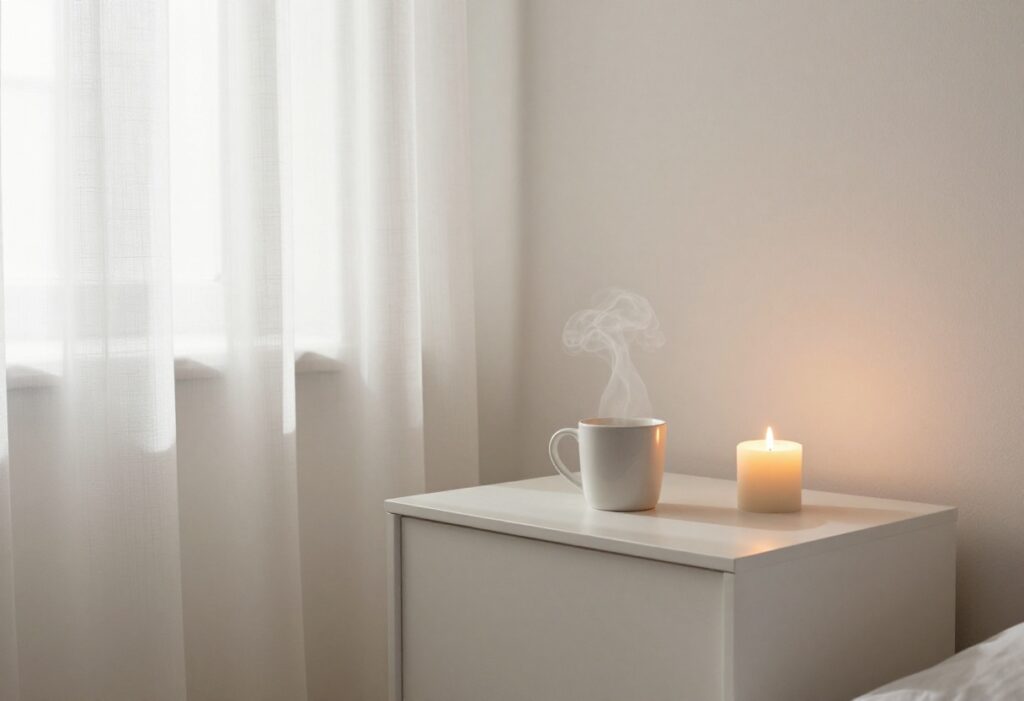
The key is to focus entirely on the experience. Notice the warmth of the cup in your hands, the steam rising, and the aroma. Take small sips and pay attention to the taste and temperature.
No phone, no laptop, no multitasking. Just you and your drink.
Set The Scene
Choose a comfortable spot away from distractions. Maybe a cozy chair by the window or a quiet corner. Use your favorite mug and take a moment to appreciate its look and feel.
Engage Your Senses
Before drinking, inhale the scent deeply. Notice the color of the liquid. Feel the cup's warmth.
As you sip, let the flavor linger. If your mind wanders, gently bring it back to the sensation of drinking.
Make It A Ritual
Try doing this at the same time each day. It could be your morning start, an afternoon pause, or an evening wind-down. The consistency helps signal to your brain that it's time to relax.
4. Declutter One Small Area

A cluttered space can weigh on your mind more than you realize. You don't need to tackle the whole house at once. Just pick one tiny spot and give it ten minutes of your attention.
That messy drawer or crowded nightstand might be draining your energy without you noticing. Clearing just one small area can create a ripple effect of calm. It's a quick win that makes your home feel lighter and your head clearer.
Pick Your Spot
Choose a drawer, a shelf, or your nightstand. Keep it small so you can finish in ten minutes. The goal is progress, not perfection.
Set A Timer
Give yourself exactly ten minutes. When the timer goes off, stop. You'll be surprised how much you can accomplish in that short burst.
Sort And Simplify
Remove everything, wipe the surface, and only put back what you truly need or love. Donate or toss the rest. A tidy space instantly lightens your mental load.
5. Write a Short 'Done' List
We often get caught up in what we haven't done yet. That endless to-do list can feel heavy. Try flipping the script: write down three things you've already accomplished today.
It's a simple shift that highlights progress, not perfection.
Start Small, Think Specific
Your 'done' list doesn't need big wins. Did you make your bed? Drink a glass of water?
Reply to that one email? Write it down. The goal is to notice the small completions that usually go unnoticed.
This builds a sense of achievement early.
Use It As A Momentum Builder
Once you see what you've done, you often feel motivated to do one more thing. That's the momentum. It's not about forcing productivity; it's about recognizing that you're already moving.
From there, you can choose your next step with less pressure.
End Your Day With A Quick Recap
Before bed, jot down three things you finished. It could be as simple as 'took a shower' or 'finished a chapter. ' This practice helps you wind down with a sense of closure. Over time, it trains your brain to focus on what went right, not what's still pending.
6. Take a Screen-Free Break
We spend so much of our day staring at screens—phones, laptops, tablets, TVs. It’s easy to forget how refreshing it can be to just look away. A screen-free break isn’t about being productive; it’s about giving your eyes and mind a real rest.
You don’t need to go offline for hours. Even a short pause can reset your focus and lower that subtle hum of digital fatigue.
Set A Timer
Pick a length that feels doable—20 minutes is a sweet spot. Set a timer on your phone, then put it face down or in another room. Knowing there’s an end point makes it easier to disconnect without feeling anxious.
Use that time to do something that doesn’t involve a screen.
What To Do Instead
Grab a physical book or magazine. Doodle in a notebook. Stare out the window and let your thoughts wander.
You could also try a simple puzzle, fold laundry, or just sit quietly with a cup of tea. The key is to choose an activity that feels like a break, not a chore.
Notice The Difference
After your timer goes off, pay attention to how you feel. Your eyes might feel less strained, your mind a bit clearer. You may even find that you don’t want to jump right back into scrolling.
That’s a sign your brain needed the pause. Try making this a daily habit—your future self will thank you.
7. Try a Five-Minute Dance Party

When your energy dips or stress creeps in, a quick dance break can flip your mood fast. You don't need skill or a playlist—just one song you love. Five minutes is enough to shake off tension and get your heart pumping.
Dancing is a full-body mood booster that releases endorphins and lowers cortisol. It's also fun, which makes it easy to stick with. No equipment, no prep, just press play and move.
Pick Your Anthem
Choose a song that instantly makes you want to move. It could be an old favorite or a current banger. The key is that it energizes you, not calms you down.
Let Go Of Perfection
This isn't about looking good. Flail your arms, jump around, or wiggle—whatever feels natural. The goal is to let your body move freely without judgment.
Make It A Habit
Try adding a dance break to your daily routine, like after a work call or before dinner. Even once a day can become a refreshing ritual that resets your mindset.
8. Give Yourself a Hand Massage
Your hands work hard all day—typing, cooking, scrolling, cleaning. But how often do you actually give them a break? A hand massage is one of those simple pleasures that feels way more luxurious than it costs.
It takes just a few minutes, requires only some lotion or oil, and can melt away tension you didn't even realize you were holding. Plus, it's a great way to slow down and focus on yourself.
Why Your Hands Need Love
Your hands are packed with nerve endings and pressure points. Massaging them can reduce stress, improve circulation, and ease stiffness from repetitive movements. It's like a mini reset for your whole body.
How To Do It Right
Start with a generous amount of lotion or oil. Work it into each finger, pulling gently from base to tip. Then use your thumb to press circles into your palm.
Don't forget the webbing between fingers and the wrist area.
Make It A Ritual
Try doing this after washing your hands or before bed. You can even add a few drops of lavender or peppermint essential oil to your lotion for an extra calming effect. It's a small habit that makes a big difference.
9. Eat One Meal Without Distractions

When was the last time you actually tasted your food? Not while scrolling, watching, or working—just eating. It sounds simple, but it's surprisingly rare.
Mindful eating is a form of meditation that grounds you in the present moment. By dedicating one meal to pure focus, you turn a daily necessity into a calming ritual. No need to make it a whole day affair.
Just one meal, fully yours.
Sitting down to eat without distractions might feel strange at first. Your brain is used to multitasking. But give it a try—you'll notice flavors you've been missing, feel fuller sooner, and actually enjoy the process.
Set The Scene
Choose a spot away from your desk or couch. Clear the table, put your phone in another room, and turn off the TV. A clean, quiet space helps your mind shift into eating mode.
Engage Your Senses
Before you take a bite, look at your food. Notice the colors and shapes. Smell the aromas.
As you eat, pay attention to textures and temperatures. Chew slowly and put your fork down between bites.
Notice How You Feel
Halfway through, pause. Are you still hungry? Full?
Satisfied? This awareness helps you stop when you've had enough, not when your plate is empty. It's a simple way to reconnect with your body's cues.
10. Create a Cozy Corner for Reading
Carving out a small reading nook can be your ticket to a quick mental getaway. You don't need a whole room—just a corner with a comfy chair, a soft lamp, and a throw blanket. Spend 15 minutes there with a book or magazine, and you'll feel like you've had a mini vacation without leaving home.
This simple ritual helps you disconnect from screens and daily stress. It's a gentle way to slow down and recharge.
Choose Your Spot
Look for a quiet corner with good natural light or a place where you can add a warm lamp. A bedroom corner, a window seat, or even a cleared-off section of your living room works.
Set The Mood
Add a soft blanket, a cushion, and maybe a small side table for your drink. Keep it clutter-free so it feels inviting.
Make It A Habit
Try reading for 15 minutes each day at the same time—maybe with your morning coffee or before bed. Consistency turns it into a true self-care break.
11. Practice Deep Breathing for Two Minutes
Breathing is something we do automatically, but when you do it with intention, it becomes a powerful tool for calm. This two-minute exercise can be done anywhere—at your desk, on the couch, or even in line at the store. It’s a quick way to reset your nervous system and bring your focus back to the present moment.
Set a timer for two minutes. Inhale slowly through your nose for a count of four. Hold your breath for a count of four.
Exhale completely through your mouth for a count of four. Repeat this cycle until the timer goes off. That’s it.
No special equipment, no app needed. Just you and your breath.
Why It Works
This pattern, known as box breathing, activates your parasympathetic nervous system. It signals your body that it’s safe to relax, lowering heart rate and blood pressure. The counting also gives your mind something simple to focus on, breaking the loop of anxious thoughts.
When To Use It
Try it first thing in the morning to set a calm tone for the day. Or use it during a midday slump to recharge without caffeine. It’s also great before bed if your mind is racing.
Two minutes is short enough to fit into any routine.
Tips For Beginners
If holding for four counts feels uncomfortable, start with three or even two. The key is consistency, not perfection. You can also add a gentle hand on your belly to feel the rise and fall.
Over time, you can extend the counts as you get more comfortable.
12. Write a Letter to Your Future Self

There's something powerful about putting your thoughts on paper and sealing them away for later. It's like sending a message in a bottle to a version of you that's a little further down the road. This isn't about grand life plans—just a few honest lines about where you are right now.
Grab a pen and paper, or open a blank document. Write down what you're feeling today, a hope you have, or a small memory you don't want to forget. Keep it short and real.
Then seal the envelope, set a reminder on your phone for one month from now, and tuck it somewhere safe. When you open it later, you'll get a glimpse of who you were—and how far you've come.
What To Write
Stuck on where to start? Try a sentence about your current mood, one thing you're grateful for, and one thing you're looking forward to. You can also include a question for your future self, like "Are you still taking walks every morning?
" Keep it simple—no pressure to be profound.
When To Open It
A month is a sweet spot—long enough to notice changes, but short enough that you still remember writing it. Pick a date that's easy to remember, like the first of next month. When the reminder pops up, find a quiet moment to read it.
Notice what's shifted and what's stayed the same.
Why It Works
This practice creates a gentle pause in your busy life. It helps you check in with yourself and see your own growth. Plus, it's a small act of kindness toward your future self—a reminder that you matter, even in the everyday moments.
13. Take a Warm Bath or Shower with Intention
A bath or shower can be more than just hygiene—it can be a ritual. When you slow down and engage your senses, the simple act of washing becomes a reset button for your mind and body. The key is intention, not time.
Turn your bathroom into a mini sanctuary. Light a candle or use dim lighting to shift the mood. Add Epsom salts, a bath bomb, or a few drops of essential oil to the water.
As you soak or stand under the warm stream, focus on the feeling of the water on your skin and the scent in the air. Let your thoughts drift without clinging to them. Stay for as long as it feels good—even five minutes can make a difference.
Set The Scene
Grab a candle, your favorite salts or bath bomb, and maybe a playlist of calm music. Keep your phone out of reach. The goal is to create a sensory experience that signals relaxation.
Engage Your Senses
Notice the warmth of the water, the smell of the salts or soap, the steam rising. If your mind wanders, gently bring it back to the present moment. This is your time to just be.
End With A Cool Rinse
If you're up for it, finish with a quick cool rinse. It can boost circulation and leave you feeling refreshed. Pat dry and wrap yourself in a soft towel for that extra cozy feeling.
14. Do a Digital Detox for One Hour
Your phone buzzes, dings, and lights up dozens of times a day. Each interruption pulls your focus away from the present moment. A one-hour digital detox gives your brain a break from constant stimulation and lets you reconnect with what actually matters.
Start by turning off all notifications—not just silencing them, but actually disabling alerts for that hour. Then physically move your phone to another room so you're not tempted to check it. Use that hour to do something you genuinely enjoy: cook a simple meal, doodle in a sketchbook, pull weeds in the garden, or just sit in a quiet spot and breathe.
The goal is to be fully present without the urge to scroll.
Why One Hour Works
An hour is long enough to break the habit loop of checking your phone, but short enough that it doesn't feel overwhelming. You'll notice how much calmer your mind becomes when you're not reacting to notifications.
What To Do With The Time
Pick an activity that feels like a treat, not a chore. Bake cookies, try a new watercolor technique, repot a houseplant, or simply lie on the floor and listen to music without multitasking. The key is to do it with your full attention.
How To Make It Stick
Schedule your digital detox at the same time each day so it becomes a habit. Maybe it's the first hour after work or the hour before bed. Let people know you'll be offline so you don't worry about missing something urgent.
15. End Your Day with a Gratitude List

It's easy to let the day's frustrations follow you to bed. But ending on a positive note can shift your entire mindset. A gratitude list is a simple practice that takes just a few minutes.
Why It Works
Your brain has a negativity bias—it naturally dwells on problems. Writing down good things forces you to scan for positives, rewiring your brain over time to notice them more often.
How To Start
Keep a small notebook and pen by your bed. Each night, jot down three things you're grateful for. They can be tiny: a warm blanket, a funny video, a productive hour.
No need to overthink it.
Make It A Ritual
Pair it with another bedtime habit, like sipping tea or dimming the lights. Consistency matters more than length. Even one sentence counts.
FAQ
How long should each self-care activity take?
Most of these ideas take between 5 and 20 minutes. The goal is to fit them into your day without adding stress.
Can I do more than one idea in a day?
Absolutely. Pick two or three that appeal to you and weave them into your routine. Just don't overwhelm yourself.
What if I don't feel like doing any of these?
Start with the smallest one, like deep breathing or a gratitude list. Sometimes just beginning creates momentum.
Are these ideas suitable for beginners?
Yes, every idea is simple and requires no special skills or equipment. Perfect for anyone new to self-care.
How often should I practice these routines?
As often as you like. Even once a week can make a difference. Consistency matters more than frequency.
Conclusion
A fresh start doesn't require a full day of elaborate planning. Pick just one or two ideas from this list—maybe a quick journaling session or a calming tea ritual—and ease into them today. Small, intentional actions like these can gently reset your mindset without adding pressure.
The beauty of self-care at home is that it adapts to your energy and time. Start where you are, let these routines feel natural, and watch how even tiny moments of care begin to shift your day.

Dr. Pallab Kishore, MS in Orthodontics and owner of Orthodontic Braces Care, shares expert tips on braces, aligners, and oral health from 10+ years of experience.