Last updated on June 26th, 2026 at 03:38 pm
After a long workday, the last thing you need is a complicated self-care routine. These 23 cozy night ideas are designed to help you unwind without spending extra money or energy.
From swapping your phone for a paperback to a quick tidy-up, each idea is simple, effective, and budget-friendly.
Pick one or mix a few—your only job is to feel a little more relaxed before bed.
1. Swap Your Phone for a Paperback

Scrolling through social media or emails before bed keeps your brain wired. The blue light from screens suppresses melatonin, making it harder to fall asleep. A paperback offers a gentle escape without the digital glare.
Reading a physical book signals to your body that it's time to slow down. Unlike a phone, a book doesn't ping with notifications or tempt you to check just one more thing. It's a quiet, one-way activity that lets your mind drift.
Pick A Comfort Read
Choose something light and familiar—a cozy mystery, a feel-good romance, or a favorite childhood book. The goal isn't to finish a chapter; it's to relax into the story.
Set The Scene
Grab a soft blanket, dim the lights, and maybe brew a cup of herbal tea. Make your reading nook feel like a retreat. A warm lamp instead of an overhead light adds to the cozy vibe.
Keep It Short
Aim for 15 to 20 minutes of reading. You're not studying for an exam. Just a few pages to ease your mind away from the day's stress.
2. Take a Warm (Not Hot) Shower
There's a reason warm showers feel so good after a long day. The gentle heat helps loosen tight muscles and signals your body that it's time to wind down. Just keep the temperature warm, not scalding hot, to avoid shocking your system or drying out your skin.
A warm shower is one of the simplest ways to transition from work mode to relaxation mode. The key is to keep the water temperature around 98–104°F (37–40°C) — warm enough to soothe but not so hot that it raises your core temperature and keeps you awake. Add a few drops of lavender or eucalyptus essential oil to the shower floor for an aromatherapy boost, or use a shower steamer.
Let the water run over your shoulders and neck for a few extra minutes, focusing on any areas that feel tense. Afterward, pat dry gently and put on something cozy. Your body will feel looser, and your mind will have had a few minutes of quiet.
Why Warm Beats Hot
Hot water might feel great in the moment, but it can actually keep you wired. It raises your body temperature, which tells your brain to stay alert. Warm water, on the other hand, helps lower your core temperature after you step out, promoting drowsiness.
Plus, it's gentler on your skin and hair, so you won't wake up feeling dry or itchy.
Make It A Mini Ritual
Turn your shower into a sensory reset. Dim the bathroom lights or use a candle. Play a calming playlist or just enjoy the silence.
Focus on the feeling of the water and the scent in the air. This turns a routine rinse into a mindful moment that helps you let go of the day's stress.
Post-shower Cool Down
After your shower, give yourself a few minutes to cool down before jumping into pajamas. Sit on the edge of the bed, sip some herbal tea, or do a quick body lotion massage. This gradual transition helps lock in the relaxation and makes it easier to fall asleep.
3. Make a Cup of Herbal Tea
There's something quietly comforting about wrapping your hands around a warm mug after a long day. Herbal tea offers a gentle, caffeine-free way to signal your body that it's time to unwind. The simple ritual of boiling water, steeping leaves, and sipping slowly can become a nightly anchor for relaxation.
Choosing the right blend matters. Chamomile is a classic for its mild, apple-like flavor and calming properties. Peppermint offers a refreshing, cooling sensation that can soothe a tired mind.
Rooibos brings a naturally sweet, nutty taste without any caffeine. Pick one that feels right for your mood and let the warmth settle you.
Sip Mindfully
Instead of gulping down your tea while scrolling, take a few minutes to focus on the experience. Notice the steam rising, the aroma, the warmth in your hands. Breathe deeply between sips.
This small act of mindfulness can shift your nervous system from stress mode to rest mode.
Make It A Ritual
Pair your tea with a cozy element—a soft blanket, a favorite mug, or a few minutes of quiet music. You might add a drizzle of honey or a splash of oat milk. Over time, this simple routine becomes a comforting signal that the workday is truly over.
4. Write Down Three Good Things
Your brain has a natural tendency to dwell on what went wrong. That's just how we're wired. But you can gently redirect that focus by grabbing a notebook and jotting down three small wins or positive moments from your day.
It doesn't have to be anything big—a good cup of coffee, a kind text from a friend, or finally finishing that one task.
This simple practice shifts your attention from stress to gratitude. Over time, it trains your mind to notice the good stuff more often. And the best part?
It takes less than five minutes.
Keep It Simple
You don't need a fancy journal or a specific method. Any notebook or even a scrap of paper works. The goal is to capture three genuine positives, no matter how small.
If you're stuck, think about something that made you smile, something you accomplished, or something you're looking forward to.
Make It A Ritual
Pair this practice with another cozy habit, like sipping tea or sitting in your favorite chair. That way, it becomes a natural part of your wind-down routine. Consistency matters more than perfection—even doing it a few times a week can make a difference.
Look Back Later
Every so often, flip back through your entries. You'll be surprised how many good moments you've collected. It's a powerful reminder that even tough days have bright spots.
5. Do a 5-Minute Stretch Routine

Your body holds onto stress in ways you might not even notice. After hours of sitting at a desk or standing on your feet, your neck, shoulders, and lower back can feel tight and achy. A quick stretch session is one of the fastest ways to release that tension and signal to your body that work is over.
You don't need a yoga mat or any special equipment. Just find a quiet spot, set a timer for five minutes, and focus on the areas that need it most. Even a few gentle moves can make a big difference in how relaxed you feel.
Neck And Shoulder Release
Start by sitting or standing tall. Slowly tilt your head to one side, holding for 15 seconds, then switch. Roll your shoulders backward in slow circles five times, then forward five times.
This loosens up the tension that builds up from hunching over a keyboard.
Lower Back Stretch
Stand with your feet hip-width apart and gently fold forward, letting your arms hang. Keep your knees slightly bent. Hold for 20 seconds, then roll up one vertebra at a time.
This releases the compression in your lower back from sitting all day.
Full Body Shake-out
End your routine by standing up and gently shaking out your arms and legs for a few seconds. Then take three deep breaths, inhaling through your nose and exhaling through your mouth. This helps reset your nervous system and leaves you feeling lighter.
6. Light a Candle or Use Essential Oils
Scents have a direct line to the part of your brain that handles emotions and memories. That's why a familiar fragrance can instantly shift your mood from stressed to serene. After a long day, let a candle or diffuser do the heavy lifting.
You don't need a fancy setup. A simple candle or a few drops of essential oil in a diffuser can transform your space. Choose calming scents like lavender, chamomile, or cedarwood.
Keep it subtle—you're not trying to perfume the whole house, just create a small pocket of peace.
Pick The Right Scent
Not all scents are created equal for winding down. Vanilla and sandalwood are warm and grounding. Woodsy blends like pine or juniper can feel like a walk in the forest.
Avoid citrus or peppermint—they're more energizing than relaxing.
Set The Scene
Light your candle or start your diffuser about 15 minutes before you plan to relax. Dim the lights, put on some soft music, and let the scent settle. This small ritual signals to your brain that work mode is officially over.
Safety And Simplicity
Never leave a burning candle unattended. If you're dozing off, use a wax warmer or an essential oil diffuser instead. They're just as effective and much safer for sleepy moments.
7. Put on Cozy Pajamas
Changing into soft, comfortable clothes is a physical signal that work mode is officially off. It's a small ritual that tells your brain: the day is done, and now it's time to rest. Plus, cozy fabrics like flannel or cotton just feel good against your skin after hours of sitting at a desk.
The moment you walk through the door, swap your work clothes for something that feels like a hug. This simple act can shift your mood almost instantly. Keep your favorite pajamas within easy reach so you don't have to dig through drawers when you're already tired.
Choose The Right Fabric
Cotton is breathable and great for year-round comfort. Flannel is perfect for colder nights, while bamboo or modal are soft and moisture-wicking. Pick what feels best for your climate and personal preference.
Make It A Ritual
Don't just change—make it intentional. Fold your work clothes and put them away. Light a candle or play a calming song while you slip into your pajamas.
This turns a simple task into a mindful transition.
Add A Cozy Layer
If your pajamas are lightweight, throw on a soft robe or a pair of fuzzy slippers. This extra layer adds warmth and comfort, making the whole experience feel even more luxurious.
8. Listen to a Calming Playlist
Music can shift your mood faster than almost anything else. After a day of meetings, emails, and decisions, your brain needs a break from lyrics and loud sounds. A calming playlist helps you transition from work mode to rest mode without effort.
Curating a few playlists for different moods makes it easy to press play and let the music do the work. You don't need to overthink it—just pick a genre that feels soothing to you and let it run in the background while you do other relaxing activities.
Choose Your Vibe
Instrumental, ambient, lo-fi, or nature sounds—each has a different effect. Lo-fi beats are great for a gentle, nostalgic feel, while ambient music can create a spacious, calm atmosphere. Nature sounds like rain or ocean waves work well if you want to feel grounded.
Set The Scene
Pair your playlist with dim lighting or a candle. Let the music fill the room softly, not blasting. You can lie on the couch, stretch, or just close your eyes for a few minutes.
The goal is to let the sound wash over you without distraction.
Make It A Ritual
Create a dedicated playlist for your wind-down routine. Over time, your brain will associate that music with relaxation, making it easier to switch off. Update it seasonally or whenever you find new tracks that calm you.
9. Try a Simple Face Mask
Slapping on a face mask is one of those rare self-care moves that feels indulgent but takes almost no effort. Whether you grab a sheet mask from the drugstore or mix up a quick oatmeal mask in your kitchen, your skin gets a little TLC while you zone out. It’s a low-commitment way to pamper yourself without adding chores to your evening.
Face masks are perfect for multitasking—you can wear one while reading, watching TV, or even soaking in a bath. The key is to choose a mask that matches your skin’s needs without overcomplicating things. A hydrating sheet mask works for almost everyone, while a DIY oatmeal mask soothes irritation and feels gentle.
Keep it simple: apply, relax for 10–15 minutes, then rinse. No need for a multi-step routine.
Sheet Mask Simplicity
Sheet masks are pre-soaked with serum, so there’s no mixing or mess. Just unfold, place on your face, and let it sit. They’re great for adding moisture and giving your skin a healthy glow.
Plus, the cooling sensation feels extra relaxing after a long day.
Diy Oatmeal Mask
If you prefer something natural, mix a few tablespoons of plain oatmeal with warm water or honey to form a paste. Apply it to clean skin and leave it on for 10 minutes. Oatmeal calms redness and gently exfoliates, leaving your skin soft without any harsh chemicals.
Make It A Ritual
Turn your mask time into a mini ritual. Light a candle, put on some soft music, and set a timer. Use those 10–15 minutes to close your eyes, breathe deeply, and let go of the day’s stress.
Your skin will thank you, and so will your mind.
10. Doodle or Color
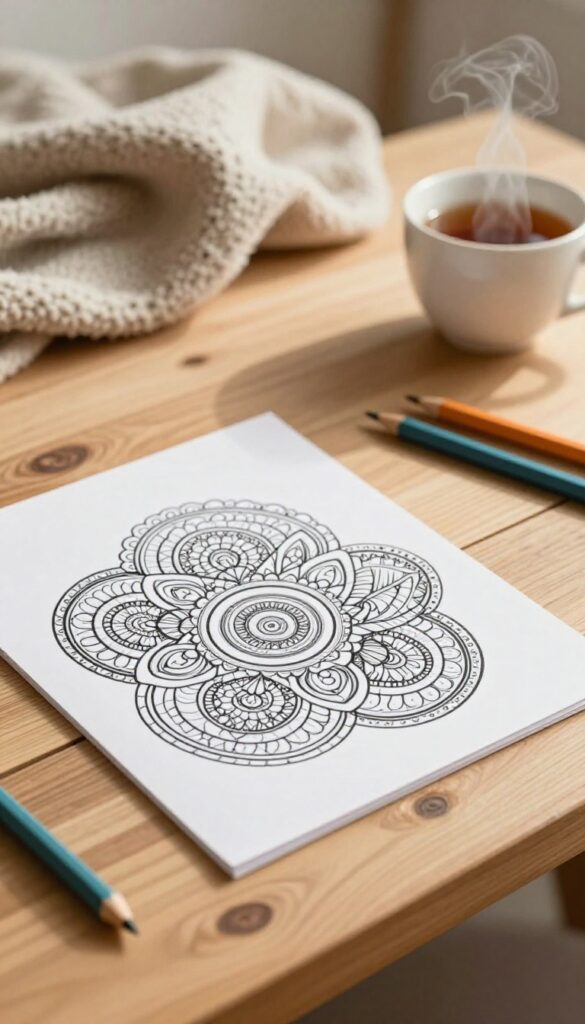
Grab a coloring book or a blank page and let your hand move without judgment. It's meditative and low-pressure, perfect for winding down after a demanding day.
Coloring or doodling engages your brain in a gentle, repetitive way that can quiet anxious thoughts. You don't need any artistic skill—just pick up a pen or colored pencil and start.
Why It Works
The rhythmic motion of coloring or doodling activates the same calming pathways as meditation. It shifts your focus away from work worries and onto simple, soothing patterns.
What You'll Need
An adult coloring book or a blank notebook, plus pens, markers, or colored pencils. That's it. No expensive supplies required.
A Simple Way To Start
Set a timer for 10 minutes and fill in a small section of a page. Or just draw random shapes and lines—whatever feels good. There's no right or wrong.
11. Watch a Comfort Show or Movie
There's a reason we keep returning to the same shows and movies. Familiar stories feel like a warm blanket for your brain—no surprises, no stress, just pure comfort. After a long day of decisions and deadlines, letting a favorite plot unfold in the background can be deeply calming.
Pick something you've seen before or a lighthearted comedy you've been meaning to try. The key is low stakes: nothing too intense or thought-provoking. Let the familiar voices and predictable storylines wash over you.
It's not about binge-watching; it's about creating a cozy background hum that helps you drift into relaxation.
Why Familiar Stories Work
Your brain doesn't have to work hard to follow along. You already know the jokes, the twists, and the endings. That predictability lowers cortisol and lets your mind truly rest.
It's like revisiting a favorite old book—comforting without any mental effort.
Setting The Scene For Maximum Coziness
Dim the lights, grab your softest blanket, and make a cup of tea or cocoa. If you're watching on a laptop, bring it to bed. The goal is to make the experience feel like a ritual, not just screen time.
Add a candle or a warm drink to engage more senses.
What To Watch
Think sitcoms you've seen a dozen times (like Friends or The Office), nostalgic movies from your childhood, or gentle nature documentaries. Avoid thrillers, heavy dramas, or anything with a complicated plot. The best comfort watch is one that makes you smile without demanding your full attention.
12. Do a Quick Tidy-Up
A messy space can weigh on your mind without you even realizing it. Spending just ten minutes picking up clutter in one room can clear mental fog and create a sense of calm. It's not about deep cleaning—just a quick reset to make your surroundings feel more peaceful.
Tidying doesn't have to be a chore. Set a timer for ten minutes and focus on one area, like the living room coffee table or your bedroom nightstand. Put away stray items, fluff pillows, and wipe down surfaces.
The goal is to create a visually calm spot where you can truly relax.
Choose One Zone
Instead of trying to clean the whole house, pick a single zone that bothers you most. Maybe it's the kitchen counter piled with mail or the corner of the couch with blankets everywhere. By limiting your scope, you avoid overwhelm and actually finish the task.
Use A Basket For Strays
Keep a small basket or bin handy for items that belong in another room. Toss in anything that's out of place—remotes, books, water bottles—and deal with them later. This keeps you moving quickly without getting sidetracked.
Light A Candle After
Once you've tidied up, light a candle or turn on a soft lamp. The combination of a cleaner space and warm lighting instantly makes the room feel cozier. It's a small reward that signals your brain: "Now you can rest.
"
13. Practice Progressive Muscle Relaxation
Tense and release each muscle group from your toes to your head. It's a simple way to release physical stress. This technique helps you become aware of tension you didn't even know you were holding.
Progressive muscle relaxation (PMR) is a proven method to reduce anxiety and improve sleep. By systematically tensing and relaxing muscles, you signal your nervous system to shift from fight-or-flight to rest-and-digest. It's especially effective after a long day of sitting or standing.
How To Do It
Lie down in a comfortable position. Start with your feet: tense them tightly for 5 seconds, then release and notice the sensation of relaxation. Move up to your calves, thighs, abdomen, chest, hands, arms, shoulders, neck, and face.
Breathe deeply throughout.
Why It Works
PMR lowers cortisol levels and reduces muscle tension. It also distracts your mind from work worries by focusing on physical sensations. Many people fall asleep before finishing the routine.
Tips For Success
Use a guided audio if you're new. Keep the lights dim and avoid rushing. Focus on the contrast between tension and relaxation.
You can do just a few muscle groups if you're short on time.
14. Write a To-Do List for Tomorrow
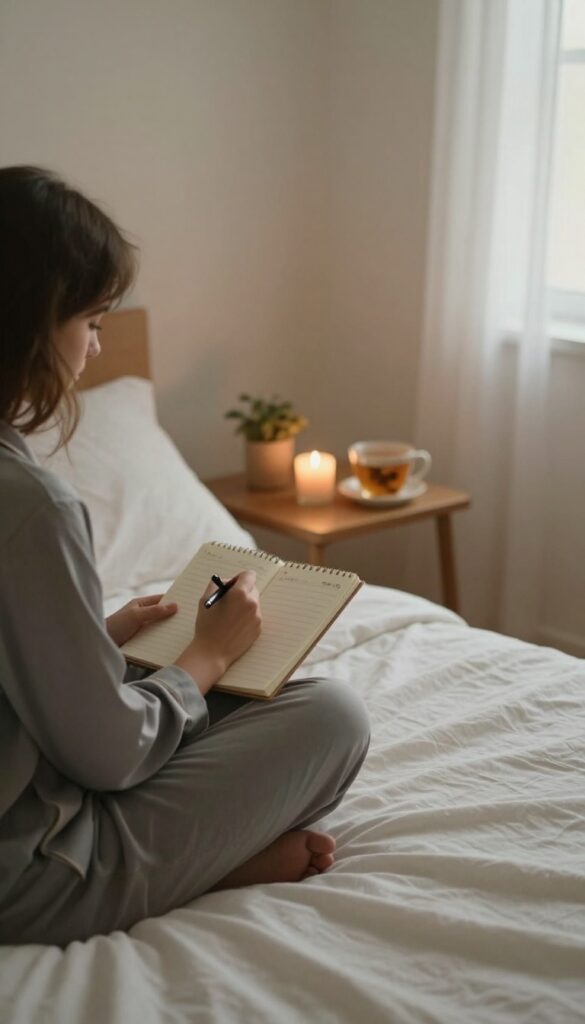
Your brain has a funny way of saving unfinished business for the middle of the night. Jotting down tomorrow's tasks before you hit the pillow can quiet that mental chatter and help you drift off more peacefully. It's a tiny ritual that takes two minutes but pays off in better sleep and a calmer mind.
Grab a notebook or a scrap of paper and write down everything you need to do tomorrow—work tasks, errands, personal goals. Don't worry about order or priority; just get it out of your head. Once it's on paper, your brain can let go of the job of remembering.
Keep It Simple
You don't need a fancy planner or a specific system. A plain sticky note or a notes app works perfectly. The goal is externalizing the mental load, not creating a masterpiece of organization.
Add One Small Win
Include at least one easy, satisfying task—like making your bed or drinking a glass of water first thing. That way, you'll start tomorrow with a sense of accomplishment right out of the gate.
15. Enjoy a Warm Bowl of Soup or Broth
Nothing says comfort like a steaming bowl of soup after a long day. It's warm, soothing, and requires almost no effort to prepare. Whether you opt for a quick miso soup or a slow-simmered bone broth, this simple ritual signals to your body that it's time to rest.
A warm bowl of soup or broth is one of the easiest ways to nourish yourself without overthinking. It hydrates, provides gentle nutrients, and the warmth alone can help relax your muscles. Keep a few go-to options in your pantry so you can whip one up in minutes.
Choose Your Base
Miso paste, bone broth, or vegetable stock all work well. Pick one that feels right for your mood. Miso adds probiotics, bone broth offers collagen, and veggie stock is light and hydrating.
Keep It Simple
No need for a full recipe. Just heat your base, add a few simple extras like tofu, spinach, or leftover veggies. A splash of soy sauce or a pinch of salt can elevate the flavor without extra work.
Sip Slowly
Pour your soup into a favorite mug or bowl, sit somewhere comfortable, and take small sips. Focus on the warmth and taste. This mindful moment can be surprisingly grounding after a hectic day.
16. Use a Weighted Blanket
A weighted blanket isn't just a trendy accessory—it's a tool for deep relaxation. The gentle, even pressure mimics a comforting hug, helping your nervous system shift out of fight-or-flight mode. After a long workday, lying under one can feel like a signal to your brain that it's safe to unwind.
How It Works
Weighted blankets use deep pressure stimulation, which can increase serotonin and melatonin while lowering cortisol. The result? A calmer mind and a body ready for rest.
Most people find 10–15% of their body weight to be the sweet spot.
Best Ways To Use It
Drape it over your lap while reading or watching TV to ease into the evening. Or use it in bed to improve sleep quality. Pair it with soft lighting and a warm drink for the ultimate cozy setup.
Choosing The Right One
Look for a blanket with glass beads or ceramic beads for even weight distribution. Breathable fabrics like cotton or bamboo are ideal if you tend to get warm. Start with a lighter weight if you're new to the sensation.
17. Give Yourself a Hand or Foot Massage
Your hands and feet work hard all day, yet they rarely get the attention they deserve. A quick self-massage can release tension you didn't even know you were holding. It's grounding, soothing, and surprisingly effective at signaling your body that it's time to rest.
You don't need to be a professional to do this right. Just grab your favorite lotion or a drop of massage oil, and spend a few minutes working each hand or foot. Focus on the palms, the arches, and each toe or finger.
The pressure should feel good, not painful. This simple act can lower your heart rate and quiet a busy mind.
Why It Works So Well
Your hands and feet are packed with nerve endings. Massaging them stimulates pressure receptors that activate the parasympathetic nervous system—the part that calms you down. Plus, the repetitive motion is almost meditative.
How To Make It Extra Cozy
Warm your lotion or oil slightly before applying. A few drops of lavender or chamomile essential oil can boost the relaxation effect. Dim the lights, put on some soft music, and treat it like a mini spa moment.
Quick Routine For Beginners
Start with your non-dominant hand or foot. Use your thumb to make small circles on the palm or sole. Then gently pull each finger or toe, and finish with a few long strokes from wrist to fingertip or ankle to toe.
Switch sides and repeat.
18. Do a Guided Meditation
When your mind is still buzzing from the day's demands, sitting in silence can feel impossible. That's where guided meditation shines—it does the heavy lifting for you. A calm voice leads you through breathing exercises, body scans, or visualizations, making it easy to let go of work stress.
A short session—even just five minutes—can lower your heart rate and quiet anxious thoughts. You don't need any experience or special equipment. Just find a comfortable spot, put on headphones if you like, and follow along.
It's like a mini mental vacation without leaving your couch.
Pick Your Style
Not all guided meditations are the same. Some focus on relaxation, others on sleep, and a few on gratitude or stress relief. Browse apps like Calm, Headspace, or Insight Timer, or search YouTube for "5-minute bedtime meditation.
" Choose one that matches how you're feeling—energized, wired, or totally drained.
Set The Scene
Dim the lights, grab a blanket, and lie down or sit in a comfy chair. If you're using your phone, switch it to Do Not Disturb mode. Aromatherapy can help too—lavender or chamomile scents pair beautifully with a relaxation meditation.
Don't Worry About Doing It Right
Your mind will wander—that's normal. Guided meditation isn't about perfection. When you notice your thoughts drifting, just gently bring your attention back to the guide's voice.
Over time, it gets easier. The goal isn't to empty your mind, just to give it a break.
19. Diffuse Calming Scents
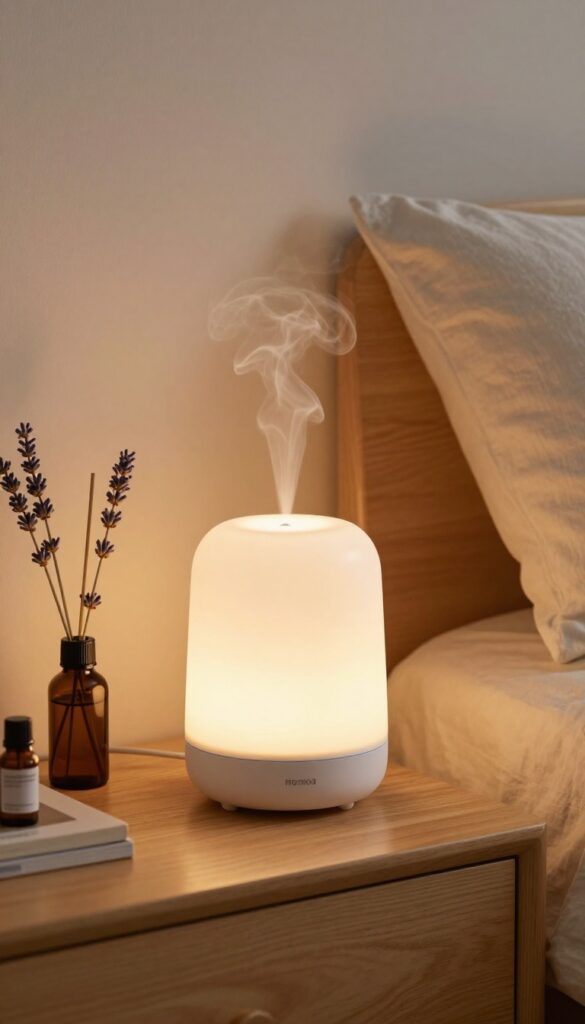
Your sense of smell is a direct line to your brain's relaxation center. A few drops of the right essential oils can signal your nervous system that it's time to power down. If you have a diffuser, this is one of the easiest ways to shift the mood of your space without lifting a finger.
Aromatherapy isn't just for spas—it's a simple, science-backed way to reduce stress and promote sleep. Lavender is the classic choice for calming, but blending it with grounding scents like cedarwood and frankincense creates a more complex, spa-like atmosphere. The key is to start the diffuser about 30 minutes before you plan to sleep, so the scent has time to fill the room.
Why These Scents Work
Lavender is widely studied for its ability to lower heart rate and blood pressure. Cedarwood has a warm, woody aroma that feels grounding and secure. Frankincense adds a subtle, meditative quality that can help quiet a busy mind.
Together, they create a balanced blend that feels both soothing and sophisticated.
How To Diffuse Safely
Use 3-5 drops of each oil in your diffuser's water reservoir, and place it on a nightstand or dresser away from your bed. Run it for 30-60 minutes before sleep, then turn it off. Avoid leaving it on all night, as continuous exposure can be overwhelming and may cause headaches.
No Diffuser? No Problem
If you don't have a diffuser, you can still enjoy the benefits. Add a few drops of the blend to a cotton ball and tuck it inside your pillowcase, or mix with water in a spray bottle for a quick linen mist. Just shake well before each use and test on a small area first.
20. Write a Letter or Journal Entry
Putting pen to paper can be a surprisingly effective way to quiet a busy mind. Unlike typing, the slow, deliberate motion of handwriting helps you process thoughts at a natural pace. It's a private space where you can be completely honest without worrying about grammar or structure.
You don't need a fancy journal—any notebook or even scrap paper works. The goal isn't to produce something polished; it's to give your thoughts a place to land. Write about your day, a worry that's stuck with you, or simply what you're grateful for.
There's no right or wrong way to do it.
Why Handwriting Works
Handwriting activates different parts of your brain than typing, making it easier to slow down and reflect. The physical act of forming letters can be meditative, helping you release tension and gain clarity.
What To Write About
You can write a letter to yourself, a friend, or no one at all. Describe a highlight from your day, a challenge you faced, or something you're looking forward to. If you're stuck, try a simple prompt like "Today I felt. . .
" or "One thing I learned was. . . "
Keep It Low-pressure
This isn't homework. You don't have to write every day or fill pages. Even a few sentences can help you decompress.
The only rule is to be kind to yourself—no editing, no judging, just letting the words flow.
21. Do a Puzzle (Jigsaw or Crossword)
Puzzles are a fantastic way to shift your brain into a lower gear. Unlike work problems, these have clear solutions and no real stakes. Whether you pick a jigsaw or a crossword, the act of focusing on something tangible helps quiet the mental noise.
Why It Works
Puzzles engage your brain just enough to distract from work stress, but not so much that they feel like a chore. The repetitive, methodical nature of fitting pieces or filling in words can be meditative.
Jigsaw Vs. Crossword
Jigsaws are great if you want something visual and hands-on. Crosswords work better if you prefer wordplay and a mental challenge. Both offer a satisfying sense of progress without pressure.
Set The Scene
Clear a small table, dim the lights, and maybe put on some soft music or a podcast. Make it a ritual—grab a cup of tea and settle in for 20 minutes of quiet focus.
22. Take a Few Deep Breaths
Breathing is something you do all day without thinking, but a few intentional breaths can flip a switch in your nervous system. When work stress lingers, your body stays in fight-or-flight mode. Deep breathing tells it that it's safe to relax.
Box breathing is a simple technique used by everyone from Navy SEALs to yoga teachers. It takes less than two minutes and requires zero equipment. Just breathe in, hold, breathe out, hold—each for four counts.
Box breathing is a simple technique used by everyone from Navy SEALs to yoga teachers. It takes less than two minutes and requires zero equipment. Just breathe in, hold, breathe out, hold—each for four counts.
How To Do It
Sit or lie down in a comfortable position. Close your eyes if that helps. Inhale slowly through your nose for a count of four.
Hold your breath for another four counts. Exhale gently through your mouth for four counts. Then hold your lungs empty for four counts.
Repeat this cycle three to five times.
Why It Works
Box breathing activates your parasympathetic nervous system, which lowers heart rate and blood pressure. It also gives your brain a mini mental reset. After a long day, this can be the quickest way to shift from stressed to calm.
When To Use It
Try it right after you walk in the door, before bed, or anytime you feel tension creeping back. It's also great if you're lying in bed and can't stop thinking about work. A few rounds can help you drift off.
23. Go to Bed 30 Minutes Earlier
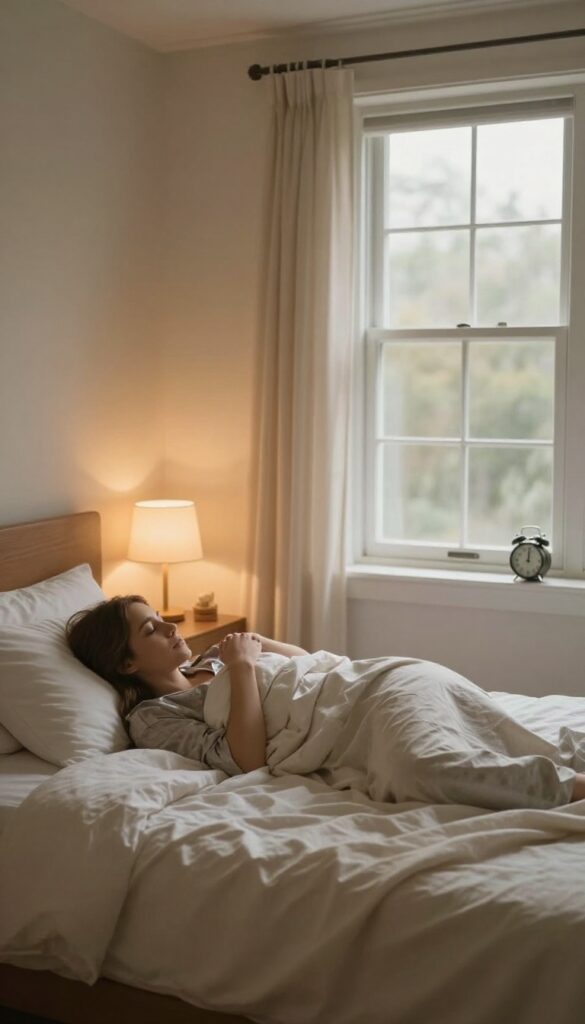
Sometimes the best self-care is simply giving yourself permission to sleep a little more. After a long day, pushing through fatigue to watch one more episode or scroll social media feels productive, but it often backfires. That extra half hour of sleep can make a surprising difference in how you feel the next morning.
Going to bed earlier isn't just about clocking more hours—it's about honoring your body's need for rest. When you prioritize sleep, you wake up more refreshed, less irritable, and better equipped to handle the day ahead. It's a small shift with big, cumulative benefits.
Why 30 Minutes Matters
Adding just 30 minutes of sleep can improve mood, focus, and even immune function. Over a week, that's 3. 5 extra hours of rest—enough to make a noticeable dent in sleep debt.
It's a simple, no-cost investment in your well-being.
How To Actually Do It
Start by setting a gentle alarm 30 minutes before your usual bedtime. Use that time to wind down: dim the lights, put away screens, and do something calming like reading or stretching. Consistency helps—try to stick with it even on weekends.
The Ripple Effect
Better sleep leads to better decisions, more patience, and higher energy throughout the day. You might find yourself less tempted by caffeine or sugar crashes. It's a foundational habit that supports all other self-care efforts.
FAQ
How long should my self-care routine be?
It can be as short as 5 minutes or as long as an hour. The key is consistency, not duration.
Can I do these ideas if I'm on a budget?
Absolutely. Most ideas require little to no cost—things like stretching, deep breathing, or reading a library book.
What if I'm too tired to do anything?
Pick the simplest option, like drinking tea or taking a warm shower. Even one small act counts.
Should I do the same routine every night?
Not necessarily. Variety can keep self-care enjoyable. Mix and match based on how you feel.
Can these ideas help with sleep?
Yes, many of them are designed to promote relaxation and signal your body that it's time to wind down.
Conclusion
These 23 ideas are simple ways to reclaim your evening without adding pressure. Pick one that feels right tonight—maybe a warm drink, a quiet hobby, or just a few minutes of nothing.
Small rituals like these can turn a long day into a gentle transition toward rest. Over time, they become the anchor you look forward to.

Dr. Pallab Kishore, MS in Orthodontics and owner of Orthodontic Braces Care, shares expert tips on braces, aligners, and oral health from 10+ years of experience.