A cluttered calendar often means a cluttered mind. When your days are packed with obligations but no space for yourself, peace feels out of reach. That's where a self-care planner comes in—not as another chore, but as a tool to protect your time and energy.
The right planner setup can turn chaos into calm. It helps you see where you're overextending and where you can pull back. Instead of reacting to every demand, you start making intentional choices that support your well-being.
These 15 ideas are designed to help you organize your peace, not just your schedule. Each one focuses on creating space for rest, reflection, and joy—because self-care isn't an afterthought; it's the foundation of a balanced life.
1. Start with a Weekly Peace Audit
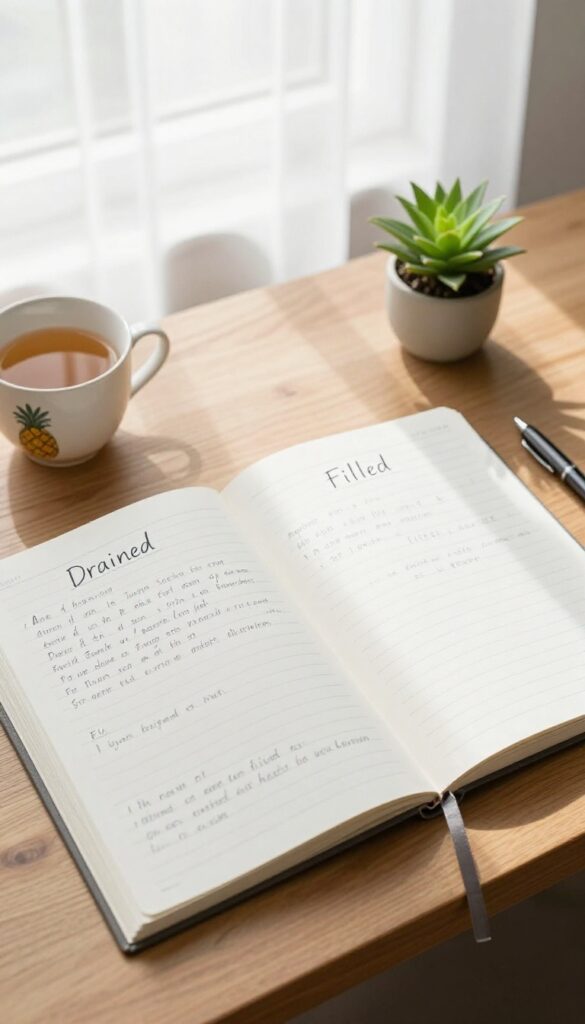
Before you can plan for peace, you need to know what steals it. A weekly peace audit is a simple check-in where you look back at the past seven days and ask: what drained my energy, and what filled me up? This isn't about judging yourself—it's about gathering data so you can make smarter choices next week.
Once you see the patterns, you can intentionally schedule more of what restores you and less of what exhausts you.
Set aside 15 minutes each Sunday evening. Grab your planner and a pen, and split a page into two columns: "Drained" and "Filled. " Under each, jot down specific events, tasks, or interactions.
Be honest—maybe a long meeting drained you, while a quiet coffee break filled you. Look for themes: do back-to-back appointments always leave you depleted? Does a short walk boost your mood?
Use these insights to shape the week ahead. For example, if you notice you feel drained after social events, schedule a solo recovery hour afterward. If morning exercise fills you with energy, block it in as non-negotiable.
The audit turns vague feelings into actionable data, helping you design a week that truly supports your peace.
How To Conduct Your Audit
Pick a consistent time—Sunday evening works well for most. Divide a planner page into two columns: "Drained" and "Filled. " List specific moments from the past week under each.
Don't overthink it; just note what comes to mind. Then, circle or highlight the top three items in each column. These are your peace priorities.
Turning Insights Into Action
Now use your findings to plan. If a draining task is unavoidable, pair it with a filling activity right after—like a quick walk or a favorite podcast. If you see a pattern of overcommitting, practice saying no to one extra request next week.
The goal isn't to eliminate all stress, but to balance it with enough recharge time.
2. Create a Daily Non-Negotiable Slot
You schedule meetings, appointments, and deadlines without a second thought. Why not schedule yourself with the same priority? Blocking 15–30 minutes each day just for you—no work, no errands, no guilt—can be a game-changer for your peace.
Treat it like an important meeting that cannot be canceled.
The key is consistency. Pick a time that works best for you, whether it's right after waking up, during lunch, or before bed. Write it in your planner as a recurring event.
When something tries to encroach, remind yourself: this slot is non-negotiable. Over time, it becomes a habit that protects your well-being.
What To Do In Your Slot
This is your time, so do whatever fills your cup. Read a few pages of a book, journal, stretch, meditate, or simply sit with a cup of tea. The activity doesn't matter as much as the intention.
The goal is to disconnect from demands and reconnect with yourself.
How To Protect Your Slot
Set boundaries with family, roommates, or colleagues. Put your phone on silent, close your door if possible, and let others know you're unavailable. If you're worried about emergencies, set a timer so you know exactly when you're done.
Respecting this time teaches others to respect it too.
Adjusting When Life Gets Busy
Some days will feel impossible to carve out 15 minutes. On those days, shorten the slot to 5 minutes—but don't skip it entirely. Even a brief pause can reset your mood.
Remember, consistency matters more than duration. A short break is better than none.
3. Use a Mood Tracker to Spot Patterns
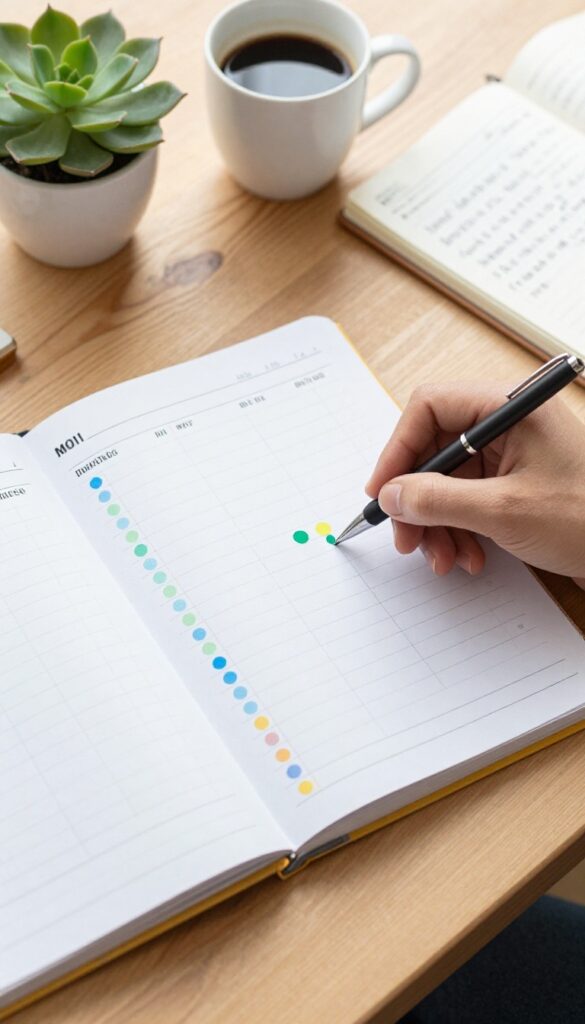
Your emotions aren't random—they follow patterns tied to your habits, environment, and interactions. A mood tracker helps you see those connections clearly. By logging how you feel each day with simple color codes or emojis, you can identify what lifts you up and what drains you.
Start with a simple key: green for happy, blue for calm, yellow for anxious, red for stressed, and so on. Each evening, mark your dominant mood in your planner. After a few weeks, flip back through the pages and look for trends.
You might notice that Mondays are always red or that you feel calmest after your morning walk.
Choose Your Tracking Style
You can go minimalist with a single dot of color per day, or get creative with stickers, washi tape, or hand-drawn emojis. Some planners include pre-made mood charts; others leave you to design your own. Pick a method that feels fun, not like homework.
Pair With A Simple Journal Note
Add one or two words about what happened that day—like "work deadline" or "coffee with friend. " This context turns your mood tracker into a powerful tool. You'll start seeing clear cause and effect, like how social time boosts your mood or how late nights lead to anxious days.
Use Insights To Adjust Your Routine
Once you spot patterns, you can make small changes. If you see that you're always irritable after scrolling social media, try swapping that time for a book or a short walk. The tracker isn't about judging your feelings—it's about understanding them so you can create a life that supports your peace.
4. Plan Your Ideal Morning Routine
Mornings set the tone for everything that follows. Instead of hitting snooze and rushing into the day, you can design a slow, intentional start that protects your peace. A self-care planner helps you map out those first precious moments so they become a ritual, not a race.
Think of your morning routine as a gentle anchor. It doesn't have to be long or complicated—just consistent. Use your planner to decide which small habits you want to include, like stretching for five minutes, writing three things you're grateful for, or sipping your tea without looking at your phone.
The goal is to ease into the day, not conquer it before breakfast.
Map Out Your Non-negotiables
Identify the one or two activities that truly calm you. Maybe it's a short meditation, a walk around the block, or simply sitting in silence. Write them into your planner as appointments with yourself.
Treat them as seriously as any meeting.
Keep It Flexible
Your ideal morning might look different each day. Some mornings you'll have more time, others less. Use your planner to create a flexible template—a list of options you can choose from.
That way, you're not locked into a rigid schedule that adds stress.
Track What Works
After a week or two, review your planner. Which rituals made you feel more centered? Which ones felt like a chore?
Adjust accordingly. Your morning routine should evolve with you, not feel like another obligation.
5. Schedule Digital Detox Hours
Your phone buzzes, pings, and lights up dozens of times a day. Each notification pulls your attention away from the present moment, leaving you scattered and drained. Blocking out tech-free time in your planner isn't just about unplugging—it's about reclaiming your mental space.
These scheduled breaks help you reset, refocus, and reconnect with what matters.
Treat your digital detox like any other important appointment. Write it in your planner with a specific start and end time, and protect that block from interruptions. Start small—maybe 30 minutes after work or an hour on Sunday morning.
Use that time to do something that nourishes you without a screen: read a physical book, take a walk, journal, or just sit quietly. Over time, you'll notice how much calmer and clearer your mind feels after these intentional breaks.
Pick Your Window
Choose a time when you're least likely to need your devices. For many, early morning or late evening works best. Experiment with different slots to see what feels natural.
The key is consistency—same time, same routine.
Create A No-tech Kit
Prepare a basket or shelf with analog activities: a novel, a sketchbook, puzzle, or a cozy blanket. When detox time arrives, grab your kit and leave your phone in another room. This removes the temptation to cheat.
Track Your Wins
After each detox, jot down how you felt in your planner. Did you feel more relaxed? More focused?
Noticing the benefits will motivate you to keep the habit. Over weeks, you'll see a pattern of improved peace and presence.
6. Map Out a Self-Care Menu
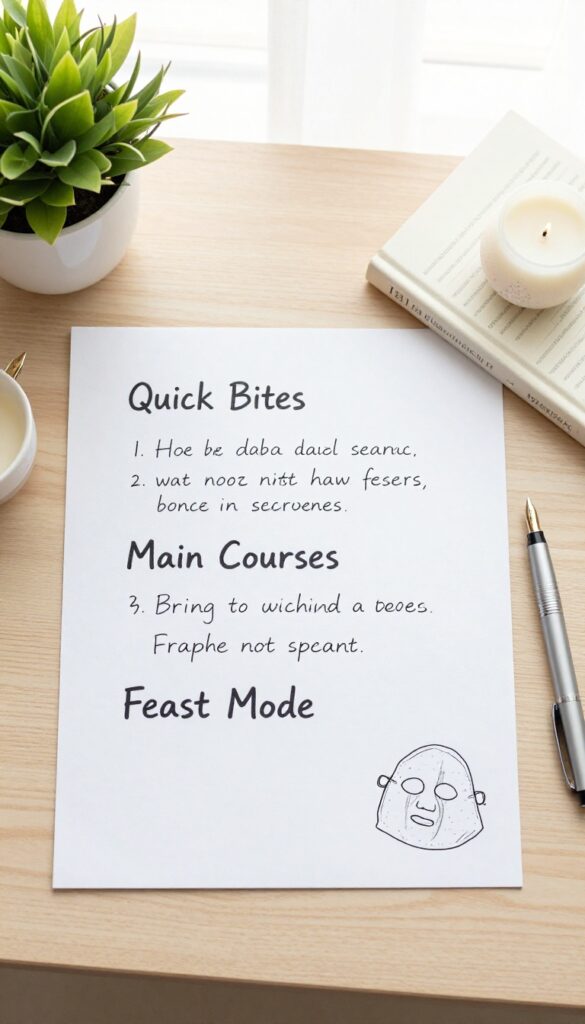
Sometimes the hardest part of self-care is deciding what to do. You know you need a break, but your brain freezes and you end up scrolling for an hour instead. A self-care menu solves that by giving you pre-planned options for any mood or time window.
Think of it like a restaurant menu, but for your well-being. List activities you genuinely enjoy, then sort them by how long they take. When you feel drained, just pick something from the menu without overthinking.
Quick Bites (5–10 Minutes)
These are your go-to for micro-breaks. Things like stretching, brewing a cup of tea, writing down three gratitudes, or stepping outside for fresh air. Keep them simple and easy to start.
Main Courses (20–45 Minutes)
For when you have a bit more time. A short walk, reading a chapter, a face mask, or journaling a few pages. These activities help you reset without eating up your whole evening.
Feast Mode (1+ Hours)
Reserve these for weekends or days off. A bath with a podcast, a long hike, cooking a new recipe, or diving into a creative hobby. They require more time but offer deeper restoration.
7. Set Boundaries with a 'No' List
Saying yes too often drains your energy and crowds out time for yourself. A 'no' list is a simple tool to keep your boundaries clear. Write down commitments you want to decline or reduce, and refer to it when you feel pressured to overcommit.
Creating a 'no' list helps you protect your peace before you even feel overwhelmed. It’s a proactive way to decide what doesn’t serve you, so you don’t have to make that call in the moment. Keep it somewhere visible, like in your planner or on your phone, as a reminder that your time is valuable.
Identify Your Drains
Start by listing activities, events, or requests that consistently leave you feeling drained or resentful. These are your top candidates for the 'no' list. Be honest about what truly doesn’t align with your priorities.
Practice Saying No
Review your list regularly and role-play polite ways to decline. You don’t need to over-explain—a simple “I can’t commit to that right now” works. Over time, it gets easier to say no without guilt.
Review And Update
Your boundaries will shift as your life changes. Revisit your 'no' list monthly to add new items or remove ones that no longer apply. This keeps it relevant and honest.
8. Track Your Sleep and Energy Levels

Sleep is the foundation of your energy, mood, and focus. But most of us don't really know how we're sleeping—we just guess. By tracking your bedtime, wake time, and how you feel each morning, you can spot patterns and make small adjustments that lead to better rest and more consistent energy throughout the day.
Log your bedtime, wake time, and energy ratings. Adjust your schedule to prioritize rest when you notice low energy patterns.
Start A Simple Sleep Log
Each morning, jot down what time you went to bed, what time you woke up, and rate your energy on a scale of 1 to 10. Do this for at least two weeks to see your baseline. You can use a notebook, a planner spread, or a sleep app—whatever feels easiest to stick with.
Spot Your Energy Patterns
After a couple of weeks, look for trends. Do you feel drained after late nights? Do certain days of the week leave you more tired?
Maybe you notice that sleeping past 10 PM always results in a low energy rating. These insights help you make smarter decisions about your evening routine.
Adjust Your Schedule For Better Rest
Use what you learn to tweak your habits. If you see low energy after late screen time, set a digital curfew. If mornings are rough, try shifting your bedtime earlier by 15 minutes each night.
Small, consistent changes lead to real improvement in how rested and energized you feel.
9. Plan Weekly 'Me' Dates
When was the last time you intentionally set aside time just for you, with no guilt attached? A weekly 'me' date turns self-care into a non-negotiable appointment. It's a block of time you protect fiercely, whether that means a solo outing or a cozy night in doing exactly what you love.
Treating yourself like someone you're responsible for means scheduling time with yourself. Mark it in your planner like any other important meeting, and don't cancel unless absolutely necessary. This practice builds anticipation and gives you something to look forward to all week.
Make It A Real Date
Pick a day and time that works consistently, like Sunday evening or Wednesday afternoon. Write it in your planner with a fun color or sticker. Decide ahead what you'll do—maybe a long bath, a movie marathon, or working on a hobby.
The key is to treat it as seriously as a date with a friend.
Mix It Up
Variety keeps your 'me' dates exciting. Alternate between relaxing activities (like reading or a face mask) and energizing ones (like a hike or trying a new recipe). Your planner can help you track what you did and how it made you feel, so you can plan better next time.
Prep In Advance
Remove friction by preparing ahead. If you plan a bath, have your favorite bath bomb ready. If it's a movie night, queue up the film and grab snacks beforehand.
A little prep ensures your 'me' date starts smoothly and you fully enjoy the time.
10. Use a Gratitude Log to Shift Focus

Your brain has a natural negativity bias—it clings to what went wrong and glosses over what went right. A gratitude log flips that script. By jotting down three things you're grateful for each day, you train your mind to notice the good stuff, even on rough days.
This practice doesn't have to be long or elaborate. Keep a small notebook or a dedicated page in your planner. Each evening, write down three specific things—like a warm cup of coffee, a kind text from a friend, or a sunny afternoon.
Over time, this rewires your brain to scan for positives, making peace feel more accessible.
Why Three?
Three is a manageable number. It's enough to stretch your thinking but not so many that it feels like homework. Some days you'll find it easy; other days you'll dig deep.
That's okay—the effort itself shifts your perspective.
Make It A Ritual
Pair your gratitude log with an existing habit, like brushing your teeth or making tea. Consistency matters more than length. Even a quick list before bed can end your day on a positive note.
Go Beyond The Obvious
Challenge yourself to notice small, unexpected things: the way sunlight hits your desk, a stranger's smile, or a moment of quiet. This trains your brain to find joy in everyday moments, not just big wins.
11. Design a Wind-Down Routine
Your brain doesn't flip a switch from busy to asleep. It needs a gradual transition—a ritual that says, "We're done for the day. " A wind-down routine is that bridge.
It's not about strict rules; it's about creating a sequence of calming actions that signal rest is near. Dim the lights, sip something warm, do a few gentle stretches. Over time, your nervous system learns to relax on cue.
A wind-down routine doesn't have to be long or elaborate. Start with 15 minutes and see what works. The key is consistency—doing the same steps in the same order each night.
That repetition trains your brain to settle down, making it easier to fall asleep and stay asleep.
Set The Scene
Lighting matters more than you think. Swap overhead lights for lamps or candles about an hour before bed. This mimics sunset and boosts melatonin production.
Keep your bedroom cool, quiet, and clutter-free—a sanctuary for rest.
Choose Your Calming Activity
Not all relaxing activities are created equal. Avoid screens—blue light disrupts sleep. Instead, try reading a physical book, journaling, or listening to a podcast with a soft voice.
Herbal tea (chamomile, lavender) or light stretching can also help release physical tension.
Make It A Habit
Write your wind-down routine in your planner. Treat it as a non-negotiable appointment with yourself. After a week, you'll notice falling asleep feels easier and your mind isn't racing.
That's the power of a consistent ritual.
12. Break Big Goals into Tiny Self-Care Steps
Big goals can feel heavy, especially when you're already running low on energy. The pressure to overhaul your entire life overnight often backfires, leaving you more stressed than before. Instead, try breaking your ambitions into tiny, kind actions that fit naturally into your day.
When you shrink your goals, you remove the intimidation factor. A goal like "exercise more" becomes "put on my sneakers and stand up. " That small win builds momentum without the mental weight.
Celebrate each tiny step—it's not silly, it's smart. Over time, these micro-actions stack into real progress, and you stay motivated because you're constantly rewarding yourself.
Start With A Five-minute Rule
Pick one self-care task that takes five minutes or less—like drinking a glass of water, stretching your neck, or writing one sentence in a journal. Set a timer and do it. That's it.
The rule removes the "all or nothing" trap and makes starting easy.
Track Tiny Wins In Your Planner
Dedicate a corner of your planner to log small accomplishments. Maybe you flossed, took a short walk, or said no to an extra commitment. Seeing these checkmarks builds confidence and reminds you that you're showing up for yourself every day.
Pair Tiny Steps With Existing Habits
Attach a self-care micro-step to something you already do. For example, while your morning coffee brews, do three deep breaths. After brushing your teeth, apply lotion with intention.
This "habit stacking" makes the new action automatic and effortless.
13. Include a 'Brain Dump' Page

Your mind is constantly running—juggling tasks, worries, ideas, and reminders. That mental load can drain your energy and make it hard to focus on what matters. A brain dump page gives all those thoughts a place to land, so they stop bouncing around your head.
A brain dump page is exactly what it sounds like: a dedicated spot in your planner where you can pour out random thoughts, worries, to-dos, or anything else cluttering your mind. No structure, no judgment—just get it all down. Once it's on paper, your brain can relax, knowing nothing is forgotten.
You can later sort through the chaos, transferring action items to your to-do list and letting go of what doesn't serve you.
When To Use It
Use your brain dump page whenever you feel overwhelmed, first thing in the morning, or right before bed. It's also great during a mid-day slump when your thoughts feel scattered. The key is to make it a regular habit, not just an emergency tool.
How To Make It Work
Keep it simple—just a blank page or a section with a few prompts like "What's on my mind? " or "Things I need to remember. " You can also add a small box for "things I can let go of" to help release what you can't control.
Review it weekly to clear out old items and keep the page fresh.
14. Plan for Rest Days Intentionally
Rest isn't a reward for being productive—it's a necessity. Yet many of us treat it as an afterthought, squeezing it in only when we're completely drained. By intentionally marking one day each week as a low-expectation day, you give yourself permission to pause before burnout hits.
Pick a day that naturally feels slower, like Sunday or Monday. Write "rest day" in your planner in big letters, and treat it as non-negotiable. On that day, the only rule is to do what feels good—sleep in, read, take a walk, or do absolutely nothing.
No chores, no errands, no guilt.
What A Rest Day Looks Like
It's not a lazy day—it's a deliberate break. You might still do things you enjoy, but the key is low pressure. Skip the to-do list and let your intuition guide you.
If you want to bake cookies, great. If you want to stay in pajamas until noon, also great.
How To Protect Your Rest Day
Set boundaries in advance. Let family or roommates know you're unavailable for requests. Turn off work notifications.
If something urgent comes up, reschedule your rest day to another day that week—don't just cancel it. Consistency matters more than the specific day.
15. Review and Reset Monthly

Even the best planner needs a tune-up now and then. A monthly review gives you a chance to see what's actually working and what's quietly draining your energy. Instead of just turning the page, you pause, reflect, and reset your system to keep your peace protected.
What Worked This Month?
Flip through your planner and note the routines, habits, or time blocks that felt good. Maybe your morning journaling slot was a win, or your weekly nature walk never got skipped. Highlight these wins so you can repeat them next month.
What Didn't Serve You?
Be honest about the parts that felt forced or stressful. Did that daily gratitude list start feeling like a chore? Did you overcommit to social plans?
Identify the friction points and decide what to drop, simplify, or shift.
Adjust For Next Month
Based on your reflection, make small tweaks. Move a self-care block to a different time, swap a crowded day for a lighter one, or add a new practice you've been curious about. The goal is to keep your planner flexible and aligned with your real needs.
FAQ
What is a self-care planner?
A self-care planner is a tool—digital or paper—that helps you intentionally schedule activities that support your mental, emotional, and physical well-being. It goes beyond task management to prioritize rest and joy.
How often should I use a self-care planner?
Daily check-ins are ideal, even if just for five minutes. Weekly planning sessions help you set intentions, while monthly reviews keep your approach aligned with your needs.
Can I use a digital app instead of a paper planner?
Absolutely. Digital planners, calendar apps, or journaling apps work just as well. The key is consistency and choosing a format you'll actually use.
What if I miss a day in my planner?
No stress—just pick up where you left off. Self-care planning is about flexibility, not perfection. Missing a day doesn't mean you've failed.
How do I make my self-care planner stick?
Start small, keep it visible, and tie it to an existing habit. Pairing planner time with your morning coffee or evening wind-down makes it easier to remember.
Conclusion
Organizing your peace isn't about cramming more into your day—it's about making room for what matters. A self-care planner helps you see where your time and energy are going, so you can redirect them toward rest and joy. Start with one or two ideas from this list and build from there.
Over time, you'll create a rhythm that protects your well-being and makes self-care a natural part of your life. Your peace is worth planning for.