
You don't need a cabinet full of fancy products to see real improvements in your skin and hair. Sometimes the biggest changes come from small, smart adjustments to your daily shower routine.
Think about it: how you wash, rinse, and even dry off can either support or sabotage your skin barrier and hair health. The good news is that most fixes are simple and cost next to nothing.
This list covers 25 practical, budget-friendly choices that target common issues like dryness, breakage, dullness, and irritation. No fluff, just straightforward tweaks you can start using today.
1. Start with a Lukewarm Rinse

Before you even reach for a cleanser or shampoo, the temperature of your water sets the stage. Hot water might feel relaxing, but it's actually one of the fastest ways to strip your skin and hair of their natural protective oils. That can lead to dryness, irritation, and frizz.
A lukewarm rinse, on the other hand, gently cleans without compromising your moisture barrier.
A simple temperature adjustment can make a huge difference. Lukewarm water helps open pores slightly and loosen dirt without causing damage. It also keeps your hair cuticles flat, which reduces frizz and boosts shine.
For both skin and hair, this small change is a foundation for healthier results.
Why Hot Water Hurts
Hot water dissolves the lipids that hold your skin cells together, weakening your barrier. It also strips sebum from your scalp, leading to overproduction of oil or dryness. Over time, this can worsen conditions like eczema and dandruff.
The Sweet Spot Temperature
Aim for water that feels warm but not hot—around 98–100°F (37–38°C). Your skin should not turn red or feel stinging. If your shower fogs up the mirror completely, it's likely too hot.
How To Transition Gradually
If you're used to hot showers, start by turning down the temperature for the last few minutes. Over a week, gradually reduce the heat until lukewarm feels normal. Your skin and hair will thank you.
2. Time Your Shower to Under 10 Minutes
Long, steamy showers might feel like self-care, but they're actually stripping your skin of its natural oils. When you linger under hot water, your skin's protective barrier weakens, leading to dryness, irritation, and even flare-ups of conditions like eczema. The same goes for your hair—prolonged exposure to water and shampoo can leave it brittle and frizzy.
The sweet spot is between 5 and 10 minutes. That's enough time to get clean without overdoing it. If you tend to lose track of time, try using a waterproof timer or playing a single song as your shower soundtrack.
When the song ends, it's time to wrap up.
Why Short Showers Save Your Skin
Your skin has a thin layer of natural oils and good bacteria that keep it hydrated and protected. Hot water and long showers dissolve this barrier, leaving your skin vulnerable to moisture loss and environmental damage. A quick rinse preserves that protective shield.
How To Make Your Shower Efficient
Plan your routine before you step in. Wet your hair and body first, then turn off the water while you lather up. This not only saves time but also reduces water waste.
Turn the water back on for a quick rinse. You'll be in and out in under 10 minutes.
Signs You're Staying Too Long
If your skin feels tight, itchy, or looks red after a shower, you're probably overdoing it. Another clue is your hair feeling straw-like or frizzy even after conditioning. These are signs to cut your shower time down.
3. Use a Gentle, Sulfate-Free Cleanser
Not all cleansers are created equal, especially when it comes to your shower routine. Many popular body washes and shampoos contain sulfates—strong detergents that create lots of lather but can strip your skin and hair of their natural moisture. Over time, this leads to dryness, irritation, and frizz that no conditioner can fully fix.
Switching to a sulfate-free formula is one of the simplest swaps you can make for healthier skin and hair.
Why Sulfates Cause Trouble
Sulfates like sodium lauryl sulfate (SLS) and sodium laureth sulfate (SLES) are effective at removing dirt and oil, but they're often too harsh for daily use. They break down the skin barrier, leading to transepidermal water loss, and they strip hair of its natural sebum, leaving it dry and prone to breakage. If your skin feels tight or your hair looks frizzy after showering, sulfates could be the culprit.
What To Look For Instead
Look for cleansers labeled "sulfate-free" or check the ingredient list for mild surfactants like coco-glucoside, decyl glucoside, or sodium cocoyl isethionate. These clean effectively without the harshness. Many gentle options are also fragrance-free or use natural essential oils, which is a bonus for sensitive skin.
How To Make The Switch
Transitioning is easy: just replace your current body wash and shampoo with sulfate-free versions. You might notice less lather at first, but that's normal—gentle cleansers don't need big bubbles to work. Give your skin and hair a week or two to adjust, and you'll likely see less dryness and more shine.
4. Shampoo Only Your Scalp
It's tempting to work shampoo through your entire length, especially if your hair feels dirty. But that habit can leave your ends dry and brittle. Shampoo is designed to remove excess oil and buildup, which mostly happens at the scalp, not the tips.
By focusing on your roots, you'll clean where it matters and avoid stripping your ends of their natural moisture.
When you lather shampoo, concentrate on your scalp and the area near your roots. Use your fingertips to gently massage in circular motions—this stimulates circulation and helps lift dirt and oil. Then, when you rinse, let the suds flow down through the rest of your hair.
That's enough to clean the lengths without over-drying them. This small shift can make a big difference in keeping your hair soft and healthy.
Why The Scalp Needs The Most Attention
Your scalp produces sebum, an oily substance that can build up and lead to itchiness, flakes, or even clogged follicles. Shampooing only the roots targets that buildup directly. The rest of your hair, especially the ends, produces little oil and is more prone to dryness.
By keeping shampoo away from those areas, you preserve their natural moisture balance.
How To Let The Rinse Do The Work
After massaging your scalp, simply tilt your head back and let the water run through your hair. The suds will travel down the shaft, gently cleaning the mid-lengths and ends without extra scrubbing. If your ends feel greasy, you can apply a tiny bit of shampoo there, but most of the time, the rinse is enough.
This method also reduces tangling and breakage from excessive manipulation.
A Tip For Oily Hair
If you have very oily hair, you might need to shampoo your scalp twice—first to break down the oil, then to fully cleanse. But even then, keep the second lather focused on the roots. Your ends still don't need direct shampooing.
Follow up with conditioner only on the mid-lengths and ends to avoid weighing down your scalp.
5. Condition from Mid-Length to Ends
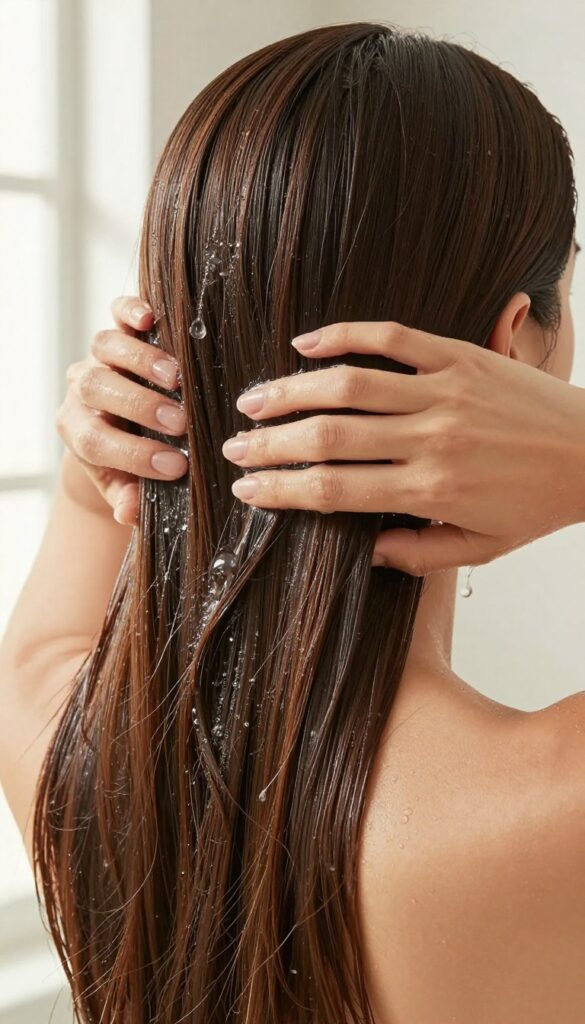
Conditioner is a hydration hero, but only if you apply it in the right spots. Slathering it all over—especially on your scalp—can leave hair looking flat and greasy by midday. The trick is to focus on the parts that actually need moisture: the mid-shaft and ends.
Your scalp produces its own natural oils, so it doesn't need extra conditioner. Applying it there just weighs hair down and can clog follicles. Instead, squeeze a quarter-sized amount into your palms, then work it through from about ear level down to the tips.
This gives your ends the hydration they crave without overloading the roots.
Why The Scalp Stays Out
Think of your scalp as a self-moisturizing zone. It already secretes sebum that travels down the hair shaft. Adding conditioner on top of that is like double-dipping—it leads to buildup, limp roots, and sometimes even itchiness.
Keep it off the scalp and you'll extend the time between washes.
How Much Is Enough?
A little goes a long way. For shoulder-length hair, a dollop the size of a nickel is plenty. For longer hair, a quarter-sized amount.
If your ends feel dry, you can add a tiny bit more, but avoid overdoing it. Too much conditioner can make hair feel heavy or greasy, even when applied correctly.
Let It Sit—but Not Too Long
Give the conditioner a minute or two to soak in. This is the perfect time to wash your body or shave. But don't leave it on for more than five minutes unless it's a deep-conditioning mask.
Overexposure can soften hair too much, leading to breakage. Rinse thoroughly with cool water to seal the cuticle.
6. Try a Weekly Scalp Scrub
Your scalp is skin too, and it deserves the same exfoliation love you give your face. Dead skin cells, product buildup, and excess oil can clog hair follicles, leading to flakes, itchiness, and even slower growth. A weekly scalp scrub sweeps away that gunk and wakes up circulation, giving your hair roots a fresh start.
Exfoliating your scalp once a week can transform how your hair looks and feels. It removes residue from dry shampoo, styling products, and hard water minerals that regular shampoo can't fully budge. The gentle physical or chemical exfoliation also stimulates blood flow, which delivers oxygen and nutrients to hair follicles.
Over time, this can lead to stronger, shinier hair and less scalp irritation.
Choose Your Scrub Type
You can go with a store-bought scalp scrub or make your own. Look for fine granules like jojoba beads or sea salt—avoid harsh walnut shells that can cause micro-tears. If you have a sensitive scalp, try a chemical exfoliant with salicylic acid or lactic acid instead.
DIY options include mixing brown sugar with coconut oil or aloe vera gel for a soothing yet effective paste.
How To Apply It Right
Start with wet hair, then part it into sections. Apply the scrub directly to your scalp, not your hair lengths. Use your fingertips (not nails) to massage in small, circular motions for about two minutes.
Focus on the crown, hairline, and nape of your neck—areas where buildup tends to hide. Rinse thoroughly, then follow with a gentle shampoo and conditioner.
Don't Overdo It
Once a week is plenty for most people. Over-exfoliating can strip your scalp's natural barrier and cause rebound oiliness or irritation. If your scalp feels tight or sore after scrubbing, scale back to every other week or switch to a milder formula.
Listen to your scalp—it will tell you what it needs.
7. Use a Shower Filter
If your skin feels itchy or your hair looks dull after every shower, the culprit might be your water. Hard water is packed with minerals like calcium and magnesium, while tap water often contains chlorine. Both can leave residue on your skin and hair, causing dryness, irritation, and even breakage.
A simple shower filter can change all that by removing these harsh elements, giving you softer water and a gentler cleanse.
Installing a shower filter is a small investment that pays off fast. It attaches easily to your showerhead and starts working immediately. You'll notice your skin feels less tight, your hair looks shinier, and your scalp isn't as flaky.
Plus, filtered water helps your shampoo and conditioner lather better, so you actually use less product. It's one of those upgrades you'll wonder why you didn't try sooner.
What A Filter Removes
Most shower filters target chlorine, chloramines, heavy metals, and sediment. Chlorine strips natural oils from your skin and hair, leading to dryness and frizz. Hard water minerals build up over time, making hair brittle and skin prone to breakouts.
A good filter reduces these contaminants, leaving water that's kinder to your body.
Installation Is A Breeze
You don't need a plumber or any special tools. Most filters screw directly onto your existing shower arm, then you attach your showerhead to the filter. It takes about five minutes.
Some models even have replaceable cartridges that last three to six months, so maintenance is minimal.
Signs You Need One
If your skin feels dry or irritated after showering, your hair looks dull or feels straw-like, or you notice white buildup on your showerhead, it's time for a filter. Even if you don't have obvious symptoms, many people see a noticeable improvement in their skin and hair within a few washes.
8. Apply Body Wash with Your Hands First
Loofahs and shower poufs look harmless, but they can trap dead skin cells and bacteria, leading to irritation or even breakouts. Your hands are naturally gentler and far easier to keep clean. Switching to hand application is a simple swap that can make a real difference for sensitive or acne-prone skin.
Using your hands to apply body wash gives you more control over pressure and coverage. You can feel exactly where you've washed and avoid over-scrubbing delicate areas. Plus, you'll save money by using less product since your hands don't absorb it like a sponge does.
Why Loofahs Can Be Problematic
Loofahs and sponges stay damp in the shower, creating a perfect breeding ground for bacteria and mold. Even with regular rinsing, they can harbor microbes that may cause skin irritation or folliculitis. Replacing them often helps, but your hands are always fresh and clean.
How To Wash Effectively With Hands
Squeeze a small amount of body wash into your palm, rub your hands together to lather, then massage directly onto damp skin in circular motions. Focus on areas that need more attention, like elbows and knees, but keep the pressure light. Rinse thoroughly and pat dry.
When A Tool Might Still Help
If you need gentle exfoliation, consider a silicone brush or a soft washcloth that dries quickly. These are less porous than loofahs and can be sanitized easily. Use them only once or twice a week to avoid over-scrubbing.
9. Exfoliate Gently Once a Week
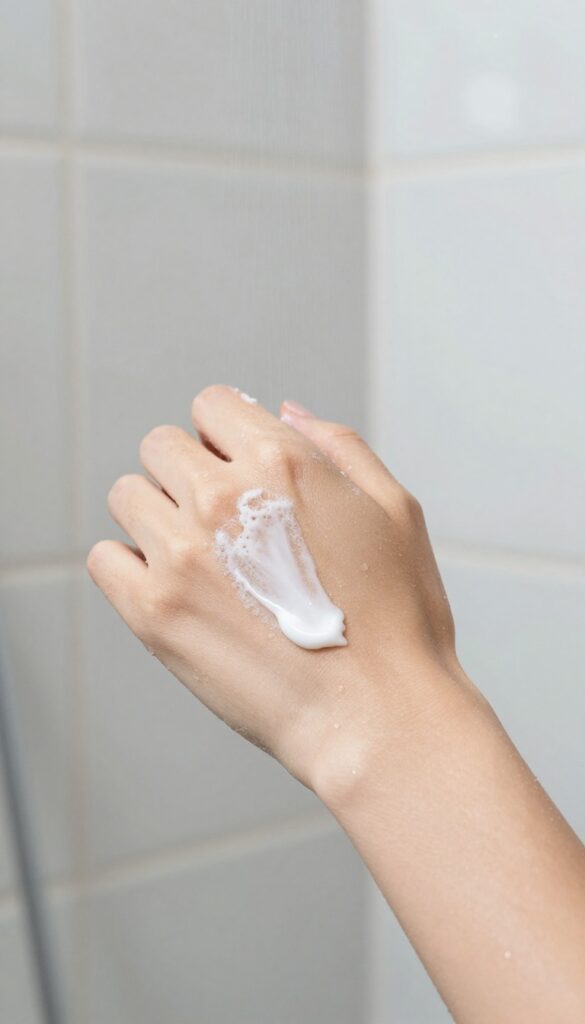
Exfoliating sounds like one of those things you should do more often, but with skin, less really is more. Scrubbing too hard or too frequently strips away the natural oils that keep your skin barrier strong and your hair cuticles smooth. Once a week is plenty for most people, whether you prefer a physical scrub or a mild chemical exfoliant.
Over-exfoliating can lead to redness, irritation, and even breakouts as your skin tries to compensate. A gentle weekly exfoliation removes dead cells without damaging the healthy ones underneath. For your body, a soft scrub with fine particles works well.
For your face and scalp, a gentle chemical exfoliant like lactic acid or salicylic acid can be more effective and less abrasive.
Pick The Right Exfoliant For Your Skin Type
Sensitive skin? Stick to a gentle physical scrub with jojoba beads or a low-concentration PHA. Oily or acne-prone skin can handle a salicylic acid body wash once a week.
Dry skin benefits from a creamy scrub with moisturizing ingredients like shea butter or oatmeal.
Don't Forget Your Scalp
Your scalp builds up dead skin and product residue just like your face. A gentle scalp scrub or a clarifying shampoo with salicylic acid once a week can reduce flakiness and promote healthier hair growth. Just be gentle—scrubbing too hard can cause irritation.
Timing Matters
Exfoliate at the end of your shower when your skin is warm and pores are open. Apply in circular motions for about 30 seconds, then rinse thoroughly. Follow up with a lightweight moisturizer to lock in hydration.
Avoid exfoliating right after shaving or if you have any cuts or sunburn.
10. Rinse Hair with Cool Water at the End
That final blast of cold water might make you shiver, but your hair will thank you. A cool rinse after your usual warm shower helps seal the hair cuticle, locking in moisture and smoothing down the outer layer. This simple step adds natural shine and fights frizz without any extra product or effort.
When you wash with warm water, the heat lifts the hair cuticle, which can leave strands rough and prone to frizz. A quick cold rinse at the end reverses that effect, encouraging the cuticle to lie flat. The result is smoother, glossier hair that reflects light better.
It also helps reduce static and flyaways, especially in humid weather or dry winter air. You don't need to endure an ice-cold shower—just a 10-15 second blast of cool water over your hair is enough to make a difference.
Why Temperature Matters
Warm water opens the cuticle, making hair more porous and vulnerable to moisture loss. Cold water constricts the cuticle, sealing it shut. This is why a cool final rinse is a classic salon trick for boosting shine without any product.
It also helps your conditioner's benefits last longer by locking them in.
How To Do It Right
After your usual shampoo and conditioner routine, switch the water to a cool or cold temperature. Aim for about 10 seconds, focusing on the lengths and ends. If full cold is too much, start with lukewarm and gradually lower the temp.
Your scalp might not love the chill, so keep the cold water mainly on your hair.
Bonus Benefits For Skin
A cool rinse also tightens pores and soothes irritated skin, which is great if you're prone to redness or body acne. It can help reduce inflammation and give your skin a more even tone. Just don't overdo it—extreme cold can cause a shock reaction, so keep it brief.
11. Pat Dry, Don't Rub
That rough towel rub you do after every shower might feel efficient, but it's actually doing a number on your skin and hair. Rubbing creates friction that can cause micro-tears in your skin and rough up your hair cuticles, leading to frizz and breakage. Patting dry is the gentler, smarter move that locks in moisture and keeps everything smooth.
Switching from rubbing to patting is one of the easiest upgrades you can make. It takes just a few extra seconds but pays off in healthier skin and hair over time.
Why Rubbing Hurts
When you rub your skin with a towel, you're essentially scrubbing away its natural oils and disrupting the moisture barrier. For hair, the friction lifts the cuticles, making strands rough, frizzy, and prone to snapping. Over time, this can lead to dryness, irritation, and even breakouts on your body.
The Right Way To Pat
Use a soft, clean towel and gently press it against your skin to absorb water. Don't drag or scrub. For hair, wrap a microfiber towel or a soft cotton T-shirt around your damp strands and let it soak up the moisture.
Avoid wringing or twisting—just squeeze gently.
Best Towels For The Job
Microfiber towels are ideal because they're super absorbent and gentle. For hair, an old cotton T-shirt works even better than a regular towel—it reduces friction and helps prevent frizz. Make sure your towels are clean and swapped out regularly to avoid bacteria buildup.
12. Apply Moisturizer Within 3 Minutes
You've just stepped out of the shower, skin still a little damp. That's your golden window. Applying lotion within three minutes of drying locks in moisture while your pores are still open and your skin is most receptive.
This simple timing trick can make a bigger difference than the priciest cream.
The science is straightforward: damp skin absorbs ingredients more effectively. When you wait too long, surface water evaporates and takes natural oils with it, leaving you drier than before. By moisturizing quickly, you trap that hydration and keep your skin barrier strong.
It's a small habit shift that pays off in softer, more resilient skin.
Why The 3-minute Rule Works
After a shower, your skin's outer layer is plump with water. If you apply moisturizer immediately, the emollients seal that water in. Wait longer, and that water evaporates—a process called transepidermal water loss.
The result? Your skin ends up drier than if you hadn't showered at all.
Best Types Of Moisturizer For Post-shower
Look for a moisturizer with humectants like glycerin or hyaluronic acid to pull water in, plus occlusives like shea butter or squalane to lock it. Lotions are fine for normal skin, but if you're dry, go for a cream or body butter. Apply to slightly damp skin for maximum absorption.
Don't Forget Your Hair
The same principle applies to your hair. After washing, gently squeeze out excess water and apply a leave-in conditioner or hair oil while strands are still damp. This seals in moisture, reduces frizz, and keeps hair soft.
Just a few drops are enough.
13. Use a Microfiber Towel for Hair

The way you dry your hair matters just as much as how you wash it. Regular cotton towels can be surprisingly harsh, causing friction that leads to frizz, breakage, and even split ends. Switching to a microfiber towel is a simple swap that makes a noticeable difference in how your hair looks and feels after every shower.
Microfiber towels are made from ultra-fine synthetic fibers that are much gentler on hair cuticles than traditional terry cloth. They absorb water quickly without roughing up the hair shaft, which means less frizz and fewer tangles. Plus, because they wick away moisture so efficiently, they cut down drying time significantly—perfect for anyone in a rush or trying to minimize heat styling.
How Microfiber Reduces Damage
Regular towels have loops that snag and pull at wet hair, which is at its weakest state. Microfiber's smooth, loop-free surface glides over hair without causing friction. This reduces mechanical damage and helps maintain your hair's natural moisture balance, leaving it smoother and shinier.
The Drying Time Advantage
Microfiber can hold up to seven times its weight in water, so it absorbs moisture fast. You can gently squeeze or wrap your hair for a few minutes, and it'll be significantly drier than with a regular towel. Less time with wet hair means less exposure to potential damage and a quicker start to your styling routine.
How To Use A Microfiber Towel Correctly
Avoid rubbing or scrunching your hair with the towel—that still causes friction. Instead, gently squeeze sections of hair from roots to ends, or wrap your hair in a microfiber turban-style towel for 10–15 minutes. Let it do the work without you having to pull or tug.
14. Skip Daily Shampooing
It's tempting to wash your hair every day, especially if you feel it gets oily fast. But daily shampooing strips away the natural oils your scalp and hair need to stay healthy. Over time, this can lead to dryness, irritation, and even more oil production as your scalp tries to compensate.
Washing every other day—or even less often—gives your hair a chance to rebalance. You'll notice less breakage, more shine, and a healthier scalp. If you're worried about grease, dry shampoo or a simple rinse with water can help stretch the time between washes.
Find Your Ideal Wash Schedule
Start by going two days between washes and see how your hair responds. Fine hair may need every other day, while thicker or curlier hair can often go three to four days. Pay attention to your scalp—if it feels tight or itchy, you're washing too often.
Use Dry Shampoo Strategically
Dry shampoo is a lifesaver for extending your wash cycle. Apply it to the roots before bed so it absorbs oil overnight. Brush it out in the morning for fresh-looking hair without the need for a full wash.
Rinse Instead Of Wash
On off days, give your hair a thorough rinse with warm water. This removes surface dust and sweat without stripping oils. Follow with a light conditioner on the ends if needed.
15. Try a Co-Wash for Curly Hair
If your curls feel dry or frizzy after every wash, the problem might be your shampoo. Co-washing—short for conditioner-only washing—is a gentle alternative that cleans without stripping natural oils. It's especially helpful for curly, coily, or dry hair types that need extra moisture.
Co-washing uses a cleansing conditioner to remove dirt and buildup while keeping hair hydrated. It's a game-changer for those who find traditional shampoos too harsh. Here's how to make it work for you.
What Is Co-washing?
Co-washing means washing your hair with conditioner instead of shampoo. Look for a product labeled "cleansing conditioner" or one that's silicone-free. Massage it into your scalp like you would shampoo, then rinse thoroughly.
It won't lather much, but that's normal.
Who Should Try It?
This method is ideal for curly, wavy, or dry hair. If your hair feels brittle or frizzy after shampooing, co-washing can help restore moisture. Straight or oily hair types might find it too heavy, but you can still use it once a week for a moisture boost.
How Often To Co-wash
Frequency depends on your hair. Many curlies co-wash every 3–4 days, alternating with a low-poo (gentle shampoo) every few washes. Listen to your hair—if it feels weighed down, you might need a clarifying shampoo once a month to remove buildup.
16. Use a Wide-Tooth Comb on Wet Hair
Wet hair is at its weakest—up to 30% more fragile than when dry. That's why reaching for a regular brush right after your shower can lead to breakage and split ends. A wide-tooth comb is the gentler alternative that slides through tangles without pulling or snapping strands.
This simple switch costs just a few dollars and can make a noticeable difference in hair strength over time. It's especially helpful for anyone with curly, wavy, or fine hair, but it works for all hair types.
Switching to a wide-tooth comb is one of the easiest ways to protect your hair during the post-shower detangling process. Here's how to get the most out of it.
Start At The Ends
Begin combing from the tips of your hair, not the roots. This prevents pushing tangles downward and creating knots that are harder to undo. Work your way up gradually, holding the section of hair above the comb to reduce tension on the scalp.
Apply A Leave-in Conditioner First
For extra slip and protection, apply a lightweight leave-in conditioner or detangling spray before combing. This reduces friction and helps the comb glide through wet hair more smoothly. Focus on the mid-lengths and ends, where tangles are most common.
Don't Rush
Take your time and be patient. Rushing through detangling can cause breakage even with a wide-tooth comb. Work in small sections, and if you hit a stubborn knot, gently work it apart with your fingers before combing through.
17. Keep Products Off Your Face
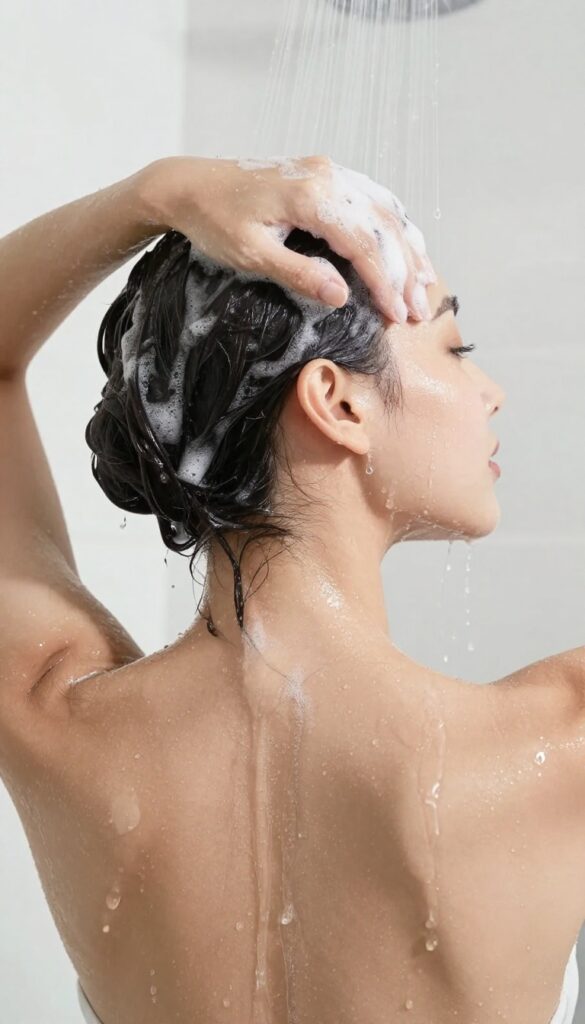
Shampoo and conditioner are designed to clean and soften hair, but they aren't meant for your skin. When those suds run down your face, they can clog pores and cause breakouts, especially along the jawline and hairline. A simple rinse adjustment can make a big difference.
Rinsing thoroughly is key. Make sure no shampoo or conditioner residue lingers on your skin. Tilt your head back when rinsing so the water and product run down your back, not your face.
This small habit helps keep your complexion clear without extra effort.
Why It Matters
Many hair products contain sulfates, silicones, and oils that can be comedogenic. When they sit on your skin, they can trap dirt and bacteria, leading to clogged pores and acne. Keeping them off your face is an easy preventive step.
How To Rinse Correctly
After applying shampoo or conditioner, lean your head back under the water. Let the water flow from your hair directly down your back. Use your hands to guide the water if needed.
Finish with a cool water splash on your face to close pores.
Extra Tips
If you have bangs or shorter hair, use a clip to keep them away from your face while shampooing. Wash your face after rinsing your hair to remove any stray product. A gentle cleanser can catch anything you missed.
18. Install a Handheld Showerhead
A fixed showerhead might seem convenient, but it limits how you direct water. Switching to a handheld model gives you total control over where the water goes, making rinsing more efficient and less wasteful.
Handheld showerheads are a simple upgrade that pays off in better rinsing and less water waste. You can target hard-to-reach spots, adjust the angle for different body areas, and even use it for a quick hair rinse without getting fully wet. Many models come with adjustable spray settings, so you can switch from a gentle mist to a stronger stream depending on your needs.
Better Rinsing, Less Product Residue
When you can aim the water exactly where you need it, shampoo and conditioner rinse out more completely. This reduces buildup that can weigh down hair or clog pores. For your skin, thorough rinsing means less soap scum and fewer chances of irritation.
Water Conservation Made Easy
Handheld showerheads let you wet only the parts you're washing, so you use less water overall. Pause the flow while lathering, then rinse precisely. Some models even have a pause button on the handle, making it simple to save water without adjusting the main valve.
19. Use a Deep Conditioning Mask Weekly
A weekly deep conditioning mask is like a spa day for your hair. It delivers a concentrated dose of moisture and nutrients that your regular conditioner can't match. This is especially important if you color or heat-style your hair, as those processes strip natural oils and weaken the hair shaft.
Once a week, swap your regular conditioner for a deep conditioning mask. Apply it from mid-lengths to ends, focusing on the driest areas. Leave it on for the time specified on the package—usually 5 to 10 minutes—then rinse thoroughly.
Your hair will feel softer, look shinier, and be less prone to breakage.
Why Weekly Matters
Hair needs consistent repair. A weekly mask fills in gaps in the cuticle, reducing frizz and preventing split ends. Think of it as maintenance that keeps your hair resilient between washes.
Choosing The Right Mask
Look for ingredients like shea butter, argan oil, or keratin. If your hair is fine, go for a lightweight mask to avoid weighing it down. For thick or curly hair, richer formulas with coconut oil or avocado work wonders.
Application Tips
For better absorption, apply the mask on damp, towel-dried hair. Use a wide-tooth comb to distribute it evenly. If you have time, cover your hair with a shower cap and let the warmth help the mask penetrate deeper.
20. Avoid Over-Washing Your Face in the Shower
It's tempting to multitask in the shower, but washing your face under the spray can do more harm than good. The hot water and high pressure strip your skin's natural oils, leaving it tight and irritated. Plus, many body washes and shampoos contain harsh surfactants that are too aggressive for delicate facial skin.
Instead, wash your face separately before or after your shower using lukewarm water and a gentle cleanser. This keeps your skin barrier intact and prevents unnecessary dryness or breakouts. A quick sink wash takes just 30 seconds and makes a noticeable difference.
Why Hot Water Hurts
Hot water dissolves sebum faster, which sounds good but actually leaves your skin unprotected. Over time, this can lead to increased sensitivity, redness, and even flakiness. Stick to lukewarm water for your face, even if you enjoy a steamy shower.
Shampoo And Conditioner Residue
When you rinse your hair in the shower, the runoff contains sulfates, silicones, and fragrances that can clog pores and irritate skin. Washing your face separately avoids this chemical bath. If you must rinse in the shower, tilt your head back so the water runs down your back, not your face.
A Simple Routine Switch
Keep a gentle cleanser and a soft washcloth at your sink. Wash your face first, then hop in the shower. Or wash after your shower, when your skin is still slightly damp.
Either way, you'll protect your facial skin without adding more than a minute to your routine.
21. Let Your Hair Air-Dry Sometimes

Heat styling might give you that perfect blowout, but it comes at a cost. Over time, high temperatures strip moisture from your hair, leaving it brittle and prone to breakage. Air-drying a few times a week gives your strands a much-needed break and helps maintain their natural strength.
Switching to air-drying doesn't mean you have to sacrifice style. With a few simple tricks, you can let your hair dry naturally while still looking polished. It's a small change that pays off in healthier, more resilient hair.
Why Heat Styling Damages Hair
Heat opens the hair cuticle, allowing moisture to escape. Repeated use weakens the protein structure, leading to split ends and dullness. Even with heat protectants, the cumulative effect can be significant.
How To Air-dry Without The Frizz
Start by gently squeezing excess water with a microfiber towel—never rub. Apply a leave-in conditioner or a light styling cream to lock in moisture. Let your hair dry partially before touching it, then use your fingers to separate strands for a natural wave.
When To Skip The Blow-dryer
Aim for two to three air-dry days per week, especially after gentle washes. If you're in a rush, let your hair air-dry 80% before using a low-heat setting. Your hair will thank you for the reduced thermal stress.
22. Clean Your Shower Tools Regularly
Your loofah, scrub brush, or shower sponge might be doing more harm than good if you haven't cleaned it in a while. Damp, warm environments are perfect breeding grounds for bacteria, mold, and mildew. Using dirty tools can transfer all that gunk right back onto your skin, leading to irritation or breakouts.
How Often To Replace Or Sanitize
Loofahs should be replaced every 3-4 weeks, while silicone brushes can last longer with regular cleaning. For natural sponges, swap them out monthly. A good rule: if it smells musty or looks discolored, toss it.
Easy Cleaning Methods
Soak your tools in a mixture of warm water and white vinegar for 30 minutes, then rinse thoroughly. You can also pop silicone brushes in the dishwasher or wash them with antibacterial soap. Let everything air dry completely between uses.
Storage Matters
Hang your loofah or brush where it can dry out fully after each shower. Avoid leaving it on the shower floor or in a closed container. A well-ventilated spot keeps bacteria from multiplying.
23. Use a Leave-In Conditioner
Between washes, your hair is exposed to UV rays, pollution, and friction from pillows or hats. A leave-in conditioner creates a protective film that locks in moisture and smooths the cuticle, so your strands stay soft and resilient without feeling heavy. It's an easy step that takes seconds but makes a big difference in how your hair looks and feels day to day.
Leave-in conditioners are perfect for adding a hydration boost without the weight of a full rinse-out product. They work especially well for dry, curly, or color-treated hair, but even straight hair benefits from the extra protection. Apply a small amount to damp or dry hair, focusing on the mid-lengths and ends, and you'll notice less frizz and more shine.
Why It Works
Unlike rinse-out conditioners that get washed away, leave-ins stay on your hair to provide continuous moisture and protection. They often contain ingredients like glycerin, aloe vera, or lightweight oils that help seal the cuticle and prevent moisture loss throughout the day.
How To Choose The Right One
Look for a formula that matches your hair type. Fine hair benefits from spray-on leave-ins that won't weigh it down, while thick or coarse hair can handle creamier formulas. Avoid silicones if you have low-porosity hair, as they can build up and cause dullness.
Application Tips
Apply leave-in conditioner on towel-dried hair after your shower. Start with a pea-sized amount and add more if needed. Comb through with your fingers or a wide-tooth comb to distribute evenly.
For extra protection, reapply a tiny bit on dry ends before heading outdoors.
24. Adjust Routine Seasonally
Your skin and hair have different needs depending on the season. Winter air is dry and cold, while summer brings humidity and heat. Your shower routine should adapt accordingly to keep everything balanced.
A one-size-fits-all shower routine doesn't work year-round. In winter, your skin loses moisture faster, and your hair can become brittle. In summer, excess humidity can make your scalp oily and your skin sticky.
By tweaking a few steps each season, you can maintain healthy skin and hair without extra effort.
Winter: Lock In Moisture
Switch to a creamy, hydrating body wash and a richer shampoo or conditioner. Use lukewarm water instead of hot to avoid stripping natural oils. Apply a body oil or thick lotion right after patting dry to seal in moisture.
Summer: Lighten Up
Opt for a gentle clarifying shampoo to remove sweat and product buildup. Use a lightweight, gel-based body wash and skip heavy creams. A cool rinse at the end can help close pores and calm your scalp.
Transition Seasons: Listen To Your Skin
Spring and fall are about adjusting gradually. Pay attention to how your skin and hair feel. If your skin feels tight, add moisture.
If your scalp gets oily, use a clarifying shampoo once a week.
25. Listen to Your Skin and Hair

No two people have the exact same skin or hair, and even your own needs can change with the seasons, stress levels, or new products. The best shower routine is one that adapts to what your body is telling you. Paying close attention to how your skin feels after washing and how your hair behaves can guide you to make small tweaks that make a big difference.
Your skin and hair are constantly communicating with you. Dryness, itchiness, breakouts, or limp strands are all signals that something in your routine might need adjusting. Instead of sticking to a rigid regimen, stay flexible.
If your scalp feels tight after shampooing, try a gentler cleanser or skip a wash. If your skin gets red after a hot shower, dial down the temperature. The goal is to build a routine that works for you right now, not one that worked last month.
Notice The Signs
After your shower, take a moment to observe. Does your skin feel tight or itchy? Is your hair frizzy or flat?
These clues tell you if your water temperature, products, or washing frequency are off. For example, if your skin feels dry even after moisturizing, you might be using water that's too hot or a cleanser that's too harsh.
Adjust As You Go
Your routine isn't set in stone. In winter, you might need a richer conditioner and a creamier body wash. In summer, a lighter formula and more frequent rinsing could work better.
Listen to what your skin and hair need each day and make small changes accordingly. This keeps your routine effective without overcomplicating it.
Trust Your Instincts
You know your body best. If a product or habit doesn't feel right, it probably isn't. Don't follow trends blindly.
If everyone is raving about a certain shampoo but it leaves your hair straw-like, switch back to what works. Your personal experience is the most reliable guide.
FAQ
How often should I shower for healthy skin and hair?
Most people can shower once daily. If you have dry skin or hair, every other day is fine. Adjust based on your activity level and skin type.
Does water temperature really matter?
Yes. Hot water strips natural oils, leading to dryness and irritation. Lukewarm water is best for both skin and hair.
Can a shower filter improve my hair?
Absolutely. Hard water minerals and chlorine can cause dullness, frizz, and scalp irritation. A filter softens water, making a noticeable difference.
Should I use conditioner every time I wash my hair?
Yes, especially if you have dry or curly hair. Conditioner replenishes moisture and protects the hair shaft. Focus on the ends, not the scalp.
Is it bad to wash my face in the shower?
It can be if the water is too hot or if you use a harsh cleanser. Wash your face separately with lukewarm water and a gentle cleanser to avoid irritation.
Conclusion
You don't need to overhaul your entire shower routine overnight. Pick one or two changes—like a cooler rinse or a weekly scalp scrub—and see how they feel. Small, consistent tweaks make the biggest difference over time.
Your skin and hair will reward you with a healthier, more balanced look. Listen to what works for you and adjust as you go. That's the real secret to a routine that sticks.