You know that feeling when life gets so busy you forget to check in with yourself? It happens to all of us. The trick isn't to carve out hours for elaborate routines—it's about weaving small, intentional moments into your existing rhythm.
Self-care doesn't have to mean bubble baths and scented candles (though those are nice). It's about what keeps you steady. Some things work best every day, others need a weekly slot, and a few only make sense once a month.
Here are 15 ideas sorted by how often they fit naturally into real life. Pick what resonates, leave what doesn't, and see how small shifts can bring you back to center.
1. Daily: Start with a Five-Minute Morning Check-In

Mornings set the tone for the entire day. Instead of reaching for your phone the second you wake up, give yourself five minutes to just be. This isn't about meditation or journaling—it's simply noticing how you feel and setting a gentle intention.
No agenda, no pressure. Just you, your breath, and a quiet moment before the world rushes in.
A five-minute morning check-in helps you start the day grounded rather than reactive. It's a small buffer between sleep and the demands of daily life. Over time, this practice builds self-awareness and reduces the urge to immediately dive into stress.
Why It Works
When you pause before grabbing your phone, you avoid the morning dopamine spike that can set a frantic pace. Instead, you give your brain a chance to wake up slowly. This simple habit lowers cortisol and helps you feel more in control of your day.
How To Do It
Sit up in bed or move to a quiet chair. Close your eyes and take three deep breaths. Then ask yourself: How am I feeling right now?
What do I need today? Let the answers come without judgment. End by setting one small intention, like 'I'll be patient with myself today. '
Keep It Realistic
Don't overcomplicate it. If five minutes feels too long, start with one. The goal is consistency, not duration.
You can even do this while your coffee brews or as you sit on the edge of the bed. The key is to make it a non-negotiable part of your morning routine.
2. Daily: Move Your Body for Ten Minutes
Not every day calls for a full workout. Some days, just getting off the couch feels like a win. That's where the ten-minute rule comes in.
It's short enough to fit into a busy schedule, but long enough to reset your energy.
A short walk, stretch, or dance session in your living room counts. The goal is to get blood flowing, not to break a record. Ten minutes of movement can shake off stiffness, lift your mood, and help you feel more present.
Pick What Feels Good
You don't need a plan. Put on a song and dance, do a few yoga poses, or walk around the block. The best movement is the one you'll actually do.
No Gear Required
No special equipment or outfit needed. Just your body and a little space. That makes it easy to do anywhere—at home, during a break, or even in a hotel room.
Stack It With A Habit
Link your ten minutes to something you already do. Stretch while your coffee brews, walk after lunch, or do squats during a TV commercial. It becomes automatic fast.
3. Daily: Eat One Meal Without Screens

It's easy to scroll through lunch without tasting a single bite. When you eat with a screen nearby, your brain barely registers the food. That one distracted meal can leave you feeling unsatisfied and reaching for snacks later.
Eating without a screen is a small reset that brings you back to your body.
Put away the phone, turn off the TV, and focus on your food. It helps you tune into hunger cues and actually taste what you're eating. This simple habit can improve digestion and prevent overeating.
Why It Matters
When you're distracted, your brain doesn't fully process the meal. You might miss fullness signals and eat more than you need. Focusing on your food helps you enjoy it more and feel satisfied with less.
How To Start
Pick one meal a day—breakfast, lunch, or dinner—and commit to zero screens. Sit at a table if you can. Take a few deep breaths before you begin.
Notice the colors, smells, and textures.
What It Feels Like
At first it might feel awkward or boring. But after a few days, you'll notice you taste your food more and feel fuller. It becomes a quiet moment in your day that's just for you.
Make It Stick
Start with just one meal a day. If you slip up, don't stress. The goal is awareness, not perfection.
Over time, this small practice can become a grounding ritual.
4. Daily: Write Down Three Good Things
Gratitude isn't just a feel-good buzzword—it's a proven way to shift your brain's focus from what's wrong to what's right. This simple practice takes two minutes but can rewire your perspective over time. The beauty is in the details.
You're not listing generic blessings; you're capturing small, specific moments that actually happened. That coworker who held the elevator? Write it down.
The perfect bite of toast? That counts too.
Grab a notebook or use a notes app. Every evening, jot down three things that went well today and why. They can be tiny—a warm shower, a funny text, finishing a task early.
The "why" matters because it helps your brain relive the positive moment. Keep it loose. Some days you'll struggle to think of three things, and that's okay.
Other days you'll have too many to choose from. The goal isn't perfection—it's consistency. Over weeks, you'll start noticing more good things throughout your day because your brain knows it has to report back later.
Why Small Wins Matter
Big achievements are rare, but small wins happen daily. By acknowledging them, you train your brain to spot opportunities for gratitude. This builds resilience and makes tough days easier to handle.
How To Make It Stick
Pair it with an existing habit, like brushing your teeth or drinking your evening tea. Keep your list somewhere visible. If you miss a day, just start again tomorrow—no guilt required.
Go Deeper Sometimes
Once a week, review your entries. Notice patterns: what kinds of moments keep showing up? This can reveal what truly matters to you, helping you design a life with more of those moments.
5. Daily: Do a Digital Sunset
Screens are part of modern life, but they don't have to follow you into the night. A digital sunset is simply a set time when you put your phone, tablet, or laptop away—ideally 30 to 60 minutes before bed. This small boundary signals your brain that it's time to unwind, not scroll.
Blue light from screens suppresses melatonin, the hormone that helps you fall asleep. Even a short digital break before bed can improve sleep quality and reduce that restless, wired feeling at night. Plus, it gives your mind a chance to settle without constant notifications pulling your attention.
Pick Your Cutoff Time
Choose a time that works for your schedule—maybe right after dinner or an hour before you want to sleep. Stick with it consistently so your body learns the rhythm. If you miss it one night, just start fresh the next.
Replace Scrolling With Something Calming
Use that screen-free window for a low-key activity: read a physical book, stretch, journal, or just sit and breathe. The goal isn't to be productive—it's to let your mind slow down naturally.
Make It Easy To Follow Through
Charge your phone outside the bedroom or use a simple timer. Turn on night mode or grayscale as a visual cue. The less friction, the more likely you'll keep the habit.
6. Weekly: Have a Tech-Free Hour

Your phone buzzes, your laptop dings, and your smartwatch reminds you to stand up. By the end of the week, your brain feels like a browser with forty tabs open. A tech-free hour is the digital reset you didn't know you needed.
Pick one hour each week to disconnect completely. No notifications, no scrolling, no background noise from a screen. Use that time to read a physical book, take a walk without a podcast, cook something from scratch, or just sit and let your thoughts wander.
The goal isn't productivity—it's giving your mind space to breathe.
Why It Works
Constant connectivity keeps your brain in a low-grade state of alert. A tech-free hour lowers cortisol, improves focus, and helps you reconnect with the present moment. It's like defragging your mental hard drive.
How To Start
Choose a time that's realistic—maybe Sunday afternoon or Wednesday evening. Set your phone to Do Not Disturb, put it in another room, and commit to the full hour. Start with 30 minutes if an hour feels too long.
What To Do Instead
Read a chapter of a book, doodle in a notebook, stretch, or call a friend (using an actual phone call). The point is to do something that doesn't involve a screen. You might be surprised how much you enjoy it.
7. Weekly: Plan Your Week Ahead
Sunday evenings used to fill me with a vague sense of dread—until I discovered the power of a 15-minute planning session. It's not about rigid schedules; it's about giving yourself a roadmap so you can actually relax during the week.
Grab a notebook or your favorite planner. List the non-negotiables (work deadlines, appointments), then add one or two meals you'll prep, and most importantly, block out at least three self-care slots—even if they're just 20-minute walks or a podcast break. This tiny investment saves hours of decision fatigue and last-minute scrambling.
Keep It Simple
Don't overcomplicate. A sticky note with three priorities works just as well as a color-coded spreadsheet. The goal is clarity, not perfection.
Make It A Ritual
Pair your planning with something you enjoy—a cup of tea, calming music, or a cozy blanket. Soon, it becomes a habit you look forward to.
8. Weekly: Try a New Recipe or Food

Cooking the same meals week after week can make eating feel like a chore. Shaking things up in the kitchen is a simple way to add novelty and mindfulness to your routine. You don't need to master a five-course meal—just pick something you've never made before and give it a shot.
The act of following a new recipe forces you to focus on the present moment. Chopping, measuring, and tasting keep your hands busy and your mind off stressors. Plus, there's a small thrill in discovering a new favorite dish.
Even if it flops, you'll learn something and probably laugh about it.
Start Small
If you're not a confident cook, begin with a simple recipe that has five ingredients or fewer. Think: a new salad dressing, a different pasta shape with a store-bought sauce, or a roasted vegetable you've never tried. The goal is exploration, not perfection.
Make It An Event
Turn cooking into a mini ritual. Light a candle, put on music, and pour yourself a drink. Invite a friend or partner to join you.
Sharing the experience makes it more fun and holds you accountable to actually try something new.
Explore A Cuisine
Pick a cuisine you rarely eat and make one dish from it each week. Thai, Ethiopian, or Mexican—whatever sparks curiosity. You'll expand your palate and learn about other cultures through their food.
Bonus: you might find a new go-to takeout order.
9. Weekly: Connect with a Friend or Family Member
Life gets busy, and it's easy to let weeks slip by without a real conversation. But staying connected to the people who matter isn't just nice—it's essential for your mental health. A quick check-in can lift your mood and remind you that you're not alone.
Make it a weekly habit to reach out to someone you care about. It doesn't have to be a long phone call—a 10-minute chat or a coffee date works wonders. The key is genuine interaction, not just a like or a comment.
Schedule it if you need to, and treat it as a non-negotiable part of your week.
Why It Works
Humans are wired for connection. When you share a laugh or a concern, your brain releases oxytocin, the bonding hormone that reduces stress. Even a brief, meaningful exchange can boost your mood for hours.
Low-effort Ideas
Not up for a long chat? Send a voice note, share a funny meme, or write a short text saying you're thinking of them. The goal is to bridge the gap, not to have a deep conversation every time.
Make It A Ritual
Pair your weekly check-in with something you already do, like your Sunday coffee or your Friday afternoon wind-down. That way, it becomes a natural part of your routine instead of another task on your to-do list.
10. Weekly: Tidy One Small Area
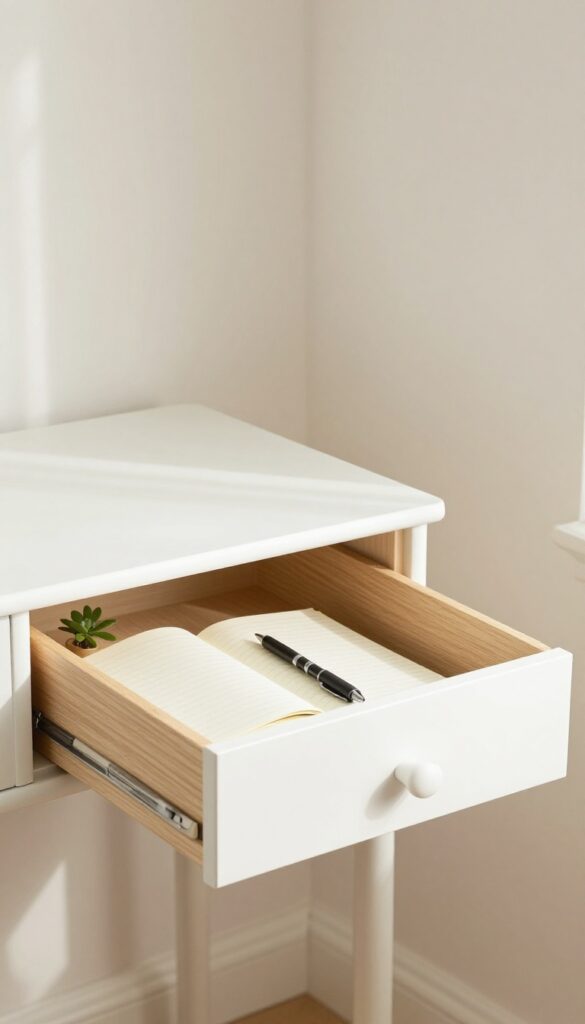
You don't need to deep clean the whole house to feel a shift. Picking one tiny zone—a single drawer, a corner of the kitchen counter—and making it neat can work wonders. It's a five-minute task with an outsized payoff.
When your immediate surroundings are cluttered, your brain has to work harder to filter out distractions. Clearing one small spot creates a visual win that signals to your mind: things are under control. You don't have to do it all—just one area, once a week.
Why Small Wins Matter
Tidying a nightstand or a bathroom drawer takes maybe ten minutes. But the sense of accomplishment lingers. It's a concrete, visible reminder that you can make order out of chaos, even in a tiny way.
Where To Start
Pick a spot you see multiple times a day: the corner of your desk, the kitchen counter, a shelf in the living room. Clear off everything, wipe it down, and only put back what belongs. Keep it minimal.
Make It A Ritual
Tie this task to something you already do weekly, like laundry or meal prep. Set a timer for ten minutes, put on a song, and just focus on that one spot. Done is better than perfect.
11. Monthly: Review Your Goals and Priorities
A month is long enough to drift off course without noticing. Taking twenty minutes to step back and look at what you've been working toward can save you weeks of misdirected effort. This isn't about harsh self-criticism—it's a gentle recalibration to keep your energy flowing toward what actually matters.
Set aside a quiet block once a month. Grab a notebook or open a simple doc. List your top three priorities for the month ahead, then check if your recent actions actually served them.
If not, adjust without guilt. This small habit prevents the feeling of running on a treadmill—busy but going nowhere.
Celebrate Progress, Not Just Completion
We often overlook the small wins. Did you show up consistently, even if results aren't visible yet? Acknowledge that.
Write down one thing you did well this month and one thing you learned. This builds momentum and keeps motivation high.
Check Your Energy, Not Just Your Schedule
Sometimes a goal feels right on paper but drains you in practice. Ask yourself: Does this still excite me? Am I forcing it out of obligation?
If your energy is low around a particular priority, it might need a tweak or a pause. Trust that feeling.
Tweak One Thing For Next Month
Pick one small adjustment to make the next month smoother. Maybe it's blocking time for a recurring task, delegating something, or dropping a low-value activity. Tiny course corrections compound into big shifts over time.
12. Monthly: Treat Yourself to Something Special
There's a quiet power in having something on the calendar that's just for you. A planned treat—whether it's a new book, a massage, or an afternoon at your favorite café—gives you a bright spot to look forward to all month long. It doesn't have to be expensive or extravagant; it just has to feel like a reward for showing up every day.
When you schedule a small indulgence, you're sending yourself a clear message: your effort matters, and you deserve nice things. This isn't about impulse spending or guilt—it's about intentional joy that breaks the routine and recharges your spirit. Over time, these monthly treats become anchors that keep you balanced and motivated.
Make It Personal
Your treat should reflect what genuinely lights you up. If you're a reader, pre-order that novel you've been eyeing. If you love comfort, book a massage or a facial.
The key is choosing something that feels like a true gift to yourself, not an obligation.
Schedule It In Advance
Put it on the calendar at the start of the month. That way, you have something to anticipate during tough weeks. Treat it like any important appointment—non-negotiable and protected from life's interruptions.
Keep It Simple And Affordable
A treat doesn't need a big budget. A solo coffee date with a pastry, a long bath with a fancy bath bomb, or an afternoon wandering a museum can feel just as special. The goal is the experience, not the price tag.
13. Monthly: Declutter a Digital Space

Your phone and computer hold more than just files—they hold mental weight. A cluttered desktop, overflowing inbox, or camera roll full of screenshots can quietly drain your focus. Once a month, pick one digital space and give it a reset.
Start With Your Photos
Scroll through your camera roll and delete blurry shots, duplicates, and screenshots you no longer need. It takes ten minutes but leaves you with a cleaner gallery and a lighter feeling.
Unsubscribe From Spam
Open your email and unsubscribe from five newsletters you never read. Use a tool like Unroll. me if you want to speed it up. Fewer inbox distractions mean less mental noise.
Organize Your Desktop
Move stray files into folders, delete old downloads, and set a clean wallpaper. A tidy desktop can make opening your laptop feel refreshing instead of overwhelming.
14. Monthly: Do a Brain Dump
Our minds are like cluttered desks—papers everywhere, sticky notes half-falling off, and that one thing you meant to file weeks ago. A brain dump is the mental equivalent of clearing it all off. Once a month, sit down with a notebook and write down everything that's floating around in your head: worries, random ideas, tasks you keep forgetting, things you're excited about.
No structure, no judgment. Just get it out.
A brain dump isn't about organizing or solving problems—it's about releasing. When you externalize your thoughts, you free up mental bandwidth. You'll notice patterns, spot what's actually urgent, and feel a sense of lightness.
Keep your list somewhere safe, and if something keeps reappearing month after month, it might be a sign to give it more attention.
How To Start
Set a timer for 10-15 minutes. Grab a pen and paper (typing works too, but handwriting is slower and more thoughtful). Write stream-of-consciousness style—don't edit, don't censor.
If you get stuck, write "I can't think of anything" until something comes. The goal is volume, not quality.
What To Do With The Dump
After you're done, scan it for action items. Circle or highlight anything that needs to happen in the next week. Transfer those to your to-do list or calendar.
For the rest—worries, ideas, random thoughts—you can either let them go or revisit them next month. The act of writing alone is often enough to reduce their weight.
15. Monthly: Reflect on What Worked and What Didn't

A month is long enough to drift off course without noticing. That's why a monthly check-in is so valuable—it gives you a chance to pause, look back, and adjust before another month slips by. This isn't about self-criticism; it's about learning what actually supports you.
Set aside 15 minutes at the end of each month to review your habits and routines. Ask yourself: What felt good? What drained me?
What do I want more of? What can I let go of? Use those answers to tweak your approach for the next month.
Small adjustments add up.
Grab A Journal Or Notes App
Write down three things that went well and three that didn't. Be specific. Maybe morning walks felt great but evening screen time left you wired.
Patterns become clearer when you write them down.
Celebrate Small Wins
It's easy to focus on what went wrong. Make a point to acknowledge what worked—even tiny victories. That builds momentum and reminds you that you're making progress.
Adjust One Thing For Next Month
Pick one habit to change or try. It could be as simple as going to bed 15 minutes earlier or swapping coffee for tea after 3 p. m. One small shift can make a big difference over time.
FAQ
How do I start a self-care routine if I'm always busy?
Start with one daily idea that takes less than five minutes, like a morning check-in or writing three good things. Build from there as it becomes a habit.
Can self-care really help with stress?
Yes. Small, consistent actions signal to your brain that you are safe and valued, which lowers cortisol and improves resilience over time.
Do I need to do all 15 ideas?
Not at all. Pick a few that resonate with your lifestyle. The goal is balance, not a checklist.
Quality over quantity.
What if I miss a day or week?
That's okay. Self-care isn't about perfection. Just pick up where you left off without guilt.
Consistency matters more than frequency.
How do I make self-care a habit?
Tie it to an existing routine—like doing your check-in after brushing your teeth. Start small, be patient, and celebrate the effort.
Conclusion
Balance isn't about doing everything perfectly—it's about finding small rhythms that work for you. Start with just one or two ideas from this list, whether it's a daily five-minute stretch or a monthly digital detox. Let these practices evolve as your needs change.
The real goal is consistency, not perfection. Each small act of care builds a foundation that keeps you grounded, no matter how busy life gets.