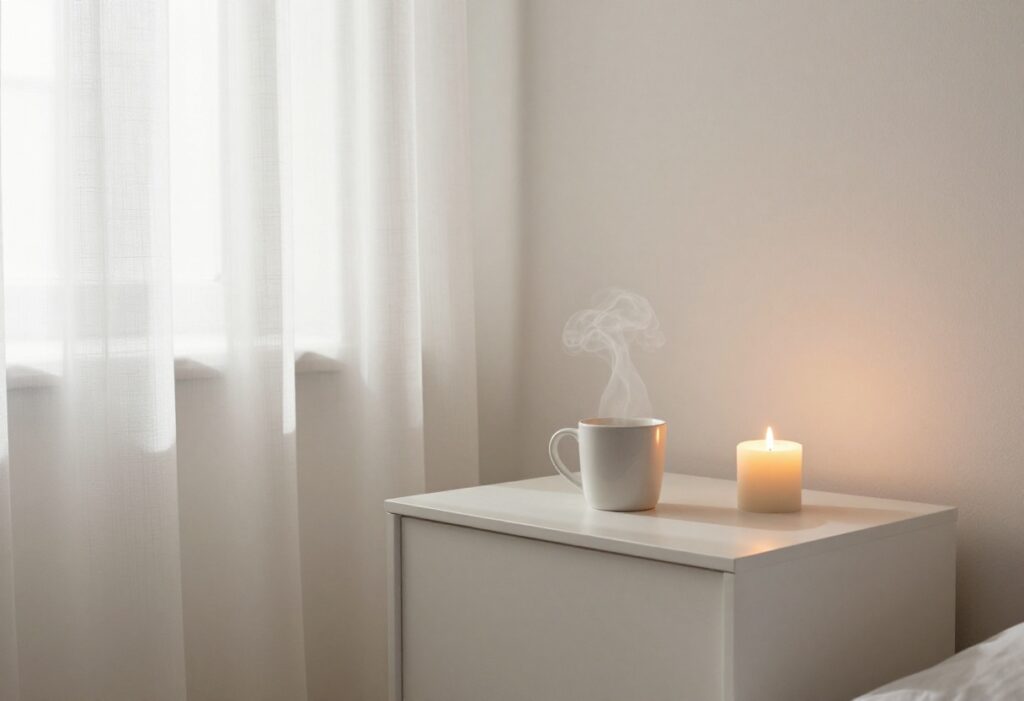
A peaceful day doesn't happen by accident. It's built on small, intentional choices that ground you before the chaos creeps in. The good news?
You don't need a full spa day or a weekend retreat to feel centered. These 23 daily self-care checklist tips are designed to fit into your real life—whether you have five minutes or an hour. Some are quick resets, others are deeper practices, but all of them are simple enough to start today.
Think of this as your permission slip to prioritize yourself, even in small ways. Because peace isn't a luxury—it's a daily practice.
1. Start Your Morning with Intention, Not Urgency

Most mornings begin with a jolt—the alarm, the phone, the rush. But a peaceful day starts the moment you open your eyes. By swapping urgency for intention, you reclaim the first few minutes for yourself.
Instead of grabbing your phone first thing, take three deep breaths or set a simple intention for the day. This shifts your mindset from reactive to purposeful.
Breathe Before You Scroll
Before checking emails or social media, pause. Inhale deeply for four counts, hold for four, exhale for four. Even one cycle resets your nervous system and signals calm.
Set One Daily Intention
Pick a single word or phrase to guide your day—like "patience, " "focus, " or "I am enough. " Whisper it to yourself or write it on a sticky note. It’s a small anchor that keeps you centered.
Stretch While The Coffee Brews
Use those two minutes to stretch your neck, shoulders, and spine. Gentle movement wakes up your body without the shock of a full workout. Your joints will thank you.
2. Hydrate Before Caffeine
That first cup of coffee feels like a lifeline, but your body actually needs water more urgently after a night of fasting. Drinking a full glass of water before any caffeine sets you up for steady energy instead of a jittery spike.
Why Water First Matters
Sleep dehydrates you—you lose fluids through breathing and sweating. Rehydrating first thing helps your brain function, improves mood, and reduces the chance of a caffeine crash later.
How To Make It Stick
Keep a glass or water bottle next to your bed or coffee maker. Drink it while your coffee brews. If plain water bores you, add a squeeze of lemon or a pinch of salt for electrolytes.
The Caffeine Timing Trick
Wait 15–20 minutes after water before your first sip of coffee or tea. This gives your body time to absorb the water and lets you enjoy caffeine without the dehydration side effect.
3. Make Your Bed
It's a tiny task, but making your bed each morning sets a productive tone for the day. That two-minute effort gives you an immediate sense of accomplishment and leaves your bedroom looking tidy and calm. When you walk past that neat bed later, it's a subtle reminder that you've already done something good for yourself.
This simple habit is often overlooked, but it's the foundation of a peaceful morning. By starting your day with one small win, you build momentum for other self-care actions. Plus, coming back to a made bed at night feels like a small gift to your future self.
Why It Works
Psychologists call it the "keystone habit. " When you make your bed, you're more likely to follow through with other healthy routines. It's a low-effort win that boosts your mood and sense of control.
Keep It Simple
No need for military corners or fancy pillows. Just pull up the duvet, smooth the sheets, and fluff the pillows. The goal is a tidy surface, not perfection.
Make It A Ritual
Pair bed-making with something pleasant—open the curtains, play a short song, or take three deep breaths. That turns a chore into a mindful moment.
4. Move Your Body Gently
Your body holds tension in ways you might not notice until you stop. A few minutes of gentle movement can release that tightness and reset your mind. You don't need a full workout—just enough to remind your muscles they're alive.
Stretch, walk, or do a few yoga poses for five to ten minutes. Gentle movement releases tension and boosts your mood without overwhelming your system.
Start With A Morning Stretch
Before you even get out of bed, take two minutes to stretch your arms overhead, roll your shoulders, and point your toes. This simple routine signals your body that it's safe to wake up slowly.
Take A Short Walk Outdoors
A five-minute walk around the block can do wonders. Fresh air and natural light help regulate your circadian rhythm and clear your head. No need to rush—just notice the sky, the breeze, and the ground beneath your feet.
Try One Yoga Flow
You don't need to be flexible. A single sun salutation or a few cat-cow stretches can loosen your spine and calm your nervous system. Follow a short video or just move intuitively for five minutes.
5. Eat a Nourishing Breakfast

Breakfast isn't just the first meal of the day—it's your body's first opportunity to refuel after a night of fasting. Skipping it or grabbing something sugary can leave you feeling sluggish and irritable by mid-morning. A nourishing breakfast sets the stage for stable energy, better focus, and a calmer mood throughout the day.
Think of breakfast as the foundation of your self-care routine. When you prioritize a balanced meal with protein, healthy fats, and fiber, you're not just feeding your body—you're giving your brain the steady fuel it needs to handle whatever comes your way. This simple act can prevent blood sugar spikes and crashes, reducing cravings and keeping your emotions more even.
Protein Power
Start with a solid source of protein like eggs, Greek yogurt, or a plant-based option such as tofu or lentils. Protein helps you feel full longer and supports muscle repair. Even a quick smoothie with protein powder works if you're short on time.
Healthy Fats For Brain Health
Add avocados, nuts, seeds, or a drizzle of olive oil to your breakfast. Healthy fats support brain function and help absorb vitamins. A handful of almonds or chia seeds in your oatmeal can make a big difference.
Fiber For Steady Energy
Include fiber-rich foods like oats, berries, or whole-grain toast. Fiber slows digestion, preventing rapid blood sugar spikes. It also keeps your gut happy, which is linked to better mood and reduced stress.
6. Practice Mindful Mornings
The way you start your morning often sets the tone for the rest of the day. Instead of diving straight into notifications and to-do lists, giving yourself a few quiet moments can make a world of difference. Mindful mornings don't require an elaborate routine—just a few minutes of intentional stillness.
Spend five minutes journaling, meditating, or simply sitting in silence. This quiet time sets a calm tone for the hours ahead.
Why Silence Works
Silence gives your brain a chance to wake up gradually. It reduces the cortisol spike that comes from immediate stimulation, helping you feel more centered and less reactive throughout the day.
Simple Ways To Start
Try lighting a candle, focusing on your breath, or writing down one thing you're grateful for. Even two minutes of stillness counts. The goal is consistency, not duration.
Tie It To An Existing Habit
Anchor your mindful moment to something you already do, like sipping your first sip of coffee or tea. This makes it easier to remember and turns it into a natural part of your morning.
7. Set Three Daily Priorities
A never-ending to-do list can feel like a weight on your chest. Instead of trying to do everything, pick just three things that truly matter today. This small shift helps you focus your energy where it counts.
When you limit your daily goals to three, you naturally prioritize what's most important. It's not about doing less—it's about doing what matters most. This practice reduces decision fatigue and gives you a clear sense of accomplishment at the end of the day.
Choose Your Three
Each morning, write down three tasks you want to complete. They can be work-related, personal, or a mix. The key is to make them specific and achievable.
For example, instead of "work on project, " try "finish the first draft of the report. "
Protect Your Priorities
Once you've set your three priorities, guard them. If something else comes up, ask yourself: is this more important than one of my three? If not, save it for another day.
This protects your time and keeps you from getting sidetracked.
Celebrate Completion
At the end of the day, take a moment to check off your three priorities. Even if you only finished two, acknowledge what you did accomplish. This builds momentum and reinforces the habit of intentional focus.
8. Take a Tech Break

Your phone, laptop, and TV keep your brain in a constant state of alert. Even when you're just scrolling, your eyes and mind are working overtime. A short tech break gives your nervous system a chance to reset without the ping of notifications.
Schedule a 10- to 15-minute break from screens every few hours. Use that time to stretch, breathe, or look out the window. Your eyes will thank you, and your brain will feel clearer.
Why It Works
Blue light and constant information overload fatigue your eyes and drain mental energy. Stepping away for even ten minutes lowers cortisol and helps you refocus.
How To Actually Do It
Set a timer on your phone or use an app that locks your screen. Walk to another room, do a few gentle stretches, or simply stare at a tree outside. No multitasking—just be.
Make It A Habit
Pair your tech break with something you already do, like after finishing a task or before a meal. Soon, it'll feel as natural as taking a sip of water.
9. Step Outside for Fresh Air
Stepping out the door can feel like the last thing you want to do when you're low on energy. But even a short walk around the block has a way of resetting your mood and sharpening your focus. Sunlight and nature are natural stress relievers—no meditation app required.
Fresh air does more than fill your lungs. It signals your brain to shift out of fight-or-flight mode. A five-minute break outside can lower cortisol, improve circulation, and give your eyes a rest from screens.
The key is to make it a non-negotiable part of your day, even when the weather isn't perfect.
Start With Five Minutes
You don't need an hour-long hike. Set a timer for five minutes and step onto your porch, balcony, or sidewalk. Breathe deeply and notice three things you see, two you hear, and one you feel.
That simple grounding exercise can break a stress spiral fast.
Let Sunlight Hit Your Skin
Morning sunlight is especially powerful. It helps regulate your circadian rhythm, boosts vitamin D, and improves sleep quality. Aim for 10–15 minutes without sunglasses if possible.
Even on cloudy days, outdoor light is significantly brighter than indoor lighting.
Turn It Into A Ritual
Pair your outdoor time with a small habit you already enjoy. Sip your morning coffee on the steps, listen to a short podcast during a walk, or stretch on the grass. When fresh air becomes part of a pleasant routine, you'll look forward to it rather than forcing yourself.
10. Practice Gratitude in the Moment
Gratitude doesn't have to be a formal practice. You can weave it into your day by simply pausing to notice something good. A warm cup of tea, a kind text, a sunny spot on the floor—these small moments are easy to overlook, but they hold more power than you think.
When you train your brain to seek out positivity, you naturally shift your mindset toward peace.
The key is to make gratitude a reflex, not a chore. You don't need a journal or a dedicated time slot. Just a few seconds of awareness can rewire your brain over time.
Here's how to start practicing gratitude in the moment, without adding anything to your to-do list.
Use Your Senses As Anchors
Pick one sense each day to focus on. Maybe it's the warmth of your coffee mug, the sound of rain, or the smell of fresh bread. When you notice it, take a breath and say to yourself, "This is good.
" That simple act trains your brain to register pleasure.
Turn Routine Into Ritual
Instead of rushing through your morning routine, pick one step to slow down. While brushing your teeth, feel the bristles and the minty taste. While walking to your car, notice the sky.
These tiny pauses turn ordinary moments into gratitude triggers.
Share The Spotting
When you notice something good, tell someone. A quick text like "This tea is perfect" or "The light in here is beautiful" spreads the positivity. Sharing amplifies the feeling and helps you remember the moment later.
11. Stay Hydrated Throughout the Day
Water is the simplest self-care tool you probably overlook. Even mild dehydration can leave you feeling sluggish, foggy-headed, or irritable. That glass of water isn't just about quenching thirst—it's a reset button for your whole system.
Make It Visible
Keep a reusable water bottle on your desk, kitchen counter, or nightstand. When it's in sight, you're more likely to sip without thinking. Bonus: add a few lemon slices or cucumber for a hint of flavor.
Set Gentle Reminders
If you often forget to drink, use a phone alarm or an app that pings you every hour. Not a fan of notifications? Pair hydration with a habit you already have—like taking a sip every time you check email or stand up.
Track Your Intake
A simple check: fill a 32-ounce bottle in the morning and aim to finish it by lunch. Refill for the afternoon. That gives you about 64 ounces without obsessing over numbers.
12. Eat Lunch Away from Your Desk

You might think eating while working saves time, but it actually drains your energy. When you multitask during meals, your brain never gets a break, and your digestion takes a hit. Giving yourself just 20 minutes to eat without screens or papers can transform your afternoon.
Think of this as a mini-reset. Stepping away from your desk isn't lazy—it's strategic. You'll come back with clearer focus and a calmer mind, ready to tackle the rest of your day.
Why It Works
Your body needs to be in a relaxed state to digest food properly. When you're stressed or distracted, your nervous system stays in fight-or-flight mode, which slows digestion and can lead to bloating or discomfort. Eating away from your desk signals your body that it's safe to rest and digest.
How To Make It Happen
Set a recurring calendar reminder to step away. Find a different spot—a break room, a park bench, or even your car. Leave your phone behind or put it on silent.
Focus on the taste and texture of your food. You might be surprised how much more satisfying your lunch becomes.
What To Do Instead
Use that time to do something truly refreshing. Listen to a few minutes of music, take a short walk, or just sit quietly. The goal is to give your brain a break from work mode.
Even 10 minutes can make a difference.
13. Do One Thing Just for You
Somewhere between work, chores, and taking care of others, your own joy often gets pushed to the bottom of the list. But here's the thing: you don't need a grand gesture to feel valued. A single, small act done entirely for your own pleasure can shift your whole mood.
It's a reminder that your happiness matters, not because you earned it, but because you're human.
This tip is about reclaiming a few minutes for pure, guilt-free enjoyment. No productivity, no obligation—just you doing something that makes you smile. It could be reading a chapter of a book that's been sitting on your nightstand, listening to a favorite song on repeat, or doodling in the margins of a notebook.
The activity itself doesn't matter; what matters is that you chose it for yourself.
Start Small And Specific
Pick one tiny thing you genuinely enjoy and schedule it. Not 'read more'—that's vague. Instead, decide: 'I'll read one chapter of my novel after dinner. ' Or 'I'll listen to that new album while I make my morning coffee. ' The more specific, the easier it is to actually follow through.
No Guilt Allowed
It's common to feel selfish for taking time just for you. Push back against that thought. Remind yourself that this small act refuels you, making you more present and patient for others.
Think of it as maintenance, not indulgence. You wouldn't feel guilty for charging your phone—don't feel guilty for recharging yourself.
Make It A Ritual
Turn this one thing into a daily anchor. Maybe it's five minutes with a crossword puzzle before bed, or a favorite song while you stretch in the morning. When it becomes a habit, it stops feeling like an extra task and starts feeling like a non-negotiable part of your day—a little pocket of peace that's just yours.
14. Declutter for Five Minutes
A messy space can quietly weigh on your mind, even if you don't notice it. The good news is you don't need hours to fix it. Just five minutes of focused tidying can shift your mood and clear your head.
Start Small
Pick one tiny area—like your desk, a drawer, or your nightstand. Set a timer for five minutes and clear only that spot. No cheating by moving clutter to another pile.
The goal is a visible win, not a full house makeover.
One In, One Out
As you tidy, practice a simple rule: for every item you keep, remove one that doesn't belong. This keeps your space from getting cluttered again and makes the habit sustainable.
Enjoy The Result
After your five minutes, step back and appreciate the clean area. Notice how it feels. That sense of order often sparks motivation to tackle other small tasks, but even if it doesn't, you've already given yourself a mental reset.
15. Connect with Someone You Care About
Life gets busy, and it's easy to let days slip by without a real conversation. But connection is a core human need, and even a small moment of shared laughter or understanding can lift your mood instantly. Making time for someone you care about is a simple yet powerful act of self-care.
Social connection doesn't have to be a big event. A quick text, a short call, or a shared meme can remind you that you're not alone. This sense of belonging boosts happiness and reduces stress, making your day feel lighter and more meaningful.
Send A Thoughtful Message
It doesn't have to be long. A simple "Thinking of you" or a funny observation can brighten someone's day and yours. Keep it genuine and low-pressure.
Schedule A Quick Call
A five-minute phone call can feel more connected than a dozen texts. Hearing a loved one's voice releases oxytocin, the bonding hormone, which naturally calms your nervous system.
Share A Laugh Together
Laughter is contagious and healing. Send a funny video, recall an inside joke, or watch a short comedy clip together over video chat. Shared laughter strengthens bonds and lightens your mood.
16. Practice Deep Breathing

When your mind is racing or stress levels spike, your breath is the fastest tool to bring you back to calm. Deep breathing isn't just a cliché—it directly signals your nervous system to shift from fight-or-flight to rest-and-digest. A minute of intentional breathing can reset your entire mood.
Deep breathing is a portable, free, and instant stress reliever. The 4-4-4 technique (inhale for four counts, hold for four, exhale for four) is a simple way to activate your parasympathetic nervous system. Try it during a work break, before a difficult conversation, or right before bed.
It's a small habit that delivers big calm.
Why It Works
Slow, deep breathing increases oxygen flow, lowers heart rate, and reduces cortisol levels. It interrupts the stress cycle and gives your brain a chance to reset. The 4-4-4 rhythm is especially effective because it forces you to focus on counting, which distracts from anxious thoughts.
When To Use It
You can practice deep breathing anytime, but it's most powerful in moments of tension. Use it when you feel overwhelmed at work, stuck in traffic, or before a stressful event. Even a single round can make a difference.
For a quick reset, try it during a commercial break or while waiting for your coffee to brew.
Make It A Habit
Pair deep breathing with an existing routine, like after brushing your teeth or before checking your phone. Set a gentle reminder on your phone or use a breathing app. Over time, it becomes a natural response to stress, helping you stay peaceful throughout the day.
17. Stretch Your Body Midday
By midday, your body has likely been folded over a screen or slumped in a chair for hours. That tension builds quietly—tight shoulders, stiff neck, achy hips. A few minutes of intentional stretching can reset your posture and your mood, without needing to change clothes or leave your desk.
Shoulder Rolls And Neck Releases
Start by rolling your shoulders up, back, and down in slow circles—five times each direction. Then gently drop your ear toward one shoulder, holding for three breaths. Repeat on the other side.
This simple sequence releases the hunch that creeps in during focused work.
Seated Hip Openers
While still sitting, cross one ankle over the opposite knee, keeping your spine tall. Hold for five slow breaths, feeling the stretch in your outer hip and glute. Switch sides.
This counteracts the tightness from prolonged sitting and improves circulation.
Standing Forward Fold
Stand up, hinge at your hips, and let your head and arms hang heavy toward the floor. Bend your knees slightly if needed. Stay for five deep breaths.
This inversion calms the nervous system and stretches the entire back body—a quick reset for both body and mind.
18. Listen to Music That Lifts You
Music has a direct line to your emotions. A single song can turn a heavy mood into a lighter one or give you a burst of energy when you're dragging. That's why curating a personal playlist is such a powerful self-care tool.
Creating a playlist of songs that make you feel happy or relaxed is a simple act that can shift your mood in seconds. Music is a fast, portable way to reset your emotional state, whether you're commuting, working, or winding down.
Choose Your Vibe
Think about what you need right now. Do you want to feel energized, calm, or nostalgic? Pick songs that match that feeling.
For example, upbeat pop or dance tracks can boost your mood, while acoustic or classical pieces can help you relax.
Build A Go-to Playlist
Don't overthink it. Add 10-15 songs that you know lift your spirits. Keep this playlist handy on your phone or music app.
When you feel stress creeping in, just hit play and let the music do the work.
Make It A Ritual
Use your playlist at the same time each day, like during your morning routine or right before bed. Pairing music with a habit makes it easier to remember and more effective over time.
19. Say No Without Guilt

You can't pour from an empty cup, and yet so many of us say yes until we're bone dry. Every time you agree to something that drains you, you're saying no to your own peace. Protecting your energy isn't selfish—it's survival.
A polite 'no' is an act of self-respect, not rejection. Once you realize that your time and mental space are finite, declining becomes easier. Start small: say no to one thing today that you'd normally accept out of obligation.
Why Saying No Is Self-care
Every yes costs you something—time, energy, or focus. When you say yes to what drains you, you're stealing from your own well-being. Saying no preserves your resources for what truly matters.
It's a boundary that says, 'I value myself enough to choose wisely. '
How To Say No Politely
You don't need a long excuse. A simple 'I can't commit to that right now' or 'That doesn't work for me' is enough. If you feel pressure, add a warm but firm tone.
Practice in the mirror if it helps. Over time, it gets easier.
Dealing With The Guilt
Guilt often shows up because we're conditioned to please others. Remind yourself that your needs matter too. Each time you say no without guilt, you're retraining your brain to prioritize self-respect.
The discomfort fades with practice.
20. Wind Down with a Ritual
The hour before bed sets the tone for your sleep quality and your next morning. A wind-down ritual signals your brain that it's time to shift from doing to being. It doesn't have to be elaborate—just consistent.
An hour before bed, dim the lights, put away screens, and do something calming like reading or taking a warm bath. This simple routine helps lower cortisol and prepares your body for rest.
Dim The Lights
Bright light tricks your brain into thinking it's still daytime. Start dimming lights 30–60 minutes before bed. Use lamps or candles instead of overhead lights to create a cozy, sleepy atmosphere.
Put Screens Away
Blue light from phones, tablets, and laptops suppresses melatonin. Set a digital curfew—no screens for at least 30 minutes before bed. Swap scrolling for a book, journaling, or gentle stretching.
Choose A Calming Activity
Pick one soothing activity to do each night. It could be reading a few pages of a fiction book, taking a warm bath with Epsom salts, or sipping herbal tea while listening to soft music. Repetition builds the habit.
21. Reflect on Your Day
Evenings are a natural time to pause and look back. Instead of scrolling through your phone or rehashing everything that went wrong, try a simple reflection practice. It takes just a few minutes but can shift your perspective and help you grow.
Reflection doesn't need to be complicated. Grab a notebook or open a notes app. Ask yourself two questions: What went well today? and What did I learn?
The first question trains your brain to notice the good, even on tough days. The second turns everyday experiences into lessons. Over time, this builds a habit of gratitude and self-awareness that makes each day feel more meaningful.
Keep It Simple
You don't need a long journal entry. One sentence for each question is enough. The key is consistency, not length.
Pick a time—right before bed or during your wind-down routine—and stick with it.
Focus On The Positive
It's easy to dwell on mistakes. But the 'what went well' part forces you to find a bright spot. It could be as small as a good cup of coffee or a kind text from a friend.
Over time, you'll start noticing more positives throughout the day.
Learn Without Judgment
The 'what did you learn' question isn't about criticism. It's about curiosity. Maybe you learned that you need more breaks, or that a certain conversation taught you patience.
Frame it as insight, not failure.
22. Prepare for Tomorrow
Evenings can feel like a race to get everything done before you crash. But taking just ten minutes to prep for the next day can transform your morning from frantic to calm. It's a small investment that pays off in peace.
Lay Out Your Clothes
Pick your outfit the night before, including accessories and shoes. This eliminates decision fatigue and saves precious time when you're groggy. You'll step into the day already dressed for success.
Pack Your Bag
Whether it's a work bag, gym bag, or diaper bag, get it ready. Charge devices, refill water bottles, and add any items you'll need. In the morning, you can just grab and go.
Jot Down Tomorrow's Priorities
Write down the top three things you want to accomplish. Keep it simple and realistic. When you wake up, you'll know exactly where to focus your energy without scrambling.
23. Go to Bed at a Consistent Time

Sleep is the foundation of everything. When you're well-rested, your mood is better, your patience is higher, and your body feels stronger. But it's not just about the number of hours—it's about when you sleep.
Going to bed at the same time every night trains your internal clock to expect rest. This makes falling asleep easier and waking up more natural. Aim for seven to nine hours, and stick to your schedule even on weekends.
Your body will thank you.
Why Consistency Matters
Your body's circadian rhythm thrives on routine. When you go to bed at the same time, your brain starts releasing melatonin in anticipation. This means less tossing and turning, and more deep, restorative sleep.
How To Build The Habit
Start by picking a bedtime that allows for enough sleep. Then, set a nightly alarm as a reminder to wind down. Create a relaxing pre-bed routine—like reading or gentle stretching—to signal to your body that it's time to sleep.
FAQ
How long should a daily self-care routine take?
It can be as short as five minutes or as long as an hour. The key is consistency, not duration. Pick a few tips that fit your schedule and make them habits.
Can I do all 23 tips every day?
Probably not, and that's okay. Choose the ones that resonate most with you and rotate them. The goal is to feel peaceful, not overwhelmed.
What if I miss a day?
Don't stress. Self-care is about progress, not perfection. Just pick up where you left off the next day without guilt.
Are these tips suitable for busy parents?
Absolutely. Many tips take just a few minutes and can be done alongside your daily tasks. Even one mindful breath counts.
How do I remember to do these self-care activities?
Start small. Attach a new habit to an existing one, like drinking water after brushing your teeth. Use reminders on your phone or a sticky note.
Conclusion
You don't need to master all 23 tips at once. Pick just two or three that feel doable today—maybe a morning stretch or a tech-free hour before bed.
Small, consistent actions build a peaceful rhythm over time. Start where you are, and let each tiny habit remind you that calm is always within reach.