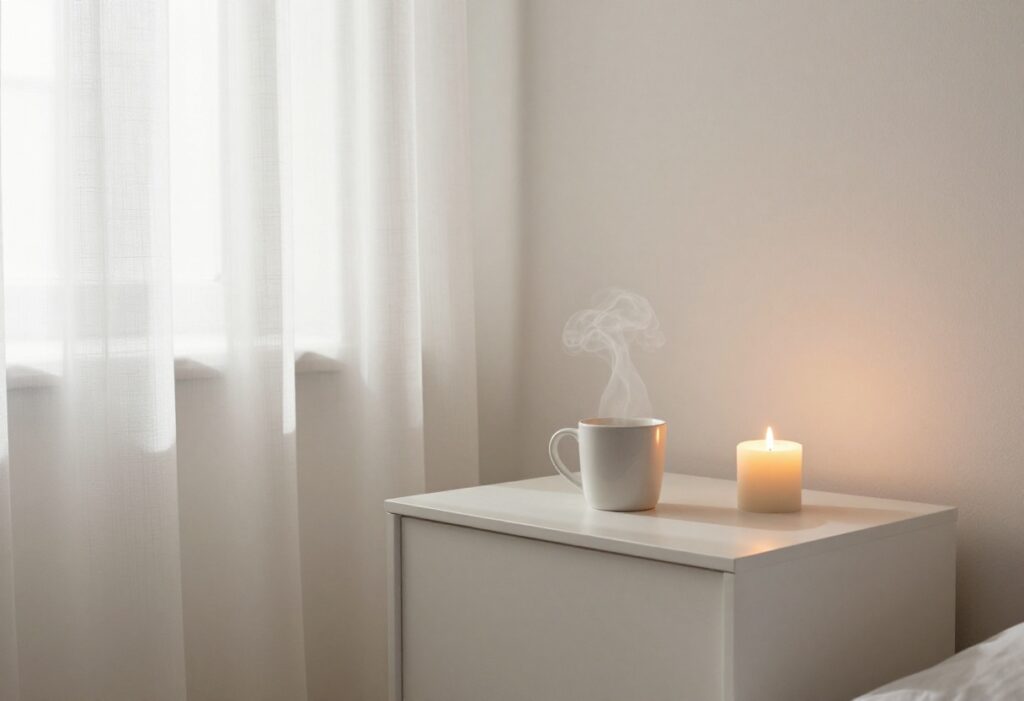
A soft reset doesn't require a full day at the spa or a complicated routine. It's about weaving small, gentle habits into your day that help you feel grounded without adding pressure.
These 15 daily self-care checklist ideas are designed to be simple, budget-friendly, and easy to stick with—even on your busiest mornings. Each one takes just a few minutes but can shift your entire mindset.
Pick one or two to start, and let the calm build naturally from there.
1. Start with a Glass of Water Before Anything Else

Before you reach for your phone or that first cup of coffee, drink a full glass of water. It sounds almost too simple, but it's one of the most effective ways to signal to your body that the day has started. Hydration first thing in the morning helps wake up your organs, boost your metabolism, and rehydrate you after a night's sleep.
Keep a glass of water on your nightstand so you can drink it right when you wake up. No scrolling, no sipping coffee—just water. This small act sets a calm, intentional tone for the rest of your morning and helps you feel more alert without needing caffeine right away.
Why Water First Works
Your body loses water while you sleep, so you wake up mildly dehydrated. Drinking water first thing helps replenish fluids, kickstarts your metabolism, and can even improve mental clarity. It's a zero-effort way to support your brain and body from the moment you open your eyes.
How To Make It A Habit
Place a glass or reusable water bottle on your nightstand every night before bed. If plain water feels boring, add a squeeze of lemon or a pinch of salt for electrolytes. The key is to make it the very first thing you do—before your feet hit the floor.
2. Make Your Bed Within Five Minutes of Getting Up
There's something quietly powerful about starting your day with a finished task. Making your bed takes less than two minutes, yet it instantly transforms your bedroom from a cluttered cave into a calm sanctuary. This small act signals to your brain that order matters and that you're ready to take on the day.
This tiny win sets a productive tone. It takes less than two minutes and instantly makes your space feel calmer.
Why It Works
Psychologists call this the "completion effect"—finishing a simple task releases a small dose of dopamine, the feel-good neurotransmitter. That boost carries over into your next activity, making you more likely to stick with other self-care habits.
How To Make It Stick
Keep your bedding simple. A duvet and a couple of pillows are easier to manage than a dozen decorative cushions. Set a timer if you need to, but most people find that once they start, the habit becomes automatic within a week.
What If You're Rushing?
Even pulling the duvet up and smoothing the pillow counts. The goal isn't perfection—it's the intentional act of tidying your space before you leave it. A half-made bed still feels better than an unmade one.
3. Stretch for Exactly 60 Seconds

You don't need a yoga class or a mat to loosen up. A single minute of stretching can release tension you didn't realize you were holding. It's a quick reset for both your body and mind.
Set a timer for 60 seconds and focus on one area: your neck, shoulders, or lower back. A simple neck roll or forward fold can improve circulation and shake off stiffness. This tiny break helps you feel more present and less frazzled.
Why 60 Seconds Works
It's short enough to fit anywhere—between meetings, after waking up, or before bed. You're more likely to do it consistently when it feels like a micro-habit, not a commitment.
Easy Moves To Try
Neck rolls: drop your chin, slowly circle to one side. Shoulder shrugs: lift toward your ears, hold, release. Forward fold: hinge at your hips, let your head hang heavy.
When To Do It
First thing in the morning to wake up gently, after sitting for a long time, or whenever you feel your shoulders creeping up. Pair it with deep breaths for extra calm.
4. Write Down One Thing You're Looking Forward To
It's easy to get stuck in the grind of tasks and obligations. But your brain needs a little spark of anticipation to keep things light. By naming just one thing you're excited about—no matter how small—you shift your focus from what you have to do to what you get to do.
This isn't about grand life goals. It's about spotting the tiny bright spots in your day and giving them a moment of attention. A simple sentence can change your whole mood.
Keep It Small And Specific
The magic is in the details. Instead of "I'm looking forward to the weekend, " try "I'm looking forward to my afternoon iced coffee" or "I'm looking forward to the walk home when I can listen to my new playlist. " Specificity makes the anticipation feel real and immediate.
Make It A Morning Ritual
Write it down before you check your phone or open your laptop. Use a sticky note on your mirror, a notebook by your bed, or a note on your phone. The act of writing—not just thinking—helps your brain register the positive moment.
Let It Evolve Throughout The Day
You don't have to stick with your morning answer. Maybe you discover something new at lunch or a friend texts you with good news. Update your one thing as the day goes on.
The goal is to keep your mind anchored to something pleasant, not to be rigid.
5. Step Outside for Two Minutes of Fresh Air
Even if it's just standing on your doorstep. Deep breaths and natural light reset your nervous system fast. This isn't about a full walk or exercise—it's a quick sensory reset that takes almost no time but can break a stress loop instantly.
Stepping outside for just two minutes can lower cortisol and improve mood. The combination of fresh air, natural light, and a change of scenery signals your brain that it's safe to relax. No phone, no agenda—just breathe and notice the sky, a tree, or the breeze.
Why Two Minutes Works
Research shows that brief exposure to nature reduces mental fatigue and boosts focus. Two minutes is long enough to shift your state but short enough to fit into any schedule. It's a micro-dose of calm that's surprisingly effective.
Make It A Habit
Pair this with an existing routine, like after you pour your morning coffee or before you start work. Keep your shoes by the door as a visual cue. Soon, stepping out becomes an automatic pause button for your day.
What To Do Outside
No need for a plan. Just stand, breathe deeply, and look around. Notice the temperature, any sounds, or the light.
If you can, take off your shoes and feel the ground. That sensory input deepens the reset.
6. Declutter One Small Surface

Visual noise is sneaky. A cluttered nightstand or countertop can keep your brain in a low-grade stress state without you realizing it. The fix isn't a full-house clean—just pick one small surface and clear it off.
This isn't about organizing an entire room. It's about giving your eyes a single spot of calm. Five minutes, one surface, and you'll feel a tiny mental lift that lasts all day.
Choose a surface that you see often—your nightstand, a corner of your desk, or a kitchen counter. Remove everything that doesn't belong there. Wipe it down.
Put back only the essentials or one decorative item. That's it. The goal is a clear visual landing pad for your eyes, not a Pinterest-worthy display.
Why One Surface Works
A small win builds momentum. When you clear one surface, you get a quick sense of accomplishment without feeling overwhelmed. Plus, that tidy spot becomes a visual anchor for calm throughout your day.
Where To Start
Pick the surface that bothers you most. Maybe it's the nightstand piled with books and glasses, or the kitchen counter covered in mail. Starting with the most annoying spot gives you the biggest relief for the least effort.
Keep It Simple
Don't overthink it. Grab a basket or a tray if you need a temporary home for items you aren't ready to toss. The point is to clear the surface, not to solve your storage problems forever.
7. Do a Five-Minute Digital Detox
Your phone buzzes, dings, and glows at you all day long. That constant connection can leave your brain feeling fried, even if you're not consciously stressed. A five-minute digital detox gives your mind a chance to reset without any big commitment.
Set a timer, put your phone on silent, and step away from all screens. Use those few minutes to sit quietly, sip a warm drink, or simply stare out the window. It's a tiny pause that can lower your stress and help you refocus.
Why It Works
Your brain wasn't designed to process nonstop notifications. Even five minutes of screen-free time lowers cortisol and gives your eyes a break. It's like a mini meditation, but without the pressure to "clear your mind.
"
How To Do It
Pick a time when you'd normally reach for your phone—like right after waking up or during a work break. Silence notifications, place your phone face down, and set a timer for five minutes. Sit somewhere comfortable and just be.
What To Do Instead
You don't have to meditate. Try sipping herbal tea, stretching your neck and shoulders, or listening to the sounds around you. Even closing your eyes and taking five slow breaths counts.
The goal is simply to disconnect from digital noise.
8. Eat One Meal Without Distractions

Grabbing lunch while scrolling through emails or watching a show might feel efficient, but it actually robs you of a chance to reset. When you eat without your phone, TV, or laptop, you give your brain a break from constant input. This simple shift turns a routine meal into a mini mindfulness practice that can leave you feeling more centered and satisfied.
Eating without distractions helps you tune into your body's hunger and fullness cues, which can prevent overeating and improve digestion. It also gives your mind a rare moment of quiet—a soft reset in the middle of a busy day. Start with just one meal, maybe breakfast or lunch, and notice how the experience changes.
Why It Works
When you're focused on your food, your brain sends better signals to your digestive system, helping it work more efficiently. Plus, you're more likely to taste and enjoy each bite, which can make a simple meal feel more nourishing.
How To Start
Pick a meal where you can sit down without your devices. Put your phone in another room or turn it face down. Take a few deep breaths before you begin, and try to notice the colors, smells, and textures of your food.
Eat slowly and put your fork down between bites.
What To Expect
At first, it might feel awkward or boring. That's normal. Stick with it for a few days, and you'll likely notice you feel fuller with less food, and more relaxed after eating.
It's a small habit that can make a big difference in how you relate to food and to yourself.
9. Move Your Body in a Way That Feels Good
Exercise doesn't have to mean a punishing workout. The best movement for a soft reset is the kind that makes you smile, not sweat. When you focus on enjoyment, you're more likely to do it again tomorrow.
A short walk, gentle dance, or few yoga poses. The goal is enjoyment, not intensity.
Start Small
You don't need an hour at the gym. Five minutes of stretching in your living room counts. Even a lap around the block can shift your mood.
Pick What Feels Fun
Dance to one song you love. Try a beginner yoga video. Walk without a destination.
The activity matters less than the feeling.
Let Go Of Goals
This isn't about burning calories or hitting steps. It's about reconnecting with your body in a gentle way. No pressure, no judgment.
10. Listen to a Song That Lifts Your Mood

Sometimes you just need a quick mood reset, and music is one of the fastest ways to get there. A single upbeat song can shift your energy, quiet your mind, and bring a smile back to your face. This isn't about curating a massive library—just a handful of tracks that reliably lift your spirits.
Create a go-to playlist of three upbeat songs. Music shifts your energy faster than most other tools.
Pick Your Power Tracks
Choose songs that instantly make you feel lighter or more energized. They don't have to be current hits—whatever works for you. Aim for three songs that you can turn to anytime you need a boost.
Make It Easy To Play
Save your playlist to your phone's home screen or set it as a quick shortcut. The fewer steps between you and the music, the more likely you'll use it when you're feeling low.
Use It Intentionally
When you notice your mood dipping, pause and put on one song. Listen without multitasking—close your eyes if you want. Let the melody and rhythm do their work.
After the song ends, check in with how you feel.
11. Write Down Three Things You're Grateful For
Gratitude is like a mental reset button. When you pause to notice the small good things, your brain starts scanning for more positives. This simple practice can shift your entire perspective in under two minutes.
No need for deep philosophical reflections. Just jot down whatever comes to mind—a warm blanket, a kind text, good weather. The act of writing solidifies the feeling.
Keep it simple: a warm blanket, a kind text, good weather. Gratitude rewires your brain for contentment.
Why Three Works
Three is enough to create a pattern without feeling burdensome. It's small enough to do every day, even when you're tired or grumpy. Over time, this tiny habit trains your mind to spot the good stuff automatically.
Make It A Ritual
Pair your gratitude list with an existing habit—like sipping your morning coffee or brushing your teeth. Keep a small notebook by your bed or use a notes app. Consistency matters more than length.
Mix It Up
Challenge yourself to notice different things each day. One day focus on people, the next on sensory pleasures, then on accomplishments. Variety keeps the practice fresh and expands your gratitude muscle.
12. Do a Quick Skin or Hair Ritual
Sometimes the fastest way to reset is through your senses. A quick skin or hair ritual can be a grounding moment that brings you back to yourself. It doesn't need to be elaborate—just a few intentional movements can make a difference.
Think of it as a mini sensory check-in. The feel of cold water, the scent of your lotion, the rhythm of brushing your hair—these small actions signal to your brain that you're taking care of yourself. It's a gentle way to shift from autopilot to presence.
Pick one small ritual that feels good. Splash cold water on your face to wake up your skin and tighten pores. Or take 30 seconds to massage lotion into your hands and arms, focusing on the sensation.
If you have a few more minutes, brush your hair slowly from root to tip, noticing the texture and the gentle pull. These simple acts can lower stress and create a moment of calm.
Cold Water Splash
Cold water isn't just for waking up—it can reduce puffiness and improve circulation. After washing your face, splash cold water 5-7 times. Pat dry gently and notice the refreshed feeling.
It's a quick way to signal a new beginning.
Mindful Lotion Application
Instead of rushing through moisturizer, take a few extra seconds. Warm the lotion between your palms, then apply slowly, massaging each finger and knuckle. Breathe deeply as you do it.
This turns a mundane step into a self-care moment.
Slow Hair Brushing
Brushing your hair can be meditative. Use a soft-bristle brush and start at the ends, working your way up. Focus on the sensation on your scalp.
Count 50 strokes if you like, or just brush until you feel more relaxed. It's a simple way to release tension.
13. Tidy Up for Five Minutes Before Bed

A cluttered space can weigh on your mind more than you realize. Spending just five minutes tidying before bed clears the visual noise and helps you unwind. It's a small act of kindness for your future self, who gets to wake up to a calm, orderly room.
Set a timer for five minutes and focus on one area: the living room, kitchen counter, or your bedside table. Put away stray items, fluff pillows, or wipe down surfaces. The goal isn't deep cleaning—it's resetting the space so you can start tomorrow with a clean slate.
Why Five Minutes Works
Five minutes is short enough to feel doable even when you're tired, but long enough to make a visible difference. It removes the mental burden of a messy room and signals to your brain that the day is over.
Focus On High-impact Spots
Target areas you see first in the morning: the kitchen sink, your nightstand, or the living room couch. Clearing these hot spots creates an instant sense of order and makes your morning routine smoother.
Make It A Wind-down Ritual
Pair your tidy-up with a calming activity like playing soft music or lighting a candle. Over time, this five-minute reset becomes a cue for your body to relax and prepare for sleep.
14. Read a Few Pages of a Non-Work Book
Reading for pleasure is one of the simplest ways to signal your brain that it's time to shift gears. Even a few pages can lower stress and improve focus. It's a mini escape that doesn't require a big time commitment.
Fiction, poetry, or a magazine—anything that's not work-related works. The key is to choose something that genuinely interests you, not what you think you should read. Let yourself get lost in a story or a beautiful turn of phrase for ten minutes.
Your mind will thank you.
Why It Works
Reading reduces cortisol levels and increases connectivity in the brain. It's a proven stress reliever that also boosts empathy and creativity. Plus, it's a screen-free activity that helps your eyes and mind relax.
What To Read
Keep a book on your nightstand or coffee table. Short story collections, poetry, or a magazine work well because you can dip in and out. Choose something light and enjoyable—save the heavy nonfiction for another time.
How To Make It A Habit
Set a timer for five or ten minutes. Read first thing in the morning or right before bed. Pair it with a warm drink or a cozy blanket to make it feel like a ritual.
15. End the Day with a One-Sentence Journal Entry

Journaling can feel like a chore when you think you need to write paragraphs. A one-sentence entry removes that pressure entirely. It's a quick way to capture the essence of your day without spending more than a minute.
Before you close your eyes, grab a notebook or open a notes app. Write one sentence that sums up your day—how you felt, what stood out, or something you learned. That's it.
No need to overthink or edit.
Why One Sentence Works
A single sentence forces you to distill your day into its most important moment or feeling. This simplicity makes it easy to stick with long-term. Over time, you'll build a meaningful record of your life without the overwhelm.
Prompts To Get Started
Not sure what to write? Try: "Today I felt. . . " or "One thing I'll remember is. . .
" or "A small win today was. . . " These prompts keep it focused and low-effort.
When To Write
Right before bed is ideal, as it helps you release the day and settle your mind. Keep your journal on your nightstand so it's easy to grab. If you miss a night, no guilt—just pick up again tomorrow.
FAQ
How long should each self-care checklist item take?
Most items are designed to take under five minutes. The goal is to make self-care feel doable, not overwhelming.
Do I need to do all 15 items every day?
Not at all. Pick one or two that feel right for that day. The checklist is a menu, not a mandate.
Can I customize the checklist for my own needs?
Absolutely. Swap in activities that work for your lifestyle, budget, and energy levels.
What if I miss a day?
That's okay. Self-care isn't about perfection. Just start again the next day without guilt.
Is this checklist suitable for busy parents or workers?
Yes. Every item is designed to fit into a tight schedule. Many can be done in under two minutes.
Conclusion
A soft reset doesn't require a spa day or a weekend retreat. These small, intentional actions weave calm into your everyday life without demanding much time or money. Start with just one item today—maybe a glass of water or a quick stretch.
Notice how that single shift changes your mood.
Over time, these tiny checkpoints become second nature, helping you feel more grounded and less reactive. The best part? You're always just one small step away from a reset.