Stress doesn't vanish with a single spa day—it fades when you build small, intentional habits into your daily life. These 23 self-care lifestyle changes are designed to fit seamlessly into your routine, from the moment you wake up to the second your head hits the pillow.
No elaborate plans or expensive gear required. Each idea targets a specific stress point, offering a simple swap or a mindful pause that adds up to real calm.
Pick one that feels doable today, and let the ripple effect begin.
1. Start Your Morning Without Your Phone
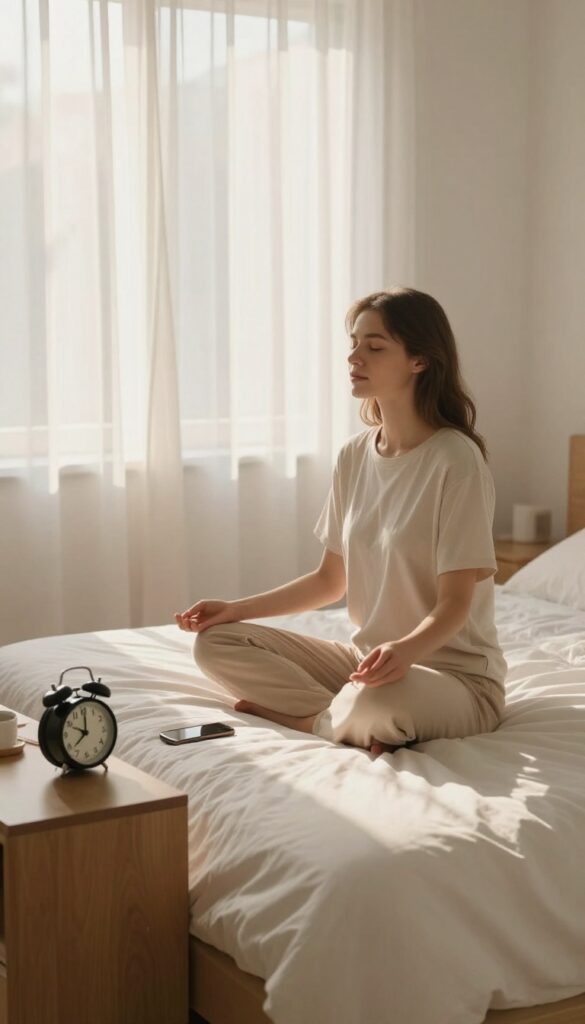
The first thing most of us do when the alarm goes off is reach for our phones. But that split-second decision can set your nervous system on edge before your feet even hit the floor. Emails, notifications, and news headlines flood your brain with cortisol, the stress hormone, and suddenly you're reacting to the world before you've had a moment to just exist.
Giving yourself just 15 minutes phone-free after waking can dramatically lower your stress baseline for the rest of the day. That small window lets your mind wake up naturally, without the pressure of other people's demands. It's a simple boundary that signals to your brain that your peace comes first.
Why The First 15 Minutes Matter
When you check your phone immediately, you're training your brain to expect urgency from the moment you open your eyes. This spikes cortisol and primes your body for fight-or-flight mode. Waiting just a quarter of an hour allows your stress hormones to stabilize naturally, so you can start your day from a place of calm rather than reaction.
What To Do Instead
Use that phone-free time for something grounding: stretch in bed, take three deep breaths, sip a glass of water, or simply stare out the window. The activity matters less than the intention. You're giving yourself permission to arrive in your own body before the digital world rushes in.
How To Make It Stick
Keep your phone across the room or in another room overnight. Use a traditional alarm clock if needed. The physical distance creates a natural pause.
After a week, you'll notice the difference—less morning dread, more clarity, and a quieter inner voice that isn't already scrolling through other people's lives.
2. Drink a Full Glass of Water First Thing
Before you reach for coffee or scroll through notifications, start your day with a full glass of water. Your body goes hours without hydration while you sleep, and even mild dehydration can trigger stress hormones and foggy thinking. This simple habit rehydrates your cells, wakes up your metabolism, and sets a calm, intentional tone for the morning.
Water first thing does more than quench thirst—it directly lowers cortisol levels and improves your brain's ability to handle pressure. Keep a glass or reusable bottle on your nightstand so you can drink it before your feet hit the floor. If plain water feels boring, add a squeeze of lemon or a pinch of sea salt for electrolytes and a gentle energy boost.
Why It Works
Dehydration puts your body in a low-grade stress state, raising cortisol and making you more reactive. Rehydrating first thing helps your nervous system reset, improves focus, and gives you a clearer head to tackle the day.
How To Make It Stick
Prep the night before: fill a glass or bottle and place it where you'll see it immediately. Pair it with another habit, like brushing your teeth, so it becomes automatic. Start with 8 ounces and work up to 16 if you can.
3. Set a Non-Negotiable Bedtime
Sleep is the foundation of stress management, yet it's often the first thing we sacrifice. A consistent bedtime isn't just about getting enough hours—it trains your brain to wind down naturally, making deep rest a habit rather than a struggle. When your sleep schedule is erratic, your stress hormone cortisol stays elevated, keeping you on edge even when you're lying in bed.
Pick a bedtime that allows for 7–9 hours of sleep and stick to it every night, including weekends. This consistency strengthens your circadian rhythm, so falling asleep becomes easier and your sleep quality improves. Over time, you'll notice lower anxiety levels and more energy during the day.
Create A Wind-down Ritual
An hour before bed, dim the lights and put away screens. Try reading, gentle stretching, or a warm bath. This signals your body that it's time to shift into rest mode, making your bedtime feel natural rather than forced.
Protect Your Sleep Schedule
Treat your bedtime like an important appointment. Say no to late-night tasks or social plans that push it back. If you do stay up late occasionally, get back on track the next night instead of trying to 'catch up' with naps that disrupt your rhythm.
4. Take a 10-Minute Walk Outdoors
When stress tightens its grip, the simplest fix is often right outside your door. A ten-minute walk in a natural setting does more than stretch your legs—it actively lowers cortisol and blood pressure. The combination of gentle movement and fresh air shifts your brain into a calmer state, making problems feel smaller and more manageable.
Stepping away from screens and indoor air resets your nervous system in ways that feel almost instant. The key is consistency: a short daily walk beats a long, sporadic one every time.
Why 10 Minutes Works
Research shows that even a brief walk in green space reduces stress markers significantly. You don't need an hour at the gym—just ten minutes of steady walking outdoors triggers relaxation responses. The natural light also helps regulate your sleep-wake cycle, which further lowers stress over time.
Make It A Daily Habit
Pick a consistent time—right after lunch, when you finish work, or before dinner. Keep a pair of comfortable shoes by the door. If weather is an issue, a covered porch or a nearby park with trees still counts.
The goal is to make it automatic so you don't have to decide each day.
Maximize The Calm
Leave your phone behind or put it on silent. Focus on your surroundings: the sound of birds, the feel of the breeze, the colors of leaves. Deep breathing as you walk amplifies the stress relief.
Even a short route can become a mini mental vacation.
5. Practice Deep Breathing for 2 Minutes

When stress hits, your breath is the fastest tool you have to hit the brakes. A simple two-minute breathing exercise can shift your body from fight-or-flight to rest-and-digest mode, lowering your heart rate and quieting your mind. You don't need a meditation cushion or a silent room.
Just a couple of minutes and a willingness to focus on your inhales and exhales. It's one of the most portable, free stress relievers you'll ever find.
Deep breathing works by stimulating the vagus nerve, which runs from your brainstem to your abdomen. This activates the parasympathetic nervous system—your body's natural calming mechanism. The result: lower cortisol, slower heartbeat, and a sense of ease that can last beyond the two minutes.
Try the 4-7-8 technique: inhale through your nose for 4 counts, hold for 7, exhale through your mouth for 8. Or box breathing: inhale 4, hold 4, exhale 4, hold 4. Both are backed by research and simple enough to do at your desk, in traffic, or before a tough conversation.
Why Two Minutes Works
You might wonder if two minutes is enough. Studies show that even brief controlled breathing can lower blood pressure and reduce anxiety markers. It's about quality, not quantity.
Two minutes of focused breathing is more effective than ten minutes of distracted effort.
How To Make It A Habit
Pair it with something you already do. Breathe deeply while waiting for your morning coffee to brew, or right after you brush your teeth at night. Use a gentle phone reminder or a sticky note on your monitor.
The goal is to catch yourself before stress escalates.
When To Use It
Deep breathing is perfect for those in-between moments: before a meeting, after a frustrating email, or when you're trying to fall asleep. It's also a great reset if you feel overwhelmed during a busy day. The more you practice, the quicker your body learns to respond.
6. Declutter One Small Area Daily
You don't need to Marie Kondo your entire home to feel the stress-relieving benefits of a tidy space. In fact, trying to declutter everything at once often backfires, leaving you more overwhelmed than before. The trick is to pick one tiny area each day—a single drawer, a countertop corner, or even just your nightstand—and give it five minutes of your attention.
This micro-habit works because it breaks a big chore into bite-sized wins. Each small decluttering session lowers the visual noise in your environment, which directly calms your nervous system. Plus, finishing a task gives you a quick hit of accomplishment that can carry you through the rest of the day with less stress.
Start by choosing one small zone that's been bugging you. Maybe it's the junk drawer in the kitchen, the pile of mail on the entryway table, or the shelf in your bathroom cabinet. Set a timer for five minutes and clear out anything that doesn't belong.
Don't aim for perfection—just reduce the clutter enough to notice a difference. Over time, these daily mini-sessions add up. You'll find yourself breathing easier in spaces that used to feel chaotic.
And because you're only committing to five minutes, there's no excuse to skip it. The sense of control you gain is a powerful antidote to the helplessness that stress often brings.
Start With High-traffic Zones
Focus on areas you see and use every day: the kitchen counter, your desk, or the bathroom vanity. Clearing these first gives you the biggest payoff in reduced stress because they're constant visual reminders of clutter. A tidy countertop when you walk into the kitchen sets a calm tone for your morning.
Use A Timer To Stay On Track
Five minutes is plenty. Set a timer on your phone and work until it rings. This prevents you from getting sucked into a deep clean or feeling like you need to organize everything perfectly.
The goal is progress, not perfection. When the timer goes off, stop and move on with your day.
Create A Simple Home For Each Item
As you declutter, ask yourself: does this item have a designated spot? If not, assign one. It doesn't have to be fancy—just a place where it lives when not in use.
This small step prevents future clutter from piling up and makes your daily tidy-up even faster.
7. Limit Social Media to 20 Minutes a Day
Scrolling through endless feeds is a sneaky stress trigger. Studies show that limiting social media to 20 minutes a day significantly reduces loneliness and depression. It's not about quitting cold turkey—it's about reclaiming your time and mental space.
The Comparison Trap
Social media is a highlight reel, not real life. Constant exposure to curated perfection fuels anxiety and inadequacy. By cutting your daily scroll, you stop measuring your behind-the-scenes against someone else's best moments.
Set A Timer, Not A Goal
It's easy to lose track of time on apps. Use your phone's built-in screen time feature or a simple kitchen timer. When the bell rings, close the app and do something else—stretch, read, or just breathe.
Replace The Habit
Instead of reaching for your phone during downtime, keep a book or a puzzle nearby. Swap passive scrolling for an activity that actually recharges you. Your brain will thank you for the break.
8. Eat One Meal Without Distractions

Mindful eating isn't about chewing slowly or counting bites. It's about giving your full attention to one meal a day—no phone, no TV, no laptop. This simple practice helps you reconnect with your body's hunger and fullness signals, which often get drowned out by the noise of daily life.
When you eat without distractions, you naturally eat less and enjoy your food more, reducing the stress that comes from mindless overeating or poor digestion.
Start with one meal—breakfast, lunch, or dinner—where you commit to zero screens and no multitasking. Sit at a table, take a few deep breaths before you begin, and notice the colors, smells, and textures of your food. Chew slowly and put your fork down between bites.
This isn't a diet; it's a reset for your relationship with food. Over time, you'll find yourself feeling more satisfied with smaller portions and less likely to reach for snacks out of boredom or stress.
Why It Works
When you eat while distracted, your brain barely registers the meal. You miss the subtle cues that say "I'm full" and end up eating more than you need. Mindful eating activates your parasympathetic nervous system, which helps digestion and lowers cortisol.
It also gives you a mental break—a few minutes of calm in a busy day.
How To Start Today
Pick the meal you're most likely to rush through—often lunch or a late dinner. Remove all distractions: put your phone in another room, turn off the TV, close your laptop. Set a timer for 20 minutes if you tend to eat fast.
Focus on the first five bites, then check in with your hunger level halfway through. That's it.
The Ripple Effect
Once you practice with one meal, you'll naturally start paying more attention at other meals too. You might notice you prefer certain foods when you actually taste them, or that you stop eating when you're comfortably full. This awareness reduces stress around food choices and helps you feel more in control of your eating habits.
9. Write Down Three Things You're Grateful For
Gratitude has a sneaky way of rewiring your brain. When you deliberately count what's good, your mind starts scanning for positives instead of dwelling on problems. The result?
Lower cortisol, better sleep, and a noticeably lighter mood.
This isn't about toxic positivity or ignoring real struggles. It's a simple practice to balance your perspective, especially on days when stress makes everything feel heavy.
Why Three Is The Magic Number
Research shows that listing three specific things—not a long, overwhelming list—creates a sustainable habit. Three forces you to be precise and genuine, which deepens the emotional impact.
Make It A Morning Or Evening Ritual
Attach your gratitude list to an existing routine, like brushing your teeth or waiting for your coffee to brew. Consistency matters more than timing. Even a few seconds can shift your mindset.
Go Beyond The Obvious
Instead of repeating “my family” every day, notice small pleasures: the warmth of sunlight, a good text from a friend, or the taste of your favorite tea. Fresh details keep the practice from feeling stale.
10. Move Your Body for 15 Minutes
You don't need a grueling workout to beat stress. Just 15 minutes of gentle movement—stretching, yoga, or even dancing around your living room—can shift your mood and release built-up tension. The key is to make it easy and enjoyable, so you actually look forward to it.
A short movement break breaks the stress cycle by releasing endorphins and lowering cortisol. It also gives your mind a reset, helping you return to tasks with clearer focus.
Choose What Feels Good
Forget punishing routines. Pick an activity that feels like a treat: a slow flow yoga sequence, a brisk walk around the block, or a few stretches at your desk. The goal is to move, not to perform.
Make It A Non-negotiable Pause
Schedule your 15 minutes like a meeting. Set a timer and commit to stepping away from screens and responsibilities. This small boundary protects your calm and reinforces the habit.
Let Go Of Perfection
Some days you'll have energy for a full stretch routine; other days, a gentle sway to music is enough. Consistency matters more than intensity. Even a few minutes of movement counts.
11. Say No to One Thing This Week
Every yes to something outside your priorities is a no to your own peace. Learning to decline without guilt is a skill that directly reduces stress and protects your time. This week, pick one request—work, social, or family—that drains more energy than it gives, and politely turn it down.
Saying no doesn't have to be harsh or awkward. A simple, honest refusal is often respected more than a reluctant yes. Start small: decline a low-stakes invitation or delegate a task you usually take on.
Notice how freeing it feels to guard your boundaries.
Start With Low-stakes Nos
Practice on small requests where the outcome doesn't matter much. Decline an optional meeting, skip a casual hangout, or say no to lending out your time for a non-urgent favor. Each small no builds your confidence.
Use A Graceful Script
Keep it simple and kind: 'Thank you for thinking of me, but I can't commit to that right now. ' No over-explaining. A short, clear response respects both you and the other person.
Notice The Relief
After you say no, pause and check in with yourself. Feel the lightness of not overloading your schedule. That relief is a signal that you're honoring your own needs—and that's a powerful stress reducer.
12. Create a Relaxing Evening Ritual
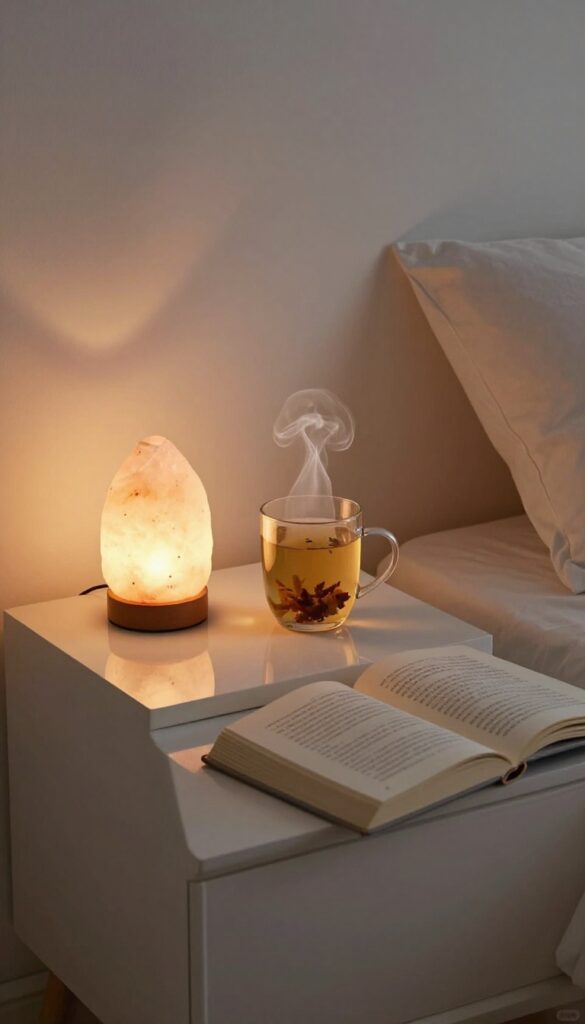
Your brain craves signals that the day is over. A consistent evening ritual tells your nervous system it's safe to power down, making it easier to fall asleep and stay asleep. The goal isn't perfection—just a few calming steps you repeat each night.
Dim the lights an hour before bed to boost melatonin production. Swap screens for a book or a podcast. Sip a cup of caffeine-free tea—chamomile or lavender work well.
This simple sequence trains your body to recognize bedtime and reduces the mental chatter that keeps you wired.
Set The Scene
Lower the lights, light a candle, or use a salt lamp. Soft lighting signals the brain to produce sleep hormones. Keep the bedroom cool and clutter-free for maximum calm.
Choose A Wind-down Activity
Read a few pages of a fiction book, journal about your day, or try a 5-minute body scan meditation. The key is consistency—do the same thing each night so your brain associates it with sleep.
Avoid Screen Time
Blue light from phones and laptops disrupts melatonin. Put devices away at least 30 minutes before bed. If you need background noise, try a white noise machine or a sleep story app.
13. Listen to Music That Uplifts You
Music has a direct line to your emotions. The right song can lift your mood, lower cortisol, and quiet a racing mind. It's one of the easiest stress-relief tools you already have in your pocket.
You don't need to be a music expert. A simple playlist of songs that make you feel good can shift your entire day. The key is choosing tracks that genuinely resonate with you, not what's trending.
Curate Your Calm
Create a playlist specifically for stress relief. Pick songs with a slow tempo, gentle melodies, or lyrics that feel comforting. Instrumental or acoustic versions of your favorites work well too.
Keep this playlist handy for moments when you need a quick reset.
Match Music To Your Mood
If you're feeling anxious, start with something calming, then gradually shift to more upbeat tracks. For low energy, choose songs with a steady rhythm that make you want to move. Let the music guide your emotional state rather than fighting it.
Make It A Ritual
Listen during everyday moments: while making breakfast, during your commute, or before bed. Pairing music with a routine helps your brain associate that activity with relaxation. Over time, just pressing play becomes a signal to unwind.
14. Take a Break from News and Alerts
Constant news updates and notifications keep your brain in a low-grade fight-or-flight state. Even if you think you're just skimming headlines, your nervous system is processing threats, scandals, and disasters all day long. A 24-hour news fast can lower anxiety and help you feel more grounded in your own life.
When you step away from the news cycle, you reclaim mental space that was being used to worry about things you can't control. That space can fill with your own thoughts, plans, and quiet. You might notice your shoulders drop, your breathing slow, and your mind stop racing.
How To Start Your Fast
Pick one day this week—maybe a Saturday or Sunday. Turn off push notifications for news apps, mute news-related social media accounts, and avoid checking headlines. Let your phone sit in another room for a few hours.
You don't have to announce it; just do it quietly.
What To Do Instead
Use the extra time and attention for something tactile: cook a meal from scratch, go for a walk without a podcast, read a few chapters of a novel, or call a friend. Notice how your mind settles when it's not being pulled in a dozen directions.
Notice The Difference
After 24 hours, check in with yourself. Are you less irritable? More patient?
Did you sleep better? Many people find that the world didn't fall apart without their constant attention—and that feels surprisingly freeing.
15. Stretch for 5 Minutes When You Feel Tense
Tension has a way of settling into your body before your mind even registers it. Your shoulders creep up, your jaw clenches, and your neck starts to ache. That's stress living in your muscles, and the quickest way to release it is through intentional stretching.
A five-minute stretch session can interrupt the stress cycle and reset your nervous system. Focus on areas where you hold tension most—neck, shoulders, and upper back. Even a few simple moves can make a noticeable difference in how you feel.
Why Stretching Works
When you're stressed, your muscles contract as part of the fight-or-flight response. Stretching sends a signal to your brain that it's safe to relax, lowering cortisol and easing physical tightness. It also improves blood flow, which helps clear out stress-related metabolic waste.
Quick Moves For Instant Relief
Try a seated neck release: gently drop your ear toward your shoulder and hold for 30 seconds on each side. Follow with a shoulder roll—lift your shoulders up, back, and down in slow circles. Finish with a chest opener: clasp your hands behind your back and straighten your arms.
When To Fit It In
The best time to stretch is the moment you notice tension building—during a work break, after a long drive, or right before bed. Set a timer for five minutes and treat it as a non-negotiable pause. No equipment needed, just a few square feet of space.
16. Connect with a Friend Without Talking About Problems

Sometimes the best stress relief is a conversation that has nothing to do with what's stressing you out. Lighthearted social interaction—whether it's a quick coffee date, a silly meme exchange, or a walk where you talk about anything but your worries—triggers the release of oxytocin, the bonding hormone that naturally lowers cortisol. It's a reminder that joy still exists outside of your to-do list and that you're more than your current struggles.
Choose A No-problem Zone
Set a clear intention before you meet: this hangout is a problem-free zone. You can even say it out loud: "Let's just laugh today. " That agreement takes the pressure off both of you and makes space for genuine fun.
It's not about ignoring real issues—it's about giving your brain a break from them.
Do An Activity Together
Shared activities naturally steer conversation away from heavy topics. Try something simple like playing a board game, cooking a new recipe, or browsing a bookstore. When your hands and eyes are busy, your mind follows, and you end up connecting on a lighter, more playful level.
Use The Power Of Touch
If you're both comfortable, a hug or a hand on the shoulder can boost oxytocin even more. Physical touch—even just a high-five or a brief squeeze—signals safety and belonging. It's a quick, wordless way to remind each other that you're not alone.
17. Use a Weighted Blanket While Sleeping
Sleep is when your body repairs from the day's stress, but anxiety can make it hard to drift off. A weighted blanket adds gentle, evenly distributed pressure that calms your nervous system. It's like a constant, soothing hug that tells your brain it's safe to rest.
How It Works
The weight stimulates pressure points, which increases serotonin and melatonin while lowering cortisol. This natural chemical shift reduces nighttime anxiety and helps you fall asleep faster. Studies show it can even improve sleep quality for people with insomnia or restless legs.
Choosing The Right Weight
Pick a blanket that's about 10% of your body weight. Too light and you won't feel the effect; too heavy and it might feel suffocating. Start with a 15-pound blanket if you're average-sized, and look for breathable materials like cotton or bamboo to avoid overheating.
When To Use It
Use it during sleep or while relaxing on the couch. Some people also find it helpful during meditation or anxious moments. Just avoid using it if you have respiratory issues, circulatory problems, or if you're prone to claustrophobia.
18. Diffuse Calming Essential Oils
The right scent can shift your mood in seconds. Essential oils like lavender, chamomile, and frankincense work directly on your limbic system—the part of your brain that handles emotions and memory. A few drops in a diffuser can turn a chaotic room into a calm sanctuary.
You don't need a full aromatherapy kit to start. Pick one or two oils that appeal to you, and experiment with timing. Morning, work break, or bedtime—each moment benefits from a different aromatic cue.
Consistency matters more than complexity. Make diffusing a ritual, not a random act.
Essential oils are concentrated plant extracts that can influence your nervous system. When inhaled, their molecules travel to your brain's limbic system, which regulates stress responses. Lavender and chamomile are known for their calming properties, while frankincense can help ground you during anxious moments.
To use them effectively, invest in a quality ultrasonic diffuser—it uses water to disperse the oil into a fine mist without heat, preserving therapeutic benefits. Start with 3–5 drops per 100ml of water, and run the diffuser for 30–60 minutes at a time. Place it in your bedroom, home office, or living area where you spend the most time.
Safety note: Always dilute essential oils properly and keep diffusers out of reach of pets. Some oils, like tea tree or eucalyptus, can be toxic to cats and dogs. Research each oil before use.
Best Oils For Stress Relief
Lavender is the most researched oil for relaxation—it lowers cortisol and improves sleep quality. Chamomile has a gentle, apple-like scent that soothes irritability. Frankincense promotes deep breathing and a sense of peace.
Bergamot (a citrus oil) can uplift mood without overstimulating. Start with these four to build a versatile collection.
Simple Diffusion Routines
Morning: 3 drops grapefruit + 2 drops peppermint for an energizing start. Work break: 4 drops lavender + 2 drops frankincense to reset focus. Evening: 5 drops chamomile + 3 drops cedarwood to wind down.
Keep sessions to 30 minutes to avoid olfactory fatigue.
Safety And Quality Tips
Choose 100% pure therapeutic-grade oils from reputable brands—avoid 'fragrance oils' which are synthetic. Store in dark glass bottles away from sunlight. Never ingest essential oils unless under professional guidance.
If you have asthma or allergies, test a small amount first.
19. Schedule 'Do Nothing' Time

Productivity culture tells us every moment should be optimized, but that mindset is a direct ticket to burnout. Giving yourself permission to simply exist—without a goal, without a screen, without guilt—is one of the most radical self-care acts you can adopt. It's not laziness; it's intentional rest that resets your nervous system.
Block out 15–30 minutes in your calendar as a non-negotiable appointment with yourself. No phone, no book, no podcast. Just sit on the couch, stare out the window, or lie on the floor.
The urge to 'do something' will scream at you at first—let it pass. This practice trains your brain that rest is allowed, not earned.
Why 'doing Nothing' Works
When you're constantly busy, your brain stays in high-alert mode, flooding your body with stress hormones. Unstructured downtime activates the parasympathetic nervous system—the 'rest and digest' branch—lowering cortisol and heart rate. It also sparks creativity and problem-solving because your mind gets space to wander.
How To Make It Stick
Start small. Set a timer for five minutes of doing nothing and gradually increase. Pair it with a consistent cue—like right after your morning coffee or before dinner.
If your mind races, gently redirect to your breath or the sensation of sitting. The goal isn't a blank mind; it's permission to pause.
What To Do When You Feel Guilty
Guilt is normal but misplaced. Remind yourself that rest is productive—it recharges your energy for everything else. Reframe it as maintenance, not waste.
You wouldn't run a car without refueling. Your brain and body need the same courtesy.
20. Keep a Worry Journal by Your Bed
Your brain loves to replay the day's stressors the moment you lie down. Instead of fighting those thoughts, give them a place to land. A worry journal by your bed lets you offload anxious loops onto paper so your mind can finally rest.
Writing down worries before sleep is a simple but powerful ritual. It signals to your brain that those thoughts have been acknowledged and can wait until morning. This practice reduces mental clutter and makes it easier to fall asleep naturally.
How It Works
Grab a notebook and pen you actually like using. Each night, set a timer for five minutes and write down whatever is on your mind—no editing or organizing needed. The act of writing externalizes the worry, creating distance between you and the stress.
What To Write
You don't need a structured format. List specific concerns, replay conversations that bothered you, or just dump random anxious thoughts. The key is to keep going until the timer rings, even if you repeat yourself.
This drains the emotional charge.
Pro Tip For Better Sleep
After writing, close the notebook and place it facedown. This small gesture reinforces that you're done with those thoughts for the night. Pair it with a calming breath—inhale for four counts, exhale for six—to shift your nervous system into rest mode.
21. Drink Herbal Tea Instead of Coffee After 2 PM
That afternoon coffee might feel like a lifeline, but it's likely sabotaging your sleep and keeping your stress levels high. Caffeine can stay in your system for hours, ramping up anxiety and making it harder to unwind at night. Swapping to herbal tea after 2 PM gives your body a chance to wind down naturally, without the jitters or the 3 AM stare-at-the-ceiling routine.
The simple switch from coffee to herbal tea in the afternoon can dramatically improve your sleep quality and reduce overall stress. Caffeine late in the day interferes with your body's natural relaxation response, keeping you wired when you should be winding down. Herbal teas like chamomile, peppermint, or rooibos offer a comforting ritual without the stimulant effects, helping you transition into a calmer evening state.
Why Afternoon Caffeine Backfires
Caffeine has a half-life of about 5 hours, meaning half of that 2 PM latte is still in your system at 7 PM. This delays your sleep onset and reduces deep sleep, which is when your body repairs from daily stress. The result: you wake up groggy, reach for more coffee, and the cycle continues.
Cutting caffeine after 2 PM breaks that loop.
Best Herbal Teas For Evening Calm
Chamomile is the classic choice—it contains apigenin, an antioxidant that binds to brain receptors to promote relaxation. Peppermint tea soothes digestion and can ease tension headaches. Rooibos is naturally caffeine-free and rich in minerals like magnesium, which supports muscle relaxation.
Experiment to find your favorite.
Making The Swap Stick
Start by replacing just one afternoon coffee with herbal tea every other day. Keep a box of tea bags at your desk or in your bag so you're not tempted by the office coffee machine. Pair the tea with a short break—step away from your screen, take a few deep breaths, and sip slowly.
That mindful pause amplifies the calming effect.
22. Practice Self-Compassion When You Make Mistakes
That harsh inner critic? It's not helping. When you mess up, self-criticism spikes cortisol and keeps you stuck in shame.
Self-compassion, on the other hand, lowers stress and helps you bounce back faster. It's not about letting yourself off the hook—it's about treating yourself like you'd treat a good friend.
Why Self-criticism Backfires
Beating yourself up triggers your threat response, flooding your system with stress hormones. This makes it harder to think clearly or problem-solve. Instead of motivating you, harsh self-talk often leads to avoidance or giving up entirely.
The Three Components Of Self-compassion
Self-compassion has three parts: self-kindness (warmth instead of judgment), common humanity (remembering everyone messes up), and mindfulness (acknowledging feelings without exaggerating them). You can practice all three in under a minute.
A Simple Practice To Start Today
Next time you slip up, pause and place a hand on your heart. Say to yourself: "This is hard. I'm not alone.
May I be kind to myself. " That small gesture can shift your nervous system from fight-or-flight to calm.
23. Celebrate Small Wins Every Evening

Your brain is wired to focus on what went wrong—it’s a survival instinct. But that negativity bias can leave you feeling like you never do enough. Flipping the script each evening rewires your mind to notice progress, not just problems.
Ending your day by acknowledging three small wins—even something as simple as drinking enough water or finishing a task you'd been avoiding—signals to your brain that you are capable and in control. This practice builds self-trust and reduces the background hum of inadequacy that fuels stress.
Keep It Simple
You don't need a fancy journal. A sticky note, a notes app, or even a mental list works. The key is consistency, not perfection.
Aim for three wins, no matter how tiny.
Pair It With A Habit
Anchor your celebration to something you already do, like brushing your teeth or brewing your evening tea. This makes it easier to remember and turns it into a natural part of your wind-down.
Let Yourself Feel It
Don't just list wins—pause for a few seconds and actually savor the feeling of accomplishment. This emotional stamp helps your brain register the positive experience more deeply.
FAQ
How many of these self-care changes should I try at once?
Start with one or two that feel easiest to integrate. Trying too many at once can feel overwhelming. Build gradually for lasting habits.
Can these changes really reduce stress if I have a busy schedule?
Yes—most take only a few minutes. The key is consistency, not time investment. Even small breaks can lower cortisol over time.
What if I miss a day of my new self-care routine?
That's completely normal. Self-care isn't about perfection. Just pick it back up the next day without guilt.
Do I need any special equipment or apps for these changes?
Not at all. Most require only your time and intention. A journal or essential oil diffuser can help, but they're optional.
How long until I notice a difference in my stress levels?
Some benefits, like deep breathing, are immediate. Others, like better sleep, may take a week or two. Be patient with yourself.
Conclusion
You don't need to overhaul your entire life to feel less stressed. Pick just one or two changes from this list—maybe a morning walk or a digital sunset—and try them for a week. Small shifts add up.
The goal isn't perfection; it's progress. Start where you are, be kind to yourself, and let these habits gently reshape your days.