
That post-shower feeling of clean, soft skin doesn't happen by accident—it takes a few intentional upgrades. Your daily body wash routine is the perfect place to start, and small tweaks can make a surprising difference.
From pre-shower dry brushing to switching your soap bar, these 23 ideas are practical, easy to adopt, and designed to leave you feeling fresher than ever.
No complicated steps, just simple changes that work.
1. Start with a Dry Brush Before You Get Wet
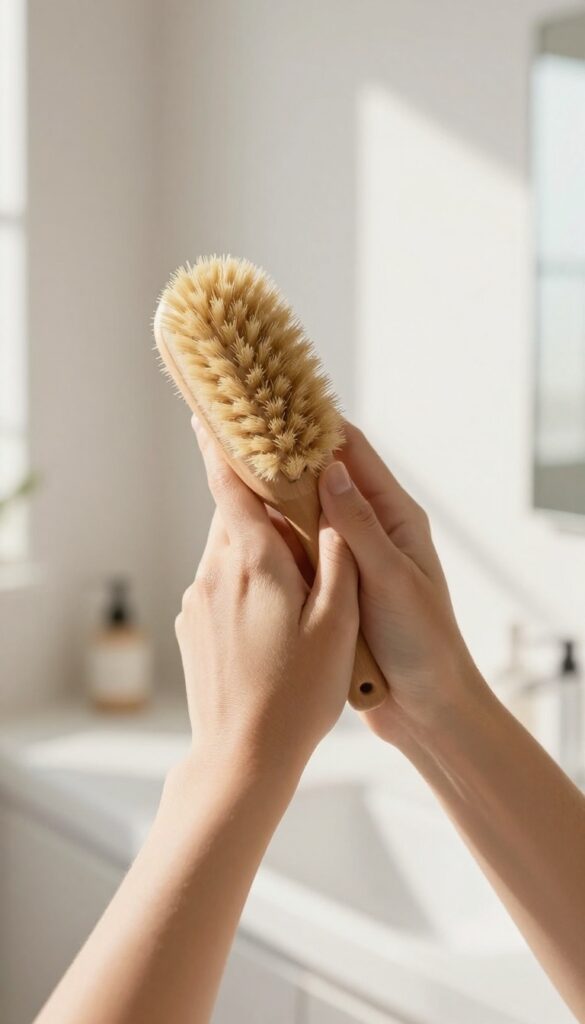
Before you even turn on the water, grab a dry brush. This simple pre-shower step sloughs off dead skin cells and gets your blood moving, which means your body wash can penetrate better and work harder. It only takes a minute, but the payoff is noticeably smoother skin.
Dry brushing is like giving your skin a wake-up call. By brushing in gentle, upward strokes toward your heart, you're not just exfoliating—you're boosting circulation and encouraging lymphatic drainage. That leaves your skin prepped to soak up all the good stuff from your body wash.
Why It Works
Your skin sheds millions of dead cells every day. Dry brushing helps sweep them away so your body wash isn't wasted on a layer of flakes. Plus, the increased blood flow brings oxygen and nutrients to the surface, making your skin look more vibrant.
How To Do It Right
Always brush on dry skin before your shower, using long, gentle strokes toward your heart. Start at your feet and work upward. Avoid sensitive areas and never brush wet skin—it can cause irritation.
Rinse your brush weekly and replace it every few months.
2. Upgrade to a Sulfate-Free Body Wash
Many body washes use sulfates like SLS to create that satisfying lather, but they can be harsh on your skin. Sulfates strip away natural oils, leaving your skin barrier compromised and prone to dryness or irritation. Switching to a sulfate-free formula is a simple swap that pays off in softer, healthier skin.
Why Sulfates Are A Problem
Sulfates are strong detergents that can disrupt your skin's moisture barrier. Over time, this leads to tightness, flakiness, and even increased sensitivity. If you have eczema or dry skin, sulfates can make things worse.
What To Look For Instead
Look for labels that say "sulfate-free" and check ingredients for sodium lauryl sulfate (SLS) or sodium laureth sulfate (SLES). Gentle alternatives like cocamidopropyl betaine or decyl glucoside still clean effectively without the stripping effect.
The Difference You'll Feel
After switching, you'll notice your skin feels less tight after showering. Moisture stays in, so you might even need less lotion. The lather might be less frothy, but your skin will thank you.
3. Use a Silicone Body Scrubber
If your loofah has been hanging in the shower for months, it might be time for an upgrade. Silicone body scrubbers are gaining popularity for good reason: they're non-porous, dry quickly, and don't harbor bacteria like traditional sponges or loofahs. Plus, they give you just enough gentle exfoliation without scratching or irritating sensitive skin.
Silicone scrubbers are a game-changer for anyone who wants a cleaner, more hygienic shower experience. Unlike loofahs that can trap dead skin and moisture, silicone resists mold and mildew. The soft bristles help lift dirt and gently slough off dead cells, leaving skin smooth and refreshed.
They're also incredibly easy to clean—just rinse and air dry, or toss them in the dishwasher occasionally.
Why Silicone Beats Loofahs
Loofahs and mesh poufs are porous, which means they trap moisture and bacteria. Studies have shown they can harbor everything from staph to mold. Silicone, on the other hand, is non-porous and dries almost instantly.
That means less risk of skin irritation or breakouts caused by bacteria buildup.
How To Use It For Best Results
Apply your body wash directly to the scrubber or onto your skin. Use gentle, circular motions over your entire body, focusing on rough areas like elbows and knees. The soft silicone bristles provide mild exfoliation without the harshness of a loofah or scrub mitt.
Rinse the scrubber thoroughly after each use and let it air dry.
Picking The Right Scrubber
Look for a scrubber with dense, flexible bristles that feel soft against your skin. Some come with a handle for hard-to-reach spots, while others are handheld. Avoid scrubbers with hard or sharp bristles, which can cause micro-tears.
A simple, BPA-free silicone scrubber with a suction cup for storage is a solid choice.
4. Try a Konjac Sponge for Extra Gentleness
If your skin gets red or irritated after scrubbing, the problem might be your tool. Konjac sponges are made from a natural root vegetable and have a uniquely soft, jelly-like texture. They're gentle enough for daily use, even on sensitive or acne-prone skin, and they provide a mild exfoliation without scratching.
Konjac sponges have been popular in Asia for centuries, and for good reason. They're biodegradable, naturally alkaline-balancing, and can be used with or without body wash. Unlike nylon loofahs that can harbor bacteria, konjac sponges dry quickly and are easy to keep clean.
Just soak them in warm water for a few minutes before use—they'll soften up and expand to their full size.
How To Use A Konjac Sponge
Wet the sponge thoroughly under warm water until it's soft and plump. Apply a small amount of body wash directly to the sponge or your skin. Gently massage in circular motions, focusing on rough areas like elbows and knees.
Rinse the sponge well after each use and squeeze out excess water. Hang it in a dry spot to air out.
Choosing The Right Konjac Sponge
Konjac sponges come in different varieties—plain, infused with charcoal (great for oily skin), green tea (for soothing), or clay (for deep cleansing). If you have very sensitive skin, stick with the plain or green tea version. Look for sponges that are 100% konjac with no synthetic additives.
They last about 4 to 6 weeks with proper care.
5. Layer Your Scents with a Matching Body Wash and Lotion
Ever notice how some people smell amazing all day without being overwhelming? The secret is often scent layering—using products from the same fragrance family. When your body wash and lotion share notes, they work together to create a subtle, long-lasting aroma that stays close to the skin.
No clashing scents or reapplying every few hours. Just a clean, cohesive freshness that lasts from morning to night.
Scent layering isn't just for perfume lovers. It's a simple way to make your body wash routine feel more intentional and luxurious. By pairing a matching body wash and lotion, you get a consistent fragrance that evolves naturally throughout the day.
Why Matching Works Better
When you use two products with the same scent notes, they complement each other instead of competing. The body wash leaves a light base, and the lotion adds depth and staying power. This creates a harmonious scent trail that's noticeable but never overpowering.
How To Choose Your Scent Family
Think about what you naturally gravitate toward—citrus, floral, woody, or fresh. Many brands offer body wash and lotion sets that make matching easy. If you prefer subtle scents, go with a lotion that has a lighter formula.
For more intensity, choose a richer cream.
Application Tips For Best Results
Apply the body wash in the shower, then pat dry. While your skin is still slightly damp, smooth on the matching lotion. The moisture helps lock in the fragrance, and the warmth of your skin helps it develop.
Focus on pulse points like wrists and behind the knees for a longer-lasting effect.
6. Add a Drop of Face-Grade Oil to Your Body Wash
Body washes can strip your skin, especially if you lather up daily. A single drop of face-grade oil like jojoba or squalane mixed into your body wash adds moisture without leaving a greasy film. It's a simple trick that turns a basic shower into a hydrating experience.
You don't need a fancy oil blend—just a drop of pure oil in your palm before adding body wash. It mixes right in and rinses clean, leaving skin feeling soft, not slick. This upgrade is especially helpful in winter or for dry skin types.
Why Jojoba And Squalane Work Best
Jojoba oil closely mimics your skin's natural sebum, so it absorbs quickly without clogging pores. Squalane is lightweight and non-comedogenic, making it ideal for body skin. Both are odorless and won't interfere with your body wash's scent.
How To Mix It Right
Scoop your usual amount of body wash into your hand, then add one small drop of oil. Rub your hands together to emulsify, then apply as normal. No need to shake your bottle—just mix fresh each time to keep the oil from separating.
When To Skip This Step
If you have very oily or acne-prone skin, test this on a small area first. Also avoid it if your body wash already contains moisturizers—you don't want to overdo it. Stick to one drop per shower for the best balance.
7. Use a Shower Filter to Remove Hard Water Minerals
Hard water is a silent skin saboteur. The calcium and magnesium in it cling to your skin, leaving a filmy residue that can clog pores and cause dryness. A simple shower filter attaches to your showerhead and strips out these minerals before they ever touch you.
Your body wash will lather better, rinse cleaner, and your skin will feel softer almost immediately.
Water quality matters more than you think. Hard water minerals react with soap to form a sticky scum that doesn't rinse off easily. This residue can trap dirt and bacteria, leading to breakouts and irritation.
A shower filter removes chlorine and heavy metals too, which helps preserve your skin's natural moisture barrier. Installation is usually tool-free and takes under five minutes. Look for filters with KDF-55 or activated carbon media for the best results.
What Hard Water Does To Your Skin
Hard water leaves a chalky layer on your skin that prevents moisturizers from absorbing properly. It also strips natural oils, making skin feel tight and itchy after showering. Over time, this can worsen conditions like eczema or acne.
The minerals can also make your hair dull and brittle.
How A Filter Helps
A shower filter reduces calcium, magnesium, and chlorine. Soap lathers more easily and rinses completely clean. You'll use less body wash because it's more effective.
Many people notice softer skin and less dryness within a week. Filters typically last 6–12 months and cost around $20–$50.
Choosing The Right Filter
Look for a filter that's easy to install—most screw directly onto your shower arm. Check if it's compatible with your showerhead style. Some models have replaceable cartridges; others are disposable.
Read reviews for longevity and effectiveness. A good filter removes up to 99% of chlorine and significant heavy metals.
8. Exfoliate with a Salt or Sugar Scrub Once a Week
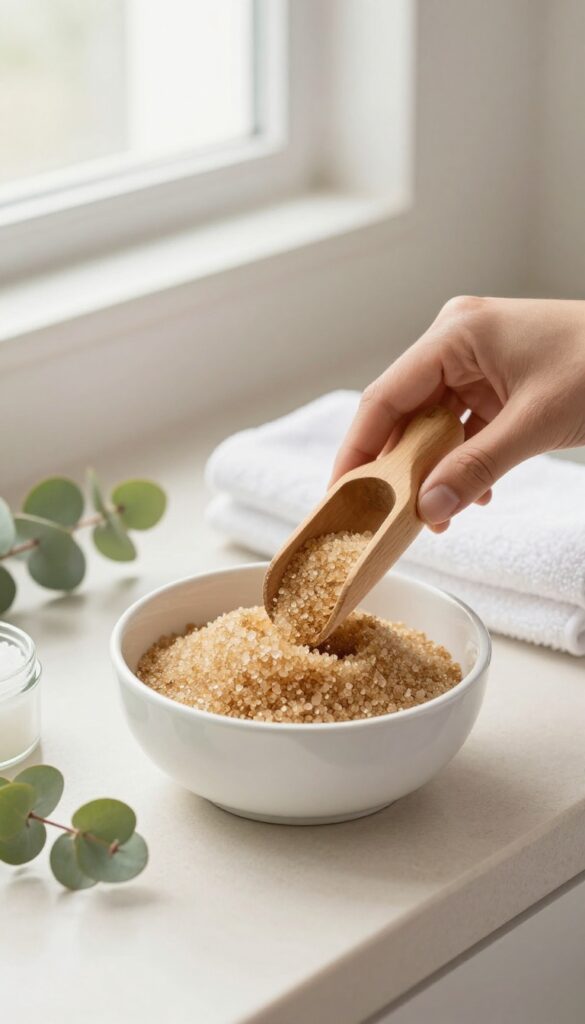
Your skin naturally sheds dead cells, but sometimes it needs a little help. A weekly salt or sugar scrub manually buffs away rough patches, revealing the smoother, softer layer underneath. It's like hitting the reset button for your skin's texture.
Why Weekly, Not Daily
Over-exfoliating can strip your skin's protective barrier, leading to irritation and dryness. Once a week is plenty for most skin types. If you have sensitive skin, you might even stretch it to every other week.
Salt Vs. Sugar Scrubs
Salt scrubs have coarser granules, making them great for tougher areas like elbows and knees. Sugar scrubs are finer and gentler, perfect for the rest of your body. Both work well, so pick based on your skin's sensitivity.
How To Scrub The Right Way
Apply the scrub to damp skin in the shower, using circular motions with your hands or a soft mitt. Focus on rough spots but avoid broken or sunburned skin. Rinse thoroughly and follow with a moisturizer to lock in that fresh feel.
9. Try a Cream-Based Body Wash for Dry Skin
Standard body washes can be surprisingly drying, especially when they rely on sulfates for that bubbly lather. If your skin feels tight or looks flaky after showering, the formula might be the culprit. Cream-based body washes swap harsh cleansers for richer, moisturizing ingredients like shea butter, glycerin, or ceramides.
They clean without stripping, leaving your skin feeling soft and hydrated instead of tight. This swap is especially helpful during winter or if you naturally have dry patches. It's a simple change that makes a big difference in how your skin feels day to day.
Cream body washes are formulated with emollients and humectants that replenish moisture as you cleanse. Unlike gel formulas that can foam aggressively, cream washes have a thicker, lotion-like texture that glides on smoothly. They're designed to maintain your skin's natural barrier, which is key for preventing dryness and irritation.
What To Look For
Check the ingredient list for shea butter, cocoa butter, coconut oil, or squalane. These heavy hitters lock in moisture. Avoid formulas with sodium lauryl sulfate (SLS) or high alcohol content, as they can counteract the cream's benefits.
Look for labels that say "hydrating, " "nourishing, " or "for dry skin. "
How To Use It
Apply cream wash with your hands or a soft cloth—no need for a loofah. Work it into a gentle lather, then rinse with warm (not hot) water. Pat dry and follow with a moisturizer while skin is still slightly damp to seal in hydration.
10. Use a Loofah with a Handle for Hard-to-Reach Spots
Scrubbing your back without pulling a muscle shouldn't be a workout. A handled loofah extends your reach so you can clean every inch without twisting into awkward positions. It's a simple swap that makes your shower more effective and way more comfortable.
A handled loofah gives you the leverage to scrub your entire back, shoulders, and even the backs of your legs with ease. No more straining or missing spots. Plus, the long handle keeps your hands away from the soapy surface, reducing the chance of slipping.
Look for one with a non-slip grip and a replaceable head for hygiene.
Why It Works
The handle acts as an extension of your arm, letting you apply even pressure across large areas. This means a more thorough clean without overreaching. It's especially helpful for people with limited mobility or anyone who wants a faster, more comfortable shower.
How To Choose One
Pick a loofah with a sturdy, lightweight handle—aluminum or hard plastic are good options. Make sure the head is detachable for easy cleaning and replacement. Some models come with soft bristles on one side and a pumice stone on the other for extra exfoliation.
Pro Tips For Best Results
Replace the loofah head every month to prevent bacteria buildup. After each use, rinse it thoroughly and hang the handle to dry. You can also run the head through the dishwasher on a hot cycle to sanitize it.
11. Incorporate a Body Wash with Salicylic Acid for Body Acne
Body acne on your chest, back, or shoulders can be stubborn. Regular body washes often don't cut it because they don't target the root cause: clogged pores. That's where salicylic acid comes in.
This beta hydroxy acid penetrates deep into pores to clear out oil and dead skin cells, reducing breakouts over time. Adding a salicylic acid body wash to your routine is a simple swap that can make a big difference, especially if you're prone to bacne or chest breakouts.
Using a salicylic acid body wash is straightforward: use it a few times a week, let it sit on your skin for a minute before rinsing, and follow with a lightweight moisturizer. It's gentle enough for daily use for some, but start slow to see how your skin reacts. Look for a formula with 2% salicylic acid and avoid harsh scrubs that can irritate active breakouts.
Why Salicylic Acid Works
Salicylic acid is oil-soluble, meaning it can get inside your pores to clear out the gunk that causes pimples. It also has mild anti-inflammatory properties, so it can calm redness and swelling. Unlike benzoyl peroxide, it doesn't bleach your towels or clothes, making it a more convenient option for body care.
How To Use It Effectively
Apply the body wash to a loofah or washcloth and focus on problem areas. Let it sit for about 60 seconds so the acid has time to work. Rinse thoroughly and pat dry.
Start with every other day to avoid dryness, then adjust as needed. Follow up with an oil-free moisturizer to keep your skin barrier happy.
What To Look For In A Formula
Choose a body wash that lists salicylic acid as an active ingredient, ideally 2% concentration. Avoid formulas with added scrubbing beads or high alcohol content, which can be too harsh. Look for soothing ingredients like aloe vera or glycerin to balance the exfoliation.
Some great options include CeraVe SA Body Wash and Neutrogena Body Clear Body Wash.
12. Switch to a Bar Soap with Glycerin for a Classic Clean
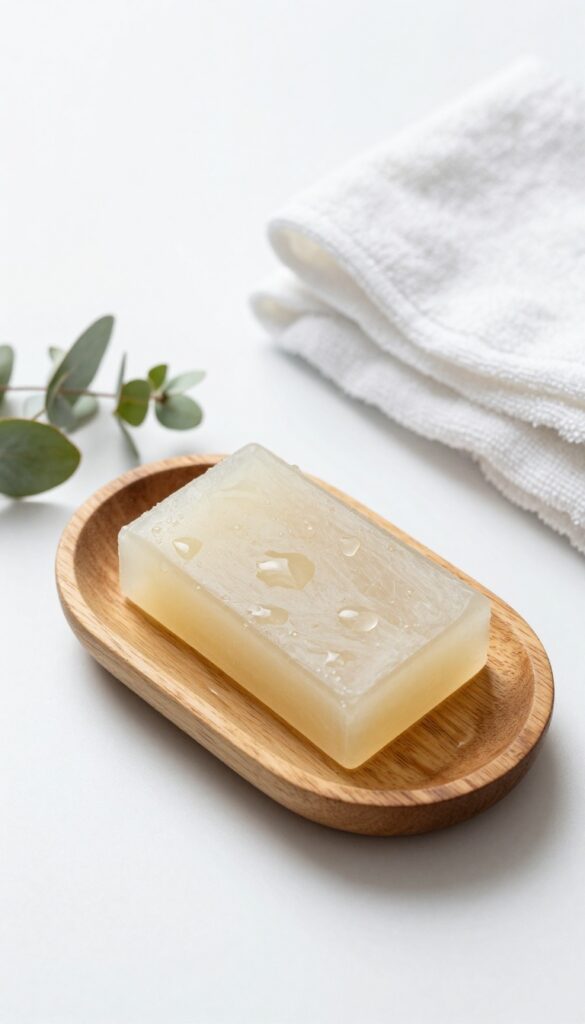
Bar soaps have come a long way from the drying, chalky bars of the past. Glycerin-based soaps are a gentle powerhouse that cleans without stripping your skin's natural moisture. They're also a smart swap if you're trying to cut down on plastic bottles in your shower.
Glycerin is a humectant, meaning it draws moisture into your skin while you wash. Unlike many liquid body washes that rely on harsh surfactants, glycerin bars leave your skin feeling soft, not tight. They're especially great for dry or sensitive skin types.
Plus, they often come in minimal packaging—just a paper wrapper or a cardboard box—making them an eco-friendly choice.
What To Look For
Not all bar soaps are created equal. Look for "glycerin" near the top of the ingredients list. Avoid bars with sodium lauryl sulfate or heavy fragrances if your skin is reactive.
Transparent or translucent bars are usually glycerin-rich, but opaque ones can be too—just check the label.
How To Use It
Wet the bar and your hands or a washcloth, then work up a light lather. Glycerin bars don't bubble as much as synthetic cleansers, but that's fine—they still clean effectively. Rinse thoroughly and pat dry.
Store the bar on a draining soap dish so it doesn't get mushy.
Eco Bonus
Switching to a bar soap can save dozens of plastic bottles per year. Many glycerin bars are also palm-oil-free and biodegradable. It's a small change that adds up over time, for your skin and the planet.
13. Use a Washcloth for a Gentle Manual Exfoliation
Your hands alone can only do so much when it comes to lathering up. A soft washcloth changes the game by adding a light exfoliating boost while helping your body wash foam up better. It’s a simple swap that makes your shower routine feel more effective without any harsh scrubbing.
A washcloth is one of the easiest tools to upgrade your body wash routine. It provides just enough texture to slough off dead skin cells gently, leaving your skin smoother and more receptive to moisturizer. Plus, it creates a richer lather than using your hands, so you use less product and get better coverage.
Choose a soft, high-quality cloth to avoid irritation, and replace it regularly to keep bacteria at bay.
How To Use A Washcloth Properly
Wet the washcloth with warm water, then apply a small amount of body wash to the center. Gently rub the cloth in circular motions over your skin, starting from your feet and working upward toward your heart. Avoid pressing too hard—let the cloth do the work.
Rinse the cloth thoroughly after each use and hang it to dry.
Choosing The Right Washcloth
Look for washcloths made from natural fibers like cotton or bamboo, which are soft and absorbent. Avoid rough or scratchy materials that can cause micro-tears in your skin. A medium-weight cloth with a slight texture (like a waffle weave) offers gentle exfoliation without being abrasive.
When To Replace Your Washcloth
Damp washcloths are a breeding ground for bacteria, so swap in a fresh one every three to four uses. Wash them in hot water with a mild detergent, and never share your washcloth with others. If you notice any musty smell or discoloration, replace it immediately.
14. Apply Body Wash with a Shower Pouf for Maximum Lather
A shower pouf isn't just a fancy accessory—it's a tool that transforms your body wash into a cloud of foam. The mesh material aerates the product, creating a rich lather that feels luxurious and spreads easily. Plus, it helps you use less product while getting more coverage.
Switching to a pouf is one of the easiest upgrades you can make. It gently exfoliates as you wash, leaving skin smooth without irritation. Just wet the pouf, add a small amount of body wash, and squeeze a few times to activate the lather.
Why Poufs Work Better Than Hands
Your hands alone can't create the same volume of foam. The pouf's mesh traps air and water, whipping the body wash into a fluffy lather that glides over your skin. This means less product waste and a more satisfying wash.
How To Get The Most Out Of Your Pouf
Start with a damp pouf and a dime-sized amount of body wash. Squeeze and release a few times to build lather. Rinse thoroughly after each use and hang it to dry to prevent bacteria buildup.
Replace it every month for best results.
15. Rinse with Cooler Water at the End
You might love a steamy shower, but that hot water can strip your skin of natural oils, leaving it dry and tight. A quick switch to cooler water at the end of your routine helps close pores and lock in moisture from your body wash. It’s a simple step that makes a big difference in how your skin feels post-shower.
Turning down the temperature for the final 30 seconds might take some willpower, but your skin will thank you. Cool water helps tighten the skin's surface, which can reduce the appearance of pores and prevent dirt from settling back in. Plus, it seals in the hydrating ingredients from your body wash, so you stay softer longer.
Why Cool Water Works
Hot water opens pores and can strip away natural oils. A cooler rinse contracts the skin, locking in moisture and giving your complexion a smoother look. It also improves circulation, which can help your skin glow.
How To Do It Comfortably
You don't need an ice-cold shock—just gradually lower the temperature at the end of your shower. Start with lukewarm, then shift to cool for the last 30 to 60 seconds. Focus on your torso and legs, where the body wash residue is most concentrated.
Pair It With The Right Body Wash
For best results, use a body wash with moisturizing ingredients like glycerin, shea butter, or oatmeal. The cool rinse will help seal those emollients into your skin, making them more effective than if you rinsed with hot water.
16. Use a Body Wash with AHA for Brighter Skin
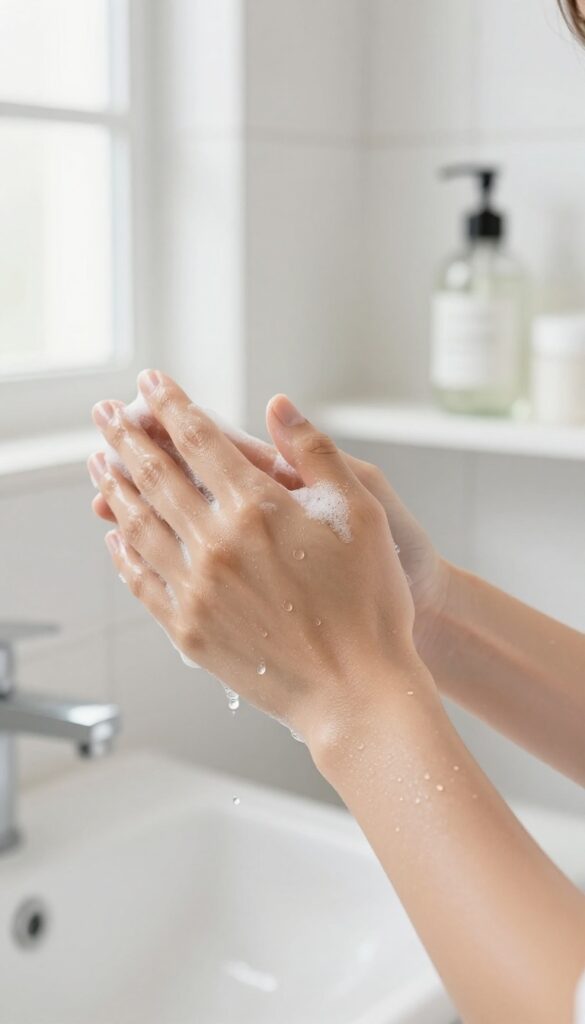
If your skin looks dull or uneven, an AHA body wash can help. Alpha hydroxy acids gently exfoliate the surface, removing dead skin cells to reveal a brighter, smoother layer underneath. Over time, this can improve texture and even out tone, especially on areas like arms, legs, and back.
AHAs work by dissolving the bonds between dead skin cells, so they slough off naturally. This mild chemical exfoliation is less abrasive than physical scrubs, making it great for sensitive skin. Look for body washes with glycolic or lactic acid, which are effective yet gentle enough for daily use.
How Ahas Brighten Skin
AHAs speed up cell turnover, fading dark spots and hyperpigmentation. They also boost hydration by helping your skin retain moisture. Consistent use leads to a more radiant, even complexion without harsh scrubbing.
Choosing The Right Aha Body Wash
Pick a formula with 5-10% glycolic or lactic acid. Lactic acid is milder and more hydrating, ideal for dry skin. Glycolic acid penetrates deeper for stronger exfoliation.
Avoid mixing with other exfoliants to prevent irritation.
Tips For Best Results
Use your AHA body wash 3-4 times a week, then gradually increase. Apply sunscreen on exposed areas since AHAs can make skin more sun-sensitive. Pair with a moisturizer to keep skin balanced and happy.
17. Try a Two-in-One Body Wash and Moisturizer for Busy Days
Some mornings you barely have time to shower, let alone follow up with lotion. That's where a two-in-one body wash and moisturizer comes in. These hybrids clean your skin while depositing hydrating ingredients, so you can skip the post-shower moisturizing step entirely.
They're perfect for rushed mornings or travel when you need to pack light.
Look for formulas that contain ingredients like glycerin, shea butter, or coconut oil. These help replenish moisture as you wash, so your skin doesn't feel tight or dry after rinsing. Many options are sulfate-free, which reduces stripping.
Just lather up as usual, rinse, and you're done—no extra steps needed.
What To Look For
Check the label for terms like "hydrating, " "moisturizing body wash, " or "2-in-1. " Avoid products with high alcohol content or strong sulfates. Ingredients like oat milk, aloe vera, and squalane are great for locking in moisture.
Best For Skin Types
These work well for normal to dry skin. If you have oily or acne-prone skin, choose a lightweight formula that won't leave a residue. Some brands offer oil-free versions that still hydrate without clogging pores.
How To Use
Use like a regular body wash. Apply to a loofah or washcloth, lather, and rinse. Pat dry instead of rubbing to keep the moisture on your skin.
You can still apply lotion if you want extra hydration, but it's not necessary.
18. Add a Few Drops of Tea Tree Oil to Your Body Wash
Tea tree oil is a powerhouse in a tiny bottle. Its antibacterial and antifungal properties make it a great addition to your body wash, especially if you deal with body odor, minor breakouts, or skin irritation. Just a few drops can transform your shower into a refreshing, skin-soothing experience.
This simple hack is especially helpful for those who work out regularly or live in humid climates. It's an easy way to boost your body wash without buying a specialty product.
Adding tea tree oil to your body wash is straightforward. Use high-quality, pure tea tree oil and mix a few drops into your body wash right before lathering. Start with 2-3 drops per palmful to avoid irritation.
You can also add it to a carrier oil like jojoba or coconut oil if you prefer a pre-shower body scrub. Always do a patch test first, especially if you have sensitive skin.
Why Tea Tree Oil Works
Tea tree oil contains terpinen-4-ol, a compound that kills bacteria and fungi. This makes it effective against body odor caused by bacteria and can help with mild acne or folliculitis on the body. It also has anti-inflammatory properties that calm redness and irritation.
How To Use It Safely
Never apply undiluted tea tree oil directly to skin—it can cause burns or allergic reactions. Always mix it with your body wash or a carrier oil. Use only 2-3 drops per shower to avoid over-drying.
If you have eczema or very sensitive skin, skip this or consult a dermatologist first.
Best Body Wash Pairings
Tea tree oil pairs well with unscented or mild body washes. Avoid mixing it with strong fragrances that might irritate skin. Look for body washes with aloe vera, oatmeal, or glycerin to keep skin hydrated.
For a spa-like feel, combine tea tree oil with a eucalyptus or peppermint body wash.
19. Use a Body Wash with Charcoal for Deep Pore Cleansing
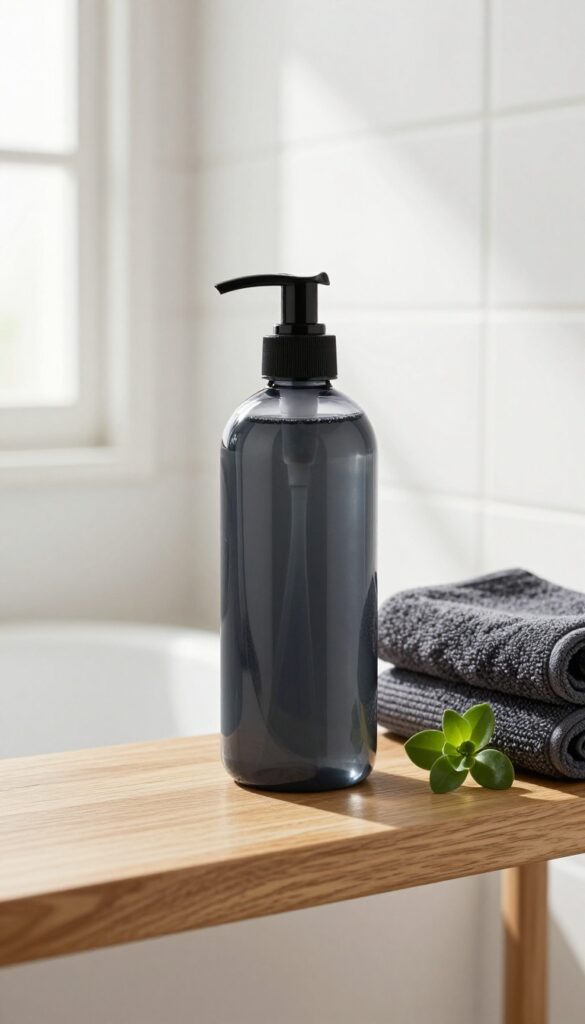
Charcoal isn't just for grilling—it's a skincare superstar that pulls dirt and oil right out of your pores. If you struggle with body breakouts or that sticky feeling after a sweaty day, a charcoal body wash could be your new best friend. It works like a magnet, grabbing onto impurities so they rinse away cleanly.
And unlike harsh scrubs, it's gentle enough for daily use.
Charcoal body washes are formulated with activated charcoal, which has a porous structure that traps toxins, excess sebum, and bacteria. This makes them especially effective for areas prone to breakouts—like your back, chest, and shoulders. Many also include soothing ingredients like aloe or green tea to prevent over-drying.
Just lather up, let it sit for a minute, then rinse. Your skin will feel deeply clean but not stripped.
Who Benefits Most?
Oily or acne-prone skin types see the biggest difference. If you're prone to back acne (bacne) or chest breakouts, charcoal helps keep pores clear. It's also great for gym-goers who want to remove sweat and bacteria without irritation.
How To Use It Right
Use it 3-4 times a week, not every day, to avoid over-drying. Apply with a soft loofah or silicone scrubber for even distribution. Focus on problem areas, and follow with a lightweight moisturizer to keep your skin balanced.
What To Look For
Check for activated charcoal as the key ingredient. Avoid formulas with added sulfates or alcohol, which can cancel out the benefits. Pair it with a charcoal face wash for a full detox routine.
20. Invest in a Shower Steam Tablet for an Aromatherapy Boost
A shower steam tablet is a small disc you place on the shower floor that fizzes and releases essential oils as water hits it. The steam carries the scent around you, turning a basic rinse into a spa-like escape. It’s a low-effort way to add calming lavender, invigorating eucalyptus, or citrus energy to your morning or evening routine.
Shower steam tablets work best when placed away from the direct stream of water, usually near the drain or in a corner. The heat and moisture activate them gradually, so you get a slow release of fragrance that lasts 10–15 minutes. They’re a great alternative to candles or diffusers if you want aromatherapy without extra clutter or fire risk.
How To Use One
Just unwrap the tablet and drop it on the shower floor where water splashes but doesn’t hit it directly. Let the steam do the work. You don’t need to crush or dissolve it—the heat will activate the essential oils naturally.
One tablet typically lasts one shower, so stock up on a few scents to rotate.
Best Scents For Different Moods
Eucalyptus and peppermint are great for a morning wake-up call, helping clear sinuses and boost alertness. Lavender and chamomile are better for evening showers, promoting relaxation and better sleep. Citrus blends like grapefruit or lemon offer a refreshing middle ground that’s uplifting without being too intense.
Where To Find Quality Tablets
Look for steam tablets made with pure essential oils and no synthetic fragrances or harsh chemicals. Many natural bath brands sell them online or in stores. You can also make your own with baking soda, citric acid, and your favorite oils—just search for a simple DIY recipe.
21. Apply Body Wash with a Silicone Brush for a Massage Effect
A silicone brush does more than just lather—it gives your skin a gentle massage while you wash. The soft bristles stimulate blood flow, which can help you feel more awake and relaxed. Plus, it exfoliates lightly without being harsh, making it a great everyday tool.
Using a silicone brush is simple: wet it, add your body wash, and scrub in circular motions. Start from your feet and work upward toward your heart to boost circulation. Rinse and hang the brush to dry—it's mold-resistant and easy to clean.
Why It Works
The massage effect helps wake up your skin and muscles, especially in the morning. Increased blood flow can also improve skin tone and reduce puffiness over time.
How To Choose One
Look for a brush with soft, flexible silicone bristles. A handle makes it easier to reach your back, while a brush with suction cups can stick to your shower wall for storage.
Pro Tips
Use gentle pressure—scrubbing too hard can irritate. For an extra boost, pair with a invigorating body wash like peppermint or eucalyptus. Clean the brush weekly with soap and water.
22. Use a Body Wash with Oatmeal for Soothing Sensitive Skin
If your skin gets red or irritated easily, your body wash might be the culprit. Harsh surfactants strip natural oils and leave reactive skin worse off. That's where oatmeal steps in—specifically colloidal oatmeal, which is finely ground oats suspended in a gentle cleansing base.
Oatmeal body washes are a game-changer for anyone dealing with eczema, dryness, or general sensitivity. The colloidal oatmeal forms a protective film on your skin that locks in moisture and calms inflammation. It's like a soothing hug for your epidermis, without any heavy residue.
Why Oatmeal Works
Colloidal oatmeal contains beta-glucans and avenanthramides, compounds that reduce redness and itch. Studies show it helps restore the skin barrier, making it ideal for daily use when your skin is easily upset.
What To Look For
Check the ingredient list for "colloidal oatmeal" near the top—not just "oat extract" or "oat oil. " Avoid formulas with added fragrance or alcohol, which can counteract the soothing benefits. Brands like Aveeno, Eucerin, and CeraVe offer reliable options.
How To Use It
Use lukewarm water (hot water aggravates sensitivity) and massage the wash gently with your hands or a soft cloth. Pat dry instead of rubbing, and follow with a fragrance-free moisturizer while skin is still damp for best results.
23. Finish with a Quick Cold Rinse for a Wake-Up Jolt

Turning the dial to cold at the end of your shower might sound unpleasant, but the payoff is worth it. A brief cold rinse tightens pores, improves circulation, and gives your skin a healthy glow. It also wakes you up faster than coffee—perfect for groggy mornings.
That final blast of cold water does more than shock your system. It constricts blood vessels, which can reduce puffiness and make skin look firmer. Over time, regular cold rinses may even help with conditions like eczema by calming inflammation.
Start with 15 seconds and work up to 30 or 60 seconds as you get used to it.
How To Ease In
You don't have to go full polar bear plunge right away. After your warm shower, gradually turn the temperature down over 10 to 15 seconds. Let the cold water hit your legs and arms first, then your torso.
Focus on steady breathing to make it more tolerable.
Extra Benefits You'll Notice
Besides tighter skin, a cold rinse can boost your mood and alertness by triggering the release of endorphins. It also helps seal in moisture from your body wash or lotion, since cold water doesn't strip natural oils the way hot water does. Your hair will thank you too—cold water flattens cuticles for extra shine.
FAQ
How often should I exfoliate my body?
It depends on your skin type. For most people, 1-2 times a week is enough. If you have sensitive skin, stick to once a week with a gentle scrub.
Can I use body wash on my face?
It's not recommended. Body washes are formulated differently and can be too harsh for facial skin, leading to dryness or irritation.
What's the best way to store my loofah or sponge?
Rinse it thoroughly after each use and hang it in a well-ventilated area to dry. Replace it every 3-4 weeks to prevent bacteria buildup.
Do I need a different body wash for summer and winter?
It can help. In winter, opt for a creamier, more hydrating formula. In summer, a lighter gel or one with salicylic acid can manage sweat and oil.
How can I make my body wash last longer?
Use a pouf or loofah to create more lather with less product. Also, store it upside down so you can use every last drop.
Conclusion
Upgrading your body wash routine doesn't have to be overwhelming. Pick just one or two changes that sound fun—like switching to a sulfate-free formula or adding a konjac sponge—and see how they feel.
Small tweaks can turn a daily chore into a moment you actually look forward to. Your skin will feel cleaner, softer, and more refreshed, and you'll wonder why you didn't start sooner.