
Imagine waking up to skin that feels smooth, looks radiant, and glows with health—not because of filters or expensive treatments, but because of simple, consistent habits. That transformation is closer than you think. Your body deserves the same thoughtful care you give your face, and with the right checklist, you can achieve that lit-from-within look every day.
This isn't about a complicated routine or a dozen new products. It's about small, smart steps that add up to big results.
From the way you shower to how you moisturize, each step builds on the last to create a foundation for healthy skin. Ready to turn your body care into a glow-boosting ritual?
1. Start with a Lukewarm Shower

You might love a scalding hot shower, but your skin doesn't. Hot water strips away natural oils, leaving your skin dry, tight, and irritated. Lukewarm water is the sweet spot—it cleanses without breaking down your moisture barrier, so your skin stays soft and supple.
Turning down the temperature is one of the easiest ways to protect your skin. Hot showers feel great in the moment, but they damage the lipid barrier that keeps moisture locked in. Over time, this leads to dryness, flakiness, and even itchiness.
Lukewarm water, on the other hand, gently removes dirt and sweat without over-drying. Your skin will thank you with a healthier, more balanced glow.
Why Hot Water Hurts
Hot water acts like a degreaser on your skin. It dissolves the natural sebum that keeps your skin hydrated and protected. When that barrier is compromised, moisture escapes and irritants get in.
The result? Dry patches, redness, and a dull complexion.
The Right Temperature
Aim for water that's warm to the touch but not steaming. Think of a comfortable bath temperature—around 98–100°F (37–38°C). If your skin turns pink or feels hot, it's too hot.
Test with your wrist or elbow before stepping in.
Quick Shower Tips
Keep showers under 10 minutes to minimize water exposure. Use a gentle, moisturizing body wash, and avoid scrubbing too hard. After rinsing, pat your skin dry with a soft towel instead of rubbing.
This leaves a thin layer of moisture on your skin, prepping it for lotion.
2. Use a Gentle, pH-Balanced Body Wash
Your skin has a natural pH of around 4. 5 to 5. 5, which is slightly acidic.
This acidic mantle helps protect against bacteria and retains moisture. Harsh soaps, especially those with sulfates, can disrupt this balance, leaving your skin dry, irritated, and prone to breakouts. Switching to a gentle, pH-balanced body wash is a simple fix that makes a huge difference.
Look for body washes labeled "sulfate-free" and "pH-balanced. " These cleansers use mild surfactants that clean without stripping your skin's natural oils. Ingredients like glycerin, ceramides, or oatmeal help maintain hydration.
Use lukewarm water and a soft loofah or your hands to lather—avoid rough scrubbing. Rinse thoroughly and pat dry with a soft towel.
Why Ph Matters
When your skin's pH is off, it becomes vulnerable to dryness, inflammation, and even infections. A balanced body wash helps preserve your skin's barrier, keeping it resilient and glowing. Think of it as a gentle reset every time you shower.
What To Avoid
Steer clear of body washes with sodium lauryl sulfate (SLS) or sodium laureth sulfate (SLES), as well as high alcohol content. These ingredients are harsh and can cause long-term damage. Instead, choose products with soothing ingredients like aloe vera, chamomile, or shea butter.
How To Use It Right
Apply the body wash with your hands or a soft cloth, focusing on areas that need cleansing but not over-scrubbing. Let it sit for a minute before rinsing to allow the ingredients to work. Follow up with a moisturizer within three minutes of drying to lock in hydration.
3. Exfoliate 2-3 Times a Week
Dead skin cells build up fast, leaving your complexion looking dull and rough. Exfoliation sweeps them away, revealing the fresh, smooth skin underneath. But overdoing it can backfire, so aim for two to three times a week—just enough to renew without irritating.
Choose between a gentle physical scrub or a chemical exfoliant like lactic acid. Physical scrubs with fine particles work well for most, but if your skin is sensitive, a chemical option is kinder. Apply in circular motions on damp skin, rinse thoroughly, and follow with moisturizer.
Avoid exfoliating on the same days you shave or use retinol.
Pick The Right Exfoliant
Not all scrubs are created equal. Look for a product with fine, round beads or natural particles like jojoba beads or ground oats. Avoid harsh ingredients like crushed walnut shells, which can cause micro-tears.
For chemical exfoliants, start with a low concentration (5-10% lactic acid) and patch test first.
Don't Forget Your Feet And Elbows
These areas tend to be drier and rougher. Use a pumice stone or a foot file on feet after soaking, and a richer scrub on elbows and knees. Exfoliating them weekly keeps them soft and prevents calluses.
Follow Up With Moisture
Exfoliation opens up your skin, so it's prime time to lock in hydration. Apply a body lotion or oil while skin is still slightly damp. This helps seal in moisture and leaves your skin feeling silky.
4. Dry Brush Before Showering
Before you step into the shower, take five minutes to dry brush your entire body. This simple practice wakes up your skin and preps it for the rest of your routine. It's like giving yourself a mini massage that also exfoliates.
Dry brushing boosts circulation and sloughs off dead skin cells, revealing a smoother, more radiant layer underneath. The mechanical stimulation also helps your lymphatic system flush out toxins, which can reduce puffiness and improve skin tone. For best results, use a natural bristle brush with a long handle so you can reach your back easily.
How To Dry Brush Properly
Start at your feet and brush in long, upward strokes toward your heart. Use gentle pressure—no need to scrub hard. Avoid sensitive areas like your face, chest, and any broken skin.
Spend about a minute on each leg, then move to your arms and torso.
When To Dry Brush
Do it right before your shower, ideally in the morning. Dry brushing can feel invigorating and help wake you up. Aim for 3–4 times per week; daily might be too harsh for some skin types.
Aftercare Tips
After dry brushing, hop into a warm (not hot) shower to rinse off the loosened skin cells. Follow with a gentle cleanser and then moisturize while your skin is still slightly damp. This locks in hydration and leaves your skin silky smooth.
5. Pat Dry, Don't Rub

After a warm shower, the instinct is to grab a towel and scrub dry. But that rough motion does more harm than good. Rubbing strips away moisture and irritates the skin barrier, leaving it prone to dryness and redness.
Patting dry is a simple switch that makes a big difference. By gently pressing the towel against your skin, you let it absorb water without the friction. This helps lock in hydration from your shower or bath, so your moisturizer can work even better.
Why Rubbing Hurts
Friction from rubbing can cause micro-tears in the skin’s surface, especially if you have sensitive skin or conditions like eczema. It also removes the natural oils that keep your skin soft and supple.
The Right Way To Pat
Use a soft, clean towel and gently press it against your skin. Start with your face and work your way down. Don’t forget areas like your back and legs.
Pat until you’re just slightly damp—then apply moisturizer immediately.
When To Moisturize
The best time to lock in moisture is within three minutes of patting dry. Your skin is still slightly damp, which helps the product absorb more effectively. This simple timing trick can boost hydration and keep your glow lasting all day.
6. Apply Body Lotion While Damp
Timing is everything when it comes to locking in moisture. The few minutes after you step out of the shower are a golden window for hydration. Your skin is still slightly damp, which means it’s more receptive to absorbing lotion and sealing in that water.
Don’t wait until your skin is completely dry. Pat yourself gently with a towel, leaving some moisture behind, then apply your body lotion within three minutes. This simple habit can make a noticeable difference in how soft and supple your skin feels throughout the day.
Why Damp Skin Works Better
Damp skin has a higher water content on the surface, which helps lotion spread evenly and penetrate deeper. The water acts as a carrier, allowing moisturizing ingredients to sink in rather than just sitting on top. Plus, you’ll use less product because it glides on so smoothly.
The Three-minute Rule
Set a mental timer or keep your lotion right next to your towel. Once you’re out of the shower, pat dry, then apply lotion immediately. If you wait longer, your skin’s natural moisture starts to evaporate, and you’re playing catch-up instead of locking in hydration.
Best Lotion Choices For Damp Application
Lightweight lotions or milks work wonderfully because they absorb quickly without feeling greasy. If you prefer something richer, apply a thinner layer first while damp, then follow up with a thicker cream on drier areas like elbows and knees. This layering technique maximizes hydration without heaviness.
7. Don't Forget Your Neck and Décolletage
Your neck and chest often get neglected, but they're some of the first places to show signs of aging. The skin here is thinner and more delicate, with fewer oil glands, making it prone to dryness and wrinkles. Giving them the same love you give your face is a game-changer for a youthful glow.
Extend your moisturizer and sunscreen down to your chest and the back of your neck. When you apply serums or treatments, don't stop at your jawline—sweep them downward. This simple habit keeps the skin smooth, hydrated, and protected from sun damage.
Why These Areas Age Faster
The neck and décolletage have less collagen and elastin than your face, so they're more vulnerable to sun exposure and repetitive movements like looking down at your phone. Over time, this leads to crepey texture, horizontal lines, and sunspots. Prevention is key.
How To Care For Your Neck And Chest
Use a gentle cleanser here, just like on your face. Apply a lightweight moisturizer morning and night, and always follow with SPF 30 or higher during the day. For extra care, use a retinol or peptide cream a few nights a week to boost collagen.
Don't Forget The Back Of Your Neck
The back of your neck is often exposed to the sun without protection, leading to leathery skin and dark patches. When you apply sunscreen, tilt your head forward and coat the entire back. It's a small step that makes a big difference.
8. Use a Vitamin C Body Serum
Your face gets all the antioxidant love, but your body craves it too. Vitamin C is a powerhouse ingredient that brightens skin, evens out tone, and shields against environmental damage. A dedicated body serum makes it easy to deliver these benefits from neck to toe.
Think of vitamin C as your skin's daily armor. It neutralizes free radicals from sun exposure and pollution, which can lead to dullness and uneven texture. Over time, it helps fade dark spots and gives your complexion a luminous, even glow.
The key is applying it consistently after showering, when your skin is clean and pores are open for better absorption.
Why Your Body Needs Vitamin C
Your arms, legs, and torso face the same oxidative stress as your face—often more, since they're less protected by clothing. Vitamin C boosts collagen production, which keeps skin firm and youthful. It also inhibits melanin production, gradually fading sun spots and post-acne marks.
How To Apply For Best Results
Pat your skin dry after a shower, leaving it slightly damp. Dispense a quarter-sized amount of vitamin C serum and massage it into your skin using upward strokes. Focus on areas prone to discoloration like elbows, knees, and shoulders.
Wait two minutes before layering moisturizer or sunscreen.
Choosing The Right Serum
Look for stabilized forms like ascorbic acid or sodium ascorbyl phosphate in opaque, airless bottles to prevent oxidation. A concentration of 10–15% is effective without irritation. Pair it with vitamin E or ferulic acid for extra stability and antioxidant punch.
9. Moisturize with Ceramides and Niacinamide
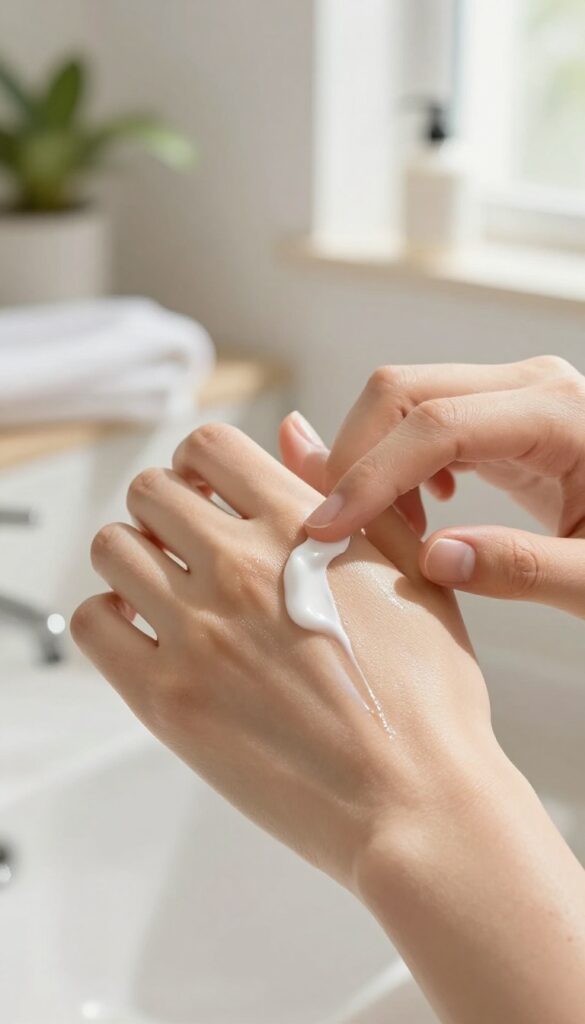
Not all body lotions are created equal. If your skin still feels tight or looks dull after moisturizing, you might be missing two powerhouse ingredients: ceramides and niacinamide. Ceramides are lipids that rebuild your skin's natural barrier, locking moisture in and keeping irritants out.
Niacinamide, a form of vitamin B3, calms redness and evens out skin tone. Together, they're a dream team for healthy, glowing skin.
When shopping for a body lotion, flip the bottle and scan the ingredients list. Look for ceramides near the top—they're often listed as ceramide NP, AP, or EOP. Niacinamide should also appear early on.
Many drugstore and mid-range brands now include both, so you don't have to spend a fortune. Apply your lotion right after a shower when skin is still slightly damp—this helps lock in even more moisture. Use gentle, upward strokes to massage it in, focusing on dry areas like elbows, knees, and heels.
Consistency is key; use it daily for best results.
Why Ceramides Matter
Your skin barrier is like a brick wall—skin cells are the bricks, and ceramides are the mortar. When the mortar weakens, moisture escapes and irritants sneak in. Ceramides replenish that mortar, making your skin stronger and more resilient.
They're especially helpful if you have dry, flaky, or sensitive skin.
The Calming Power Of Niacinamide
Niacinamide is a multitasker. It reduces inflammation, minimizes pore appearance, and helps fade dark spots. For body skin, it's a gentle way to tackle KP (keratosis pilaris) bumps or post-acne marks.
It also boosts ceramide production, so the two ingredients work even better together.
How To Choose The Right Lotion
Look for a lotion that lists both ceramides and niacinamide in the first half of the ingredients. Avoid formulas with heavy fragrances or alcohol, which can undo the benefits. Creams and balms are thicker and better for very dry skin; lotions are lighter and good for normal to oily skin.
Test a small patch first if you're prone to reactions.
10. Wear Sunscreen on Exposed Skin Daily
Sunscreen isn't just for beach days. UV rays reach your skin through clouds, windows, and even winter haze, causing premature aging and dark spots. Making SPF a daily habit on all exposed areas is one of the most effective steps for healthy, glowing skin.
Choose a broad-spectrum sunscreen with at least SPF 30. Apply it to your face, neck, ears, hands, and any other skin that sees the sun. Don't forget often-missed spots like the back of your neck and tops of your feet.
Reapply every two hours if you're outdoors, or after swimming or sweating. For daily wear, a moisturizer with SPF can simplify your routine, but make sure you use enough—about a shot glass full for your whole body.
Why Daily Sunscreen Matters
Even on cloudy days, up to 80% of UV rays penetrate clouds. Over time, this exposure breaks down collagen, leading to wrinkles and loss of elasticity. Daily sunscreen prevents this damage and keeps your skin looking youthful.
How To Pick The Right Spf
Look for "broad-spectrum" to protect against both UVA and UVB rays. SPF 30 blocks about 97% of UVB rays, while higher SPFs offer only slightly more protection. Choose a formula that feels good on your skin so you'll actually wear it every day.
Easy Ways To Make It A Habit
Keep a bottle of sunscreen next to your toothpaste or morning moisturizer. Set a daily reminder on your phone. Use a tinted moisturizer or foundation with SPF for your face.
Once it's part of your routine, it becomes automatic.
11. Reapply Sunscreen Every Two Hours Outdoors
You wouldn't expect a single coat of paint to last all day in the rain, and sunscreen works the same way. UV filters break down with exposure, sweat, and water, leaving your skin vulnerable long before you feel the burn. That first morning application is great, but it's only half the job.
Set a timer on your phone or use a smartwatch reminder to reapply every two hours when you're outside. If you're swimming or sweating heavily, reapply right after drying off. Your future self will thank you for the extra effort.
Why Two Hours?
Sunscreen ingredients start to degrade after about two hours of sun exposure. Even high-SPF formulas lose effectiveness as the chemical filters break down or physical blockers get wiped away. Reapplying at that interval keeps your protection at the labeled level, reducing your risk of sunburn and long-term damage.
Easy Reapplication Tips
Keep a travel-size sunscreen in your bag, car, or pocket so you're never caught without it. Setting a phone alarm makes it automatic. For face reapplication over makeup, try a powder sunscreen or a setting spray with SPF.
For the body, a spray-on formula makes the process quick and mess-free.
Don't Forget The Spots
Ears, tops of feet, back of the neck, and your part line are easy to miss. These areas burn fast and often get skipped during reapplication. Make a mental checklist or use a mirror to ensure every exposed inch gets fresh coverage.
12. Hydrate from the Inside Out
You can slather on all the lotions in the world, but if your body is dehydrated, your skin will still look dull and tired. Hydration starts from within—it's the foundation for that plump, dewy glow. Think of water as your internal moisturizer, delivering nutrients to skin cells and flushing out toxins.
When you're well-hydrated, fine lines soften, and your complexion looks more even and radiant.
Drinking enough water is the simplest, most effective step you can take for your skin. Aim for at least 8 glasses a day, but don't stop there—herbal teas, coconut water, and water-rich fruits and veggies like cucumber, watermelon, and oranges all count. If plain water bores you, infuse it with lemon, mint, or berries for a flavor boost.
Keep a reusable bottle on your desk or in your bag as a visual reminder to sip throughout the day.
Why Water Matters For Skin
Your skin is made up of about 64% water. When you're dehydrated, your skin loses elasticity and can look flaky or tight. Proper hydration helps maintain the skin's barrier, keeping moisture in and irritants out.
It also supports circulation, giving you that healthy flush.
Easy Ways To Up Your Intake
Start your morning with a glass of water before coffee. Set hourly reminders on your phone or use a marked water bottle. Swap one sugary drink a day for sparkling water with a splash of citrus.
Eat your water: add cucumber slices to your salad, snack on watermelon, or blend a hydrating smoothie with spinach and coconut water.
Signs You're Not Drinking Enough
If your lips are chapped, your skin feels tight after washing, or you notice more fine lines, you might be dehydrated. Dark urine is another clear signal. Pay attention to these cues—they're your body asking for more H2O.
13. Eat Omega-3 Rich Foods

Your skin is a reflection of what you eat, and omega-3 fatty acids are like a superfood for your complexion. These healthy fats help calm inflammation, which can reduce redness and breakouts, while also keeping your skin cells plump and hydrated. Including omega-3s in your diet is a simple, delicious way to support your skin from the inside out.
Omega-3s work by strengthening your skin cell membranes, which helps lock in moisture and keep out irritants. They also reduce the production of inflammatory compounds that can lead to acne, eczema, and premature aging. Aim for at least two servings of fatty fish per week, or add plant-based sources to your daily meals.
Best Food Sources
Salmon, mackerel, and sardines are top animal sources. For plant-based options, try walnuts, chia seeds, flaxseeds, and hemp seeds. Even a handful of walnuts or a tablespoon of ground flaxseed in your smoothie can make a difference.
Simple Ways To Add Them
Sprinkle flaxseeds on oatmeal or yogurt, blend chia seeds into your morning smoothie, or snack on a handful of walnuts. For fish lovers, grilled salmon with a side of greens is an easy, skin-friendly dinner.
How Much You Need
The general recommendation is 250–500 mg of combined EPA and DHA per day. One serving of salmon provides about 1, 000–1, 500 mg, so two servings a week covers your needs. If you don't eat fish, consider a high-quality algae-based supplement.
14. Limit Hot Baths and Long Showers
There's nothing like a steaming hot shower after a long day, but your skin pays the price. Hot water strips away natural oils, leaving your moisture barrier compromised and your complexion dry and irritated. The fix is simple: dial down the temperature and keep it brief.
Hot water dissolves the protective lipids on your skin's surface. When you linger under the spray, you're essentially washing away your skin's natural defense against dehydration. Over time, this leads to flakiness, itchiness, and a dull appearance.
The good news? You don't have to suffer through cold showers—just warm water and a timer.
The 10-minute Rule
Set a timer or play a short song. Showers over 10 minutes start to deplete moisture faster than your body can replenish it. If you're used to long, luxurious soaks, gradually reduce the time by a minute each day until you hit the sweet spot.
Skip The Daily Hot Bath
Baths are even more drying because your whole body is submerged. Reserve them for once or twice a week, and keep the water warm—not hot. Add a cup of colloidal oatmeal or a few drops of bath oil to help lock in moisture while you soak.
Pat, Don't Rub
After your quick rinse, gently pat your skin dry with a soft towel. Rubbing creates friction that can further irritate already sensitive skin. Then apply moisturizer within three minutes to seal in the remaining dampness.
15. Use a Humidifier in Dry Climates
If you live in a dry climate or spend winters with the heat blasting, your skin is constantly losing moisture to the air. That tight, flaky feeling isn't just in your head—it's your skin crying out for humidity. A humidifier is a simple fix that puts moisture back where it belongs, especially while you sleep.
Why Dry Air Wrecks Your Skin
When the air lacks humidity, moisture evaporates from your skin's surface faster than it can be replaced. This disrupts your skin barrier, making it look dull and feel rough. Over time, it can even worsen fine lines and irritation.
How A Humidifier Helps Overnight
Running a humidifier in your bedroom while you sleep creates a microclimate that supports skin hydration. Your body repairs itself at night, and moist air helps that process go smoothly. You'll wake up with skin that feels softer and looks more plump.
Tips For Best Results
Place the humidifier near your bed but not right next to your face. Clean it weekly to prevent mold and bacteria. Aim for 40–60% humidity—too high can encourage dust mites.
Use distilled water to avoid white dust on your furniture.
16. Wear Breathable Fabrics
What you wear against your skin matters more than you might think. Tight, synthetic fabrics trap heat and moisture, creating a breeding ground for bacteria that can lead to breakouts and irritation. Giving your skin room to breathe is a simple but powerful step toward a clearer, healthier glow.
Your clothing choices directly impact your skin's ability to regulate temperature and stay dry. When sweat and oil get trapped, pores can clog and inflammation can flare up. By choosing natural, breathable materials, you let your skin do its job without interference.
Why Synthetics Cause Trouble
Polyester, nylon, and spandex don't absorb moisture. Instead, they hold sweat against your skin, which can lead to folliculitis and body acne. This is especially common in areas where clothes fit tightly, like the back, chest, and thighs.
Best Fabrics For Skin Health
Cotton is a classic for a reason—it's soft, breathable, and absorbs moisture. Bamboo fabric is another excellent choice because it's naturally antimicrobial and wicks away sweat. Linen is great for hot days, and merino wool works well for cooler weather without causing itchiness.
Tips For Everyday Wear
Opt for loose-fitting clothes when you're at home or sleeping. For workouts, choose moisture-wicking fabrics made from natural fibers or specially designed performance blends that dry quickly. Always change out of sweaty clothes as soon as possible to give your skin a break.
17. Change Bed Sheets Weekly

Your bed is a breeding ground for dead skin cells, sweat, and bacteria—all of which transfer to your skin while you sleep. Changing sheets weekly cuts down on pore-clogging debris and reduces irritation. It's one of the simplest swaps that makes a real difference.
Think about it: you spend a third of your life in bed. All that dead skin and oil builds up fast, creating a perfect environment for breakouts and itchiness. A fresh set of sheets each week keeps your skin clean and helps you wake up with a clearer complexion.
Why Weekly Matters
Dermatologists recommend washing sheets every 7 days to prevent bacteria and dust mites from accumulating. Even if you shower before bed, your skin still sheds cells and secretes oil that cling to fabric. Weekly washing stops that buildup before it can clog pores or trigger eczema.
Fabric Choice Helps Too
Cotton or bamboo sheets are breathable and absorb moisture, which helps keep skin dry. Avoid synthetic fabrics that trap heat and sweat, as they can worsen acne or irritation. A good set of natural-fiber sheets makes the weekly change even more effective.
18. Use a Body Oil for Extra Glow
Body oils are the secret to that dewy, lit-from-within look. Unlike lotions that mostly hydrate, oils lock in moisture and add a natural sheen that makes skin look healthy and radiant. The trick is applying them correctly—right after your moisturizer while skin is still slightly damp.
Not all oils are created equal. Jojoba oil closely mimics your skin's natural sebum, making it ideal for balancing oily or combination skin. Almond oil is rich in vitamin E and absorbs quickly, perfect for dry or sensitive skin.
For a budget-friendly option, grapeseed oil is lightweight and non-greasy. Apply a few drops to your palms, warm it up, and press it into your skin rather than rubbing. This helps the oil absorb without leaving a greasy residue.
How To Layer Oil For Best Results
The golden rule: body oil goes on top of lotion. Lotion provides hydration, and oil seals it in. Apply your regular body lotion first, then follow with a few drops of oil.
Focus on areas that tend to look dull, like elbows, knees, and shins. For an all-over glow, mix a pump of oil into your lotion before applying.
Best Oils For Different Skin Types
Dry skin loves richer oils like avocado or coconut. Oily or acne-prone skin should stick with non-comedogenic options like jojoba, grapeseed, or squalane. Sensitive skin benefits from soothing oils like chamomile or rosehip.
Always do a patch test before trying a new oil, especially if you have allergies.
When To Apply For Maximum Glow
The best time is right after a shower or bath, when your skin is still warm and damp. This locks in moisture and helps the oil spread evenly. For an extra glow boost, apply a few drops to your collarbone, shoulders, and legs before heading out.
The oil catches the light beautifully.
19. Treat Keratosis Pilaris with Lactic Acid
Those tiny, rough bumps on your arms, thighs, or cheeks—often called 'chicken skin'—are a common condition known as keratosis pilaris (KP). While harmless, they can feel stubborn and make skin look uneven. The good news?
Lactic acid is a gentle yet effective ingredient that helps smooth those bumps over time.
Keratosis pilaris happens when keratin builds up and clogs hair follicles, creating rough patches. Lactic acid, an alpha hydroxy acid (AHA), works by exfoliating the top layer of skin and loosening that buildup. It also hydrates, which helps soften the bumps.
Consistency is key—daily use of a lactic acid lotion can dramatically improve texture within a few weeks.
Why Lactic Acid Works
Lactic acid is milder than other AHAs like glycolic acid, making it ideal for sensitive areas like arms and legs. It gently dissolves the keratin plugs while boosting moisture, so you get exfoliation without irritation. Many over-the-counter lotions contain 5–12% lactic acid, which is perfect for daily use.
How To Apply For Best Results
Start with clean, slightly damp skin after your shower. Apply a lactic acid lotion directly to the affected areas, massaging in circular motions. Use once daily, preferably at night.
If your skin feels sensitive, begin every other day and gradually increase. Pair with a gentle, fragrance-free moisturizer on non-treatment days.
What To Avoid
Skip harsh scrubs or loofahs on KP-prone skin—they can worsen irritation. Also avoid using lactic acid with other strong exfoliants like retinol or salicylic acid at the same time. Sun protection is crucial since AHAs increase sun sensitivity, so apply SPF to treated areas if they're exposed.
20. Incorporate a Weekly Body Mask
Your face gets all the mask love, but your body craves it too. A weekly body mask can tackle everything from clogged pores to dryness, giving you that smooth, even glow from neck to toe. Think of it as a spa night you don't have to leave home for.
Clay masks are perfect for drawing out impurities and excess oil, especially on your back, chest, and shoulders. Hydrating masks with ingredients like shea butter or hyaluronic acid replenish moisture on dry legs and arms. Apply after a warm shower when pores are open, leave on for 10–15 minutes, then rinse off in the shower.
Your skin will feel renewed and look noticeably brighter.
Choose Your Mask Type
For oily or acne-prone areas, go with a clay or charcoal mask. For dry or flaky skin, pick a creamy, hydrating formula. You can even use different masks on different body parts—multitasking at its finest.
How To Apply Like A Pro
Start with clean, exfoliated skin. Use a brush or your hands to spread an even layer. Avoid sensitive spots like your neck if the mask is strong.
Relax while it works—read a book or take a bath.
Post-mask Care
Rinse with lukewarm water and pat dry. Follow up with a lightweight body lotion to lock in the benefits. Your skin will feel soft, smooth, and ready for the week ahead.
21. Massage Your Skin with a Gua Sha or Roller
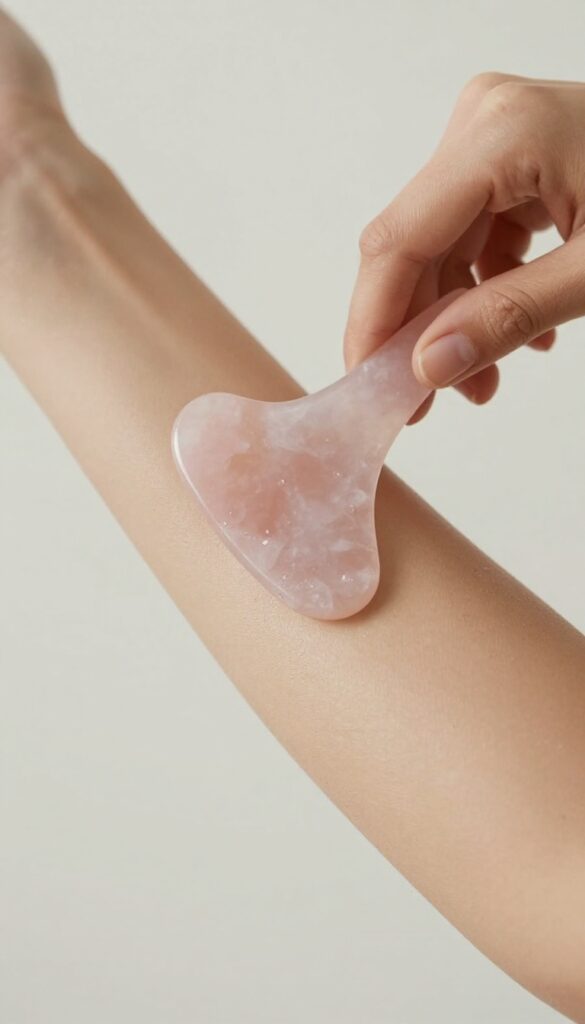
Body gua sha isn't just a facial trend—it works wonders on your arms, legs, and torso too. This ancient technique helps reduce puffiness, boost circulation, and even ease muscle tension. When paired with a nourishing oil, it turns into a soothing ritual that leaves your skin glowing and relaxed.
Using a gua sha tool or body roller on your skin can make a noticeable difference in texture and tone. The gentle scraping or rolling motion stimulates blood flow, which brings oxygen and nutrients to the surface. Over time, this can help reduce the appearance of cellulite and improve lymphatic drainage, making your skin look firmer and more even.
Why It Works
Your lymphatic system relies on movement to flush out toxins and excess fluid. Gua sha and rolling mimic that movement, encouraging stagnant lymph to flow. This reduces puffiness and gives your skin a lifted, sculpted look.
Plus, the increased circulation delivers a natural glow.
How To Do It
Start with clean, oiled skin. For gua sha, use long, gentle strokes toward your heart—always in one direction. For a roller, roll upward and outward in sweeping motions.
Focus on areas like your thighs, arms, and stomach. Do each area for 2–3 minutes, 3–4 times a week.
Best Oils To Use
Pick a lightweight, non-comedogenic oil so the tool glides smoothly. Jojoba, grapeseed, or a simple body oil with vitamin E work well. Avoid heavy creams that might drag the skin.
A few drops are enough—you want slip, not slick.
22. Avoid Over-Exfoliating
Exfoliation can do wonders for your skin, but more isn't always better. Overdoing it strips away natural oils and damages your moisture barrier, leaving skin red, irritated, and prone to breakouts. The key is to find a balance that works for your skin type.
Stick to exfoliating 2-3 times per week, and always pay attention to how your skin reacts. If it feels tight, looks red, or starts flaking, you're overdoing it. Choose gentle exfoliants like lactic acid or jojoba beads instead of harsh scrubs.
Know Your Exfoliant Type
Physical exfoliants (scrubs) can be too abrasive, especially on sensitive skin. Chemical exfoliants like AHAs and BHAs are often gentler and more effective, but they still need to be used in moderation. Start with a low concentration and see how your skin handles it.
Listen To Your Skin
Your skin will tell you when you've gone too far. Signs of over-exfoliation include stinging, redness, breakouts, or a shiny, tight appearance. When you notice these, take a break and focus on hydration and barrier repair for a few days.
Don't Exfoliate Everywhere Equally
Areas like your knees and elbows can handle more exfoliation, while your inner arms and thighs are more sensitive. Adjust your routine accordingly, and avoid exfoliating any area that's already irritated or sunburned.
23. Use a Foot Cream and Wear Cotton Socks Overnight
Your feet work hard every day, but they often get neglected in skincare routines. Dry, cracked heels and rough patches can make even the best pedicure look lackluster. The fix is simple: a rich foot cream and a pair of cotton socks while you sleep.
Applying a thick, emollient foot cream before bed and covering with cotton socks creates a mini overnight treatment. The socks lock in moisture, prevent the cream from rubbing off, and help active ingredients penetrate deeper. By morning, your feet feel noticeably softer and smoother.
Why Cotton Socks?
Cotton is breathable and gentle, unlike synthetic fabrics that can trap heat and cause sweating. They allow your skin to absorb the cream without irritation. Plus, they're comfortable enough to sleep in.
Ingredients To Look For
Choose a foot cream with urea, shea butter, or lanolin. These ingredients are humectants and emollients that soften tough skin and repair the moisture barrier. Avoid creams with alcohol or fragrances, which can dry out feet.
How To Maximize Results
For extra softness, soak your feet in warm water for 10 minutes before applying the cream. Gently exfoliate with a pumice stone to remove dead skin, then slather on the cream and put on socks. Do this nightly for a week to see dramatic improvement.
24. Protect Skin from Chlorine and Salt Water
A dip in the pool or ocean can leave your skin feeling tight, dry, and irritated. Chlorine strips away natural oils, while salt water can dehydrate and disrupt your skin barrier. But you don't have to avoid swimming—just take a few simple steps to shield your skin.
Swimming is great for your health, but it can be harsh on your skin. Chlorine and salt water both have drying effects that can lead to flakiness, redness, and even breakouts. The key is to prepare and rinse properly so your skin stays happy and hydrated.
Rinse Immediately After
The moment you step out of the water, head to the shower. Rinsing off with fresh water removes chlorine and salt before they have time to dry out your skin. Pat dry gently with a towel—no rubbing—then apply a moisturizer while your skin is still slightly damp to lock in hydration.
Apply A Barrier Cream Beforehand
Before you swim, slather on a protective barrier cream or oil. Look for ingredients like shea butter, coconut oil, or dimethicone that create a shield between your skin and the water. This simple step can significantly reduce the damage from chlorine and salt.
Hydrate Inside And Out
Drink water before and after swimming to keep your skin hydrated from the inside. Use a rich, fragrance-free moisturizer after your post-swim rinse. If you swim regularly, consider a gentle cleanser that won't strip your skin further.
25. Get Consistent Sleep for Skin Repair

You’ve probably heard the term “beauty sleep, ” and it’s not just a saying. While you rest, your body goes into repair mode, boosting blood flow to the skin and producing collagen. That’s why a solid night’s sleep can leave you looking refreshed and glowing the next morning.
Sleep is when your skin regenerates. Aim for 7-9 hours to wake up with a natural glow.
Why Sleep Matters For Skin
During deep sleep, your body releases growth hormone, which helps repair damaged skin cells. Cortisol levels drop, reducing inflammation and breakouts. Your skin also rebalances moisture overnight, so you wake up with a plump, dewy complexion.
Tips For Better Sleep Hygiene
Stick to a consistent bedtime—even on weekends. Keep your bedroom cool, dark, and quiet. Avoid screens an hour before bed, and try a calming routine like reading or gentle stretching.
Your skin will thank you.
How To Maximize Overnight Repair
Use a silk pillowcase to reduce friction and prevent wrinkles. Apply a rich body lotion or oil before bed to lock in moisture. A humidifier can also help if you sleep in a dry room.
FAQ
How often should I exfoliate my body?
Exfoliate 2-3 times a week. Over-exfoliating can irritate skin and damage the moisture barrier.
Can I use face products on my body?
Yes, but it's not cost-effective. Body-specific products are formulated for thicker skin and larger areas.
What's the best order for body care products?
After showering, apply serum (if using), then moisturizer, then oil. Sunscreen goes on last in the morning.
How do I get rid of dark spots on my body?
Use a vitamin C serum or a body lotion with niacinamide and SPF. Consistency is key.
Is dry brushing safe for sensitive skin?
It can be if done gently. Use a soft brush and avoid broken or irritated skin. Start once a week.
Conclusion
Transforming your body's skin doesn't require a cabinet full of products or hours of effort. It's about weaving these 25 simple steps into your daily life—one small habit at a time. Start with a few that feel doable, and gradually add more as they become second nature.
Your skin will thank you with a healthy, radiant glow that comes from genuine care, not just cosmetics. Remember, consistency beats intensity every time. Here's to your glowing journey!