
A great body wash routine does more than just clean—it can transform your shower into a mini spa escape. The right techniques and products make a real difference in how your skin looks and feels.
From choosing the perfect formula to mastering the order of application, small adjustments can elevate your daily wash. You don't need fancy equipment or hours of time.
These 25 tips are designed to be practical, easy to adopt, and genuinely effective. Whether you're a skincare minimalist or a routine enthusiast, there's something here to upgrade your cleanse.
1. Start with the Right Water Temperature

Your shower temperature sets the stage for everything that follows. Too hot and you strip away natural oils, leaving skin tight and irritated. Too cold and you won't effectively dissolve dirt or open pores.
Lukewarm water hits the sweet spot—comfortably warm to the touch, usually around 98–105°F. It helps soften impurities without compromising your skin barrier, making every product you use afterward work better.
Getting the water temperature right is the simplest upgrade you can make. It doesn't cost anything and instantly improves how your skin feels post-shower. Stick to warm, not hot, and your body wash will lather better, rinse cleaner, and leave you with that spa-like glow.
Why Hot Water Is A No-go
Hot water feels amazing, especially on a cold morning, but it's a fast track to dry, flaky skin. It breaks down the lipid barrier that locks in moisture, leading to irritation and even eczema flare-ups. If your skin feels tight or itchy after a shower, temperature is likely the culprit.
The Sweet Spot: Lukewarm
Lukewarm water—about body temperature—cleanses effectively without stripping. It helps body wash foam up nicely and rinses away completely, leaving no residue. Test it on your wrist: it should feel neutral, neither hot nor cold.
Cool Rinse For A Finishing Touch
If you want a quick refresh, finish with a 10-second cool rinse. It tightens pores slightly and gives your skin a subtle glow. No need for an icy blast—just a notch cooler than your washing temperature will do.
2. Choose a Body Wash That Matches Your Skin Type
Not all body washes are created equal, and using the wrong one can leave your skin feeling dry, greasy, or irritated. The key to a spa-like clean is picking a formula that works with your skin's natural balance. When you match your body wash to your skin type, you set yourself up for success.
Your skin will feel clean, comfortable, and nourished without any extra effort.
Dry Skin: Go Creamy And Hydrating
If your skin feels tight or flaky after a shower, reach for a creamy body wash. Look for ingredients like shea butter, glycerin, or ceramides that lock in moisture. Avoid foaming agents like sodium lauryl sulfate, which can strip natural oils.
A hydrating wash leaves your skin soft and supple, not parched.
Oily Skin: Gel-based With Salicylic Acid
For oily or acne-prone skin, a gel-based body wash with salicylic acid helps control excess oil and prevent breakouts. These formulas cleanse deeply without over-drying. You might also try one with tea tree oil for a refreshing, antibacterial boost.
Your skin will feel clean and balanced, not slick.
Sensitive Skin: Fragrance-free And Gentle
Sensitive skin needs extra care. Choose a body wash labeled fragrance-free and hypoallergenic. Avoid harsh exfoliants or essential oils that can cause irritation.
Look for soothing ingredients like oatmeal, aloe vera, or chamomile. A gentle wash calms your skin and makes your shower feel like a safe, relaxing ritual.
3. Use a Loofah or Exfoliating Mitt for Better Lather
A loofah or exfoliating mitt can turn a basic rinse into a bubbly, spa-like experience. The texture helps work the body wash into a rich foam while gently sloughing off dead skin cells. But not all tools are created equal, and hygiene matters more than you might think.
Loofahs and silicone mitts are great for creating lather and providing light physical exfoliation. They help distribute the product evenly and make your skin feel smoother. Just remember to replace natural loofahs every month to prevent bacteria buildup.
Silicone mitts are easier to clean and last longer, making them a smart alternative.
Why Lather Matters
A good lather spreads the body wash evenly across your skin, ensuring every area gets cleaned without wasting product. The bubbles also help lift dirt and oil from pores, leaving you feeling fresher.
Choosing The Right Tool
Natural loofahs offer gentle exfoliation but need frequent replacement. Silicone mitts are antimicrobial and easy to sanitize, while exfoliating gloves give a deeper scrub. Pick based on your skin sensitivity and how often you shower.
Keep It Clean
Rinse your loofah or mitt thoroughly after each use and hang it to dry in a well-ventilated area. Replace natural loofahs monthly; silicone versions can be washed with soap and water weekly. This prevents mold and bacteria from ruining your routine.
4. Don't Overdo the Amount of Product
It's tempting to squeeze out a generous amount of body wash for that rich lather, but more isn't always better. Using too much product can strip your skin of its natural oils and lead to dryness or irritation. Plus, you're just wasting money.
A quarter-sized amount is usually enough for your entire body. Focus the product on areas that need more cleaning, like underarms, feet, and the back. For the rest of your body, the residual suds will do the job.
If you feel like you need more, try adding water to create more lather rather than adding more product.
Why Less Is More
Your skin has a natural moisture barrier that can be disrupted by harsh cleansers. Overusing body wash, especially those with sulfates, can strip this barrier, leaving skin dry and irritated. A smaller amount is often sufficient to cleanse effectively without causing damage.
How To Measure The Right Amount
Think of a quarter-sized dollop as your standard. If you have a pump bottle, that's usually one or two pumps. For bar soap, a few swipes across your body should be enough.
Adjust based on your skin type—oily skin might need a bit more, while dry skin needs less.
Focus On Key Areas
Concentrate the body wash on areas that accumulate sweat and odor, like underarms, groin, and feet. For your arms, legs, and torso, the leftover lather from those areas will clean them sufficiently. This targeted approach prevents over-cleansing the rest of your body.
5. Wet Your Skin Completely Before Applying

It sounds obvious, but many of us step into the shower and immediately squirt body wash onto barely damp skin. That habit kills lather and leaves product sitting on the surface instead of spreading evenly. Taking an extra ten seconds to get fully wet makes everything work better.
When your skin is thoroughly soaked, the cleanser glides on smoothly and rinses off without residue. You also use less product because the water helps distribute it. This simple step sets the stage for a more effective and satisfying wash.
Why Wet Skin Matters
Body wash is designed to lather and cleanse in the presence of water. Dry skin creates friction, so the product clumps and doesn't spread well. Damp skin is better, but still not ideal—the cleanser can't fully emulsify.
Only completely wet skin allows the surfactants to work properly, lifting dirt and oil without stripping moisture.
How To Get Fully Wet
Stand under the spray for at least 30 seconds before reaching for your body wash. Rotate so every part of your body gets hit with water. Pay attention to areas that tend to stay drier, like your back and legs.
If your shower has low pressure, use your hands to splash water over those spots.
The Result You'll Notice
Once you start wetting your skin thoroughly, you'll see a richer lather with less product. Your skin will feel cleaner and less slippery after rinsing, which means no leftover residue. It's a tiny change that makes your whole routine feel more luxurious.
6. Work from Top to Bottom
The order in which you wash your body matters more than you think. By starting at your shoulders and working downward, you prevent dirt, bacteria, and product residue from traveling to cleaner areas. This simple directional flow mimics the way professional spas approach body treatments, making your shower feel more intentional and luxurious.
When you lather up your shoulders first, any sweat or bacteria from your upper body gets rinsed away before you move lower. If you start at your feet or legs, you risk transferring foot fungi or lower-body bacteria to your chest and face. This top-down method also helps your skin care products—like body oil or lotion—absorb better because you're not spreading contaminants upward.
Plus, it just feels more orderly and calming, like a ritual rather than a rushed scrub.
Why Order Matters
Your skin has different bacterial populations in different areas. Washing from top to bottom keeps the more sensitive skin on your upper body cleaner and reduces the chance of breakouts or irritation. It's especially important if you use an exfoliating mitt or loofah, which can carry bacteria from one spot to another.
How To Do It Right
Start by wetting your entire body, then apply body wash to a puff or cloth. Begin at your shoulders, work down your arms, then move to your chest and back. Continue to your stomach, hips, legs, and finally your feet.
Rinse in the same order, letting water flow downward. This takes just a few extra seconds but makes a noticeable difference.
Pair With A Spa-like Mindset
To really capture that spa feel, take a deep breath before you start washing. Move slowly and deliberately, focusing on each area. The top-down approach naturally slows you down, turning a quick rinse into a mindful moment.
You'll step out feeling not just clean, but centered.
7. Pay Extra Attention to Rough Areas
Your elbows, knees, and heels work hard every day, and they show it. These spots have thicker skin and fewer oil glands, so they tend to feel dry and rough. Giving them a little extra love during your shower can make a big difference over time.
When you lather up, take a few extra seconds to massage these areas gently. The combination of warm water, cleanser, and light pressure helps soften the skin. It’s a simple habit that pays off with smoother, more comfortable skin.
Why These Areas Get Rough
Elbows, knees, and heels are high-friction zones. They constantly bend, rub against clothing, and bear your weight. This repeated pressure thickens the outer layer of skin and reduces moisture retention.
That’s why they feel rough even when the rest of your skin is fine.
How To Massage Effectively
Use your fingertips or a soft silicone scrubber. Apply your body wash and make small circular motions for about 10 to 15 seconds per area. Don’t scrub hard—gentle, consistent pressure is enough to stimulate circulation and loosen dead skin without irritation.
Pair With The Right Products
For extra softening, choose a body wash with nourishing ingredients like shea butter, glycerin, or lactic acid. These help hydrate and gently exfoliate at the same time. Avoid harsh scrubs with large particles on these spots—they can cause micro-tears.
Consistency Is Key
Don’t expect overnight results. Stick with this routine daily, and within a week or two you’ll notice the rough patches becoming smoother. Over time, the skin on your elbows, knees, and heels can feel noticeably softer and look healthier.
8. Rinse Thoroughly to Avoid Residue
You might think rinsing is the simplest part of your shower, but it's easy to rush through and leave behind traces of body wash. Those leftover suds can lead to irritation, dryness, or even breakouts over time. Getting the rinse right is just as important as the wash itself.
Leftover body wash can cause irritation and dryness. Rinse until the water runs clear and your skin feels clean but not squeaky. A final cool rinse can help close pores.
Check For Slipperiness
After you think you're done, run your hand over your skin. If it still feels slippery or soapy, keep rinsing. That slickness means residue is still hanging around, which can trap bacteria or strip moisture.
Cool It Down
Finish with a quick cool rinse. It helps tighten pores and seals in hydration, leaving your skin feeling refreshed. Plus, it gives your shower routine that spa-like finish without any extra effort.
9. Exfoliate 2-3 Times a Week

Sloughing off dead skin cells is like hitting the reset button for your skin. It helps your body wash penetrate deeper and leaves your skin smoother and brighter. But there's a sweet spot—too little exfoliation and buildup occurs, too much and you risk irritation.
Aim for exfoliating two to three times per week, depending on your skin type. If you're sensitive, stick to twice a week with a gentle scrub or a chemical exfoliant containing lactic or glycolic acid. For oilier or thicker skin, three times may be fine.
Always listen to your skin—if it feels tight or looks red, scale back.
Choose The Right Exfoliant
Physical scrubs with fine particles (like jojoba beads or sugar) work well for most, but avoid harsh ingredients like crushed walnut shells. Chemical exfoliants are gentler and more consistent—look for lactic or glycolic acid in a body wash or lotion. Start with a lower concentration if you're new to acids.
How To Exfoliate Properly
Apply the exfoliant to damp skin in circular motions, starting from your feet and working upward. Spend extra time on rough areas like elbows and knees. Rinse thoroughly and follow with a moisturizing body wash to replenish hydration.
Signs You're Over-exfoliating
Redness, stinging, or a tight feeling after exfoliating are red flags. Your skin barrier may be compromised. Take a break for a week and switch to a gentle, non-exfoliating cleanser until it heals.
Then resume at a lower frequency.
10. Switch to a Sulfate-Free Body Wash
Not all body washes are created equal. Many conventional formulas rely on sulfates like sodium lauryl sulfate (SLS) to create that satisfying lather, but that foam comes at a cost. Sulfates can strip your skin's natural oils, leading to dryness, irritation, and a compromised moisture barrier.
Switching to a sulfate-free body wash is one of the simplest swaps you can make for healthier, happier skin.
Sulfate-free cleansers use gentler surfactants derived from coconut or glucose that clean effectively without the harshness. They're especially beneficial for daily use, sensitive skin, eczema, or anyone who notices tightness or itchiness after showering. The lather may be less dramatic, but your skin will thank you.
Why Sulfates Are Overkill
Sulfates are powerful detergents also found in dish soap and laundry detergent. They're excellent at removing oil and dirt, but that includes the protective lipids your skin needs. Over time, this can weaken your skin barrier, leading to transepidermal water loss and increased sensitivity.
For a daily body wash, you simply don't need that level of stripping power.
What To Look For Instead
Check the ingredient list for alternatives like sodium cocoyl isethionate, cocamidopropyl betaine, decyl glucoside, or lauryl glucoside. These are mild, plant-based surfactants that produce a gentle foam. Many sulfate-free body washes also include moisturizing ingredients like glycerin, aloe, or oat extract to support your skin's hydration.
How To Transition Smoothly
If you're used to a rich lather, the first sulfate-free wash might feel different—less bubbly and more creamy. Give your skin a week to adjust. You may notice less tightness and fewer dry patches.
For an even gentler experience, pair your sulfate-free wash with a soft konjac sponge or a microfiber cloth to boost cleansing without irritation.
11. Incorporate a Body Brush for Dry Brushing
Dry brushing might sound like one of those extra steps you skip, but it's a game-changer for your skin. Doing it before you step into the shower wakes up your circulation and gently sloughs off dead skin cells. The result is smoother, more radiant skin that absorbs your body wash better.
Start with a natural-bristle brush and use gentle, upward strokes toward your heart. Avoid sensitive areas and don't press too hard—light pressure is enough. After a few minutes, hop in the shower and follow with your favorite body wash for a deeper, more effective cleanse.
Aim to dry brush two to three times a week for best results.
Why Dry Brushing Works
Dry brushing stimulates blood flow and lymphatic drainage, which can help reduce puffiness and improve skin texture. It also loosens dead skin cells, allowing your body wash to penetrate more deeply and leave your skin feeling extra soft.
How To Choose A Brush
Look for a brush with natural bristles—synthetic ones can be too harsh. A long-handled brush makes it easier to reach your back, while a smaller one is ideal for arms and legs. Keep your brush clean and replace it every few months.
Tips For Best Results
Always brush on dry skin before your shower. Start at your feet and work upward in long, gentle strokes. Avoid broken or irritated skin, and never brush your face.
Follow up with a moisturizer after your shower to lock in hydration.
12. Let Your Body Wash Sit for a Moment
Most of us lather up and rinse off without pausing. But giving your body wash a little dwell time can make a big difference. When you let the product sit on your skin for 30 to 60 seconds, active ingredients like salicylic acid or moisturizers have a chance to work their magic.
This simple step can boost the effectiveness of your wash without any extra effort.
Why Dwell Time Matters
Think of your body wash like a treatment mask. Ingredients need time to penetrate or react. For example, salicylic acid requires contact time to exfoliate pores, while moisturizers need a moment to absorb.
Rinsing too quickly means you're washing away potential benefits. A short pause can transform your wash from a quick clean into a more effective skincare step.
How To Incorporate The Wait
After lathering, use the waiting time wisely. Wash your face, shave, or let the steam open your pores. Just don't stand idle—multitask.
Set a mental timer or count to 30 slowly. For targeted areas like rough elbows or knees, you can even let the wash sit a bit longer. It's an easy hack that fits seamlessly into your existing routine.
Which Ingredients Benefit Most
Not all body washes need a long sit. Look for formulas with active ingredients: salicylic acid for body acne, glycolic acid for smoothness, or shea butter for hydration. Even gentle cleansers with niacinamide or ceramides work better with a little patience.
Check the label—if it promises exfoliation or deep moisture, a dwell time will help deliver on that promise.
13. Use a Scent That Boosts Your Mood

The scent you choose for your body wash can do more than just make you smell good—it can actually shift your mood. Aromatherapy isn't just for candles or diffusers; it works just as well in the shower. By picking a fragrance that matches how you want to feel, you turn a simple cleanse into a mood-boosting ritual.
Lavender For Wind-down
If your shower is part of an evening routine, reach for a lavender-infused body wash. Its calming properties help lower stress and prepare your mind for sleep. The steam carries the scent, making it feel like a gentle hug before bed.
Citrus For A Morning Kick
Need an energy boost first thing? Citrus scents like grapefruit, orange, or lemon are naturally invigorating. They stimulate your senses and can help shake off morning grogginess.
A bright, zesty wash makes getting out of bed a little easier.
Eucalyptus For A Spa Vibe
Craving that spa-like experience at home? Eucalyptus is your go-to. Its crisp, cooling aroma opens up your airways and feels refreshing, especially after a workout or on a stuffy day.
It instantly transforms your bathroom into a relaxation zone.
14. Don't Forget Your Back and Shoulders
Your back and shoulders often get neglected in the shower because they're tricky to reach. But leaving them unwashed can lead to clogged pores and breakouts, especially if you sweat or use heavy products. Giving these areas some love is easier than you think.
A long-handled brush or back scrubber is your best friend here. It lets you scrub every inch without twisting into awkward positions. Use it with your regular body wash in gentle, circular motions.
Focus on the upper back and shoulders, where oil and sweat tend to build up. Doing this daily can help keep skin clear and smooth.
Choose The Right Tool
Not all back scrubbers are the same. Look for one with soft bristles that won't irritate your skin. A silicone scrubber is gentle and easy to clean, while a natural bristle brush offers mild exfoliation.
Pick what feels comfortable for your skin type.
Don't Over-scrub
It's tempting to go hard on those hard-to-reach spots, but too much scrubbing can cause irritation. Stick to a few gentle passes per area. If you have active breakouts, be extra careful—aggressive scrubbing can make them worse.
Rinse Thoroughly
Because your back is out of sight, it's easy to miss rinsing off all the soap. Leftover residue can clog pores and lead to itchiness. Make sure to angle the shower head so water runs down your back, or use a handheld sprayer to rinse every last bit.
15. Moisturize Immediately After Drying
The moment you step out of the shower, your skin is primed to absorb moisture. That window of opportunity closes fast—within about three minutes. If you wait too long, water evaporates from your skin's surface, leaving it drier than before.
Patting dry instead of rubbing helps preserve that thin layer of water on your skin. Then, while your skin is still slightly damp, apply a lotion or body oil. This locks in hydration and leaves your skin feeling soft and smooth all day.
It's a simple shift that makes a big difference.
Why Three Minutes Matters
After a shower, your skin's outer layer is saturated with water. If you apply moisturizer quickly, you trap that water inside, plumping up skin cells and strengthening the barrier. Waiting longer lets that water evaporate, which can actually dehydrate your skin over time.
Best Products For Damp Skin
Lightweight lotions and body oils work best on damp skin because they spread easily and absorb fast. Thick creams can feel heavy and may not distribute evenly. Look for formulas with glycerin, hyaluronic acid, or natural oils like jojoba or almond.
Technique Tips
Use gentle, upward strokes to apply your moisturizer—this supports circulation and helps your skin feel firmer. Don't forget often-missed spots like elbows, knees, and heels. A little goes a long way when skin is damp, so start with a small amount and add more if needed.
16. Try a Cream or Oil-Based Body Wash in Winter
Winter air is dry, and indoor heating only makes it worse. Your regular gel body wash might leave your skin feeling tight and itchy. That's your cue to switch to something richer.
Cream and oil-based body washes are formulated to cleanse without stripping your skin's natural moisture barrier. They contain emollients and humectants that lock in hydration, so you step out of the shower with soft, comfortable skin instead of that tight, parched feeling. Look for ingredients like shea butter, coconut oil, or glycerin on the label.
Why Your Skin Needs More Emollients
In cold months, your skin produces less oil. A cream body wash replenishes what's missing, leaving a light protective layer. This helps prevent the dreaded winter itch and keeps your skin from looking ashy.
How To Use An Oil-based Wash
Apply it to damp skin with your hands or a soft cloth. Let it sit for a minute before rinsing. You don't need much—a quarter-size amount covers your whole body.
Avoid using very hot water, which can break down the oils too quickly.
Top Ingredients To Look For
Shea butter and cocoa butter are excellent for deep moisture. Jojoba oil and almond oil mimic your skin's natural sebum. Glycerin and hyaluronic acid attract water to the skin's surface.
Steer clear of sulfates, which can foam but also strip moisture.
17. Use a Clarifying Body Wash for Back Acne

Back acne is stubborn, but the right body wash can make a big difference. Look for formulas with benzoyl peroxide or tea tree oil—both are proven to fight breakouts without stripping your skin. Use it daily on problem areas, then follow with a light moisturizer to prevent dryness.
A clarifying body wash targets the bacteria and excess oil that cause back acne. Benzoyl peroxide works by killing acne-causing bacteria, while tea tree oil offers a natural antibacterial alternative. Stick to using it once a day to avoid irritation, and always rinse thoroughly.
After showering, apply a non-comedogenic moisturizer to keep your skin barrier healthy.
Why Clarifying Washes Work
These washes contain active ingredients that penetrate pores to clear out debris and reduce inflammation. Benzoyl peroxide is especially effective for inflammatory acne, while tea tree oil is gentler for sensitive skin. Both help prevent new breakouts when used consistently.
How To Use Without Overdrying
Start by using the wash every other day to see how your skin reacts. Lather on damp skin, let it sit for 30 seconds, then rinse. Follow immediately with a lightweight, oil-free moisturizer.
If you notice redness or peeling, reduce frequency to twice a week.
Pairing With Other Products
For best results, combine your clarifying wash with a gentle exfoliating scrub once a week. Avoid using harsh loofahs or brushes on active breakouts—use your hands or a soft silicone scrubber. And don't forget to wash your towels and sheets regularly to prevent bacteria buildup.
18. Alternate Between Different Body Washes
Your skin isn't the same every day—it changes with seasons, stress, and activity levels. That's why sticking to just one body wash year-round might not give you the best results. Keeping two or three different washes on hand lets you adapt your routine to what your skin actually needs at any given moment.
Think of your body wash collection like a small wardrobe for your skin. A hydrating wash for dry winter days, an exfoliating one when you need a deeper clean, and a gentle daily option for everything in between. Rotating them keeps your skin balanced and prevents it from getting too used to any single formula.
Hydrating Wash For Dry Days
When the air is dry or your skin feels tight, reach for a body wash with ingredients like shea butter, glycerin, or hyaluronic acid. These lock in moisture and leave your skin feeling soft without stripping natural oils. Use it on days when you want a gentle, nourishing cleanse.
Exfoliating Wash For Deep Clean
A body wash with physical or chemical exfoliants—like jojoba beads, salicylic acid, or glycolic acid—helps slough off dead skin and smooth rough patches. Limit this to two or three times a week, especially if you have sensitive skin. It's perfect after a workout or when you want that extra-fresh feeling.
Gentle Daily Wash For Balance
For everyday use, pick a mild, sulfate-free body wash that cleans without over-drying. Look for calming ingredients like oatmeal, aloe vera, or chamomile. This is your go-to when your skin is behaving well and just needs a simple refresh.
19. Use a Washcloth for Gentle Manual Exfoliation
Not all exfoliation needs to be aggressive. A soft washcloth offers a gentle way to slough off dead skin cells without irritating sensitive areas. It's a simple, affordable tool that can be easily cleaned and reused, making it a sustainable choice for your routine.
Switching to a washcloth can be a game-changer for those with sensitive skin or conditions like eczema. Unlike harsh scrubs or rough loofahs, a washcloth provides just enough friction to buff away dullness without causing redness or micro-tears. Plus, you can control the pressure easily.
Why A Washcloth Works
A washcloth's texture is mild yet effective. It helps loosen dirt and oil while gently exfoliating. Because it's flat, you can reach tricky spots like your back and elbows with better control.
And since it's machine-washable, you avoid the bacteria buildup common with loofahs.
How To Use It Right
Wet the washcloth with warm water and apply a small amount of body wash. Use gentle, circular motions, starting from your feet and moving upward. Rinse the cloth often to avoid spreading dirt.
After use, hang it to dry and wash it every few days to keep it fresh.
20. Avoid Washing Your Hair with Body Wash
It might seem convenient to use one product for everything, but body wash and shampoo are formulated differently. Body washes are designed for the skin on your body, which is thicker and less oily than your scalp. Using body wash on your hair can strip natural oils or leave behind residues that make hair feel dry or greasy.
Stick to using a dedicated shampoo to cleanse your scalp and a conditioner for your ends. Your hair will thank you with better texture and shine. If you're in a pinch, a gentle, sulfate-free body wash might work once, but it's not a good long-term swap.
Why Body Wash Isn't For Hair
Body washes often contain higher levels of surfactants that can be too harsh for hair, especially color-treated or dry hair. They may also include moisturizing ingredients that can build up on the scalp, leading to dullness or itchiness.
What To Use Instead
Keep a separate shampoo and conditioner in your shower. For a spa-like experience, choose a shampoo that matches your hair type—volumizing for fine hair, hydrating for dry hair, or clarifying for oily scalps.
Travel Tip
If you're traveling and want to pack light, consider a 2-in-1 shampoo-conditioner combo rather than using body wash on your hair. It's formulated to be gentler on both hair and scalp.
21. Store Your Body Wash Properly
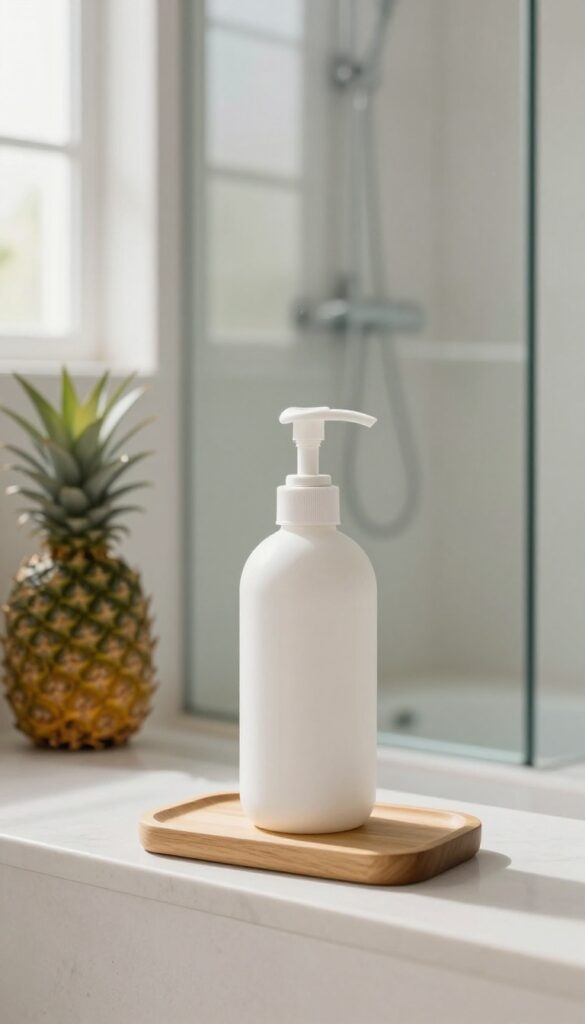
Where you keep your body wash bottle matters more than you'd expect. A little attention to storage keeps your product fresh, effective, and hygienic. Heat and moisture are the main culprits that can shorten shelf life and encourage bacterial growth.
Simple changes in how you store your body wash can make a real difference in your routine.
Proper storage is a small habit that pays off. Keep your body wash in a cool, dry place away from direct water spray. Pump bottles are more hygienic than squeeze tops because they reduce contamination.
This simple tweak helps your product last longer and stay effective.
Avoid Heat And Moisture
Don't leave your body wash bottle sitting in a puddle or under the shower stream. Heat and moisture can break down the formula and encourage bacteria. Store it on a shelf or in a caddy that keeps it dry between uses.
Choose The Right Bottle
Pump bottles are a better choice than squeeze tops or open jars. They limit air exposure and reduce the chance of contamination from wet hands. If your body wash comes in a squeeze bottle, consider transferring it to a pump dispenser.
Keep It Out Of Direct Sunlight
Sunlight can degrade some ingredients, especially natural or essential oil-based formulas. Store your body wash in a cabinet or opaque container if your bathroom gets a lot of natural light. This preserves the product's effectiveness and scent.
22. Consider a pH-Balanced Body Wash
Your skin has a natural protective barrier that works best at a slightly acidic pH, around 4. 5 to 5. 5.
Many conventional body washes are too alkaline, which can strip away this barrier and leave skin dry or irritated. Switching to a pH-balanced formula helps maintain that delicate balance, keeping your skin resilient and comfortable.
A pH-balanced body wash is formulated to match your skin’s natural acidity. This helps preserve the acid mantle, the thin protective layer that locks in moisture and keeps bacteria out. When you use a wash that’s too alkaline, it can disrupt this barrier, leading to dryness, sensitivity, or even breakouts.
Look for labels that say "pH-balanced" or check the ingredients—gentle surfactants like coco-glucoside are good signs.
Why Ph Matters For Your Skin
Your skin’s acid mantle is your first line of defense. A pH-balanced body wash supports this barrier, preventing moisture loss and reducing the risk of irritation. It’s especially helpful if you have sensitive skin or conditions like eczema.
How To Spot A Ph-balanced Formula
Not all body washes are created equal. Look for products labeled "pH-balanced" or with a pH between 4. 5 and 5.
- Avoid harsh sulfates like sodium lauryl sulfate (SLS), which can be too alkaline. Creamy, sulfate-free formulas are often a safer bet.
The Long-term Benefits
Stick with a pH-balanced body wash, and your skin will thank you. Over time, you’ll notice less dryness, fewer flare-ups, and a smoother texture. It’s a simple swap that pays off in healthier, more comfortable skin.
23. Use a Body Wash with Antioxidants
Your skin faces daily assaults from UV rays, pollution, and other environmental stressors. Adding a body wash packed with antioxidants is an easy way to fight back while you cleanse. Ingredients like vitamin C, green tea extract, and niacinamide don't just sound fancy—they actively neutralize free radicals that can lead to premature aging and dullness.
This is especially helpful if you spend a lot of time outdoors or live in a city with high pollution levels. Think of it as a protective shield you apply in the shower. It's a simple swap that pays off in healthier, more resilient skin over time.
Antioxidants work by stabilizing free radicals—unstable molecules that damage skin cells. When you wash with an antioxidant-rich body wash, you're essentially giving your skin a dose of defense every day. Look for ingredients like vitamin C (ascorbic acid or its derivatives), green tea (camellia sinensis leaf extract), niacinamide (vitamin B3), or vitamin E (tocopherol).
These are well-researched and effective. Not all antioxidant body washes are created equal. Check that the antioxidant appears high on the ingredient list—ideally in the top five.
Products where antioxidants are listed near the end may have negligible benefits. Also, choose a formula that suits your skin type: gel-based for oily skin, cream-based for dry skin. For maximum benefit, pair your antioxidant body wash with a gentle loofah or silicone scrubber.
This helps distribute the product evenly and encourages better absorption. Rinse with lukewarm water—hot water can degrade some antioxidants and strip your skin's natural oils.
Why Antioxidants Matter In Body Wash
Unlike leave-on treatments, body wash is a rinse-off product, so you might wonder if antioxidants even work. They do—because even short contact time allows antioxidants to absorb into the skin's outer layer. Repeated daily use builds up a reservoir of protection over time.
Studies show that ingredients like green tea polyphenols can reduce UV-induced damage when applied topically, even briefly.
How To Choose The Right Antioxidant Body Wash
Look for products labeled "antioxidant-rich" or with specific ingredients like vitamin C, green tea, or niacinamide. Avoid washes with high alcohol content or harsh sulfates, as these can counteract antioxidant benefits. For sensitive skin, opt for fragrance-free versions.
Some excellent options include CeraVe's Vitamin C Body Wash, The Body Shop's Green Tea Body Wash, and Aveeno's Positively Radiant with niacinamide.
Tips For Best Results
Use the body wash as part of your morning routine to prep skin for the day ahead. Let it sit for 30–60 seconds before rinsing to allow absorption. Follow up with a moisturizer containing antioxidants to double down on protection.
And don't forget to store your body wash in a cool, dark place—light and heat can degrade antioxidants over time.
24. Don't Shower Too Often
It's tempting to hop in the shower multiple times a day, especially if you love that fresh, clean feeling. But more isn't always better when it comes to your skin. Over-showering can actually do more harm than good.
Showering once a day is plenty for most people. Each time you shower, you strip away some of your skin's natural oils, which help keep it hydrated and protected. If you shower more than once daily, you risk drying out your skin and causing irritation.
On days when you don't work out or get dirty, a quick rinse with just water is often enough to freshen up without stripping your skin.
Why Less Is More
Your skin has a delicate balance of oils and good bacteria that act as a protective barrier. Frequent washing disrupts this balance, leading to dryness, itchiness, and even breakouts. By cutting back to one shower per day, you give your skin time to recover and maintain its natural moisture.
When To Skip The Soap
Not every shower needs to be a full wash. On non-workout days or when you haven't been sweating, simply rinse off with warm water. This removes surface dirt without stripping your skin.
Save the body wash for when you really need it—after exercise, gardening, or a long day out.
25. Make It a Ritual, Not a Chore

Your shower can be more than a quick rinse—it’s a chance to reset. By adding a few simple sensory cues, you shift from autopilot to a calming ritual that feels like a spa visit. The best part?
It takes almost no extra time.
The difference between a routine and a ritual is intention. When you treat your shower as a mindful moment, you engage your senses and calm your mind. Start by dimming the lights or lighting a candle.
Choose a calming playlist or simply enjoy the sound of water. Before you step in, take three deep breaths. This small pause signals your brain that it’s time to unwind.
Over time, these cues become a powerful trigger for relaxation, making your body wash routine something you look forward to, not rush through.
Set The Scene
Lighting and scent are your quickest tools. Swap bright overhead lights for a dimmer or a single candle. Pick a scent that relaxes you—lavender, eucalyptus, or vanilla work well.
Keep a small speaker in the bathroom for soft music or nature sounds. The goal is to create a consistent atmosphere that tells your body, “It’s time to decompress. ”
Breathe Before You Lather
Before you reach for your body wash, stand still for a moment. Inhale deeply through your nose, hold for a few seconds, and exhale slowly through your mouth. Repeat three times.
This simple practice lowers your heart rate and shifts your focus to the present. It also helps you notice the temperature and texture of the water, making the experience more immersive.
Slow Down The Process
A spa-like clean isn’t rushed. Use your fingertips or a soft loofah to massage the body wash into your skin in slow, circular motions. Pay attention to each area—your arms, legs, torso—without hurrying.
This not only feels luxurious but also improves circulation and ensures thorough cleansing. Let the warm water and steam work together to relax your muscles.
FAQ
How often should I exfoliate my body?
2-3 times per week is ideal for most skin types. Over-exfoliating can cause irritation, so listen to your skin and adjust if you notice redness or sensitivity.
Can I use body wash on my face?
It's not recommended. Body washes are formulated for thicker skin on the body and can be too harsh for the delicate facial skin. Use a dedicated facial cleanser instead.
What's the best water temperature for a body wash routine?
Lukewarm water is best. Hot water strips natural oils, while cold water doesn't clean as effectively. Aim for a comfortable warm temperature that doesn't leave your skin red or tight.
Should I use a loofah or just my hands?
Both work, but a loofah or exfoliating mitt creates more lather and provides gentle exfoliation. If you have sensitive skin, using your hands is gentler. Replace loofahs monthly.
How long should I spend washing my body?
A thorough body wash should take about 5-10 minutes. Focus on lathering and rinsing each area without rushing. Letting the product sit for 30-60 seconds can boost effectiveness.
Conclusion
Transforming your daily shower into a spa-like ritual doesn't require a complete overhaul. Start with just two or three tips that feel most inviting—maybe a warm towel or a scented body oil—and let them become small moments of calm.
Over time, these simple additions will make your routine feel less like a chore and more like a treat you look forward to. Consistency, not complexity, is what turns a basic body wash into a truly refreshing experience.