
You know that amazing feeling when your skin looks effortlessly radiant—like you just stepped out of a spa? That glow isn't reserved for magazine covers or expensive treatments. It comes from small, intentional tweaks to your everyday body care routine.
Most of us stick to the same shower gel and lotion combo, never realizing that a few simple changes can transform our skin's texture and tone. The good news? You don't need a complete overhaul.
These 15 fixes are easy to implement, budget-friendly, and designed to target common skin concerns like dryness, dullness, and unevenness. Ready to unlock your best glow? Let's dive in.
1. Swap Your Body Wash for a Gentle, pH-Balanced Formula
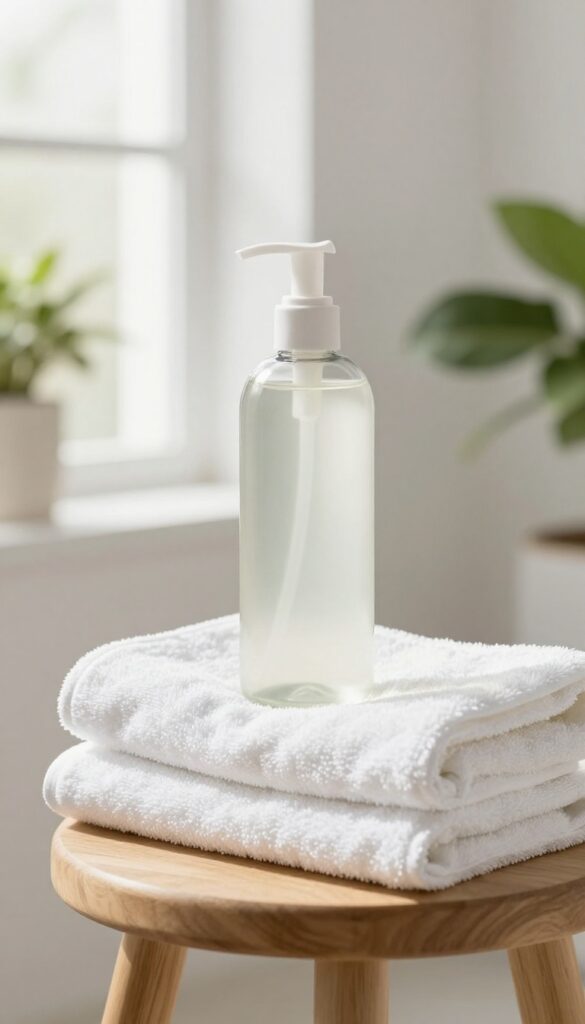
Not all body washes are created equal. Many popular formulas use harsh surfactants like sodium lauryl sulfate that strip your skin's natural moisture barrier, leaving it dry and dull. Switching to a gentle, pH-balanced body wash helps maintain your skin's optimal pH level, which supports a healthy microbiome and a natural glow.
Your skin's surface has a slightly acidic pH, typically around 4. 5 to 5. 5.
Many conventional body washes are more alkaline, which disrupts this balance and leads to dryness, irritation, and lackluster skin. A pH-balanced formula works with your skin, not against it, helping to lock in moisture and keep your complexion radiant.
Look For Sulfate-free Cleaners
Sulfates are powerful detergents that create lots of lather but can be too harsh for daily use. Instead, choose body washes with mild cleansing agents like coco-glucoside or decyl glucoside. These effectively remove dirt and sweat without stripping your skin.
Check The Ph Level
Some brands list the pH on the label. Aim for a body wash with a pH between 4. 5 and 5.
- If it's not listed, look for terms like "pH-balanced" or "gentle. " Your skin will thank you.
Hydrating Ingredients Are A Bonus
Ingredients like glycerin, aloe vera, and ceramides add extra moisture. They help replenish your skin's barrier while you cleanse, so you step out of the shower feeling soft, not tight.
2. Exfoliate Twice a Week with a Chemical Exfoliant
Scrubbing your skin with a gritty physical scrub might feel satisfying, but it can actually do more harm than good. Those tiny particles create micro-tears in the skin, leading to irritation and dullness over time. A smarter approach is to let chemical exfoliants do the heavy lifting.
Lactic acid and glycolic acid are gentle yet effective ingredients that dissolve dead skin cells without any abrasive friction. They work on the surface level to reveal the fresh, smooth skin underneath. The result is a noticeable glow that builds with consistent use.
Chemical exfoliants come in many forms, but body lotions and creams are the easiest to add to your routine. Look for products with 5% to 10% lactic or glycolic acid. Start with once a week to see how your skin reacts, then bump it up to twice weekly.
Apply after showering on clean, dry skin. Avoid using on any broken or sunburned areas. Over time, you'll notice smoother texture, even tone, and a natural radiance.
Why Chemical Over Physical?
Physical scrubs rely on particles like sugar, salt, or microbeads to manually buff away dead skin. That friction can inflame the skin, especially if you have sensitive or dry skin. Chemical exfoliants, on the other hand, dissolve the bonds holding dead cells together, so they slough off gently.
Your skin stays calm while getting the job done.
Which Acid Should You Pick?
Lactic acid is more hydrating and milder, making it a good choice for dry or sensitive skin. Glycolic acid is stronger and penetrates deeper, so it's better for rough, thick skin on areas like elbows and knees. Both are alpha-hydroxy acids (AHAs) that work on the skin's surface.
You can even alternate them depending on your skin's needs.
How To Use It Right
Apply your chemical exfoliant lotion right after a shower when your skin is slightly damp. This helps the product absorb better. Use it at night so your skin can repair while you sleep.
Don't forget sunscreen the next day—AHAs make your skin more sensitive to the sun. Stick to twice a week max to avoid overdoing it.
3. Apply Body Oil on Damp Skin Right After Showering

You might be missing out on the easiest glow hack: applying body oil while your skin is still damp. This simple step locks in hydration and leaves you with a luminous, dewy finish that lasts all day. Here's why it works and how to do it right.
When you apply body oil on damp skin, the oil mixes with the water droplets, creating an emulsion that seals moisture in. This prevents water from evaporating and keeps your skin hydrated longer. Plus, the oil spreads more evenly, so you use less product and get a smooth, non-greasy finish.
Why Damp Skin Works Best
Damp skin is like a sponge—it's more receptive to absorption. When you apply oil right after patting dry, the water helps the oil penetrate deeper, while the oil locks that moisture in. This double action plumps up skin cells, reducing the appearance of fine lines and giving you that coveted glow.
Best Oils For A Glowy Finish
Not all body oils are created equal. For a non-greasy, luminous glow, look for lightweight oils like jojoba, squalane, or grapeseed. These mimic your skin's natural sebum and absorb quickly.
Avoid heavy mineral oils that sit on top and feel sticky. A few drops of a vitamin E or rosehip oil can also boost radiance.
How To Apply For Best Results
After showering, gently pat your skin with a towel so it's still damp but not dripping. Pour a few drops of body oil into your palms, rub them together, and press the oil onto your skin rather than rubbing. This technique ensures even coverage without waste.
Focus on drier areas like elbows and knees, and let the oil absorb for a minute before dressing.
4. Use a Dry Brush Before Showering to Boost Circulation
Dry brushing might sound like a trend, but it's actually a time-tested technique that wakes up your skin and your whole body. A few minutes before you step into the shower can make a real difference in how your skin looks and feels. It's not about scrubbing hard or trying to remove every dead cell.
The goal is gentle stimulation—encouraging blood flow, loosening dry patches, and giving your skin a subtle, natural glow. Plus, it feels invigorating, almost like a mini massage.
Dry brushing works by physically exfoliating the skin's surface while stimulating the lymphatic system. This helps flush out toxins and reduce fluid retention, which can make skin look smoother and more toned. Many people also notice a reduction in the appearance of cellulite over time, though results vary.
The key is to use a natural-bristle brush with a long handle for hard-to-reach areas. Always brush on dry skin before showering, using long, gentle strokes toward your heart. Avoid sensitive areas and never brush over broken or irritated skin.
Why Brushing Toward The Heart Matters
Your lymphatic system relies on muscle movement to circulate fluid, and brushing toward your heart follows the natural direction of lymph flow. This helps move waste out of tissues more efficiently, reducing puffiness and supporting detoxification. It also encourages blood return, which can give your skin a temporary rosy glow.
How Often Should You Dry Brush?
Start with 2 to 3 times per week to let your skin adjust. Over-brushing can cause irritation or micro-tears. Once your skin gets used to it, you can increase to daily if it feels comfortable.
Always moisturize after your shower to lock in the benefits—dry brushing preps skin to absorb lotion better.
Choosing The Right Brush
Look for a brush with natural bristles (like sisal or cactus) and a long handle for your back. Softer bristles are better for sensitive skin. Replace your brush every 6 to 12 months to keep it hygienic and effective.
Clean it weekly with mild soap and water, then let it air dry.
5. Incorporate a Vitamin C Body Serum for Brightening
Vitamin C is a powerhouse antioxidant that does wonders for evening out skin tone and fading dark spots. While we often remember to apply it to our face, our body deserves the same brightening love. A dedicated body serum can target discoloration on arms, chest, and legs, giving you a more uniform glow.
Vitamin C works by inhibiting melanin production and boosting collagen synthesis, which helps reduce the appearance of sun spots, age spots, and hyperpigmentation. It also protects against environmental damage that can dull your skin. Applying a body serum with a stable form of vitamin C (like ascorbic acid or tetrahexyldecyl ascorbate) can make a noticeable difference in skin radiance over time.
Why Your Body Needs Vitamin C Too
Your face isn't the only part of you that sees the sun. Your arms, chest, and legs are constantly exposed to UV rays and pollution, leading to uneven tone and dark patches. A vitamin C body serum works to correct these issues, leaving your skin brighter and more even.
How To Apply For Best Results
Apply the serum right after showering, while your skin is still slightly damp. This helps with absorption. Start with a small amount and gently massage it into areas with discoloration.
Follow up with a moisturizer to lock in the benefits. Use it once daily, preferably in the morning, and always pair with sunscreen to protect your skin.
What To Look For In A Body Serum
Choose a serum with a stable form of vitamin C and a concentration between 10% and 20%. Look for additional brightening ingredients like niacinamide or licorice root extract. Avoid formulas with high alcohol content, as they can dry out your skin.
A lightweight, non-greasy texture works best for body application.
6. Don't Forget Sunscreen on Your Body Every Day

You probably slather SPF on your face every morning, but what about your arms, legs, and chest? Sun damage is a major cause of dullness and premature aging, and it doesn't take a beach day to do the harm. Daily UV exposure adds up, leading to uneven tone, fine lines, and loss of that natural glow.
The fix is simple: make body sunscreen as routine as brushing your teeth.
Apply a broad-spectrum SPF 30+ to all exposed areas, even on cloudy days. Don't forget often-missed spots like the back of your hands, tops of your feet, and your neck. Reapply every two hours if you're outdoors or after sweating or swimming.
For everyday wear, a lightweight lotion or spray sunscreen makes it easy to stay protected without feeling sticky.
Choose The Right Formula
Not all sunscreens are created equal for body use. Look for a broad-spectrum SPF 30 or higher that offers both UVA and UVB protection. If you have dry skin, a moisturizing sunscreen with ingredients like hyaluronic acid or glycerin can double as your daily lotion.
For oily or acne-prone skin, opt for oil-free, non-comedogenic formulas that won't clog pores. Spray sunscreens are convenient for quick application, but make sure to rub them in evenly for full coverage.
Make It A Morning Habit
Incorporate sunscreen into your morning routine right after your body moisturizer. Keep a bottle next to your deodorant or on your bathroom counter so you see it every day. If you're worried about the greasy feel, try a fast-absorbing gel or a powder sunscreen for a matte finish.
Setting a reminder on your phone for the first few weeks can help turn it into an automatic step.
Don't Forget The Forgotten Areas
Ears, back of the neck, tops of feet, and the backs of your hands are often missed but get just as much sun exposure. Use a stick sunscreen for precise application on small areas. If you wear sandals or open-toed shoes, apply SPF to your feet daily.
And if you have a part in your hair, spray sunscreen there too—your scalp can burn just like the rest of your skin.
7. Upgrade Your Shower Routine with a Filtered Shower Head
If your skin feels tight or itchy after a shower, the water itself might be the culprit. Hard water is packed with minerals like calcium and magnesium, plus chlorine added by treatment plants. These can strip natural oils, leaving skin dry and irritated.
A filtered shower head is a simple swap that makes a real difference.
By removing harsh chemicals and impurities, a filtered shower head helps your skin retain moisture and stay balanced. You'll notice softer, calmer skin after just a few washes. Plus, it can also improve hair health and reduce product buildup.
What A Filter Actually Removes
Most shower filters use activated carbon and KDF media to reduce chlorine, chloramine, heavy metals, and sediment. Some also add vitamin C to neutralize chlorine and support skin health. The result is water that's gentler on your skin barrier.
Installation Is A Breeze
You don't need a plumber. Most filtered shower heads screw right onto your existing shower arm in minutes. They come with adapters for different thread sizes, so they fit almost any setup.
Just hand-tighten and you're good to go.
When To Replace The Filter
Filters typically last 3 to 6 months, depending on your water quality and usage. Many models have a built-in indicator that changes color when it's time for a swap. Set a reminder on your phone so you don't forget.
8. Add a Hyaluronic Acid Body Lotion for Deep Hydration
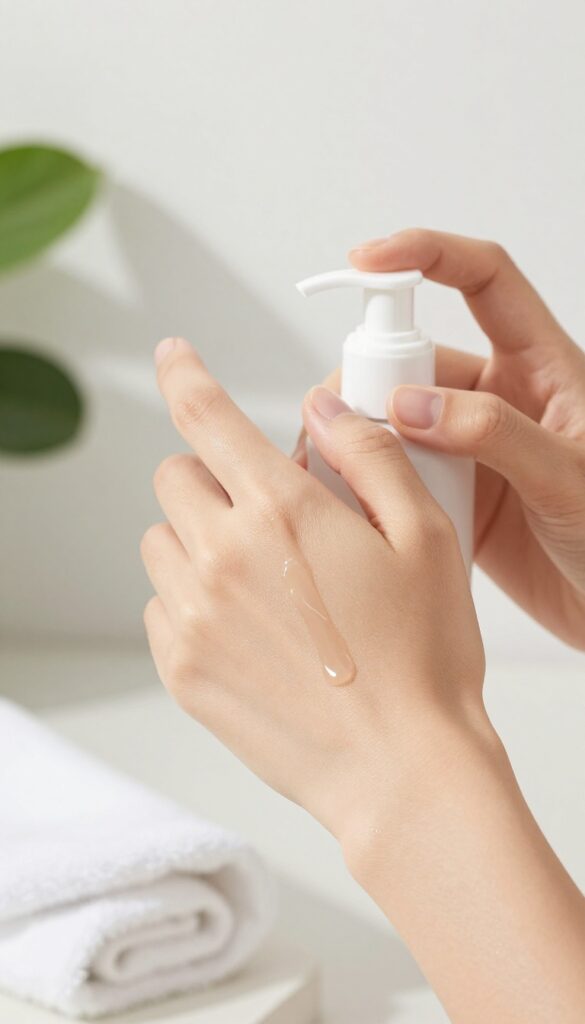
Hyaluronic acid is a hydration hero that can hold up to 1, 000 times its weight in water. When you apply a body lotion with this ingredient, it pulls moisture into your skin and locks it there, giving you a plump, dewy look. Fine lines fade, and your natural glow shines through.
Not all body lotions are created equal. Hyaluronic acid is a game-changer because it targets hydration at a deeper level. Unlike heavy creams that sit on top, this ingredient penetrates to attract moisture from the air and your skin's deeper layers.
The result is a smooth, bouncy texture that lasts all day.
Why Hyaluronic Acid Works So Well
Hyaluronic acid is naturally found in your skin, but levels drop with age and environmental stress. A body lotion replenishes it, helping your skin hold onto moisture better. It's lightweight, non-greasy, and works for all skin types—even oily or acne-prone.
How To Apply For Best Results
Apply your hyaluronic acid lotion right after a shower when your skin is still slightly damp. This traps extra water on the surface. Follow with a light oil or cream to seal everything in.
You'll notice an instant plumping effect that gets better with daily use.
What To Look For In A Formula
Check the ingredient list for sodium hyaluronate or hydrolyzed hyaluronic acid. These smaller molecules penetrate deeper. Pair it with ceramides or glycerin for extra barrier support.
Avoid lotions with heavy fragrances if you have sensitive skin.
9. Sleep with a Humidifier to Prevent Overnight Moisture Loss
Waking up with tight, dry skin is a sign that your bedroom air is stealing moisture while you sleep. A humidifier is a simple fix that keeps your skin hydrated through the night, so you wake up with a softer, more radiant complexion.
Dry air, especially in winter, sucks moisture from your skin. A humidifier in your bedroom keeps the air moist, helping your skin stay hydrated and glowing.
Why Dry Air Wrecks Your Glow
When humidity drops, your skin's moisture barrier takes a hit. Water evaporates faster from your skin's surface, leaving it parched and dull. A humidifier adds moisture back into the air, slowing that evaporation and keeping your skin plump.
How To Use It Right
Place the humidifier near your bed, but not too close to avoid dampness. Clean it weekly to prevent mold and bacteria. Aim for 40-60% humidity—too high can cause condensation, too low won't help.
Run it all night for best results.
Extra Glow Boosters
Add a few drops of lavender or eucalyptus essential oil to the water for a calming scent that also benefits your skin. Pair with a lightweight night cream or a hydrating face mist to lock in extra moisture.
10. Massage Your Body with a Jade Roller or Gua Sha Tool
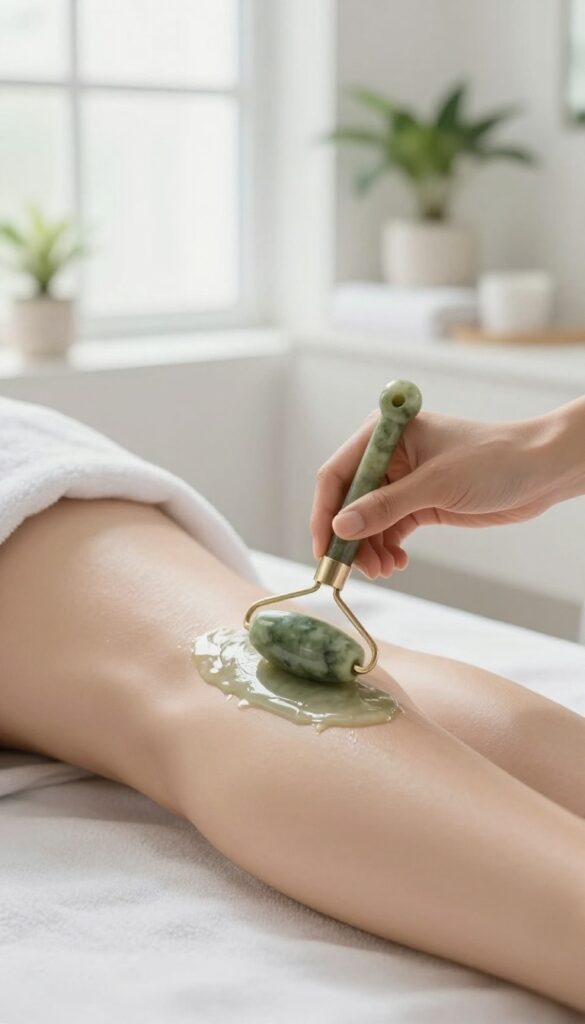
Facial tools aren't just for your face. A large jade roller or gua sha tool can work wonders on your body too, especially on areas like legs and arms where puffiness tends to settle. The gentle pressure and cool stone help stimulate lymphatic drainage, reducing fluid retention and giving your skin a smoother, more toned appearance.
It's a simple ritual that takes just a few minutes, but the results are noticeable. Your skin feels firmer, looks less puffy, and gets an instant glow from the increased circulation. Plus, it's incredibly relaxing.
Using a jade roller or gua sha on your body is easy and effective. Start with clean, oiled skin to let the tool glide smoothly. Roll or scrape in upward motions toward your heart to encourage lymph flow.
Focus on areas that feel puffy or tense, like your thighs, calves, and arms. Do this a few times a week for best results.
Why It Works
The lymphatic system relies on movement to drain waste and excess fluid. When you use a jade roller or gua sha, you're physically pushing that fluid toward lymph nodes where it can be processed. This reduces swelling and gives your skin a tighter, more lifted look.
How To Do It Right
Apply a body oil or lotion first to reduce friction. For the jade roller, roll in long, gentle strokes from your ankles up to your thighs, and from your wrists up to your shoulders. With gua sha, use short, firm strokes at a 45-degree angle.
Always move toward your heart. Avoid pressing too hard—it should feel good, not painful.
When To Add It To Your Routine
This works great in the morning to depuff and energize, or at night to wind down. Aim for 2–3 times per week. Consistency matters more than intensity.
Over time, you'll notice less puffiness and a more even skin texture.
11. Switch to a Silk or Satin Pillowcase for Your Body
Your pillowcase might be sabotaging your glow while you sleep. Cotton pillowcases create friction and absorb moisture from your skin, leaving it dry and prone to creases. A simple swap to silk or satin can make a surprising difference in how your skin looks and feels in the morning.
Silk and satin pillowcases are smoother and less absorbent than cotton. They reduce friction, which means fewer sleep lines and less irritation. Plus, they help your skin retain moisture and your products stay where they belong—on your face, not your pillow.
Why Cotton Can Be Harsh
Cotton fibers are rough on a microscopic level. They tug at your skin, causing micro-tears and creases over time. Cotton also soaks up your nighttime serums and moisturizers, wasting product and leaving your skin drier.
How Silk And Satin Help
Silk and satin glide over your skin, reducing friction and preventing sleep lines. They are also less absorbent, so your skin stays hydrated and your skincare products stay put. The result?
Smoother, more radiant skin by morning.
Picking The Right Pillowcase
Look for 100% mulberry silk with a high momme count (19 or above) for the best quality. Satin is a more affordable alternative—just make sure it's made from silk or high-quality polyester. Wash them gently in cold water to keep them soft and effective.
12. Drink Green Tea for Its Antioxidant and Anti-Inflammatory Benefits
Your skin is a reflection of what's happening inside your body, and inflammation is a major culprit behind dullness and breakouts. Green tea is packed with antioxidants called catechins that fight free radicals and calm inflammation from the inside out. Sipping a couple of cups a day can help reduce redness, even out tone, and give your complexion that sought-after clarity.
Green tea isn't just a soothing beverage—it's a powerhouse for skin health. The catechins in green tea are potent antioxidants that protect your skin cells from damage caused by UV rays and pollution. Plus, they have anti-inflammatory properties that can calm acne and rosacea.
To get the most benefit, brew fresh green tea (avoid bottled versions with added sugar) and drink it warm or iced. You can also use cooled green tea as a facial rinse or spritz for an extra antioxidant boost.
Why Catechins Matter
Catechins are a type of flavonoid that neutralize free radicals, which are unstable molecules that accelerate aging and dullness. By reducing oxidative stress, green tea helps maintain collagen and elastin, keeping skin firm and radiant. Studies show that drinking green tea regularly can improve skin elasticity and reduce signs of aging.
How To Incorporate Green Tea
Aim for 2 to 3 cups of freshly brewed green tea per day. Steep it for 3–5 minutes to maximize catechin extraction without bitterness. If you're sensitive to caffeine, opt for decaffeinated green tea or matcha, which is ground green tea leaves and offers even more antioxidants.
You can also use green tea bags as a compress for puffy eyes or irritated skin.
13. Use a Self-Tanner for an Instant, Natural-Looking Glow
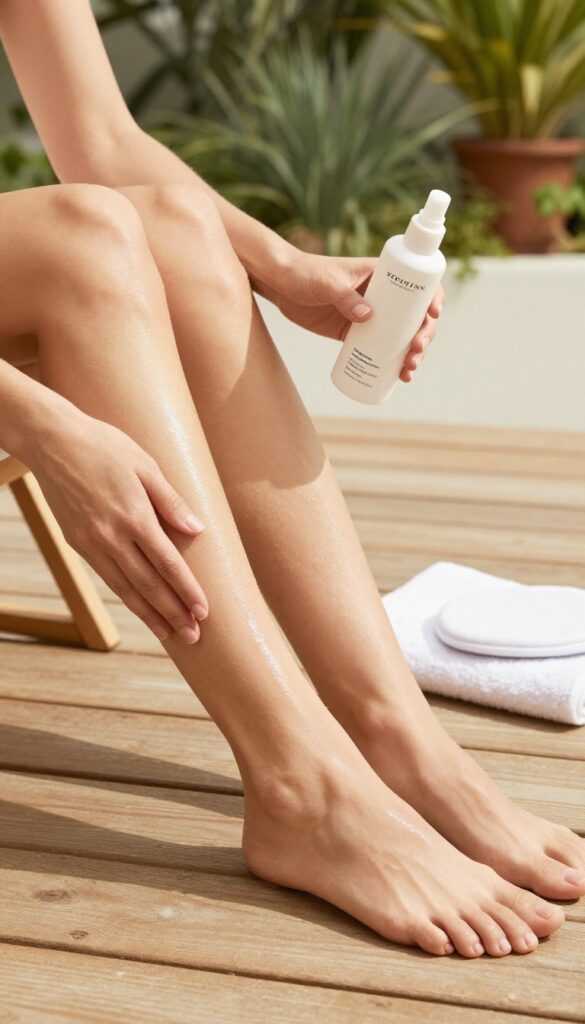
A gradual self-tanner can give your skin a sun-kissed radiance without UV damage. Choose one with hydrating ingredients for a streak-free finish. It's like a cheat code for that healthy, just-back-from-vacation look, minus the harmful rays.
Pick The Right Formula
Look for self-tanners with moisturizing ingredients like hyaluronic acid, aloe vera, or coconut oil. These help the color develop evenly and prevent patchiness. Avoid formulas with alcohol, which can dry out skin and cause streaks.
Prep Your Skin First
Exfoliate 24 hours before applying to remove dead skin cells. Focus on rough areas like elbows, knees, and ankles. Shaving or waxing should be done at least a day ahead to avoid irritation.
Apply Like A Pro
Use a mitt for even coverage and wash your hands immediately after. Start from your ankles and work upward, blending in circular motions. Don't forget the tops of your feet and the back of your hands.
Extend The Life Of Your Tan
Moisturize daily to keep the tan fading evenly. Avoid long, hot showers and harsh soaps. Reapply every few days to maintain the glow, or use a gradual tanner lotion for a subtle boost.
14. Incorporate Omega-3 Fatty Acids into Your Diet
Your skin's glow starts from within, and omega-3 fatty acids are a key player. These healthy fats help strengthen your skin's barrier, keeping moisture in and irritants out. They also calm inflammation, which can lead to redness and breakouts.
Adding omega-3-rich foods to your meals is a simple, delicious way to support your skin from the inside out. Fatty fish like salmon and mackerel, plant-based options like walnuts and flaxseeds, and even chia seeds are excellent sources. Aim for at least two servings of fatty fish per week or a daily sprinkle of seeds on your oatmeal or salad.
Why Omega-3s Matter For Your Skin
Omega-3s, especially EPA and DHA, help regulate oil production and keep your skin hydrated. They also reduce inflammation, which can soothe conditions like acne or eczema. Think of them as internal moisturizers that support a smooth, even complexion.
Easy Ways To Add Omega-3s To Your Diet
Start your day with a smoothie blended with flaxseed or chia seeds. Snack on a handful of walnuts, or swap your usual protein for grilled salmon twice a week. If you're not a fish fan, consider a high-quality algae-based supplement—just check with your doctor first.
How Long Until You See Results?
Consistency is key. Most people notice a visible improvement in skin hydration and glow within four to six weeks of regular omega-3 intake. Pair it with a good skincare routine, and you'll see a real difference in your skin's texture and radiance.
15. Practice Dry Sauna or Steam Therapy Once a Week

Heat therapy isn't just relaxing—it's a secret weapon for glowing skin. A weekly dry sauna or steam session opens up your pores, gets you sweating, and fires up circulation. That flush of blood brings oxygen and nutrients to your skin cells, while sweat flushes out impurities.
The result? A clearer, brighter, more even complexion that looks like you've had a facial.
Why Heat Works For Your Skin
Sweating is your body's natural detox mechanism. When you sit in a sauna or steam room, your core temperature rises, and your blood vessels dilate. This increases blood flow to the skin, delivering oxygen and nutrients while carrying away waste products.
It also helps loosen dead skin cells and unclog pores, which can reduce breakouts and dullness.
Dry Sauna Vs. Steam: Which Is Better?
Both have benefits. Dry saunas (around 170-200°F with low humidity) promote deep sweating and are great for circulation. Steam rooms (around 110-120°F with 100% humidity) are gentler on the respiratory system and feel more hydrating for the skin.
Choose based on your preference—or alternate weeks to get the best of both worlds.
Tips For A Safe And Effective Session
Hydrate well before and after—aim for at least 16 ounces of water. Limit your session to 10-20 minutes, especially if you're new. Cool down gradually afterward, and rinse off with lukewarm water to remove sweat and toxins.
Follow up with a lightweight moisturizer to lock in hydration without clogging pores.
FAQ
How often should I exfoliate my body for a glow?
For most skin types, exfoliating 2-3 times per week with a gentle chemical exfoliant is ideal. Over-exfoliating can cause irritation, so start slow and adjust based on your skin's response.
Can I use facial products on my body?
Yes, but it's not always cost-effective. Body skin is thicker, so you may need more product. However, using a facial serum with active ingredients like vitamin C or hyaluronic acid on targeted body areas can be beneficial.
What's the best order for applying body care products?
After showering, apply products from thinnest to thickest: first a serum or oil, then a lotion or cream. This ensures proper absorption and maximum hydration.
Do I need to use body sunscreen even in winter?
Yes, UV rays penetrate clouds and windows. Daily SPF on exposed skin helps prevent premature aging and maintains an even skin tone year-round.
How long does it take to see results from a body care routine?
With consistent care, you may notice improved texture and hydration within a week. For significant changes in tone and glow, give it 4-6 weeks.
Conclusion
Achieving a radiant glow doesn't require a complicated regimen or expensive products. By making these 15 small but impactful changes, you can transform your body care routine into a ritual that nourishes and revitalizes your skin. Start with one or two fixes that resonate most with you, and build from there.
Your skin will thank you with a healthy, luminous glow that shines from within. Remember, consistency is key—so stick with it and enjoy the journey to better skin.