
Smooth, healthy skin isn't just about your face—your body deserves the same love. The right routine can transform rough patches, dryness, and dullness into a soft, even glow. These 23 tips focus on real results, so you can feel confident in your skin every day.
From shower strategies to product picks, each idea targets a common skin concern.
You don't need a cabinet full of products—just smart habits that work. Ready to upgrade your body care? Let's dive in.
Think of this as your cheat sheet for head-to-toe smoothness. No fluff, just actionable steps that make a visible difference. Your skin will thank you.
1. Start Your Shower with Lukewarm Water

You might love a scalding hot shower, but your skin doesn't. Hot water strips away the natural oils that keep your skin soft and hydrated, leaving it tight and dry. Lukewarm water is the sweet spot—it cleans effectively without damaging your moisture barrier.
This simple switch can make a huge difference in how your skin feels after every shower.
Hot water is a common culprit behind dry, irritated body skin. When you shower with water that's too hot, it dissolves the lipid barrier that locks moisture in. Over time, this leads to dehydration, flakiness, and even itchiness.
Lukewarm water, on the other hand, gently removes dirt and sweat without stripping your skin. It also helps your pores stay balanced, so your skin can breathe and absorb moisture better. If you're used to hot showers, try dialing down the temperature gradually—your skin will adjust and thank you for it.
Why Temperature Matters
Your skin's moisture barrier is made of lipids that keep hydration in and irritants out. Hot water melts these lipids, weakening the barrier. Lukewarm water (around 98-100°F or 37-38°C) cleans without causing damage, preserving your skin's natural defenses.
How To Adjust Your Shower Routine
Start by turning the water to lukewarm before you step in. If you need to wash off heavy grime or sweat, use a gentle body wash and your hands or a soft cloth. Keep showers under 10 minutes to minimize water exposure.
After rinsing, pat your skin dry with a towel—don't rub—to avoid irritation.
Bonus Tip: End With A Cool Rinse
For an extra boost, switch to cool water for the last 30 seconds. This helps seal the cuticles and tighten pores, leaving your skin feeling refreshed and smooth. It also improves circulation, which can enhance your skin's natural glow.
2. Exfoliate Twice a Week with a Gentle Scrub
Dead skin cells can build up fast, leaving your body feeling rough and looking dull. Exfoliation sloughs away that layer, revealing smoother, brighter skin underneath. The key is to do it just enough—not too much, not too little.
Aim for exfoliating your body twice a week. This frequency keeps skin soft without causing irritation. Choose a gentle scrub with fine particles or a chemical exfoliant like lactic acid.
Avoid harsh scrubs that can create micro-tears.
Why Twice A Week?
Over-exfoliating strips your skin's natural barrier, leading to redness and sensitivity. Twice a week is the sweet spot for most skin types. It's enough to prevent rough patches and ingrown hairs without overdoing it.
Scrub Vs. Chemical Exfoliant
Physical scrubs work instantly but can be abrasive. Look for ones with jojoba beads or sugar. Chemical exfoliants (like AHAs) are gentler and dissolve dead skin cells.
Start with a low concentration if you're new to them.
Best Time To Exfoliate
Do it after a warm shower when pores are open and skin is soft. Apply the scrub in circular motions, focusing on rough areas like elbows, knees, and heels. Rinse thoroughly and pat dry—don't rub.
3. Use a Hydrating Body Wash with Ceramides
Not all body washes are created equal. Many strip your skin's natural oils, leaving it tight and dry. A hydrating formula with ceramides or glycerin changes the game.
It cleanses without compromising your moisture barrier, so you step out of the shower already soft.
Ceramides are lipids that help your skin retain moisture. Glycerin attracts water to the skin. Together, they make a powerhouse duo for dry or sensitive skin.
Look for these ingredients on the label and avoid sulfates, which can be too harsh.
Why Ceramides Matter
Your skin's barrier is like a brick wall. Ceramides are the mortar that holds the bricks together. Without enough ceramides, moisture escapes and irritants get in.
A body wash with ceramides helps reinforce that barrier while you clean.
How To Choose The Right One
Check the ingredient list for words like "ceramide NP, " "ceramide AP, " or "ceramide EOP. " Also look for glycerin, hyaluronic acid, or shea butter. Avoid products with sodium lauryl sulfate (SLS) or alcohol denat, which can be drying.
Best Time To Use It
Use your hydrating body wash in the morning or after a workout. It's gentle enough for daily use. Pair it with a rich moisturizer right after patting dry for maximum hydration.
4. Pat Dry, Don't Rub
After a shower, it's tempting to grab a towel and scrub your skin dry. But that rough friction can irritate and strip moisture away, leaving your skin tight and flaky. The better move is to gently pat yourself dry, especially while your skin is still slightly damp.
Rubbing with a towel disrupts your skin's natural barrier and can cause micro-tears, leading to dryness and sensitivity. Patting preserves moisture and helps your skin absorb lotion more effectively. This small shift in your post-shower routine makes a big difference in keeping your body soft and hydrated.
Why Rubbing Hurts
Vigorous towel drying removes the thin layer of natural oils your skin needs to stay supple. It also triggers inflammation, which can worsen conditions like eczema or keratosis pilaris. Over time, this habit leads to chronic dryness and a dull appearance.
How To Pat Correctly
Use a soft, clean towel and press it gently against your skin—don't drag or scrub. Focus on areas that tend to be drier, like legs and arms. Leave your skin slightly damp, then apply a moisturizer within three minutes to lock in hydration.
5. Apply Body Lotion Within Three Minutes of Showering
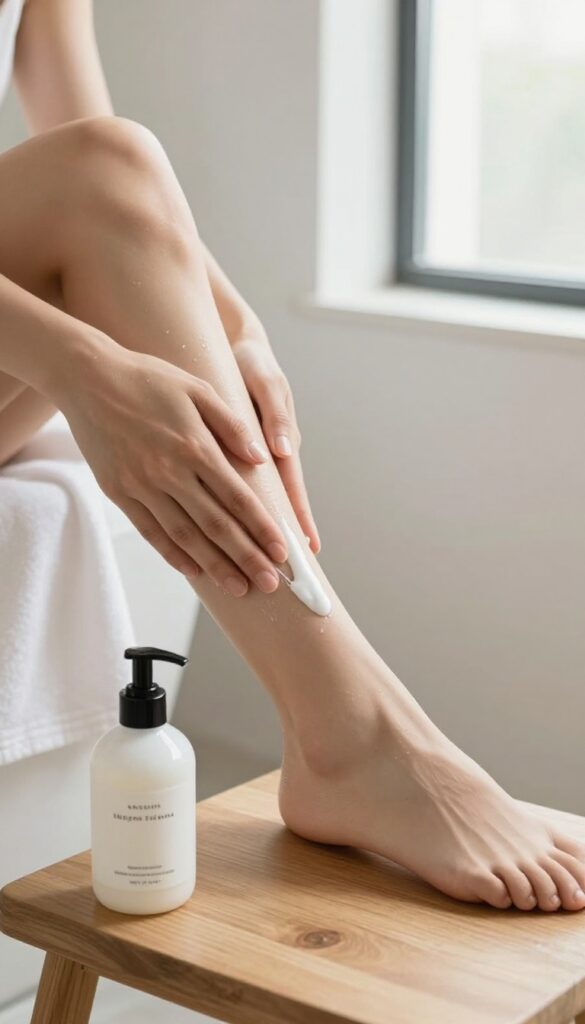
Timing is everything when it comes to locking in moisture. The three-minute window after you step out of the shower is your skin’s prime opportunity to absorb hydration. That short gap lets lotion seal in water before it evaporates, leaving your skin softer for longer.
The science is simple: warm water opens your pores and softens the outer layer of skin, making it more receptive to moisturizer. If you wait too long, that moisture escapes into the air, and your lotion ends up sitting on top of dry skin instead of sinking in. Keep a bottle of lotion right by your towel so you never forget.
A lightweight, fast-absorbing formula works best for this method—rich creams can feel too heavy on damp skin.
Why Three Minutes?
That’s about how long it takes for your skin to start losing moisture after a shower. Applying lotion within that window helps trap water in the upper layers. Think of it as sealing the deal—your lotion becomes a barrier that keeps hydration locked in.
Best Products For Damp Skin
Look for lotions with humectants like glycerin or hyaluronic acid—they pull water into the skin. Avoid heavy oils or butters in this step; save those for a second layer later. A pump bottle by the shower makes it easy to slather on before you even fully dry off.
Quick Tips For Success
Pat yourself dry with a towel instead of rubbing—this leaves a thin layer of water on your skin for the lotion to work with. Apply in long, upward strokes to boost circulation. Don’t forget often-missed spots like elbows, knees, and heels.
6. Choose a Lotion with Urea for Rough Elbows and Knees
Elbows and knees have thicker skin that tends to get dry, rough, and darker than the rest of your body. Regular moisturizers often aren't strong enough to soften those stubborn patches. That's where urea comes in—it's a gentle exfoliator and humectant that breaks down dead skin cells while pulling moisture deep into the skin.
A lotion with 10-20% urea can transform rough spots in just a few days.
Urea-based lotions are a game-changer for targeted rough areas. Unlike heavy creams that just sit on top, urea penetrates the stratum corneum and helps the skin hold water. It also gently dissolves the bonds between dead cells, so thick skin sloughs off naturally.
This makes it especially effective for elbows, knees, and even heels. Look for a formula that's non-greasy and fragrance-free to avoid irritation. Apply twice daily for best results.
Why Urea Works On Tough Skin
Urea is a natural component of healthy skin, but levels drop as we age or when skin gets dry. Applying it topically replenishes moisture and triggers enzymatic exfoliation. It's much gentler than acids like glycolic or salicylic, making it safe for daily use on sensitive areas.
The result is softer, smoother skin without redness or peeling.
How To Use Urea Lotion Effectively
Apply urea lotion right after showering when skin is still slightly damp—this locks in extra hydration. Focus on elbows, knees, and any other rough patches. Use a pea-sized amount per area and massage in circular motions until absorbed.
For extra stubborn spots, cover with a thin layer of petroleum jelly overnight to boost penetration.
What To Look For In A Urea Product
Choose a lotion with 10-15% urea for moderate roughness, or up to 20% for very thick skin. Avoid formulas with alcohol or heavy fragrances, which can dry out skin. Some products combine urea with lactic acid or ceramides for added benefits.
Patch test first if you have sensitive skin.
7. Don't Forget Your Feet—Use a Rich Foot Cream
Your feet work hard all day, but they rarely get the pampering they deserve. Cracked heels and dry patches aren't just a summer problem—they can happen year-round. A rich foot cream can make a huge difference, especially when you apply it right before bed.
Think of it as a nightly foot mask. The thick formula soaks in while you sleep, and a pair of cotton socks locks everything in. In the morning, your feet will feel noticeably softer and smoother.
Feet have thicker skin and fewer oil glands, so they need extra hydration. A lightweight lotion won't cut it—you need something with shea butter, urea, or lanolin. These ingredients soften calluses and repair cracks over time.
Consistency is key: use it every night for best results.
Why A Rich Foot Cream Works Better
Regular body lotion evaporates too quickly from the thick skin on your feet. Foot creams are formulated with occlusives that create a barrier, keeping moisture locked in. Ingredients like shea butter and urea not only hydrate but also gently exfoliate rough patches.
How To Apply For Maximum Softness
After washing and drying your feet, apply a generous layer of cream from toes to ankles. Focus on heels and any cracked areas. Then put on a pair of clean cotton socks.
The socks trap heat and help the cream absorb deeper. Do this nightly, and you'll see results in about a week.
What To Look For In A Foot Cream
Look for creams with 10–20% urea if you have stubborn calluses, or shea butter for general dryness. Avoid products with alcohol or fragrance, which can irritate cracked skin. A good foot cream should feel thick and slightly greasy—that's a sign it's working.
8. Incorporate a Body Oil for Extra Glow

Body oil is the secret weapon for that lit-from-within glow. While lotions hydrate, oils seal everything in and leave a subtle, healthy sheen. The best part?
You only need a few drops to transform your skin's texture and appearance. Whether you're prepping for a night out or just want to feel a little extra polished, adding oil to your routine is a game-changer.
How To Layer Oil With Lotion
For maximum absorption, apply body oil after your moisturizer while skin is still slightly damp. This locks in hydration without feeling greasy. Alternatively, mix 2-3 drops into your lotion before applying—it spreads easily and gives an even, dewy finish.
Avoid using oil on completely dry skin, as it may sit on top rather than sink in.
Best Oils For Different Skin Types
Dry skin loves richer oils like jojoba, almond, or avocado. Oily or acne-prone skin should opt for lighter, non-comedogenic options like grapeseed or squalane. If you're sensitive, fragrance-free oils such as pure vitamin E or rosehip are gentle and soothing.
Always patch-test a new oil on a small area first.
When To Use Body Oil For Best Results
Right after a shower is prime time—pat dry lightly, then apply oil while your skin is still damp. For an extra glow before an event, smooth a tiny amount on your collarbones, shoulders, and shins. You can also add a few drops to your bath for an all-over moisturizing soak.
Just be careful getting out of the tub so you don't slip.
9. Use a Loofah or Silicone Brush for Gentle Exfoliation
Exfoliating your body doesn't have to mean harsh scrubs or complicated tools. A soft loofah or silicone body brush can do the job gently, removing dead skin cells without irritating your skin. The key is using the right tool and technique—circular motions during your shower, focusing on rough areas like elbows and knees.
This simple step leaves your skin feeling smoother and helps your moisturizer absorb better.
A soft loofah or silicone body brush helps slough off dead skin without over-scrubbing. Use in circular motions during your shower.
Why Gentle Exfoliation Matters
Over-scrubbing can damage your skin's barrier, leading to redness and irritation. A loofah or silicone brush provides just enough friction to remove dead cells while being kind to your skin. This promotes cell turnover and reveals a fresher, more even complexion.
How To Use It Right
Start at your feet and work upward in circular motions. Spend a little extra time on dry patches like knees and elbows. Keep the pressure light—you want to feel a gentle sweep, not a scrub.
Rinse the tool after each use and replace it every month to prevent bacteria buildup.
Loofah Vs. Silicone Brush
Loofahs are great for a classic scrub and lather well with body wash. Silicone brushes are more hygienic (they dry faster and don't harbor bacteria) and offer a softer touch. Both work well; choose based on your skin sensitivity and preference.
10. Shave with a Sharp Razor and Shaving Cream
Shaving is one of those things we rush through, but it's a major player in how your skin looks and feels. Using a dull razor or skipping proper lubrication can lead to razor burn, bumps, and ingrown hairs. The fix is simple: a sharp blade and a good shaving cream.
A sharp razor glides smoothly, cutting hairs cleanly without tugging. Dull blades drag and cause micro-tears, leading to irritation. Pair that with a moisturizing shaving cream that creates a protective barrier, and you're giving your skin the care it needs.
Why Sharp Matters
A fresh blade reduces friction and prevents nicks. Replace your razor every 5 to 7 shaves, or sooner if it feels rough. Disposables are fine, but a quality handle with replaceable heads often gives a closer, gentler shave.
Choose The Right Cream
Skip the soap or body wash—they dry out skin. Use a shaving cream or gel with moisturizing ingredients like aloe, glycerin, or shea butter. Apply generously and let it sit for a minute to soften hairs.
Technique Tips
Shave in the direction of hair growth to minimize irritation. Rinse the blade after every stroke. For legs, start from the ankles and work up.
For underarms, try different angles to get a clean shave without pressure.
11. Apply Sunscreen to Exposed Body Skin Daily
Sun damage doesn't take a day off, and neither should your sunscreen. Even when it's cloudy, up to 80% of UV rays penetrate the clouds, hitting your arms, legs, and neck. Daily SPF is the single most effective step to prevent premature aging, sunspots, and that leathery texture nobody wants.
Make sunscreen a non-negotiable part of your morning routine. Choose a broad-spectrum SPF 30 or higher and apply it generously to all exposed areas—don't forget the backs of your hands, tops of your feet, and your ears. For easy reapplication, keep a spray sunscreen in your bag or car.
On days you're mostly indoors, a moisturizer with SPF can simplify things, but dedicated sunscreen offers more reliable protection.
Why Daily Spf Matters For Body Skin
Your face gets all the SPF attention, but your body sees just as much sun. Cumulative exposure leads to collagen breakdown, uneven pigmentation, and rough texture. Unlike a sunburn, this damage builds silently over years.
Daily sunscreen preserves your skin's smoothness and elasticity, keeping it looking younger longer.
How To Choose The Right Body Sunscreen
Look for "broad-spectrum" on the label—that means it protects against both UVA and UVB rays. SPF 30 is the sweet spot for daily wear, blocking about 97% of UVB rays. If you'll be sweating or swimming, go for a water-resistant formula.
Lotions tend to spread more evenly than sprays, but sprays are great for quick touch-ups. For sensitive skin, mineral sunscreens with zinc oxide or titanium dioxide are less likely to irritate.
Tips For Making Sunscreen A Habit
Keep your sunscreen next to your toothbrush or coffee maker so you see it every morning. Apply it right after your moisturizer or body lotion—it should be the last step before clothes. If you hate the greasy feel, try a dry-touch or gel formula.
Set a phone reminder for midday reapplication if you're outside a lot. Your future skin will thank you.
12. Wear Breathable Fabrics to Prevent Body Acne

What you wear matters almost as much as what you put on your skin. Tight, synthetic clothes trap sweat and bacteria against your body, creating the perfect environment for breakouts. Switching to breathable fabrics can make a huge difference, especially if you're prone to back or chest acne.
Why Fabric Choice Matters
Synthetic materials like polyester and nylon don't let your skin breathe. They lock in heat and moisture, which clogs pores and feeds acne-causing bacteria. Natural fibers like cotton allow air to circulate, keeping your skin dry and clear.
Best Fabrics For Acne-prone Skin
Cotton is your go-to for everyday wear. For workouts, look for moisture-wicking fabrics made from bamboo or specialized athletic blends that pull sweat away from the skin. Avoid tight compression gear for long periods.
Post-workout Clothing Habits
Change out of sweaty clothes as soon as possible. Even breathable fabrics can cause issues if you sit in damp gear. Shower and put on clean, loose cotton clothing to give your skin a chance to recover.
13. Use a Salicylic Acid Body Wash for Back and Chest Bumps
Body acne and those rough little bumps on your arms and thighs can be stubborn. A salicylic acid body wash targets both by exfoliating inside pores and calming inflammation. It's a simple swap that delivers noticeable results without extra steps.
Salicylic acid is a beta hydroxy acid that penetrates deep into pores to dissolve excess oil and dead skin. This makes it ideal for treating body acne on the back, chest, and shoulders, as well as keratosis pilaris—those small, rough bumps often on the upper arms. Using it in a body wash form is convenient because you treat the problem while you shower.
Look for a formula with 2% salicylic acid and use it a few times a week, gradually increasing frequency as your skin adjusts. Avoid using it on broken or irritated skin, and always follow with a moisturizer to prevent dryness.
How It Works On Body Acne
Body acne forms when hair follicles get clogged with oil and dead skin cells. Salicylic acid exfoliates inside the follicle, helping to clear existing breakouts and prevent new ones. It also has anti-inflammatory properties that reduce redness and swelling, so pimples heal faster.
Why It Helps Keratosis Pilaris
Keratosis pilaris is caused by a buildup of keratin that blocks hair follicles. Salicylic acid softens and loosens this keratin, smoothing the skin over time. Consistent use can significantly reduce the bumpy texture, leaving arms and thighs feeling softer.
Tips For Best Results
Leave the body wash on your skin for a minute or two before rinsing to let the salicylic acid work. Use a soft loofah or silicone scrubber to gently massage the product into affected areas. Don't overdo it—start with every other day to avoid irritation.
Moisturize afterward with a fragrance-free lotion to keep your skin barrier happy.
14. Moisturize Your Hands After Every Wash
Your hands take a beating every day—constant washing, sanitizing, and exposure to the elements. That dryness and tightness you feel? It's a sign your skin barrier is struggling.
The fix is simple: make hand cream your new best friend.
Keep a bottle of hand cream at every sink in your home, plus one in your bag and at your desk. After you wash and dry your hands, apply a pea-sized amount while they're still slightly damp. This locks in moisture and prevents that cracked, rough feeling.
Look for ingredients like shea butter, glycerin, or ceramides for deep hydration without greasiness.
Why Post-wash Matters
Soap strips natural oils from your skin, leaving it vulnerable. Moisturizing immediately after washing replenishes those lipids and seals in water before it evaporates. Even a few seconds of delay can make a difference—so don't wait.
Pick The Right Texture
Thick creams work best for overnight repair, but for daytime use, choose a fast-absorbing lotion or a water-based gel. Avoid anything that leaves a sticky film—you want protection, not a slippery grip.
Make It A Habit
Tie hand moisturizing to an existing routine, like after you wash your hands or before you leave the bathroom. Soon it'll feel automatic. Your hands will stay soft, even through cold weather or frequent washing.
15. Try a Dry Brush Before Showering for Circulation
Dry brushing might sound like a trend, but it's a legit tool for smoother skin and better circulation. The bristles gently slough off dead cells, while the brushing motion wakes up your lymphatic system. It's a simple add-on that takes just a minute before your shower.
Start with a natural-bristle brush and always use it on dry skin. Begin at your feet and work upward in long, gentle strokes toward your heart. Avoid sensitive areas and never brush over broken skin or rashes.
Shower afterward to rinse away loosened flakes, then follow with moisturizer for maximum softness.
Why It Works
Dry brushing physically exfoliates while stimulating blood flow and lymphatic drainage. Better circulation means more oxygen and nutrients reach your skin cells, which can improve tone and texture over time.
How To Dry Brush Correctly
Use a brush with firm but not harsh bristles. Brush in long, upward strokes—never back and forth—and spend extra time on rough spots like elbows and knees. Limit to 2–3 times per week to avoid irritation.
Aftercare Matters
Always shower after dry brushing to wash away dead skin. Pat dry and apply a rich body lotion or oil while skin is still slightly damp. This locks in moisture and leaves your skin super smooth.
16. Add a Humidifier to Your Bedroom

Dry air is a silent enemy of smooth skin. It pulls moisture from your skin while you sleep, leaving you with tight, flaky patches by morning. A humidifier in your bedroom adds moisture back into the air, helping your skin stay hydrated all night long.
It's a simple, low-effort upgrade that works wonders, especially during winter or in arid climates.
Running a humidifier while you sleep creates a more skin-friendly environment. Your body's natural moisture barrier gets a boost, so you wake up with softer, more supple skin. Aim for a humidity level between 40% and 60%—too high can encourage mold, too low won't help much.
Place the humidifier near your bed but not directly on your nightstand to avoid dampness on surfaces.
Why It Works
When the air is dry, your skin loses water through evaporation. A humidifier counteracts that by increasing ambient moisture. This helps your skin retain its natural oils and keeps your moisture barrier intact.
It's especially effective if you use heavy creams or overnight masks—the extra humidity locks in their benefits.
Choosing The Right Humidifier
Look for a cool-mist or ultrasonic model—they're quiet and energy-efficient. Avoid warm-mist types if you have pets or kids, as they can be a burn risk. Also, consider size: a small tabletop unit works for a bedroom, while a larger one covers more space.
Clean it weekly to prevent bacteria and mineral buildup.
Maximizing The Benefit
For best results, run the humidifier for 30 minutes before bed and throughout the night. Use distilled or filtered water to avoid white dust from minerals. Pair it with a night cream or body lotion applied right before sleep—the moisture in the air helps the product absorb better.
17. Eat Omega-3 Rich Foods for Skin Elasticity
Your skin reflects what you eat, and omega-3 fatty acids are a powerhouse for maintaining that youthful bounce. Found in salmon, walnuts, and flaxseed, these healthy fats work from the inside out to support skin structure and keep inflammation in check. Adding them to your diet is a simple way to boost your body care routine without any extra steps.
Omega-3s help your skin retain moisture and stay flexible, which means fewer fine lines and less sagging over time. They also calm redness and irritation, making them a great ally for sensitive or dry skin. Aim to include a source of omega-3s in your meals a few times a week for noticeable results.
Best Food Sources
Fatty fish like salmon, mackerel, and sardines are top sources. If you're plant-based, go for walnuts, chia seeds, flaxseeds, or hemp seeds. You can also try algae-based supplements for a direct hit of DHA and EPA.
How Omega-3s Help Your Skin
These fats strengthen cell membranes, helping your skin hold onto moisture and stay plump. They also reduce inflammation, which can calm conditions like eczema or acne. Over time, a diet rich in omega-3s supports collagen production and elasticity.
Quick Tips To Add More
Sprinkle flaxseed on your morning oatmeal or yogurt. Snack on a handful of walnuts. Swap one meat meal a week for grilled salmon.
Small changes add up to smoother, healthier-looking skin.
18. Stay Hydrated—Drink Enough Water
Your skin is made up of cells that need water to function properly. When you're dehydrated, your skin can look dry, flaky, and less plump. Drinking enough water helps maintain elasticity and a smooth texture from the inside out.
It's one of the simplest, most effective ways to support your skincare routine.
Aim for at least 8 glasses of water daily to keep your skin hydrated and glowing. If you struggle to drink plain water, try infusing it with lemon, cucumber, or berries for a refreshing twist. Herbal teas and water-rich foods like watermelon and cucumber also count toward your intake.
Consistency is key—make it a habit to sip throughout the day rather than chugging all at once.
Why Hydration Matters For Skin
Water helps transport nutrients to skin cells and flush out toxins. When you're well-hydrated, your skin appears more radiant and less prone to fine lines and irritation. Think of it as your body's natural moisturizer—without enough water, even the best lotions can't fully compensate.
Tips To Drink More Water
Carry a reusable water bottle with you as a visual reminder. Set hourly alarms or use a hydration app to track your intake. If you get bored with plain water, add a splash of citrus or a few mint leaves.
You can also eat your water—snack on celery, oranges, or tomatoes to boost hydration.
Signs You Might Be Dehydrated
Check your skin for dullness, tightness, or increased sensitivity. Dark circles, headaches, and dry lips are also common clues. If your urine is dark yellow, that's a strong sign you need more fluids.
Listen to your body—thirst is often a late indicator, so sip regularly.
19. Use a Vitamin C Body Serum for Brightening

Vitamin C isn't just for your face—it works wonders on your body too. A dedicated body serum with this powerhouse ingredient can fade dark spots, even out skin tone, and give you that lit-from-within glow. The best part?
It's simple to add to your morning routine.
Vitamin C is a potent antioxidant that protects skin from environmental damage while boosting collagen production. When applied consistently, it helps diminish hyperpigmentation and uneven tone, leaving your skin looking brighter and more youthful. Look for serums formulated specifically for the body, often with added hydrating ingredients like hyaluronic acid or glycerin.
Why Vitamin C Works On Body Skin
Body skin faces the same oxidative stress as facial skin—sun exposure, pollution, and daily wear and tear. Vitamin C neutralizes free radicals, preventing premature aging and dullness. It also inhibits melanin production, which gradually fades dark spots from sun damage or post-inflammatory hyperpigmentation.
How To Apply It Right
Apply your vitamin C body serum right after showering, when skin is clean and slightly damp. This helps absorption. Use gentle, upward strokes, focusing on areas prone to discoloration like the chest, shoulders, and backs of hands.
Follow with a moisturizer to seal everything in.
Pair It With Sunscreen
Vitamin C makes your skin more sensitive to the sun, so always layer on a broad-spectrum SPF 30 or higher after your serum. This combo not only protects but also enhances the brightening effects. Morning application is key—you'll wake up to visibly more even skin over time.
20. Treat Keratosis Pilaris with Lactic Acid Lotion
Those tiny, rough bumps on your arms and thighs have a name: keratosis pilaris. It happens when keratin builds up and blocks hair follicles. Lactic acid lotion is one of the most effective ways to smooth them out.
It gently loosens dead skin cells and hydrates at the same time, so you get softer skin without irritation.
Consistency is key. Apply a lactic acid lotion daily after your shower when your skin is still slightly damp. Look for a product with 5% to 10% lactic acid.
Over a few weeks, you'll notice the bumps become less noticeable and your skin feels smoother to the touch. It's a simple addition to your routine that delivers real results.
Why Lactic Acid Works
Lactic acid is an alpha hydroxy acid (AHA) that exfoliates the top layer of skin. It helps dissolve the keratin plugs that cause bumps. Unlike harsh scrubs, it's gentle enough for daily use and also boosts moisture, so your skin stays soft and hydrated.
How To Apply For Best Results
Use it right after you shower. Pat your skin dry, then apply the lotion in a thin layer over affected areas. Stick with it every day for at least a month.
Pair it with a fragrance-free moisturizer if your skin feels dry. Avoid using other exfoliants on the same days to prevent irritation.
What To Look For In A Lotion
Choose a lotion with 5% to 10% lactic acid. Check the ingredients for added moisturizers like glycerin or shea butter. Avoid products with alcohol or strong fragrances, as they can dry out your skin.
Brands like AmLactin or CeraVe are solid options.
21. Give Yourself a Weekly Body Mask
Your face gets regular masking, but your body can benefit just as much. A weekly body mask helps tackle everything from dryness to congestion, leaving skin silky and refreshed. It's an easy way to level up your routine without much extra effort.
Choose Your Mask Type
Clay masks are great for oily areas like the back and chest—they draw out impurities and tighten pores. For dry or sensitive skin, go with a hydrating mask packed with ingredients like hyaluronic acid, aloe, or oatmeal. Creamy formulas soothe and replenish moisture.
How To Apply
Apply your mask on clean, dry skin before you hop in the shower. Use your hands or a brush for even coverage. Let it sit for 10–15 minutes—check the label for timing.
Then rinse off in warm water while gently massaging in circular motions.
Post-mask Care
After rinsing, pat your skin dry and lock in hydration with a rich body lotion or oil. Your skin will be extra receptive, so this is the perfect moment to nourish. Follow up with a light moisturizer to seal the benefits.
22. Sleep on Silk or Satin Pillowcases
Your pillowcase might be sabotaging your skincare efforts without you realizing it. Cotton absorbs moisture and creates friction, which can tug at your skin and hair overnight. Switching to silk or satin is a simple swap that pays off in smoother skin and fewer sleep lines.
Silk and satin pillowcases are gentle on the skin, reducing the friction that leads to creases and irritation. They also help your serums and moisturizers stay put instead of getting absorbed into the fabric. Over time, this means fewer wrinkles and a more even complexion.
Why Friction Matters
Every time you shift in your sleep, cotton pillowcases create drag that can cause micro-tears in the skin. Silk's smooth surface lets your skin glide without resistance, preserving your skin's barrier and preventing those temporary sleep lines from becoming permanent.
Product Retention Boost
Cotton is thirsty—it drinks up your expensive night cream. Silk is non-absorbent, so your products stay on your face where they belong. You'll wake up with skin that still feels hydrated and nourished, not stripped.
Bonus For Hair And Acne
Silk doesn't just benefit your skin. It reduces hair breakage and frizz, and because it's less absorbent, it won't harbor as much bacteria or oil. That means fewer breakouts from dirty pillowcases.
23. Be Consistent—Results Take Time

We all want overnight results, but real skin changes happen slowly. Consistency is the secret ingredient that transforms a good routine into great skin. Give your body at least four weeks of steady care before judging the outcome.
Stick with your routine for at least four weeks to see real changes. Consistency is the secret ingredient for smooth, healthy skin.
Why Four Weeks?
Your skin's renewal cycle takes about 28 days. That means you need to give products enough time to work. If you switch things up too often, you'll never know what actually helps.
Build A Habit, Not A Chore
Make your routine easy to stick with. Keep products visible, pair steps with existing habits (like moisturizing right after a shower), and don't aim for perfection. Even a simplified routine done daily beats a complex one done sporadically.
Track Small Wins
Notice subtle changes: less dryness, softer texture, fewer bumps. These small improvements keep you motivated. Take a photo once a week to see progress you might miss day-to-day.
FAQ
How often should I exfoliate my body?
Exfoliate 2-3 times per week. Over-exfoliating can irritate skin, so adjust based on your skin's sensitivity.
Can I use face products on my body?
Yes, but it's not cost-effective. Body skin is thicker, so body-specific products are formulated differently and often more affordable.
What's the best way to get rid of dry, flaky skin?
Use a gentle exfoliant followed by a rich moisturizer with urea or ceramides. Also, avoid hot showers and use a humidifier.
How do I prevent ingrown hairs after shaving?
Exfoliate before shaving, use a sharp razor, shave in the direction of hair growth, and apply a soothing lotion afterward.
Is body oil better than lotion?
Both are beneficial. Oils lock in moisture, while lotions add hydration. For best results, apply lotion first, then seal with oil.
Conclusion
Smooth, healthy skin doesn't happen overnight, but these 23 tips give you a clear roadmap. Start with a few changes that feel manageable—like switching to lukewarm water or moisturizing right after your shower. Small shifts add up to big results.
Remember, your body care routine is a form of self-care.
Enjoy the process, and don't stress about perfection. Your skin will respond to consistency and kindness. Here's to your glowiest skin yet!