
A glowing complexion isn't just about your face. Your body's skin deserves the same attention, and small daily habits can make a visible difference. Whether you're dealing with dryness, dullness, or rough patches, these 25 tips will help you build a routine that delivers real results.
You don't need a cabinet full of expensive products. Simple changes—like how you shower, moisturize, and protect your skin—can transform its texture and tone. Consistency beats intensity, so focus on building habits you can stick with.
Ready to see your skin look and feel its best? Let's dive into the tips that will give you that all-over glow.
1. Start with a Gentle Cleanser
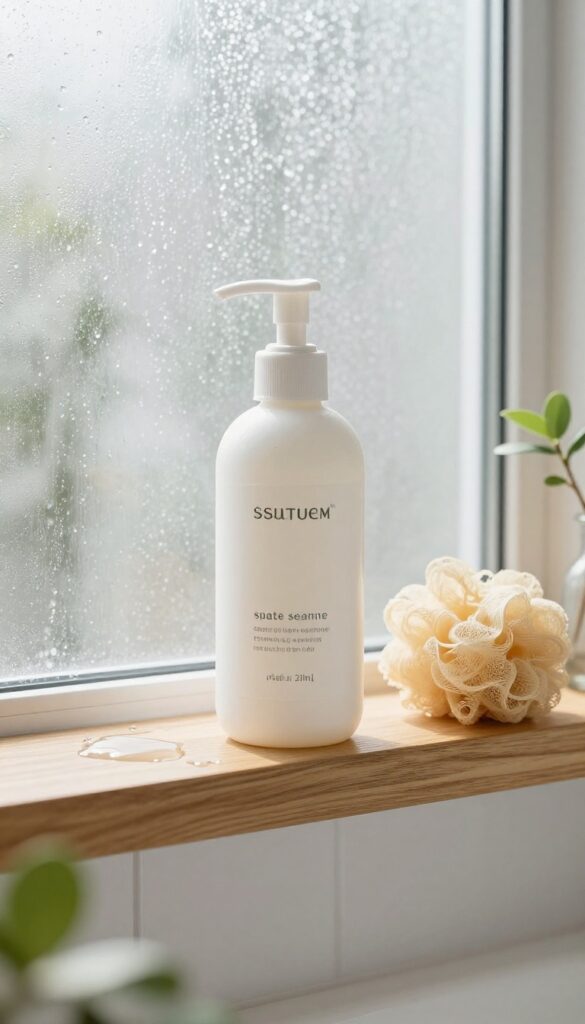
Your shower is where your body care routine begins, and the cleanser you use sets the tone for everything else. Many conventional soaps are packed with sulfates and synthetic fragrances that can leave your skin feeling tight, itchy, or even flaky. That's a sign your skin's natural moisture barrier is being stripped away.
Switching to a gentle, sulfate-free body wash helps maintain your skin's natural oils while still getting you clean. Look for formulas with hydrating ingredients like glycerin, ceramides, or oatmeal, which cleanse without disrupting your skin's pH balance. This small swap can make a huge difference in how your skin feels throughout the day.
Why Sulfates Are A Problem
Sulfates, like sodium lauryl sulfate, are harsh detergents that create a rich lather but can be too aggressive for your skin. They strip away the protective lipid barrier, leaving your skin vulnerable to dryness and irritation. Over time, this can lead to a dull, rough texture that's hard to fix with moisturizer alone.
What To Look For In A Body Wash
Check the ingredient list for words like 'sulfate-free' or 'gentle cleansing. ' Ingredients like aloe vera, shea butter, and jojoba oil help soothe and hydrate while you wash. Avoid products with strong artificial fragrances, especially if you have sensitive skin—opt for unscented or naturally scented options instead.
How To Wash For Maximum Benefit
Use lukewarm water, not hot, to avoid further drying out your skin. Apply the cleanser with your hands or a soft washcloth, and massage gently in circular motions. Rinse thoroughly and pat your skin dry with a towel—don't rub, as that can irritate and cause micro-tears.
2. Exfoliate Twice a Week
Dead skin cells can pile up faster than you think, leaving your body looking dull and feeling rough. Exfoliating a couple of times a week sweeps that layer away, so fresh skin can shine through. It also helps prevent ingrown hairs, especially if you shave or wax regularly.
Think of exfoliation as a reset button for your skin. It unclogs pores, smooths rough patches, and helps your moisturizer sink in deeper. The key is to keep it gentle and consistent—overdoing it can cause irritation, so twice a week is a sweet spot for most people.
Choose The Right Scrub
Pick a body scrub with fine, round particles (like sugar or jojoba beads) rather than harsh, jagged ones. If your skin is sensitive, a chemical exfoliant with AHAs or BHAs in a lotion form can be a gentler option. Always patch-test a new product on a small area first.
Focus On Rough Zones
Your elbows, knees, and heels tend to accumulate more dead skin, so give them a little extra attention. Use circular motions and light pressure—no need to scrub hard. For your feet, a pumice stone works well, but save it for the shower when skin is softened.
Don't Forget To Moisturize After
Exfoliating strips away natural oils, so it's important to lock in moisture right after you step out of the shower. Apply a rich body lotion or oil while your skin is still slightly damp. This helps seal in hydration and keeps your glow going all day.
3. Shower with Lukewarm Water
Your shower might feel amazing scalding hot, but that heat is doing your skin no favors. Hot water strips away the natural oils that keep your body moisturized, leaving it tight, itchy, and prone to flaking. Switching to lukewarm water is a simple swap that pays off in softer, more comfortable skin.
Lukewarm water cleanses just as effectively without the harsh side effects. It helps your skin retain its moisture barrier, which is your first line of defense against dryness and irritation. Think of it as a gentle reset for your whole body.
It's a small change, but your skin will thank you every day.
If you're used to long, hot showers, the idea of lukewarm water might sound less appealing. But once you see how much calmer and more hydrated your skin feels, you'll likely make the switch for good. Here’s how to make lukewarm showers work for you.
Why Hot Water Hurts
Hot water breaks down the lipids in your skin's barrier, which are the fats that hold moisture in. When that barrier is compromised, water escapes and irritants get in, leading to dryness, redness, and even eczema flare-ups. Over time, hot showers can also accelerate the appearance of aging, since your skin loses its bounce and resilience.
How To Find Your Ideal Temperature
Aim for water that feels warm but not steaming—around 98°F to 104°F (37°C to 40°C) is a good range. A quick way to test: if the water leaves your skin pink or red, it's too hot. You want a temperature that feels comfortable without making your skin tingle or burn.
If you're used to very hot showers, gradually lower the temperature over a week to ease into it.
Shower Time And Technique
Keep your shower under 10 minutes, and avoid scrubbing with rough loofahs or washcloths. Use your hands or a soft cloth to gently cleanse. Also, skip the second rinse of soap or body wash—your skin doesn't need it, and it just strips more moisture.
When you step out, pat yourself dry with a towel rather than rubbing, then apply moisturizer within three minutes to lock in hydration.
4. Pat Dry, Don't Rub
The way you dry off after a shower matters more than you'd think. Rubbing your skin with a towel creates friction that can strip away moisture and irritate the surface. Patting gently, on the other hand, keeps your skin's natural oils intact and helps your moisturizer work better.
After you step out of the shower, your skin is still damp and vulnerable. Rubbing with a rough towel can cause micro-tears and leave your skin feeling tight and dry. Patting dry with a soft towel preserves the moisture your skin just absorbed, giving your moisturizer a better chance to lock it in.
This simple switch takes just a few extra seconds but makes a real difference. Your skin stays calmer, more hydrated, and less prone to flakiness. It's one of those small habits that pays off daily.
Use A Soft, Clean Towel
Reach for a towel made from soft cotton or microfiber. Rough, scratchy towels can cause irritation, especially if your skin is sensitive. Make sure your towel is clean and dry—damp towels can harbor bacteria that lead to breakouts or irritation.
Pat In Sections
Instead of patting your whole body at once, work in sections. Start with your arms, then your legs, and finish with your torso. This keeps the process quick and ensures you don't miss any areas.
Plus, it gives your skin time to absorb the water before you moisturize.
Moisturize While Still Damp
The best time to apply body lotion or cream is within three minutes of patting dry. Your skin is still slightly damp, which helps trap water in the outer layer. This boosts hydration and keeps your skin soft and smooth throughout the day.
5. Apply Body Lotion Within 3 Minutes
The clock starts ticking the moment you step out of the shower. Your skin is most receptive to moisture when it's still damp, and waiting too long can leave it feeling tight and dry. That's why the three-minute rule is a game-changer for locking in hydration.
This simple timing trick helps your lotion work harder, so you get more benefits from the same product. It's not about slathering on more—it's about applying it at the right moment to seal in the water your skin has just absorbed.
Why Damp Skin Works Better
When your skin is damp, the outer layer is softened and more permeable. This allows the ingredients in your lotion to penetrate deeper, while the water acts as a carrier. As the lotion mixes with the moisture, it helps trap that hydration in your skin cells, keeping them plump and smooth for longer.
How To Make It A Habit
Keep your lotion within arm's reach of your towel, so you can apply it without delay. After a quick pat-dry, apply a generous amount to your legs, arms, and torso while your skin is still dewy. Focus on areas prone to dryness like elbows, knees, and heels.
Make it part of your post-shower routine, and soon it'll feel automatic.
Best Types Of Lotion For This Method
For maximum absorption on damp skin, choose a lotion with humectants like glycerin or hyaluronic acid. These ingredients draw moisture into the skin. Avoid heavy oils or thick creams that might feel greasy when applied to wet skin—they're better for sealing in moisture after a lighter layer has been absorbed.
6. Don't Forget Your Neck and Chest

Your neck and chest are often the first places to show signs of aging, yet they're easy to neglect. The skin here is thinner and more delicate, making it prone to wrinkles, sun damage, and crepey texture. Extending your body care routine down to your décolletage is a simple way to keep this area looking smooth and youthful.
Treat your neck and chest with the same care you give your face. This means cleansing, exfoliating, and moisturizing regularly. Also, don't forget sunscreen—these areas are constantly exposed to UV rays, which accelerate aging.
A quick daily application can make a big difference over time.
Cleanse And Exfoliate Gently
Use a gentle cleanser on your neck and chest, just like you would on your face. Exfoliate once or twice a week with a soft scrub or a chemical exfoliant containing AHAs to remove dead skin cells and boost radiance. Avoid harsh scrubbing, as the skin here is delicate.
Moisturize And Nourish
Apply a rich moisturizer or a dedicated neck cream to your neck and chest every morning and evening. Look for ingredients like hyaluronic acid, peptides, and ceramides to hydrate and firm the skin. Massage in upward strokes to help with absorption and lymphatic drainage.
Protect With Spf Daily
Sun damage is the number one cause of premature aging on the neck and chest. Use a broad-spectrum sunscreen with at least SPF 30 every day, even when it's cloudy. Reapply if you're spending time outdoors.
This single step will do more for your skin than any anti-aging cream.
7. Use a Body Oil for Extra Glow
Body oils are the secret to that lit-from-within glow that lotions alone often miss. They lock in moisture and leave a subtle sheen that catches the light beautifully. The trick is layering them correctly so your skin feels nourished, not greasy.
Applying body oil after your regular moisturizer seals in hydration and gives your skin a soft-focus radiance. It's like a topcoat for your body care routine—simple, effective, and instantly visible.
Why Layer Oil Over Lotion?
Lotion adds hydration, but oil locks it in. This one-two punch keeps your skin supple longer and creates a barrier that prevents moisture loss throughout the day. It's a game-changer for dry or dehydrated skin.
How To Apply For Best Results
Smooth a few drops of body oil onto damp skin right after your lotion has absorbed. Focus on drier areas like elbows, knees, and shins. Use gentle, upward strokes to boost circulation and help the oil sink in.
Picking The Right Oil
Lightweight oils like jojoba, squalane, or grapeseed absorb quickly without leaving a heavy residue. Avoid mineral oil or heavy fragrances if you're prone to breakouts or sensitivity. A little goes a long way—start with a few drops and add more if needed.
8. Protect Your Skin with SPF
Sunscreen isn't just for beach days. Your body's skin is exposed to UV rays every time you step outside, even on cloudy days. That daily exposure adds up, leading to sunspots, rough texture, and premature wrinkles.
Make SPF a non-negotiable part of your morning routine, just like brushing your teeth. Apply it liberally to all exposed areas, including your arms, legs, and the back of your neck. Don't forget often-missed spots like your ears, tops of your feet, and the part in your hair.
Choose The Right Formula
Pick a broad-spectrum sunscreen with at least SPF 30. If you're using it daily, a lightweight lotion or spray is easier to spread over large areas. For outdoor activities, go with a water-resistant formula that stays put when you sweat.
Apply Generously And Reapply
Most people use far too little sunscreen. Aim for a shot glass full to cover your whole body. Reapply every two hours, or right after swimming or heavy sweating.
Set a reminder on your phone if you tend to forget.
Don't Forget These Spots
Your ears, the back of your knees, and your feet are easy to miss. The delicate skin on your chest and neck also needs protection, especially if you wear low-cut tops. Use a mirror or ask a friend to help with hard-to-reach areas.
9. Hydrate from Within
Your skin is the largest organ, and it needs water to stay plump and resilient. When you're dehydrated, your skin can look dull and feel tight, no matter how much lotion you apply. Drinking enough water is the simplest way to support your skin's natural glow from the inside out.
Water is the foundation of healthy skin. It helps maintain elasticity, flush out toxins, and keep your skin cells functioning properly. Make it a habit to carry a reusable water bottle and sip throughout the day—your skin will thank you.
How Much Water Is Enough?
The old rule of eight glasses a day is a good starting point, but your needs can vary based on activity level, climate, and diet. Listen to your body—if your urine is pale yellow, you're likely well-hydrated. For a more precise goal, aim for about half your body weight in ounces of water daily.
Spice Up Your Hydration
Plain water can get boring, so add flavor naturally. Infuse it with slices of lemon, cucumber, or berries for a refreshing twist. Herbal teas and water-rich foods like watermelon, cucumber, and oranges also count toward your daily intake and bring extra vitamins to the table.
Signs You're Not Drinking Enough
Dry, flaky skin, dark under-eye circles, and increased thirst are common clues. If your skin feels less springy when you pinch it, that's a sign of dehydration. Pay attention to these signals and adjust your water intake accordingly—your skin will feel more supple and look more radiant.
10. Eat Skin-Boosting Foods
Your diet shows up on your skin, and not just in breakouts. The right foods can support your body's natural glow from the inside out. You don't need a strict meal plan—just a few smart additions can make a real difference.
Think of your skin as a reflection of what you eat. Antioxidants fight damage, healthy fats keep your skin supple, and vitamins help repair and renew. Small changes to your plate can lead to smoother, more radiant skin all over.
Load Up On Antioxidants
Berries, leafy greens, and colorful veggies are packed with antioxidants that help protect your skin from environmental stressors. These nutrients neutralize free radicals that can cause premature aging and dullness. Aim for a rainbow of produce each day to give your skin a broad range of protective compounds.
Don't Skip Healthy Fats
Your skin needs essential fatty acids to maintain its moisture barrier and keep it looking plump. Omega-3s found in salmon, walnuts, and flaxseeds help reduce inflammation and support a smooth, even tone. Add a serving of these healthy fats to your meals to help your skin stay hydrated from within.
Get Your Vitamins
Vitamins like C, E, and A are key players in skin health. Vitamin C boosts collagen production for firmness, vitamin E protects against oxidative stress, and vitamin A supports cell turnover for a fresh, even look. Citrus fruits, nuts, and sweet potatoes are easy ways to get these nutrients.
11. Sleep on a Silk Pillowcase
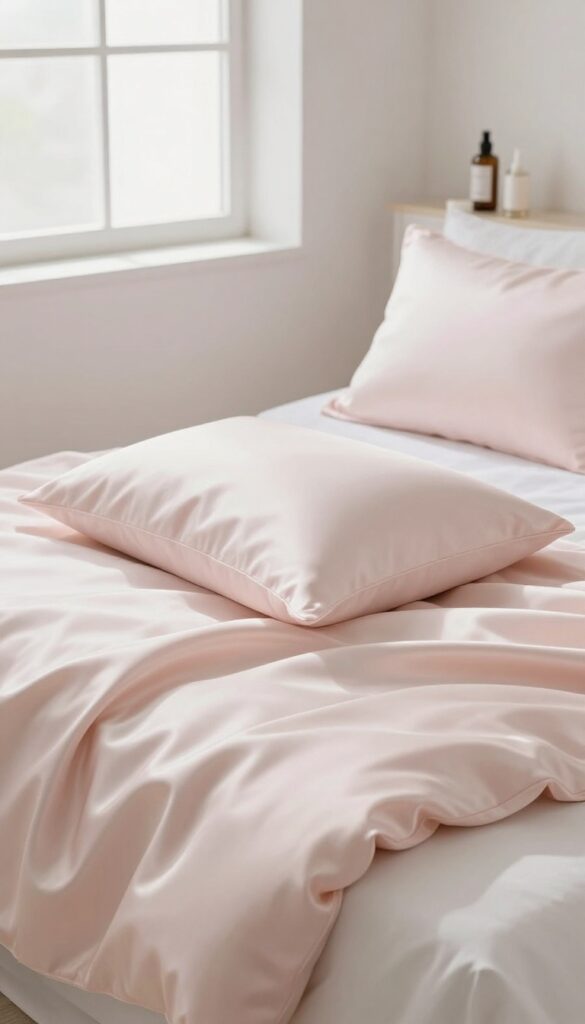
Your pillowcase touches your skin for hours every night, so it deserves more thought than you might think. Cotton can tug and pull at your skin, especially when you toss and turn. Switching to silk reduces friction, which helps prevent sleep lines and keeps your skin looking smoother.
It's a small swap that pays off while you snooze.
Silk pillowcases aren't just a luxury—they're a practical skin care tool. The smooth surface lets your skin glide instead of scrunching, which means fewer creases when you wake up. Plus, silk is less absorbent than cotton, so it won't soak up your nighttime moisturizers or serums.
That leaves more product on your skin where it belongs.
Why Silk Beats Cotton
Cotton fibers are rougher at a microscopic level, creating friction that can irritate skin and lead to sleep lines over time. Silk's tightly woven threads create a smoother surface, allowing your skin to move freely without pulling. If you sleep on your side or stomach, you'll notice the biggest difference on your cheeks and forehead.
How It Helps Your Routine
Because silk doesn't absorb moisture like cotton, your serums and night creams stay on your face longer. That means you get more benefit from the products you already use. It also helps reduce frizz and hair breakage, so your hair looks better too.
One swap, multiple wins.
What To Look For
Choose a pillowcase made from 100% mulberry silk with a high thread count—aim for 22 momme or higher. That ensures durability and a truly smooth feel. Satin might be cheaper, but it's often synthetic and can trap heat.
Real silk breathes better and keeps your skin cool through the night.
12. Incorporate a Body Serum
Just like your face, your body can benefit from a serum packed with active ingredients. These lightweight formulas target specific concerns like dryness, dullness, or uneven texture, delivering a concentrated dose of goodness right where you need it. Adding a body serum to your routine is a simple step that can make a big difference in your skin's overall glow.
Body serums are the unsung heroes of a glowing skin routine. They're designed to penetrate deeper than moisturizers, so they can really get to work on whatever your skin needs—whether that's extra hydration, brightening, or smoothing rough patches. The best part?
They're easy to layer under your favorite lotion or body oil, so you don't have to overhaul your entire routine.
Pick The Right Ingredients
When choosing a body serum, look for ingredients that match your skin's needs. Niacinamide is great for brightening and evening out skin tone, while hyaluronic acid is a hydration magnet that plumps up the skin. If you're dealing with rough or bumpy texture, a serum with lactic acid or salicylic acid can help smooth things out.
Just start with a lower concentration to see how your skin reacts.
Apply On Damp Skin
The best time to apply a body serum is right after you shower, while your skin is still slightly damp. This helps lock in extra moisture and lets the serum absorb more effectively. Gently pat it in rather than rubbing, and give it a minute or two to sink in before you follow with a moisturizer.
This way, you're sealing in all those active ingredients.
Don't Forget Your Hands And Feet
Your hands and feet can show signs of aging and dryness just like the rest of your body, so give them some serum love too. A few drops massaged into your hands and cuticles can keep them looking soft and youthful. For your feet, focus on any rough areas like heels, and follow with a rich foot cream to lock in the benefits.
13. Dry Brush Before Showering
Dry brushing is one of those small rituals that feels like a mini spa treatment at home. It only takes a few minutes, but the payoff is real: smoother skin, better circulation, and a natural glow that doesn't come from a bottle. Once you get into the habit, you'll wonder why you didn't start sooner.
It's simple to add to your routine, and you don't need any fancy equipment—just a natural-bristle brush and a few minutes before you hop in the shower. The key is to do it gently and consistently, and your skin will thank you.
Dry brushing works by gently exfoliating the top layer of dead skin cells, which can make your skin look dull and feel rough. It also stimulates blood flow, giving your skin a healthy, rosy appearance. Plus, it can help unclog pores and reduce the appearance of ingrown hairs, making it a great pre-shower step for smoother legs and arms.
To get the most out of it, use long, sweeping strokes toward your heart. Start at your feet and work your way up, using circular motions on your stomach and armpits. Keep the pressure light—you're not trying to scrub off a layer, just buff away the dullness.
And always brush before you shower, so you can rinse off the dead skin cells and follow up with moisturizer while your skin is still damp.
Why It Works
Your skin naturally sheds dead cells, but sometimes they hang around longer than they should, leaving your complexion looking tired. Dry brushing physically lifts those cells away, revealing the fresh, newer skin underneath. That's why your skin feels so soft and looks more even after just one session.
It also gives your lymphatic system a gentle nudge. The light pressure from the bristles helps move lymph fluid, which can reduce puffiness and give your skin a firmer look. It's not a miracle cure, but it's a simple, effective way to boost your skin's natural renewal process.
Best Practices
Choose a brush with natural, firm bristles and a long handle so you can reach your back easily. Dry brush on clean, dry skin before you shower, and always brush in the direction of your heart. Avoid sensitive areas like your face, and don't press too hard—if it hurts, you're overdoing it.
Keep your brush clean by washing it with mild soap once a week and letting it air dry. Use it two to three times a week to start, and you can work up to daily if your skin tolerates it. If you have any skin conditions like eczema or psoriasis, check with your dermatologist first, as dry brushing might irritate those areas.
What To Avoid
Dry brushing isn't for everyone, and it's not something to rush through. Avoid brushing over broken skin, sunburn, or active breakouts, as it can make things worse. Also, don't brush too often—daily might be fine for some, but for others, it can cause irritation.
Listen to your skin and adjust accordingly. And remember, dry brushing doesn't replace moisturizing. In fact, it makes your skin more receptive to lotion or oil, so always follow up after your shower.
That's the secret to that lit-from-within glow.
14. Take Warm (Not Hot) Baths
Your bath temperature can make or break your skin's moisture barrier. Hot water strips away natural oils, leaving skin parched and itchy. Switching to warm water helps preserve that protective lipid layer, so your skin stays soft and hydrated longer.
Warm baths are a simple yet powerful way to pamper your skin without causing damage. When you soak in warm water, your pores open gently, allowing better absorption of skin-loving ingredients. Plus, it's a relaxing ritual that calms your mind and body, which indirectly benefits your skin by reducing stress hormones.
Why Hot Water Hurts
Hot water breaks down the lipids that keep moisture locked in. This leads to dryness, flakiness, and even irritation. If you have conditions like eczema, hot baths can trigger flare-ups.
Keep the temperature around 98°F (37°C) to be safe.
Add Soothing Soaks
Colloidal oatmeal is a game-changer for sensitive or dry skin. It calms inflammation and reinforces the skin barrier. Epsom salts, rich in magnesium, help relax muscles and soften rough patches.
Add a cup or two to your warm bath and soak for 15–20 minutes.
Don't Overdo It
Long soaks can actually dehydrate your skin, even in warm water. Limit baths to 15–20 minutes and always follow up with a rich moisturizer while your skin is still damp. This locks in the hydration and leaves you with that all-over glow.
15. Use a Humidifier in Dry Climates

Dry air is a silent enemy of your skin's glow. Whether it's winter heating or desert living, low humidity pulls moisture from your skin, leaving it tight and flaky. A humidifier is a simple fix that keeps your environment skin-friendly.
Think of it as a hydration boost for your whole body. While you sleep, a humidifier helps your skin retain water, so you wake up feeling softer and more supple. It's an easy addition to your routine that pays off daily.
When the air is dry, your skin loses water faster than it can replenish it. This leads to a compromised moisture barrier, which shows up as roughness, itchiness, and dullness. A humidifier adds moisture back into the air, which helps your skin stay hydrated from the outside in.
It's especially helpful in winter, when indoor heating strips the air of humidity, or in arid climates where the air is naturally low in moisture. By keeping the air at an optimal humidity level, you give your skin a fighting chance to stay smooth and glowing.
Where To Place It
Place your humidifier in the room where you spend the most time, especially your bedroom. Running it while you sleep maximizes benefits, since your skin repairs itself overnight. Keep it on a flat surface, away from walls, and clean it regularly to prevent mold and bacteria buildup.
Ideal Humidity Levels
Aim for indoor humidity between 40% and 60%. You can measure this with a hygrometer. Too high can encourage mold, while too low won't help your skin.
Adjust your humidifier settings based on the season and your comfort.
Extra Tips For Best Results
Pair your humidifier with a moisturizer applied right after showering to lock in hydration. Also, keep your humidifier clean by rinsing it daily and deep-cleaning weekly. This prevents particles from being released into the air, which can irritate skin.
16. Wear Breathable Fabrics
Your skin breathes through your clothes, and when it can't, problems like irritation and breakouts follow. Tight, synthetic fabrics trap heat and moisture, creating a breeding ground for bacteria. Switching to breathable materials is one of the easiest ways to keep your body's skin calm and clear.
Natural fibers like cotton, linen, and bamboo allow air to circulate, preventing sweat from sitting on your skin. They also reduce friction, which can cause chafing and ingrown hairs. For workouts, choose moisture-wicking activewear that pulls sweat away from your body instead of letting it soak into your clothes.
Why Breathability Matters
When your skin can't breathe, it gets overheated and sweaty. That trapped moisture can lead to clogged pores, body acne, and even fungal infections. Breathable fabrics help regulate your skin's temperature and keep it dry, so you avoid those issues altogether.
Best Fabrics For Everyday Wear
Cotton is a classic for a reason—it's soft, absorbent, and gentle on sensitive skin. Linen is perfect for hot days because it's lightweight and airy. Bamboo is another great option; it's naturally antibacterial and very soft, making it ideal for people with eczema or other skin sensitivities.
What To Avoid
Steer clear of tight polyester and nylon, especially in warm weather. These synthetic fabrics don't let air through, so they trap heat and sweat. If you love activewear, look for pieces with mesh panels or moisture-wicking technology to keep you dry without suffocating your skin.
17. Shave with a Sharp Razor
Shaving is a daily ritual for many, but a dull blade can turn it into a nightmare. It pulls at the skin, causes irritation, and leaves those ugly red bumps behind. The fix is simple: always use a sharp razor and a good shaving cream.
Why Sharp Matters
A sharp blade glides smoothly, cutting hair cleanly without tugging. A dull one drags and scrapes, damaging the skin's surface. This leads to razor burn, ingrown hairs, and a dull, uneven look.
Replacing your blade regularly is a small habit with big payoff.
How Often To Change
Most experts suggest swapping your razor every 5 to 7 shaves, or every two weeks if you shave daily. If you notice any pulling or irritation, it's time for a fresh blade. Don't wait for rust or nicks—your skin will thank you.
Prep And Glide
Shave after a warm shower when hair is soft and pores are open. Use a rich shaving cream or gel to create a protective barrier. This reduces friction and lets the razor glide effortlessly.
Always shave in the direction of hair growth to minimize irritation.
18. Moisturize Your Feet and Hands
Your hands and feet work hard all day, yet they're often the last to get any skincare love. They endure constant washing, exposure to the elements, and friction from shoes and everyday tasks. That's why they can end up feeling rough, cracked, or just plain neglected.
A nightly moisturizing ritual for your hands and feet can make a world of difference. It's a simple habit that pays off with softer, smoother skin and a healthier overall glow. Plus, it's a lovely way to unwind before bed.
Why Hands And Feet Need Extra Care
Your hands and feet have fewer oil glands than the rest of your body, which means they lose moisture faster. Frequent handwashing, sanitizers, and harsh soaps strip away natural oils. Feet, on the other hand, deal with pressure and friction inside shoes, leading to calluses and dryness.
Giving them a little extra attention helps lock in hydration and keeps the skin barrier strong.
The Nighttime Moisturizing Routine
Slather on a rich, thick cream or ointment right before bed. Look for ingredients like shea butter, glycerin, or ceramides that really sink in overnight. For an extra boost, apply a generous layer and then slip on cotton socks or gloves.
This traps the moisture and lets it work its magic while you sleep. You'll wake up with noticeably softer hands and feet.
Quick Daytime Habits That Help
During the day, keep a small hand cream in your bag or at your desk and apply it after washing your hands. For your feet, a lightweight lotion after a shower can keep them from drying out. Don't forget to massage the cream into your cuticles and heels—it improves circulation and helps prevent cracks.
A few seconds of attention goes a long way.
19. Add a Body Mask Weekly
Your face gets masks, so why not your body? A weekly body mask can deliver a concentrated dose of hydration or detoxification that your daily lotion just can't match. It's a simple, spa-like step that makes a real difference, especially if you have dry patches or rough areas.
Think of a body mask as a treat for your skin. Once a week, after cleansing, apply a thick layer of a mask suited to your needs. Leave it on for the recommended time, then rinse off in the shower.
Your skin will feel softer, smoother, and look more radiant.
Choose Your Mask Type
If your skin feels tight or flaky, go for a hydrating mask with ingredients like hyaluronic acid, shea butter, or aloe vera. For a detoxifying boost, try a clay mask with charcoal or kaolin to draw out impurities. If you want a quick glow, a brightening mask with vitamin C or fruit enzymes can do the trick.
How To Apply For Best Results
Apply the mask on damp, clean skin. Focus on dry areas like elbows, knees, and heels. Use gentle, upward strokes.
Don't forget your neck and décolletage. Leave it on for the time specified on the label—usually 10 to 15 minutes. Rinse off with lukewarm water and pat your skin dry, then follow with a moisturizer to lock in the benefits.
Diy Options And Frequency
You don't have to buy a fancy mask. You can make one at home with ingredients like honey and yogurt for hydration, or oatmeal and banana for soothing. Use a body mask once a week, or twice if your skin is very dry.
Just don't overdo it—more isn't always better.
20. Massage Your Skin
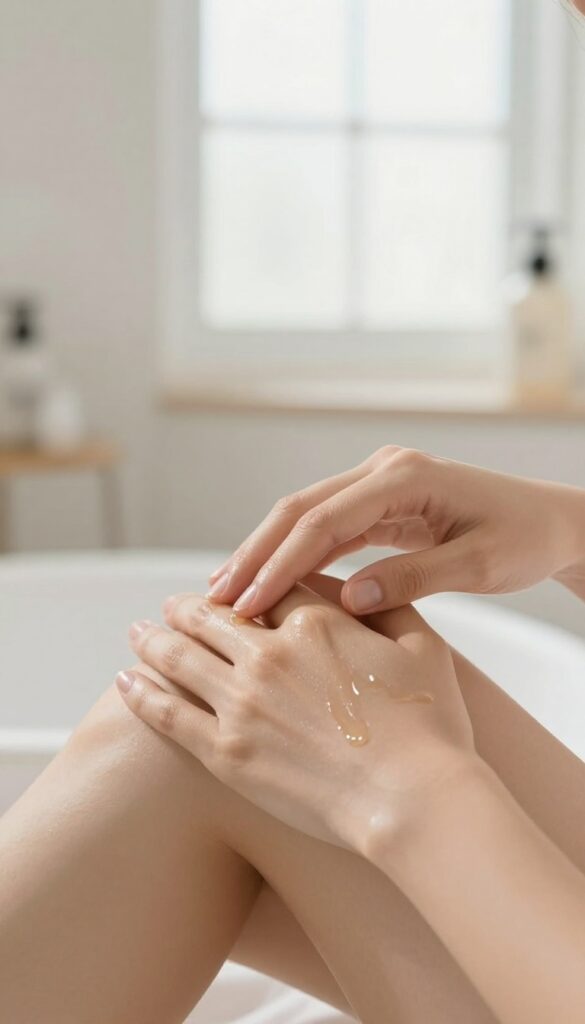
Your skin loves a good rubdown, and not just because it feels nice. Massage boosts circulation, which brings oxygen and nutrients to the surface. That extra blood flow can help even out your tone and firm things up over time.
You don't need a fancy tool or a spa appointment. Your hands work fine, but a simple gua sha or a silicone roller can take it up a notch. The goal is to get into a habit that feels good and shows results.
Massage isn't just a luxury—it's a functional step in your body care routine. By stimulating blood flow, you encourage lymphatic drainage, which can reduce puffiness and give your skin a healthier look. Plus, it helps your moisturizer absorb better, so you get more bang for your buck.
Start with a few minutes a day, focusing on areas that feel tight or look dull. Use upward strokes on your legs and arms, and gentle circles on your stomach. Consistency matters more than intensity, so keep it gentle and regular.
Choose Your Tool
Your hands are always available, but tools can add extra benefits. A jade roller or a silicone massage brush feels cool and helps de-puff. A dry brush before your shower also works—it exfoliates and stimulates at the same time.
Pick what feels good and fits your routine.
Work It Into Your Routine
The best time to massage is right after you shower, when your skin is warm and slightly damp. Apply your body oil or lotion and take a few extra minutes to work it in. You can also do a quick dry brush session in the morning to wake up your skin and boost circulation.
Focus On Problem Areas
Pay extra attention to areas that tend to lose firmness or show cellulite, like thighs, hips, and upper arms. Use firm but gentle pressure and move toward your heart to encourage lymphatic flow. Over time, you may notice smoother, more toned-looking skin.
21. Manage Stress Levels
Stress doesn't just mess with your head—it shows up on your skin. When you're constantly stressed, your body pumps out cortisol, which can ramp up oil production and trigger breakouts or flare-ups. That's why managing stress is a key part of any body care routine.
You don't need to overhaul your life to see a difference. Simple relaxation practices can calm your mind and your skin. The goal is to find what works for you and make it a regular habit.
Chronic stress can lead to increased inflammation and slower skin repair, making your skin look dull and tired. When you're stressed, your skin's barrier also weakens, so it loses moisture more easily. That's why stress management is a non-negotiable step for a healthy glow.
By incorporating stress-reducing activities into your day, you're not just helping your skin—you're improving your overall well-being. And the best part? It doesn't take much time to make a difference.
Try Deep Breathing
Deep breathing is one of the quickest ways to lower stress. When you take slow, deep breaths, your heart rate slows and your body gets the signal to relax. Try this: inhale for four counts, hold for four, and exhale for four.
Do this for a few minutes each day, especially when you feel tense. You can do it anywhere—at your desk, in the car, or before bed. It's a simple habit that can help keep your stress levels in check and your skin looking calmer.
Make Time For Meditation
Meditation doesn't have to be complicated. Even five minutes of sitting quietly and focusing on your breath can lower stress hormones. There are plenty of apps that guide you through short sessions, so you can start small.
The key is consistency. When you meditate regularly, you train your body to handle stress better, which can reduce breakouts and improve your skin's overall tone. It's a mental reset that benefits your skin too.
Move Your Body
Exercise is a natural stress reliever. Physical activity releases endorphins, which boost your mood and help you feel more relaxed. You don't need a hardcore workout—a brisk walk, a dance session, or gentle yoga can do the trick.
Just be sure to shower and moisturize after sweating to keep your skin clear. Regular movement helps your skin by improving circulation, giving you that natural, healthy flush.
22. Exercise Regularly
Getting your heart rate up does more than tone muscles—it gives your skin a natural radiance. When you exercise, blood flow increases, delivering oxygen and nutrients to skin cells while carrying away waste products. That post-workout flush isn't just temporary; regular activity supports long-term skin health.
Sweating also helps unclog pores by flushing out dirt and oil, which can reduce breakouts on your body. Plus, exercise lowers stress hormones that can trigger skin issues like acne or eczema flare-ups. The result?
A clearer, more even-toned glow that no serum can replicate.
Aim for at least 30 minutes of moderate exercise most days. You don't need a gym—brisk walking, cycling, or dancing all count. The key is consistency and finding activities you enjoy so you'll stick with them.
After your workout, always shower promptly to remove sweat and bacteria that can clog pores. Use a gentle cleanser and follow with moisturizer while your skin is still slightly damp to lock in hydration. This simple post-exercise routine keeps your skin happy and glowing.
Boost Circulation For A Natural Glow
Exercise increases blood flow, which gives your skin that healthy, rosy look. Over time, improved circulation helps deliver essential nutrients to skin cells, promoting repair and renewal. Activities like jogging, swimming, or yoga are excellent choices to get your blood pumping.
Sweat Out Impurities
Sweating is your body's natural way of eliminating toxins and clearing out pores. Just make sure to wash off sweat soon after your workout to prevent it from mixing with oil and causing breakouts. A quick rinse with lukewarm water and a mild body wash does the trick.
Reduce Stress For Clearer Skin
Regular exercise lowers cortisol levels, a stress hormone that can trigger inflammation and breakouts. By keeping stress in check, you're less likely to experience flare-ups of conditions like eczema or psoriasis. Even a short daily walk can make a difference in your skin's calm and clarity.
23. Avoid Very Hot Showers After Workouts
That post-workout hot shower feels amazing, but it's not doing your skin any favors. Hot water strips away natural oils, leaving your skin dry and tight. After exercising, your skin is already sensitive and prone to dehydration, so a scorching rinse only makes things worse.
Instead, cool things down with a lukewarm shower. This helps your body temperature return to normal without shocking your skin. Plus, cooler water can help reduce post-exercise inflammation and leave your skin feeling refreshed, not parched.
Switching to lukewarm water after workouts is a simple swap with big benefits. Your skin stays hydrated, and you avoid that uncomfortable tight feeling. Here's how to make the transition easy and effective.
Why Hot Water Hurts Post-workout Skin
When you exercise, your pores open up and your skin loses moisture through sweat. Hot water then strips away the natural oils that help lock in hydration. This can leave your skin feeling dry, itchy, and even flaky.
Over time, it can also worsen conditions like eczema or sensitivity.
The Benefits Of A Lukewarm Rinse
A lukewarm rinse helps your body cool down gradually, which is better for your circulation and your skin. It also prevents your skin from losing too much moisture, keeping it soft and supple. Plus, cooler water feels refreshing after a sweat session and can help reduce any post-workout redness or puffiness.
How To Transition To Cooler Showers
If you're used to hot showers, start by turning the temperature down gradually each time. Aim for a warm-to-cool temperature that feels comfortable but not cold. You can also finish your shower with a 30-second cool burst to seal in moisture and wake up your skin.
Over time, your skin will thank you.
24. Use a Body Sunscreen with Antioxidants
You already know sunscreen is non-negotiable for your face, but your body needs the same protection. Daily UV exposure leads to premature aging, dark spots, and uneven tone—even on cloudy days. The fix?
A body sunscreen that pulls double duty. By choosing a formula with antioxidants like vitamin C, you're not just blocking rays—you're actively fighting free radicals that accelerate skin damage. This combo helps brighten your skin and keeps it looking healthy and even.
Antioxidants work by neutralizing free radicals, which are unstable molecules that break down collagen and cause dullness. Vitamin C, in particular, is a powerhouse for brightening and evening out skin tone. When paired with broad-spectrum sunscreen, you get a shield and a treatment in one step.
Look for lightweight, non-greasy formulas that absorb quickly, so you're more likely to reapply throughout the day. And don't skip areas like your chest, hands, and feet—they show sun damage just as much as your face.
Why Antioxidants Matter
Free radicals from UV rays and pollution trigger oxidative stress, which breaks down skin's support structure. Antioxidants like vitamin C, vitamin E, and green tea extract help neutralize these molecules, reducing inflammation and preventing collagen loss. This means fewer fine lines, less sagging, and a brighter overall complexion.
How To Pick The Right Formula
Choose a sunscreen with at least SPF 30 and broad-spectrum coverage. Check the ingredient list for stabilized vitamin C (like ascorbic acid or magnesium ascorbyl phosphate) or other antioxidants like ferulic acid or niacinamide. Gel or lotion textures work well for body application—they spread easily and don't leave a white cast.
Make It A Daily Habit
Apply sunscreen to all exposed skin every morning, even if you're mostly indoors. Set a reminder or keep a bottle by your door. Reapply every two hours if you're outside, and don't forget your neck, ears, and the tops of your feet.
Consistency is key to seeing the glowing results you want.
25. Be Consistent
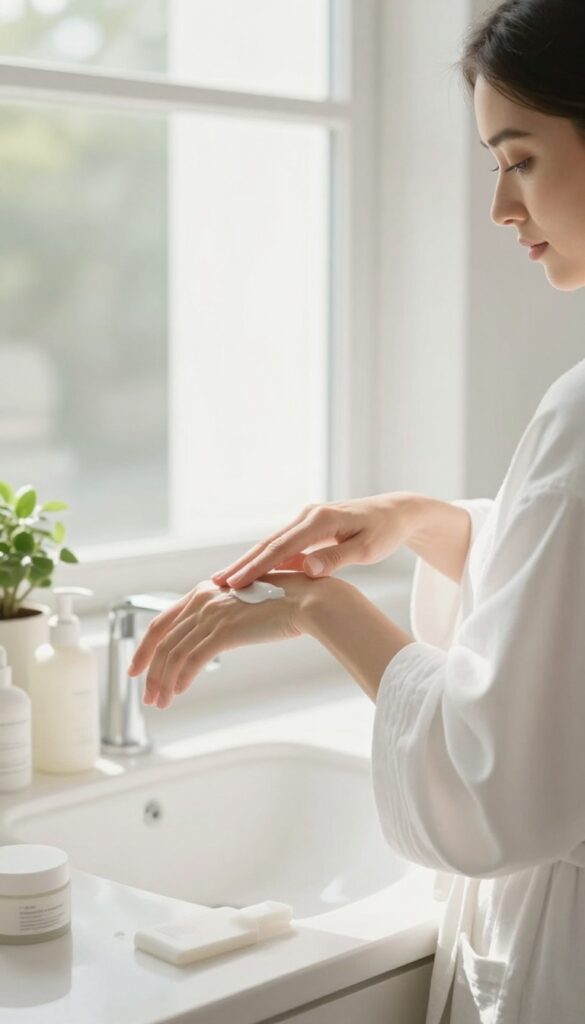
Glowing skin isn't built in a day—it's the result of showing up for yourself every single day. When you stick to a routine, your skin learns what to expect and responds better. Consistency beats intensity, so focus on making your routine a non-negotiable part of your day.
Consistency is the secret ingredient that turns a good routine into great results. Your skin cells regenerate on a cycle, and they need steady care to function optimally. Skipping days or changing products constantly confuses your skin and undoes your progress.
Think of it like exercise: a little every day beats a marathon once a month. So, pick a routine that fits your lifestyle and commit to it—your skin will thank you with a lasting glow.
Start Small And Build
Don't overhaul your entire routine overnight. Start with one or two key steps—like moisturizing after every shower and applying sunscreen in the morning. Once those become habits, add another step, like a weekly exfoliation.
Small, consistent actions are easier to stick with and more sustainable in the long run.
Track Your Progress
Keep a simple journal or take weekly photos to see how your skin changes. This isn't about perfection—it's about noticing what works and what doesn't. When you see improvements, you'll feel motivated to keep going.
If something isn't working, adjust one variable at a time to figure out what your skin loves.
Don't Skip The Basics
Even on busy days, never skip the essentials: cleanse, moisturize, and protect. These three steps are the foundation of healthy skin. Skipping them breaks the chain and sets you back.
Keep your products visible and accessible so you're reminded to use them, even when you're tired.
FAQ
How often should I exfoliate my body?
Aim for 2-3 times a week. Over-exfoliating can irritate your skin, so adjust based on your skin's sensitivity.
Can I use the same moisturizer on my face and body?
It's best to use separate products. Body lotions are often thicker and may clog facial pores, while facial moisturizers may not provide enough hydration for the body.
What's the best way to apply body oil?
Apply body oil to slightly damp skin after showering, then follow with a lotion to lock in moisture. This helps seal in hydration and enhances glow.
Do I need SPF on my body every day?
Yes, if you're exposed to the sun. Even on cloudy days, UV rays can damage your skin. Use a broad-spectrum sunscreen on all exposed areas.
How can I prevent ingrown hairs after shaving?
Exfoliate before shaving, use a sharp razor, and shave in the direction of hair growth. Afterward, apply a soothing lotion with salicylic acid or tea tree oil.
Conclusion
Glowing body skin isn't about perfection—it's about showing up daily with small, doable habits. Pick two or three tips that feel easy to stick with, and let them become second nature before adding more. You'll notice the difference in texture, tone, and that healthy luminosity you've been after.
Your skin is resilient; a little consistency goes a long way. Here's to making your daily glow feel effortless and entirely yours.