Smelling great all day isn't about dousing yourself in perfume. It's a mix of smart skincare habits and a few fragrance tricks that work together. The good news?
You don't need a fancy routine or a hefty budget to make it happen. Simple choices—like how you cleanse, moisturize, and layer scents—can keep you fresh from morning to night.
Whether you're chasing a subtle clean scent or something more noticeable, these 15 body care moves will help you smell amazing without overthinking it. Let's get into the practical stuff that actually works.
1. Start with a Gentle, Fragrant Cleanse
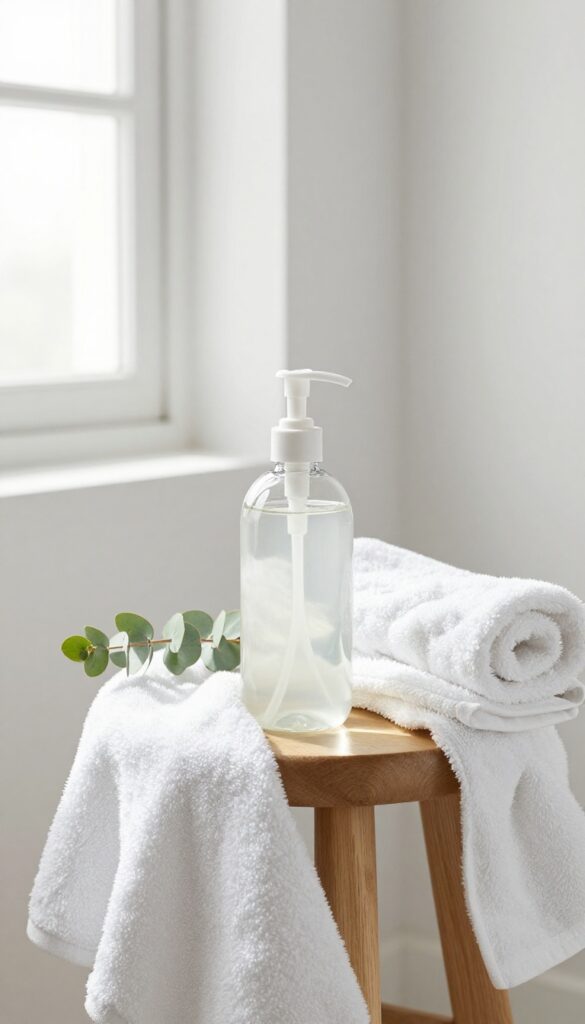
Your body wash is the first layer of your scent story. A gentle, moisturizing cleanser with a fragrance you love preps your skin for the day ahead without stripping away natural oils. This way, the scent lingers softly on your skin, not competing with dryness or irritation.
Choosing the right body wash is more than just picking a nice smell. It’s about finding a formula that cleanses effectively while keeping your skin’s moisture barrier intact. Harsh soaps can leave your skin tight and flaky, which actually makes fragrance fade faster.
Instead, look for sulfate-free options with nourishing ingredients like glycerin or shea butter. These help the scent cling to your skin longer and keep it feeling comfortable all day.
Why A Gentle Cleanser Matters
A gentle cleanser doesn’t just clean—it sets the stage for long-lasting fragrance. When your skin is balanced and hydrated, it holds onto scents much better than dry or irritated skin. Plus, you avoid that uncomfortable tight feeling that comes after a harsh wash.
How To Pick Your Scent
Think about the mood you want to project. Citrusy and fresh scents are great for daytime energy, while warm, musky notes work well for evenings. If you’re unsure, start with a subtle, clean scent that won’t overwhelm—you can always layer more later.
Application Tips For Maximum Freshness
Use a loofah or washcloth to gently exfoliate while you cleanse—this helps remove dead skin cells, allowing the fragrance to absorb better. Rinse thoroughly and pat your skin dry instead of rubbing, so you don’t wipe away the scent.
2. Exfoliate Regularly to Remove Odor-Causing Dead Skin
Dead skin cells are a magnet for bacteria and sweat, which is exactly what creates body odor. When you exfoliate, you're not just smoothing your skin—you're removing the buildup that traps smells. It's one of the most underrated steps in a body care routine.
You don't need to go overboard. A couple of times a week is enough to keep your skin fresh and your scent lasting longer. Plus, it helps your moisturizer and fragrance absorb better, so you get more mileage out of what you already use.
Exfoliating 2-3 times a week with a gentle scrub or a chemical exfoliant helps remove dead skin cells where bacteria and odor can linger. This simple habit keeps your skin's surface clean, so your body wash and lotion can do their job—and your natural scent stays fresher for longer.
Why Dead Skin Causes Smells
Dead skin cells mix with sweat and oil, creating a perfect breeding ground for bacteria. As those bacteria break down, they release the compounds that make you smell less than fresh. By sloughing off that layer, you're cutting off the problem at the source.
Pick The Right Exfoliant For Your Skin
If you have sensitive skin, stick to a gentle scrub with fine particles or a chemical exfoliant like lactic acid. For tougher areas like elbows and knees, a more textured scrub works well. Always patch test new products and follow the instructions—over-exfoliating can irritate your skin and make things worse.
How Often And When To Exfoliate
Aim for two to three times a week, not every day. Evening is a great time because you're washing off the day's grime, and your skin repairs overnight. If you're using a fragrance, exfoliating beforehand helps it last longer since it's not competing with dead skin buildup.
3. Moisturize While Skin Is Still Damp
The best time to lock in moisture—and scent—is right after you step out of the shower. When your skin is still damp, it absorbs products more effectively, so your moisturizer works harder and the fragrance lingers longer. This simple timing trick can make a big difference in how long you smell fresh.
Applying lotion or body cream to damp skin helps seal in hydration, which keeps your skin soft and helps the scent last. The key is to use a scented moisturizer that complements your body wash or perfume. This way, you're building a fragrance base that stays with you throughout the day.
Why Damp Skin Works Better
Damp skin has more open pores and a slightly moist surface, which allows moisturizer to penetrate deeper. This locks in moisture and helps the fragrance molecules bind to your skin, so the scent doesn't evaporate as quickly. It's a simple change that boosts both hydration and longevity.
Choosing The Right Scented Moisturizer
Pick a body lotion or cream with a scent that matches your vibe—like a light citrus for daytime or a warm vanilla for evenings. Make sure it's not too overpowering, since you'll be layering it with other products. Test it on your wrist first to see how it wears throughout the day.
How To Apply For Maximum Effect
After patting yourself dry with a towel, apply the moisturizer within three minutes. Use gentle, upward strokes to help absorption and even coverage. Pay extra attention to areas that tend to get dry, like elbows and knees, but don't forget your neck and shoulders—those spots are great for carrying scent.
4. Use a Hydrating Body Oil for Extra Glow and Scent
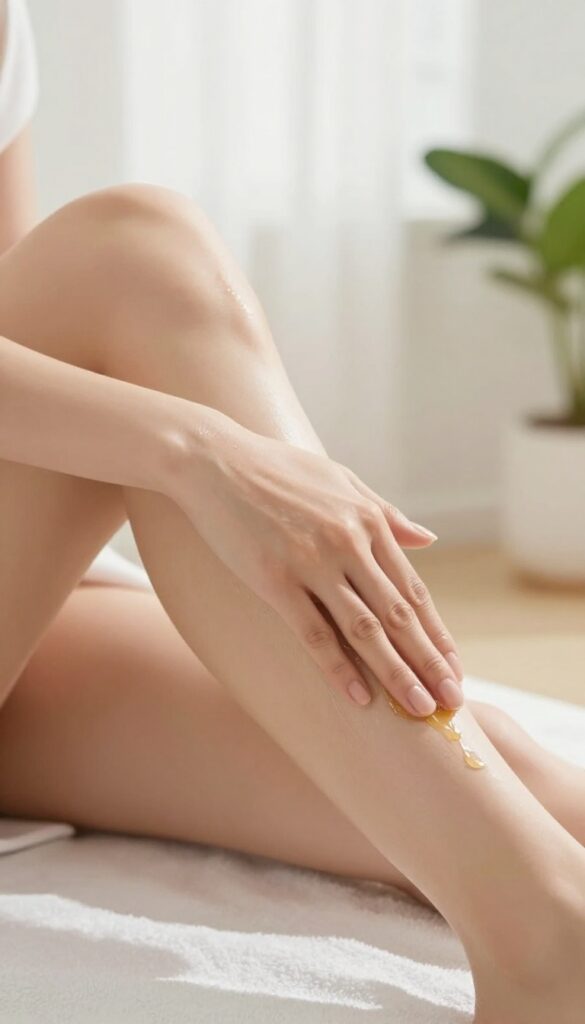
Body oils are having a serious moment, and for good reason. They lock in moisture, give your skin a healthy sheen, and can carry a subtle fragrance that lasts for hours. The trick is applying them right after a shower, while your skin is still slightly damp, so the oil seals in water and keeps your scent from fading too quickly.
Think of body oil as the bridge between your moisturizer and your perfume. It adds a layer of nourishment that helps your skin hold onto whatever scent you put on top, making it last longer without being overpowering. Plus, a little goes a long way—you only need a few drops to cover your whole body.
Why Body Oils Work Better Than Lotions For Scent
Lotions are mostly water, so they evaporate quickly. Oils, on the other hand, sit on your skin and slowly release fragrance over time. That means your scent stays with you much longer, especially if you choose an oil with a light, natural aroma like jojoba, almond, or a hint of citrus.
How To Apply For Maximum Glow And Staying Power
Right after you towel off (but while your skin is still damp), warm a few drops of oil in your palms and press it onto your arms, legs, and torso. Focus on dry areas like elbows and knees. Then, let it absorb for a minute before getting dressed.
This helps the oil sink in and prevents any greasy feeling.
Choosing The Right Scent And Formula
Look for body oils with natural, non-overpowering scents like vanilla, sandalwood, or a fresh green note. Avoid anything too heavy or synthetic. If you're sensitive to fragrance, go for an unscented oil and add a drop of your favorite essential oil instead.
Dry oils are also a great option—they absorb fast and don't leave residue.
5. Don't Skip Sunscreen on Your Body
Most people think of sunscreen as a beach day essential, but it's actually a daily must for your skin's health—and your scent. Sun damage breaks down collagen and elastin, which not only ages your skin but can also alter its natural odor. When your skin is damaged, it becomes drier and more prone to irritation, which can mess with your skin's microbiome and lead to less-than-fresh smells.
Applying a broad-spectrum sunscreen with a pleasant scent is a simple way to protect your skin and keep it smelling clean. Many modern sunscreens are formulated with light, fresh fragrances that layer well with your other products. Plus, by preventing sunburn and dryness, you're keeping your skin's barrier intact, which helps it maintain a healthy, neutral scent.
Sunscreen is the unsung hero of a good-smelling body care routine. It shields your skin from UV damage that can cause premature aging and an uneven texture, both of which can trap odor-causing bacteria. A quality sunscreen with a subtle scent adds a layer of freshness without clashing with your perfume or body lotion.
Here’s how to make sunscreen work for you:
Pick A Scent You Love
Sunscreens come in all sorts of fragrances, from coconut to citrus to barely-there clean scents. Choose one that complements your usual body care products. If you wear a strong perfume, go for an unscented or lightly scented sunscreen to avoid mixing competing smells.
Test a few to find a formula that feels good and smells great.
Apply Generously And Reapply
Most people underapply sunscreen, which means you're not getting the full SPF protection. Use about a shot glass worth for your whole body. Reapply every two hours, or more if you're swimming or sweating.
Set a reminder on your phone or keep a travel-size bottle in your bag for easy touch-ups.
Don't Forget Often-missed Spots
Your ears, the back of your neck, and the tops of your feet are easy to skip but just as prone to sun damage. These areas can get dry and leathery, which can hold onto odors. Give them a quick once-over with sunscreen to keep your skin smooth and fresh all over.
6. Layer Fragrance with a Matching Body Mist
Perfume alone can fade by midday, but a body mist adds a lighter, fresher layer that clings longer. Think of it as a scent sandwich: your moisturizer holds the base, the mist adds the middle, and your perfume seals the top. This trick works because the mist hydrates your skin while depositing fragrance, so the scent has something to latch onto.
Start by choosing a body mist that matches or complements your signature perfume. Many brands offer matching sets, but you can also mix scents that share similar notes—like vanilla and amber or citrus and bergamot. After your shower, spray the mist generously over your pulse points (wrists, neck, behind the knees) and even on your clothes.
The mist isn't as concentrated as perfume, so it won't overwhelm, but it adds a subtle, lingering aura that lasts for hours.
Why Layering Works
Layering isn't just about smelling stronger—it's about creating depth. A body mist has a lighter molecular weight, so it evaporates slowly, leaving a soft scent trail that your perfume then builds on. This combo makes the fragrance last longer on your skin because the mist acts as a primer, holding the perfume molecules in place.
Plus, the hydrating ingredients in most mists help your skin absorb the scent better.
How To Apply For Maximum Longevity
For best results, spray the body mist right after moisturizing, while your skin is still slightly damp. Focus on pulse points where your body heat is highest—wrists, neck, and behind your ears. Then, spritz a few pumps into the air and walk through the mist to cover your whole body evenly.
Don't forget your clothes: a light mist on your collar or sleeves adds a subtle scent that stays even after your skin scent fades.
Choosing The Right Body Mist
Look for body mists that are alcohol-free or low-alcohol to avoid drying out your skin. If you have sensitive skin, opt for fragrance-free or hypoallergenic options and test on a small area first. For a long-lasting scent, choose mists with notes that match your perfume—like floral with floral, or woody with woody.
You can also use a scented body toner or a hydrating mist with essential oils for a more natural approach.
7. Focus on Pulse Points for Longer-Lasting Scent
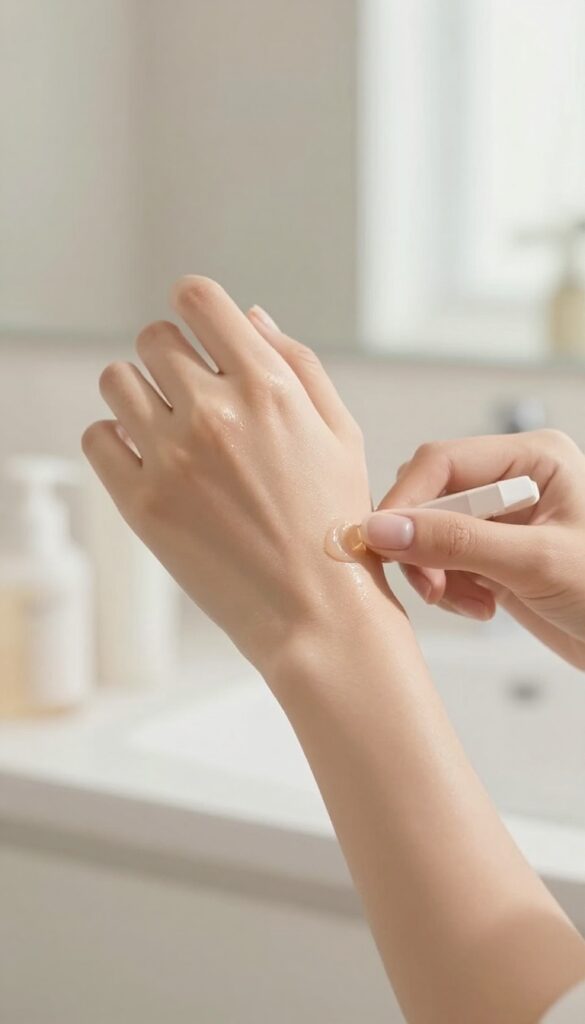
Ever notice how your perfume fades faster on some days? Your body heat plays a big role. Pulse points are spots where your blood vessels sit close to the skin, making them naturally warmer.
That warmth helps your fragrance evaporate slowly, releasing scent throughout the day instead of all at once.
Applying fragrance to the right spots can make a noticeable difference. Instead of spraying into the air and walking through it, target your pulse points directly. This simple switch helps the scent last longer and project better, so you get more wear from every spritz.
Where Are Your Pulse Points?
The classic spots are your wrists, the sides of your neck, and behind your knees. You can also try the inside of your elbows and your temples. These areas generate more heat, which helps the fragrance develop and linger.
A quick pulse check—just feel for a heartbeat—will guide you.
How To Apply For Maximum Effect
Lightly mist or dab fragrance onto your pulse points, then let it dry naturally. Avoid rubbing your wrists together—that breaks down the scent molecules and makes it fade faster. If you're using a body spray, hold it about six inches away for an even layer.
For a more intense effect, apply an unscented moisturizer first; hydrated skin holds fragrance better than dry skin.
Extra Tips For All-day Wear
Reapply lightly on pulse points after a few hours if needed, but don't overdo it. Layering a matching body lotion or oil on the same spots can boost longevity. Also, remember that pulse points near clothing—like your neck—can transfer scent to your collar, giving you a subtle refresh throughout the day.
8. Keep Your Armpits Fresh with a Good Deodorant
Your pits do a lot of heavy lifting when it comes to how you smell. Even if you shower and moisturize well, a bad deodorant can ruin the whole vibe. The right one not only stops odor but can also add a subtle, pleasant scent that sticks with you.
Finding your match isn't complicated. You just need to know what you're working with and what kind of protection you want. Once you nail that, you'll feel confident raising your arms all day long.
Deodorant is a daily essential, but it's not one-size-fits-all. You've got options—from antiperspirants that block sweat to natural deodorants that just mask odor. The key is picking one that suits your body chemistry and lifestyle.
If you're active or prone to sweating, an antiperspirant might be your best bet. If you prefer cleaner ingredients, a natural deodorant could work, though you may need to reapply. Also, don't forget to match the scent with your overall routine.
If you're using a citrusy body wash, a deodorant with a similar note keeps things cohesive. Or go unscented if you want your perfume to do the talking. Either way, test a few to see what lasts through your day.
Know Your Sweat Level
If you're a heavy sweater, an antiperspirant with aluminum is your friend. It physically blocks sweat ducts, keeping you dry. For lighter sweaters, a deodorant without aluminum might be enough.
Just remember to reapply if you're out and about for long hours.
Pick A Scent That Complements
Your deodorant scent shouldn't clash with your perfume or body lotion. Go for something neutral like unscented or a fresh, clean scent. If you love floral perfumes, a light floral deodorant works.
If you're into woodsy scents, try something with sandalwood or cedar.
Apply At The Right Time
For best results, apply deodorant at night before bed. This gives it time to sink in and work while you sleep. In the morning, you're already protected.
If you prefer morning application, make sure your pits are completely dry to avoid clumping.
9. Use a Fragrance-Free Body Wash for Sensitive Areas
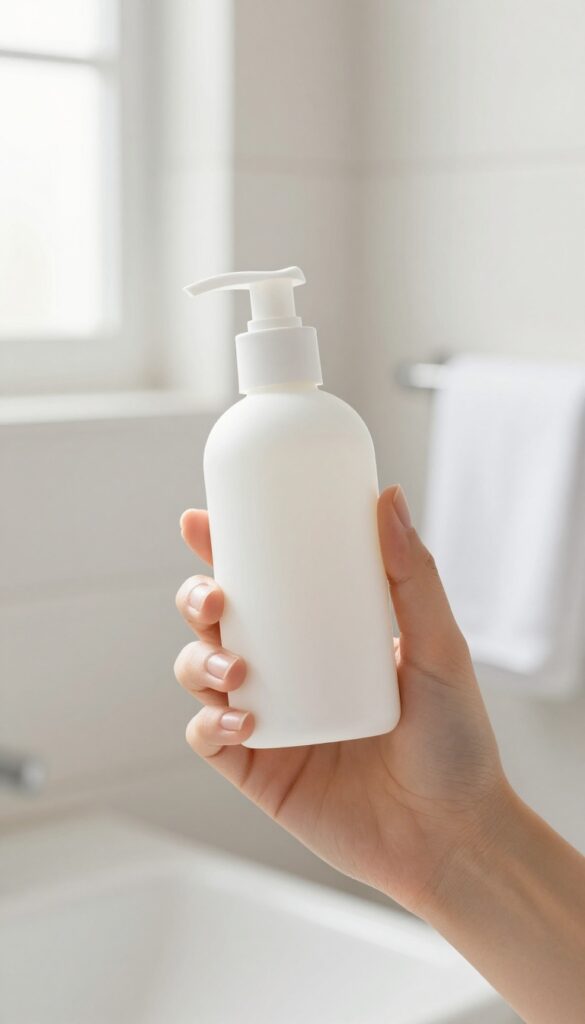
Your intimate areas have a different pH and a delicate microbiome that can easily be thrown off by harsh soaps or synthetic fragrances. Using a scented body wash down there can lead to irritation, itching, or even infections. The smart move is to keep things simple and let your body's natural scent do its thing.
When you wash your intimate area, choose a gentle, fragrance-free cleanser specifically designed for that region. These are pH-balanced and free of dyes and perfumes, so they clean without stripping away the good bacteria that keep you fresh. Save your fancy, scented washes for your arms, legs, and torso—your sensitive bits will thank you.
Why Fragrance-free Wins
Fragrances are a common culprit behind irritation in sensitive areas. They can disrupt the natural balance, leading to dryness, redness, or a funky odor as your body tries to correct itself. Fragrance-free cleansers avoid all that, keeping you comfortable and naturally fresh all day.
Look For Ph-balanced Formulas
Your intimate area sits at a pH around 4. 5, which is more acidic than the rest of your skin. Regular body washes often have a higher pH, which can upset that balance.
Choose a cleanser labeled "pH-balanced" or specifically made for intimate care to keep things in check.
How To Use It Right
Use a small amount of cleanser and gently wash the external area only—no need to go inside. Rinse thoroughly with warm water and pat dry with a clean towel. Doing this once a day, ideally in the shower, is enough to stay fresh without over-cleansing.
10. Refresh with Dry Shampoo or Body Powder
Some days, a full shower just isn't on the schedule. That's where dry shampoo and body powder come to the rescue. They soak up excess oil and sweat, leaving your skin and hair feeling fresh and lightly scented.
Dry shampoo isn't just for hair—it can also be used on your body in a pinch. Body powders, on the other hand, are designed to keep you dry and comfortable all day. Both are quick, easy, and perfect for busy mornings or post-workout touch-ups.
How To Apply Dry Shampoo On Your Body
If you're in a hurry, sprinkle a little dry shampoo on your underarms, chest, or back. Let it sit for a minute, then rub it in or brush it off. It absorbs moisture and leaves a subtle scent that lasts for hours.
Choosing The Right Body Powder
Look for powders with natural ingredients like cornstarch or arrowroot powder. Avoid talc-based options if you prefer cleaner formulas. Scented powders with lavender, citrus, or clean cotton notes can add a pleasant fragrance without being overpowering.
Quick Freshen-up Tips For On-the-go
Keep a travel-sized dry shampoo or powder in your bag for emergencies. Apply it after a workout, before a meeting, or anytime you need a quick refresh. It's a lifesaver when you're rushing between activities.
11. Stay Hydrated for Better Skin Scent
Your skin is your body's largest organ, and its health directly impacts how you smell. When you're dehydrated, your skin can become dry and flaky, trapping odor-causing bacteria and dead cells. Drinking enough water helps flush out toxins and keeps your skin's natural moisture barrier intact, which means you'll smell fresher for longer.
Hydration isn't just about quenching your thirst—it's a key player in your body's natural scent management. When you're well-hydrated, your sweat is more diluted, making it less pungent. Plus, water supports your lymphatic system, which helps remove waste products that can contribute to body odor.
So, grab that water bottle and make it your new best friend.
How Water Reduces Body Odor
Water helps your body regulate temperature and produce sweat that's less concentrated. When you're dehydrated, your sweat contains higher levels of salts and waste, which bacteria love to break down, creating that not-so-fresh smell. Staying hydrated keeps your sweat lighter and less noticeable.
Hydration And Skin Health
Well-hydrated skin is smoother and more elastic, which means fewer cracks and crevices for odor-causing bacteria to hide. Dry skin can also lead to a buildup of dead cells that trap smell. Drinking enough water keeps your skin supple and clean, supporting your overall scent strategy.
Simple Ways To Drink More
If plain water bores you, infuse it with lemon, cucumber, or mint for a refreshing twist. Carry a reusable bottle and set reminders on your phone. Eating water-rich foods like watermelon, cucumbers, and oranges also counts toward your daily intake.
Small changes add up to a big difference in how you smell.
12. Eat a Balanced Diet to Support Skin Health

What you eat shows up on your skin and in your scent. Foods like fruits, vegetables, and fresh herbs can help your body smell naturally cleaner and fresher. On the flip side, a diet heavy in processed foods, sugar, and alcohol can make your natural odor more pungent.
Think of your diet as the foundation of your body care routine. When you nourish your skin from the inside, you need less help from sprays and lotions to stay smelling good. It's a simple shift that pays off all day long.
Your skin is a reflection of your overall health, and your diet plays a huge role in how you smell. Certain foods can enhance your natural scent, while others can make it less pleasant. By making smart food choices, you can support your skin's health and keep your body smelling fresh all day.
Foods That Boost Your Natural Scent
Incorporate more fruits like pineapple, citrus, and apples into your meals. These are known to have a freshening effect on body odor. Fresh herbs like parsley, mint, and basil can also work wonders.
They contain chlorophyll, which acts as a natural deodorizer from the inside out.
What To Limit For A Fresher You
Try to cut back on processed foods, fried items, and excessive red meat. These can make your sweat smell stronger. Alcohol and caffeine can also dehydrate you, which concentrates the odor in your sweat.
Swapping these for water and herbal teas helps keep your system flushed and your scent neutral.
Hydration And Skin Health
Drinking enough water is essential for healthy skin. When you're dehydrated, your skin can become dry and flaky, which traps odor-causing bacteria. Aim for at least 8 glasses a day.
Adding slices of lemon or cucumber not only makes water more interesting but also adds a subtle freshness to your body's natural aroma.
13. Wash Your Clothes and Bedding Regularly
Your skin might be clean, but if your clothes and sheets aren't, that fresh scent won't last long. Fabrics trap sweat, oils, and odor-causing bacteria, which can transfer right back onto your skin. Washing them regularly with a scented detergent keeps your whole routine working together.
Think about it: you put on a clean shirt, but your unwashed sheets rub against you all night. By morning, you're starting with yesterday's smell. The fix is simple—keep your fabrics fresh so your skin can stay that way.
Choose A Scent You Love
Pick a detergent and fabric softener with a fragrance that matches your vibe. Whether it's fresh linen, lavender, or something citrusy, the scent will cling to your clothes and subtly layer with your body care products. Just don't go overboard—you want a hint, not a cloud.
Don't Forget Your Towels
Towels are a breeding ground for bacteria if they stay damp. Wash them every few days in hot water with a splash of white vinegar to kill odors, then dry thoroughly. A fresh towel not only feels better but also helps you dry off without leaving a musty smell behind.
Keep Bedding On A Schedule
Your sheets, pillowcases, and blankets collect sweat and skin cells while you sleep. Aim to wash them weekly, and don't forget your comforter or duvet cover monthly. Fresh bedding makes a huge difference in how you smell when you wake up—and all day long.
14. Manage Stress to Reduce Body Odor
Stress does more than mess with your mood—it can actually change how you smell. When you're anxious, your apocrine glands kick into overdrive, producing a thicker, odor-prone sweat. That's why a stressful day can leave you feeling less than fresh, even if you've been diligent with your routine.
Bringing your stress levels down isn't just good for your head; it's a solid body-care move. By calming your nervous system, you can reduce the intensity of stress sweat and keep body odor in check. Here are a few simple ways to dial it back.
Why Stress Makes You Smell
Stress sweat comes from a different type of gland than the sweat that cools you down. It's richer in proteins and lipids, which bacteria love to feast on—and that's what creates the stronger, lingering odor. Plus, stress can make you sweat more overall, giving bacteria more surface area to work with.
Quick Relaxation Techniques To Try
You don't need an hour of meditation to see a difference. Try box breathing: inhale for four counts, hold for four, exhale for four, and hold again. Or do a quick body scan, tensing and relaxing each muscle group from your toes up.
Even a few minutes of deep breathing can lower your stress hormones and help keep your scent in check.
Build Stress Relief Into Your Day
Make stress management a non-negotiable part of your routine, just like moisturizing. A short walk after lunch, a calming tea ritual in the evening, or a few stretches before bed can all help. The key is consistency—regularly lowering your stress means your body won't be in fight-or-flight mode as often, so you'll naturally smell fresher.
15. Choose Long-Lasting Fragrance Formulas
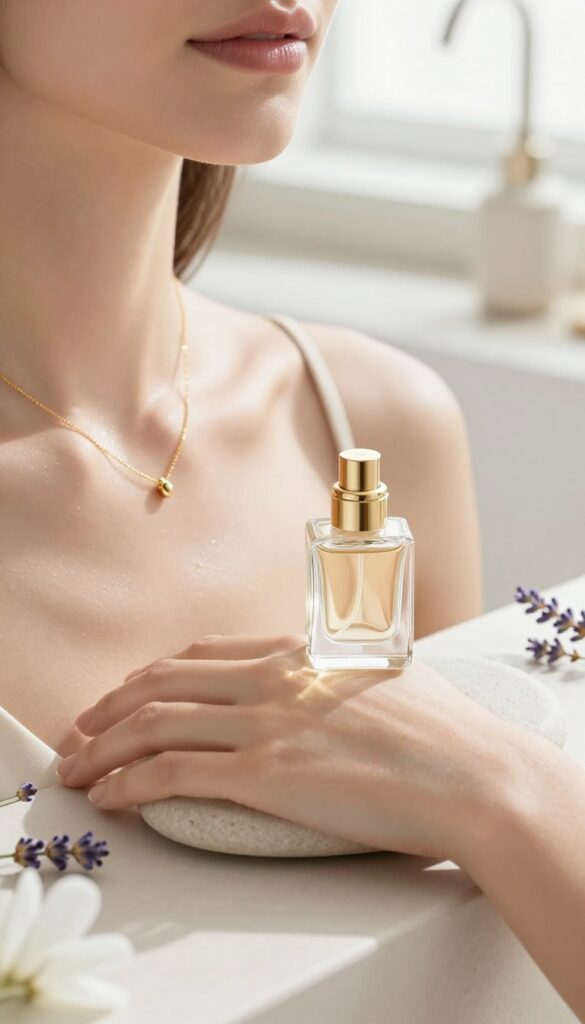
Not all fragrances are created equal when it comes to staying power. Body sprays and colognes often fade within a couple of hours, leaving you scentless by lunchtime. The fix?
Choose formulas designed to last, and apply them the right way. Eau de parfum has a higher concentration of fragrance oils than eau de toilette or body spray, so it clings to skin longer. Solid perfumes are another great option—they're concentrated, portable, and gentle on skin.
Pairing these with a good moisturizer helps lock in the scent even more.
When you pick a fragrance, check the concentration level. Eau de parfum (EDP) typically contains 15–20% fragrance oils, while eau de toilette (EDT) has around 5–15%. More oil means longer wear.
Solid perfumes are also a smart choice because they're wax-based, which helps them adhere to skin and release slowly throughout the day. Apply fragrance right after moisturizing, while your skin is still slightly damp or just absorbed the lotion. The moisturizer acts as a base, helping the scent molecules bind to your skin instead of evaporating quickly.
Focus on pulse points like wrists, neck, and behind the ears, but avoid rubbing your wrists together—that breaks down the scent. For an extra boost, layer your fragrance with matching body products, like a scented lotion or shower gel. This builds a stronger, longer-lasting scent profile that stays with you from morning to night.
Why Eau De Parfum Beats Body Spray
Body sprays are mostly alcohol and water, with only a tiny bit of fragrance oil. That's why they fade fast. Eau de parfum has a much higher oil content, so it evaporates slower and lasts 6–8 hours or more.
If you want all-day scent, skip the spray and go for a few spritzes of EDP.
The Trick To Making Fragrance Last
Your skin's moisture level directly affects how long a scent lasts. Dry skin doesn't hold fragrance well, so always moisturize before applying. Use an unscented lotion or one with a matching scent to avoid clashing.
Apply fragrance to pulse points, and don't forget to reapply after long days if needed.
Solid Perfumes: A Hidden Gem
Solid perfumes are compact, spill-proof, and perfect for touch-ups. They're made with waxes and oils that melt on contact with skin, releasing scent gradually. Plus, they're less likely to cause irritation than alcohol-based sprays.
Keep one in your bag for a quick refresh anytime.
FAQ
How often should I exfoliate my body?
Aim for 2-3 times a week. Over-exfoliating can irritate your skin, so listen to your skin and adjust if needed.
What's the best way to make my perfume last longer?
Apply it right after you moisturize, and focus on pulse points. You can also layer with a matching body lotion or mist.
Can my diet really affect how I smell?
Yes, what you eat can influence your body odor. Foods like garlic and onions can make you smell stronger, while fruits and herbs can help you smell fresher.
Is it necessary to use a separate body wash for sensitive areas?
Yes, it's best to use a gentle, fragrance-free cleanser for intimate areas to avoid irritation and maintain a healthy pH balance.
How can I stay fresh without taking a full shower?
Use body wipes, dry shampoo, or a scented body powder to quickly freshen up. You can also reapply deodorant and a bit of body mist.
Conclusion
Smelling great all day isn't about dousing yourself in perfume—it's about layering simple, consistent habits that work with your body's natural rhythm. Start with one or two changes, like a hydrating body wash or a spritz on pulse points, and build from there.
Pay attention to what your skin and nose respond to, and adjust as you go. Before long, that fresh scent becomes your signature, no reapplication required.