
Your face gets all the serums and creams, but what about the rest of you? Your body deserves the same level of care, and it shows when you put in the effort. Smooth, fresh skin isn't just about genetics—it's about consistent, simple habits that add up over time.
Whether you're dealing with dry patches, rough elbows, or just want that healthy glow, these 23 steps cover everything from showering to sleeping. No complicated rituals, just practical moves you can start today.
Ready to upgrade your body care game? Let's dive in.
1. Start with a lukewarm shower

The temperature of your shower might not seem like a big deal, but it can make or break your skin. Hot water feels amazing, especially after a long day, but it's actually a sneaky culprit behind dryness and irritation. When the water is too hot, it strips away your skin's natural oils, leaving it tight, flaky, and prone to itching.
Lukewarm water, on the other hand, cleanses effectively without damaging your moisture barrier, so your skin stays soft and hydrated.
Switching to lukewarm water is one of the simplest yet most impactful changes you can make in your body care routine. It’s not about suffering through cold showers—just dialing it back to a temperature that’s warm enough to relax your muscles but not so hot that it reddens your skin. This small adjustment helps your skin retain its natural moisture, which means you’ll need less lotion afterward and your skin will look healthier overall.
Why Hot Water Is A No-go
Hot water dissolves the lipid barrier that keeps moisture locked in. Once that barrier is compromised, water escapes, and irritants can get in. Over time, this leads to chronic dryness, flakiness, and even eczema flare-ups.
If you’ve been dealing with itchy, tight skin after showers, your water temperature is likely the culprit.
The Sweet Spot For Temperature
Aim for water that’s around 98–104°F (37–40°C). It should feel comfortably warm, not scalding. A good test is to check the color of your skin—if it turns pink or red, it’s too hot.
Lukewarm water still opens up your pores and helps wash away sweat and dirt, but it doesn’t strip your skin’s natural defenses.
What Lukewarm Water Does For Your Skin
Lukewarm water cleanses without disrupting the pH balance of your skin. It helps remove impurities and excess oil while preserving the moisture barrier. This means your skin stays supple and less prone to post-shower tightness.
Plus, it’s gentler on sensitive areas like your chest and neck, which are often the first to show signs of aging.
2. Use a gentle, sulfate-free body wash
Your body wash might be doing more harm than good. Many conventional formulas rely on sulfates like sodium lauryl sulfate, which create that foamy lather but can strip away your skin's natural oils. The result?
Tight, itchy, and irritated skin, especially if you already have sensitive or dry patches. Switching to a sulfate-free body wash is a simple swap that pays off. These gentler cleansers use plant-based surfactants that still get you clean without the harshness.
They help your skin hold onto moisture, so you step out of the shower feeling soft, not stripped.
Why Sulfates Are The Enemy
Sulfates are detergents that create that rich, bubbly lather we associate with a good clean. But they're also aggressive. They can disrupt your skin barrier, leading to dryness, flakiness, and even worsen conditions like eczema.
If your skin feels tight or itchy after showering, sulfates might be the culprit.
What To Look For Instead
Check the ingredient list for words like "sodium coco-sulfate" or "decyl glucoside"—these are milder, plant-derived cleansers. Also look for moisturizing ingredients like glycerin, shea butter, or aloe vera, which help replenish hydration as you wash. Avoid anything with fragrance if you're prone to irritation, as synthetic scents can also be problematic.
How To Make The Switch
Swapping your body wash is easy—just pick one that suits your skin type. If you have dry skin, go for a creamy formula. If you're oily or sweaty, a gel-based one works well.
Use it the same way you would any cleanser, but don't be alarmed if it doesn't foam as much. That's normal and actually a sign it's gentler on your skin.
3. Exfoliate 2-3 times a week
Dead skin cells can build up fast, leaving your skin looking dull and feeling rough. Exfoliating a few times a week helps sweep them away, revealing the fresh, smooth layer underneath. It also keeps ingrown hairs at bay, especially if you shave or wax regularly.
Exfoliation is a game-changer for body care. It unclogs pores, boosts circulation, and helps your lotions and oils sink in deeper. But more isn't always better—overdoing it can strip your skin and cause irritation.
Stick to 2-3 times a week, and your skin will thank you.
Pick The Right Exfoliator
Choose between physical scrubs (like sugar or coffee grounds) and chemical exfoliants (like AHAs or BHAs). Physical scrubs are great for rough areas like elbows and knees, while chemical exfoliants are gentler and more even. If you have sensitive skin, go for a fine-grained scrub or a mild lactic acid lotion.
Focus On Rough Spots
Don't just scrub everywhere the same way. Give extra attention to areas that tend to get dry or bumpy: elbows, knees, heels, and the backs of your arms. These spots accumulate dead skin faster, so a little extra effort there pays off.
Don't Forget To Moisturize After
Exfoliating exposes fresh skin that's hungry for moisture. Always follow up with a rich body lotion or oil within a few minutes of drying off. This locks in hydration and keeps your skin silky, not tight or flaky.
4. Don't forget your back and shoulders
Your back and shoulders work hard all day, but they often get ignored in your body care routine. These areas are prone to breakouts, rough patches, and product buildup, especially if you sweat or wear tight clothing. Giving them a little attention can make a big difference in how smooth and fresh your skin feels overall.
Most of us focus on the parts we can easily see, but your back and shoulders deserve some love too. They're common spots for clogged pores, dry flakes, and even sun damage. The good news is that a few simple steps can keep them clear and soft without much extra effort.
Why Your Back And Shoulders Need Extra Care
These areas have larger pores and more oil glands than the rest of your body, which makes them prone to breakouts. Plus, they're often covered by clothing, so sweat and dead skin cells can build up quickly. If you've ever noticed bumps or rough patches on your back, you're not alone—it's a common problem that's easy to fix with the right routine.
Exfoliate Regularly To Prevent Buildup
Use a long-handled brush or an exfoliating mitt to reach every inch of your back and shoulders. Gentle circular motions help slough off dead skin and unclog pores. Aim to exfoliate two or three times a week, but adjust based on your skin's sensitivity.
If you have active breakouts, skip the harsh scrubs and use a soft cloth instead.
Cleanse And Moisturize With The Right Products
Choose a body wash with salicylic acid or benzoyl peroxide if you're prone to breakouts, and use it on your back and shoulders a few times a week. After showering, apply a lightweight, non-comedogenic moisturizer to keep the area hydrated without clogging pores. For extra freshness, look for a mist or spray that you can apply after a workout.
5. Rinse off thoroughly

You might think a quick splash is enough, but leftover cleanser or scrub can linger on your skin. That residue can clog pores, trap bacteria, and lead to irritation or breakouts. Taking a few extra seconds to rinse properly is a small step with big payoffs.
When you're done cleansing or exfoliating, make sure every bit of product is gone. Pay special attention to areas like your hairline, underarms, and the backs of your knees where suds like to hide. A thorough rinse leaves your skin clean, balanced, and ready for the next steps in your routine.
Check The Usual Hiding Spots
Product can sneak into creases and curves without you noticing. Run your hands over your skin to feel for any slippery residue. Common spots include the hairline, jawline, underarms, and behind the ears.
A quick double-check ensures nothing is left behind.
Use Lukewarm Water, Not Hot
Hot water can strip your skin's natural oils, leaving it dry and tight. Lukewarm water is just as effective at rinsing away product without the harsh effects. It also helps maintain your skin's moisture barrier, keeping you smooth and comfortable.
Finish With A Cool Splash
A final cool rinse can help close your pores and lock in hydration. It also feels refreshing and can boost circulation, giving your skin a healthy glow. Just a few seconds of cool water at the end makes a noticeable difference.
6. Pat dry, don't rub
The way you dry off after a shower matters more than you'd think. That rough towel rub might feel efficient, but it's actually undoing some of the good work you just did. Your skin is still delicate when it's damp, and friction can cause micro-tears and irritation.
Patting gently with a towel is a simple switch that makes a real difference. It keeps moisture locked in, which is key for smooth, fresh skin. Plus, it's a more mindful way to treat your body after you've just cleansed it.
Rubbing your skin with a towel creates friction that can strip away natural oils and irritate the surface. This is especially true right after a shower when your skin is at its most vulnerable. Micro-tears from aggressive drying can lead to redness, flakiness, and even breakouts on the body.
Patting dry, on the other hand, is a gentle way to remove excess water without upsetting your skin's barrier. It helps your skin retain the moisture it just absorbed, which means you might not need as much lotion afterward. This small habit is a cornerstone of a skin-friendly routine.
Why Rubbing Is A No-go
Rubbing creates friction, and friction is the enemy of smooth skin. It can cause microscopic tears in the skin's surface, which not only feel uncomfortable but also invite irritation and bacteria. Over time, this can lead to premature aging and a dull appearance.
Your skin is not a carpet—it doesn't need that kind of aggressive treatment.
The Right Way To Pat
Use a clean, soft towel and press it against your skin, then lift it away. Work section by section, from your shoulders down to your feet. You don't need to be perfectly dry—slightly damp is actually ideal for applying moisturizer.
This method is faster than you think and feels much more soothing.
Bonus: Moisture Lock
When you pat dry, you leave a thin layer of water on your skin. That's a good thing! Apply your body lotion or oil within a few minutes to trap that hydration.
This simple combination—patting plus immediate moisturizing—keeps your skin soft and supple all day long.
7. Apply moisturizer within 3 minutes
That post-shower window is your skin's golden opportunity. When you step out, your skin is still holding onto moisture from the water, and sealing it in right away makes a huge difference. Waiting even five minutes can let that hydration evaporate, leaving you with drier skin than before.
The three-minute rule is simple: after you towel off, apply your body moisturizer while your skin is still slightly damp. This locks in the water and helps your moisturizer work more effectively. It's a small timing tweak that can transform how smooth and supple your skin feels all day.
Why Timing Matters
When your skin is damp, it's more permeable, meaning it absorbs moisturizer better. The water acts as a carrier, pulling the emollients deeper into the skin. If you wait until your skin is completely dry, you're only sealing the surface, not giving it the full benefit.
How To Make It A Habit
Keep your moisturizer within arm's reach of your towel. As soon as you're done drying, apply it while you're still in the bathroom, where the humidity helps too. Make it part of your routine: dry, moisturize, then get dressed.
In a week, it'll feel automatic.
Best Moisturizers For Damp Skin
Look for lotions or creams with humectants like glycerin or hyaluronic acid—they draw water into the skin. Body oils can also work well if you apply them to damp skin, but they might not be enough for very dry areas. Choose a formula that feels comfortable and absorbs quickly.
8. Use a body oil for extra glow
Body oils are like a secret weapon for that lit-from-within look. They lock in hydration and leave a soft, subtle shine that lotions alone can't match. The best part?
They're easy to work into any routine, even if you're new to oils.
Applying body oil on damp skin right after a shower helps trap moisture, keeping your skin soft and supple all day. You can also mix a few drops into your regular body lotion for an extra boost of nourishment without the greasy feel.
Why Body Oils Work
Oils create a barrier that prevents water loss, so your skin stays hydrated longer. They're packed with fatty acids and antioxidants that soothe and protect, making them ideal for dry or sensitive skin types.
How To Apply For Best Results
Warm the oil in your palms, then press it onto your skin instead of rubbing. Focus on drier areas like elbows, knees, and heels. For an even glow, apply in gentle upward strokes toward your heart.
Pick The Right Oil For Your Skin
Lightweight oils like jojoba or grapeseed absorb quickly and work well for normal skin. If you're extra dry, go for richer options like almond or avocado oil. Fragrance-free versions are best if you're sensitive to scents.
9. Target rough spots with a rich balm
Elbows, knees, and heels tend to get dry and rough because they have thicker skin and fewer oil glands. A rich balm or butter can really make a difference overnight. These heavy-duty moisturizers lock in moisture and soften even the most stubborn patches.
Don't just slather on any lotion—reach for a thick balm or butter. Ingredients like shea butter, cocoa butter, or lanolin are great for intense hydration. Apply it right after your shower when your skin is still slightly damp, and focus on the rough areas.
For extra softness, put on a pair of cotton socks or gloves after applying to help the balm absorb.
Why Balms Beat Lotions
Lotions have a higher water content and evaporate quickly, leaving rough spots still dry. Balms are thicker and create a barrier that holds moisture in. They’re perfect for areas that need extra attention, like elbows and heels.
How To Apply For Best Results
Warm the balm between your fingers to soften it, then massage it into the skin in circular motions. Don’t forget your knees and the backs of your arms. A little goes a long way—start with a pea-sized amount and add more if needed.
Overnight Power Treatment
For seriously rough spots, apply a generous layer before bed and cover with cotton gloves or socks. This traps the balm against your skin and boosts absorption. By morning, you’ll notice a real difference.
10. Don't skip sunscreen on your body

You probably know to protect your face from the sun, but your body needs the same attention. Those exposed arms, legs, and shoulders get hit with UV rays every time you step outside, even on cloudy days. Skipping body SPF can lead to premature aging, sunspots, and a higher risk of skin cancer.
So, make body sunscreen a non-negotiable step in your routine, just like moisturizing or cleansing.
When you apply sunscreen to your body, you're not just preventing burns—you're keeping your skin smooth and even-toned. Sun damage breaks down collagen and elastin, which leads to sagging and wrinkles. Plus, sun exposure can darken scars and cause rough patches.
The good news? It's easy to add this step once you get into the habit.
How Much To Use
Most people don't apply enough sunscreen. For your whole body, you need about a shot glass full (roughly 30 grams). That's about two tablespoons for your arms, legs, and torso.
If you're using a spray, spray until your skin glistens, then rub it in. Don't forget easy-to-miss spots like the back of your neck, tops of your feet, and your ears.
When To Apply
Apply sunscreen at least 15 minutes before you go outside so it has time to absorb. Reapply every two hours, or more often if you're swimming or sweating. If you're indoors all day but near a window, you still need SPF—UVA rays can penetrate glass.
Make it a habit to apply body sunscreen every morning, just like you do for your face.
Pick The Right Formula
Choose a broad-spectrum sunscreen with SPF 30 or higher. Look for water-resistant options if you'll be active or in water. For everyday wear, a lightweight lotion or spray works well.
If you have sensitive skin, try a mineral sunscreen with zinc oxide or titanium dioxide. And if you hate the sticky feel, go for a gel or serum-based formula that absorbs quickly.
11. Wear breathable fabrics
Your skin needs to breathe, and what you wear plays a huge role in that. Tight, synthetic clothes can trap sweat and heat, leading to clogged pores and breakouts on your back, chest, and other areas. Choosing breathable fabrics helps your skin stay dry and comfortable, reducing irritation and keeping your body care efforts from going to waste.
After you've moisturized and treated your skin, the last thing you want is to sabotage it with the wrong clothing. Fabrics that don't allow air circulation can create a mini sauna on your skin, which is a breeding ground for bacteria and breakouts. Opt for natural fibers like cotton, linen, or bamboo, which wick moisture away and let your skin breathe.
For workouts, choose moisture-wicking synthetics designed to pull sweat off your skin rather than trapping it against you.
Why Fabric Matters For Your Skin
Sweat and friction are the main culprits behind body acne and irritation. When you wear tight, non-breathable fabrics, sweat gets trapped against your skin, mixing with dead skin cells and oil. This can clog pores and cause inflammation.
Breathable fabrics help regulate your skin's temperature and moisture, keeping the environment less hospitable to breakouts.
Best Fabric Choices For Everyday Wear
Cotton is a classic for a reason—it's soft, breathable, and gentle on sensitive skin. Linen is another great option, especially in warmer weather, as it allows air to flow freely. For active days, look for athletic wear made from advanced moisture-wicking materials like polyester blends that are designed to keep you dry.
Avoid tight, non-stretchy synthetics like nylon or spandex for daily lounging.
Fabric Tips For Workouts And Sleep
After a workout, change out of sweaty clothes as soon as possible. Even breathable gear can hold moisture, so don't linger in it. For sleep, choose loose-fitting pajamas in natural fibers to let your skin recover overnight.
Cotton or bamboo sheets can also make a difference, reducing friction and allowing your skin to breathe while you rest.
12. Stay hydrated from within
You can slather on all the lotions in the world, but if you're not drinking enough water, your skin will still look dull and tired. Hydration starts on the inside, and it's one of the simplest ways to support that smooth, fresh feeling. Think of water as your body's built-in moisturizer—it plumps up skin cells and helps keep everything looking supple.
Water is essential for skin health. Drinking enough keeps your skin plump and helps flush out toxins. When you're dehydrated, your skin can look dry, flaky, and less elastic.
It's not about chugging gallons—just consistent sipping throughout the day makes a difference.
How Much Do You Really Need?
The old '8 glasses a day' rule is a good starting point, but your needs vary based on activity, climate, and body size. A simple trick: check your urine color. Pale yellow means you're on track; dark yellow signals you need more fluids.
Also, eat water-rich foods like cucumbers, watermelon, and oranges to boost intake.
Make It Easy And Enjoyable
Carry a reusable bottle and set reminders on your phone if you forget. Infuse water with lemon, mint, or berries for a refreshing twist. Herbal teas and sparkling water count too.
The goal is to make hydration a habit, not a chore.
Watch Out For Dehydrators
Caffeine and alcohol can dehydrate you, so balance them with extra water. If you're having a coffee, follow it with a glass of water. And after a night out, rehydrate before you worry about skincare.
Your skin will thank you.
13. Eat skin-friendly foods
What you put on your plate matters as much as what you put on your skin. Nourishing foods help your body repair and renew from the inside out. When you feed your skin the right nutrients, it shows up as a natural glow that no lotion can fake.
Your diet directly affects your skin's health. Antioxidants fight free radicals that cause premature aging, healthy fats keep your skin supple, and vitamins support cell turnover. Making small changes to your meals can have a big impact on how your skin looks and feels.
Load Up On Antioxidants
Berries, dark leafy greens, and colorful veggies are packed with antioxidants like vitamin C and E. These help protect your skin from environmental damage and keep it looking bright. Try adding a handful of blueberries to your oatmeal or a handful of spinach to your smoothie.
Don't Skimp On Healthy Fats
Avocados, nuts, seeds, and olive oil provide essential fatty acids that keep your skin's barrier strong and moisturized. Omega-3s, found in fatty fish like salmon, also reduce inflammation and help maintain elasticity. A simple swap like using avocado on toast instead of butter is an easy win.
Get Your Vitamins From Whole Foods
Vitamins A, C, and E are key for skin repair and protection. Sweet potatoes, citrus fruits, and almonds are great sources. Instead of relying solely on supplements, aim to get these from your diet—your body absorbs them better that way.
A colorful plate is a good sign you're on track.
14. Get enough sleep

Sleep is when your body goes into repair mode, and your skin is no exception. While you snooze, your skin cells regenerate and produce collagen, which keeps it firm and smooth. Skimping on sleep doesn't just leave you tired—it can make your skin look dull and puffy.
Aim for 7-9 hours of quality sleep each night. To make the most of it, keep your bedroom cool and dark, and try to stick to a consistent sleep schedule. Your skin will thank you with a natural glow.
Why Sleep Matters For Your Skin
During deep sleep, your body releases growth hormone, which helps repair skin damage and boosts collagen production. This reduces fine lines and keeps your skin plump. Lack of sleep raises cortisol levels, which can lead to breakouts and increased oil production.
How To Improve Your Sleep For Better Skin
Create a relaxing bedtime routine: put away screens an hour before bed, dim the lights, and maybe try a calming herbal tea. Investing in a silk pillowcase can also reduce friction and prevent sleep lines. Consistency is key—try to go to bed and wake up at the same time every day, even on weekends.
15. Manage stress levels
Stress doesn't just mess with your head—it wreaks havoc on your skin too. When you're tense, your body pumps out cortisol, which can trigger inflammation and breakouts. That's why managing stress is a key step in any body care routine.
Finding ways to unwind isn't just a luxury; it's a necessity for your skin's health. Simple practices like meditation, deep breathing, or even a short walk can lower stress hormones and help your skin stay clear and calm. Make it a daily habit, and you'll notice the difference.
Why Stress Shows Up On Your Skin
Stress triggers a spike in cortisol, which ramps up oil production and can lead to acne and flare-ups. It also weakens your skin's barrier, making it more prone to dryness and irritation. So, keeping stress in check is a direct way to keep your skin smooth and fresh.
Quick De-stress Moves For Better Skin
You don't need an hour of zen to see benefits. Even five minutes of deep breathing or a brisk walk can lower stress levels. Try progressive muscle relaxation or a quick stretch break during the day.
These micro-pauses help reset your body and calm your skin.
Make Stress Relief A Daily Habit
Consistency beats intensity. Pick one or two stress-relief activities you enjoy and slot them into your routine. Maybe it's a morning meditation, an evening walk, or a warm bath with aromatherapy.
The goal is to make it a regular part of your day, just like moisturizing.
16. Shave with the grain
Shaving is a daily ritual for many, but the direction of your razor strokes can make or break your skin. Going against the grain might give you a closer shave, but it also invites razor burn, bumps, and ingrown hairs. Shaving with the grain is gentler on your skin and still gets the job done—without the aftermath.
Shaving with the grain means moving the razor in the same direction your hair grows. It’s a simple switch that reduces friction and irritation. You might not get that baby-smooth feel right away, but your skin will thank you later.
Why Against The Grain Is Risky
When you shave against the grain, the razor tugs at the hair and cuts it below the skin surface. That can trap hairs and lead to ingrown hairs, especially in curly-haired areas. Razor burn and redness are also more likely because you’re scraping off a layer of skin cells.
How To Shave With The Grain
Start with warm water and a good shaving cream or gel to soften the hair. Glide the razor gently in the direction of hair growth, using short strokes. Rinse the blade often and don’t press too hard.
For tricky spots like knees or underarms, you might need to adjust the angle, but keep the same general direction.
When You Need A Closer Shave
If you really want a closer shave, you can do a second pass across the grain, but only if your skin tolerates it. Wait a few minutes after the first pass, reapply lubricant, and use a fresh blade. Even then, listen to your skin—if it starts to sting, stop.
17. Use a sharp razor
If your razor feels like it's dragging across your skin, it's time for a change. Dull blades tug at hair and scrape the surface, leaving behind irritation, razor burn, and tiny nicks. A sharp blade glides smoothly, cutting hair cleanly without the extra friction.
Replacing your razor regularly is one of the easiest ways to upgrade your shave. How often depends on how frequently you shave and the coarseness of your hair. A good rule of thumb is every 5 to 7 shaves, or as soon as you notice any pulling.
You can also extend the life of your blades by rinsing them after each stroke and storing them in a dry place. A little care goes a long way in keeping your skin smooth and happy.
Why Sharp Blades Matter
Sharp blades cut hair cleanly at the surface, reducing the chance of ingrown hairs and razor bumps. They also require less pressure, so you're less likely to irritate your skin. Think of it as a gentle glide instead of a rough scrape.
How Often To Swap Your Razor
If you shave daily, swap your razor every week or two. If you shave less often, every 5 to 7 uses is a safe bet. If you notice any rust, dullness, or pulling, it's time for a fresh one—don't wait for it to feel painful.
Simple Tips For A Smoother Shave
Always shave on clean, wet skin with a moisturizing shave cream or gel. Use light, short strokes and rinse the blade after every pass. Afterward, pat your skin dry and apply a gentle moisturizer to lock in hydration and prevent irritation.
18. Apply a post-shave soothing product
Shaving can be rough on your skin, even if you do everything right. The friction, the blade, and the hot water all take a toll, leaving your skin feeling tight, red, or itchy. A good post-shave product isn't just a luxury—it's a necessary step to calm and restore your skin after the trauma of shaving.
Aloe vera or a fragrance-free balm calms skin after shaving, reducing redness and itchiness. These products help replenish moisture and form a protective barrier that speeds up recovery, so your skin feels smooth and comfortable instead of irritated.
Why Your Skin Needs It
Shaving strips away the top layer of dead skin cells and natural oils, leaving your skin vulnerable. The razor can also cause micro-cuts and inflammation, which shows up as redness and sensitivity. A soothing product immediately after shaving helps reduce that inflammation and prevents the uncomfortable tightness that follows.
What To Look For
You want a product that's gentle and calming. Aloe vera is a classic because it's hydrating and anti-inflammatory. Fragrance-free balms or lotions with ingredients like chamomile, oat extract, or allantoin are also great choices.
Avoid anything with alcohol or strong scents, as they can sting and dry out your skin further.
How To Apply It Right
Pat your skin dry with a clean towel—don't rub. Then, take a small amount of the product and gently massage it into the shaved area in circular motions. Let it absorb for a minute before getting dressed.
For best results, apply it within a few minutes after shaving, while your skin is still slightly damp.
19. Try dry brushing before showers
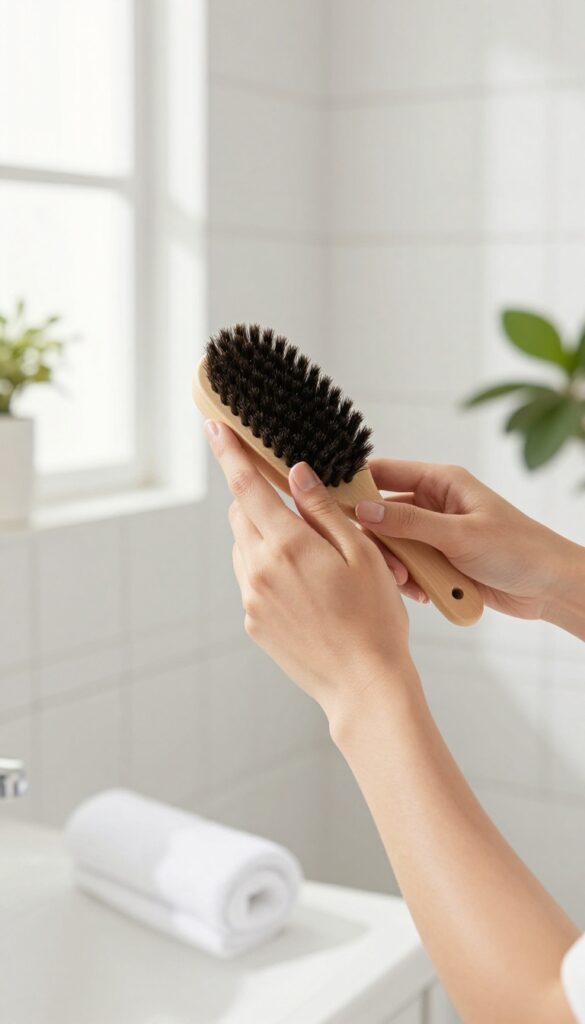
Dry brushing is one of those habits that feels a little odd at first but quickly becomes a favorite. It’s simple, takes just a few minutes, and leaves your skin feeling incredibly smooth. Plus, it gives your circulation a gentle boost, which is always a good thing.
Start with a dry, natural-bristle brush. Begin at your feet and work upward toward your heart using long, sweeping strokes. Use light pressure—this isn’t about scrubbing hard.
Focus on areas with rough skin like your thighs, hips, and arms, but avoid sensitive spots. Do this before you hop in the shower, then rinse off the dead skin cells. Your skin will feel softer and look more radiant.
Why It Works
The bristles gently slough off dead skin cells, which can make your skin look dull. It also stimulates blood flow, giving your skin a temporary glow. Some people find it helps with ingrown hairs and even reduces the appearance of cellulite, though that’s more of a bonus than a guarantee.
How To Do It Right
Use a brush with firm but not scratchy bristles. Always brush toward your heart—this follows your lymphatic system and feels more natural. Keep strokes long and even, and don’t linger too long on one spot.
Two to three minutes is plenty. After brushing, hop in the shower and follow with your usual cleanser and moisturizer.
When To Skip It
If you have sunburn, a rash, or any broken skin, skip dry brushing until it heals. Also, avoid brushing over varicose veins or areas with active acne. If your skin feels irritated or overly sensitive, ease up on the pressure or brush less often—every other day is fine.
20. Use a hydrating body mask weekly
Your face gets masks, so why not your body? A weekly hydrating mask can be a game-changer for dry, dull skin. It's like a deep drink of water for your whole body, leaving you feeling soft and refreshed.
Body masks are thicker than lotions and designed to sit on the skin for a while, letting ingredients really soak in. They're perfect for targeting stubborn dry areas or just giving your skin an extra boost. Once a week is enough to see a difference without making your routine feel heavy.
Choose The Right Mask For Your Skin
Look for masks with hyaluronic acid, ceramides, or shea butter for intense hydration. If you have sensitive skin, avoid fragrances and essential oils. Gel-based masks are great for summer, while cream masks work better in winter.
How To Apply It Like A Pro
After a warm shower, gently pat your skin dry. Apply the mask in a thick, even layer, focusing on dry spots like elbows, knees, and heels. Let it sit for 10-15 minutes, then rinse off with lukewarm water.
Don't scrub—just let the water wash it away.
Make It A Relaxing Ritual
Turn this into a self-care moment. Light a candle, put on some music, and enjoy the quiet time while the mask works its magic. It's a simple way to unwind and show your body some love.
21. Protect your skin from harsh weather
Extreme weather can undo all your hard work in a single afternoon. Cold winds strip moisture, while harsh sun triggers inflammation and premature aging. Your skin barrier is tough, but it needs backup when nature turns hostile.
Think of protection as the final step in your routine—not an optional extra. A few smart adjustments keep your skin smooth and comfortable no matter what the forecast says.
Dress For The Elements
Your first line of defense is what you wear. In winter, cover exposed skin with scarves, gloves, and long sleeves. In summer, opt for lightweight, breathable fabrics that block UV rays without making you overheat.
A wide-brimmed hat isn't just a fashion statement—it shields your face, neck, and ears from direct sun.
Layer Your Protection
When temperatures drop, apply a richer moisturizer or a barrier cream before heading out. Look for ingredients like ceramides, shea butter, or petrolatum to lock in hydration. In sunny conditions, use a broad-spectrum sunscreen with SPF 30 or higher on all exposed areas, and reapply every two hours if you're outdoors.
Adjust Your Routine Seasonally
Your skin's needs change with the weather. In winter, cut back on harsh exfoliants and switch to a gentler cleanser. In summer, you might prefer lighter lotions and gel-based moisturizers.
Pay attention to how your skin feels—tightness, redness, or excessive oiliness are signs it's time to tweak your products.
22. Avoid long, hot baths
There's nothing quite like sinking into a steaming hot bath after a long day. But as relaxing as it feels, that heat can be tough on your skin. Hot water strips away your skin's natural oils, leaving it dry, itchy, and sometimes even flaky.
If you love your bath time, you don't have to give it up entirely—just make a few tweaks to keep your skin happy.
Long, hot baths are a common culprit behind dry, irritated body skin. When you soak for too long, the water breaks down the lipid barrier that locks in moisture. The hotter the water, the more damage it does.
But you can still enjoy a bath if you're smart about it. Keep it short, lower the temperature, and add skin-loving ingredients to the water. Your skin will thank you.
Keep It Short And Warm
Aim for a bath that lasts no more than 10 to 15 minutes. That's plenty of time to unwind without overdoing it. Also, switch from hot to warm water.
Warm water is just as soothing but much kinder to your skin's moisture barrier. If you're used to scalding hot baths, ease into the change gradually—your skin will notice the difference.
Add Skin-loving Extras
Turn your bath into a moisturizing treatment by adding a few drops of bath oil, colloidal oatmeal, or a handful of Epsom salts. These ingredients help soften the water and leave a protective layer on your skin. Avoid harsh bubble baths and heavily fragranced products, which can strip oils even more.
A little goes a long way.
Lock In Moisture Right After
The minutes right after your bath are golden. When you step out, gently pat your skin dry with a towel—don't rub. While your skin is still slightly damp, slather on a rich body lotion or cream.
This traps the moisture in and keeps your skin smooth and supple. If you're prone to dryness, follow up with a body oil on extra rough spots.
23. Be consistent with your routine

Consistency is the secret ingredient that turns a random set of steps into a real routine. You can use the best products and follow every tip, but if you only do it once in a while, you won't see lasting results. Your skin thrives on regular care, not occasional pampering.
Think of it like brushing your teeth—you don't skip days and expect a perfect smile. The same goes for your body. A few minutes each day, done repeatedly, will do more than a marathon session once a month.
So, make your routine a non-negotiable part of your day, just like your morning coffee.
Start Small And Build Up
Don't try to overhaul your entire body care routine overnight. Start with two or three simple steps you can stick to, like moisturizing after every shower and using a gentle body wash. Once those become automatic, add another step, like dry brushing or a weekly exfoliation.
Building gradually makes it easier to stay consistent without feeling overwhelmed.
Anchor Your Routine To Existing Habits
Link your body care steps to things you already do without thinking. For example, apply body lotion right after you step out of the shower, or do a quick self-massage while you watch TV. When you tie new habits to established ones, you're more likely to remember them and keep them going.
Track Your Progress And Celebrate Wins
Keep a simple checklist or use a habit tracker app to mark off your daily steps. Seeing a streak can be surprisingly motivating. And when you notice your skin feeling smoother or looking fresher, take a moment to appreciate it.
That positive feedback loop will keep you going even on lazy days.
FAQ
How often should I exfoliate my body?
Aim for 2-3 times a week. Over-exfoliating can irritate skin, so listen to your skin and adjust if needed.
Can I use the same moisturizer on my body as my face?
It's best to use a body-specific moisturizer, as body skin is thicker and may need richer ingredients. Face products are often lighter and may not provide enough hydration.
What's the best way to prevent ingrown hairs after shaving?
Exfoliate before shaving, use a sharp razor, and shave in the direction of hair growth. After shaving, apply a soothing product like aloe vera.
Do I really need to wear sunscreen on my body every day?
Yes, if you're exposing skin to the sun. UV rays can cause premature aging and skin cancer, so daily SPF on all exposed areas is crucial.
How long does it take to see results from a body care routine?
With consistent care, you may notice smoother skin within a week or two. Deeper changes, like improved texture, can take a month or more.
Conclusion
There you have it—23 straightforward steps to smoother, fresher skin. You don't need to do all of them at once; pick a few that resonate and build from there. Consistency beats intensity every time.
Start with the basics like gentle cleansing and moisturizing, then add extras like dry brushing or body masks when you're ready. Your skin will thank you for the attention, and you'll feel more confident in your own skin. Here's to a glowing, healthy body!