
Soft, smooth skin isn't just about what you put on your face—your body deserves the same kind of attention. The good news?
You don't need a complicated routine or a shelf full of expensive products to get there. Small, consistent habits can make a big difference in how your skin looks and feels.
From how you shower to what you wear, these 17 body care ideas are practical, easy to stick with, and designed to give you softer, cleaner skin all over. Let's walk through the simple changes that actually work.
1. Dry Brush Before You Shower
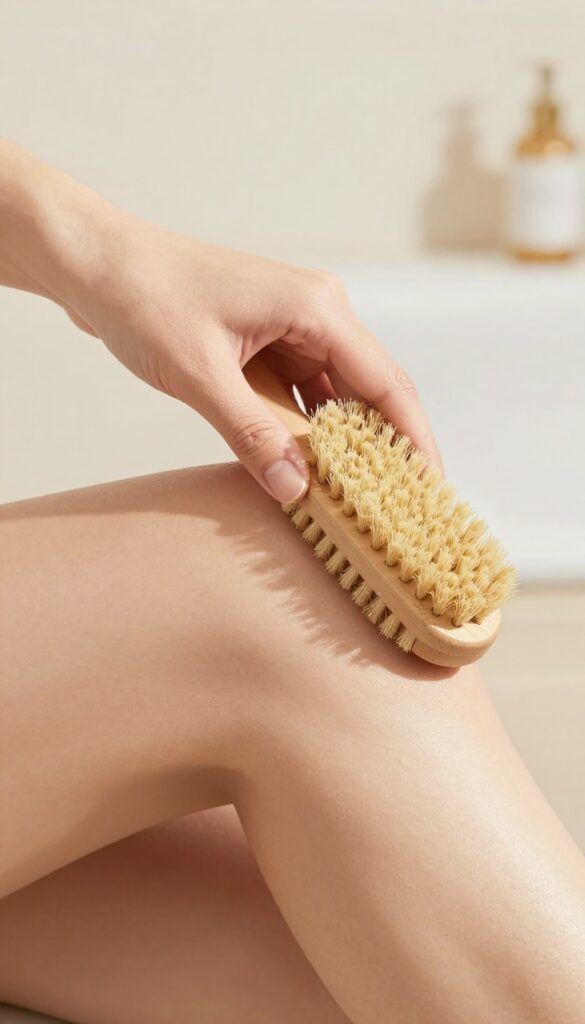
Before you even turn on the water, grab a dry brush and spend two minutes on your skin. It feels a little strange at first, but the payoff is worth it. Dry brushing wakes up your circulation and buffs away the dull, dead cells that make your skin look tired.
Start at your feet and work upward toward your heart, using long, gentle strokes. You don't need to press hard—the bristles do the work. Focus on areas that tend to get rough, like elbows, knees, and thighs.
Do this before every shower, and you'll notice a smoother texture almost immediately.
Why It Works
Dry brushing stimulates your lymphatic system, which helps your body flush out toxins. It also increases blood flow to the skin's surface, giving you a natural, healthy glow. Plus, it gently exfoliates without the mess of a scrub.
How To Do It Right
Use a brush with natural bristles and a long handle so you can reach your back. Keep your skin completely dry and brush in short, upward strokes. Avoid sensitive areas like your face or any broken skin.
Rinse your brush weekly and let it air dry.
When To Expect Results
You'll feel the difference after just one session—your skin will feel softer and look less dull. With regular use, you may notice improved texture and fewer ingrown hairs. Consistency is key, so try to make it a daily habit before your shower.
2. Exfoliate with a Gentle Scrub
Scrubbing away dead skin cells is one of the quickest ways to reveal a smoother surface. But not all scrubs are created equal—harsh ones can leave your skin irritated and red. A gentle sugar or coffee scrub does the job without the drama, making it a smart addition to your weekly routine.
Focus on the rough spots that tend to get ignored: elbows, knees, and heels. These areas build up thicker skin and benefit most from a little extra attention. Use light pressure and circular motions, then rinse with warm water.
Your skin will feel noticeably softer right away, and with regular use, those rough patches become a thing of the past.
Why Sugar Beats Salt
Sugar granules are finer and rounder than salt, so they polish without scratching. Salt scrubs can sting if you have any micro-cuts, especially after shaving. Sugar also dissolves quickly, which means you're less likely to over-scrub and irritate your skin.
Coffee Scrubs For Extra Benefits
Coffee grounds are slightly coarser, making them great for tougher areas like heels. Caffeine can temporarily tighten skin and boost circulation, which gives your body a quick pick-me-up. Just mix used grounds with a little oil or your regular body wash for a simple DIY scrub.
How Often To Scrub
Two to three times a week is plenty. Over-exfoliating strips away natural oils and can leave your skin dry and sensitive. If your skin feels tight or looks red after scrubbing, you're doing it too often or pressing too hard.
Ease up and let your skin recover.
3. Shower with Warm, Not Hot, Water
A hot shower feels amazing after a long day, but your skin pays for it. Hot water strips away the natural oils that keep your skin soft and protected, leaving it dry, tight, and sometimes itchy. The fix is simple: turn the temperature down to warm.
Warm water still cleanses effectively, but it's gentle enough to preserve your skin's moisture barrier.
Switching to warm water might take a little getting used to, but your skin will thank you. Here’s how to make the change work for you.
Why Hot Water Hurts
Hot water breaks down the lipid barrier on your skin, which acts like a protective seal. Once that seal is compromised, moisture escapes and irritants get in. That's why you often feel itchy or see flaky patches after a steaming shower.
Warm water cleans just as well without causing that damage.
How Warm Should It Be?
Aim for water that feels comfortably warm—around your body temperature or slightly above. It should never feel hot on your skin. If your skin turns pink or red, that's a sign the water is too hot.
Keep the shower to about 5-10 minutes to avoid over-drying.
Finish Cool For Extra Glow
If you want to boost circulation and tighten pores, try a quick cool rinse at the very end. It doesn't have to be freezing—just cooler than your shower water. This little trick can leave your skin looking fresher and more awake.
4. Swap Your Soap for a Hydrating Body Wash
Bar soap might be a bathroom staple, but it can strip your skin of its natural oils, leaving it tight and flaky. A hydrating body wash, on the other hand, cleanses while adding moisture back. Look for ingredients like glycerin or ceramides to keep your skin soft and supple after every shower.
Making the switch is simple: choose a body wash that's labeled 'hydrating' or 'moisturizing, ' and avoid ones with harsh sulfates. Massage it onto damp skin with your hands or a soft cloth, then rinse with lukewarm water. Pat your skin dry with a towel instead of rubbing to lock in the hydration.
Why Bar Soap Can Be Harsh
Traditional bar soaps often have a high pH, which disrupts your skin's acid mantle. This can lead to dryness, irritation, and even breakouts. Liquid body washes are typically more gentle and formulated with emollients that support your skin barrier.
Key Ingredients To Look For
Check the label for glycerin, a humectant that draws water into the skin, and ceramides, which help restore the barrier. Avoid products with alcohol or strong fragrances, as these can be drying. A little goes a long way, so you don't need to overdo it.
How To Apply For Best Results
Use a loofah or a washcloth to create a rich lather, which helps distribute the product evenly. Spend an extra minute on rough areas like elbows and knees. Rinse thoroughly and follow up with a moisturizer while your skin is still slightly damp.
5. Use a Loofah or Washcloth – and Clean It
Loofahs and washcloths are great for building a rich lather and giving your skin a gentle scrub. But here's the catch: they can become a breeding ground for bacteria if you don't care for them properly. That's why it's essential to clean them regularly and swap them out often.
Using a loofah or washcloth helps exfoliate and cleanse your skin more effectively than your hands alone. However, the damp, warm environment of your bathroom is perfect for bacteria and mold to grow on these tools. If you don't clean them, you're just spreading germs back onto your skin, which can lead to breakouts or irritation.
The solution is simple: rinse them thoroughly after each use, hang them to dry, and wash or replace them weekly.
How To Clean Your Loofah
After every shower, squeeze out excess water and hang your loofah in a dry spot. Once a week, soak it in a mixture of warm water and a few drops of tea tree oil or white vinegar for about 15 minutes. Rinse well and let it air dry completely.
This kills bacteria and keeps your loofah fresh.
When To Replace Your Tools
Loofahs don't last forever. Replace them every three to four weeks, or sooner if they start to smell or look discolored. Washcloths should be tossed in the laundry after every few uses, so have enough on hand to rotate.
Using a fresh, clean tool each time helps prevent skin issues and keeps your routine hygienic.
6. Don't Skip the Body Lotion
Your skin loses moisture every time you shower, especially if you use warm or hot water. That's why body lotion is a non-negotiable step in any body care routine. It locks in hydration and keeps your skin feeling soft and smooth throughout the day.
The key is to apply lotion while your skin is still slightly damp, ideally within three minutes of stepping out of the shower. This helps trap moisture in your skin cells, giving you maximum absorption and softness. Don't forget easy-to-miss spots like elbows, knees, and heels—they tend to get drier than the rest of your body.
Why Timing Matters
When you towel off, your skin quickly loses moisture to the air. Applying lotion right after a shower seals in that water, making your skin feel softer for longer. Wait too long, and you're just coating dry skin instead of hydrating it.
Pick The Right Formula
Not all lotions are created equal. For normal skin, a lightweight lotion works fine. If you have dry or sensitive skin, look for richer creams or ointments with ingredients like shea butter, ceramides, or hyaluronic acid.
These help repair the skin barrier and lock in moisture more effectively.
Make It A Habit
Consistency beats intensity. Keep your lotion next to your towel or in a visible spot so you remember to use it every day. Even a quick 30-second application can make a huge difference over time.
7. Try a Body Oil for Extra Glow
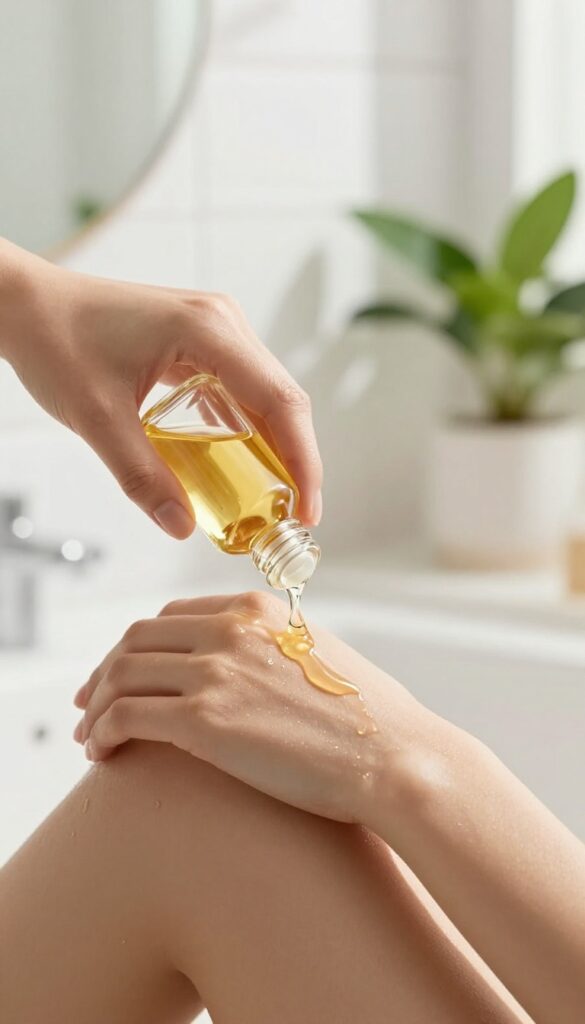
Body oils are like a finishing touch for your skin, locking in moisture and leaving a soft, healthy sheen. They're especially great if your skin feels tight or looks dull after showering. A few drops go a long way, and the right oil can make your skin feel like silk without being greasy.
Applying body oil on damp skin right after a shower helps seal in water, keeping your skin hydrated longer. It also creates a subtle glow that looks natural, not shiny. Plus, the massage motion boosts circulation, which can make your skin look more radiant over time.
How To Apply For Best Results
Warm a few drops of oil between your palms, then press and smooth it over your damp skin. Focus on drier areas like elbows, knees, and shins. Wait a minute or two before toweling off—or just let it air-dry—so the oil can sink in properly.
Choosing The Right Oil For Your Skin
Look for lightweight, non-comedogenic oils like jojoba, squalane, or grapeseed if you're prone to breakouts or prefer a fast-absorbing feel. Richer oils like almond, avocado, or marula are great for very dry skin. Fragrance-free options are safest if you have sensitive skin.
When To Use Body Oil Vs. Lotion
Think of body oil as a sealer and lotion as a hydrator. If your skin is very dry, apply a light lotion first, then a few drops of oil on top to lock it in. On warmer days or when you want a quick glow, oil alone can be enough.
8. Apply Sunscreen to Your Body
You probably know sunscreen is a must for your face, but your body needs it just as much. Sun exposure is one of the biggest culprits behind rough, uneven, and prematurely aged skin. Even on cloudy days, UV rays can sneak through and cause damage over time.
Making sunscreen a daily habit is one of the simplest ways to keep your skin smooth and even-toned. It’s not just for beach days—it’s for everyday life, whether you’re walking to your car, sitting by a window, or running errands.
Why Your Body Needs Spf Too
Your arms, legs, chest, and hands are exposed to the sun almost every day, even if you don’t notice it. Over time, this adds up, leading to sunspots, fine lines, and a rough texture. Sun damage breaks down collagen and elastin, which are the proteins that keep skin firm and smooth.
Applying SPF to your body helps prevent these signs of aging and keeps your skin looking healthy. It’s like giving your skin a shield against the elements, so it stays soft and resilient for years to come.
How To Pick A Body Sunscreen
Look for a broad-spectrum sunscreen with at least SPF 30. This protects against both UVA and UVB rays, which are responsible for aging and burning. If you have dry skin, choose a moisturizing formula with ingredients like glycerin or hyaluronic acid.
For oily or acne-prone skin, a lightweight, non-comedogenic option works better. Don’t forget about easy-to-miss spots like the tops of your feet, the back of your neck, and your ears. These areas often get overlooked but are just as vulnerable to sun damage.
Make It A Daily Habit
The easiest way to remember body sunscreen is to incorporate it into your morning routine. Apply it right after your moisturizer and before you get dressed. If you’re heading outdoors, reapply every two hours, especially if you’re sweating or swimming.
Set a reminder on your phone or keep a bottle in your bag so you never skip. Over time, it becomes second nature—and your skin will thank you.
9. Wear Breathable Fabrics
Your skin needs to breathe, and what you wear plays a big part in that. Tight, synthetic fabrics trap heat and moisture, creating the perfect environment for irritation and breakouts. Swapping them for breathable materials is a simple change that can make a real difference.
Choose natural fibers like cotton, linen, or bamboo, which allow air to circulate and wick moisture away from your skin. For workouts, pick moisture-wicking synthetics designed to pull sweat off your body. Avoid staying in damp clothes after exercise—change quickly to keep your skin dry and happy.
Why Fabric Matters
Synthetic fabrics like polyester and nylon don't absorb moisture well, so sweat sits on your skin. That can clog pores and lead to body acne or irritation. Natural fibers are more breathable and help keep your skin's moisture balance in check.
Best Fabrics For Everyday Wear
Cotton is a classic for a reason—it's soft, breathable, and gentle on sensitive skin. Linen and bamboo are also great choices, especially in warmer weather. They let air flow and keep you feeling fresh throughout the day.
What To Avoid
Steer clear of tight-fitting clothes made from non-breathable synthetics, especially during workouts. Also, skip rough fabrics like wool against bare skin if they cause itching. If you do wear synthetics, look for moisture-wicking versions designed for active use.
10. Stay Hydrated Inside and Out
Your skin is mostly water, so it makes sense that drinking enough fluids keeps it looking fresh. But topical hydration matters too. A quick spritz of a hydrating mist or aloe spray can give your skin an instant moisture boost, especially when it feels tight or dry.
Hydration isn't just about chugging water—it's about keeping moisture in your skin from the outside as well. Using a facial mist or body spray with hydrating ingredients like aloe vera or glycerin can help replenish lost moisture throughout the day. Keep a small bottle in your bag or on your desk for a quick refresh whenever your skin needs it.
Drink Smart, Not Just More
Aim for consistent water intake, but don't stress about exact ounces. Eating water-rich foods like cucumbers, oranges, and watermelon also counts. Herbal teas and infused water are great options too.
The goal is to stay hydrated enough that your skin looks plump and feels comfortable.
Choose The Right Mist
Not all mists are created equal. Look for ones with humectants like hyaluronic acid or aloe vera, which draw moisture into the skin. Avoid mists with high alcohol content, as they can dry you out.
A few spritzes throughout the day can help maintain a healthy glow, especially in air-conditioned or heated spaces.
Layer For Lasting Hydration
To lock in that moisture, apply your mist right after showering or washing your face, then follow with a moisturizer or body lotion. This helps seal in the water and keeps your skin soft longer. For an extra boost, keep a small travel-size mist in your gym bag or purse for a quick refresh on the go.
11. Give Your Feet Some Love
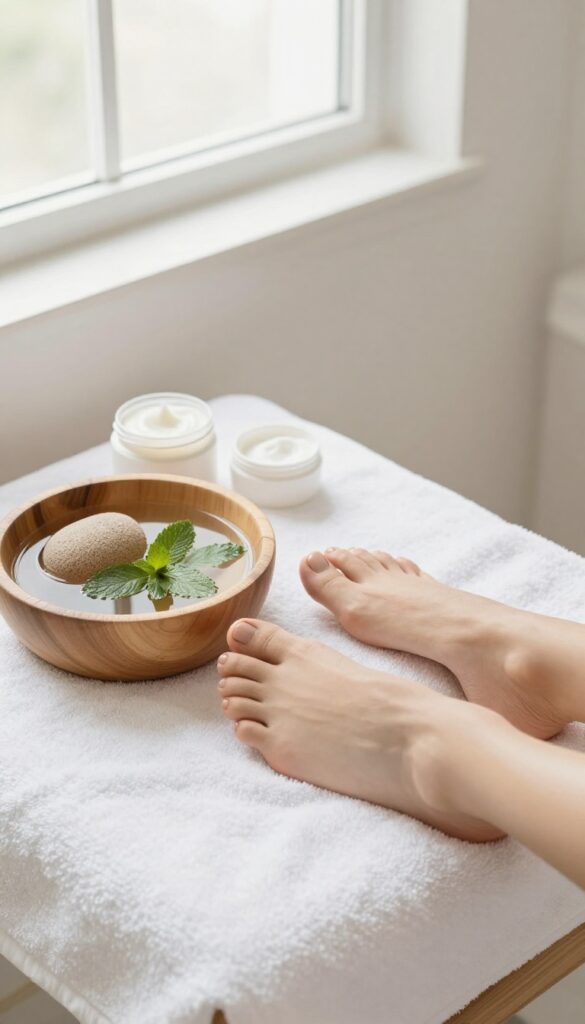
Your feet carry you all day, yet they often get the least attention in your body care routine. Dry heels, calluses, and rough patches can build up quickly, especially if you're on your feet a lot. A simple nightly ritual can make a world of difference, keeping them smooth and ready for sandals.
Start by softening your feet in warm water for about 10 minutes, then use a pumice stone to gently buff away dead skin. Follow up with a rich foot cream or balm, focusing on heels and any rough areas. Do this a few times a week to prevent cracks and keep calluses in check.
Soak And Scrub
A quick foot soak not only softens skin but also relaxes tired muscles. Add a few drops of essential oil like peppermint for a refreshing twist. Use a pumice stone or foot file in circular motions, but don't overdo it—gentle is key to avoid irritation.
Moisturize And Seal
Right after drying your feet, apply a thick, urea-based cream or shea butter to lock in moisture. For extra hydration, slip on cotton socks overnight to let the cream sink in deeply. This simple step can dramatically soften your heels by morning.
Prevent And Protect
Wear breathable shoes and change socks daily to keep feet dry and reduce odor. If you're prone to cracks, a balm with lanolin or ceramides can create a protective barrier. Don't forget to trim toenails straight across to avoid ingrown nails.
12. Treat Your Back and Chest
Back and chest breakouts are common because these areas have more oil glands and are often covered by clothing. Sweat and friction can trap dirt and oil, leading to clogged pores. A simple targeted routine can clear up these spots and keep your skin feeling smooth.
Start by swapping your regular body wash for a cleanser with salicylic acid. It penetrates pores to dissolve the buildup that causes breakouts. Let it sit for a minute or two before rinsing to give it time to work.
You can also use a spray version for hard-to-reach spots like your back. Apply it after your shower and let it dry before dressing.
Choose The Right Cleanser
Look for a body wash or bar with salicylic acid (usually 1% to 2%). Use it daily, but don't overdo it—once a day is enough. If your skin gets dry, alternate with a gentle cleanser.
Don't Forget To Exfoliate
A gentle physical exfoliant, like a loofah or a soft brush, can help remove dead skin cells and prevent clogged pores. Use it in circular motions a few times a week. Be gentle—scrubbing too hard can irritate skin and make breakouts worse.
Shower After Sweating
Sweat can mix with oils and bacteria, leading to breakouts. Shower soon after a workout or any heavy sweating. If you can't shower right away, at least rinse off or use a cleansing wipe on your back and chest.
13. Take Shorter Showers
There's nothing quite like a long, hot shower, but your skin might be paying the price. Extended time under the spray can strip away the natural oils that keep your skin soft and hydrated. The result?
Dryness, itchiness, and even irritation. Shorter showers—around 5 to 10 minutes—are enough to get clean without overdoing it. It's a small change that makes a big difference, especially if you already struggle with dry or sensitive skin.
Why Hot Water Is A Problem
Hot water feels relaxing, but it's tough on your skin. It breaks down the lipid barrier that locks in moisture, leading to dehydration. Warm water is a better choice—it cleanses effectively without stripping your skin dry.
The Sweet Spot For Shower Length
Aim for 5 to 10 minutes. That's enough time to wash, rinse, and get out. If you love a longer shower, try setting a timer or playing a single song to keep yourself on track.
Make Every Minute Count
Use a gentle, sulfate-free body wash and focus on areas that need it most, like underarms and feet. Skip the harsh scrubbing—your skin doesn't need it. After you step out, pat yourself dry and apply moisturizer while your skin is still slightly damp to lock in hydration.
14. Use a Humidifier in Dry Climates

If you live somewhere with dry air, your skin is constantly losing moisture to the environment. A humidifier can help replace that moisture, especially while you sleep. It's a simple addition to your bedroom that makes a noticeable difference by morning.
Dry air pulls water from your skin, leaving it tight, flaky, and more prone to irritation. A humidifier adds moisture back into the air, which your skin absorbs overnight. This is especially helpful in winter or in arid climates where indoor heating makes things even drier.
You'll wake up with skin that feels softer and looks less dull.
Best Time To Use It
Run your humidifier while you sleep. That's when your skin repairs itself, and the extra moisture in the air supports that process. Aim for a humidity level between 40% and 60%—anything higher can encourage mold or dust mites.
Placement Tips
Keep the humidifier on a nightstand or dresser, a few feet from your bed. Make sure it's on a flat, waterproof surface. Clean it regularly to prevent bacteria from spreading into the air you breathe.
Choosing The Right Type
Cool-mist humidifiers are generally best for skin and safe for kids and pets. Ultrasonic models are quiet and energy-efficient. If you have hard water, use distilled water to avoid white mineral dust settling on your skin and furniture.
15. Massage Your Skin with a Jade Roller
Facial jade rollers have been a skincare staple for ages, but your body can benefit from the same rolling motion. Using a body roller or a massage tool on your arms, legs, and torso isn't just a relaxing treat—it can actually improve how your skin looks and feels. The gentle pressure helps boost lymphatic drainage, which reduces puffiness and gives your skin a smoother appearance.
Plus, rolling after applying lotion helps the product sink in deeper, so you get more hydration where you need it most.
Why Rolling Works
Your lymphatic system doesn't have a pump like your heart, so it relies on movement to keep fluid moving. Rolling helps stimulate this system, flushing out excess fluid and toxins that can cause puffiness and dullness. The result is skin that looks more toned and feels firmer.
Rolling also increases blood circulation, which brings oxygen and nutrients to the skin's surface. That's why a quick session can leave you looking refreshed and glowing.
How To Use A Body Roller
Start with clean, dry skin or apply a light layer of body oil or lotion. Use the roller on your legs, arms, and torso with gentle, upward strokes. Always roll toward your heart to encourage lymphatic flow.
Spend a few extra minutes on areas that tend to hold water, like your thighs or ankles. You can do this daily, but even a few times a week will make a difference.
Pick The Right Tool
You don't need a fancy device—a simple jade roller with a larger head works well for larger areas. Some people prefer a body scraper (gua sha) for a more intense massage. Choose a tool that feels comfortable in your hand and has smooth edges to avoid irritation.
Clean your roller after each use with a gentle soap or alcohol wipe to keep it hygienic.
16. Don't Forget Your Neck and Décolletage
Your neck and chest often get left out of the routine, but they're among the first places to show signs of aging. The skin here is thinner and more delicate, so it needs the same care you give your face.
Start by extending your face moisturizer down to your neck and chest every morning and night. Use gentle upward strokes to help products absorb and support circulation. And don't skip SPF—these areas are constantly exposed to the sun, which speeds up wrinkles and sunspots.
Why These Areas Age Faster
The skin on your neck and chest has fewer oil glands and less collagen than your face. That makes it prone to dryness, crepey texture, and fine lines. Everyday movements like looking down at your phone can also deepen creases over time.
How To Care For This Zone
Use a gentle cleanser in the shower and pat dry—don't rub. Apply a hydrating serum or moisturizer while skin is still slightly damp to lock in moisture. For extra protection, choose a broad-spectrum SPF 30 or higher and reapply if you're spending time outdoors.
Easy Habits That Help
Sleep on your back to avoid sleep lines, and keep your posture in mind during the day. Exfoliate once a week with a mild scrub to smooth texture. And drink plenty of water—hydration from within shows up here too.
17. Eat Skin-Friendly Foods

Your skin is a reflection of what you eat, and the right nutrients can make a visible difference. Omega-3s, antioxidants, and vitamins from foods like salmon, nuts, and berries support skin health from within, making it look and feel better. Here's how to fuel your body for softer, clearer skin.
Adding skin-friendly foods to your diet doesn't require a complete overhaul. Small swaps and simple additions can boost your skin's health over time. Focus on whole, nutrient-dense options that fight inflammation and support collagen production.
Incorporate Omega-3s
Omega-3 fatty acids help maintain the skin's lipid barrier, keeping it hydrated and reducing inflammation. Fatty fish like salmon, mackerel, and sardines are excellent sources. If you're not into fish, chia seeds, flaxseeds, and walnuts are great plant-based options.
Load Up On Antioxidants
Antioxidants protect your skin from environmental damage caused by free radicals. Berries, dark leafy greens, and colorful vegetables are packed with these protective compounds. A handful of blueberries or a spinach salad can go a long way.
Don't Forget Vitamins
Vitamins A, C, and E are crucial for skin repair and renewal. Citrus fruits, bell peppers, and sweet potatoes are rich in these vitamins. They help brighten your complexion and support collagen production, keeping skin firm and smooth.
FAQ
How often should I exfoliate my body?
Aim for 2-3 times a week. Over-exfoliating can irritate skin, so adjust based on your skin's sensitivity.
Is dry brushing safe for sensitive skin?
Yes, if you use a soft brush and gentle pressure. Avoid broken or irritated skin, and stop if it causes redness.
What's the best time to apply body lotion?
Right after a shower, while your skin is still slightly damp. This helps lock in moisture more effectively.
Can body oil replace lotion?
Body oil seals in moisture but doesn't add much hydration. Use it over lotion or on damp skin for best results.
How can I prevent body acne?
Shower after sweating, use a gentle cleanser with salicylic acid, and wear breathable clothing to keep pores clear.
Conclusion
Smoother, cleaner skin doesn't require a complicated routine—just a few smart swaps that fit your life. Start with the ideas that feel most doable, whether that's a gentler body wash or a quick dry-brush session, and let consistency do the heavy lifting.
You'll notice the difference in how your skin looks and feels within a couple of weeks. Pick your favorites, keep it simple, and enjoy the glow that comes from showing up for yourself daily.