
You don't need a cabinet full of fancy products to get that fresh, glowing skin. Small, consistent habits—many of them free or low-cost—can make a real difference. The key is knowing which ones actually work and how to fit them into your daily life without overwhelm.
Think of your body care routine as a series of small wins. A tweak here, a new habit there, and soon you'll notice your skin feeling smoother, looking brighter, and holding onto moisture longer.
It's not about perfection; it's about progress. We've rounded up 25 realistic habits that target everything from dryness and dullness to texture and tone.
1. Dry Brush Before You Shower
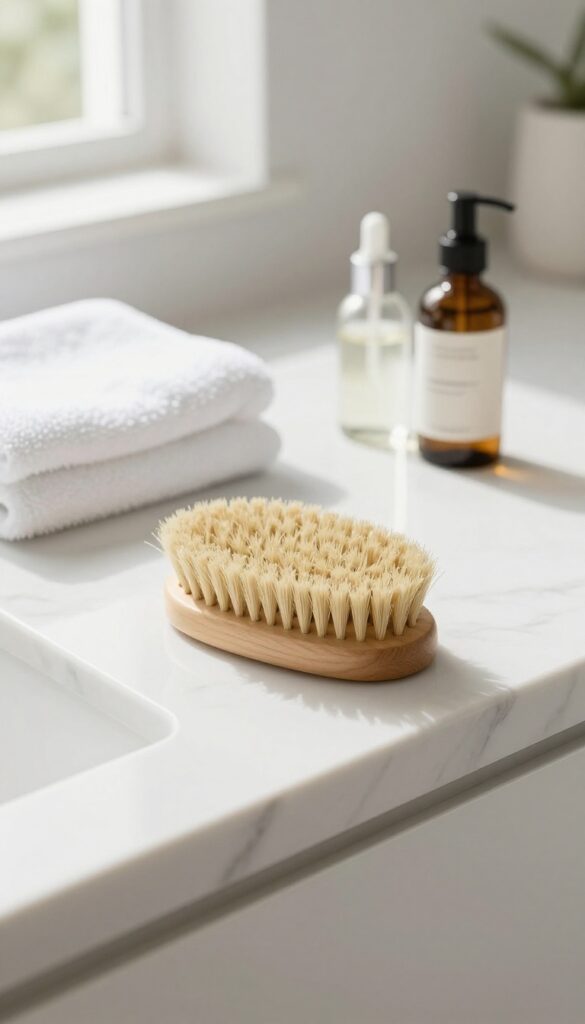
Dry brushing is one of those habits that feels a little weird at first but quickly becomes addictive. It's a simple, low-cost way to wake up your skin and boost circulation before you even step into the shower. The best part?
You'll notice a difference in texture almost immediately.
Dry brushing exfoliates dead skin cells, stimulates blood flow, and can even help reduce the appearance of cellulite over time. The key is using gentle, upward strokes toward your heart—this supports your lymphatic system and encourages drainage. Start at your feet and work your way up, avoiding sensitive areas like your face or any broken skin.
Do it two to three times a week, and always moisturize afterward to lock in that fresh, smooth feel.
Choose The Right Brush
Look for a brush with natural bristles and a long handle so you can reach your back easily. Avoid brushes that feel too stiff or scratchy—they should be firm but not painful. A brush with a removable head is handy for cleaning.
Master The Technique
Always brush on dry skin before your shower. Use long, sweeping motions toward your heart, and avoid circular scrubbing. Keep pressure light—you want stimulation, not irritation.
Focus on areas prone to dryness or dimpling, like thighs and arms.
Follow Up With Moisture
After showering, pat your skin dry and apply a rich body lotion or oil while your skin is still slightly damp. This helps seal in hydration and makes the most of your dry brushing efforts. Your skin will feel noticeably softer after just a few sessions.
2. Shower with Lukewarm Water
Let's talk about water temperature. That piping hot shower might feel amazing after a long day, but your skin pays the price. Hot water strips away the natural oils that keep your skin soft and protected, leading to dryness, irritation, and even flakiness.
Switching to lukewarm water is a simple swap that makes a huge difference. It cleanses effectively without damaging your skin barrier, helping your skin hold onto moisture longer. Your face and body will thank you.
Lukewarm water is the sweet spot—warm enough to open pores and loosen dirt, but not so hot that it strips your skin. Think of it as a gentle cleanse that respects your skin's natural balance.
Why Hot Water Hurts
Hot water dissolves the lipid barrier on your skin's surface. That barrier is what locks in moisture and keeps irritants out. Once it's gone, your skin becomes vulnerable to dryness, redness, and even breakouts.
If you notice your skin feels tight or itchy after a shower, the temperature might be the culprit.
How To Make The Switch
Start by turning down the temperature gradually. Aim for water that feels warm to the touch but not steaming. A good test: if your skin turns pink or red, it's too hot.
Keep showers under 10 minutes to avoid over-drying, and pat your skin dry instead of rubbing.
The Payoff
Within a week or two, you'll notice your skin feels less tight and looks more supple. Dry patches may fade, and your moisturizer will work more effectively because your skin barrier is intact. It's a small change with big results.
3. Use a Gentle, Hydrating Body Wash
Many body washes are basically detergent in disguise. They foam up nicely but leave your skin tight, dry, or irritated. A gentle, hydrating body wash cleans without stripping away your skin's natural moisture barrier.
Look for sulfate-free formulas with ingredients like glycerin, ceramides, or oatmeal. These help maintain hydration while removing dirt and sweat. Your skin will feel clean but not squeaky—and that's a good thing.
You don't need to spend a lot. Drugstore options with clean ingredients work just as well as pricey ones. The key is reading the label and avoiding anything that sounds like a harsh cleanser.
What To Look For On The Label
Scan the ingredient list for "sulfate-free" and moisturizing agents like glycerin, ceramides, shea butter, or colloidal oatmeal. Avoid sodium lauryl sulfate (SLS) and sodium laureth sulfate (SLES)—they're too stripping for daily use.
How To Use It Right
Apply with your hands or a soft loofah, and don't scrub aggressively. Let the wash sit for a minute before rinsing so the moisturizing ingredients can absorb. Rinse with lukewarm water, not hot, to avoid drying.
When To Switch
If your skin feels tight, itchy, or flaky after showering, it's time to swap. Also switch if you notice redness or irritation. A hydrating body wash can make a noticeable difference within a week.
4. Exfoliate Weekly with a Physical Scrub
Dead skin cells can build up and make your skin look dull, rough, or flaky. A weekly physical scrub helps sweep that layer away, revealing fresher, smoother skin underneath. Focus on areas that tend to get neglected—elbows, knees, and heels—and you'll notice a real difference in texture and glow.
Choose a scrub with fine, rounded grains to avoid micro-tears. Sugar or jojoba bead scrubs are gentle enough for most skin types. Apply in circular motions on damp skin, then rinse thoroughly.
Don't overdo it—once a week is plenty for most people.
Which Scrub To Pick
Look for scrubs with natural exfoliants like finely ground oatmeal, sugar, or salt. Avoid harsh crushed nutshells or large particles that can cause irritation. If you have sensitive skin, opt for a cream-based scrub with ultra-fine grains.
How To Scrub Correctly
Always exfoliate on clean, damp skin—never dry. Use gentle pressure and small circular motions, spending a little extra time on rough patches like elbows and knees. Rinse with lukewarm water and pat dry, then follow with a rich moisturizer to lock in softness.
Post-scrub Care
After exfoliating, your skin is more receptive to hydration. Apply a body lotion or oil while skin is still slightly damp to seal in moisture. Avoid harsh soaps or hot showers for the rest of the day to prevent irritation.
5. Pat Dry, Don't Rub

After a shower, it's tempting to grab a towel and vigorously scrub your skin dry. But that rough friction can strip away natural oils and cause irritation, especially on sensitive areas. A gentler approach not only protects your skin but also helps your moisturizer work better.
Patting your skin dry leaves it slightly damp, which locks in hydration when you apply lotion or body oil. This simple switch can make a noticeable difference in how soft and supple your skin feels. Plus, it's a small act of kindness toward your body that takes just a few extra seconds.
Why Rubbing Hurts Your Skin
Rubbing with a towel creates micro-tears in the skin's surface, leading to redness, flakiness, and even breakouts on the body. It also disrupts the moisture barrier, making it harder for your skin to retain water. Over time, this habit can contribute to premature aging and sensitivity.
The Right Way To Pat Dry
Use a soft, clean towel and gently press it against your skin—don't drag or scrub. Start with your face and work your way down. Leave your skin slightly damp, then apply your moisturizer within three minutes to seal in that extra hydration.
This technique is especially helpful for dry or eczema-prone skin.
Bonus: Upgrade Your Towel
Microfiber or bamboo towels are gentler than traditional cotton terry cloth. They absorb moisture quickly without rough texture, making pat drying even more effective. Wash towels weekly with a gentle, fragrance-free detergent to avoid buildup of bacteria or irritants.
6. Apply Lotion Within Three Minutes
You've probably heard this tip before, but it's worth repeating because it works. The three-minute window after your shower is prime time for locking in moisture. Your skin is still damp, and the water on its surface helps the lotion absorb more deeply and evenly.
Why Timing Matters
When you step out of a warm shower, your pores are open and your skin's moisture barrier is temporarily more permeable. Applying lotion within three minutes takes advantage of this window, trapping water in the outer layer of your skin. If you wait until your skin is bone-dry, you're just sealing in dryness instead of hydration.
How To Do It Right
Don't completely towel off—pat dry just enough so you're not dripping, then apply your lotion or cream. Use a gentle, upward motion to massage it in, focusing on drier areas like elbows, knees, and heels. This not only helps absorption but also boosts circulation.
Best Products For Damp Skin
Thicker creams and body butters work well because they create a stronger seal. If you prefer lotions, look for ones with glycerin, hyaluronic acid, or ceramides—they're humectants that pull moisture into the skin. Avoid anything with a lot of alcohol, which can dry you out.
7. Choose a Lotion with SPF for Daytime
You already know to put sunscreen on your face, but what about the rest of your body? Your arms, legs, and chest get just as much sun exposure throughout the day, especially if you're commuting, walking the dog, or sitting near a window. The easiest way to protect them is to swap your regular body lotion for one that includes SPF.
A moisturizer with at least SPF 30 does double duty: it hydrates your skin while shielding it from UV rays that cause premature aging, dark spots, and uneven texture. It's a simple switch that pays off big time over the long haul. No extra step, no sticky sunscreen feeling—just your daily lotion doing more.
Using a body lotion with SPF is one of the most effortless ways to build sun protection into your routine. Here's how to make it work for you.
Look For Broad Spectrum Spf 30 Or Higher
Not all SPF lotions are created equal. Check the label for "broad spectrum" protection, which guards against both UVA and UVB rays. SPF 30 blocks about 97% of UVB rays, which is plenty for everyday wear.
If you'll be outdoors for extended periods, go higher—but for your morning routine, SPF 30 is a solid baseline.
Apply To All Exposed Areas
Don't stop at your arms and legs. Your chest, neck, back of hands, and even your feet (if you're wearing sandals) deserve coverage. These areas are often overlooked and can show sun damage first.
Make it a habit to apply lotion from your collarbone down to your toes, paying extra attention to shoulders and any part that sees direct sunlight.
Reapply If You're Outside For Hours
One application in the morning isn't enough if you're spending the day outdoors. Sunscreen effectiveness fades after about two hours, especially if you're sweating or near water. For days at the beach or a long hike, bring a travel-size SPF lotion and reapply.
But for a typical workday with minimal sun exposure, a single morning application works fine.
8. Use a Rich Body Butter for Dry Zones
Not all skin needs the same level of moisture. While your arms and legs might feel fine with a lightweight lotion, your elbows, knees, and feet often need something heavier. That's where a rich body butter comes in—it's like a tall drink of water for your driest spots.
Body butters are thicker than regular lotions because they contain higher concentrations of oils and butters. They create a protective barrier that locks in moisture for hours, making them perfect for rough patches that tend to crack or flake. The key is to apply them right after bathing, when your skin is still slightly damp, so the ingredients can sink in better.
Why Shea And Cocoa Butter Work
Shea butter is packed with vitamins A and E, which help soothe inflammation and support skin repair. Cocoa butter is rich in fatty acids that improve elasticity and soften rough texture. Both are non-comedogenic, meaning they won't clog pores, so they're safe for even sensitive areas.
How To Apply For Best Results
Scoop a small amount—about the size of a pea for each knee or elbow—and warm it between your palms before massaging it in. Focus on the driest areas and let the butter absorb for a minute before dressing. For feet, apply a generous layer and put on cotton socks overnight for a deep treatment.
When To Reach For Body Butter
Use body butter daily during colder months or whenever your skin feels particularly dry. If you live in a humid climate, you might only need it a few times a week. Pay extra attention after exfoliating, since your skin will be more receptive to moisture.
9. Incorporate a Body Oil for Extra Glow
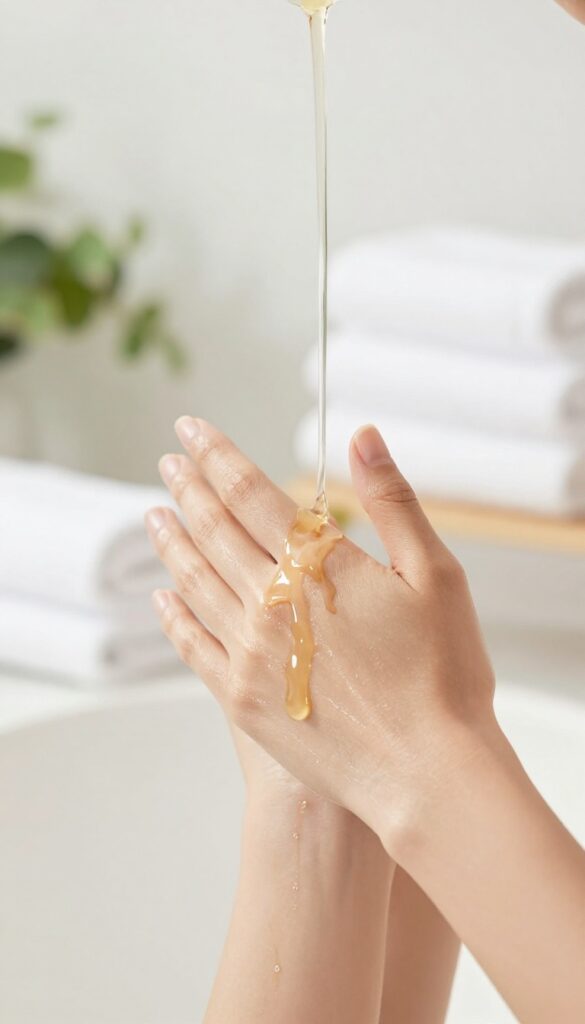
Lotion does a lot, but sometimes your skin needs a little extra something to really shine. That's where body oil comes in. A few drops of the right oil can take your skin from hydrated to luminous without any sticky residue.
Body oil locks in moisture and adds a subtle sheen that makes skin look healthy and alive. The trick is applying it correctly so you get the benefits without feeling greasy.
Choose A Lightweight Oil
Not all oils are created equal. Go for fast-absorbing options like jojoba, almond, or grapeseed oil. They mimic your skin's natural sebum and sink in quickly, leaving a soft glow rather than a slick film.
Apply On Damp Skin
The best time to use body oil is right after a shower when your skin is still slightly damp. This helps the oil spread evenly and seals in moisture from the water. Pat dry first, then massage the oil in.
Layer Over Lotion For Extra Hydration
If you want maximum moisture, apply a lightweight lotion first, then follow with a few drops of oil. The lotion hydrates, and the oil locks everything in, creating a barrier that keeps your skin soft and glowing all day.
10. Stay Hydrated from the Inside Out
Water is your skin's best friend, and it's free. When you're properly hydrated, your skin cells plump up, reducing the appearance of fine lines and giving you that dewy look. It's not just about drinking water though—it's about making it a consistent habit that your body can rely on.
Aim for at least 8 glasses of water a day, and more if you're active or live in a dry climate. Your skin will thank you with better elasticity and a natural glow. Think of it as the simplest, most affordable beauty treatment you can do.
Set A Daily Water Goal
Keep a reusable water bottle at your desk or in your bag. Fill it up in the morning and track how much you drink. Apps can help, but even a simple sticky note reminder works.
Eat Your Water Too
Foods like cucumber, watermelon, oranges, and celery are packed with water and skin-friendly nutrients. Snack on them throughout the day to boost hydration from the inside.
Sip Before You Caffeinate
Start your morning with a glass of water before coffee or tea. This rehydrates your body after sleep and sets a good tone for the day. It's a small switch that makes a big difference.
11. Eat Skin-Friendly Fats
What you put on your plate matters just as much as what you put on your skin. Healthy fats, especially omega-3s, play a huge role in keeping your skin hydrated and plump. They work from the inside out, supporting your skin's natural barrier so moisture stays in and irritants stay out.
Omega-3 fatty acids are essential for maintaining a healthy lipid barrier, which is your skin's first line of defense. When that barrier is strong, your skin feels softer, looks smoother, and holds onto moisture longer. Foods like salmon, walnuts, flaxseeds, and chia seeds are packed with these good fats.
Aim to include a source of omega-3s in your diet a few times a week for the best results.
Best Omega-3 Sources For Skin
Fatty fish like salmon, mackerel, and sardines are top choices because they contain EPA and DHA, two types of omega-3s that directly benefit skin. If you're plant-based, go for walnuts, flaxseeds, chia seeds, and hemp seeds. Avocados and olive oil also provide healthy fats that support skin health.
How Much You Need
You don't need huge amounts to see a difference. Two servings of fatty fish per week, or a tablespoon of ground flaxseeds daily, can do the trick. Consistency matters more than quantity, so try to make these fats a regular part of your meals.
Quick Meal Ideas
Add ground flaxseeds to your morning smoothie or oatmeal. Toss walnuts into a salad or eat them as a snack. For lunch or dinner, grilled salmon with a side of steamed veggies is a skin-loving meal that's easy to prepare.
12. Get Enough Sleep for Skin Repair
Sleep is often called beauty rest for a reason. While you snooze, your body goes into repair mode, fixing daily damage and regenerating skin cells. Skimping on sleep doesn't just leave you tired—it shows up on your face as puffiness, dark circles, and a dull complexion.
Making quality sleep a non-negotiable part of your routine is one of the simplest, most effective ways to support your skin's natural glow.
Aim for 7–9 hours of uninterrupted sleep each night. Your skin's blood flow increases during deep sleep, helping deliver oxygen and nutrients while clearing out waste products. This process reduces under-eye bags, evens out skin tone, and gives you that lit-from-within look.
If you struggle with sleep, try winding down with a consistent bedtime routine—dim lights, put away screens, and maybe use a silk pillowcase to reduce friction.
How Sleep Affects Skin Repair
During deep sleep, your body releases growth hormone, which stimulates cell turnover and collagen production. Collagen keeps skin firm and elastic, so getting enough sleep can help prevent fine lines and sagging. Cortisol, the stress hormone, drops while you rest, reducing inflammation that can trigger breakouts or redness.
Tips For Better Sleep Hygiene
Keep your bedroom cool, dark, and quiet. Stick to a consistent sleep schedule, even on weekends. Avoid caffeine and heavy meals close to bedtime.
A short wind-down routine—like gentle stretching or reading—signals your body it's time to rest. Your skin will thank you in the morning.
Signs You're Not Getting Enough
Notice more breakouts? Darker circles? Skin looking lackluster?
These are classic signs of sleep deprivation. When you're short on sleep, your body produces more cortisol, which can break down collagen and increase oil production. If you see these signs, prioritize an earlier bedtime for a week and watch your complexion improve.
13. Change Your Razor Blades Often

Shaving is a quick way to smooth skin, but using a dull blade can undo all your good work. That dragging sensation? It's a sign your razor is pulling instead of cutting cleanly.
The result: razor burn, ingrown hairs, and angry red bumps that take days to calm down. Fresh blades glide effortlessly, giving you a closer shave with less irritation. It's a small swap that makes a big difference in how your skin feels and looks after every shave.
Make it a habit to swap your razor blade every 5 to 7 shaves. If you shave less often, change it at least once a month. A quick visual cue: if the blade looks dull or you feel any tugging, it's time for a new one.
Your skin will thank you with a smoother, bump-free finish.
Why Dull Blades Cause Problems
A dull blade doesn't cut hair cleanly—it tugs and tears at the skin. This micro-trauma leads to irritation, razor burn, and those painful ingrown hairs that pop up days later. The bacteria on an old blade can also cause infections, making matters worse.
How Often To Change
For most people, every 5 to 7 shaves is ideal. If you shave daily, that means a new blade weekly. Shaving less often?
Change it monthly at minimum. Signs it's time: tugging, skipping, or visible rust. Don't wait for irritation to remind you.
Tips For A Better Shave
Always shave on clean, wet skin with a good shave cream or gel. Rinse the blade after every few strokes to keep it clear of hair and cream. Store your razor in a dry place to prevent rust and bacteria growth.
A little care goes a long way.
14. Use a Shaving Cream or Gel
Shaving can be rough on your skin if you don't prep properly. Dry shaving or using just soap strips away moisture and leaves you with irritation, razor burn, and ingrown hairs. A good shaving cream or gel creates a protective barrier that helps the blade glide smoothly and keeps your skin hydrated.
Not all shaving products are created equal. Look for formulas with moisturizing ingredients like aloe vera, shea butter, or glycerin. Avoid anything with alcohol or strong fragrances, which can dry out and irritate your skin.
A little bit of prep goes a long way toward a smooth, comfortable shave that leaves your skin feeling soft and fresh.
Why Lubrication Matters
When you shave without proper lubrication, the blade scrapes against dry skin, causing micro-cuts and irritation. This damages your skin barrier and leads to redness, bumps, and even infections. A quality shaving cream or gel coats each hair and softens it, so the blade cuts cleanly without tugging.
It also helps your skin retain moisture during and after the shave.
How To Choose The Right Product
Look for shaving creams or gels that are labeled as moisturizing or sensitive skin-friendly. Ingredients like aloe, coconut oil, and vitamin E are great for soothing and hydrating. Avoid products with alcohol, menthol, or strong artificial scents—they can strip your skin’s natural oils.
If you have dry or sensitive skin, a cream-based formula is usually gentler than a foaming gel.
Application Tips For Best Results
Always shave after a warm shower when your pores are open and hair is soft. Apply a generous amount of shaving cream in a thick, even layer. Let it sit for a minute to further soften the hair.
Use a sharp, clean razor and shave in the direction of hair growth to minimize irritation. Rinse your blade often and reapply cream as needed. After shaving, pat your skin dry and follow up with a gentle moisturizer.
15. Wear Sunscreen on Your Body Every Day
Your face gets all the SPF love, but your body deserves the same protection. Daily body sunscreen is the single most effective habit for preventing premature aging, sunspots, and skin cancer. UV rays reach you through clouds and windows year-round, so make it a non-negotiable part of your morning routine.
Apply a broad-spectrum sunscreen with at least SPF 30 to all exposed areas—neck, chest, arms, hands, and legs—before heading out. Don't forget the back of your neck and tops of your feet. Reapply every two hours if you're outdoors or after sweating or swimming.
Make it easy by keeping a bottle by the door or in your bag.
Choose The Right Formula
Look for a lightweight, non-greasy sunscreen that you'll actually want to wear. Sprays are convenient for quick application, but lotions give better coverage. If you have dry skin, try a moisturizing sunscreen; for oily skin, go with a gel or matte finish.
Make It A Morning Habit
Keep your body sunscreen next to your toothbrush or face moisturizer. Apply it right after your shower while your skin is still slightly damp—it absorbs better and becomes part of your routine. Set a reminder on your phone for the first week until it sticks.
Don't Forget The Often-missed Spots
The backs of your hands, tops of your ears, and the part in your hair are easy to overlook. Use a stick sunscreen for precise application on these areas. Your lips need protection too—use a lip balm with SPF.
16. Wear Breathable Fabrics
Your skin needs to breathe, and what you wear directly affects how well it can. Tight synthetic fabrics trap heat and moisture, creating a breeding ground for bacteria and irritation. Switching to natural, breathable materials can make a noticeable difference in how your skin feels and looks.
Cotton, bamboo, and linen allow air to circulate, reducing sweat buildup and the risk of clogged pores. They also minimize friction, which helps prevent chafing and inflammation. Whenever possible, choose loose-fitting clothes made from these fabrics, especially during workouts or in warm weather.
Why Breathable Fabrics Matter
Synthetic fabrics like polyester and nylon trap heat and moisture against your skin. This can lead to sweat rashes, acne on the back and chest, and general irritation. Natural fibers wick moisture away and let your skin stay cool and dry.
Best Fabrics For Sensitive Skin
Cotton is soft, hypoallergenic, and widely available. Bamboo fabric is even more breathable and has natural antibacterial properties. Linen is lightweight and perfect for hot days.
For activewear, look for blends that still prioritize breathability.
What To Avoid
Tight synthetic clothing like spandex or nylon leggings can cause friction and trap sweat. If you do wear them, change out of them as soon as possible after exercise. Also avoid rough fabrics like wool directly on skin if you're prone to irritation.
17. Wash Your Sheets Weekly

Your bed is a cozy haven, but it can also be a breeding ground for bacteria, oil, and dead skin cells. Every night, you transfer these impurities onto your sheets, and they can clog pores and cause breakouts on your body. Washing your sheets weekly in hot water is a simple yet powerful habit that keeps your skin clear and your sleep environment fresh.
Dirty sheets accumulate sweat, sebum, and dust mites, all of which can irritate your skin and trigger acne on your back, shoulders, and legs. Hot water (at least 130°F) kills bacteria and dust mites effectively. Use a gentle, fragrance-free detergent to avoid skin reactions.
Aim to wash your pillowcases even more often—every three to four days—since they come into direct contact with your face and hair products.
Why Hot Water Matters
Hot water is essential for sanitizing your sheets. It dissolves oils and sweat better than warm or cold water, and it kills dust mites and bacteria that can cause skin inflammation. If you have sensitive skin, wash with hot water but choose a mild detergent to prevent irritation.
Pillowcase Frequency
Your pillowcase touches your face and hair every night, collecting oil, product residue, and dead skin. Swap it out every three to four days to reduce the risk of facial breakouts. Keep a few extra pillowcases on hand to make this easy.
Don't Forget Your Towels
Bath towels also harbor bacteria and should be washed every three to four uses. Use a separate towel for your body and face, and wash them in hot water too. This prevents transferring bacteria from damp towels back onto clean skin.
18. Use a Humidifier in Dry Climates
Dry air is a sneaky culprit behind flaky, tight, and irritated skin. Whether it's winter heating or summer air conditioning, low humidity pulls moisture right out of your skin. A humidifier adds that moisture back, helping your skin stay plump and comfortable without extra effort.
Running a humidifier in your bedroom while you sleep can make a noticeable difference. It helps your skin retain water, reduces transepidermal water loss, and can even soothe dry eyes and sinuses. Aim for indoor humidity around 40–60% for the best skin benefits.
Why It Works
When the air is dry, your skin's moisture barrier struggles to hold water. A humidifier increases ambient humidity, which slows evaporation from your skin. This means your moisturizer stays effective longer, and you wake up with softer, more hydrated skin.
Best Practices
Place the humidifier near your bed but not directly on your nightstand to avoid over-moisturizing surfaces. Use distilled or filtered water to prevent white dust from minerals settling on your skin. Clean the unit weekly to stop mold and bacteria from becoming airborne.
When To Use It
Run it overnight during cold months or any time you're spending hours in air-conditioned rooms. You can also use a small desktop humidifier at work. Just remember to monitor humidity levels with a hygrometer—too much moisture can encourage dust mites.
19. Take Collagen or Vitamin C Supplements
Supplements can be a powerful addition to your skin care routine, especially when your diet falls short. Collagen peptides support skin elasticity and hydration, while vitamin C boosts collagen production and fights oxidative stress. But before you start popping pills, it's smart to check with your doctor—especially if you have underlying conditions or take other medications.
Adding a targeted supplement can give your skin that extra support from the inside out. Here's what you need to know about collagen and vitamin C for a fresh glow.
Collagen Peptides: Building Blocks For Bounce
Collagen is the most abundant protein in your skin, but production declines with age. Taking hydrolyzed collagen peptides can help replenish those reserves. Studies suggest regular supplementation improves skin elasticity, hydration, and reduces fine lines.
Look for marine or bovine collagen, and mix it into your morning coffee or smoothie.
Vitamin C: The Brightening Booster
Vitamin C is a potent antioxidant that protects against UV damage and supports collagen synthesis. Taking a supplement can enhance your skin's natural repair process and even out tone. Aim for 500–1000 mg daily, but start low to avoid stomach upset.
Pair it with vitamin E for better absorption.
Smart Supplementing: What To Watch For
Not all supplements are created equal. Choose reputable brands that test for purity. And remember—more isn't always better.
High doses of vitamin C can cause digestive issues, and collagen may not be suitable for everyone. Always consult a healthcare professional before starting any new regimen, especially if you're pregnant, nursing, or on medication.
20. Manage Stress Levels
Your skin and your emotions are more connected than you think. When stress hormones like cortisol spike, your skin's barrier weakens, oil production increases, and inflammation takes hold. That's why breakouts, redness, and dullness often show up during tough weeks.
The good news is that calming your mind can directly calm your skin.
Stress isn't just a mental burden—it shows up on your skin. Cortisol triggers excess sebum and disrupts the skin barrier, leading to breakouts and sensitivity. By managing stress, you give your skin a chance to repair and glow naturally.
Why Stress Wreaks Havoc On Skin
When you're stressed, your body releases cortisol, which increases oil production and inflammation. This can clog pores, worsen acne, and make skin more reactive. Over time, chronic stress also breaks down collagen, leading to fine lines and a dull complexion.
Simple Stress-relief Practices That Work
You don't need an hour of meditation. Even five minutes of deep breathing, a short walk outside, or a few yoga poses can lower cortisol. Consistency matters more than duration.
Try pairing a stress habit with your skincare routine—like taking three deep breaths before applying moisturizer.
Make It A Non-negotiable Part Of Your Day
Treat stress management like brushing your teeth. Schedule it, even if it's just a 10-minute window. Over time, your skin will look calmer, less reactive, and more radiant.
Plus, you'll feel better overall, which is the real win.
21. Avoid Long, Hot Baths

There's nothing like a hot bath after a long day, but your skin might disagree. Hot water strips away the natural oils that keep your skin barrier strong and hydrated. The result?
Dry, irritated, and sometimes even flaky skin. The good news is you don't have to give up baths entirely. A few simple adjustments can help you enjoy the relaxation without sacrificing your skin's health.
Think shorter, cooler soaks with added skin-soothing ingredients.
Long, hot baths may feel soothing, but they can disrupt your skin's moisture balance. The heat opens pores and washes away protective lipids, leading to transepidermal water loss. Over time, this weakens the skin barrier, making it more prone to dryness, sensitivity, and inflammation.
To protect your glow, aim for baths under 15 minutes with warm (not hot) water.
Keep It Short And Warm
Set a timer for 10–15 minutes max. Hot water feels nice, but warm water (around 37°C or 98°F) is much kinder to your skin. If you love a long soak, try a warm foot bath instead—it's still relaxing but less damaging.
Add Skin-soothing Helpers
Colloidal oatmeal is a game-changer for sensitive or dry skin. It calms inflammation and helps lock in moisture. Bath oils (like jojoba or almond oil) also replenish what hot water strips away.
Just add a few drops or a scoop to your bath water.
Lock In Moisture Right After
The moment you step out, gently pat your skin dry with a towel—don't rub. Then apply a rich moisturizer or body oil while your skin is still slightly damp. This traps water in your skin and keeps it soft and supple.
22. Use a Silk or Satin Pillowcase
Your pillowcase might be sabotaging your skin while you sleep. Cotton pillowcases create friction that can tug at your skin and hair, leading to sleep lines, creases, and even breakage. Switching to silk or satin is a simple swap that pays off in smoother skin and fewer tangles.
Silk and satin are smoother than cotton, so your skin glides rather than drags across the fabric. This reduces the formation of sleep wrinkles—those temporary lines that can become permanent over time. Plus, these materials are less absorbent, meaning they won't soak up your expensive night cream or your skin's natural moisture.
Less Friction, Fewer Wrinkles
When you toss and turn, cotton creates micro-tears in the skin's surface. Silk's low-friction surface allows your skin to move freely without creasing. Over time, this can help maintain a smoother, more youthful appearance.
Better Moisture Retention
Cotton is thirsty—it pulls moisture from your skin and your products. Silk and satin are naturally less absorbent, so your serums and moisturizers stay where you applied them. Your skin wakes up plumper and more hydrated.
Bonus For Hair
Your hair benefits too. Silk reduces friction that causes breakage, split ends, and frizz. It also helps maintain hairstyles and prevents morning tangles.
One swap, double the payoff.
23. Massage Your Body While Moisturizing
Turning your moisturizing routine into a mini massage session is a simple upgrade that pays off. The act of massaging boosts circulation and encourages lymphatic drainage, which helps reduce puffiness and improve overall skin tone. Plus, it helps the product absorb better, so you get more out of every application.
Why It Works
Your skin loves movement. Gentle pressure stimulates blood flow, bringing oxygen and nutrients to skin cells while carrying away waste. This can visibly reduce morning puffiness and give your skin a natural, healthy glow.
How To Do It Right
Use upward strokes on your legs, arms, and torso, always moving toward your heart. Start at your ankles and work up your calves, then thighs. On your arms, go from wrists to shoulders.
This direction supports lymphatic flow and helps prevent fluid buildup.
Extra Tips
Use a little more lotion than usual so your hands glide smoothly without tugging. Focus on areas where you hold tension, like shoulders and neck. Even two minutes of massage per body part can make a difference.
24. Try a Body Mask Once a Month
Your face gets all the mask love, but your body deserves some too. A monthly body mask can target specific issues like back acne, rough elbows, or dry legs. It’s a simple way to give your skin an extra boost without adding much time to your routine.
Pick The Right Mask For Your Needs
If you’re dealing with body breakouts, a clay mask (like bentonite or kaolin) can help draw out impurities. For dry or flaky areas, a honey or oatmeal mask is soothing and hydrating. You can even use a sheet mask designed for the body if you want something mess-free.
How To Apply Like A Pro
Apply the mask after exfoliating so it can penetrate better. Use a brush or your hands to spread an even layer over the target area. Let it sit for 10–15 minutes, then rinse off in the shower.
Follow up with a moisturizer to lock in the benefits.
Don’t Forget The Finishing Touch
After rinsing, pat your skin dry and apply a rich body lotion or oil while your skin is still slightly damp. This seals in hydration and leaves you feeling silky smooth. A monthly mask session can become a relaxing self-care ritual you’ll look forward to.
25. Be Consistent, Not Perfect

You've probably tried a dozen different products and routines, only to give up after a week. That's because chasing perfection is exhausting. The real secret to glowing skin isn't a fancy 10-step routine—it's showing up every day with a simple plan and sticking to it.
Consistency beats intensity every time. A five-minute routine you do daily will always outperform a 30-minute routine you do once a month. Your skin thrives on predictability.
When you repeat the same steps at the same time each day, your skin learns to respond better. It becomes more receptive to ingredients, retains moisture longer, and repairs itself more efficiently. So stop worrying about doing everything right and focus on just doing something every day.
Start Small, Build Up
Don't try to overhaul your entire routine overnight. Pick one or two habits—like moisturizing right after a shower or using sunscreen every morning—and master them first. Once those feel automatic, add another.
This gradual approach makes consistency feel easy, not like a chore.
Forgive Yourself And Move On
Missed a day? No big deal. The goal isn't a perfect streak; it's long-term commitment.
One skipped day won't undo your progress, but giving up entirely will. If you slip, just pick up where you left off. Your skin will thank you for your persistence, not your perfection.
Track Your Wins
Keep a simple journal or checklist to track your routine. Seeing your progress—like fewer breakouts or less dryness—can be incredibly motivating. Plus, it helps you notice what works and what doesn't, so you can tweak your routine intelligently over time.
FAQ
How often should I exfoliate my body?
Most skin types benefit from exfoliating 1-2 times per week. If you have sensitive skin, stick to once a week with a gentle scrub.
Can I use face moisturizer on my body?
Yes, but it's not cost-effective. Body lotions are formulated for larger areas and often contain similar hydrating ingredients at a lower price.
What's the best way to get rid of dry, flaky skin on legs?
Exfoliate gently, then apply a rich moisturizer immediately after showering. Also, avoid very hot water and harsh soaps.
Do I need to use body sunscreen in winter?
Yes, if you're exposed to the sun for more than 15 minutes. UV rays can still damage skin through clouds and windows.
How long does it take to see results from a new body care routine?
With consistent habits, you may notice improvements in texture and hydration within 2-4 weeks. Glow and tone changes can take 6-8 weeks.
Conclusion
Building a body care routine doesn't have to be complicated or expensive. Start with a few habits that feel manageable, then gradually add more as they become second nature. Your skin will thank you with a healthy, natural glow.
Remember, the goal is progress, not perfection. Listen to your skin, adjust as needed, and enjoy the process. Consistency is your best friend—so keep at it, and you'll see the difference.