
That lit-from-within glow isn't just about your face—it's a full-body game. Smooth, fresh skin starts with daily habits that feel less like chores and more like little acts of self-care.
These 23 tips cover everything from shower rituals to sleep hacks, so you can build a routine that actually sticks. No need for a major overhaul; just pick a few that resonate and watch your skin thank you.
Consistency beats intensity every time, and the payoff is that soft, healthy glow you've been chasing.
1. Start Your Day with a Warm (Not Hot) Shower

That morning shower feels amazing, but if the water is too hot, your skin pays the price. Hot water strips away the natural oils that keep your skin soft and supple, leaving it parched and flaky. Switching to a warm temperature is one of the simplest ways to protect your skin barrier and lock in moisture.
It's tempting to crank up the heat, especially on chilly mornings, but your skin will thank you for keeping it warm instead. Warm water cleanses effectively without over-drying, and it helps your skin retain its natural hydration. Plus, it's gentler on conditions like eczema or dryness, making it a win-win for your whole body.
Why Hot Water Hurts
Hot water breaks down the lipid barrier that holds moisture in your skin. Once that barrier is compromised, water escapes, and irritants can get in. That's why your skin feels tight and itchy after a scalding shower.
Over time, this can lead to chronic dryness and even flakiness.
How Warm Water Helps
Warm water cleanses without stripping away those essential oils. It opens pores just enough to wash away dirt and sweat, but it doesn't cause the same moisture loss. Your skin stays balanced and comfortable, and your moisturizer can actually do its job better.
Quick Shower Tips
Keep your shower to 5-10 minutes to limit water exposure. Use a gentle, sulfate-free body wash, and avoid scrubbing too hard with a loofah. After you step out, pat your skin dry with a towel instead of rubbing, then apply a body lotion while your skin is still slightly damp to seal in hydration.
2. Exfoliate Twice a Week with a Gentle Scrub
Dead skin cells can build up and leave your body looking dull and feeling rough. Exfoliating twice a week helps sweep them away, revealing the smoother, brighter skin underneath. The key is to keep it gentle—over-scrubbing can do more harm than good.
Choose a scrub with fine, rounded granules or chemical exfoliants like lactic acid for a mild polish. Focus on rough spots like elbows, knees, and heels, but don't forget your back and shoulders. Massage in circular motions for about a minute, then rinse with lukewarm water.
Follow up with a moisturizer to lock in that fresh feeling.
Pick The Right Scrub For Your Skin
Not all scrubs are created equal. For sensitive skin, opt for a cream-based scrub with jojoba beads or oatmeal. If your skin is on the oilier side, a sugar or salt scrub can work well, but avoid harsh walnut shells or apricot pits that can cause microtears.
Don't Overdo It
Twice a week is plenty for most people. Exfoliating more often can strip your skin's natural oils and lead to irritation or dryness. Listen to your skin—if it feels tight or looks red, dial it back to once a week.
Pair With A Hydrating Body Lotion
Exfoliation opens up your skin's ability to absorb moisture. Apply a rich body lotion or oil within a few minutes of patting dry. This helps seal in hydration and keeps your skin soft and supple until your next scrub.
3. Dry Brush Before You Shower
Dry brushing is one of those little rituals that feels oddly satisfying and does a lot for your skin. It wakes up your circulation, sloughs off dead cells, and preps your skin to soak up all the good stuff from your moisturizer. Plus, it takes just a few minutes and costs almost nothing.
Start with a dry, natural-bristle brush and work in long, sweeping strokes from your feet upward toward your heart. Keep the pressure light—this isn't about scrubbing hard. Focus on areas like your arms, legs, and back, and skip any sensitive or broken skin.
Do this right before you hop in the shower, then follow with a lukewarm rinse and your favorite body lotion or oil while your skin is still slightly damp.
Why It Works
Dry brushing stimulates your lymphatic system, which helps your body flush out toxins and reduce that puffy, tired look. It also boosts blood flow, giving your skin a natural, healthy flush. And by removing the top layer of dead skin cells, your moisturizer can actually penetrate deeper and work better.
How To Do It Right
Use a brush with firm but gentle bristles. Start at your feet and move upward in long, smooth strokes. Always brush toward your heart to support circulation.
Avoid your face and any areas with eczema, sunburn, or open wounds. Keep it to about two to three minutes, and don't overdo it—once a day is plenty.
When To Add It To Your Routine
The best time is right before your morning shower, so you can rinse off the dead skin and follow up with hydration. If you shower at night, that works too—just make sure your skin is completely dry before you start. Consistency matters more than timing, so pick a slot that fits your day and stick with it.
4. Moisturize While Skin Is Still Damp
You know the drill: step out of the shower, towel off, and slather on lotion. But if you wait until your skin is completely dry, you're missing out on a major hydration boost. Applying your moisturizer while your skin is still slightly damp helps lock in that extra water, keeping your skin softer and more supple for longer.
This simple timing tweak can make a big difference, especially if you have dry or sensitive skin. It's one of those little things that feels like a luxury but is actually just smart skincare. Plus, it takes no extra time—just a shift in your routine.
When your skin is damp, it's more permeable, meaning it absorbs products better. The water on your skin acts like a magnet, pulling in the moisturizer and helping it penetrate deeper. As the water evaporates, it takes the moisturizer with it, but if you seal it in while it's still wet, you're trapping that hydration in your skin cells.
This is why dermatologists often recommend applying body lotion within three minutes of stepping out of the shower. Another bonus: you'll use less product. Because the lotion spreads more easily on damp skin, a little goes a long way.
You'll get the same coverage with less waste, which is great for your wallet and the environment. Plus, it feels amazing—like a mini spa treatment every time you moisturize.
The 3-minute Rule
The magic window is about three minutes after you step out of the shower. That's when your skin is still holding onto moisture but isn't dripping wet. If you wait longer, the water evaporates and your skin starts to dry out again.
So, keep your lotion or oil within arm's reach of the shower, and apply it before you even put on your robe. This simple habit ensures you never forget, and your skin stays hydrated all day.
Lotion Vs. Oil: Which To Use
Both work well on damp skin, but they serve slightly different purposes. Lotions are lighter and absorb quickly, making them great for daytime or warmer months. Body oils are thicker and more occlusive, meaning they form a barrier that locks in moisture—perfect for nighttime or when your skin is extra dry.
You can even mix a few drops of oil into your lotion for the best of both worlds. Experiment to see what feels best for your skin.
Don't Forget Your Feet And Back
It's easy to focus on your arms and legs, but your feet and back deserve some love too. Your feet, especially, can get rough and cracked if neglected. Apply a bit of lotion or oil to your feet while they're still damp, and put on socks to help seal it in.
For your back, use a long-handled applicator or ask a partner to help. These areas often get overlooked, but they benefit just as much from the damp-skin trick.
5. Don't Skip Sunscreen on Your Body

You might be diligent about protecting your face, but what about the rest of you? Your neck, shoulders, arms, and legs see just as much sun, and they need the same level of care. Skipping body sunscreen is one of the fastest ways to undo all your other glow-up efforts.
Sun damage doesn't just cause wrinkles and dark spots—it also breaks down collagen, leaving skin loose and crepey. The good news is that a simple daily SPF habit can keep your skin smooth, even-toned, and youthful for years to come. It's the easiest anti-aging step you'll ever take.
Think of sunscreen as the ultimate shield for your glow. Without it, the sun's rays can prematurely age your skin, cause uneven tone, and even lead to serious health risks. Making it a non-negotiable part of your morning routine is a small effort with a massive payoff.
Choose The Right Spf For Your Body
Not all sunscreens are created equal. Look for a broad-spectrum formula with at least SPF 30 to protect against both UVA and UVB rays. If you're going to be outdoors for long stretches, opt for water-resistant options that won't sweat off easily.
And don't forget about your hands and feet—they're often overlooked but just as exposed.
Make It A Daily Habit
The trick is to make sunscreen part of your morning routine, just like brushing your teeth. Keep a bottle on your bathroom counter or by the door so you never forget. Apply it to all exposed areas before getting dressed, and reapply every two hours if you're outside.
For everyday indoor wear, a moisturizer with SPF can simplify things.
Don't Forget These Spots
Your ears, the back of your neck, and the tops of your feet are common misses. Also, if you have a part in your hair, spray some SPF there too. These areas burn easily and show signs of aging quickly, so give them the same attention as your arms and legs.
6. Hydrate from the Inside Out
Your skin is mostly water, so it makes sense that staying hydrated is a direct ticket to a smoother, fresher look. When you're dehydrated, your skin can look tired, dull, and more prone to fine lines. Drinking enough water helps keep your skin plump and elastic, giving you that natural glow that no serum can replicate.
But hydration isn't just about chugging water all day. It's also about eating foods that are packed with water and electrolytes. Think of it as a two-part system: what you drink and what you eat.
Together, they keep your skin cells happy and hydrated from the inside out.
Start by aiming for at least eight glasses of water a day, but adjust based on your activity level and climate. If you're active or live somewhere hot, you'll need more. A simple trick is to carry a reusable water bottle and sip throughout the day—you'll be surprised how quickly it adds up.
Don't forget water-rich foods. Cucumbers, watermelon, oranges, and strawberries are over 90% water and also provide vitamins that support skin health. Snack on these instead of salty chips, and you'll be doing your skin a favor.
Another tip: start your morning with a glass of water before coffee. It kick-starts hydration after a night of fasting and sets a positive tone for the day. You can also infuse your water with lemon, mint, or berries for a refreshing twist that makes drinking more enjoyable.
Why Water Matters For Skin
Water helps maintain skin elasticity and suppleness. When you're dehydrated, your skin can become dry, tight, and flaky. Proper hydration also supports the skin's natural barrier, helping it fend off irritants and retain moisture.
Plus, well-hydrated skin looks more radiant and youthful.
Easy Ways To Drink More
Set reminders on your phone or use a marked water bottle to track your intake. Drink a glass before each meal and after every bathroom break. If plain water bores you, try sparkling water or add slices of citrus, cucumber, or berries for a hint of flavor without added sugar.
Water-rich Foods To Add
Incorporate foods like cucumber, celery, watermelon, strawberries, and lettuce into your meals and snacks. These not only hydrate but also provide antioxidants and vitamins that support skin health. A simple salad with cucumber and tomatoes or a fruit smoothie can boost your daily water intake deliciously.
7. Eat Foods Rich in Omega-3s
Your skin’s glow starts from within, and omega-3 fatty acids are like a secret weapon for a smooth, fresh complexion. These healthy fats help keep your skin’s moisture barrier strong and calm inflammation, which can reduce redness and breakouts. It’s not about popping supplements—just adding a few tasty foods to your plate can make a real difference.
Omega-3s are essential fats your body can’t make on its own, so you need to get them from food. They work by supporting your skin’s lipid barrier, which locks in moisture and keeps irritants out. Plus, they have anti-inflammatory properties that can help with conditions like eczema and acne.
The best part? You don’t need a fancy diet—just a few simple swaps can boost your intake.
The Best Omega-3 Sources
Salmon is a superstar here—wild-caught is even better. If you’re not into fish, walnuts and flaxseeds are fantastic plant-based options. Chia seeds are also great for smoothies or oatmeal.
Aim for a couple of servings a week to see benefits.
How To Add Them To Your Day
Start your morning with a sprinkle of ground flaxseed on yogurt or blend a handful of spinach and walnuts into a smoothie. For lunch, toss some canned salmon into a salad. Dinner could be grilled salmon with a side of roasted veggies—simple and delicious.
What To Watch Out For
Omega-3s are delicate, so avoid deep-frying foods like fish—it can destroy the good fats. Also, balance is key: too many omega-6s (found in processed snacks) can offset the benefits, so focus on whole foods.
8. Get Your Beauty Sleep
Ever notice how a bad night shows up on your face? That's because your skin goes into repair mode while you sleep, working hard to rebuild collagen and refresh tired cells. Skipping out on rest doesn't just make you groggy—it can leave your complexion looking dull and lackluster.
Shooting for 7 to 9 hours of quality shut-eye is one of the simplest ways to wake up with that natural glow. It's not about sleeping in on weekends; it's about making consistent rest a priority, just like your skincare routine.
Your skin has a natural circadian rhythm, and when you're asleep, it ramps up cell turnover and blood flow. That's why a good night's rest can make you look more radiant and refreshed. On the flip side, chronic sleep deprivation can lead to increased cortisol, which breaks down collagen and leads to fine lines and puffiness.
To truly maximize your beauty sleep, focus on both the quantity and quality of your rest. That means setting up a calming pre-sleep routine and making your bedroom a sanctuary for sleep.
Set A Consistent Sleep Schedule
Going to bed and waking up at the same time every day—even on weekends—helps regulate your body's internal clock. This consistency makes it easier to fall asleep and wake up feeling rested. Over time, your skin will thank you for the steady rhythm.
Create A Wind-down Ritual
An hour before bed, start dimming the lights and put away screens. The blue light from phones and laptops can interfere with melatonin production, making it harder to drift off. Instead, try reading a book, taking a warm bath, or doing some gentle stretching to signal your body it's time to relax.
Upgrade Your Sleep Environment
Your bedroom should be cool, dark, and quiet. Consider blackout curtains, a white noise machine, or a comfortable pillow that supports your neck. Investing in silk pillowcases can also reduce friction on your skin, helping to prevent sleep lines and keeping your hair from breaking.
9. Use a Humidifier in Your Bedroom
Winter air can be brutal on your skin, leaving it tight, flaky, and dull. Cranking up the heat only makes things worse, sucking every bit of moisture out of the room—and your body. A humidifier is the simplest fix, adding back that essential hydration while you sleep.
When you sleep, your skin goes into repair mode, but dry air can slow that process down. A humidifier keeps your skin's moisture barrier intact, so you wake up feeling softer and more refreshed. Plus, it's a game-changer for anyone dealing with dry sinuses or itchy eyes.
Why Dry Air Wrecks Your Glow
Low humidity pulls water from your skin's outer layer, making it look parched and flaky. Over time, this weakens your skin barrier, leading to increased sensitivity and fine lines. A humidifier helps maintain that natural moisture balance, so your skin can stay plump and smooth.
How To Pick The Right Humidifier
Look for a cool-mist humidifier with a built-in hygrometer, so you can monitor humidity levels. Aim for 40-60% relative humidity—too high can promote mold growth. Choose a model with an auto-shutoff feature for safety and ease of use.
Simple Tips For Maximum Benefit
Place the humidifier near your bed but not directly on your nightstand to avoid dampness. Clean it weekly to prevent bacteria buildup. Use distilled water to minimize mineral dust, and add a few drops of lavender essential oil for a calming bedtime scent.
10. Switch to a Clean Pillowcase Weekly

Your pillowcase is basically a sponge for all the oil, sweat, and product residue your skin sheds overnight. Sleeping on a dirty one can clog pores and trigger breakouts, undoing all your skincare efforts. Swapping it out weekly is a tiny habit that makes a big difference for smooth, fresh skin.
It's one of those easy wins that doesn't cost much time or money.
Think about it: you wash your face before bed, then lay it on a surface that's been collecting dead skin cells and bacteria for days. That's a fast track to congestion. A fresh pillowcase also feels nicer and can help prevent irritation, especially if you have sensitive skin.
Here's how to make the switch without overthinking it.
Why It Matters For Your Skin
Your pillowcase absorbs everything your skin releases overnight—sebum, sweat, and leftover skincare. Over a week, that buildup becomes a breeding ground for bacteria that can lead to breakouts and dullness. Changing it weekly gives your skin a clean slate to breathe and recover while you sleep.
How To Make It A Habit
Pick a specific day—like Sunday night—and tie it to something you already do, like changing your sheets. Keep a stack of clean pillowcases nearby so it's a no-brainer. If you're prone to acne, consider using a fresh one every three to four days, or flip it over halfway through the week for a quick refresh.
Choosing The Right Fabric
Cotton is breathable and easy to wash, but silk or satin can be gentler on skin and hair, reducing friction and moisture loss. Whatever you choose, wash it with a mild, fragrance-free detergent to avoid irritation. Avoid fabric softeners—they can leave a residue that transfers to your skin.
11. Take a Collagen Supplement
Collagen is the protein that keeps your skin firm and bouncy, but your body makes less of it as you age. That's where supplements come in—they can help top up your levels and support that smooth, fresh look. It's not magic, but it's a solid addition to your routine if you're consistent.
When you take collagen peptides, they break down into amino acids that your body can use to build new collagen. Studies suggest this can improve skin elasticity and hydration, which means fewer fine lines and a plumper appearance. It's not an overnight fix, but over a few months, you might notice your skin feels softer and looks more supple.
Marine Vs. Bovine: Which One?
Marine collagen comes from fish and is often praised for being easily absorbed. Bovine collagen, from cows, is another common option and tends to be more budget-friendly. Both can work, so pick based on your dietary preferences and how your stomach reacts.
Just make sure you're choosing a reputable brand that uses hydrolyzed peptides.
How To Take It For Best Results
Collagen supplements come in powders, capsules, or even gummies. Powders are versatile—you can stir them into coffee, smoothies, or even plain water. For the best absorption, take it on an empty stomach or with vitamin C, which helps your body use it more effectively.
Consistency is key, so find a way that fits your morning routine.
What To Expect (and What Not To)
Don't expect dramatic changes overnight. Most people see noticeable improvements in skin texture and hydration after about 8 to 12 weeks of daily use. It's not a replacement for sunscreen or a good skincare routine, but it can complement them.
If you have allergies or are pregnant, check with your doctor first.
12. Massage Your Skin with a Jade Roller
Facial rolling isn't just a pretty Instagram prop—it's a legit way to wake up your skin. The cool stone helps reduce puffiness, boost circulation, and make your serums sink in deeper. It's like a mini spa treatment you can do while watching TV.
You don't need to be an expert to get the benefits. Just a few minutes a day can make a noticeable difference in how fresh and dewy your skin looks. Plus, it feels amazing, especially in the morning.
Using a jade roller is simple. Start with a clean face and apply your favorite serum or moisturizer. Then, gently roll the stone upward and outward along your face and neck.
The coolness helps constrict blood vessels, reducing swelling and giving you that just-woke-up glow. Regular use also helps your skincare products absorb better, so you get more bang for your buck.
Why It Works
The rolling motion stimulates lymphatic drainage, which helps flush out excess fluid and toxins. This reduces puffiness and gives your face a more sculpted look. The increased blood flow also brings oxygen and nutrients to the skin, promoting a healthy, radiant complexion.
How To Use It Right
Use gentle pressure and always roll in an upward motion, from the center of your face outward. For the neck, roll from the collarbone up to the jawline. Clean your roller after each use with a soft cloth or mild soap.
You can even pop it in the fridge for an extra cooling effect.
When To Do It
Incorporate it into your morning routine to de-puff and energize your skin. Or use it at night to help your products absorb while you sleep. A few minutes a few times a week is enough to see benefits.
13. Try a Body Oil for Extra Glow
Body lotion is great, but body oil takes things up a notch. It locks in hydration and leaves a natural, healthy sheen that catches the light just right. The best part?
You don't need a complicated routine—just a few drops can make a big difference. Think of body oil as the finishing touch to your skin care routine. It seals in all the moisture from your lotion or cream, so your skin stays soft and supple longer.
Plus, the subtle glow it gives is perfect for those days when you want to look a little more awake and refreshed.
Applying body oil might feel a little messy at first, but once you get the hang of it, you'll wonder why you didn't start sooner. The key is to use it on slightly damp skin right after a shower. This helps trap water in your skin, maximizing hydration.
You can also mix a few drops into your regular body lotion for a lighter option that's easy to apply. When choosing a body oil, look for ingredients like jojoba, almond, or argan oil. These are lightweight and absorb quickly without leaving a greasy residue.
If you have sensitive skin, go for fragrance-free options or ones with natural scents like lavender or chamomile. And don't forget to pay extra attention to dry areas like elbows, knees, and heels—they'll drink it up.
How To Apply Body Oil For Best Results
The best time to apply body oil is right after you step out of the shower, while your skin is still damp. Gently pat yourself dry with a towel, leaving a little moisture. Then, warm a few drops of oil in your palms and massage it into your skin using upward strokes.
This helps lock in hydration and improves circulation. For an even application, you can also add a few drops to your body lotion and mix them together before applying.
Choosing The Right Body Oil For Your Skin Type
Not all body oils are created equal. If you have dry skin, opt for richer oils like avocado or coconut, which provide intense nourishment. For oily or acne-prone skin, lighter oils like grapeseed or jojoba are better because they won't clog pores.
Sensitive skin? Look for oils with minimal ingredients and no added fragrances. Always do a patch test first to make sure your skin reacts well.
Mixing Body Oil With Lotion Or Cream
If you're not ready to go full oil, mixing a few drops into your favorite lotion or cream is a great way to start. This gives you the benefits of oil without the heavy feel. Just pump your lotion into your hand, add 2-3 drops of oil, and mix together before applying.
You'll get a smoother, more spreadable texture that leaves your skin feeling soft and lightly glazed.
14. Don't Forget Your Neck and Chest

Your neck and chest work just as hard as your face, yet they often get skipped in daily routines. These areas have thinner skin and fewer oil glands, making them prone to early wrinkles and sun damage. Treating them like an extension of your face is a simple way to keep your whole upper body looking smooth and even.
When you apply your serums or moisturizer, don't stop at your jawline. Sweep leftover product down your neck and onto your chest. This habit not only hydrates but also helps maintain elasticity over time.
For extra care, use upward strokes to support circulation and keep the skin looking lifted.
Extend Your Skincare Routine
After applying your face products, use the remaining amount on your neck and décolletage. This ensures these areas get the same active ingredients—like antioxidants or peptides—without needing extra product. If you use a separate neck cream, apply it in the same upward motion.
Don't Skip Spf Here
The neck and chest are constantly exposed to UV rays, which can cause dark spots and crepey texture. Apply sunscreen to these areas every morning, just like you would on your face. Reapply if you're spending time outdoors, and consider wearing a wide-brimmed hat for added protection.
Gentle Cleansing And Exfoliation
Cleanse your neck and chest with the same gentle cleanser you use on your face. Exfoliate once or twice a week with a mild scrub or a chemical exfoliant to remove dead skin and boost cell turnover. Avoid harsh scrubbing, as the skin here is delicate.
15. Use a Vitamin C Serum for Brightening
Vitamin C is like a daily dose of sunshine for your skin. This antioxidant works hard to neutralize free radicals from pollution and UV rays, which are major culprits behind dullness and dark spots. Adding a vitamin C serum to your morning routine is one of the simplest ways to boost your glow.
It brightens your complexion, evens out skin tone, and helps fade those stubborn spots over time. The best part? It pairs perfectly with sunscreen for double protection.
To get the most out of your vitamin C serum, apply it right after cleansing and before moisturizer. A few drops are enough—gently press it into your skin and let it absorb for a minute. Then follow with your favorite moisturizer and a broad-spectrum SPF.
Consistency is key. Use it every morning, and you'll start noticing a brighter, more even complexion in a few weeks. Just remember to store your serum in a cool, dark place to keep it potent.
Why Morning Is The Right Time
Vitamin C works best when applied in the morning because it boosts your skin's defense against environmental stressors throughout the day. It also enhances the effectiveness of your sunscreen, giving you an extra layer of protection. So make it a non-negotiable part of your AM routine.
How To Choose The Right Serum
Look for serums with ascorbic acid (the most potent form) in concentrations between 10% and 20%. Lower percentages are gentler for sensitive skin, while higher ones pack a stronger punch. Check the packaging for opaque or air-tight bottles—vitamin C degrades quickly when exposed to light and air.
What To Expect (and What Not To)
You might notice a slight tingling when you first start, which is normal. If it stings or turns red, switch to a lower concentration. Don't expect overnight miracles—give it at least 4 to 6 weeks of daily use to see visible changes.
And never skip sunscreen, as vitamin C can make your skin more sensitive to the sun.
16. Shower with a Filtered Showerhead
If your skin feels tight or itchy right after a shower, your water might be the culprit. Hard water is packed with minerals like calcium and magnesium that strip away natural oils and leave a dull film on your skin. Chlorine, used to disinfect municipal water, can also be harsh and drying.
A filtered showerhead tackles this at the source. It removes chlorine, chloramines, and other impurities, so the water hitting your skin is gentler. The result?
Softer, smoother skin that actually retains moisture, plus hair that looks shinier and less brittle.
Swapping your regular showerhead for a filtered one is a small change with noticeable benefits. Here’s why it matters and how to make the switch work for you.
Why Hard Water Hurts Your Skin
Hard water minerals react with soap to form a sticky residue that clings to your skin. This can clog pores, trigger flare-ups if you have eczema or psoriasis, and leave your skin feeling parched no matter how much lotion you use. Over time, the buildup can also make your skin look dull and tired.
What A Filter Actually Removes
Most filtered showerheads use a combination of KDF-55, vitamin C, and activated carbon to neutralize chlorine and reduce heavy metals and other contaminants. Some models also soften water by converting calcium and magnesium into a form that doesn’t stick to your skin. That means your cleansers and body washes can lather better and rinse off completely, leaving no residue behind.
How To Pick And Use One
Look for a showerhead that’s easy to install—most screw right onto your existing pipe, no plumber needed. Check the filter replacement schedule; typically every 6 months or after 10, 000 gallons. If you rent, a handheld model with a filter is a great non-permanent option.
Start with a warm (not hot) shower, and you’ll notice the difference within a week or two.
17. Practice Dry Brushing for Lymphatic Drainage
Dry brushing isn't just a fancy spa trend—it's a simple way to give your lymphatic system a gentle nudge. This ancient practice involves sweeping a stiff-bristled brush over your skin to stimulate circulation and encourage lymph flow. The result?
A smoother, more even-looking complexion and a reduction in the appearance of cellulite over time.
When you dry brush, you're essentially giving your body a mini internal massage. The lymphatic system, which runs just beneath the skin, relies on movement to push toxins toward your lymph nodes. By brushing toward your heart, you help this system do its job more efficiently.
Plus, the physical exfoliation sloughs off dead skin cells, leaving your skin soft and primed for moisturizer.
Why It Works
Your lymphatic system doesn't have a pump like your heart, so it depends on muscle movement and physical stimulation to keep fluid moving. Dry brushing provides that stimulus, helping to reduce fluid retention and puffiness. It also boosts blood flow, which can give your skin a temporary glow and help tone the look of dimpled areas.
How To Dry Brush Correctly
Start with a natural-bristle brush and dry skin, ideally before you shower. Begin at your feet and brush upward in long, sweeping strokes toward your heart. Use light pressure—this isn't about scrubbing hard.
Brush each area a few times, and avoid sensitive spots like broken skin or varicose veins. After brushing, hop in the shower to rinse off the dead cells, then follow with a nourishing body oil or lotion.
When And How Often
For best results, dry brush in the morning before your shower—it can feel invigorating and help wake you up. Aim for 2-3 times a week if you have sensitive skin, or daily if your skin tolerates it. Consistency matters more than intensity, so find a rhythm that works for you.
Over time, you'll likely notice smoother skin and a reduction in the appearance of cellulite.
18. Use a Body Scrub with Coffee Grounds
If your regular body scrub feels a bit meh, it's time to give coffee a shot. Coffee grounds are more than just a morning pick-me-up—they're a skincare powerhouse. The coarse texture buffs away dead skin, while the caffeine gets your blood moving.
That means a temporary tightening effect and a natural glow that lasts well past your shower.
Coffee scrubs are a simple way to elevate your body care routine. They exfoliate, boost circulation, and leave your skin feeling smooth and looking radiant. Plus, they smell amazing—like a latte for your body.
Why Coffee Works For Your Skin
Caffeine is the star here. It constricts blood vessels, which can temporarily reduce the appearance of cellulite and give your skin a firmer look. The gritty texture of coffee grounds sloughs off dead skin cells, revealing the fresh, glowing layer underneath.
It's a double whammy of exfoliation and stimulation.
How To Make Your Own Coffee Scrub
Skip the store-bought versions and whip up a simple DIY scrub at home. Mix half a cup of used coffee grounds with a tablespoon of coconut oil or olive oil. Add a pinch of brown sugar for extra grit if you like.
Massage it onto damp skin in circular motions, focusing on rough areas like elbows and knees. Rinse off in the shower and pat dry—your skin will feel incredible.
Best Time To Scrub
Morning showers are ideal for a coffee scrub. The caffeine gives you a subtle energy boost, and the invigorating scent helps wake you up. If you're more of a nighttime shower person, that's fine too—just avoid using it too close to bedtime if you're sensitive to caffeine.
Either way, aim for two to three times a week to keep your skin smooth without over-exfoliating.
19. Apply Aloe Vera for Soothing
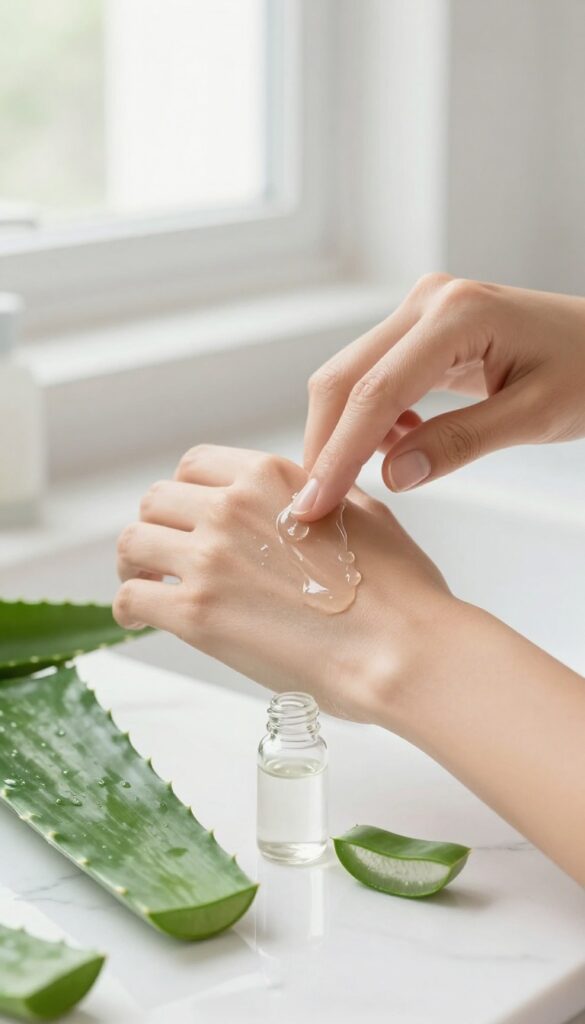
Sunburn, razor burn, or just dry, cranky skin—aloe vera is the chill friend that calms everything down. It's lightweight, hydrating, and feels like a cool drink of water for your body. Keep a bottle in your fridge for an extra refreshing treat on hot days.
Aloe vera isn't just for sunburn—it's a daily soother for any irritation. Whether you've spent too long in the sun or your skin is reacting to a new product, aloe steps in to reduce redness and ease discomfort. Its gel texture absorbs quickly without leaving a sticky film, so you can apply it and get dressed without waiting around.
Why Aloe Works So Well
Aloe vera is packed with water, vitamins, and antioxidants that help calm inflammation and support skin repair. It's naturally antibacterial, so it's great for minor cuts or post-shave irritation. Plus, it's gentle enough for sensitive skin, making it a go-to for anyone who reacts easily to heavier creams.
How To Use It Daily
For a simple habit, swap your regular lotion for aloe gel on days your skin feels hot or irritated. You can also mix a few drops of your favorite body oil into aloe for extra moisture without the grease. Apply it right after a shower while your skin is still slightly damp to lock in hydration.
When It Shines Most
Aloe is your best friend after sun exposure, but it's also great for post-workout redness, after waxing, or anytime your skin feels tight and uncomfortable. Keep a travel-size bottle in your bag for on-the-go soothing—it's a lifesaver during summer months.
20. Take Shorter Showers
Hot water feels amazing, but it's secretly one of the biggest enemies of your skin's moisture barrier. When you linger under the spray, you're washing away the natural oils that keep your skin soft and supple. The result?
Dry, itchy, and sometimes flaky skin that no lotion can fully fix. The fix is simpler than you think: just cut your shower time. Aim for under 10 minutes, and you'll notice a difference in how your skin feels almost immediately.
It's a small change that pays off big in the long run.
Long showers are a sneaky culprit behind dry, irritated skin. The hot water and steam strip away your skin's protective lipid layer, leaving it vulnerable to moisture loss. Even if you slather on body butter afterward, you're fighting an uphill battle.
By keeping your showers short, you give your skin a chance to hold onto its natural moisture. Plus, you'll save water and time—a win-win for you and the planet.
Why Hot Water Hurts
Hot water breaks down the fats and oils that keep your skin cells glued together. This leads to transepidermal water loss, which is just a fancy way of saying your skin can't hold onto water. Over time, this can make your skin look dull and feel rough.
Warm water is your best bet. It's effective for cleaning but gentle enough not to strip your skin. If you love a steamy shower, try to save it for special occasions, not daily routines.
The 10-minute Rule
Set a timer if you need to. Ten minutes is plenty of time to wash, shave, and scrub without overdoing it. You can still enjoy your shower, just be mindful of the clock.
If you're used to longer showers, start by cutting just a few minutes off each day. Your skin will thank you, and you'll barely miss the extra time.
Make Every Minute Count
When you're in and out quickly, you want to be efficient. Use a gentle, sulfate-free body wash that cleanses without stripping. Apply moisturizer within three minutes of stepping out—this locks in the water still on your skin.
Also, consider turning the temperature down just a notch. Your skin will stay happier, and you'll still feel clean and refreshed.
21. Wear Breathable Fabrics
Your clothes spend all day pressed against your skin, so what they're made of matters more than you'd think. Synthetic fabrics like polyester and nylon trap heat and moisture, creating a breeding ground for bacteria and irritation. Switching to breathable materials can be a game-changer for your body glow.
Natural fibers like cotton, bamboo, and linen allow air to circulate and moisture to evaporate. This keeps your skin cooler, drier, and less prone to breakouts or chafing. Plus, breathable fabrics feel softer and more comfortable, especially during workouts or hot days.
Why Sweat Trapping Causes Breakouts
When sweat sits on your skin, it mixes with dead cells and bacteria, clogging pores and triggering body acne. Tight synthetic clothes press that mixture into your skin, making things worse. Breathable fabrics wick moisture away, so your skin stays clear and fresh.
Best Fabrics For Sensitive Skin
Organic cotton is gentle and hypoallergenic, perfect for anyone prone to eczema or rashes. Bamboo is another great choice—it's naturally antibacterial and incredibly soft. Linen is ideal for hot weather because it's lightweight and dries quickly.
How To Choose The Right Fit
Loose-fitting clothes allow more airflow, but even snug activewear can work if it's made from moisture-wicking materials. Look for tags that say 'breathable' or 'performance' and avoid anything that feels clingy or non-porous. Your skin will thank you.
22. Manage Stress with Yoga or Meditation
Stress has a sneaky way of showing up on your skin—breakouts, dullness, and that tired look you can't quite shake. When your cortisol spikes, it triggers inflammation and excess oil, making your skin act up. That's why carving out a few minutes for yoga or meditation isn't just a mental reset; it's a skin-saving move.
You don't need to become a zen master or twist into pretzel poses. Even a short daily practice can lower stress hormones and help your skin stay calm and clear. Think of it as a mini spa session for your mind, with your skin reaping the benefits.
Yoga and meditation help regulate your body's stress response, which directly impacts your skin. By lowering cortisol levels, you reduce inflammation and prevent stress-induced breakouts. Plus, the increased blood flow from yoga nourishes skin cells and promotes a healthy glow.
Start small—five minutes of deep breathing or a few gentle stretches can make a difference. The goal isn't perfection; it's consistency. Over time, you'll notice your skin feels more balanced and looks brighter.
Why Stress Shows Up On Your Skin
When you're stressed, your body releases cortisol, which ramps up oil production and inflammation. This can lead to clogged pores, acne flare-ups, and even eczema or psoriasis flare-ups. Stress also disrupts your sleep, another key factor in skin health.
By managing stress, you're tackling the root cause, not just the symptoms.
Quick Yoga Poses For Glowing Skin
You don't need a full class—just a few poses can boost circulation and calm your mind. Try a simple forward fold to release tension in your neck and shoulders, or a child's pose to relax your whole body. Even a few minutes of deep breathing in a comfortable seat can lower stress and bring oxygen to your skin.
Simple Meditation Techniques To Try
Meditation doesn't have to be complicated. Start with a basic breathing exercise: inhale for four counts, hold for four, exhale for four. Repeat for a few minutes.
Or try a body scan, where you mentally check in with each part of your body, releasing tension as you go. These practices help you stay present and keep stress from building up.
Building A Sustainable Stress-relief Routine
The key is to find what works for you and stick with it. Maybe it's a morning stretch session or a midday breathing break. Set a reminder on your phone or pair it with an existing habit, like after brushing your teeth.
Even five minutes a day can create a noticeable shift in your skin and mood.
23. Be Consistent with Your Routine

You can buy all the fancy lotions and potions, but if you only use them once in a blue moon, your skin won't see much of a difference. Consistency is the secret sauce that turns good habits into real results. It's not about being perfect—it's about showing up for your skin most days, until it becomes second nature.
Sticking to a routine isn't always exciting, but it's the most reliable way to get that glow. Your skin cells turn over roughly every 28 days, so give your routine at least a month before you judge it. Think of it like training for a marathon: you wouldn't run once and expect to be ready.
Your skin needs that same steady commitment.
Start Small And Stack Habits
Don't try to overhaul your entire routine overnight. Pick one or two small habits, like moisturizing right after you shower or using a body scrub on Sundays. Link them to things you already do—for example, apply lotion while your coffee brews.
This makes it easier to remember and stick with it.
Track Your Progress
Keep a simple log or take weekly photos to see how your skin changes over time. It's motivating to look back and notice that your skin looks smoother or feels softer. Tracking also helps you spot what's working and what isn't, so you can tweak your routine accordingly.
Forgive Yourself And Get Back On Track
Missed a day? No big deal. Perfection isn't the goal—consistency is.
If you slip up, just pick up where you left off. Beating yourself up only makes it harder to stay motivated. Remember, it's about the long game, not a single misstep.
FAQ
How long does it take to see results from these habits?
Most people notice improvements in skin texture and glow within 2-4 weeks of consistent practice. However, individual results vary based on skin type and lifestyle.
Can I do all 23 habits at once?
It's best to start with a few habits and gradually incorporate more. Overwhelming yourself can lead to burnout. Pick 3-5 that resonate most and build from there.
Are these habits suitable for sensitive skin?
Yes, but choose gentle products and patch-test new items. For exfoliation, opt for mild scrubs or chemical exfoliants like lactic acid. Always moisturize after.
Do I need to use expensive products for a glow up?
No, many habits are free or low-cost, like drinking water, sleeping well, and using a humidifier. Focus on consistency over price.
Can I use these habits on my face too?
Some habits, like moisturizing and sunscreen, apply to both face and body. But be cautious with scrubs and oils—use face-specific products to avoid clogging pores.
Conclusion
You don't need to overhaul your entire routine overnight—just pick a few habits that feel doable and build from there. Small, consistent actions like dry brushing or a cool rinse can quietly transform your skin's texture and glow.
Start with what fits your day, and let the results speak for themselves. Your skin will thank you, and soon those smooth, fresh days will just feel like your new normal.