
Soft, fresh skin every day isn't about a complicated routine—it's about the small, smart habits you build into your daily life.
From how you shower to what you eat, these 17 body care tips are simple, practical, and actually work.
No fluff, just real steps to keep your skin feeling smooth and looking healthy all year round.
1. Shower with Lukewarm Water

That hot shower might feel amazing after a long day, but your skin is paying the price. High temperatures strip away natural oils, leaving your skin dry and irritated. Lukewarm water gets you just as clean without damaging the moisture barrier.
Switching to lukewarm water is one of the easiest swaps you can make. It preserves your skin's natural hydration and prevents that tight, uncomfortable feeling after bathing.
Why Hot Water Hurts
Hot water dissolves the lipid barrier that holds moisture in. Over time, this leads to dryness, flakiness, and even eczema flare-ups. Your skin's protective layer needs gentle temperatures to stay intact.
The Right Temperature
Aim for water that's warm to the touch but not steaming. Think of a comfortable bath, not a scalding shower. Test with your wrist—if it feels hot there, it's too hot for your skin.
Quick Shower Tips
Keep showers under 10 minutes. Use a gentle, sulfate-free body wash. Pat dry with a soft towel instead of rubbing, then apply moisturizer while skin is still slightly damp to lock in hydration.
2. Exfoliate Twice a Week
Dead skin cells pile up faster than you think. If your body lotion isn't sinking in or your skin looks dull, exfoliation is the missing step. Two times a week is the sweet spot—enough to reveal fresh skin without irritating it.
Exfoliation speeds up cell turnover, which naturally slows as we age. Sloughing off that top layer makes way for softer, brighter skin underneath. It also helps prevent ingrown hairs and rough patches on elbows and knees.
Choose Your Exfoliant Wisely
Physical scrubs with fine, round particles (like jojoba beads or sugar) work well for most body skin. Avoid harsh, jagged ingredients like crushed walnut shells—they cause micro-tears. Chemical exfoliants like lactic acid or glycolic acid are gentler and more consistent.
They dissolve the bonds holding dead cells together without any scrubbing.
Focus On Rough Zones
Your face isn't the only place that needs exfoliation. Pay extra attention to elbows, knees, heels, and the backs of your arms. These areas tend to build up thicker, drier skin.
A few extra seconds of gentle circular motion there makes a noticeable difference.
Follow Up With Moisture
Exfoliating opens the door for hydration. Apply a rich body cream or oil immediately after patting dry. Your skin will drink it up and stay soft much longer.
Skip any products with active ingredients like retinol on the same day to avoid irritation.
3. Moisturize While Skin Is Damp
Timing is everything when it comes to locking in moisture. The best moment to apply lotion is right after you step out of the shower, while your skin is still slightly damp. That residual water helps the product absorb deeper and work more effectively.
Pat yourself dry with a towel, but leave a thin layer of water on your skin. Then apply your moisturizer immediately. This simple shift in timing can make a big difference in how soft and hydrated your skin feels throughout the day.
Why Damp Skin Works Better
When your skin is damp, the moisture helps the lotion spread more evenly and penetrate deeper. Dry skin has a barrier that repels some of the product, so you end up with a greasy layer on top instead of actual hydration.
The 3-minute Window
You have about three minutes after drying off before your skin starts to lose that surface moisture. Keep your lotion within reach so you can apply it while your skin is still primed to absorb it.
Choosing The Right Lotion
For damp skin, a lightweight lotion or a body oil works best. Heavy creams can feel too thick when applied to wet skin. Look for ingredients like glycerin, hyaluronic acid, or ceramides that lock in moisture without clogging pores.
4. Use a Humidifier at Night

Your skin loses moisture while you sleep, especially when the air in your bedroom is dry. Heating systems in winter and air conditioning in summer both pull water from the air—and from your skin. A humidifier puts that moisture back, helping your skin stay plump and hydrated by morning.
Running a humidifier while you sleep is one of the easiest ways to support your skin's moisture barrier. It's especially helpful if you wake up with dry patches, a tight feeling, or irritated skin. Aim for a humidity level between 40 and 60 percent.
Clean the humidifier regularly to prevent mold and bacteria from circulating in the air.
Why Dry Air Hurts Your Skin
When the air lacks humidity, moisture evaporates from your skin faster. This weakens the skin barrier, making it more prone to irritation, flaking, and fine lines. A humidifier counteracts that by keeping the air around you comfortably moist.
Best Placement And Settings
Place the humidifier a few feet from your bed, not right next to your face. Use cool mist models to avoid burns and keep the room from getting stuffy. Set it to run all night, and check the water level before you sleep.
Extra Tips For Best Results
Pair your humidifier with a lightweight night moisturizer for double hydration. Clean the tank weekly with vinegar or a mild disinfectant. If your tap water is hard, use distilled water to avoid white dust settling on surfaces.
5. Drink Enough Water Daily
You've heard it a million times, but it's true: hydration starts from within. When your body is well-hydrated, your skin looks plump, elastic, and naturally glowy. Water helps flush out toxins and keeps your skin cells functioning at their best.
Aim for at least 8 glasses a day, but listen to your body—more if you're active or it's hot out.
Drinking enough water is the simplest and most effective way to support your skin's health. It helps maintain moisture balance, reduces the appearance of fine lines, and can even help with acne by keeping pores clear. Don't wait until you're thirsty—sip throughout the day.
How Much Is Enough?
The classic 8×8 rule—eight 8-ounce glasses—is a good baseline. But your needs vary based on activity, climate, and body size. A simple check: if your urine is pale yellow, you're hydrated.
Darker means drink up.
Make It A Habit
Keep a reusable water bottle on your desk or in your bag. Set reminders on your phone or use apps that track your intake. Infuse water with lemon, cucumber, or mint for a refreshing twist that makes it easier to drink more.
Hydrating Foods Count Too
Water-rich foods like watermelon, cucumbers, oranges, and strawberries contribute to your daily hydration. They also provide vitamins and antioxidants that benefit your skin. So snack smart!
6. Choose a Gentle Body Wash
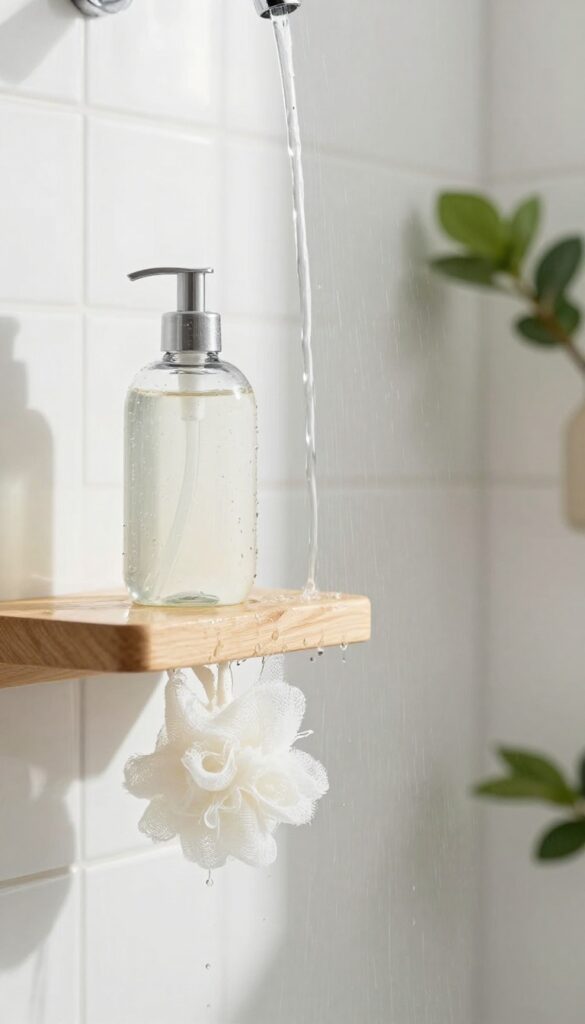
Not all body washes are created equal. Many conventional options are packed with sulfates and harsh detergents that strip your skin's natural moisture barrier. Switching to a gentle, sulfate-free formula can make a noticeable difference in how your skin feels after every shower.
Look For Sulfate-free Labels
Sulfates like sodium lauryl sulfate (SLS) create foam but also remove natural oils. Check the ingredient list and choose body washes labeled "sulfate-free" or with mild cleansing agents like coco-glucoside or decyl glucoside.
Moisturizing Ingredients Matter
Ingredients like glycerin, shea butter, coconut oil, and aloe vera help replenish moisture as you cleanse. These keep your skin soft and hydrated without leaving a greasy residue.
Avoid Fragrance Overload
Synthetic fragrances can irritate sensitive skin. Opt for fragrance-free or naturally scented options with essential oils if you want a light, pleasant smell without the risk of irritation.
7. Pat Dry, Don't Rub
After a warm shower, your skin is at its most vulnerable. The natural oils that keep it soft are still settling, and the surface is slightly swollen from moisture. How you dry off in those first few minutes makes a big difference in how your skin feels for the rest of the day.
Rubbing a towel vigorously across your body might feel efficient, but it's actually doing more harm than good. The friction strips away moisture and can cause tiny tears in the skin's surface, leading to irritation and dryness over time. Patting gently with a soft towel allows your skin to retain the water it just absorbed, giving you a head start on hydration.
The Science Of Gentle Drying
When you rub, you're essentially exfoliating wet skin, which is more delicate than dry skin. Patting leaves the moisture barrier intact and helps lotions and creams absorb better afterward. Think of it as setting the stage for everything you apply next.
Better For Sensitive Areas
Areas like your neck, inner arms, and legs are thinner and more prone to irritation. A rough towel can leave them red and itchy. Patting keeps them calm and reduces the chance of flare-ups, especially if you have eczema or dry patches.
A Small Change, Big Results
Switching from rubbing to patting takes no extra time, but your skin will thank you. Within a week, you'll notice less tightness after showering and a smoother texture overall. It's one of those tiny habits that quietly upgrades your whole routine.
8. Apply Sunscreen on Exposed Skin
Most people remember sunscreen for their face, but your arms, legs, and neck see just as much sun. Daily UV exposure leads to premature aging, dark spots, and uneven texture on your body. A simple layer of SPF 30+ on all exposed skin keeps things smooth and healthy.
Make it a habit after your morning moisturizer—it takes 30 seconds and pays off for years.
Why Body Sunscreen Matters
Your face gets daily SPF, but your décolletage and hands often get skipped. These areas show aging first because they're constantly exposed. Broad-spectrum protection prevents collagen breakdown and keeps skin firm.
Think of it as insurance for your skin's future.
Best Types For Daily Wear
Lightweight lotions or sprays work best for body application. Look for non-greasy formulas that absorb quickly. Mineral sunscreens with zinc oxide are great for sensitive skin.
If you're in a rush, a moisturizer with built-in SPF 30+ does double duty.
How To Make It Stick
Keep a bottle next to your deodorant or in your bag. Set a phone reminder for morning application. Reapply every two hours if you're outdoors.
For everyday commutes, one application in the morning is usually enough—just don't skip the back of your hands.
9. Wear Breathable Fabrics

What you wear matters almost as much as what you put on your skin. Tight, synthetic clothes trap heat and moisture, creating the perfect environment for breakouts, chafing, and irritation. Switching to breathable fabrics helps your skin stay cool and dry all day.
Cotton, bamboo, and linen are natural fibers that let air circulate and wick away sweat. They reduce friction and allow your skin to breathe, which is especially important in hot weather or during workouts. Avoid polyester and nylon for everyday wear, and choose loose fits when you can.
Why Breathable Fabrics Matter
When your skin can't breathe, sweat and oil get trapped against it, leading to clogged pores and irritation. Breathable fabrics help regulate your body temperature and keep moisture away from your skin, reducing the risk of heat rash and acne.
Best Fabrics For Sensitive Skin
Cotton is soft, hypoallergenic, and widely available. Bamboo is even more breathable and has natural antibacterial properties. Linen is great for summer because it dries quickly and feels light.
Merino wool is another option for cooler months—it's soft and moisture-wicking.
What To Avoid
Synthetic fabrics like polyester, nylon, and acrylic trap heat and moisture. They can cause friction and lead to skin irritation, especially if you have eczema or sensitive skin. Tight clothing made from these materials can also cause chafing and ingrown hairs.
10. Incorporate Healthy Fats into Your Diet
Your skin needs the right fuel to stay soft and resilient. Healthy fats, especially omega-3s, play a crucial role in maintaining your skin's lipid barrier—the protective layer that locks in moisture and keeps irritants out. When you eat enough of these good fats, your skin looks plumper, feels smoother, and stays hydrated longer.
It's like giving your body the building blocks it needs to create healthy skin cells from the inside out.
Why Omega-3s Matter For Skin
Omega-3 fatty acids are essential fats your body can't produce on its own. They help reduce inflammation, which can calm conditions like acne and eczema, and they strengthen cell membranes so your skin holds onto moisture better. Studies show that people with higher omega-3 intake often have less dry, flaky skin and a more even tone.
Best Food Sources For Glowing Skin
Fatty fish like salmon, mackerel, and sardines are top sources of omega-3s. If you're plant-based, go for walnuts, chia seeds, flaxseeds, and hemp seeds. Avocados and olive oil also provide healthy monounsaturated fats that support skin elasticity.
Aim to include at least one serving of these foods in your daily diet.
Simple Ways To Add More Healthy Fats
Sprinkle ground flaxseed on your morning oatmeal or yogurt. Snack on a handful of walnuts or add avocado slices to your sandwich. Use olive oil as a base for salad dressings or drizzle it over roasted veggies.
Even small swaps can make a difference over time.
11. Use a Body Oil for Extra Glow
Lotion does the heavy lifting, but body oil adds that extra touch of luxury. A few drops of jojoba or almond oil can seal in moisture and give your skin a natural, healthy sheen. It's an easy step that makes a noticeable difference.
Body oils are packed with fatty acids that nourish and protect your skin barrier. They work best when applied right after lotion—think of it as locking everything in. The result is soft, glowing skin that lasts all day.
Why Oil After Lotion?
Lotion provides hydration, but oil acts as a sealant. Applying oil after lotion traps the moisture, keeping your skin hydrated longer. Plus, it adds that subtle glow without feeling greasy.
Best Oils For Body Care
Jojoba oil closely mimics your skin's natural sebum, making it great for all skin types. Almond oil is rich in vitamin E and absorbs quickly. For a lighter feel, try grapeseed or squalane oil.
How To Apply For Best Results
Warm a few drops in your palms and press gently onto damp skin after lotion. Focus on drier areas like elbows and knees. Don't rub too hard—just pat and let it sink in.
12. Don't Forget Your Hands and Feet
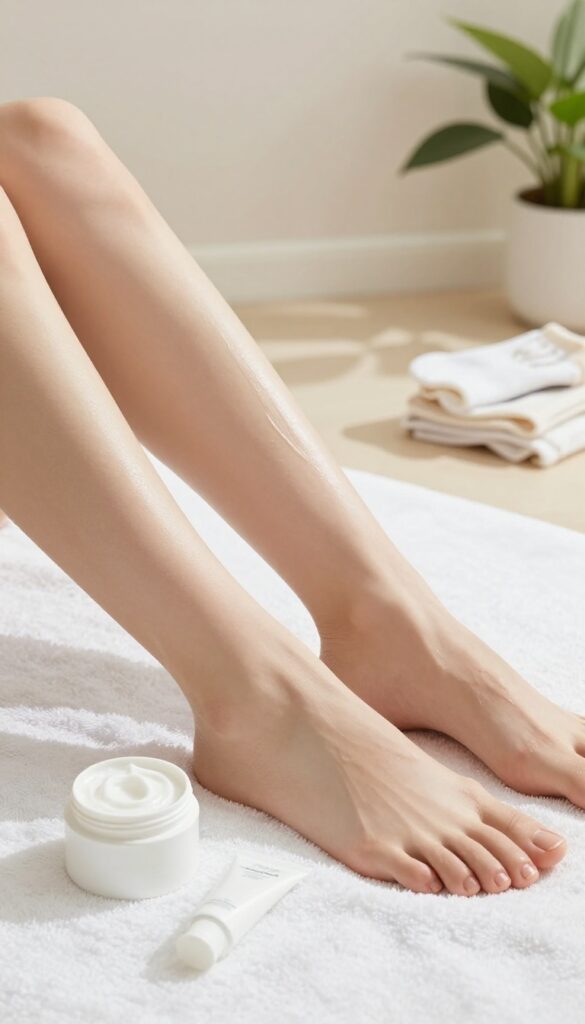
Hands and feet work hard all day, yet they're often the last to get any skincare love. The skin there is thinner, has fewer oil glands, and gets exposed to constant washing, weather, and friction. That's why they tend to dry out, crack, and feel rough long before the rest of your body.
A little extra attention goes a long way. Keep a rich hand cream by every sink and a thick foot balm in your bathroom. Apply after every wash and right before bed, then slip on cotton socks or gloves to lock in moisture overnight.
You'll wake up with noticeably softer skin.
Why Hands And Feet Need Extra Care
Unlike your face or arms, your hands get washed dozens of times a day, stripping natural oils. Feet are trapped in shoes, leading to dryness and calluses. Both areas have fewer oil glands, so they lose moisture faster and need richer products.
Best Products For Daily Use
Look for hand creams with shea butter, glycerin, or ceramides—they repair the skin barrier without feeling greasy. For feet, balms containing urea, lanolin, or coconut oil soften tough spots and prevent cracking. Apply a generous layer and let it soak in.
The Overnight Treatment Hack
Before bed, slather a thick layer of foot cream or balm on clean feet, then pull on cotton socks. For hands, apply hand cream and wear cotton gloves. This traps moisture and lets the ingredients work while you sleep.
Do it nightly for a week and feel the difference.
13. Take Shorter Showers
Long, hot showers feel amazing, but they're secretly stripping your skin of its natural moisture. Hot water breaks down the skin's protective barrier, leading to dryness, irritation, and even flakiness. The fix is simple: keep showers under 10 minutes and use warm—not scalding—water.
Your skin will thank you by staying soft and hydrated.
Why Hot Water Hurts
Hot water dissolves the natural oils that keep your skin supple. Over time, this can leave skin feeling tight, itchy, and dry. The longer you stay in, the more damage you do.
A quick, warm shower preserves those oils and helps maintain your skin's moisture balance.
How To Shorten Your Shower
Try setting a timer or playing a 10-minute song. Focus on the essentials: cleanse, rinse, and get out. If you love the warmth, lower the temperature a few degrees before you finish.
Pat dry with a towel instead of rubbing to avoid further irritation.
Post-shower Care
Apply a moisturizer within three minutes of stepping out—while your skin is still slightly damp. This locks in hydration and makes your lotion work harder. Choose a fragrance-free cream or body butter for the best results.
14. Add a Weekly Face Mask for Your Body
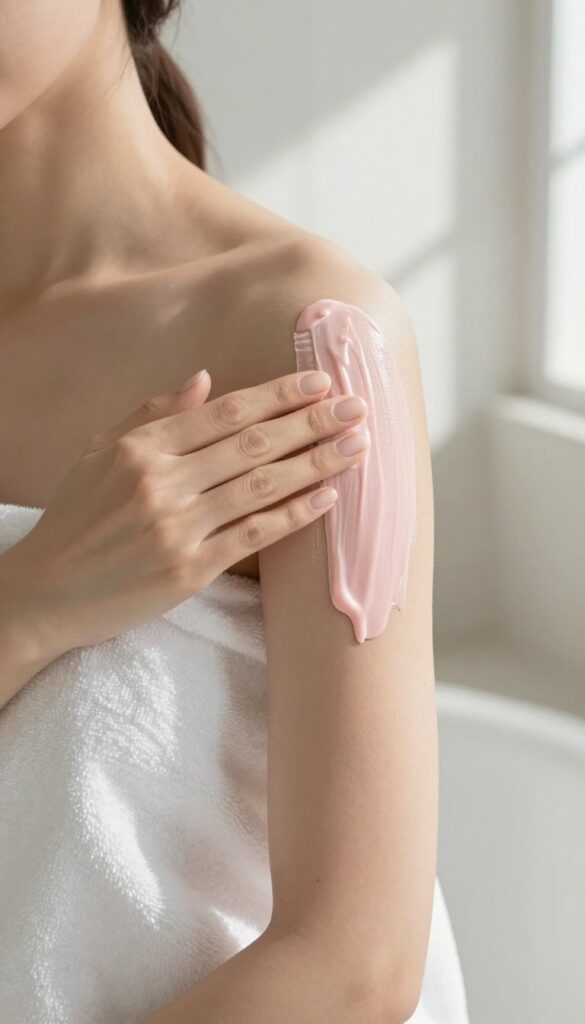
You've probably got a face mask routine, but what about your body? Body masks are a thing, and they're perfect for giving your chest, back, or legs some extra TLC. Once a week, swap out your regular lotion for a targeted mask that hydrates, purifies, or smooths.
It's like a spa treatment at home, no appointment needed.
Choose Your Mask Type
Hydrating masks with ingredients like hyaluronic acid or aloe are great for dry areas. Purifying masks with clay or charcoal work wonders on the back or chest if you're prone to breakouts. For rough spots like knees and elbows, try an exfoliating mask with fruit enzymes or lactic acid.
How To Apply
Apply a thick layer to clean, dry skin. Focus on areas that need extra attention—don't bother with your whole body unless you have unlimited product. Leave it on for 10–15 minutes, then rinse off in the shower.
Pat dry and follow with a light moisturizer.
Best Times For A Body Mask
Sunday evenings are ideal—you're winding down, and the mask can soak in while you relax. Or do it before a bath so you can rinse off easily. Just don't overdo it; once a week is plenty to see results without irritating your skin.
15. Sleep on Silk or Satin Pillowcases
Your pillowcase might be sabotaging your skin while you sleep. Cotton, though soft, is actually quite absorbent—it wicks away moisture and creates friction that can lead to creases, irritation, and even breakouts. Switching to silk or satin changes the game entirely.
Silk and satin pillowcases are smooth and non-absorbent, so your skin stays hydrated and glides rather than rubs. This small swap can reduce sleep lines, prevent acne flare-ups from bacteria buildup, and help your skincare products work overnight instead of soaking into your pillow.
Less Friction, Fewer Wrinkles
Cotton fibers create drag against your skin, which over time can deepen sleep lines and contribute to premature wrinkles. Silk's smooth surface lets your skin slide freely, minimizing creases and helping your face stay relaxed all night.
Moisture Lock, Not Moisture Loss
Unlike cotton, silk doesn't absorb your nighttime serums or your skin's natural oils. That means your hydration stays where it belongs—on your face. Wake up with plumper, softer skin instead of a dry, thirsty complexion.
Gentle On Sensitive Skin
If you're prone to redness or irritation, silk is a lifesaver. Its natural proteins are hypoallergenic and less likely to cause friction or allergic reactions. Plus, it's naturally resistant to dust mites and mold, making it a cleaner sleep surface.
16. Manage Stress Levels
Stress doesn't just mess with your mood—it shows up on your skin too. When you're tense, your body releases cortisol, which can trigger inflammation, breakouts, and even make existing skin conditions like eczema worse. The good news?
A few simple stress-busting habits can help keep your skin calm and clear.
Deep breathing, yoga, or even a few minutes of meditation can lower cortisol levels and reduce inflammation. Your skin will thank you with fewer breakouts and a more even tone. Make stress management a daily priority, not an afterthought.
Start With Your Breath
Deep breathing is the quickest way to dial down stress. Try the 4-7-8 method: inhale for 4 seconds, hold for 7, exhale for 8. Do this for a minute or two whenever you feel tension building.
It calms your nervous system and, over time, helps prevent stress-related skin flare-ups.
Move To Clear Your Mind
Yoga and gentle stretching combine movement with breathwork, which is a double win for your skin. Even 10 minutes of yoga in the morning can lower cortisol and improve circulation, giving your skin a healthy glow. No fancy equipment needed—just a mat and a quiet spot.
Meditate For Long-term Calm
A daily meditation practice—even just 5 minutes—can rewire your brain to handle stress better. Use an app or simply sit quietly and focus on your breath. Less stress means fewer breakouts and less inflammation, so your skin stays smoother and more resilient.
17. Stick to a Consistent Routine

You don't need a ten-step ritual to keep your skin soft. What matters more is showing up every day with a simple plan. A consistent routine builds momentum, and your skin responds best to steady care, not occasional pampering.
Consistency beats intensity every time. A simple daily routine—cleanse, moisturize, protect—outperforms a complicated one you skip. Stick to the basics, listen to your skin, and adjust as needed.
Over time, these small habits become second nature, and your skin thanks you with a healthy, fresh glow.
Start Simple
Pick a few core steps you can do every day without fail. A gentle body wash, a moisturizer you love, and sunscreen for exposed areas. That's enough to see real results.
Build Gradually
Once your baseline is solid, add one extra step if you feel your skin needs it—like an exfoliant once a week or a richer cream in winter. Don't overload your routine at once.
Track What Works
Pay attention to how your skin reacts. If something feels good and your skin looks healthy, keep it. If not, swap it out.
Your routine should evolve with your skin's needs.
FAQ
How often should I exfoliate my body?
Twice a week is ideal for most skin types. If you have sensitive skin, once a week may be enough. Over-exfoliating can cause irritation.
Can I use the same moisturizer for face and body?
It's better to use separate products. Body lotions are thicker and may clog facial pores. Face moisturizers are lighter and formulated for delicate skin.
What's the best time to apply body oil?
Right after showering when skin is still slightly damp. This locks in moisture and gives a smooth, non-greasy finish.
Do I need sunscreen on cloudy days?
Yes, up to 80% of UV rays penetrate clouds. Daily sunscreen on exposed skin is essential year-round.
How can I soften rough elbows and knees?
Exfoliate gently and apply a thick moisturizer or petroleum jelly. For extra softness, use a moisturizer with urea or lactic acid.
Conclusion
Soft, fresh skin doesn't come from a complicated routine—it comes from simple, consistent habits that feel good to do. Start with just one or two tips from this list and see how they fit into your day. Once those become second nature, add another.
Before you know it, you'll have a daily practice that keeps your skin feeling smooth and refreshed without the fuss. That's the kind of self-care that actually sticks.