Your body deserves the same thoughtful care you give your face. A clean pampered routine isn't about luxury—it's about choosing products that actually work with your skin, not against it. From shower to bedtime, these 20 essentials hit every step without the fluff.
Dry brushing before a shower wakes up circulation, while a pH-balanced wash keeps your skin barrier happy. Layering a lightweight lotion with a richer butter on elbows and knees locks in moisture where you need it most.
Small swaps like a nourishing body oil post-shower or a foot cream with urea make a real difference. This list skips the gimmicks and focuses on practical picks that feel good and deliver results.
1. Gentle pH-Balanced Body Wash
Not all body washes are created equal. A gentle, pH-balanced formula respects your skin's natural barrier, keeping it happy and hydrated. Look for sulfate-free options with soothing ingredients like oat or aloe—they clean without stripping, so you step out of the shower feeling soft, not tight or dry.
A good body wash sets the tone for your entire routine. It should cleanse effectively while maintaining your skin's healthy pH level (around 4. 5–5.
5). Harsh soaps can disrupt this balance, leading to dryness or irritation. Opt for creamy, nourishing formulas that lather gently and rinse clean, leaving behind a subtle, fresh scent.
Why Ph Matters
Your skin has a thin protective layer called the acid mantle. Using a body wash with a balanced pH helps preserve this barrier, preventing moisture loss and keeping bad bacteria at bay. It's a simple switch that makes a big difference over time.
What To Look For
Scan the ingredient list for sulfate-free cleansers (like coco-glucoside or decyl glucoside) and skin-soothers such as colloidal oatmeal, aloe vera, or glycerin. Avoid alcohol and strong fragrances if your skin is sensitive. A little goes a long way—focus on a formula that feels comfortable, not squeaky clean.
2. Exfoliating Mitt or Scrub
Dead skin cells can make your body look dull and rough. Manual exfoliation sloughs them away, revealing smoother, brighter skin underneath. A gentle scrub or a silicone mitt used 2-3 times a week boosts circulation and preps your skin for better absorption of moisturizers.
Exfoliating regularly helps prevent ingrown hairs and keeps your skin texture even. The key is to be gentle—over-scrubbing can cause irritation and micro-tears. Focus on rough areas like elbows, knees, and heels, and always follow up with a hydrating lotion or oil.
Scrub Vs. Mitt: Which One For You?
Body scrubs with fine granules (like sugar or salt) provide a quick, spa-like exfoliation. Silicone mitts are reusable, hygienic, and offer consistent texture without mess. If you have sensitive skin, opt for a mitt with soft nubs and a gentle scrub with moisturizing oils.
How Often Should You Exfoliate?
Twice a week is a sweet spot for most skin types. Dry or sensitive skin can stick to once a week, while oily or thicker skin might handle three times. Listen to your skin—if it feels tight or looks red, scale back.
Post-exfoliation Care
Always moisturize after exfoliating to lock in hydration. A lightweight lotion with ceramides or a nourishing body butter works well. Avoid heavy fragrances or acids right after exfoliation to prevent stinging.
3. Hydrating Body Lotion
A good body lotion is the backbone of any pampering routine. You want something that sinks in fast but still delivers real moisture. The trick is applying it right after your shower while your skin is still slightly damp—this helps lock in hydration and keeps your skin soft all day.
Look for lotions with ceramides or hyaluronic acid. Ceramides strengthen your skin barrier, while hyaluronic acid pulls moisture into the skin. A lightweight formula works well for daily use, but you can layer a richer cream on extra-dry areas like elbows and knees.
Why Damp Skin Matters
Applying lotion to damp skin helps seal in water from your shower. It boosts absorption and makes the product go further. Just pat yourself dry, leaving a bit of moisture, then smooth on the lotion.
Key Ingredients To Look For
Ceramides repair and protect your skin barrier. Hyaluronic acid is a humectant that draws moisture in. Glycerin and shea butter are also great for extra hydration without feeling greasy.
How To Layer With Other Products
If you use body oil, apply it first on damp skin, then follow with lotion to seal everything in. For very dry spots, use a thicker balm or butter on top of the lotion.
4. Nourishing Body Oil
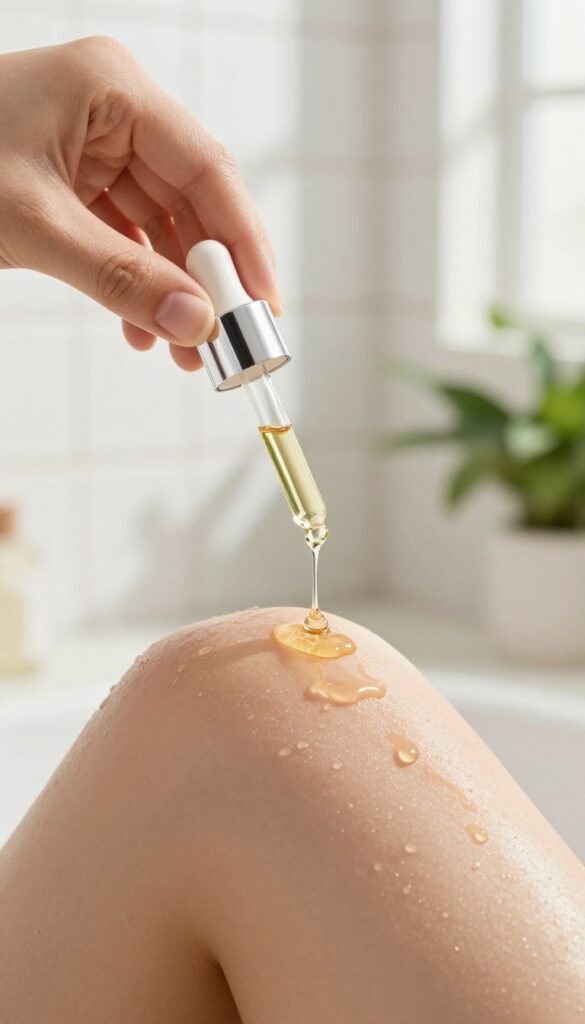
Body oil is the secret to that lit-from-within glow and seriously soft skin. Unlike lotions that mostly sit on top, oils absorb quickly and lock in moisture after a shower. A few drops are all you need to transform your post-bath routine into a spa-like moment.
Jojoba, almond, and grapeseed oils are lightweight and non-greasy, making them great for most skin types. Apply to damp skin right after toweling off—the water helps the oil spread evenly and seals in hydration. You can also mix a few drops into your body lotion for an extra boost of nourishment without the heavy feel.
Best Oils For Different Skin Types
Jojoba oil closely mimics your skin's natural sebum, so it's perfect for normal to oily skin. Almond oil is rich in vitamin E and ideal for dry or sensitive skin. Grapeseed oil is ultra-light and absorbs fast, making it a winner for oily or acne-prone skin.
How To Apply For Maximum Glow
The key is applying oil while your skin is still damp. Warm a few drops in your palms, then press and smooth over your body. Focus on drier areas like elbows, knees, and shins.
For a subtle shimmer, mix in a tiny bit of liquid highlighter.
Mix It Into Your Lotion
If you prefer a more familiar texture, add 2–3 drops of body oil to your regular lotion. This gives you the best of both worlds: the hydration of lotion plus the sealing power of oil. It's a simple hack that upgrades any drugstore cream.
5. Rich Body Butter for Dry Zones
Your elbows, knees, and heels work hard, and they show it. These areas have fewer oil glands, so they tend to get rough and ashy fast. A thick body butter is the heavy hitter you need to soften and repair that stubborn dry skin.
Look for butters with shea or cocoa as the first ingredient—they melt at skin temperature and sink in deep. Apply right after a shower when skin is still damp, and focus on those rough patches. For extra intensity, slather on a thick layer before bed and let it work overnight.
You'll wake up to noticeably smoother skin.
Why Dry Zones Need Extra Love
Elbows, knees, and heels have thicker skin and move constantly, which makes them prone to cracking and flaking. A lightweight lotion evaporates too fast. Body butter stays put, creating a protective barrier that locks in moisture for hours.
How To Apply For Best Results
Warm a small scoop between your palms to soften it, then press—don't rub—into the dry area. This helps the butter absorb without pilling. For heels, apply before slipping on cotton socks and leave on overnight.
Repeat daily for a week and you'll see a real difference.
Top Ingredients To Look For
Shea butter is rich in vitamins A and E, great for soothing irritation. Cocoa butter has a thick texture that seals in moisture. Both are non-comedogenic, so they won't clog pores.
Avoid formulas with added fragrance if your skin is sensitive.
6. Dry Brush for Lymphatic Stimulation
Your lymphatic system doesn't have a pump—it relies on movement to flush toxins. Dry brushing gives it a gentle nudge while sloughing away dead skin. This simple pre-shower habit can transform how your skin feels and looks.
Dry brushing is more than exfoliation. The bristles stimulate lymph flow, which helps reduce puffiness and gives your skin a firmer appearance. It also boosts circulation, leaving you with a natural glow.
Keep strokes light and always move toward your heart to follow the lymph's natural path. Start at your feet and work upward, using long, sweeping motions on limbs and circular ones on your torso. Avoid sensitive areas and broken skin.
A few minutes, two to three times a week, is plenty.
How It Works
The bristles create micro-stimulation that encourages lymphatic vessels to contract and move fluid. This can reduce fluid retention and make cellulite less noticeable. Plus, it wakes up your skin before you even step into the shower.
Choosing Your Brush
Look for a brush with natural, firm bristles—synthetic ones can be too harsh. A long handle helps you reach your back. Wooden handles with soft padding are comfortable to grip.
Replace your brush every six months to keep it hygienic.
Best Practices
Always dry brush on dry skin before showering. Use gentle, upward strokes—never scrub back and forth. Finish with a warm shower to wash away loosened skin cells, then follow with a moisturizer or body oil to lock in softness.
7. Soothing Shower Steamer

Shower steamers are like bath bombs for your shower. They release essential oils like eucalyptus or lavender to create a spa-like steam. Perfect for clearing sinuses or unwinding after a long day.
Drop one on the shower floor, let the water hit it, and breathe in the aromatherapy. It's a simple way to turn a quick rinse into a mini retreat without filling a tub.
Shower steamers offer an easy aromatherapy boost. They fizz and release calming scents as hot water activates them. Great for mornings when you need energy or evenings when you need to de-stress.
How To Use
Place the steamer on the shower floor where water will hit it but not directly under the stream. The steam carries the scent throughout the stall. Use one per shower for best effect.
Best Scents
Eucalyptus is ideal for congestion relief and respiratory support. Lavender promotes relaxation and better sleep. Peppermint invigorates and wakes you up.
Choose based on your mood.
Diy Vs Store-bought
You can make your own with baking soda, citric acid, and essential oils. Store-bought versions are convenient and often have longer-lasting fragrance. Both work well—pick what fits your routine.
8. Aromatherapy Body Mist
A quick spritz of body mist can transform your mood and your skin. Unlike heavy perfumes, these lightweight, alcohol-free formulas hydrate while delivering calming or energizing scents. They're perfect for layering over your lotion or refreshing midday.
Aromatherapy body mists are more than just fragrance—they're a sensory reset. The right scent can help you unwind after a long day or give you a gentle boost in the morning. Since they're alcohol-free, they won't strip your skin or irritate sensitive areas.
Keep one on your desk, in your gym bag, or by your bedside for instant refreshment.
Why Alcohol-free Matters
Alcohol-based sprays can dry out your skin and disrupt your moisture barrier. Alcohol-free mists rely on hydrating ingredients like aloe vera or glycerin, so they add a light layer of moisture instead of taking it away. Your skin stays soft and your scent lasts longer without irritation.
How To Choose Your Scent
Think about the vibe you want. Lavender, chamomile, and sandalwood are great for winding down—spritz on your pillow or after a bath. Citrus, peppermint, and rosemary are more invigorating, ideal for mornings or pre-workout.
You can even layer a calming mist under a citrus one for a custom blend.
When And Where To Use It
Use body mist right after your shower on damp skin to lock in hydration. It also works as a midday refresher—spritz on your wrists, neck, or even over your clothes. Keep a travel-size in your bag for a quick mood lift during stressful afternoons.
9. Foot Cream with Urea or Peppermint
Your feet carry you all day, yet they're often the most neglected part of a body care routine. A dedicated foot cream can transform rough, tired feet into soft, happy ones. Look for formulas with urea to gently exfoliate calluses or peppermint for a cooling, refreshing sensation.
A good foot cream does more than moisturize—it targets the specific needs of foot skin, which is thicker and prone to dryness. Urea softens hard patches, while peppermint invigorates tired muscles. Apply after exfoliating and wear cotton socks overnight for best results.
Why Urea Works
Urea is a humectant that draws moisture into the skin and gently dissolves dead skin cells. It's especially effective on heels and balls of the feet where calluses form. A 10-20% urea cream is ideal for rough spots, but start lower if your skin is sensitive.
Peppermint For Refreshment
Peppermint oil provides a cooling sensation that soothes tired, achy feet. It also has mild antibacterial properties. Look for a cream with natural peppermint oil rather than synthetic fragrance for a genuine cooling effect without irritation.
How To Apply For Best Results
Exfoliate first with a pumice stone or foot scrub to remove dead skin. Then apply a generous layer of foot cream, focusing on dry areas. Put on cotton socks to lock in moisture and allow the ingredients to work overnight.
In the morning, your feet will feel noticeably softer.
10. Hand Cream That Actually Absorbs
Your hands take a beating—constant washing, sanitizing, typing, and waving. That's why you need a hand cream that sinks in fast, not one that leaves a greasy film on your keyboard or phone. The trick is to look for formulas with shea butter, glycerin, or niacinamide, which hydrate without the slick.
Keep a tube at your desk, in your bag, and by every sink so you never have an excuse to skip it.
What To Look For
Shea butter is rich but absorbs quickly when whipped correctly. Glycerin draws moisture into the skin, and niacinamide soothes and strengthens the barrier. Avoid heavy petrolatum or mineral oil if you want a truly non-greasy feel.
Where To Keep It
Place one by your desk for mid-work hydration, one in your bag for on-the-go, and one by the kitchen or bathroom sink for after every wash. This way, you'll use it multiple times a day without hunting for it.
How To Apply
Apply to slightly damp hands for better absorption. Use a pea-sized amount and massage into cuticles and between fingers. Reapply whenever your hands feel dry or after washing.
11. Lip Balm with SPF
Your lips have almost no melanin, making them extra vulnerable to UV damage. A swipe of SPF balm each morning prevents burning, dryness, and long-term signs of aging. It's a tiny step that pays off big.
Sun protection for lips is non-negotiable if you spend time outdoors. Look for a balm with SPF 15 or higher and a moisturizing base like beeswax or coconut oil. Reapply after eating or drinking to keep protection consistent.
Why Lips Need Spf
Lip skin is thin and lacks melanin, so it burns easily and ages faster. Daily SPF helps prevent darkening, cracking, and even precancerous changes.
What To Look For
Choose a balm that combines broad-spectrum SPF with nourishing ingredients. Beeswax seals in moisture, while coconut oil or shea butter adds lasting comfort. Avoid balms with a chalky taste or greasy feel.
How To Use It Right
Apply as the last step in your morning routine, before lip color if you wear it. Reapply every two hours when outdoors, and after meals or drinks. Keep one in your bag and one by your bed.
12. Deodorant That Works and Smells Great
Finding a deodorant that actually keeps you fresh without causing irritation can feel like a win. The right one balances effectiveness with a scent you actually enjoy wearing. Whether you prefer natural formulas or clinical-strength protection, there's an option that fits your routine.
A good deodorant does more than mask odor—it supports your skin's natural balance. Look for formulas with gentle ingredients like baking soda or probiotics that neutralize bacteria without harsh chemicals. The scent matters too; a pleasant fragrance makes daily application something to look forward to.
Natural Options
Natural deodorants use ingredients like arrowroot powder, coconut oil, and essential oils to keep you fresh. They're free of aluminum and parabens, making them gentler on sensitive skin. Brands like Native or Schmidt's offer a range of scents from lavender to charcoal.
Clinical Strength
If you need extra protection, clinical-strength deodorants contain higher concentrations of active ingredients like aluminum chloride. They're ideal for heavy sweating or stressful days. Options from Dove or Secret provide long-lasting odor control without irritation.
Scent Selection
Choosing a scent you love makes a difference. Warm, woody notes like sandalwood or cedar feel grounding, while fresh cotton or citrus keep things light. Many brands offer sample packs so you can test before committing.
13. Body Sunscreen You'll Actually Wear
Daily SPF is non-negotiable for body skin. The trick is finding a formula that doesn't feel like a sticky chore. Lightweight, fast-absorbing options exist—spray or lotion, just make sure it's broad-spectrum SPF 30 or higher.
Reapply every two hours if you're outdoors, and your skin will thank you.
Body sunscreen is often skipped because it feels greasy or heavy. But modern formulas have come a long way. Look for descriptors like "weightless, " "invisible, " or "dry touch" on the label.
These absorb quickly and leave no white cast, making them easy to wear under clothes or alone.
Spray Vs. Lotion
Sprays are convenient for quick application, especially on hard-to-reach spots like your back. Just be sure to rub them in for even coverage. Lotions give you more control and are often more moisturizing.
Choose based on your morning rush and skin type.
Key Ingredients To Look For
Zinc oxide or titanium dioxide for mineral protection, or avobenzone and octocrylene for chemical. Added niacinamide or hyaluronic acid can soothe and hydrate. Avoid oxybenzone if you have sensitive skin.
How To Make It A Habit
Keep a bottle next to your deodorant or by the door. Set a reminder on your phone for reapplication. Once it becomes part of your morning routine, you won't think twice.
14. Post-Shave Soothing Balm

Shaving can leave skin angry, bumpy, and prone to ingrown hairs. A good post-shave balm does more than just smell nice—it calms inflammation, hydrates freshly exposed skin, and helps prevent those pesky red bumps. The trick is applying it right after you step out of the shower, while your pores are still open and your skin is most receptive.
Look for ingredients like aloe vera, witch hazel, or tea tree oil. Aloe cools and hydrates, witch hazel tightens pores and reduces redness, and tea tree oil fights bacteria that cause breakouts. Avoid balms with heavy fragrances or alcohol, which can sting and dry out your skin.
Pat the balm on gently instead of rubbing to avoid further irritation.
Why Timing Matters
Apply the balm within a few minutes of shaving. Your skin is slightly damp and warm, which helps the product absorb faster. Waiting too long can allow irritation to set in and make ingrown hairs more likely.
Key Ingredients To Look For
Aloe vera soothes and hydrates. Witch hazel acts as a natural astringent to calm redness. Tea tree oil has antimicrobial properties that help prevent infections and ingrown hairs.
Niacinamide is another great addition for reducing inflammation.
How To Apply For Best Results
Use a pea-sized amount for your face or a dime-sized amount for larger areas like legs. Gently pat—don't rub—onto the shaved area. Let it absorb for a minute before layering with moisturizer or sunscreen.
15. Scalp Scrub for Healthy Hair Growth
Your scalp is the foundation of your hair, yet it often gets overlooked in body care routines. Just like your face needs exfoliation, your scalp benefits from a gentle scrub to remove buildup and dead skin. A clean scalp creates the ideal environment for hair follicles to thrive, leading to stronger, healthier growth over time.
Using a scalp scrub once a week can transform your hair health. It clears away product residue, excess oil, and flakes that can clog follicles and slow growth. Massaging the scrub in circular motions boosts blood circulation, delivering nutrients to the roots.
Follow with your regular shampoo for a refreshing, tingly clean that leaves your hair feeling light and voluminous.
Why It Matters
A clogged scalp can lead to thinning, itchiness, and dull hair. Exfoliating with a scrub helps reset your scalp's balance, preventing dandruff and promoting a healthy environment for new growth. It's a simple step that pays off in stronger, shinier hair.
How To Use
Apply the scrub to damp hair before shampooing. Part your hair into sections and gently massage the product into your scalp using your fingertips in circular motions. Focus on the crown and hairline where buildup tends to gather.
Rinse thoroughly and follow with a mild shampoo.
What To Look For
Choose a scrub with fine, dissolvable granules like sugar or salt, and soothing ingredients like tea tree oil or salicylic acid. Avoid harsh beads that can cause micro-tears. A formula with natural oils will also nourish your scalp without stripping it.
16. Bath Salts for Muscle Relaxation
After a long day, your muscles hold onto tension. Bath salts, especially Epsom or Himalayan varieties, are a simple way to ease that tightness. They contain minerals like magnesium that absorb through the skin to reduce soreness and help your body unwind.
A warm bath with a cup of salts isn't just for athletes. It's a low-effort ritual that signals your nervous system to shift into relaxation mode. The heat and minerals work together to soothe aches while the scent—if you choose a lightly fragranced option—adds an extra layer of calm.
Pair your soak with a good book or some calming music, and you've got a mini spa session at home. It's one of the most straightforward ways to pamper yourself without any complicated steps.
Bath salts are a classic for good reason. They turn a regular bath into a muscle-relief treatment. The key is using enough salts—about a cup—and giving yourself at least 20 minutes to soak.
That's when the magnesium really gets to work, reducing inflammation and helping muscles relax. You don't need fancy brands. A simple bag of Epsom salts from the drugstore works great.
If you want extra benefits, look for Himalayan pink salt, which adds trace minerals. Either way, the routine is the same: run warm water, add salts, and step in.
Why They Work
Epsom salts are magnesium sulfate, and magnesium is known for its muscle-relaxing properties. When you soak, some magnesium is absorbed through the skin, which can help reduce muscle cramps and soothe soreness. Himalayan salts contain over 80 minerals, including potassium and calcium, that support muscle function and detoxification.
How To Use Them Right
Fill your tub with warm—not hot—water. Hot water can dry out your skin, while warm water lets you soak longer. Add one cup of salts and swish to dissolve.
Soak for at least 20 minutes. For extra relaxation, dim the lights, light a candle, or play soft music. Rinse off with a quick shower afterward to remove any salt residue.
When To Reach For Bath Salts
Use them after a tough workout, a long day on your feet, or whenever you feel tight. They're also great before bed because the warm soak helps lower your core temperature afterward, promoting sleep. Avoid using them if you have high blood pressure or are pregnant unless your doctor says it's okay.
17. Silicone Body Scrubber
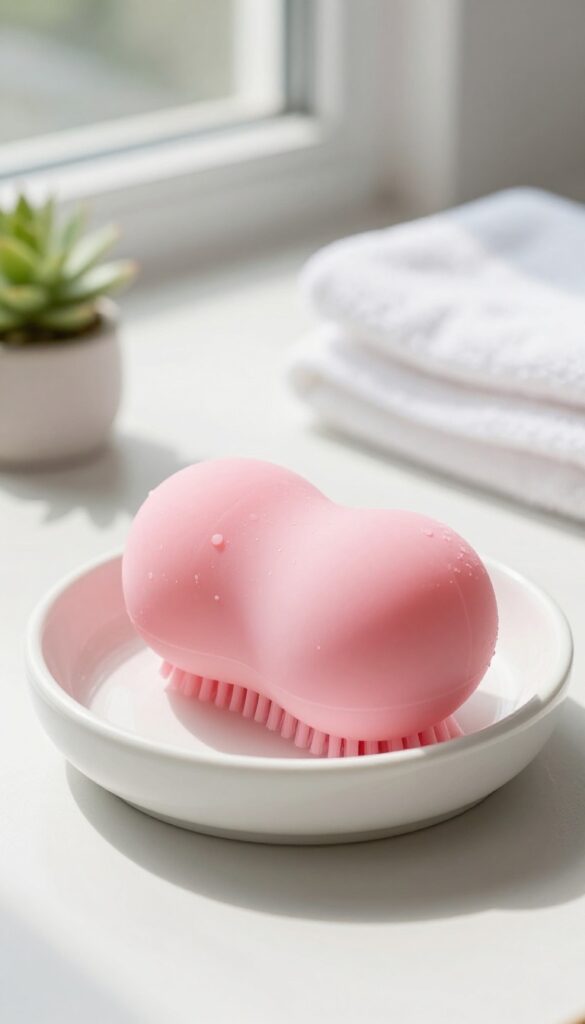
Loofahs look innocent, but they're basically petri dishes for bacteria. A silicone body scrubber is a game-changer: non-porous, dries fast, and doesn't harbor mold. Plus, it feels surprisingly nice on the skin.
Silicone scrubbers are gentle enough for daily use and provide just the right amount of exfoliation without scratching. They create a rich lather with less product, so your body wash goes further. And because they're easy to rinse and air-dry, they stay fresh way longer than traditional loofahs or sponges.
Why Silicone Wins Over Loofahs
Loofahs trap dead skin and soap scum, leading to bacterial growth. Silicone is non-porous, so it doesn't absorb anything. Just rinse it under hot water, and it's clean.
No more replacing a smelly loofah every few weeks.
How To Use It For Best Results
Apply your body wash directly to the scrubber or onto your skin. Use circular motions, focusing on rough areas like elbows and knees. The soft bristles exfoliate gently, so it's safe for sensitive skin.
Rinse after each use and let it air-dry on a hook.
Who Should Try This
Anyone with sensitive, acne-prone, or easily irritated skin will love this. It's also great for people who hate the texture of loofahs or want a more hygienic option. Athletes or anyone who sweats a lot will appreciate how easy it is to keep clean.
18. Moisturizing Shower Oil
Traditional body washes can be harsh, especially if you have dry or sensitive skin. That's where shower oils come in—they cleanse without stripping, leaving behind a light, protective layer. Think of them as a 2-in-1: a cleanser that also moisturizes, so you might not even need lotion afterward.
Shower oils are formulated with oil-soluble cleansers and nourishing oils like jojoba or grapeseed. They emulsify into a milky lather when mixed with water, gently removing dirt and sweat while maintaining your skin's natural barrier. The result is soft, hydrated skin that doesn't feel tight or dry after rinsing.
How To Use Shower Oil
Apply shower oil to damp skin, massaging gently. Let it sit for a minute before rinsing. Pat dry with a towel—no need to rub.
The residual oil will continue to moisturize, so skip the body lotion unless you have extremely dry patches.
Best For Dry And Eczema-prone Skin
If your skin gets itchy or flaky, shower oil is a game-changer. It locks in moisture during cleansing, which is crucial for conditions like eczema. Look for fragrance-free options with soothing ingredients like oat kernel oil or chamomile to calm irritation.
Key Ingredients To Look For
Check the label for non-comedogenic oils like sunflower, grapeseed, or jojoba. Avoid mineral oil if you prefer plant-based options. Added ceramides or niacinamide can further support your skin barrier.
A little goes a long way, so invest in a quality formula.
19. Cooling Gel for Sunburns or Inflammation
Sunburns and skin inflammation can strike anytime, leaving your skin hot, red, and uncomfortable. A dedicated cooling gel is a lifesaver in these moments, offering instant relief and soothing hydration. Look for formulas with aloe vera, cucumber extract, or menthol for that refreshing chill.
Keep your gel in the fridge for an extra cooling boost—it feels amazing on irritated skin. Apply a generous layer as needed, and let it absorb without rinsing. This simple product calms stressed skin fast, making it a must-have in any pampering routine.
A cooling gel is your go-to for sunburns, razor burn, or any skin irritation. It works by lowering skin temperature and delivering moisture, which helps reduce redness and discomfort. Aloe vera is the classic hero, but cucumber and menthol add extra soothing power.
Store it in the fridge for a spa-like experience every time.
Why It Works
The gel's lightweight texture absorbs quickly without clogging pores. Ingredients like aloe vera contain anti-inflammatory compounds that calm the skin, while menthol creates a cooling sensation that distracts from pain. This combination speeds up recovery and leaves skin feeling soft.
How To Use It
Apply a thin layer to clean, dry skin after sun exposure or whenever you feel irritation. For best results, refrigerate the gel for at least 30 minutes before use. Reapply as needed throughout the day, especially after showering or sweating.
Avoid rubbing too hard—gentle patting is better.
What To Look For
Choose a gel free of alcohol, fragrances, and dyes to avoid further irritation. Look for added humectants like glycerin or hyaluronic acid for extra hydration. A pump bottle is hygienic and easy to use.
Brands with organic aloe or cucumber extract are great picks.
20. Silk or Bamboo Bathrobe

A bathrobe is the finishing touch that turns a quick shower into a ritual. The right fabric makes all the difference—silk and bamboo are breathable, gentle on skin, and absorbent without being heavy. Wrapping yourself in one after a bath or shower locks in warmth and extends that pampered feeling long after you step out.
Not all robes are created equal. Cotton terry can be bulky and rough, especially on sensitive skin. Silk or bamboo robes are lightweight, soft, and naturally moisture-wicking, so you stay comfortable without overheating.
They also dry quickly and resist mildew, making them practical for daily use.
Why Fabric Matters
Silk is naturally hypoallergenic and smooth, reducing friction on skin and hair. Bamboo viscose is eco-friendly, incredibly soft, and has thermal-regulating properties—keeping you cool in summer and warm in winter. Both fabrics are gentle enough for post-shower application of body oils or lotions.
How To Choose Your Robe
Look for a mid-weight robe that isn't too flimsy or too heavy. A wrap style with a belt offers adjustability, while a kimono cut feels elegant and loose. For maximum comfort, choose a robe with a shawl collar and patch pockets.
Machine-washable options are best for low-maintenance care.
When To Wear It
Use your robe right after bathing to trap body heat and let your skincare products absorb without evaporating. It's also perfect for lazy mornings, applying face masks, or winding down before bed. Keep it on a hook in your bathroom or bedroom for easy access.
FAQ
How often should I exfoliate my body?
Most skin types benefit from exfoliating 2-3 times per week. If you have sensitive skin, once a week may be enough. Over-exfoliating can cause irritation, so listen to your skin.
What's the best way to apply body oil?
Apply body oil to slightly damp skin right after a shower. This helps lock in moisture. You can also mix a few drops into your body lotion for extra hydration.
Can I use body lotion on my face?
It's not recommended because body lotions are often thicker and may clog facial pores. Use products specifically formulated for your face to avoid breakouts or irritation.
How do I choose a body wash for sensitive skin?
Look for fragrance-free, sulfate-free formulas with soothing ingredients like oatmeal, aloe, or chamomile. Avoid harsh exfoliants and opt for a pH-balanced cleanser.
Why should I use a separate hand cream instead of body lotion?
Hands are exposed to more washing and environmental stressors, so they need a thicker, more emollient formula. Hand creams often contain ingredients that absorb quickly and provide longer-lasting protection.
Conclusion
Building a body care routine is about finding what makes you feel good and sticking with it. These 20 essentials cover everything from cleansing to pampering, so you can mix and match based on your needs. Start with a few items that excite you, then gradually add more as you discover what your skin loves.
Remember, consistency matters more than complexity. A simple routine done regularly will give you that clean, pampered glow every day.