
Getting smooth, glowing skin doesn't have to mean expensive products or complicated routines. In fact, the most effective habits are often the simplest ones you can do every day without much effort or cost.
Your skin is your body's largest organ, and it deserves consistent care that fits your lifestyle and budget. Whether you're dealing with dryness, dullness, or just want that healthy glow, small changes can make a big difference.
This list covers 15 realistic habits that actually work. No fluff, no overpriced gimmicks—just practical steps you can start using today to see real improvement in your skin's texture and radiance.
1. Dry Brush Before Every Shower
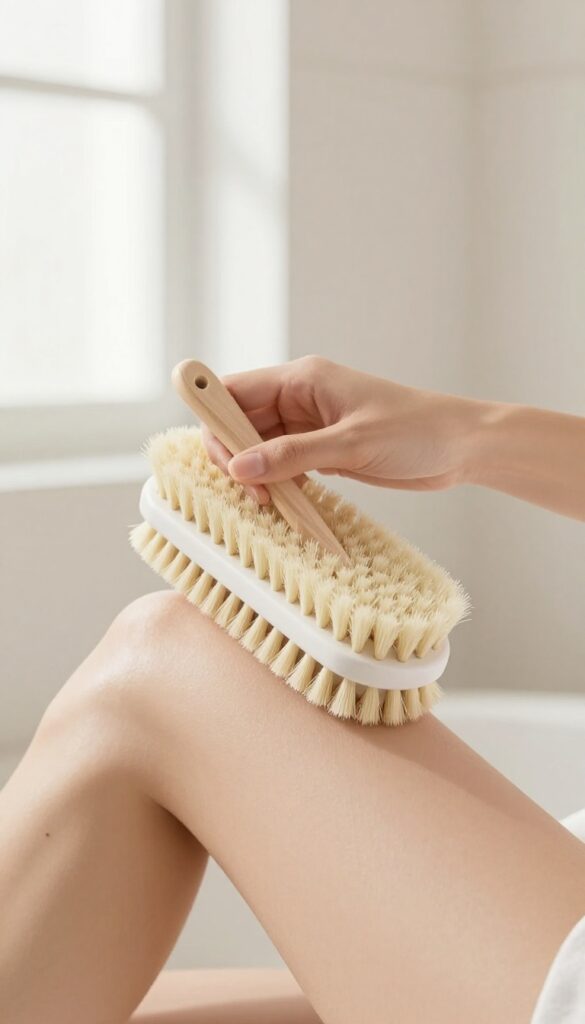
Dry brushing is one of those habits that feels a little odd at first but quickly becomes addictive once you see the results. The bristles gently exfoliate dead skin cells, revealing a smoother surface, while the brushing motion stimulates blood flow and encourages lymphatic drainage. It's a simple, low-cost add-on that can transform how your skin looks and feels over time.
Start with a natural-bristle brush and always brush on dry skin before you hop in the shower. Use long, gentle strokes moving toward your heart—begin at your feet and work upward. Avoid sensitive areas and never brush so hard that it hurts.
Doing this two to three times a week is plenty; overdoing it can irritate your skin. Afterward, shower as usual and follow with a moisturizer to lock in that fresh, smooth feeling.
Why It Works
Dry brushing physically sloughs off the buildup of dead skin cells that can make your complexion look dull. The gentle friction also wakes up your circulation, bringing oxygen and nutrients to the skin's surface. Over time, this can help improve texture and even out tone, especially on areas like your arms, legs, and back.
How To Do It Right
Always brush on dry skin before showering, using upward strokes toward your heart. Start at your feet and move up your legs, then your arms, and finally your torso in circular motions. Keep the pressure light—redness is a sign you're pressing too hard.
Rinse your brush weekly and replace it every few months to keep it hygienic.
Best Times To Brush
Morning is ideal because dry brushing can give you a subtle energy boost, but any time before a shower works. Avoid brushing right after a workout when your skin is sweaty and pores are open—it can cause irritation. Stick to a routine, and you'll notice smoother skin within a couple of weeks.
2. Shower With Lukewarm Water, Not Hot
There's nothing quite like a steaming hot shower after a long day, but your skin might not agree. Hot water strips away the natural oils that keep your skin barrier healthy and hydrated. Over time, this leads to dryness, irritation, and even flakiness.
The fix is simple: turn down the temperature.
Why Hot Water Hurts
Hot water dissolves the sebum that protects your skin. Without that barrier, moisture escapes and irritants get in. This is especially bad in winter or if you already have dry or sensitive skin.
The Right Temperature
Lukewarm water—warm to the touch but not steamy—is ideal. It cleanses without stripping. If your skin turns red or feels tight after a shower, the water was too hot.
Keep It Short
Limit showers to 10 minutes. Longer exposure, even to lukewarm water, can still dry out your skin. A quick, efficient rinse is all you need.
Post-shower Care
Pat your skin dry with a soft towel—don't rub. Then apply moisturizer within three minutes to lock in the remaining moisture. This simple timing makes a big difference.
3. Use a Gentle, Sulfate-Free Body Wash
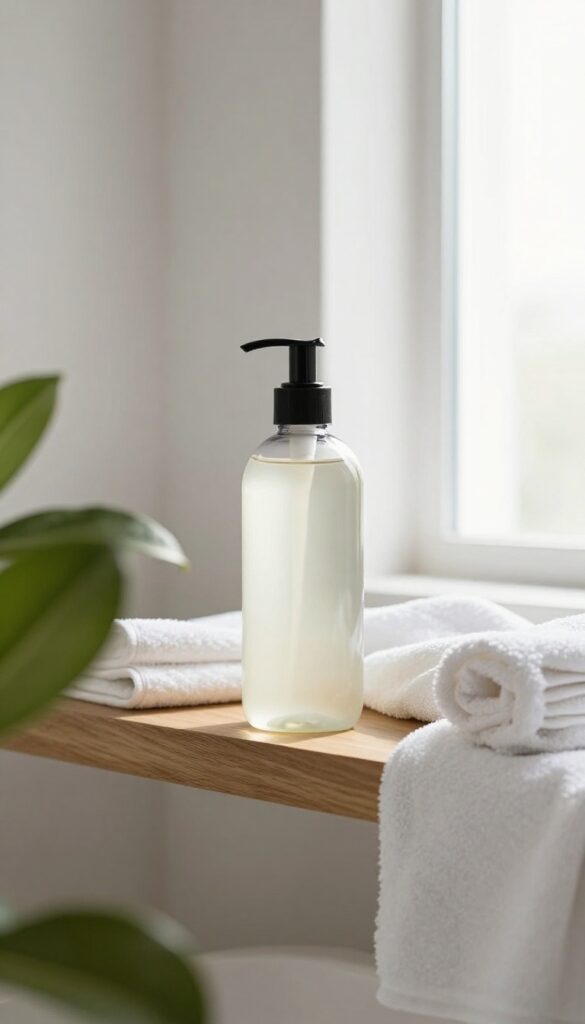
Not all body washes are created equal. Many conventional options contain sulfates—harsh detergents that create a rich lather but can strip your skin of its natural moisture. If you've noticed tightness or itchiness after showering, your body wash might be the culprit.
Switching to a sulfate-free formula can make a noticeable difference in how your skin feels day to day.
A good body wash should cleanse without leaving your skin feeling dry or irritated. Look for products labeled "sulfate-free" and check the ingredients list for gentle surfactants like coco-glucoside or decyl glucoside. These clean effectively without disrupting your skin barrier.
Ingredients like glycerin, oat extract, and aloe vera add hydration and soothe inflammation, making your post-shower skin feel soft and balanced rather than tight and stripped.
What To Look For
Scan the label for nourishing ingredients such as glycerin, colloidal oatmeal, aloe vera, or shea butter. Avoid sodium lauryl sulfate (SLS) and sodium laureth sulfate (SLES). Even some "natural" brands use these, so always double-check.
How It Helps Your Skin
Sulfate-free washes help maintain your skin's natural moisture barrier, reducing transepidermal water loss. Over time, this means less dryness, fewer flakes, and a smoother texture. Your skin stays hydrated longer, which is key for that healthy glow.
A Simple Swap
Replacing your current body wash with a sulfate-free option is one of the easiest changes you can make. It doesn't require extra time or effort—just choose a better product next time you shop. Your skin will thank you after just a few washes.
4. Exfoliate Weekly With a Physical or Chemical Scrub
Dead skin cells pile up fast, leaving your skin looking dull and feeling rough. Exfoliation sweeps that layer away, revealing the fresh, glowing skin underneath. The trick is doing it just enough—once a week is plenty for most people.
You don't need fancy tools or harsh scrubs. A simple sugar scrub in the shower or a gentle lactic acid lotion can do the job beautifully. Focus on the spots that tend to get neglected: elbows, knees, and heels.
Those areas soak up the extra attention and reward you with noticeably softer skin.
Exfoliation removes dead cells that cause dullness. Use a gentle sugar scrub or a lactic acid lotion once a week. Focus on rough areas like elbows, knees, and heels.
Physical Scrubs: Simple And Satisfying
A sugar or salt scrub gives you instant gratification. The granules physically slough off dead skin, and you can feel it working. Mix brown sugar with coconut oil for a DIY option that's gentle enough for most body skin.
Just avoid scrubbing too hard—let the ingredients do the work.
Chemical Exfoliants: Gentle But Effective
If you prefer something less abrasive, try a lotion or body wash with lactic acid or glycolic acid. These ingredients dissolve the bonds holding dead cells together, so they rinse away easily. They're especially good for sensitive skin that can't handle physical scrubs.
Don't Forget The Rough Spots
Elbows, knees, and heels tend to build up thicker, tougher skin. Give them a little extra time when you exfoliate. A few extra circles with your scrub or a targeted swipe of an acid pad can make a huge difference in how smooth they feel.
5. Pat Dry, Don't Rub
After a shower or washing your face, it's tempting to grab a towel and rub your skin dry. But that friction can cause irritation, redness, and even micro-tears over time. The gentler approach is to pat your skin dry with a soft towel, leaving it slightly damp.
Patting instead of rubbing preserves your skin's natural moisture barrier and reduces inflammation. It also helps your moisturizer absorb better because damp skin locks in hydration more effectively. Make this small switch and your skin will thank you.
Why Rubbing Hurts
Rubbing strips away natural oils and can aggravate conditions like eczema or keratosis pilaris. The friction also stimulates excess oil production in some areas, leading to breakouts. Plus, rough towel action can prematurely age your skin by breaking down collagen.
How To Pat Properly
Use a clean, soft towel—preferably microfiber or cotton. Gently press the towel against your skin, moving from your face down to your body. Don't wipe; just press and lift.
Leave your skin slightly damp, then apply moisturizer within three minutes for maximum absorption.
Bonus: Save Your Hair
The same principle applies to your hair. Rubbing your hair with a towel causes frizz and breakage. Instead, gently squeeze out excess water or wrap your hair in a microfiber towel or an old cotton T-shirt.
Patting keeps your strands smooth and healthy.
6. Apply Body Lotion Within 3 Minutes of Showering

You might be missing the most effective moment to moisturize. Right after you step out of the shower, your skin is still damp and pores are open, making it the perfect time to lock in hydration. Waiting even a few minutes can let that moisture evaporate, leaving your skin drier than before.
This three-minute window is your golden opportunity to seal in water and keep your skin soft all day. The key is using the right lotion—one with ceramides or shea butter—and applying it while your skin is still slightly wet. It’s a simple shift that makes a huge difference.
Why Damp Skin Matters
When your skin is damp, it absorbs lotion more effectively. The water on your surface helps the moisturizer spread evenly and penetrate deeper. This creates a barrier that traps moisture, preventing that tight, dry feeling later.
Skipping this step means you're missing out on maximum hydration.
Best Ingredients For Locking In Moisture
Not all lotions are created equal. Look for ceramides, which restore your skin's natural barrier, or shea butter, which is rich in fatty acids. These ingredients are especially effective when applied to damp skin.
Avoid heavy mineral oils—they can sit on top without really hydrating.
How To Make It A Habit
Keep your lotion right next to your towel or on the bathroom counter. As soon as you turn off the water, pat yourself dry just enough to stop dripping, then apply lotion in long, upward strokes. Doing this every time you shower will soon feel automatic, and your skin will thank you.
7. Don't Skip Sunscreen on Your Body
You probably already know to protect your face from the sun, but what about the rest of your body? Sun damage doesn't just cause sunburns—it leads to premature aging, dark spots, and uneven texture on your arms, legs, and chest. The good news is that preventing this is as simple as making sunscreen a non-negotiable part of your morning routine.
Apply a broad-spectrum sunscreen with at least SPF 30 to all exposed skin every day, even when it's cloudy. Don't forget often-missed spots like the back of your hands, your neck, and your feet if you're wearing sandals. If you'll be outdoors for more than two hours, reapply every two hours or immediately after swimming or sweating.
Why Your Body Needs Daily Spf
Your face isn't the only place that shows sun damage. Your chest, hands, and arms are constantly exposed, and they age just as fast—if not faster. Daily sunscreen use helps prevent wrinkles, sunspots, and loss of elasticity, keeping your skin smooth and glowing for years to come.
How To Choose A Body Sunscreen
Look for a broad-spectrum sunscreen with SPF 30 or higher. If you have dry skin, try a moisturizing formula with ingredients like glycerin or ceramides. For oily or acne-prone skin, go with a lightweight, oil-free lotion or spray.
Water-resistant options are great for active days.
Easy Ways To Remember To Apply
Keep your sunscreen next to your toothpaste or morning moisturizer so you see it every day. Set a reminder on your phone if you tend to forget. For quick reapplication, try a spray sunscreen or a powder sunscreen brush—they're easy to carry and use on the go.
8. Stay Hydrated From the Inside Out

Your skin is about 30% water, so it makes sense that hydration directly affects its appearance. When you're dehydrated, your skin can look dull, feel tight, and show fine lines more easily. Drinking enough water plumps up skin cells, making your complexion look smoother and more radiant.
Aim for at least 8 glasses of water daily, and increase intake if you're active or in a hot climate. Don't forget water-rich foods like cucumbers, watermelon, oranges, and strawberries—they count toward your hydration goals and provide skin-friendly vitamins. Herbal teas and infused water are great options too.
Your skin will thank you with a natural, dewy glow.
Why Hydration Matters For Skin
Water helps maintain skin elasticity and supports the delivery of nutrients to skin cells. It also flushes out toxins that can cause breakouts and dullness. Even mild dehydration can make your skin look tired and less plump.
Easy Ways To Drink More Water
Keep a reusable water bottle on your desk or in your bag as a visual reminder. Set hourly alarms on your phone, or use a marked bottle to track your intake. Infuse water with lemon, mint, or berries for a flavor boost without added sugar.
Hydrating Foods To Add To Your Diet
Cucumbers, celery, watermelon, strawberries, and lettuce are over 90% water. Snack on these throughout the day to supplement your fluid intake. Soups and smoothies are also excellent ways to stay hydrated while getting extra nutrients.
9. Use a Humidifier in Dry Climates
If you live in a dry climate or crank up the heat during winter, your skin is constantly losing moisture to the air. A humidifier is a simple fix that puts water vapor back into your environment, helping your skin stay hydrated and comfortable. It's especially useful while you sleep, when your skin does most of its repair work.
Dry air pulls moisture from your skin, leading to flakiness, tightness, and irritation. A humidifier in your bedroom can counteract this by maintaining optimal humidity levels, keeping your skin supple and reducing the need for heavy moisturizers.
Why Dry Air Wrecks Your Skin
When humidity drops below 30%, your skin's moisture barrier weakens, allowing water to evaporate faster. This can cause fine lines, itchiness, and even worsen conditions like eczema. A humidifier helps maintain 40-60% humidity, which is ideal for skin health.
Best Practices For Using A Humidifier
Place the humidifier in your bedroom and run it while you sleep. Clean it weekly to prevent mold and bacteria growth. Use distilled water to avoid white dust from minerals.
Aim for a humidity level between 40-60%—too high can promote dust mites.
Pair It With Your Night Routine
Apply your moisturizer or night cream right before bed with the humidifier on. The extra moisture in the air helps your skin absorb products better and lock in hydration overnight. You'll wake up with softer, more radiant skin.
10. Wear Breathable Fabrics Like Cotton

What you wear matters almost as much as what you put on your skin. Synthetic fabrics like polyester and nylon trap heat and moisture, creating a perfect environment for bacteria and irritation. Switching to natural, breathable materials can dramatically reduce breakouts and rashes on your body.
Your skin needs to breathe, especially in areas prone to sweat and friction. Tight synthetic clothing can clog pores and cause folliculitis or acne mechanica. Cotton, bamboo, and linen allow air to circulate, keeping your skin dry and comfortable.
This simple swap can make a huge difference in how clear and calm your skin feels.
Choose Cotton For Everyday Wear
Cotton is soft, absorbent, and gentle on sensitive skin. It doesn't trap heat like polyester or nylon. For daily wear, especially undershirts, leggings, and underwear, opt for 100% cotton or high-cotton blends.
Your skin will thank you with fewer breakouts and less irritation.
Upgrade Your Bedding Too
You spend a third of your life in bed, so your pillowcases and sheets matter. Cotton or bamboo sheets are breathable and reduce sweat buildup. Change your pillowcase at least once a week to prevent oil and bacteria from transferring to your skin.
This habit alone can help with back and face acne.
What To Avoid
Stay away from tight workout clothes made of synthetic blends if you're prone to breakouts. If you must wear them for performance, shower immediately after exercise and change into loose cotton clothing. Also avoid rough fabrics like wool directly against the skin unless you wear a soft cotton layer underneath.
11. Add a Weekly Body Mask for Extra Glow
Your face gets all the masking love, but your body deserves the same treatment. A weekly body mask can exfoliate, hydrate, or brighten, depending on what your skin needs. Ingredients like honey, yogurt, or turmeric are gentle yet effective, giving you that spa-like boost without leaving home.
Think of a body mask as a deep-conditioning treatment for your skin. It’s a simple way to target stubborn dryness or dullness, especially on elbows, knees, and shoulders. Apply once a week after your shower, let it sit for 10–15 minutes, then rinse off.
Your skin will feel softer and look more radiant.
Choose Your Mask Type
Hydrating masks with honey or aloe vera are great for dry skin. Brightening masks with turmeric or yogurt can even out skin tone. If you want gentle exfoliation, try a mask with finely ground oats or rice flour.
Pick one that matches your current skin concern.
How To Apply For Best Results
Apply the mask to clean, slightly damp skin so it absorbs better. Use gentle circular motions to spread it evenly. Focus on rough areas like elbows and knees.
Let it sit without moving too much, then rinse with lukewarm water and pat dry.
Simple Diy Recipes To Try
Mix 2 tablespoons of plain yogurt with 1 tablespoon of honey for a hydrating mask. For a brightening boost, combine 1 teaspoon of turmeric powder with 3 tablespoons of milk or yogurt. Always do a patch test first to avoid irritation.
12. Massage Your Skin While Moisturizing
Moisturizing is a no-brainer for smooth skin, but how you apply it matters more than you think. Adding a quick massage to your routine boosts circulation and helps your skin soak up all that good stuff. Plus, it's a mini stress reliever that takes just a few extra minutes.
Don't just slather on lotion—work it in with purpose. Use upward strokes to counteract gravity and focus on areas where tightness or cellulite tends to show up, like thighs and hips. The pressure also helps break up tension in your muscles, leaving you feeling relaxed and your skin looking more even.
Why Massage Works
Massaging stimulates blood flow, which brings oxygen and nutrients to your skin cells. That means better absorption of your moisturizer and a natural glow. It also helps drain lymph fluid, reducing puffiness and giving your skin a smoother appearance.
Best Techniques For Body Massage
Use firm but gentle pressure with your palms or knuckles. Start at your feet and move upward toward your heart. For cellulite-prone areas, try circular motions or kneading.
Always use enough product so your hands glide easily without tugging.
When To Make It A Habit
Right after a shower is ideal because your skin is warm and damp, which helps absorption. Aim for two to three minutes per session. You can even turn it into a calming nighttime ritual by adding a few deep breaths.
13. Eat Omega-3 Rich Foods for Skin Health

What you put on your plate shows up on your skin. Omega-3 fatty acids are powerful anti-inflammatories that help calm redness, support cell membranes, and keep your skin looking plump and hydrated. Think of them as internal moisturizers that work from the inside out.
Omega-3s reduce inflammation and support a smooth complexion. Include salmon, walnuts, or flaxseeds in your diet. Your skin will become more supple and less prone to dryness.
Why Omega-3s Matter For Skin
These healthy fats strengthen your skin barrier, helping it lock in moisture and keep irritants out. They also reduce the production of inflammatory compounds that can trigger breakouts or premature aging.
Best Food Sources
Fatty fish like salmon, mackerel, and sardines are top sources. For plant-based options, go for walnuts, chia seeds, flaxseeds, and hemp seeds. Aim for at least two servings of fatty fish per week or a daily handful of seeds.
Simple Ways To Add Them
Sprinkle ground flaxseeds on your oatmeal or yogurt. Toss walnuts into a salad. Make a quick salmon bowl for lunch.
Even small additions add up over time.
14. Change Your Razor Blades Regularly
That smooth, stubble-free feeling after shaving is great—until the next day when your skin feels angry and bumpy. A dull razor blade is often the culprit. When the blade isn't sharp, it tugs at hair instead of cutting cleanly, which irritates the skin and leads to razor burn, ingrown hairs, and tiny cuts.
The fix is simple: swap out your blades often.
Dull blades cause irritation, razor bumps, and ingrown hairs. Replace your razor after 5-7 shaves, or use a sharp safety razor. Always shave with a moisturizing cream or gel.
How Often Should You Change?
A good rule of thumb is every 5 to 7 shaves. If you shave daily, that means a new blade each week. Signs it's time: the blade feels rough, you notice more tugging, or your skin gets irritated post-shave.
Some people stretch it longer, but your skin will thank you for not pushing it.
Safety Razors Vs. Disposables
Safety razors are a game-changer. They use a single, sharp blade that cuts cleanly without the multiple-blade tug of disposables. Plus, replacement blades are cheap—pennies each.
If disposables are your thing, look for ones with a lubricating strip and change them often. Your skin will feel the difference.
Prep And Aftercare Matter
Shave at the end of your shower when hair is soft. Use a moisturizing shave cream or gel—not soap—to reduce friction. After shaving, rinse with cool water and apply a gentle, fragrance-free moisturizer.
This routine minimizes irritation and keeps your skin smooth.
15. Get Consistent Sleep for Skin Repair

Ever notice how your skin looks dull and tired after a bad night's sleep? That's because your body uses sleep time to repair and regenerate skin cells. When you consistently get 7–9 hours of quality rest, your skin has the chance to rebuild collagen, balance moisture, and reduce inflammation.
On the flip side, skimping on sleep leads to dark circles, a tired complexion, and even breakouts. It's one of the most effective—and free—habits you can adopt for glowing skin.
Sleep is when your skin does its heavy lifting. During deep sleep, blood flow to the skin increases, helping repair damage from UV exposure and pollution. Your body also produces more human growth hormone, which aids in collagen production and cell turnover.
Without enough sleep, cortisol levels rise, which can break down collagen and lead to fine lines and dullness. Prioritizing rest isn't just about feeling refreshed—it's a direct investment in your skin's health.
Why 7–9 Hours Matters
Studies show that chronic sleep deprivation can accelerate skin aging and impair the skin's barrier function. Aim for a consistent bedtime and wake-up time, even on weekends. This helps regulate your circadian rhythm, which controls the release of repair hormones.
If you struggle to fall asleep, try winding down with a calming routine like reading or a warm bath—no screens for at least 30 minutes before bed.
Sleep Position And Skin
Believe it or not, how you sleep can affect your skin. Sleeping on your side or stomach can create sleep lines that eventually turn into wrinkles. Try sleeping on your back to minimize pressure on your face.
Also, change your pillowcase regularly—cotton can absorb oils and bacteria, leading to breakouts. Silk or satin pillowcases are gentler on the skin and reduce friction.
Create A Skin-friendly Sleep Environment
Your bedroom should be cool, dark, and quiet. Use blackout curtains or a sleep mask to block light, which can disrupt melatonin production. A humidifier can also help maintain moisture in the air, preventing your skin from drying out overnight.
Keep your skincare routine simple before bed—cleansing and moisturizing are enough to let your skin breathe and repair.
FAQ
How often should I dry brush my body?
Start with 2-3 times per week. Over-brushing can irritate skin, so listen to your body and adjust as needed.
Can I use body lotion on damp skin every day?
Yes, applying lotion to slightly damp skin after showering is ideal for locking in moisture. Do it daily for best results.
What's the best body exfoliator for sensitive skin?
Look for a gentle chemical exfoliant with lactic acid or a physical scrub with fine, round particles. Avoid harsh walnut shells or large grains.
Do I really need sunscreen on my body every day?
Yes, daily SPF protects against UV damage that causes premature aging and skin cancer. Even on cloudy days, UVA rays penetrate.
How can I make my body care routine more affordable?
Focus on basics: a gentle body wash, a good moisturizer, and sunscreen. DIY scrubs with sugar and coconut oil work great. Skip expensive gimmicks.
Conclusion
Sticking to these habits doesn't require a perfect routine or expensive products—just consistency and a little patience. Your skin will thank you with a natural glow that feels as good as it looks.
Start with one or two changes that feel doable, then build from there. Over time, these small steps become second nature, and smooth, glowing skin becomes your everyday reality.