
A full body care reset doesn't require a spa membership or a cabinet full of fancy products. It's about stringing together small, intentional steps that make your skin feel amazing and your routine feel effortless.
From dry brushing to lymphatic massage, these 23 steps are designed to be realistic—no guilt if you skip one, but real results if you try them all. Whether you have 10 minutes or an hour, this list helps you build a routine that actually fits your life.
Ready to hit reset? Let's walk through it step by step.
1. Start with a Dry Brush
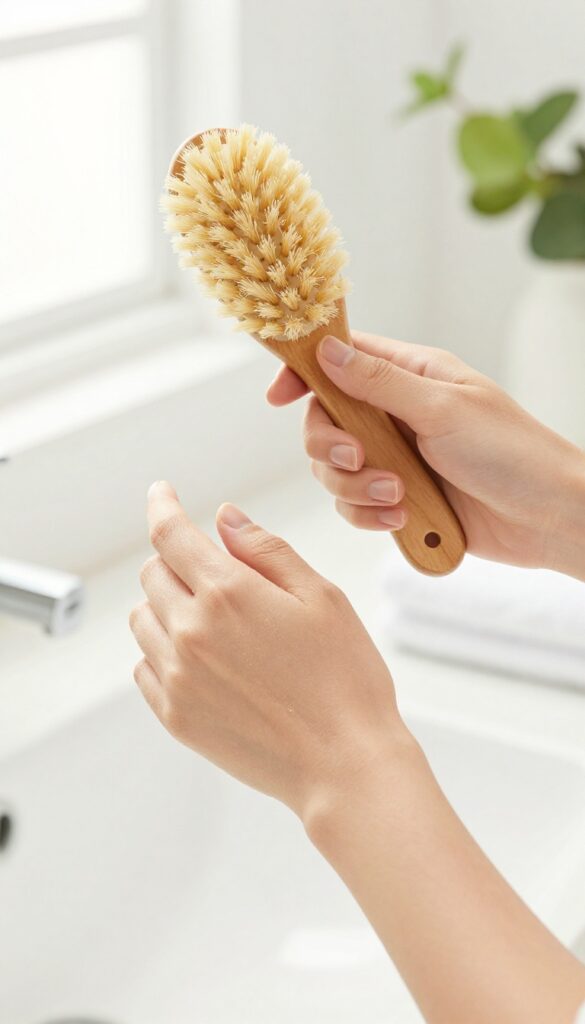
Before you even step into the shower, grab a dry brush. This simple tool does more than you think—it sloughs off dead skin, wakes up your circulation, and gives your lymphatic system a gentle nudge. The best part?
It only takes a couple of minutes and sets the tone for the rest of your routine.
Dry brushing is your first step to smoother, glowing skin. It preps your body to better absorb moisturizer and helps reduce the appearance of cellulite over time. Just remember: always brush toward your heart, and don't overdo it—two to three times a week is plenty.
Why Dry Brush First?
Starting with dry brushing before your shower means you're exfoliating when your skin is at its driest, which is most effective. It also helps unclog pores and encourages cell renewal, so your skin looks fresher and feels softer.
How To Dry Brush Correctly
Use gentle, upward strokes starting from your feet and moving toward your chest. Avoid sensitive areas and never brush wet skin. Keep strokes light—you're not scrubbing a pan.
After brushing, hop in the shower to rinse off the loosened skin cells.
Best Brushes For The Job
Look for a brush with natural bristles and a long handle so you can reach your back. A softer brush is better if you have sensitive skin. Replace your brush every six months to keep it hygienic and effective.
2. Take a Lukewarm Shower
Hot showers feel amazing, but they're secretly sabotaging your skin. That steamy blast strips away natural oils, leaving your skin barrier vulnerable and dry. Lukewarm water is the unsung hero of a good reset routine.
Switching to lukewarm water is a small change with big payoff. Your skin stays hydrated, less irritated, and actually absorbs your post-shower products better. Think of it as temperature control for your glow.
Why Hot Water Hurts
Hot water dissolves the lipid barrier that locks moisture in. Over time, this leads to flakiness, redness, and even breakouts. Your skin's microbiome also takes a hit, making it harder to fend off irritation.
The Sweet Spot Temperature
Aim for water that's just slightly warmer than your body temperature—around 98-100°F. If your skin turns pink or feels tight after a shower, you're going too hot. A quick trick: your elbows should feel comfortable, not scalded.
How To Make The Switch
Start by turning down the heat gradually over a week. End your shower with a 30-second cool rinse to seal your pores and boost circulation. Your skin will thank you with a natural, dewy finish.
3. Use a Gentle Body Wash
Not all body washes are created equal. Many popular formulas are packed with sulfates that strip your skin's natural moisture barrier, leaving it tight and irritated. A gentle body wash cleans without the backlash, so your skin stays soft and balanced.
Switching to a sulfate-free body wash is one of the easiest swaps you can make. Look for ingredients like glycerin, oat extract, or ceramides—they clean while locking in hydration. Your skin will thank you, especially if you're prone to dryness or sensitivity.
What To Look For
Scan the label for "sulfate-free" and check for moisturizing ingredients like glycerin, aloe vera, or colloidal oatmeal. Avoid anything with sodium lauryl sulfate (SLS) or sodium laureth sulfate (SLES).
How To Use It
Apply with your hands or a soft washcloth. No need for a loofah—they can harbor bacteria. Work into a gentle lather and rinse with lukewarm water.
Pat dry, don't rub.
Why It Matters
Harsh cleansers disrupt your skin's pH and microbiome, leading to irritation and inflammation. A gentle wash supports your skin's natural defenses and preps it for moisturizer.
4. Exfoliate Twice a Week
Dead skin cells build up fast, leaving your skin looking dull and rough. Exfoliating twice a week sloughs off that layer, revealing smoother, brighter skin underneath. It also helps your moisturizer sink in better and prevents ingrown hairs.
Whether you prefer a physical scrub or a chemical exfoliant, the key is consistency. Focus on areas that tend to get rough—elbows, knees, and heels—but don't neglect your arms, legs, and back. After exfoliating, always follow up with a good moisturizer to lock in hydration.
Physical Vs. Chemical Exfoliation
Physical exfoliants use granules or brushes to manually scrub away dead cells. They're great for tough spots like heels and elbows. Chemical exfoliants, like AHAs or BHAs, dissolve the bonds between dead skin cells without scrubbing.
They're gentler on sensitive skin and can cover larger areas more evenly.
Tools & Techniques
For physical exfoliation, try a body scrub with fine particles or a dry brush before showering. Use gentle, circular motions and avoid over-scrubbing. For chemical exfoliation, apply a lotion or serum with glycolic or salicylic acid after cleansing.
Start with once a week to see how your skin reacts.
Don't Forget The Feet
Your heels and soles can get especially rough. Use a pumice stone or foot file on wet skin a couple of times a week. Follow with a thick foot cream or balm.
For extra softness, wear cotton socks overnight after moisturizing.
Post-exfoliation Care
After exfoliating, your skin is more receptive but also more vulnerable. Pat dry gently, then apply a fragrance-free moisturizer or body oil. Avoid harsh soaps, hot water, or direct sun exposure for a few hours to prevent irritation.
5. Apply Body Oil on Damp Skin
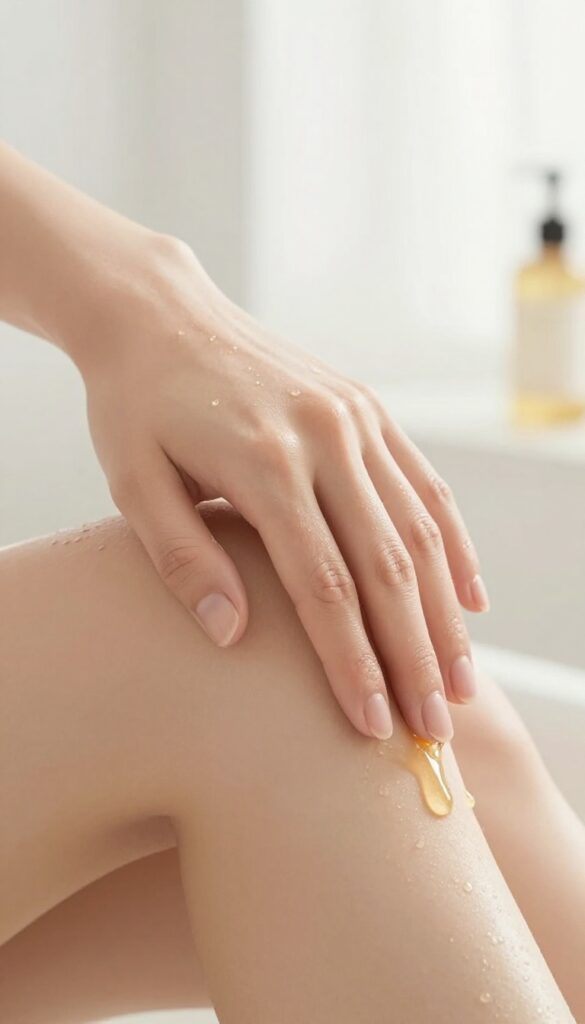
You might be used to slathering on lotion after you're fully dry, but there's a better way. Applying body oil while your skin is still slightly damp locks in way more moisture and leaves you with a soft, glowing finish that lasts all day. It's a small shift in timing that makes a big difference.
When you apply body oil to damp skin, the oil mixes with the water droplets and helps seal that hydration in. Lotion alone can sit on top of the skin, but oil on damp skin creates a barrier that keeps moisture from evaporating. The result?
Your skin feels smoother and stays hydrated longer.
Why Damp Skin Works Better
Think of your skin like a sponge. When it's damp, it's more receptive to absorbing products. Body oil applied right after patting dry traps the water against your skin, so you get the benefits of both hydration and occlusion.
How To Apply For Best Results
After your shower, gently pat your skin with a towel until it's just damp—not dripping. Pour a few drops of body oil into your palms, rub them together, and smooth it over your arms, legs, and torso. Focus on drier areas like elbows and knees.
Choosing The Right Oil
Look for lightweight oils like jojoba, grapeseed, or almond oil that absorb quickly without feeling greasy. If you want a little scent, go for something with natural essential oils. Avoid mineral oil or heavy blends that can clog pores.
6. Follow with a Rich Body Lotion
You might be used to slathering on lotion after you're fully dry, but there's a better way. Applying a thick body lotion while your skin is still slightly damp locks in moisture and keeps you hydrated all day. Think of it as sealing the deal after your shower.
Choosing the right lotion matters. Look for formulas with ceramides or shea butter—these ingredients strengthen your skin barrier and provide lasting hydration. Don't be shy with the amount; use enough to cover your whole body in a thin, even layer.
Massage it in using upward strokes toward your heart to boost circulation and absorption.
Why Damp Skin Works Best
When your skin is damp, it's more permeable, meaning the lotion sinks in deeper. Water helps carry the moisturizing ingredients into your skin cells, so you get more bang for your buck. Pat yourself dry lightly, leaving a little moisture behind, then apply lotion within three minutes of stepping out.
Ingredients To Look For
Ceramides are like the glue that holds your skin cells together. Shea butter is rich in fatty acids and vitamins, making it ideal for dry or rough patches. Avoid lotions with heavy fragrances or alcohol, which can strip moisture.
Stick to simple, effective formulas.
Application Tips For Best Results
Start with your feet and work your way up. Use long, sweeping motions on your legs and arms, and circular motions on joints like elbows and knees. Don't forget your back and shoulders—use a long-handled applicator if needed.
Let the lotion absorb for a minute before getting dressed.
7. Don't Forget Your Feet
Your feet work hard all day, yet they're often the most neglected part of a body care routine. A little extra attention before bed can transform rough, tired feet into soft, smooth ones. This simple step takes almost no effort but delivers noticeable results by morning.
Apply a thick foot cream or balm generously all over your feet, focusing on heels and any dry patches. Then pull on a pair of cotton socks and let the product work overnight. In the morning, you'll wake up with noticeably softer, smoother feet that feel pampered and ready for the day.
Why Overnight Works Best
Your skin repairs itself while you sleep, and trapping moisture with socks creates a mini spa treatment. The warmth helps the balm absorb deeply, softening calluses and hydrating dry cracks without any scrubbing or effort.
Choosing The Right Product
Look for foot creams with urea, shea butter, or lanolin—they're heavy hitters for dry skin. Avoid thin lotions that evaporate quickly. A balm or butter consistency stays put all night and delivers lasting moisture.
Sock Tips For Comfort
Use clean, breathable cotton socks—not synthetic ones that can trap heat. If you find full socks too warm, try footie socks or cut the toes off an old pair. The goal is to keep the product in contact with your skin without overheating.
8. Massage Your Hands and Cuticles
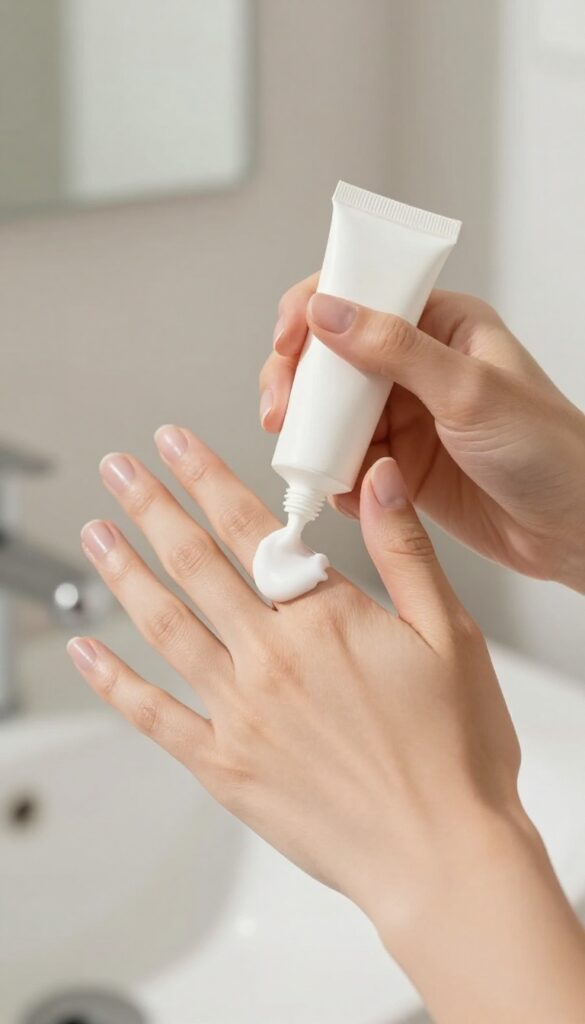
Your hands are on display all day, yet they're easy to forget until they start looking dry or tired. A quick hand and cuticle massage does more than soften skin—it boosts circulation and helps nails grow stronger. This step takes under two minutes but makes a noticeable difference in how your hands look and feel.
Why Hands Age Fast
Hands have less fat and fewer oil glands than other body parts, so they lose moisture quickly. Sun exposure, frequent washing, and hand sanitizer strip natural oils, leading to crepey skin and brittle nails. Giving them dedicated care daily helps slow those signs of aging.
The Right Products For The Job
Use a thick hand cream with ingredients like shea butter, glycerin, or ceramides to lock in moisture. For cuticles, a nourishing oil (jojoba, vitamin E, or almond oil) works best. Apply oil first to soften the cuticle, then follow with cream to seal everything in.
How To Massage For Best Results
Start with a drop of cuticle oil on each nail, massaging in small circles around the cuticle. Then squeeze a pea-sized amount of hand cream onto the back of one hand and rub it in using long strokes from wrist to fingertips. Gently pull each finger to release tension, and finish by pressing into your palm with your thumb.
Make It A Habit
Keep hand cream and cuticle oil next to your sink, desk, or bedside table. Tying the massage to a daily cue—like after washing your hands or before bed—makes it stick. Even once a day keeps your hands looking younger and feeling smooth.
9. Use a Body Scrub Weekly
Weekly exfoliation is the secret to that smooth, glowing skin you're after. A good body scrub sloughs off dead cells and preps your skin to absorb moisture better. It's a small step that makes a big difference, especially as you move through this reset.
Grab a gentle sugar or salt scrub and focus on the rough spots—knees, elbows, and any dry patches. Use circular motions with light pressure, then rinse and pat dry. Follow up with a rich moisturizer while your skin is still slightly damp to lock in softness.
Why Exfoliate Weekly?
Your skin sheds dead cells naturally, but buildup can leave it looking dull and feeling rough. A weekly scrub speeds up that process, revealing fresher skin underneath. It also helps prevent ingrown hairs and keeps your skin tone even.
Scrub Types: Sugar Vs. Salt
Sugar scrubs are gentler and dissolve faster, making them ideal for sensitive skin. Salt scrubs offer more grit and are great for tougher areas like feet and elbows. Pick one that feels comfortable on your skin and matches your needs.
How To Apply For Best Results
Start at your feet and work upward toward your heart, using small circular motions. Spend extra time on dry areas like knees and elbows, but avoid broken or irritated skin. Rinse thoroughly and follow with a hydrating body oil or lotion.
10. Try a Lymphatic Drainage Massage
Lymphatic drainage massage might sound fancy, but it's actually a gentle, soothing technique you can do at home. It involves light, rhythmic strokes that encourage the movement of lymph fluids throughout your body. This helps reduce puffiness, especially in the face and legs, and gives your circulation a nice boost.
You don't need special training to get started. Using your hands or a gua sha tool, work from your ankles upward in long, sweeping motions. Focus on areas where fluid tends to collect, like around your ankles, knees, and jawline.
A few minutes a day can make a noticeable difference in how your skin looks and feels.
Why It Works
Your lymphatic system is like your body's drainage network. When it gets sluggish, fluid can build up, causing that puffy or heavy feeling. Gentle massage stimulates lymph flow, helping your body flush out toxins and excess water.
The result? Less bloating, brighter skin, and a lighter overall feeling.
How To Do It At Home
Start with clean, slightly oiled skin to reduce friction. Use your fingertips or a gua sha tool to apply light pressure—never so hard that it hurts. Always move toward your lymph nodes (like behind your knees, groin, and armpits).
Repeat each stroke 5-10 times before moving to the next area.
Best Times To Try It
Morning is ideal because it can help depuff and energize you for the day. But it's also great in the evening to unwind. Just avoid doing it right after a heavy meal or if you have an active infection or inflammation.
Consistency matters more than duration—even 5 minutes daily can yield results.
11. Incorporate a Face Mask for Your Body
Just like your face, your body can benefit from a deep-cleansing mask. Body masks target areas prone to congestion, like the back, chest, and shoulders, helping to unclog pores and refine texture. It's a simple step that adds a spa-like moment to your routine.
Using a clay or charcoal mask on your body once a week can absorb excess oil and draw out impurities. Apply a thick layer to problem areas, let it dry for 10–15 minutes, then rinse off in the shower. Follow with a lightweight moisturizer to keep skin balanced.
Why Your Body Needs A Mask
Body skin has larger pores and more oil glands, especially on the back and chest. A body mask helps prevent breakouts and ingrown hairs, while also tightening pores for a smoother look.
Best Ingredients For Body Masks
Clay (kaolin or bentonite) is great for oily skin, while charcoal masks work well for deep detox. For sensitive skin, try a soothing mask with oatmeal or aloe to calm irritation without stripping moisture.
How To Apply Like A Pro
Apply the mask after exfoliating so it can penetrate better. Use a brush or your hands to spread an even layer, avoid delicate areas, and relax while it sets. Rinse with warm water and pat dry.
12. Hydrate from the Inside Out

You can slather on all the lotions in the world, but if your body is dehydrated, your skin will still look dull and feel tight. True hydration starts from within. Drinking enough water throughout the day plumps up skin cells, smooths fine lines, and gives you that natural glow no cream can replicate.
It's the simplest, cheapest step in your reset.
Make it easy by keeping a large water bottle on your desk or in your bag. Aim for small sips consistently rather than chugging all at once. Herbal teas like chamomile or rooibos count toward your intake and add antioxidants.
Water-rich fruits such as watermelon, cucumber, and oranges also boost hydration while providing vitamins. This inside-out approach supports every other step in your routine, from exfoliation to moisturizing.
Start Your Day With Water
Before coffee or tea, drink a glass of water. After hours of sleep, your body is naturally dehydrated. A morning glass kickstarts your metabolism and rehydrates your skin.
Add a squeeze of lemon for vitamin C and a gentle detox boost.
Infuse For Flavor And Benefits
Plain water can get boring. Infuse it with cucumber slices, mint leaves, berries, or citrus. Not only does it taste better, but you also get extra nutrients.
Cucumber is hydrating and anti-inflammatory, while berries provide antioxidants that fight skin damage.
Eat Your Water
Snack on water-rich foods like watermelon, strawberries, celery, and lettuce. These foods contribute to your daily fluid intake and deliver vitamins and minerals. Watermelon, for example, is over 90% water and contains lycopene, which protects skin from sun damage.
Set Reminders, Not Rules
Don't stress about hitting a specific number of glasses. Instead, set gentle reminders on your phone or use a water tracking app. Listen to your body—if you feel thirsty, drink.
Over time, sipping water becomes a natural habit that supports your entire body care routine.
13. Add a Few Drops of Body Oil to Your Bath
A warm bath is already a treat, but adding a few drops of body oil turns it into a moisture-boosting soak. Jojoba or almond oil works beautifully—they're light, absorb easily, and leave your skin feeling soft without a greasy residue. Just keep the soak under 20 minutes to avoid stripping your skin's natural oils.
This simple addition helps lock in hydration while you relax. The warm water opens pores, allowing the oil to penetrate more deeply. After your bath, pat dry gently—don't rub—so some of the oil stays on your skin.
Follow up with a light lotion if needed, but often you won't need one.
Why Jojoba Or Almond Oil?
Jojoba oil closely mimics your skin's natural sebum, so it absorbs quickly without clogging pores. Almond oil is rich in vitamin E and fatty acids, making it deeply nourishing. Both are gentle enough for sensitive skin and have a subtle, natural scent that won't clash with your other products.
How To Use It Right
Add 5–10 drops directly to the bathwater after it's filled, swish to disperse, then step in. Don't use more—too much oil can make the tub slippery. Keep the water warm, not hot, and set a timer for 15–20 minutes.
When you get out, air-dry for a minute or two before patting with a towel.
The Best Time To Do This
Evening baths are ideal because the oil continues to work overnight. If you bathe in the morning, give yourself a few minutes for the oil to absorb before dressing. Avoid using heavy oils like coconut or olive oil in the bath—they can leave a film on your skin and the tub.
14. Use a Loofah or Exfoliating Mitt
Not all exfoliation needs to be harsh or weekly. A simple loofah or exfoliating mitt can give you gentle, daily exfoliation that keeps your skin smooth without irritation. The key is choosing the right material and swapping it out regularly to avoid bacteria buildup.
Switch to a natural loofah or silicone mitt for gentle daily exfoliation. Replace them every month to avoid bacteria.
Natural Vs. Silicone
Natural loofahs are biodegradable and provide a satisfying scrub, but they can harbor bacteria if not dried properly. Silicone mitts are non-porous, dry quickly, and are easier to clean. Both work well—pick based on your preference for texture and maintenance.
How To Use
Wet your loofah or mitt, apply your favorite body wash, and gently scrub in circular motions. Focus on rough areas like elbows and knees, but avoid sensitive spots. Rinse thoroughly and hang to dry after each use.
Replace Monthly
Even with proper care, bacteria can accumulate. Set a reminder to replace your loofah or mitt every four weeks. For silicone versions, a deep clean with soap and hot water can extend their life, but still aim for monthly swaps.
15. Moisturize Your Back and Shoulders
Your back and shoulders work hard all day, but they rarely get the moisture love they deserve. Reaching those spots can be tricky, so a little strategy goes a long way. Once you make this step a habit, you'll notice smoother, happier skin in areas that are often dry or prone to breakouts.
Moisturizing your back and shoulders doesn't have to be a contortionist act. A long-handled applicator or a silicone back scrubber with lotion can make it easy. If you have a partner or roommate, don't be shy—ask for help.
It can become a quick, bonding moment in your routine. For hard-to-reach spots, try a body lotion spray or a cream that you apply with a back roller. The key is consistency, not perfection.
Why These Areas Get Neglected
Out of sight, out of mind. Your back and shoulders are hidden from your daily view, so it's easy to forget them. Plus, the natural angle of your arms makes it tough to apply lotion evenly.
This leads to dry patches, especially in winter, or clogged pores if you sweat and don't moisturize properly.
Tools That Make It Easy
A long-handled body lotion applicator is a game-changer—it has a soft pad that glides lotion on smoothly. You can also use a back scrubber with a built-in lotion dispenser. For a budget option, tie a soft cloth around a wooden spoon.
Silicone applicators work well too, and they're easy to clean.
The Right Lotion For The Job
Go for a lightweight, non-greasy formula that absorbs quickly. If you're prone to back acne, choose an oil-free, non-comedogenic lotion. For dry skin, a richer cream with ceramides or shea butter works wonders.
Apply right after a shower when your skin is still slightly damp to lock in moisture.
16. Apply Sunscreen to Exposed Skin

You already know to protect your face, but your arms, legs, and chest need the same love. Daily SPF on exposed skin prevents sun damage, uneven tone, and premature aging. It's a simple step that pays off big time.
Make body sunscreen a non-negotiable part of your morning routine. Choose a lightweight, broad-spectrum formula with at least SPF 30. Apply generously to any skin that will see the sun—arms, legs, décolletage, and even the back of your hands.
Don't forget often-missed spots like the tops of your ears and the back of your neck. Reapply every two hours if you're outdoors, or use a setting spray with SPF for easy touch-ups.
Pick The Right Texture
Body sunscreens come in lotions, sprays, and sticks. Lotions offer the most even coverage, while sprays are great for quick application. Sticks work well for small areas like shoulders and knees.
Choose one you'll actually use every day.
Layer It Correctly
Apply sunscreen after your moisturizer but before any makeup or body oils. Let it absorb for a few minutes before getting dressed. If you're using a chemical sunscreen, wait 15 minutes before sun exposure for best protection.
Don't Skip Cloudy Days
Up to 80% of UV rays can penetrate clouds. Make SPF a daily habit regardless of the weather. Your skin will thank you later with fewer sunspots and less texture.
17. Treat Keratosis Pilaris with Lactic Acid
Those little red or white bumps on your upper arms or thighs are likely keratosis pilaris, a harmless but annoying skin condition. The good news? A simple switch to a lactic acid lotion can make a big difference.
Lactic acid gently exfoliates while hydrating, smoothing out rough patches over time without irritation.
Keratosis pilaris happens when keratin builds up and blocks hair follicles. Lactic acid, an alpha hydroxy acid, works by loosening that buildup and encouraging cell turnover. It's a gradual process, but consistent use yields smoother, softer skin.
Look for lotions with 5% to 12% lactic acid and apply daily after showering.
How To Choose The Right Lactic Acid Product
Not all lactic acid lotions are created equal. For KP, aim for a formula that combines exfoliating acids with moisturizers like shea butter or ceramides. Avoid harsh scrubs or high concentrations that can irritate—stick to 5-10% for daily use.
Application Tips For Best Results
Apply the lotion to damp skin right after showering to lock in moisture. Use gentle, upward strokes and focus on bumpy areas. Don't overdo it—once a day is plenty.
Pair with a fragrance-free body wash to avoid stripping your skin.
18. Use a Cooling Gel for After-Sun or Inflammation
Heat, friction, and razor blades can all leave your skin red, angry, and uncomfortable. A cooling gel—think aloe vera or a dedicated after-sun formula—works like a fire extinguisher for your skin. It calms inflammation, hydrates without greasiness, and feels like a mini air conditioner when you need it most.
Keep a tube in the fridge for an extra-chill sensation that makes application feel even better. This isn't just for beach days; it's a year-round rescue remedy for razor burn, windburn, or any unexpected flare-up.
When To Reach For Cooling Gel
Sunburn is the obvious one, but don't stop there. Use it after shaving your legs, underarms, or any sensitive area to calm razor burn. It's also great for soothing skin after a long day in tight clothing, or after using a new body product that caused irritation.
If your skin feels hot to the touch or looks red, cooling gel can help bring it back to baseline.
How To Apply For Best Results
Apply a generous layer to clean, dry skin. Let it absorb for a few minutes before putting on clothes. For an extra boost, pop the tube in the fridge for 15 minutes before use—the cold amplifies the anti-inflammatory effect.
You can also mix a small amount with your regular body lotion for a lightweight, cooling moisturizer.
What To Look For In A Cooling Gel
Pure aloe vera gel (with minimal ingredients) is a solid choice. Avoid formulas with alcohol, which can sting and dry out skin. Look for added soothing ingredients like cucumber extract, chamomile, or green tea.
If you prefer a gel that's more hydrating, choose one with hyaluronic acid or glycerin. And always patch test a new product on a small area first.
19. Practice Self-Massage with a Foam Roller

Your muscles hold tension from workouts, sitting, and daily stress. A foam roller is a simple tool that releases that tightness while giving your skin a boost. Rolling out improves blood flow, which delivers oxygen and nutrients to your skin cells, helping you look more toned and refreshed.
Foam rolling isn't just for athletes. It's a body care step that doubles as a mini massage. Spend a few minutes on your legs, back, and glutes after a workout or even after a long day.
The pressure helps break up knots and smooths out fascia, the connective tissue under your skin. Better circulation means a healthier glow and less puffiness.
Why It Works For Your Skin
When you roll, you stimulate blood flow to the surface. That brings a natural flush and helps your skin look firmer. It also encourages lymphatic drainage, which reduces swelling and gives your body a smoother appearance.
How To Do It Right
Start with a medium-density foam roller. Roll slowly over each muscle group for about 30 seconds, pausing on any tight spots. Breathe deeply and relax into the pressure.
Avoid rolling directly over joints or bones.
Best Times To Roll
Post-workout is ideal, but you can also roll in the morning to wake up your body or at night to unwind. Pair it with a warm shower for extra relaxation.
20. Wear Breathable Fabrics
Your skin spends all day wrapped in clothing, so what you wear matters more than you think. Tight synthetic fabrics trap heat and moisture against your skin, creating the perfect environment for clogged pores, irritation, and breakouts. Switching to breathable materials like cotton, bamboo, or linen gives your skin room to breathe and stay comfortable.
Think of your clothing as a second skin. Just like you wouldn't wrap your face in plastic wrap, you don't want to suffocate the rest of your body. Breathable fabrics allow air to circulate, wick away sweat, and reduce friction.
This is especially important after a workout or on humid days when your skin is already vulnerable.
Why Cotton And Bamboo Work
Cotton is soft, absorbent, and hypoallergenic, making it a safe bet for sensitive skin. Bamboo fabric takes it a step further—it's naturally antimicrobial, moisture-wicking, and incredibly soft. Both materials let your skin regulate its temperature and moisture levels naturally.
When To Avoid Synthetics
Polyester, nylon, and spandex are common in activewear and tight clothing. While they're great for performance, they don't breathe well. If you wear them for long periods, especially during exercise, change out of them as soon as possible.
Your skin will thank you.
Nighttime Matters Too
Your pajamas and sheets also affect your skin. Swap synthetic sleepwear for cotton or bamboo pajamas, and consider using natural fiber sheets. This simple switch can reduce overnight sweating and irritation, helping your skin recover while you sleep.
21. Take Care of Your Neck and Décolletage
Your neck and chest often give away your age before your face does, yet they're easy to neglect. The skin here is thinner and has fewer oil glands, making it prone to crepey texture and sun damage. A simple daily routine can keep this area looking smooth and firm.
Cleanse Gently
Use the same gentle cleanser you use on your face. Avoid harsh scrubs or hot water, which can strip moisture. Pat dry with a soft towel instead of rubbing.
Moisturize And Massage
Apply a rich moisturizer or a dedicated neck cream using upward strokes. This helps improve circulation and prevents sagging. Don't forget the décolletage—extend the product down to your chest.
Spf Is Non-negotiable
Sun exposure is the top cause of premature aging on the neck and chest. Apply a broad-spectrum SPF 30 or higher every morning, even if you're just running errands. Reapply if you're spending time outdoors.
22. Use a Humidifier While You Sleep
Your bedroom might be the driest room in your house, especially when the heat is on. That dry air pulls moisture from your skin while you sleep, leaving you with a tight, parched face in the morning. A humidifier adds moisture back into the air, helping your skin stay hydrated all night long.
It's a simple fix that makes a big difference. Your skin works hard to repair itself overnight, but dry air sabotages that process. A humidifier keeps the environment friendly to your skin barrier, so you wake up looking more rested and less flaky.
Pick The Right Size
A small personal humidifier works for a nightstand, but if you want to treat the whole room, go for a larger ultrasonic model. Look for one with a cool mist setting—warm mist can feel nice but requires more cleaning.
Keep It Clean
Humidifiers can grow mold and bacteria if you don't clean them regularly. Empty the tank daily and give it a vinegar rinse every few days. Dirty humidifiers can actually irritate your skin and lungs, so don't skip this step.
Add A Few Drops Of Essential Oil
Some humidifiers have a small tray for essential oils. Lavender or eucalyptus can make the air smell great and add a calming effect. Just make sure your humidifier is designed for oils—adding them to the water tank can damage the machine.
23. End with a Relaxing Stretch

Your body has been through a lot during your body care routine—scrubbing, massaging, applying products. A five-minute stretch before bed is the perfect way to signal to your body that it's time to rest. It releases muscle tension, improves blood flow, and helps your skin absorb everything you've applied.
Why Stretching Helps Your Skin
When you stretch, blood circulation increases, delivering oxygen and nutrients to your skin cells. This boost helps your skin look more vibrant and aids in the absorption of your nighttime products. Plus, reducing stress through stretching lowers cortisol, which can contribute to breakouts and dullness.
Simple Stretches To Try
You don't need to be flexible. Start with a gentle neck roll: slowly rotate your head in circles. Then move to a standing forward fold—bend at the hips and let your arms hang.
Finally, lie on your back and pull your knees toward your chest, hugging them for a few breaths.
Make It A Habit
Pair your stretch routine with something you already do, like brushing your teeth or putting on pajamas. Keep it short—just five minutes. Over time, this small addition will become a natural part of your wind-down, making your entire body care reset feel complete.
FAQ
How often should I dry brush?
Start with 2-3 times per week. Dry brushing daily can irritate sensitive skin. Always use gentle pressure.
Can I use body oil and lotion together?
Yes. Apply body oil on damp skin first, then seal with lotion. This locks in maximum moisture.
What's the best way to exfoliate without damaging skin?
Use a gentle scrub or chemical exfoliant with lactic or glycolic acid. Avoid harsh physical scrubs with large particles.
Do I really need separate products for my body?
Not necessarily. A good moisturizer can work for both face and body, but body-specific products are often thicker and more cost-effective.
How long does it take to see results from a body care routine?
Most people notice softer skin within a week. For issues like KP or uneven texture, give it 4-6 weeks of consistent care.
Conclusion
Resetting your body care routine doesn't require a complete overhaul. Pick two or three steps from this list that feel doable—maybe the dry brush or the cool rinse—and start there. Small, consistent habits build momentum without the overwhelm.
Over time, these tiny rituals become second nature, turning self-care into something you actually look forward to. Your skin and mind will thank you for the effort, no matter how small the start.