
Rough elbows, dry shins, and that tight feeling after a shower—these are signs your body care routine needs a refresh. You don't need a complicated 12-step plan.
A few intentional tweaks, from the temperature of your water to how you apply lotion, can transform your skin's texture and comfort. Think of it as a simple checklist: 17 steps that cover everything from exfoliation to hydration, designed to fit into your daily rhythm without overwhelming your schedule.
Each step is practical and focused on real results, so you can finally have that soft, healthy skin you've been chasing.
1. Start with a Lukewarm Shower

It might sound basic, but the temperature of your shower sets the stage for everything that follows. Hot water feels great in the moment, but it strips away your skin's natural oils, leaving it dry, tight, and irritated. A simple switch to lukewarm water helps preserve your moisture barrier, so your skin stays soft and hydrated long after you step out.
Your shower temperature matters more than you think. Hot water dissolves the lipids that keep your skin plump and protected. Once those are gone, moisture escapes easily, and dryness sets in.
Lukewarm water cleans just as effectively without the damage.
Why Hot Water Hurts
Hot water breaks down the skin's lipid barrier, which is like a protective seal. When that seal is compromised, your skin loses water faster and becomes prone to irritation. It also triggers inflammation, making conditions like eczema worse.
So keep it warm, not steamy.
The Sweet Spot Temperature
Aim for water around 98–104°F (37–40°C). It should feel warm but not hot. If your skin turns red or feels stingy, it's too hot.
A quick test: if the mirror fogs up heavily, you're probably overdoing it.
Quick Shower Tips
Limit showers to 10 minutes or less. The longer you soak, the more moisture you lose. Also, avoid scrubbing with harsh soaps—use a gentle, moisturizing body wash instead.
And always rinse off completely to prevent residue from clogging pores.
2. Use a Gentle, Hydrating Body Wash
Many body washes are basically detergent in disguise. They foam up aggressively but leave your skin feeling tight and dry. The fix is simple: switch to a sulfate-free formula that cleans without stripping your moisture barrier.
Look for ingredients like glycerin, ceramides, or oatmeal. These help maintain hydration while you wash, so your skin stays soft and comfortable even before you apply lotion. Your shower experience changes instantly.
Swap harsh soaps for a sulfate-free body wash with glycerin or ceramides. It cleans without stripping, so your skin stays soft after rinsing.
Why Sulfates Are The Enemy
Sulfates like sodium lauryl sulfate (SLS) create that satisfying lather, but they're harsh on skin. They strip away natural oils, leading to dryness and irritation. A sulfate-free wash cleans gently while preserving your skin's moisture barrier.
Key Ingredients To Look For
Glycerin pulls moisture into your skin. Ceramides help repair and protect the barrier. Oatmeal soothes irritation.
Avoid fragrance if you're sensitive—unscented options are kinder to reactive skin.
How To Use It Right
Wet your skin first, then apply the wash with your hands or a soft cloth. Rinse with lukewarm water—hot water strips moisture. Pat dry instead of rubbing to keep hydration intact.
3. Exfoliate Twice a Week
Dead skin cells pile up fast, especially on areas like elbows, knees, and heels. That buildup is what makes your skin look dull and feel rough. Exfoliating twice a week sweeps away those cells and reveals the fresh, smooth layer underneath.
You have two solid options: a physical scrub or a gentle chemical exfoliant. Physical scrubs with fine particles (think sugar or jojoba beads) work well for most people, just avoid anything with harsh, jagged bits like crushed walnut shells. Chemical exfoliants with lactic acid are a great alternative—they're gentler and also help hydrate.
Whichever you choose, exfoliate in the shower on clean, damp skin using circular motions, then rinse thoroughly. Follow up with a moisturizer to lock in that fresh glow.
Physical Vs. Chemical: Which One For You?
If your skin is sensitive or prone to redness, a chemical exfoliant like lactic acid is usually a safer bet. It dissolves dead cells without scrubbing. For tougher areas like feet or elbows, a physical scrub can give you that immediate smoothness.
Just don't overdo it—scrubbing too hard can cause micro-tears.
Don't Forget The Hard-to-reach Spots
Your back, shoulders, and the backs of your arms often get neglected. Use a long-handled brush or a silicone scrubber to reach those areas. A consistent exfoliation routine here can prevent those tiny bumps (keratosis pilaris) and keep your skin feeling even all over.
4. Don't Forget Your Feet and Hands
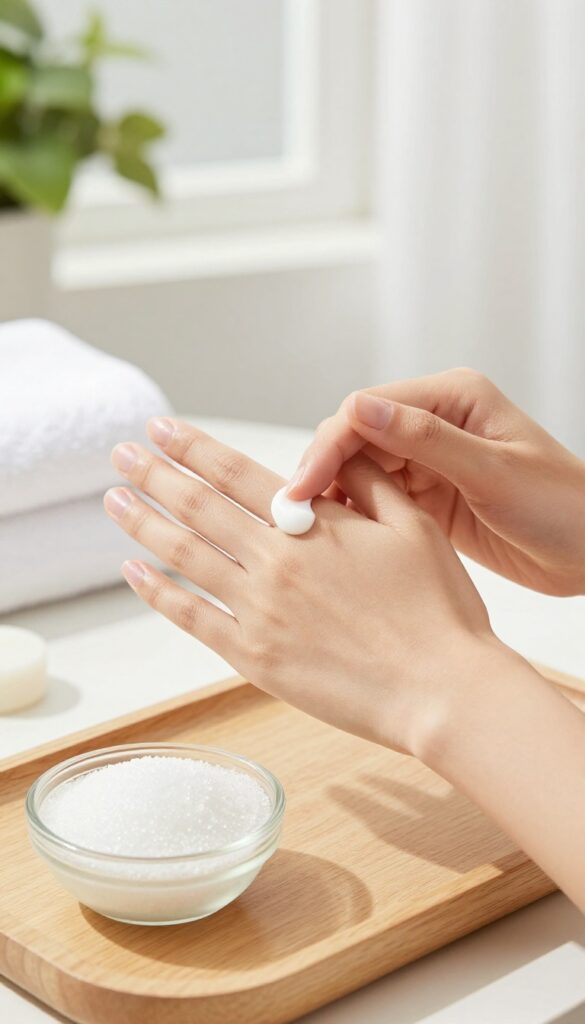
Your feet and hands work hard every day, yet they're often the last thing on your mind when it comes to skincare. The skin on your palms and soles is thicker and more prone to dryness, calluses, and cracks. A little weekly attention can keep them smooth and comfortable.
These areas get rough fast. Use a pumice stone on feet weekly and a hand scrub to keep calluses and dry patches in check.
Weekly Foot File
After a warm bath or shower, when your skin is soft, gently use a pumice stone or foot file on heels and balls of your feet. Focus on rough spots but don't overdo it—you're smoothing, not scrubbing raw. Follow with a thick foot cream and cotton socks overnight for deep hydration.
Hand Scrub Routine
Mix a little sugar or coffee grounds with your hand wash or olive oil for a quick DIY scrub. Massage it into your hands for 30 seconds, paying extra attention to knuckles and cuticles. Rinse and pat dry, then apply a rich hand cream.
Don't Skip Cuticle Care
Dry cuticles can lead to hangnails and irritation. Push them back gently after a shower and apply cuticle oil or a thick balm. A nightly dab of petroleum jelly on your cuticles and nails works wonders.
5. Shave the Right Way
Shaving can be a major source of irritation if you're not careful. Razor burn, bumps, and ingrown hairs are common complaints, but they're easily avoidable with the right technique. The key is to treat your skin with respect before, during, and after the razor touches it.
Start by softening your skin with warm water for a few minutes—showering first is ideal. Use a sharp, clean blade; dull razors tug at hairs and cause irritation. Apply a quality shaving cream or gel that provides a slick barrier, and always shave in the direction of hair growth, not against it.
Rinse the blade after every stroke and avoid going over the same area multiple times. After shaving, pat dry and apply a gentle, alcohol-free moisturizer to soothe the skin.
Prep Your Skin
Never shave dry. Exfoliate lightly the day before to remove dead skin cells that can clog the razor. Then, wet your skin with warm water for at least two minutes to soften the hair and open pores.
This simple prep makes a huge difference in comfort and results.
Choose The Right Tools
Invest in a good razor with a sharp, multi-blade head designed for sensitive skin. Replace blades every 5-7 shaves to maintain sharpness. Pair it with a shaving cream that contains soothing ingredients like aloe or chamomile—avoid foams with harsh alcohols that strip moisture.
Master Your Technique
Shave in short, gentle strokes, always going with the grain. Rinse the blade after each pass to prevent buildup. Don't press hard—let the razor do the work.
For tricky areas like knees or ankles, stretch the skin slightly with your free hand for a smoother glide.
Post-shave Care
After shaving, rinse with cool water to close pores and soothe irritation. Pat dry with a clean towel—don't rub. Apply a fragrance-free moisturizer or a light, non-comedogenic oil to lock in hydration and calm the skin.
Avoid heavy perfumes or alcohol-based products that can sting.
6. Pat Dry, Don't Rub

How you dry off after a shower matters more than you think. Rubbing your skin with a towel creates friction that strips away moisture and can cause micro-irritation, especially on sensitive areas. The better approach is simple: pat your skin dry gently, leaving it slightly damp.
That residual moisture helps your body lotion or oil absorb more effectively, locking hydration into the skin instead of letting it evaporate.
Patting dry is a small change that makes a big difference in how soft and comfortable your skin feels. Here's how to do it right.
Why Rubbing Hurts Your Skin
When you rub vigorously with a towel, you're essentially exfoliating—but in an uneven, harsh way. This can remove natural oils and disrupt your skin barrier, leading to dryness, flaking, and even redness. Over time, it can make skin feel tight and irritated.
The Right Technique
After your shower, grab a soft, clean towel. Gently press it against your skin and lift—no back-and-forth motion. Start with your upper body and work down.
Don't aim for bone-dry; you want a light sheen of moisture left on your skin. This takes just a few extra seconds but pays off in hydration.
When To Apply Products
The best time to apply body lotion or oil is within three minutes of stepping out, while your skin is still damp. Patting dry sets you up perfectly for this window. The dampness helps the product spread evenly and absorb faster, so you get more benefit from every drop.
7. Apply Body Lotion While Skin Is Damp
You've probably been applying lotion to dry skin your whole life. But here's the thing: that's actually less effective. When your skin is still slightly damp, it's more receptive to moisture, and the lotion can lock it in better.
Think of it like sealing in a drink. If you pour water onto a dry sponge, some runs off. But if the sponge is already damp, it soaks up more.
Same goes for your skin. This simple timing tweak can make your moisturizer work harder and keep your skin hydrated longer.
Applying lotion to damp skin is one of the easiest ways to boost hydration without changing your product. The water on your skin helps the lotion spread more evenly and absorb faster. Plus, it creates a barrier that traps moisture, so your skin stays soft and supple throughout the day.
To do it right, pat your skin dry after a shower until it's just slightly damp—not dripping wet. Then apply your lotion immediately. You'll use less product and get better results.
It's a small shift that makes a big difference, especially in dry climates or during winter.
Why Damp Skin Works Better
When your skin is damp, the outer layer is more permeable. That means the lotion's ingredients can penetrate deeper. Also, the water on your skin helps the lotion spread more evenly, so you don't need as much.
It's a win-win: better hydration and less product waste.
How To Get The Timing Right
After your shower, gently pat yourself dry with a towel. You want your skin to feel moist but not wet. Then, within three minutes, apply your body lotion.
This window is key—once your skin starts to dry out completely, the pores close up and the lotion won't absorb as well.
Extra Tips For Best Results
Use a lightweight lotion if you're applying to damp skin, since heavy creams can feel greasy. Focus on rough areas like elbows and knees. And if you're in a humid climate, you might not need as much product.
Listen to your skin—it'll tell you what it needs.
8. Use a Targeted Cream for Dry Zones
Even if your overall skin is balanced, certain spots always seem to crave more moisture. Elbows, knees, and heels have thicker skin and fewer oil glands, so they need a heavier hitter. A rich balm or cream with ingredients like urea or shea butter can make a real difference.
Don't use your regular body lotion on these stubborn patches—it's like using a light mist when you need a downpour. Instead, keep a dedicated thick cream or balm on hand. Apply it right after bathing while skin is still slightly damp to lock in extra hydration.
A little goes a long way, so focus on a pea-sized amount per area and massage it in well.
Ingredients That Deliver
Look for urea (a gentle exfoliator and humectant), shea butter (deeply nourishing), or lanolin (intensely occlusive). These ingredients soften rough patches and create a protective barrier that lasts.
When And How To Apply
Consistency matters. Make it a habit to apply your targeted cream twice a day—morning and night—especially after showering. For heels, apply a thick layer before bed and wear cotton socks to boost absorption overnight.
Don't Forget The Hands And Feet
Your hands and feet also have dry-prone zones. Use the same thick cream on knuckles, cuticles, and the balls of your feet. Keep a travel-sized tube in your bag for on-the-go touch-ups.
9. Incorporate a Body Oil for Extra Glow

A body oil is the secret to that lit-from-within glow that lotion alone can't quite deliver. It locks in hydration and leaves a subtle, healthy sheen on your skin. The best part?
You don't have to overhaul your routine—just add a few drops at the right moment.
Body oil works by sealing moisture into your skin, preventing water loss and keeping your barrier strong. Apply it right after your moisturizer while your skin is still slightly damp, or mix a few drops directly into your lotion for an all-in-one step. This boosts hydration and gives you that luminous finish without feeling greasy.
When To Apply Body Oil
Timing is everything. The best moment is right after your moisturizer, when your skin is still a little damp. This locks in the moisture from your lotion and creates a protective seal.
If you're in a rush, mix a few drops of oil into your body lotion before applying—it's a shortcut that still delivers results.
Best Oils For A Natural Glow
Look for lightweight, non-comedogenic oils like jojoba, squalane, or grapeseed—they absorb quickly without clogging pores. For extra nourishment, try argan or rosehip oil. Avoid mineral oil or heavy fragrances if you're prone to breakouts or sensitivity.
A little goes a long way, so start with 3–5 drops per limb.
Pro Tip: Layer It Right
For maximum glow, apply body oil to damp skin, then follow with a rich body butter on extra-dry areas like elbows and knees. This layering technique locks in moisture and gives you a dewy finish that lasts all day. Don't forget to let it sink in for a minute before getting dressed.
10. Don't Skip Sunscreen on Your Body
You probably already slather SPF on your face every morning, but what about your arms, legs, and chest? Those areas see just as much sun, and they show signs of aging just as quickly. Sun damage is the number one cause of premature wrinkles, dark spots, and uneven texture on the body.
The fix is simple: make body sunscreen a daily habit, not just something you grab at the beach.
A broad-spectrum SPF 30 or higher is the gold standard. It protects against both UVA (aging) and UVB (burning) rays. Apply it generously to all exposed skin—don't forget the back of your hands, your neck, and your feet.
If you're wearing short sleeves or shorts, those areas need protection too. Reapply every two hours if you're outside, or after sweating or swimming. For everyday wear, a lightweight lotion or spray works well.
In winter, UV rays still penetrate clouds and reflect off snow, so don't skip it then either.
Why Your Body Needs Daily Spf
Your face gets the spotlight, but your body accumulates sun exposure over a lifetime. That cumulative damage leads to crepey skin, sunspots, and loss of elasticity. Daily SPF prevents these issues before they start.
Think of it as the most effective anti-aging step you can take for your whole body.
Best Types Of Body Sunscreen
Look for a broad-spectrum SPF 30+ that feels comfortable on your skin. Lotions are great for dry skin, while sprays are convenient for quick application. Mineral sunscreens with zinc oxide or titanium dioxide are ideal for sensitive skin.
Avoid products with oxybenzone or octinoxate if you're concerned about reef safety.
How To Make It A Habit
Keep a bottle of sunscreen next to your moisturizer or in your bathroom. Apply it right after your morning skincare routine, before you get dressed. Set a reminder on your phone if you need to.
Once it becomes automatic, you won't even think about it—and your skin will thank you.
11. Wear Breathable Fabrics
What you put on your body can either help or hurt your skin. Tight, synthetic clothes trap sweat and dirt against your skin, leading to irritation and breakouts. Choosing the right fabrics is a simple but powerful step in your body care routine.
Your skin needs to breathe, just like the rest of you. When you wear non-breathable materials, moisture gets trapped, creating a breeding ground for bacteria and fungi. This can cause folliculitis, acne, and general itchiness.
By opting for natural or moisture-wicking fabrics, you allow air to circulate and sweat to evaporate, keeping your skin dry and comfortable.
Why Cotton Works Wonders
Cotton is soft, absorbent, and gentle on sensitive skin. It lets air flow freely, reducing the risk of heat rash and irritation. For everyday wear, especially in warm weather, cotton is your skin's best friend.
Moisture-wicking For Workouts
When you exercise, synthetic moisture-wicking fabrics are actually better than cotton. They pull sweat away from your skin, preventing chafing and breakouts. Look for materials like polyester blends designed for activewear.
What To Avoid
Stay away from tight, non-breathable synthetics like nylon and spandex for long periods. If you wear them for workouts, change out of them as soon as possible. Also, avoid rough fabrics like wool directly on sensitive areas.
12. Stay Hydrated from the Inside Out

Your skin is your largest organ, and it needs water to function well. When you're dehydrated, your skin can look dull, feel tight, and lose elasticity. Drinking enough water helps maintain that plump, bouncy texture you're after.
But hydration isn't just about gulping down glasses of water. What you eat also plays a big role. Water-rich foods like cucumber, watermelon, and oranges can give your skin an extra boost of moisture from the inside.
Think of hydration as the foundation for every other step in your body care routine. Without enough water, even the best lotions and serums can't fully compensate. Aim for at least 8 glasses of water a day, and more if you're active or live in a dry climate.
You'll notice the difference in your skin's softness and glow within a few days.
How Much Water Do You Really Need?
The classic 8×8 rule—eight 8-ounce glasses a day—is a good starting point, but your needs may vary. Listen to your body: if your urine is pale yellow, you're likely well-hydrated. Dark yellow means you need more fluids.
Spread your water intake throughout the day rather than chugging it all at once.
Hydrating Foods To Add To Your Diet
Cucumbers, celery, watermelon, strawberries, and spinach are over 90% water. Snack on them between meals or add them to salads and smoothies. These foods also provide vitamins and antioxidants that support skin health.
For example, watermelon is rich in lycopene, which helps protect skin from sun damage.
Tips To Make Drinking Water Easier
Keep a reusable water bottle on your desk or in your bag as a visual reminder. Add slices of lemon, lime, or cucumber for a hint of flavor. Set a timer on your phone to take a few sips every hour.
Herbal teas and infused waters count toward your daily intake too.
13. Add a Weekly Body Mask
Think of a body mask as a deep-conditioning treatment for your skin, similar to what you do for your face. Once a week, after exfoliating, apply a clay mask to absorb excess oil or a hydrating mask to replenish moisture. This extra step targets stubborn concerns like rough patches on elbows or dry legs, giving your skin a concentrated boost that your daily routine might miss.
A weekly body mask is a simple way to address specific skin issues that your regular moisturizer can't fix alone. Clay masks draw out impurities and tighten pores, making them ideal for oily areas like the back or chest. Hydrating masks, often with ingredients like shea butter or hyaluronic acid, deliver intense moisture to dry zones such as knees and feet.
Apply your chosen mask after exfoliating, leave it on for 10-15 minutes, then rinse off with warm water. Follow up with your usual body lotion to seal in the benefits. This once-a-week ritual can transform the texture and appearance of your skin, making it feel smoother and look healthier.
Choosing The Right Mask
Pick a mask based on your skin's needs. For oily or acne-prone skin, go with a clay mask containing kaolin or bentonite to absorb excess sebum. If your skin is dry or flaky, opt for a hydrating mask with ingredients like glycerin, aloe vera, or oatmeal.
Sensitive skin? Look for soothing masks with chamomile or calendula. Avoid masks with harsh fragrances or alcohol, which can irritate.
How To Apply For Best Results
Start with clean, exfoliated skin—this ensures the mask penetrates effectively. Use a brush or your hands to spread an even layer over the area, avoiding any cuts or irritated spots. Relax for 10-15 minutes while it works; don't let it dry completely if it's a clay mask, as over-drying can strip natural oils.
Rinse with lukewarm water and pat dry gently. Follow immediately with a moisturizer to lock in hydration.
Frequency And Timing
Once a week is plenty—over-masking can disrupt your skin's barrier. Schedule it after your weekly exfoliation session for maximum absorption. Evening is ideal, so your skin can recover overnight.
If you have combination skin, you can use a clay mask on oily areas and a hydrating mask on dry spots in the same session.
14. Use a Silk or Satin Pillowcase

Your pillowcase might be sabotaging your skin while you sleep. Cotton fibers are absorbent and create friction, which can wick away moisture and lead to creases. Switching to silk or satin is a simple swap that pays off in smoother, more hydrated skin.
Less Friction, Fewer Creases
Cotton pillowcases cause tugging and pulling on your skin as you move during the night. Silk and satin have a smooth surface that lets your skin glide, reducing the formation of sleep lines and helping prevent long-term wrinkles.
Moisture Retention
Unlike cotton, silk and satin don't absorb your skincare products or natural oils. This means your night cream or serum stays on your skin longer, keeping it hydrated and soft by morning.
Choose Quality Materials
Look for 100% mulberry silk or high-quality satin (often polyester). Silk is naturally temperature-regulating and hypoallergenic, while satin is a more budget-friendly option that still offers a smooth, gentle surface.
15. Practice Dry Brushing Before Showers
Dry brushing is one of those body care steps that feels a little strange at first but delivers noticeable results. The premise is simple: you use a firm-bristled brush on dry skin before hopping in the shower. The benefits go beyond just exfoliation—it wakes up your circulation and helps your skin look smoother and more radiant.
Once you get into the rhythm, it becomes a satisfying part of your routine.
Dry brushing works by physically sloughing off dead skin cells and stimulating blood flow to the surface. This can help reduce the appearance of bumps and rough patches, especially on areas like the backs of arms or thighs. The key is to use gentle, upward strokes toward your heart, starting at your feet and working your way up.
Avoid sensitive spots and never brush over broken or irritated skin. Do it two to three times a week before your shower, and follow up with a moisturizer to lock in the fresh, smooth feel.
Choose The Right Brush
Not all dry brushes are created equal. Look for one with natural bristles—synthetic ones can be too harsh. A long handle helps you reach your back, while a smaller brush works well for arms and legs.
Test the bristles on your inner arm; they should feel firm but not scratchy. Replace your brush every 6 to 12 months to keep it hygienic.
Master The Technique
Always brush on dry skin before you get in the shower. Start at your feet and use long, sweeping motions upward toward your heart. Use circular motions on your belly and joints like knees and elbows.
Keep the pressure light—you want stimulation, not redness. Finish with a warm shower to rinse off loosened skin cells.
Don't Overdo It
Dry brushing is exfoliating, so too much can irritate your skin. Stick to two or three times per week. If your skin feels sensitive or looks red after brushing, dial back the frequency or pressure.
Always moisturize after your shower to soothe and hydrate freshly exfoliated skin.
16. Give Yourself a Mini Massage
You probably already slather on lotion after a shower, but how you apply it matters just as much as the product itself. Adding a short massage to your routine boosts circulation, helps ingredients sink in deeper, and even eases muscle tension. It turns a mundane step into a moment of self-care that leaves your skin looking more radiant.
Start With Your Legs
Sit down and pump a generous amount of lotion into your palms. Use both hands to grip your lower leg, then move upward in firm, circular strokes. Focus on the calves and thighs, where circulation tends to lag.
Spend about 30 seconds per leg.
Work Up Your Arms
Stand or sit comfortably and apply lotion to one arm. Starting at the wrist, use your opposite hand to knead the skin in small circles as you move toward the shoulder. Pay extra attention to dry elbows.
Repeat on the other arm.
Finish With Your Core And Back
Use flat palms to make wide, clockwise circles over your stomach and lower back. This helps stimulate digestion and relieves tension. Don't rush—take 20 seconds to cover the area evenly.
17. Stick to a Consistent Routine

The most brilliant body care routine in the world won't do a thing if you only remember it once a month. Consistency is what turns good habits into real, lasting results. Your skin responds to regular care, not occasional heroics.
Building a routine that's easy to stick with is more important than finding the perfect product. When you make body care a non-negotiable part of your day, your skin will thank you with a healthy, even glow.
Think of your body care routine like brushing your teeth—you do it every day without thinking. The same mindset works for your skin. Start small: pick one or two steps you can do daily, like moisturizing right after a shower.
Once that feels automatic, add another step, like weekly exfoliation. The goal is to create a habit that fits your life, not a chore that feels overwhelming. Track your progress to stay motivated.
Notice how your skin feels softer, looks smoother, or feels less dry after a week of consistent care. That positive feedback loop will keep you going. And don't beat yourself up if you miss a day—just get back on track tomorrow.
Consistency over perfection is the real win.
Start Small And Build Up
Don't try to overhaul your entire body care routine overnight. Pick one step—like applying lotion after every shower—and do it for two weeks straight. Once it becomes a habit, add another step, like dry brushing twice a week.
This gradual approach prevents burnout and makes consistency feel natural.
Make It Convenient
If your lotion is in the bedroom and you shower in the bathroom, you're less likely to use it. Keep your body care products where you'll actually use them: a bottle of body oil in the shower, a tub of cream on your nightstand, or a travel-size lotion in your gym bag. Remove any friction that might derail your routine.
Track Your Progress
Note how your skin looks and feels after a week of consistent care. Maybe your elbows are less rough, or your legs feel smoother. Seeing real results is the best motivation to keep going.
You can even take a photo on day one and compare it after a month—the change might surprise you.
Forgive Slip-ups And Move On
Life happens. You might skip a day or a week. That's okay.
The key is to not let one missed day turn into a permanent break. Just pick up where you left off. Consistency isn't about being perfect; it's about showing up most of the time.
FAQ
How often should I exfoliate my body?
Twice a week is ideal for most skin types. If you have sensitive skin, once a week may be enough. Over-exfoliating can cause irritation and dryness.
Can I use the same moisturizer for my face and body?
It's best to use separate products. Body lotions are often thicker and may clog facial pores. Face moisturizers are lighter and formulated for delicate skin.
Do I need to apply sunscreen on my body every day?
Yes, even on cloudy days or when indoors near windows. UV rays penetrate glass and cause cumulative damage. Make it a daily habit.
What's the best way to treat keratosis pilaris on arms?
Use a gentle chemical exfoliant with lactic acid or salicylic acid. Follow with a rich moisturizer containing urea. Consistency is key to smoothing bumps.
How long does it take to see results from a body care routine?
You may notice softer skin within a week. For improvements in texture or tone, give it 4 to 6 weeks of consistent care. Patience pays off.
Conclusion
You don't need to overhaul your entire life to get that healthy, soft skin you're after. Start with just two or three steps from this list—maybe a gentle exfoliator and a rich body butter—and see how they fit your daily rhythm. Consistency matters more than perfection.
Once those small habits feel natural, add another. Your skin will respond to the steady care, not the occasional grand gesture. Smooth, glowing skin is simply the result of showing up for yourself, little by little.