You know that amazing feeling when you step out of the shower, all clean and fresh? But then, a few hours later, that freshness fades.
It's not just about how much soap you use—it's about the little things you do before, during, and after your routine. From the order you apply products to the way you dry off, small tweaks can make a huge difference.
Whether you're dealing with sweat, odor, or just want to feel extra clean, these 20 body care secrets will help you stay fresh from morning to night. Let's dive in and upgrade your daily routine with simple, effective habits that actually work.
1. Shower Smart, Not Just Often
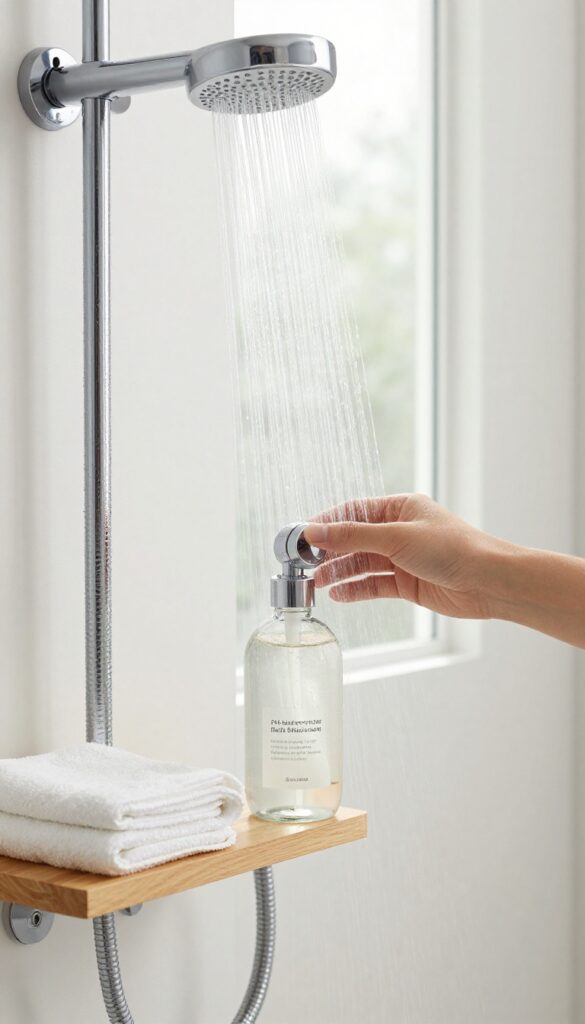
How you shower matters just as much as how often you do it. Hot water might feel relaxing, but it strips away your skin's natural moisture barrier, leaving you dry and prone to odor. The fix?
Turn the temperature down a notch and be mindful of what you use.
Start with lukewarm water—it's gentle on your skin and helps maintain that healthy balance. Reach for a pH-balanced cleanser that cleans without over-drying. Focus your scrubbing on areas that sweat the most: underarms, groin, and feet.
These spots harbor bacteria that cause odor, so give them a little extra attention.
Why Lukewarm Beats Hot
Hot water feels great, but it's a sneaky culprit behind dry, irritated skin. When your skin loses its natural oils, it compensates by producing more oil, which can mix with sweat and lead to that not-so-fresh feeling. Lukewarm water cleans effectively without triggering that cycle.
Pick A Gentle Cleanser
Not all soaps are created equal. Harsh soaps with high pH can disrupt your skin's acid mantle, making it easier for bacteria to thrive. Look for body washes labeled 'pH-balanced' or 'gentle'—they clean without stripping.
Avoid antibacterial soaps unless prescribed; they can kill good bacteria too.
Target Sweat Zones
Your underarms, groin, and feet are prime real estate for odor-causing bacteria. Give them a thorough but gentle scrub with your hands or a soft washcloth. Don't overdo it—scrubbing too hard can irritate the skin.
A few extra seconds on these areas makes a big difference.
2. Exfoliate to Unclog Pores
Dead skin cells are sneaky—they pile up on your skin and mix with sweat and bacteria, turning your fresh shower into a distant memory. That buildup can also make your pores look larger and trap odor, so regular exfoliation is a game-changer. By buffing away that dull layer, you're giving your skin a clean slate and helping your other products work harder.
Why Exfoliating Fights Odor
When dead skin cells accumulate, they create a breeding ground for odor-causing bacteria. Sweat itself is odorless, but bacteria feast on it and produce that familiar smell. Exfoliating 2–3 times a week removes those cells, so bacteria have less surface to cling to.
You'll notice your deodorant and body wash work more effectively because they can actually reach your skin.
Choose The Right Scrub
Not all scrubs are created equal. Look for gentle physical exfoliants like sugar or jojoba beads, which dissolve or roll off easily. Avoid harsh walnut shells or plastic microbeads that can cause micro-tears.
If you prefer chemical exfoliation, try a body wash with salicylic or glycolic acid—they dissolve the glue holding dead cells together without any scrubbing. Start with once a week to see how your skin reacts.
Best Times And Techniques
Exfoliate in the shower on warm, not hot, water to soften the skin. Use light, circular motions, focusing on rough areas like elbows, knees, and heels. Spend no more than 30 seconds per area to avoid over-scrubbing.
Always rinse thoroughly and follow with a moisturizer—exfoliating opens up your skin's ability to absorb hydration, locking in that fresh feel.
3. Master the Art of Drying Off
Think your shower ends when you turn off the water? Not quite. How you dry off can either lock in freshness or invite odor-causing bacteria to party on your skin.
Most people grab a towel and rub vigorously, but that does more harm than good. Rubbing can irritate your skin and leave it slightly damp, especially in hidden spots. Let's fix that with a few simple tweaks.
The way you dry off after a shower is a critical step in your body care routine. Rubbing your skin with a towel creates friction that can cause micro-tears and irritation, making your skin more vulnerable to bacteria. Plus, it often leaves moisture behind in creases and folds, which is exactly where odor thrives.
Instead, pat your skin dry gently with a clean towel, and make sure you're completely dry, especially between toes, under arms, and in skin folds. This simple switch can make a huge difference in how long you stay fresh.
Pat, Don't Rub
When you step out of the shower, resist the urge to rub your skin dry. Rubbing creates friction that can irritate your skin and disturb its natural moisture barrier. Instead, gently pat your skin with a soft, clean towel.
This removes excess water without stripping away your skin's natural oils or causing micro-tears. Patting also helps your skin retain some moisture, which is great for keeping it soft and healthy.
Don't Forget The Hidden Areas
Moisture loves to hide in the places you can't see. Between your toes, under your arms, behind your knees, and in your groin area are prime spots for bacteria to multiply if left damp. Take an extra few seconds to dry these areas thoroughly.
You can even use a separate small towel or a blow dryer on a cool setting to ensure they're completely dry. This step is crucial for preventing odor and fungal infections.
Use A Clean Towel Every Time
Your towel is a breeding ground for bacteria if you use it more than once or twice. Damp towels hang around and grow mildew, which you then wipe all over your clean skin. Make sure you grab a fresh, dry towel after every shower.
If you're prone to body odor, consider using an antibacterial towel or washing your towels in hot water with a bit of vinegar to kill any lingering germs.
4. Choose the Right Deodorant or Antiperspirant
Not all underarm products are created equal. Deodorants mask odor with fragrance, while antiperspirants actually block sweat glands to reduce wetness. Knowing the difference helps you pick what works for your body and lifestyle.
If you're someone who sweats a lot, an antiperspirant is your best bet. If you just want to smell nice without worrying about sweat stains, a deodorant might be enough. Many people use both—antiperspirant at night and deodorant during the day for extra freshness.
Choosing the right product isn't just about scent—it's about how it works with your body chemistry. Here's how to make the smartest choice and get the most out of it.
Deodorant Vs. Antiperspirant: What's The Difference?
Deodorant kills odor-causing bacteria and adds fragrance, but it doesn't stop sweating. Antiperspirant contains aluminum-based compounds that temporarily plug sweat ducts, reducing the amount of sweat that reaches your skin. If you're prone to pit stains or excessive sweating, antiperspirant is the way to go.
For light sweaters, deodorant may be all you need.
Match It To Your Lifestyle
Think about your daily activities. If you're active, work in a hot environment, or get stressed easily, opt for a clinical-strength antiperspirant. If you have sensitive skin, look for fragrance-free or hypoallergenic options.
Some people prefer natural deodorants without aluminum—just know they may need reapplication during the day.
Apply At Night For Maximum Effect
Here's a game-changer: apply antiperspirant before bed, not in the morning. Your sweat glands are less active at night, so the product can form a better plug. In the morning, you'll already be protected.
If you also use deodorant, apply it after your morning shower for an extra layer of freshness.
5. Don't Forget Your Feet
Your feet work hard all day, and they're often the first place freshness goes to die. Between shoes, socks, and daily activity, they can get sweaty and smelly fast. But a little extra attention goes a long way in keeping them feeling and smelling great.
Start by washing your feet thoroughly with soap and water, making sure to get between the toes. Dry them completely, especially between the toes, because moisture is what bacteria love. Then, apply a foot powder or spray to keep them dry and fresh.
Choose moisture-wicking socks made of materials like cotton or merino wool, and change them daily. Rotate your shoes so they have time to air out between wears, and consider using a shoe deodorizer or sprinkling baking soda inside overnight. These simple habits can make a huge difference.
Wash And Dry Well
Give your feet a good scrub with soap and water every day. Use a washcloth or brush to get between toes. After washing, dry them thoroughly—moisture is the enemy.
Pay special attention to the spaces between toes, as dampness there can lead to odor and fungus.
Choose The Right Socks
Not all socks are equal. Look for moisture-wicking fabrics like cotton, bamboo, or merino wool. These pull sweat away from your skin, keeping your feet drier.
Avoid thick synthetic socks that trap moisture. Change your socks daily, and if your feet sweat a lot, consider changing them mid-day.
Let Your Shoes Breathe
Rotate your shoes so you don't wear the same pair two days in a row. This gives them time to dry out completely. Use a shoe deodorizer or sprinkle baking soda inside overnight to absorb odors.
Also, try to go barefoot or wear open-toed shoes when you can to let your feet air out.
6. Moisturize While Skin Is Damp
The trick to long-lasting freshness isn't just about cleansing—it's about trapping that just-showered feeling. When you moisturize right after stepping out, you lock in hydration and keep your skin's barrier strong. That barrier is your first line of defense against odor and irritation, so it's worth the extra minute.
Applying lotion or oil to damp skin helps seal in moisture, keeping your skin soft and healthy. This simple habit can also reduce the need for reapplication throughout the day, so you stay comfortable and fresh longer.
Why Damp Skin Works Better
When your skin is still damp, it absorbs products more effectively. The water acts as a carrier, pulling the moisturizer deeper into the skin. This means you get more benefit from less product, and your skin stays hydrated for hours.
How To Apply For Best Results
Within three minutes of stepping out of the shower, gently pat your skin dry with a towel—don't rub. Then, while your skin is still slightly damp, apply your body lotion or oil in smooth, upward strokes. Focus on areas that tend to get dry, like elbows, knees, and shins.
Choosing The Right Formula
For everyday freshness, a lightweight lotion works well in warm weather, while a richer cream or body butter is better for colder months. If you prefer oils, look for non-comedogenic options like jojoba or almond oil that won't clog pores. Scented products can add a subtle fragrance, but unscented is best if you're prone to irritation.
7. Use a Body Oil for Extra Hydration
If your skin drinks up lotion and still feels tight, a body oil can be the game-changer you're missing. Oils work by sealing in the moisture your lotion provides, creating a barrier that keeps water from escaping. This extra layer not only softens skin but also helps your fresh scent linger longer.
Applying body oil might sound greasy, but the right technique makes all the difference. The secret is to use it on damp skin, right after you towel off. This way, the oil locks in the water your skin has absorbed, giving you a smooth, non-sticky finish that lasts all day.
Why Oil Beats Lotion Alone
Lotions are mostly water, which evaporates quickly. Oils, on the other hand, are occlusive—they form a physical barrier that slows down moisture loss. When you layer oil over lotion, you get the best of both worlds: deep hydration from the lotion and long-lasting protection from the oil.
How To Apply For Best Results
Warm a few drops of oil in your palms, then press it onto your skin instead of rubbing. Focus on dry areas like elbows, knees, and heels. For an even application, mix a drop or two into your body lotion before smoothing it on.
This keeps the oil from feeling heavy.
Picking The Right Oil For Your Skin
Not all oils are created equal. Lightweight options like jojoba or squalane absorb quickly and work well for normal skin. For very dry skin, richer oils like almond or avocado provide deeper nourishment.
If you're prone to breakouts, avoid coconut oil and stick to non-comedogenic formulas.
8. Pay Attention to Your Diet
Your skin is a mirror of what you eat, and so is your scent. That garlicky pasta from last night? It can linger in your pores for hours.
But the flip side is also true: the right foods can help you smell naturally fresh. Think of your diet as your body's internal freshening system. When you fuel up on water-rich fruits and veggies, you're not just hydrating—you're supporting your body's natural detox.
So before you reach for another spritz of perfume, consider what's on your plate.
What you eat shows up on your skin and in your scent. Spicy foods, garlic, and onions can seep through your pores, making you smell less than fresh. On the other hand, a diet rich in fruits and vegetables can help you smell naturally cleaner from the inside out.
Your body's chemistry is directly influenced by your meals, so making smart choices can be your secret weapon for lasting freshness.
Foods That Fight Odor
Certain foods work like natural deodorizers. Citrus fruits, apples, and celery are known to help neutralize body odor. Herbs like parsley and mint also act as natural breath fresheners and can have a subtle effect on your skin's scent.
Adding these to your daily meals is an easy, tasty way to boost your freshness.
Stay Hydrated, Stay Fresh
Water is your best friend when it comes to smelling clean. It helps flush out toxins that can cause odor, and it keeps your skin hydrated, which means less bacteria buildup. Aim for at least eight glasses a day, and you'll likely notice a difference in how you feel and smell.
Limit The Culprits
You don't have to give up your favorite spicy dishes entirely, but be mindful. Garlic, onions, and strong spices can make their way into your sweat. If you have a big event or a long day ahead, maybe save the curry for another time.
Moderation is key, and balancing these with fresh foods can help keep your scent in check.
9. Stay Hydrated for Internal Freshness

Water is the unsung hero of your body care routine. While you might focus on soaps and sprays, hydration works from the inside out. When you're well-hydrated, your skin stays supple and your body can flush out odor-causing toxins more efficiently.
Think of water as your internal deodorant. It dilutes the concentration of waste products in your sweat, making it less pungent. Plus, hydrated skin holds onto moisturizer better, so your body care products work more effectively throughout the day.
How Much Water Is Enough?
Aim for at least 8 glasses a day, but adjust based on your activity level and climate. If you exercise or live in a hot area, you'll need more. A simple trick: check your urine color—pale yellow means you're on track.
Hydrating Foods Count Too
Cucumbers, watermelon, and oranges are packed with water and add variety to your hydration plan. Snacking on these helps you stay fresh without chugging glass after glass.
Signs You're Dehydrated
Dry mouth, dark urine, and fatigue are common clues. When you're dehydrated, your body produces stronger-smelling sweat. So, if you notice a change in your scent, reach for water before reapplying deodorant.
10. Wear Breathable Fabrics
Your clothes can make or break your freshness game. Even the best body care routine won't hold up if you're wrapped in synthetic fabrics that trap heat and moisture. Breathable materials let your skin breathe and help sweat evaporate quickly, so bacteria don't get a chance to multiply and cause odor.
It's a simple switch that pays off all day long.
Choosing the right fabrics is a game-changer for staying fresh. Natural fibers like cotton, linen, and bamboo are your best friends—they allow air to circulate and wick moisture away from your skin. Synthetic materials like polyester and nylon tend to trap sweat and bacteria, which can lead to that not-so-fresh feeling even shortly after you shower.
Make it a habit to check clothing labels and opt for breathable options, especially for underwear, socks, and activewear. Your skin will thank you, and you'll feel cleaner and more comfortable throughout the day.
Why Synthetic Fabrics Cause Odor
Synthetic fabrics are often tightly woven and don't allow much airflow. This creates a warm, damp environment where bacteria thrive. As bacteria break down sweat, they produce that unpleasant odor.
By switching to breathable fabrics, you reduce the bacteria's playground and keep odor at bay.
Best Fabrics For Staying Fresh
Cotton is a classic—it's soft, absorbent, and lets air in. Linen is another great option, especially for hot days, because it's lightweight and breathable. Bamboo is a newer favorite; it's naturally moisture-wicking and has antibacterial properties.
Look for these in your everyday clothing, from t-shirts to socks and underwear.
Tips For Choosing Breathable Activewear
When you exercise, you sweat more, so choosing the right activewear is crucial. Look for moisture-wicking fabrics like those made from bamboo or specially treated synthetics that are designed to pull sweat away from your skin. Avoid 100% polyester if you can, and always wash your workout clothes promptly to prevent bacteria buildup.
11. Change Your Clothes Daily (and Sometimes Twice)
Even if you don't sweat much, your clothes collect dead skin cells, oils, and bacteria throughout the day. That's why changing your underwear, socks, and shirts daily is non-negotiable for staying fresh. And if you exercise or sweat heavily, a second change can make all the difference.
Your clothes are like a second skin, and they absorb everything your body releases. Wearing the same shirt twice might seem harmless, but it can lead to lingering odors and even skin irritation. Make it a habit to start each day with fresh garments, especially those closest to your skin.
The Daily Basics
Underwear, socks, and shirts should be changed every single day, no exceptions. These items are in direct contact with your skin and trap sweat and bacteria. Even if you're just lounging at home, fresh basics keep you feeling clean and prevent odor buildup.
Post-workout Refresh
If you exercise, don't wait until the end of the day to change. Sweat-soaked clothes become a breeding ground for bacteria, which causes odor. Keep a spare set of clothes in your gym bag or car, and change as soon as you can after your workout.
Listen To Your Body
Some days you might feel fresher than others, but that doesn't mean you can skip the change. Hormones, stress, and even diet can affect how you smell. If you notice any hint of odor, change immediately—it's better to be safe than sorry.
12. Wash Your Workout Gear Properly
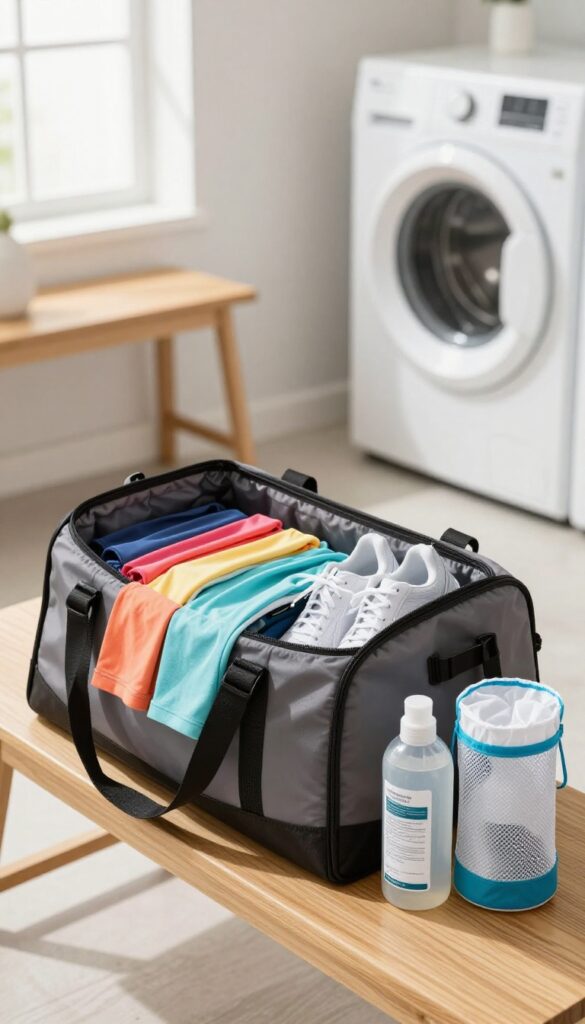
Your gym bag might be the sneakiest culprit behind lingering body odor. Even if you shower right after a workout, throwing damp, sweaty clothes into the hamper can let bacteria multiply and cling to the fabric. That smell doesn't just stay in your gym clothes—it can transfer to your skin and ruin your fresh feeling later.
The fix isn't complicated, but it does require a little consistency. By giving your workout gear the right care, you'll keep it smelling clean and help your body care routine actually stick.
Treat your workout clothes like the high-maintenance friends they are: they need special attention to stay fresh. Regular detergent might not cut it against the stubborn bacteria that cause odors in synthetic fabrics. A sports detergent is designed to break down the oils, sweat, and microbes that regular soap leaves behind.
Plus, washing after every single use—no exceptions—stops bacteria from settling in and creating that permanent gym smell. Don't forget the drying step. High heat can bake odors into the fabric, so air-drying or using a low-heat setting is a smarter move.
And if you can't wash right away, at least hang your gear to dry instead of leaving it crumpled in a bag. This simple habit keeps your clothes—and your body—smelling fresher for longer.
Why Sports Detergent Matters
Regular detergents often leave a residue on synthetic fabrics, which traps odor-causing bacteria. Sports detergents are formulated to rinse clean and neutralize those microbes, so your clothes come out truly fresh. Look for enzyme-based options that target sweat and oil.
Wash After Every Use
It's tempting to rewear a shirt that seems fine, but bacteria are invisible. Once you wear it, it's dirty. Make a habit of tossing your workout gear straight into the laundry after your session.
Even a quick rinse in the sink with a sports wash can help if you're traveling.
Drying Tips For Freshness
High heat can set in odors and damage elastic. Air-drying is gentler and helps prevent mildew. If you use a dryer, choose a low or no-heat setting.
Also, make sure clothes are completely dry before storing—damp fabric is a breeding ground for bacteria.
13. Use a Loofah or Washcloth (and Replace It Often)
That loofah hanging in your shower might be doing more harm than good. Over time, it becomes a breeding ground for bacteria, mold, and dead skin cells. If you're not careful, you could be spreading germs right back onto your freshly cleaned skin.
Using a loofah or washcloth is great for exfoliation and getting a deeper clean, but only if you keep it fresh. The key is to let it dry completely between uses and swap it out regularly. A little effort goes a long way in keeping your skin—and your shower—truly fresh.
Why Loofahs Turn Into Bacteria Havens
Loofahs are porous, which means they trap moisture, dead skin, and soap residue. That damp environment is perfect for bacteria and mold to grow. Every time you use it, you're potentially transferring those germs back to your skin, which can lead to irritation or even breakouts.
Washcloths are a bit better because they're easier to clean, but they still need regular washing. If you don't let them dry out, they'll have the same problem.
How Often Should You Replace Them?
The general rule is to replace your loofah every three to four weeks. If you notice it starting to smell or look discolored, that's a sign it's time to toss it. Washcloths can last a bit longer, but you should wash them after every few uses—ideally, throw them in the laundry with your towels.
To make it easier, mark your calendar or set a reminder on your phone. When the month rolls around, it's time for a fresh one.
Best Practices For Keeping Them Fresh
After each use, rinse your loofah or washcloth thoroughly and squeeze out excess water. Hang it in a well-ventilated area, away from the shower stream, so it can air dry completely. If you have a washcloth, consider having a few on rotation so they have time to dry between uses.
You can also give your loofah a deep clean once a week by soaking it in a diluted bleach solution or running it through the washing machine (if it's machine-safe). Just make sure it's completely dry before you use it again.
14. Try a Charcoal or Clay Body Wash
Sometimes your regular body wash just doesn't cut it, especially if you're dealing with oily skin, clogged pores, or that stubborn musty smell. That's where charcoal or clay body washes come in. These ingredients are like magnets for dirt and oil, pulling out the gunk that regular soap leaves behind.
Swapping your everyday cleanser for a charcoal or clay option once or twice a week can give your skin a deeper reset. You'll notice a difference in how clean and refreshed you feel—plus, it helps prevent body breakouts and keeps odor at bay for longer.
Why Charcoal And Clay Work
Activated charcoal is highly porous, so it acts like a sponge to absorb excess oil, sweat, and impurities from your skin's surface. Clay, like kaolin or bentonite, does something similar by drawing out toxins and tightening pores. Together, they leave your skin feeling squeaky clean without stripping away all your natural moisture.
How To Use Them Right
Don't use a charcoal or clay body wash every day—it can be too drying for some skin types. Aim for two to three times a week, and always follow up with a good moisturizer. Massage it onto damp skin, let it sit for a minute or two to let the ingredients work, then rinse thoroughly with warm water.
Who Should Try It
If you have oily skin, frequent body breakouts, or live in a humid climate, this is a game-changer. It's also great for athletes or anyone who deals with heavy sweating. Just be mindful if you have sensitive or dry skin—start with once a week and see how your skin reacts.
15. Don't Skip Sunscreen on Your Body
Most people remember sunscreen for their face, but what about the rest of your body? Your shoulders, arms, and legs see just as much sun, and skipping SPF there can lead to premature aging and a weakened skin barrier. That barrier is what keeps moisture in and irritants out, so protecting it is key to staying fresh and healthy.
Daily sunscreen on your body isn't just for beach days. It helps prevent sunburn, which causes peeling and dryness that can make you feel anything but fresh. Plus, sun damage breaks down collagen, making skin less firm and more prone to fine lines.
A lightweight, non-greasy formula won't interfere with your routine and will keep your skin feeling smooth and protected.
Pick A Formula You'll Actually Use
The best sunscreen is the one you don't mind applying. Look for a body sunscreen labeled 'non-comedogenic' and 'fast-absorbing. ' Sprays are great for quick coverage, but lotions give you more control. If you hate the sticky feel, try a gel-based or dry-touch option.
Don't Forget The Easy-to-miss Spots
Your ears, the back of your neck, and the tops of your feet are common misses. These areas burn easily and can age just as fast. Use a small dab of sunscreen on these spots after you've covered the larger areas.
It takes seconds and makes a big difference.
Reapply Throughout The Day
Sunscreen wears off with sweat and time, even if you're not swimming. For a full day outdoors, reapply every two hours. If you're inside all day, a morning layer is enough.
Set a reminder on your phone if you tend to forget.
16. Manage Stress to Reduce Sweat

Stress doesn't just mess with your mind—it also turns on your sweat glands, especially in the underarms, palms, and soles. That's why a big presentation or a tense conversation can leave you feeling damp and uncomfortable. The good news?
You can train your body to stay cooler and drier by managing stress before it takes over.
When stress hits, your body releases adrenaline and cortisol, which activate your sweat glands. This kind of sweat is often more pungent because it mixes with bacteria on your skin. By keeping stress in check, you reduce those triggers and help your natural freshness last longer.
Quick Calm-down Tricks
Try box breathing: inhale for 4 seconds, hold for 4, exhale for 4, and pause for 4. Repeat for a minute. Or use the 5-4-3-2-1 grounding method to shift your focus away from stress.
These take less than two minutes and can lower your heart rate before a stressful event.
Make Stress Relief A Daily Habit
Set aside 10 minutes each day for deep breathing, meditation, or gentle yoga. Consistency matters more than intensity. Even a short walk outside can lower cortisol and reduce sweat episodes.
The more you practice, the quicker your body learns to stay calm.
When To Seek Extra Support
If stress and sweating feel overwhelming or interfere with daily life, consider talking to a therapist or doctor. They can offer coping strategies or medical options if excessive sweating persists. Remember, managing stress is a skill—it takes time, but it's worth it for your comfort and confidence.
17. Use a Fragrance-Free Lotion If You're Sensitive
If your skin gets red, itchy, or just feels tight after applying scented lotions, you're not alone. Fragrances can be a major irritant for sensitive skin, and they can also mix with your natural body odor in a way that's not exactly pleasant. Switching to a fragrance-free formula is a simple swap that can make a big difference in how your skin feels and smells.
Fragrance-free lotions are formulated without any added scents, which means fewer ingredients that could trigger a reaction. They're also less likely to clash with your natural scent or any perfume you wear. Look for labels that say 'fragrance-free' rather than 'unscented'—unscented products may still contain masking fragrances to hide chemical smells.
Why Fragrance Can Be A Problem
Fragrances are one of the most common allergens in skincare products. They can cause contact dermatitis, which shows up as redness, itching, or a rash. Even if you don't have a visible reaction, the chemicals can disrupt your skin's natural barrier, leading to dryness and increased sensitivity.
Plus, when fragrance mixes with your sweat, it can create a weird, off-putting odor that's worse than natural body odor.
What To Look For
When shopping for a fragrance-free lotion, check the ingredient list for things like 'parfum' or 'perfume'—these are hidden fragrance ingredients. Stick to simple formulas with minimal ingredients, like ceramides, glycerin, or shea butter. These help moisturize without adding any unnecessary extras.
Also, consider lotions that are hypoallergenic and tested for sensitive skin.
How To Apply For Best Results
Apply your fragrance-free lotion right after you shower, while your skin is still slightly damp. This helps lock in moisture and keeps your skin hydrated longer. Use a gentle, upward motion and don't forget areas like your elbows and knees.
Let it absorb fully before getting dressed to avoid any sticky feeling.
18. Give Your Underarms Some TLC
Your underarms work hard, so they deserve a little extra care. Beyond just swiping on deodorant, a few simple habits can keep them feeling fresh and looking smooth. Hair traps sweat and bacteria, which is a major cause of odor.
Trimming or shaving can make a big difference. And if you're prone to irritation, the right prep and products can help your underarms stay comfortable all day.
Start by deciding how you want to manage underarm hair. Shaving every day or two keeps things super smooth, but you can also trim for a low-maintenance option that still reduces odor. Use a sharp razor and a gentle shave gel to avoid razor burn.
Exfoliating once or twice a week helps remove dead skin cells and prevents ingrown hairs. A soft scrub or a gentle exfoliating mitt works well. Just don't overdo it—your underarm skin is delicate.
When it comes to deodorant, choose an alcohol-free formula. Alcohol can dry out the skin and cause stinging, especially after shaving. Look for soothing ingredients like aloe or chamomile, and apply it to clean, dry skin for the best results.
Trim Or Shave For Less Odor
Underarm hair traps sweat and bacteria, which is the main culprit behind odor. Trimming it short or shaving it off reduces the surface area where bacteria can thrive. If you shave, use a clean, sharp razor and a moisturizing shave gel to prevent irritation.
For a quick fix, a trimmer with a guard can keep things neat without the fuss.
Exfoliate Gently To Prevent Irritation
Dead skin cells can build up and mix with sweat, leading to odor and clogged pores. Gently exfoliate your underarms once or twice a week with a soft scrub or a chemical exfoliant like salicylic acid. Avoid harsh scrubs that can cause micro-tears.
This step also helps prevent ingrown hairs and keeps the skin smooth.
Choose A Soothing, Alcohol-free Deodorant
Many deodorants contain alcohol, which can dry out the skin and cause a burning sensation, especially after shaving. Switch to an alcohol-free formula that includes skin-soothing ingredients like aloe vera, chamomile, or vitamin E. Apply it to completely dry underarms to maximize effectiveness and minimize irritation.
19. Refresh Midday with Body Wipes
Some days, a quick rinse just isn't possible. Between meetings, errands, and workouts, your skin can start to feel sticky and less than fresh. That's where body wipes step in.
They're a simple, on-the-go solution to wipe away sweat and odor without needing a full shower.
Body wipes are a lifesaver for busy days. They are pre-moistened cloths designed to cleanse and deodorize your skin, leaving you feeling refreshed in minutes. Keep a pack in your gym bag, desk drawer, or purse for those moments when you need a quick reset.
Why Body Wipes Work
Body wipes are formulated to break down sweat and bacteria that cause odor. They often contain mild cleansers and skin-soothing ingredients like aloe or chamomile. Unlike dry paper towels, they actually lift away grime, leaving your skin feeling clean and comfortable.
When To Use Them
The best times to use body wipes are right after a workout, during a long commute, or on a hot afternoon. They're also handy for freshening up before a meeting or date when you can't shower. Just a quick pass over your underarms, neck, and chest can make a world of difference.
How To Choose The Right Wipes
Look for wipes that are alcohol-free to avoid drying out your skin. Choose ones with a pleasant, light scent that won't clash with your perfume or deodorant. If you have sensitive skin, opt for hypoallergenic and fragrance-free options.
And always make sure they're biodegradable or flushable-friendly if that matters to you.
20. Listen to Your Body's Signals

Your body is pretty good at telling you what it needs—if you pay attention. A sudden change in how you smell, unusual sweat patterns, or skin irritation can all be clues that something's off. It's easy to dismiss these signs, but they're worth noticing.
Tuning in can help you catch issues early and adjust your routine before small problems become bigger ones.
Your body's signals are like a personal health alert system. A sudden shift in body odor, for example, could be tied to what you eat, stress, or even a medical condition. If you notice a persistent change that isn't linked to your usual habits, it's smart to check with a doctor.
Otherwise, trust your routine and keep it consistent. Listening to your body also means knowing when to switch up products—if something starts to irritate your skin, that's a signal to stop using it.
Sudden Odor Changes
If your usual deodorant stops working or you notice a new, stronger smell, don't just mask it. Think about recent changes—diet, stress, or new medications. If it lingers, a doctor can help rule out underlying issues.
Meanwhile, a gentle antibacterial wash and breathable fabrics can help manage it.
Skin Reactions
Redness, itching, or breakouts after using a new product are clear signals to stop. Your skin might be sensitive to an ingredient. Patch test new products first, and if irritation persists, see a dermatologist.
It's better to switch than to push through.
Sweat Patterns
Sweating more than usual, or in odd places, could be a sign of stress or a medical condition. If you're suddenly drenched after light activity, it's worth mentioning to your doctor. In the meantime, an antiperspirant with aluminum chloride can help, and staying hydrated keeps your body's cooling system working.
FAQ
How often should I shower to stay fresh?
Most people need to shower once a day, but if you're very active or sweat a lot, you might need to shower twice. Just avoid over-showering with hot water, which can dry out your skin.
What's the best way to apply deodorant for maximum effectiveness?
Apply deodorant or antiperspirant to clean, dry skin at night before bed. This gives it time to work while you sleep and helps it last longer the next day.
Can my diet really affect how I smell?
Yes, certain foods like garlic, onions, and spicy dishes can make your sweat smell stronger. Eating a balanced diet with plenty of fruits and vegetables can help you smell naturally fresher.
How often should I replace my loofah?
You should replace your loofah every 3-4 weeks, or sooner if it starts to smell or look worn. Let it dry completely between uses to prevent bacteria growth.
Is it better to use a bar soap or body wash for body odor?
Both can work, but body washes often contain moisturizers and are less likely to strip your skin. Look for antibacterial or pH-balanced options to help combat odor.
Conclusion
Freshness isn't about chasing every new product on the shelf—it's about finding the few habits that actually fit your life and sticking with them. Start with one or two changes, like a gentle exfoliating scrub or a hydrating mist, and let them become second nature.
Pay attention to what your skin and senses respond to, then build from there. Before you know it, that lasting freshness will feel less like a routine and more like just how you are.